

Maureen McCormick: The Perfect Sitcom Smile and the Reality of Suburbia
Maureen McCormick, who played Marcia Brady on The Brady Bunch, was born on August 5, 1956, in Los Angeles, California. As the eldest daughter on the show, McCormick became one ...

The Debut of the DC-10: The High-Flying Start of an Aviation Icon
On August 5, 1971, American Airlines introduced the DC-10 with a round-trip commercial flight between Los Angeles and Chicago. Production of the DC-10 continued until 1989 while use of the ...
Free Shipping on all orders $60+ https://heartfelthistory.com/shop/
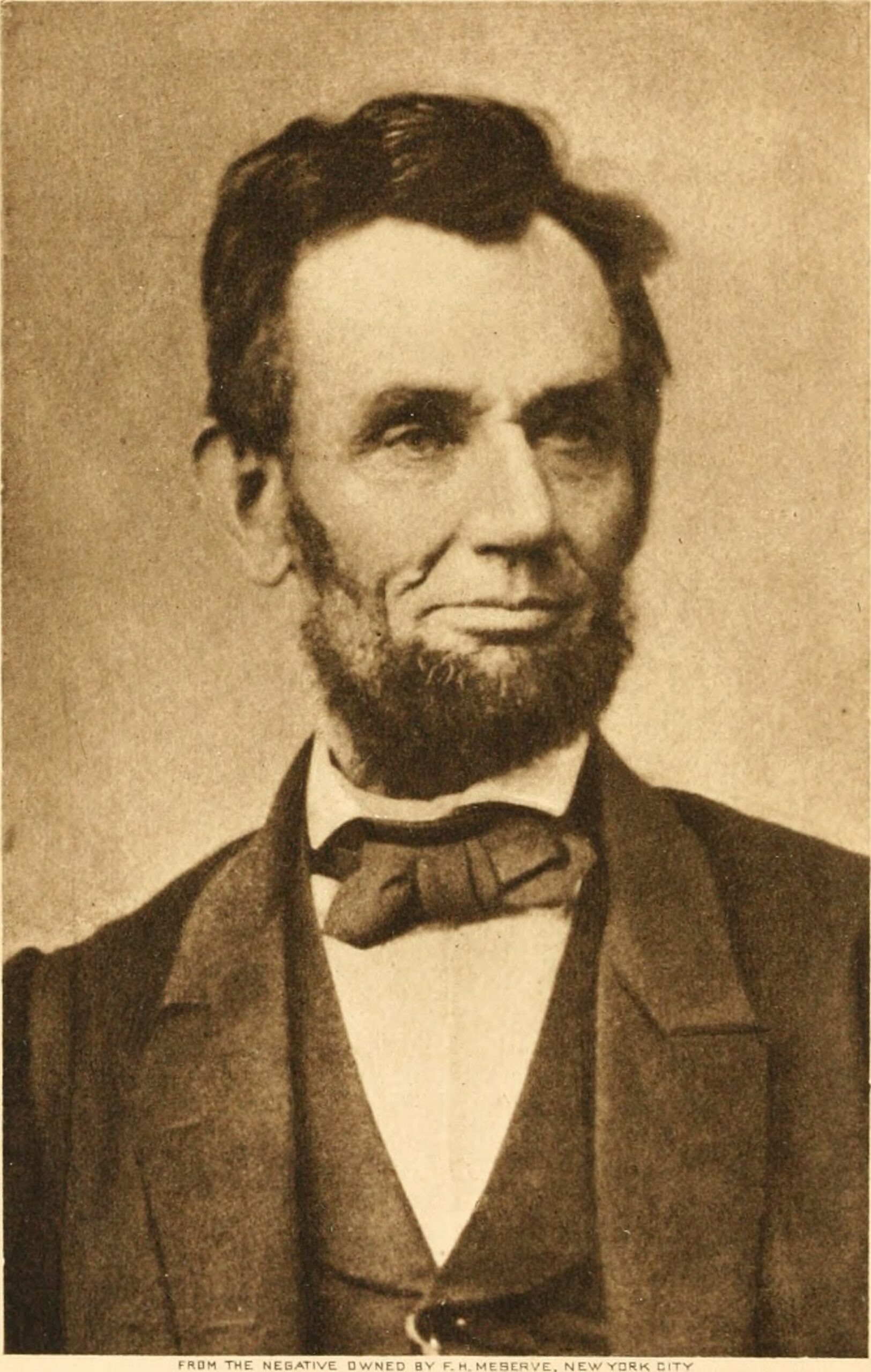
The Revenue Act of 1861: The Constitutional Gamble of an Unenforceable Tax
On August 5, 1861, President Abraham Lincoln signed the Revenue Act into law, authorizing the first federal income tax in U.S. history. The timing was no accident: just weeks after ...
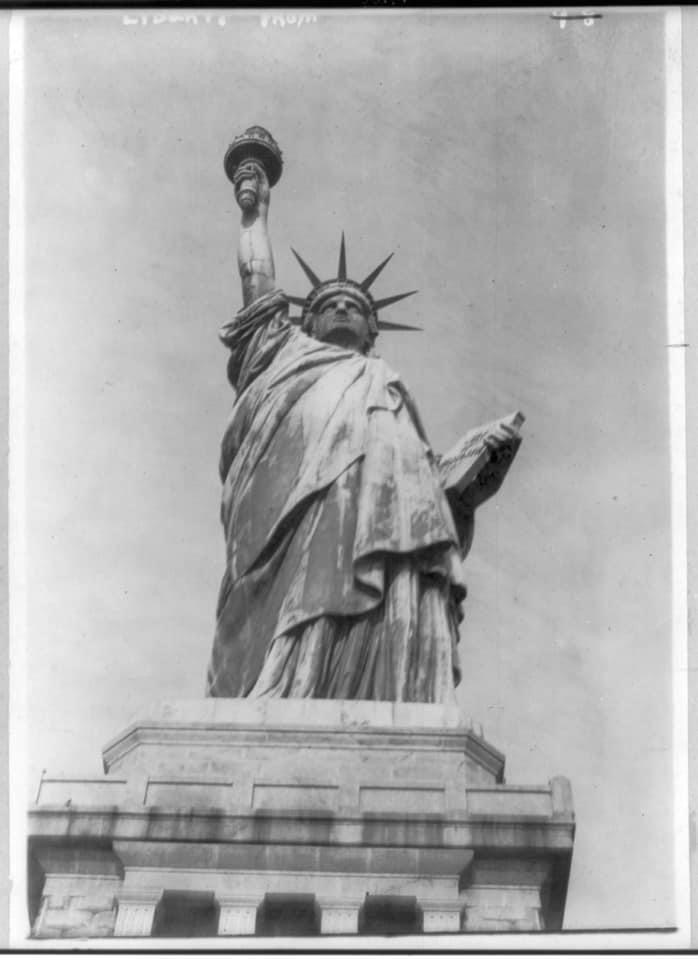
The Bedloe’s Island Cornerstone: Anchoring the French Symbol of Liberty in New York Mud
On August 5, 1884, the cornerstone of the Statue of Liberty was laid. The formal masonic ceremony on Bedloe's Island took place in the middle of a pouring rainstorm, serving ...
Free Shipping on all orders $60+ https://heartfelthistory.com/shop/
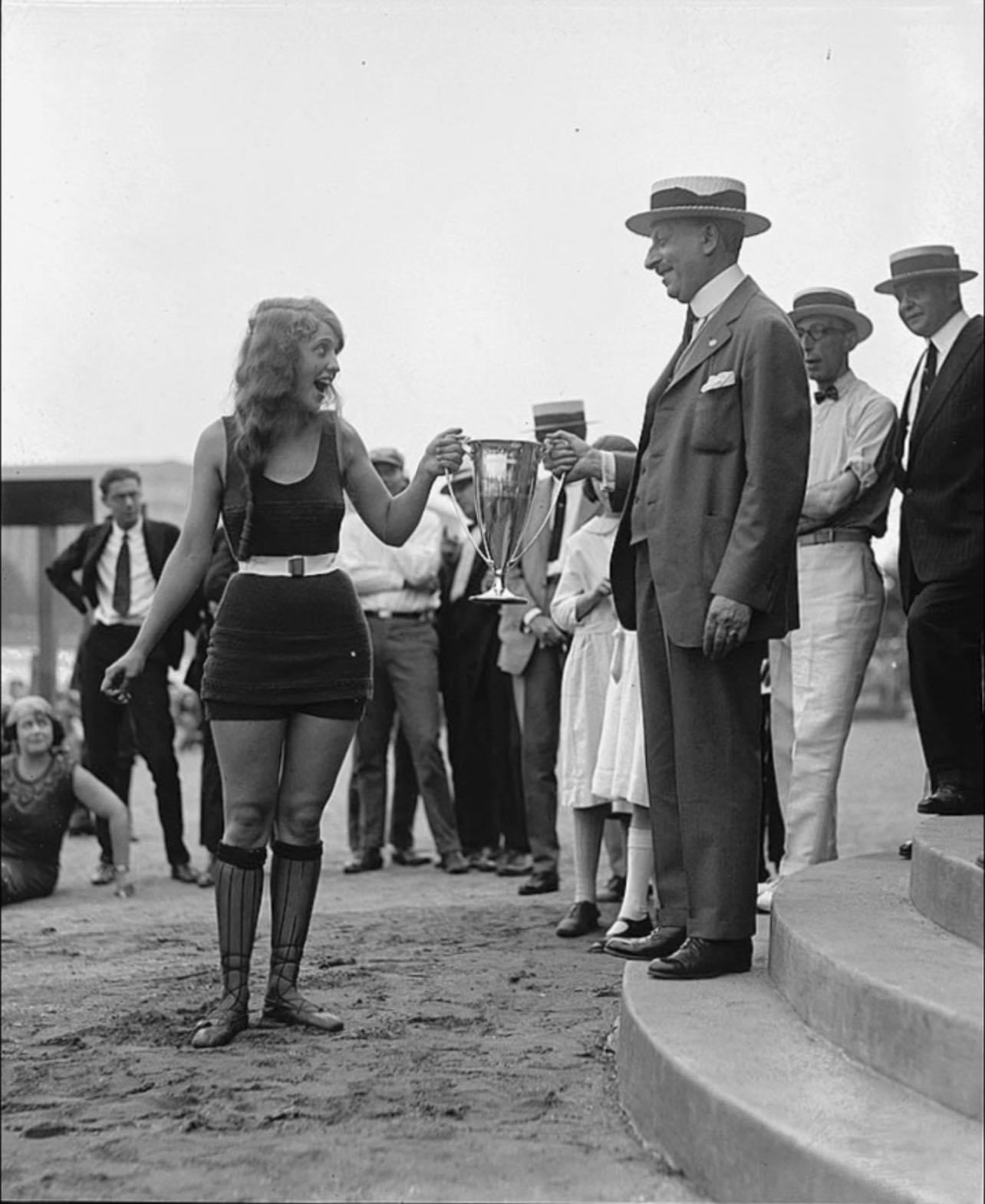
Eva Fridell: A Snapshot of America’s Early Bathing Beauty Era
On August 5, 1922, a seventeen-year-old named Eva Fridell won a Washington D.C. bathing beach beauty contest and receives her prize, a silver loving cup trophy. Fridell's victory at the ...
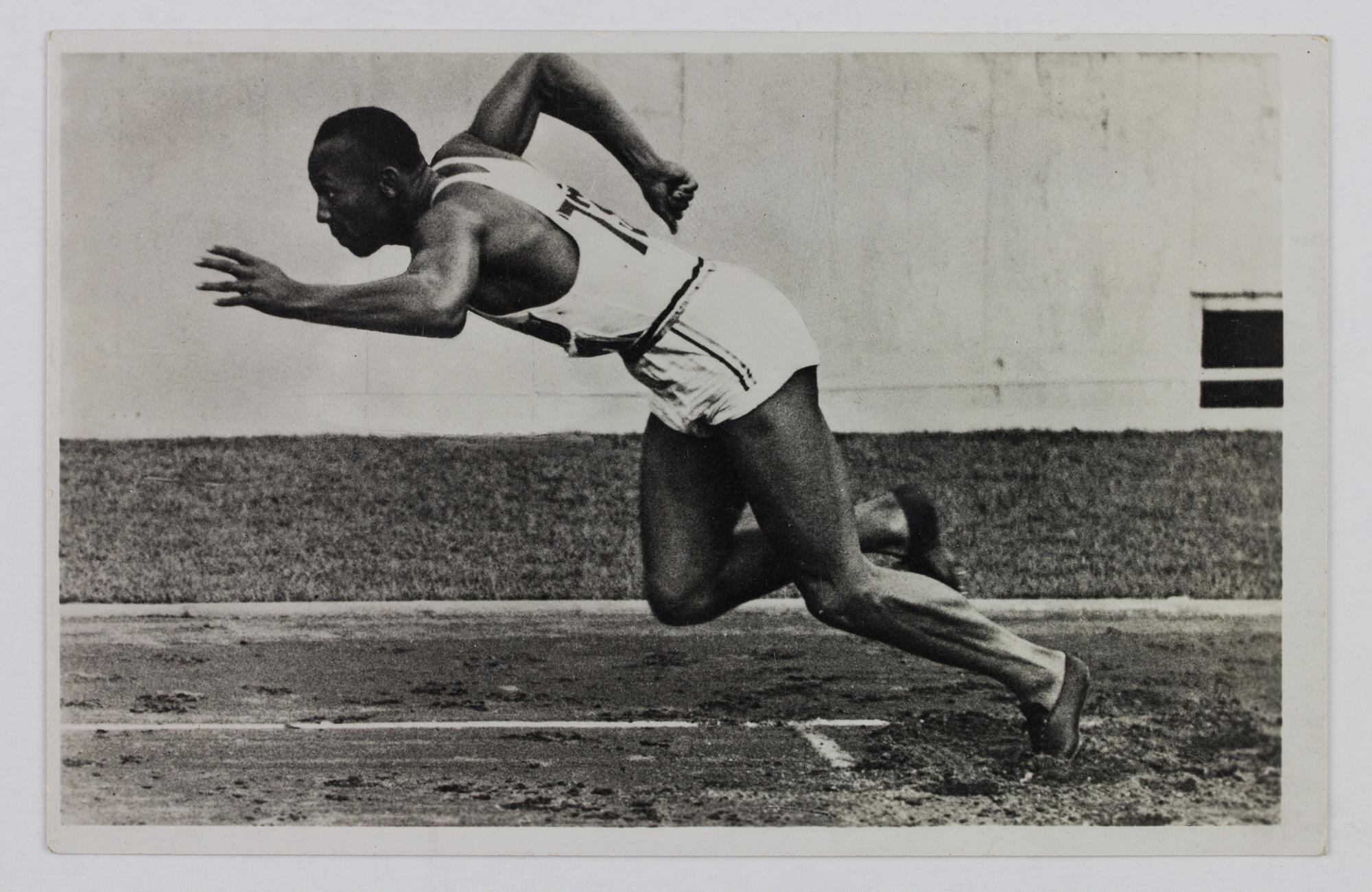
Jesse Owens: The 200-Meter Dash and the Continued Destruction of a Myth
A photograph from a postcard of Jesse Owens at the start of his 200 meter gold medal run on August 5 at the 1936 Olympic Games in Berlin. Owens’s historic ...
Free Shipping on all orders $60+ https://heartfelthistory.com/shop/
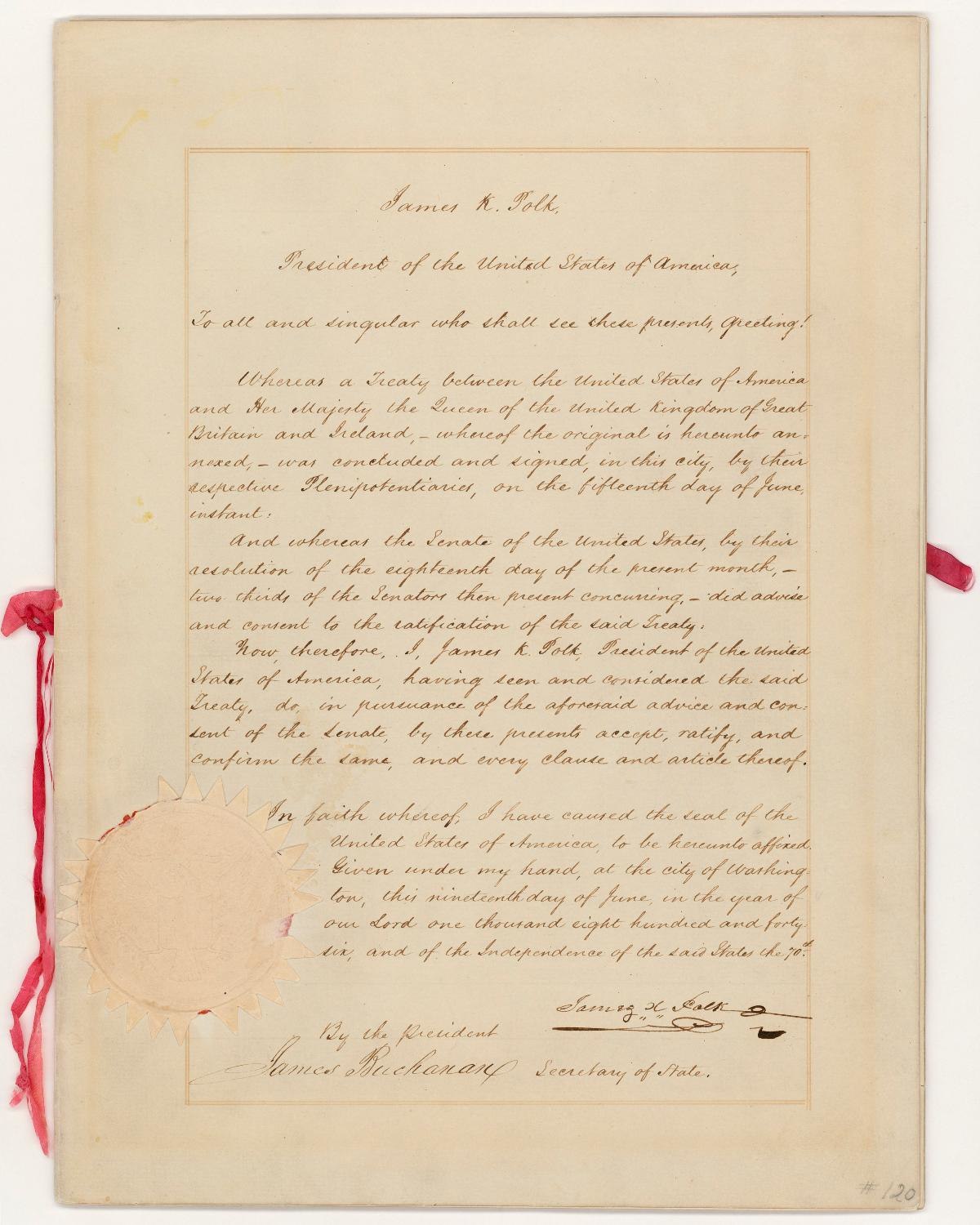
Polk’s Proclamation: Finalizing the Transatlantic Boundary of the Northwest
Although the Oregon Treaty—dividing the Oregon Country between the United States and Great Britain at the 49th parallel—was signed in June 1846, securing American claims to what would become Oregon, ...
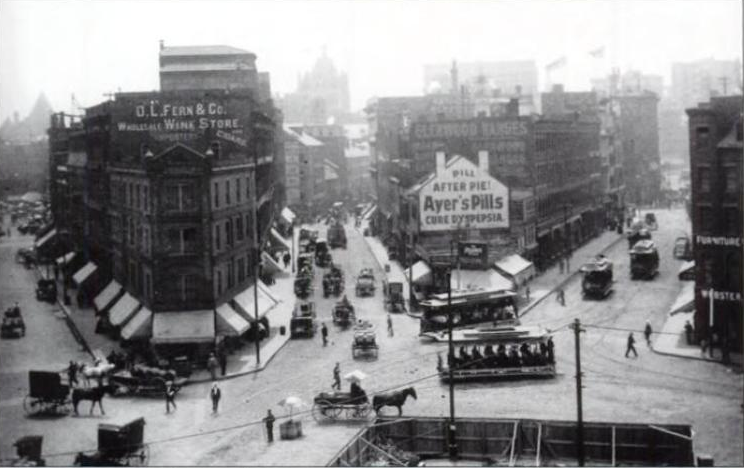
The Sensory Chaos of Haymarket Square: The Market That Fed a Changing Boston
Haymarket Square in Boston, Massachusetts on August 5, 1897. This historic image captures the vibrant, bustling heart of Boston's commercial food trade during a period of massive immigration and rapid ...
Free Shipping on all orders $60+ https://heartfelthistory.com/shop/
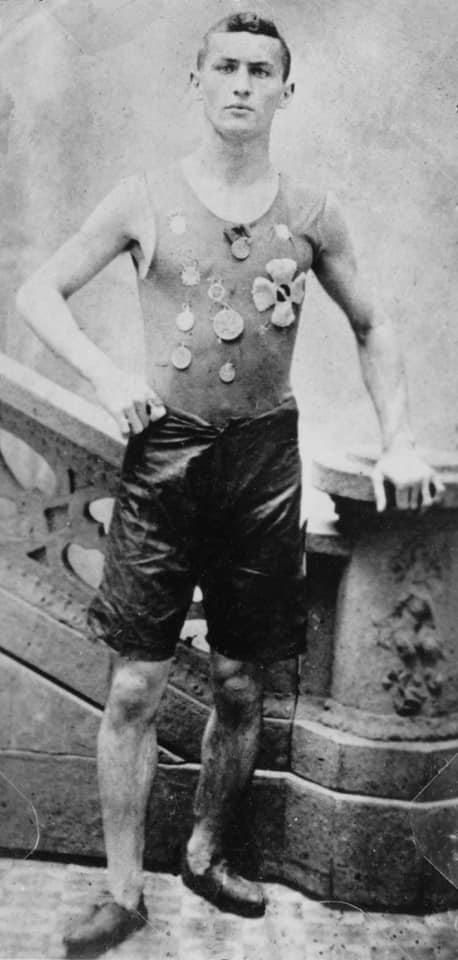
Harry Houdini: The Sinking Box Illusion and the Ultimate Battle Against Panic
Harry Houdini when he was about 16 years old in 1890. 36 years later on August 5, 1926, Houdini would spend just over an hour and a half in an ...

Neil Armstrong: The Hypersonic Test Pilot Who Aimed for the Stars
American astronaut Neil Alden Armstrong, the first person to walk on the moon, was born on August 5, 1930, in Wapakoneta, Ohio. Long before he ever stepped out of the ...
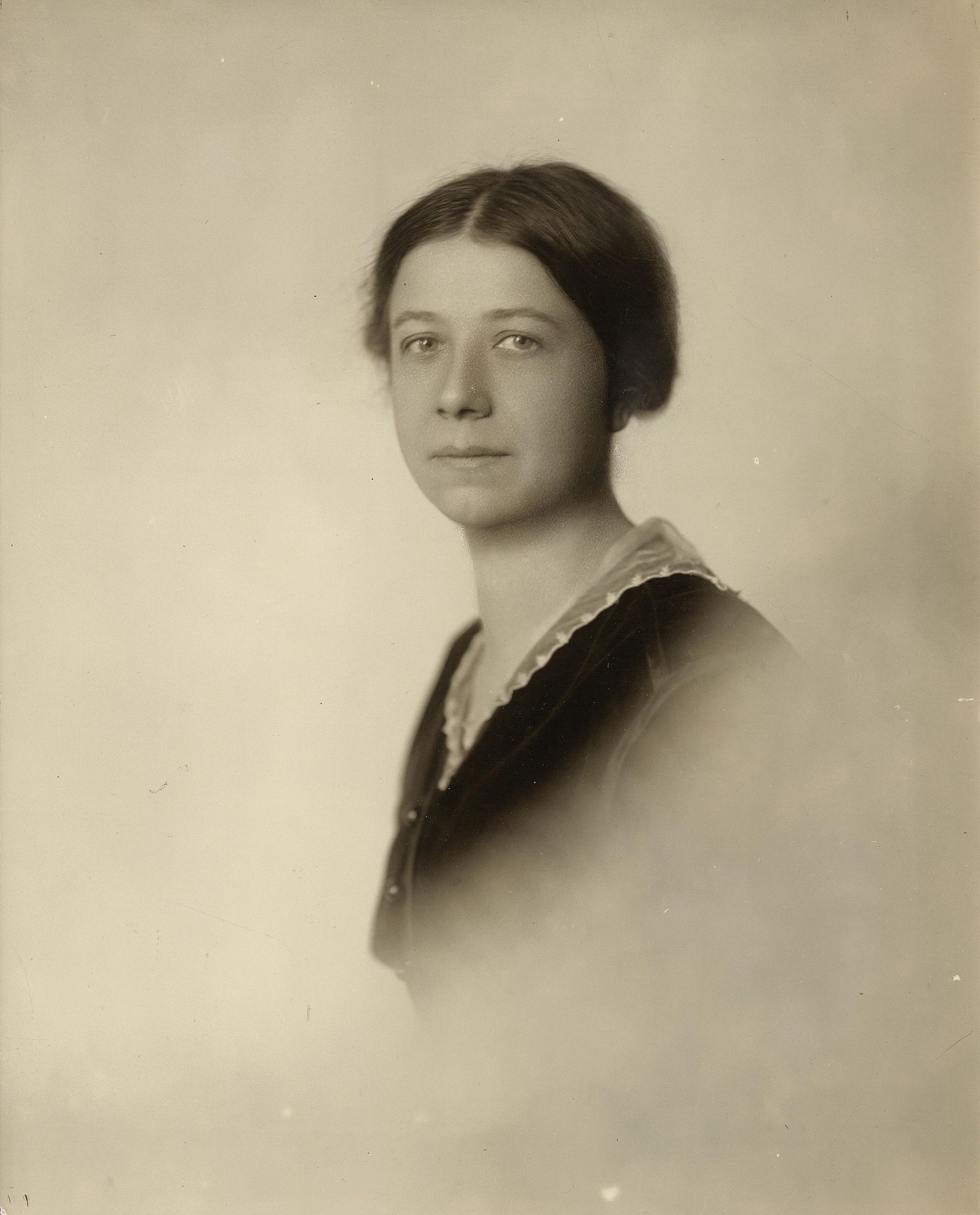
Mary Ritter Beard: The Historian Who Uncovered the Lost Story of Womanhood
“If civilization-the great society of today-is to continue, then the problem becomes one of making the huge superstructure of economics and politics function for the essential purposes of life and ...
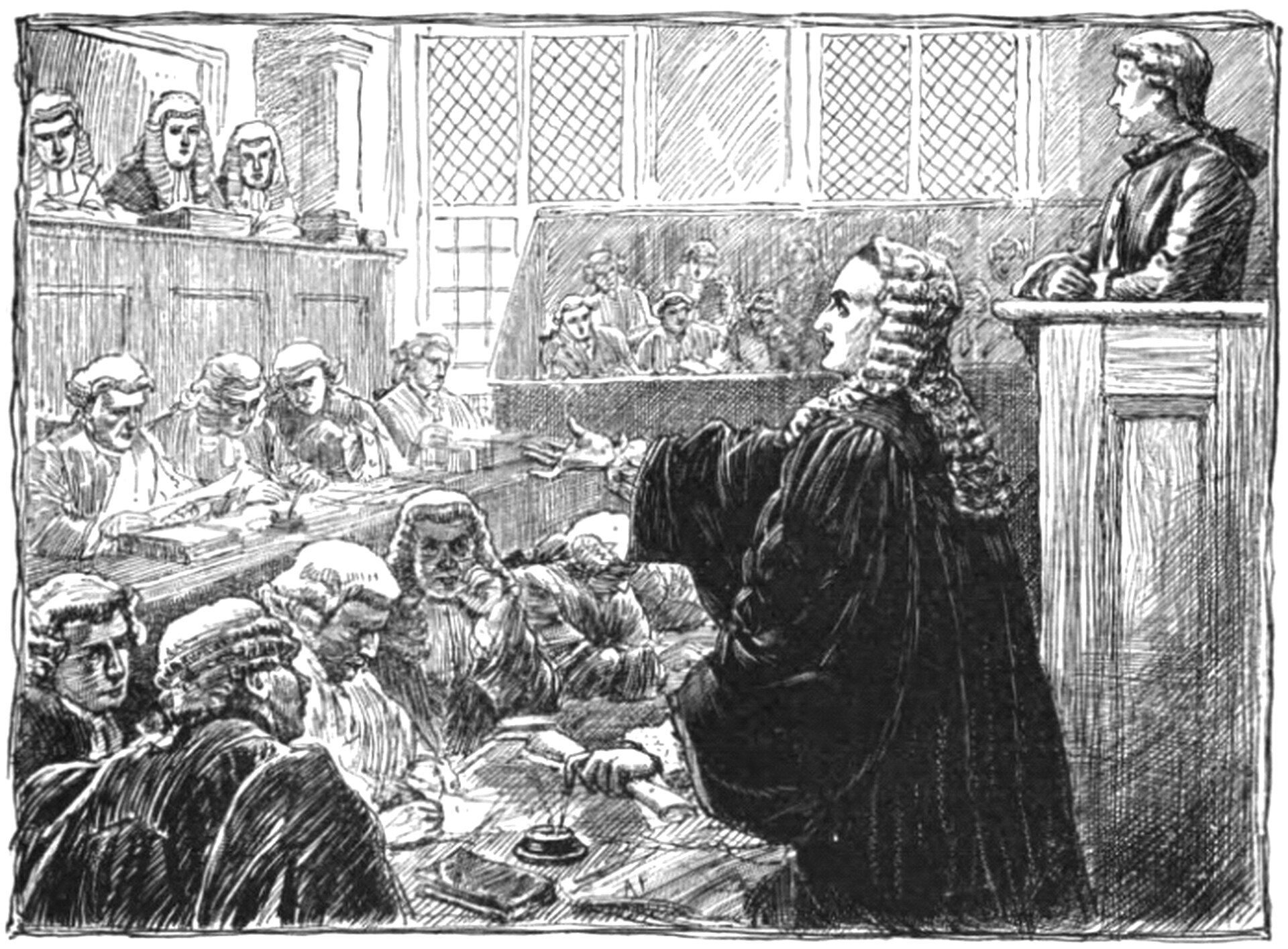
The Trial of John Peter Zenger: The Birth of American Free Speech
On August 5, 1735, the foundation of American press freedom was forged in a New York courtroom when a jury took just ten minutes to deliver a revolutionary verdict of ...
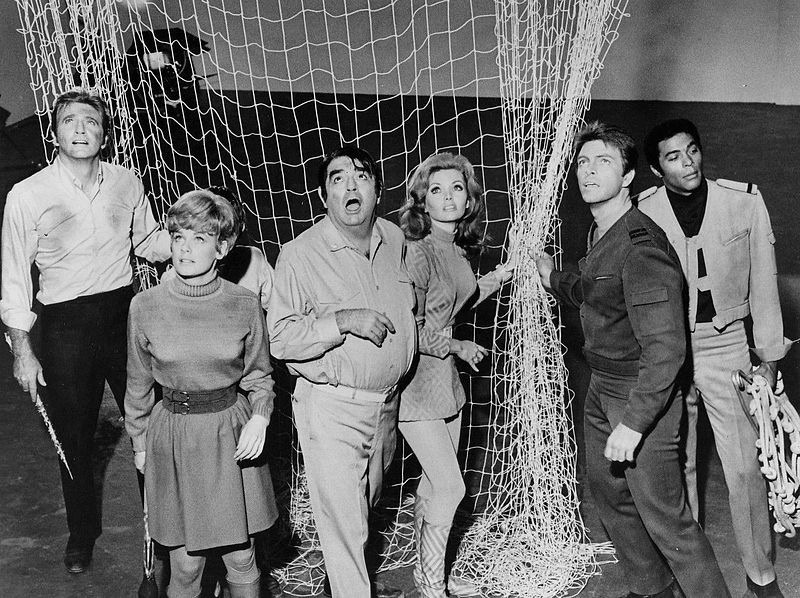
Don Matheson: From the Detroit Police Department to the Land of the Giants
Born August 5, 1929, Don Matheson was a decorated Korean War veteran then an officer with the Detroit PD. It was law enforcement’s loss when Don turned to acting. He ...
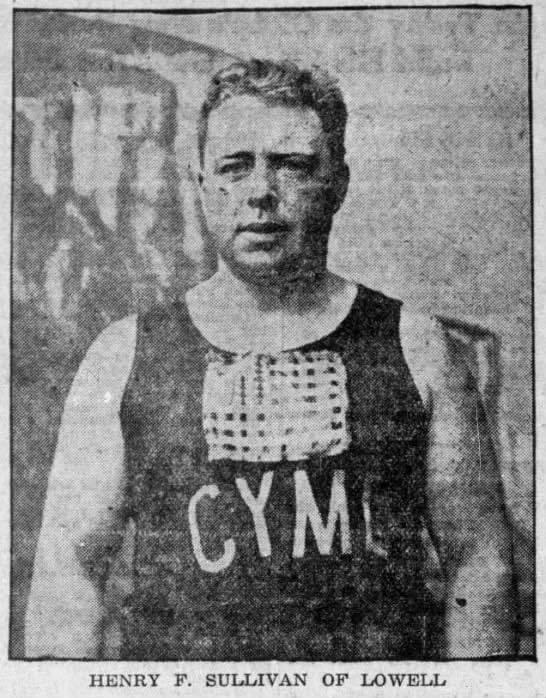
Henry Sullivan: The Relentless Seventh Slog Across the English Channel
On August 5, 1923, Henry Sullivan set out from the beach of Dover to be the first American to swim across the English Channel. The next day he accomplished his ...
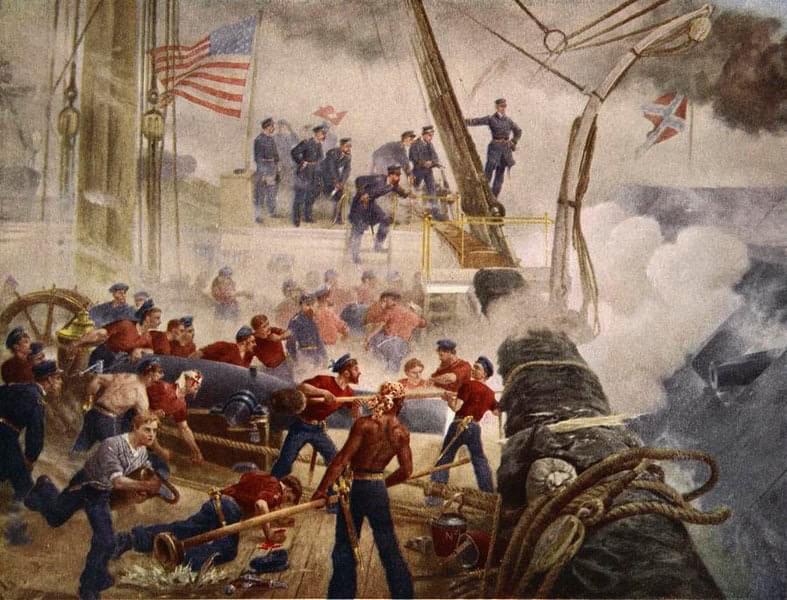
The Battle of Mobile Bay: Farragut’s Defiant Surge Past the Torpedoes
On August 5, 1864, the Battle of Mobile Bay, Alabama was fought. US naval vessels commanded by Rear Adm. David Farragut, shown aboard his flagship USS Hartford, sailed past three ...
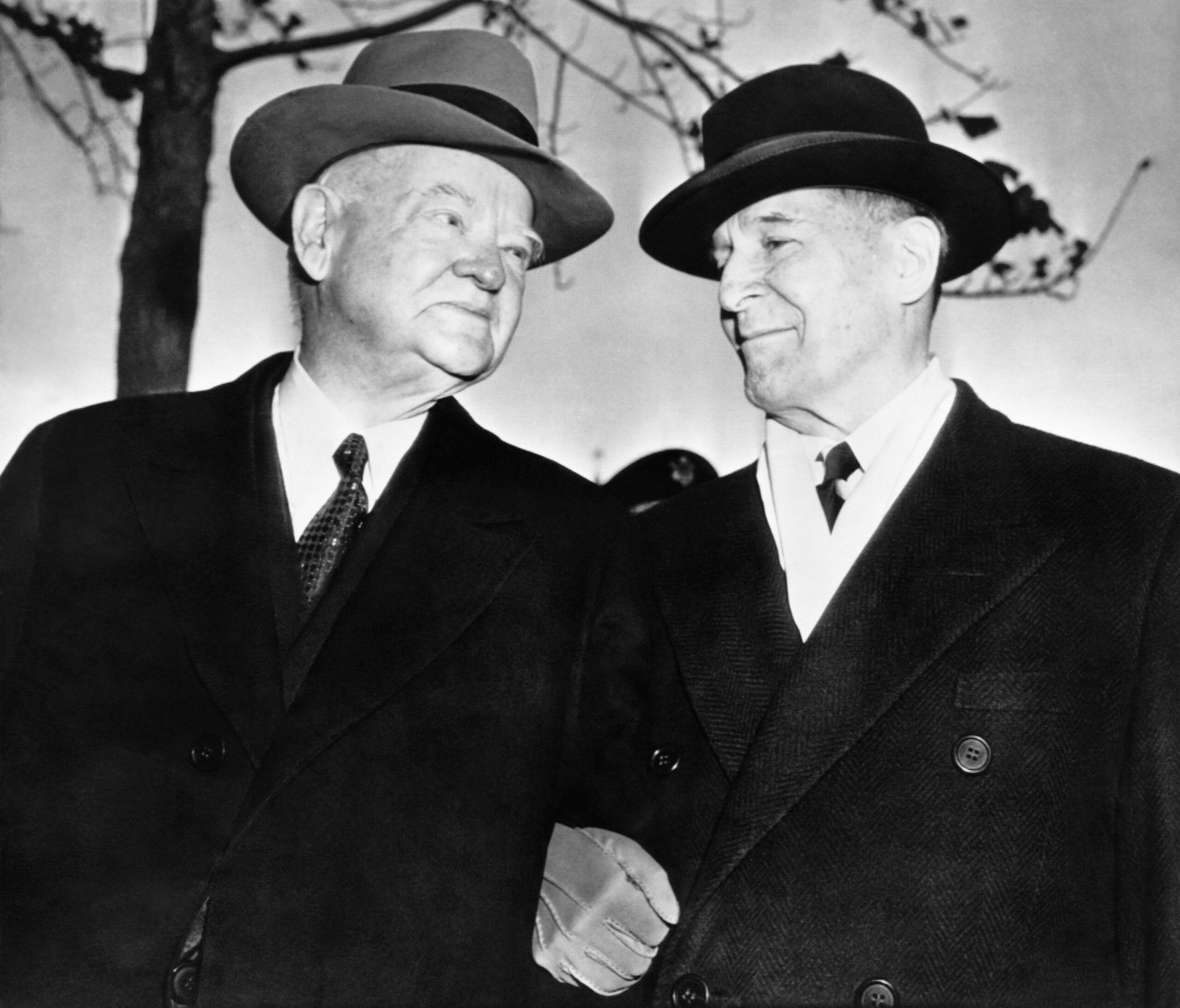
Elevating MacArthur: Hoover’s Strategic Maneuver in a Decade of Turmoil
On August 5, 1930, President Herbert Hoover announced that General Douglas MacArthur would become the next Chief of Staff of the U.S. Army. Hoover praised MacArthur’s intellect and administrative skill, ...
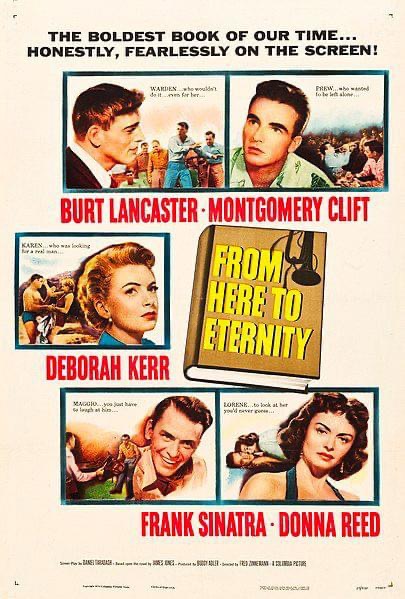
From Here to Eternity: The Masterpiece That Resurrected Frank Sinatra’s Career
August 5, 1953 – the film version of the James Jones novel From Here to Eternity is released. The film, made with the cooperation of the US military, was set ...

The World’s First Traffic Light: Standardizing Order in the Age of the Automobile
The first traffic light in the world was installed in Cleveland, Ohio on August 5, 1914. The debut of this electric traffic signal at the intersection of East 105th Street ...

Craig Breedlove: Rocketing Across the Bonneville Salt Flats with No Wings
Driver Craig Breedlove set a world land speed record of 407.45 mph on August 5, 1963. His vehicle, the Spirit of America, was powered by a General Electric J47 turbojet ...
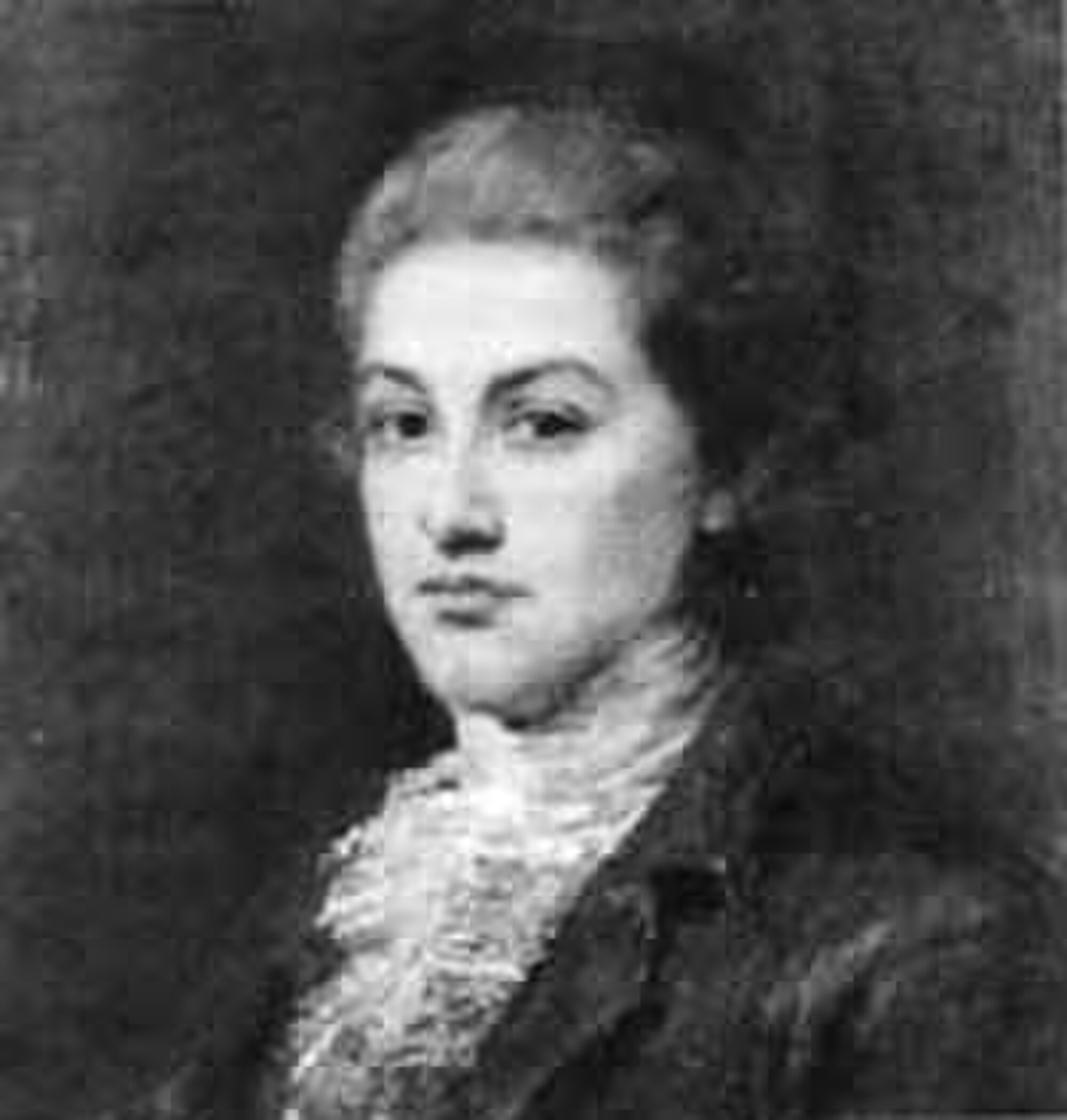
Thomas Lynch Jr.: The Tragic, Fleeting Life of a Reluctant Signer
Thomas Lynch Jr., born on August 5, 1749, in Georgetown, South Carolina, was the second‑youngest signer of the Declaration of Independence — three months older than Edward Rutledge, the youngest ...