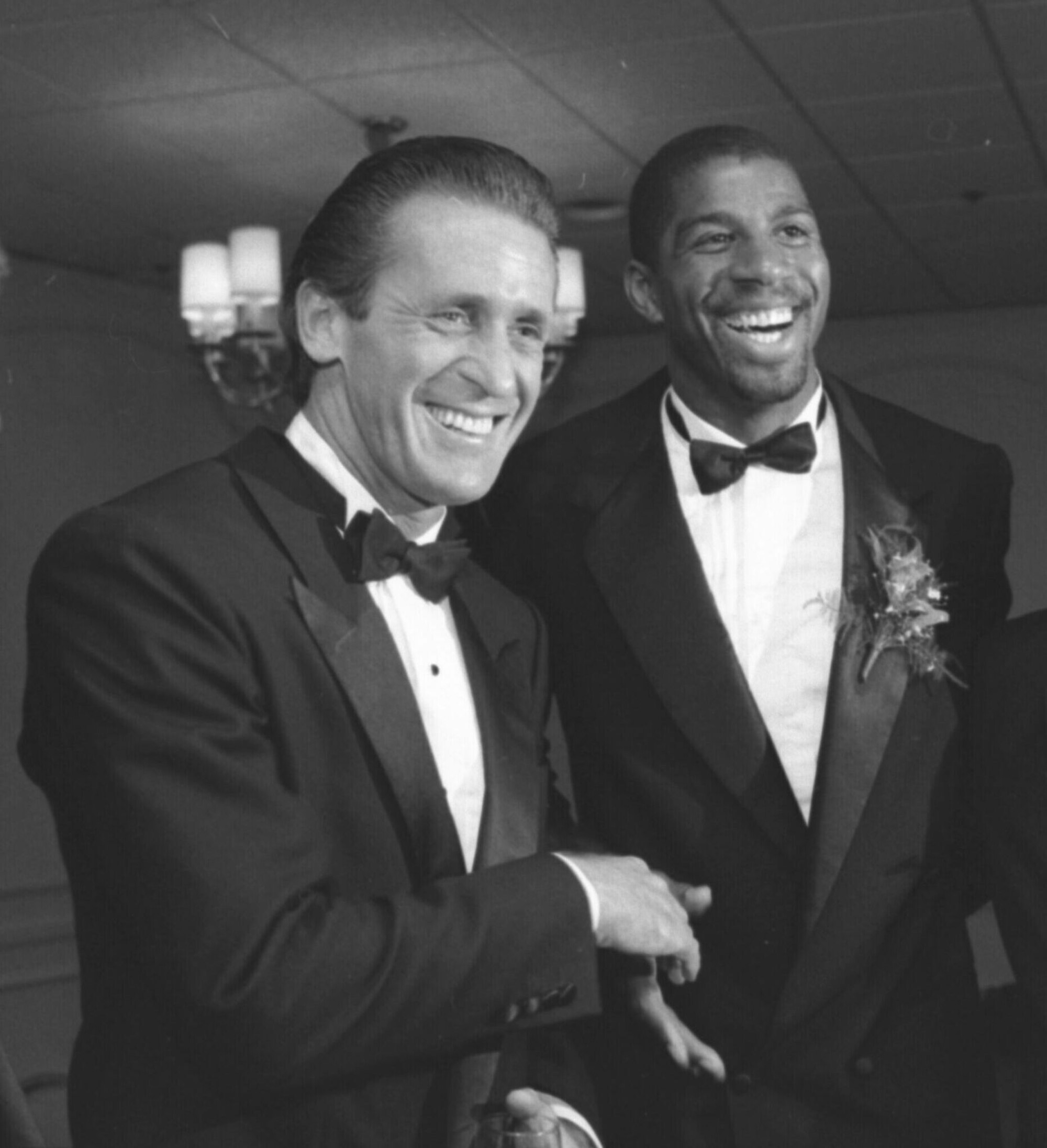
Magic Johnson: The Electric Vision That Transformed the Hardwood
Earvin “Magic” Johnson, born August 14, 1959, in Lansing, Michigan, became one of basketball’s most electrifying figures—and a force for change off the court. His Magic Johnson Foundation, launched in ...
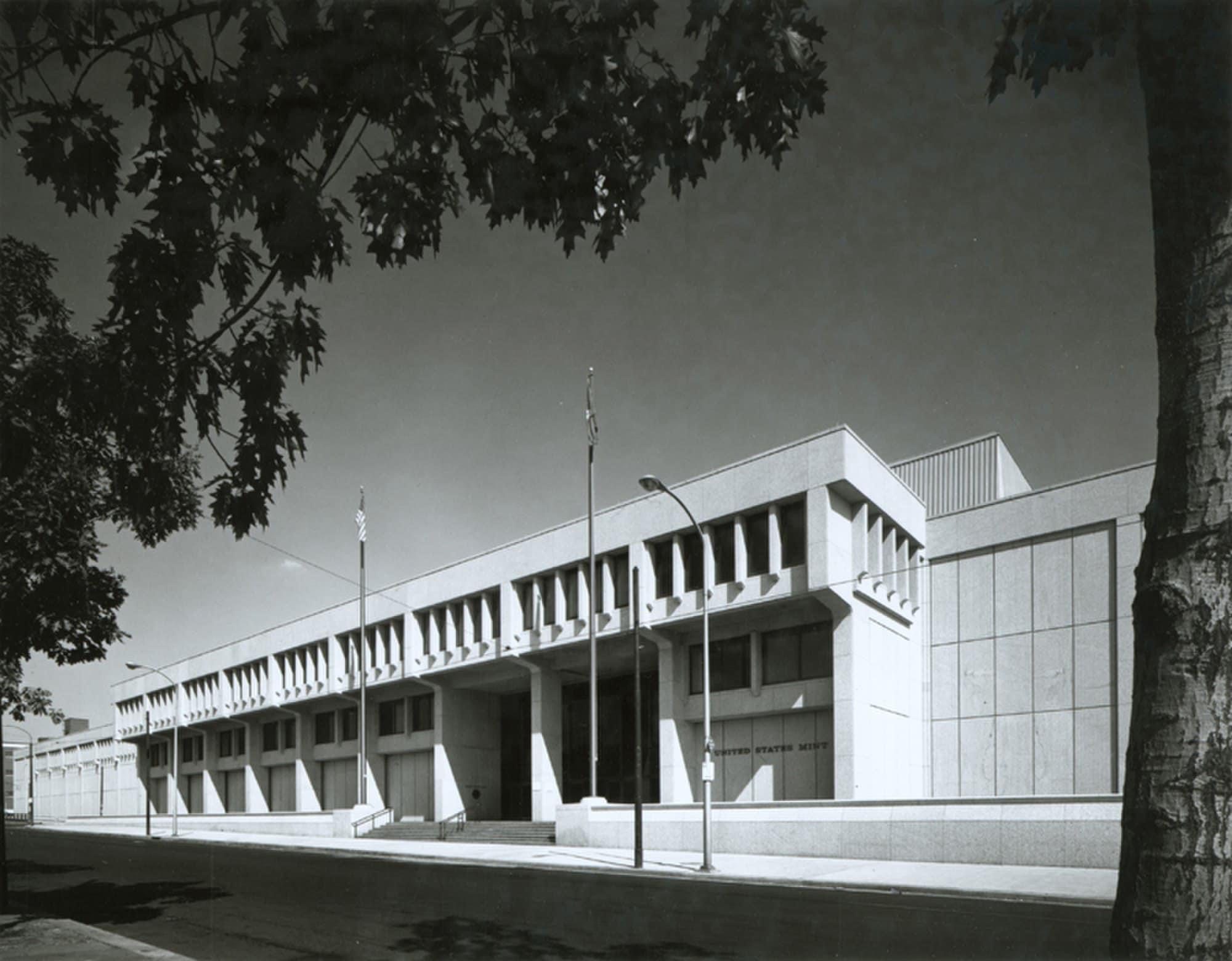
The Philadelphia Mint of 1969: The Colossus of Modern Coinage
The fourth Philadelphia Mint building opened on August 14, 1969. It’s one of the largest and most productive mints in the world. The opening of this massive, three-acre facility on ...
Free Shipping on all orders $60+ https://heartfelthistory.com/shop/
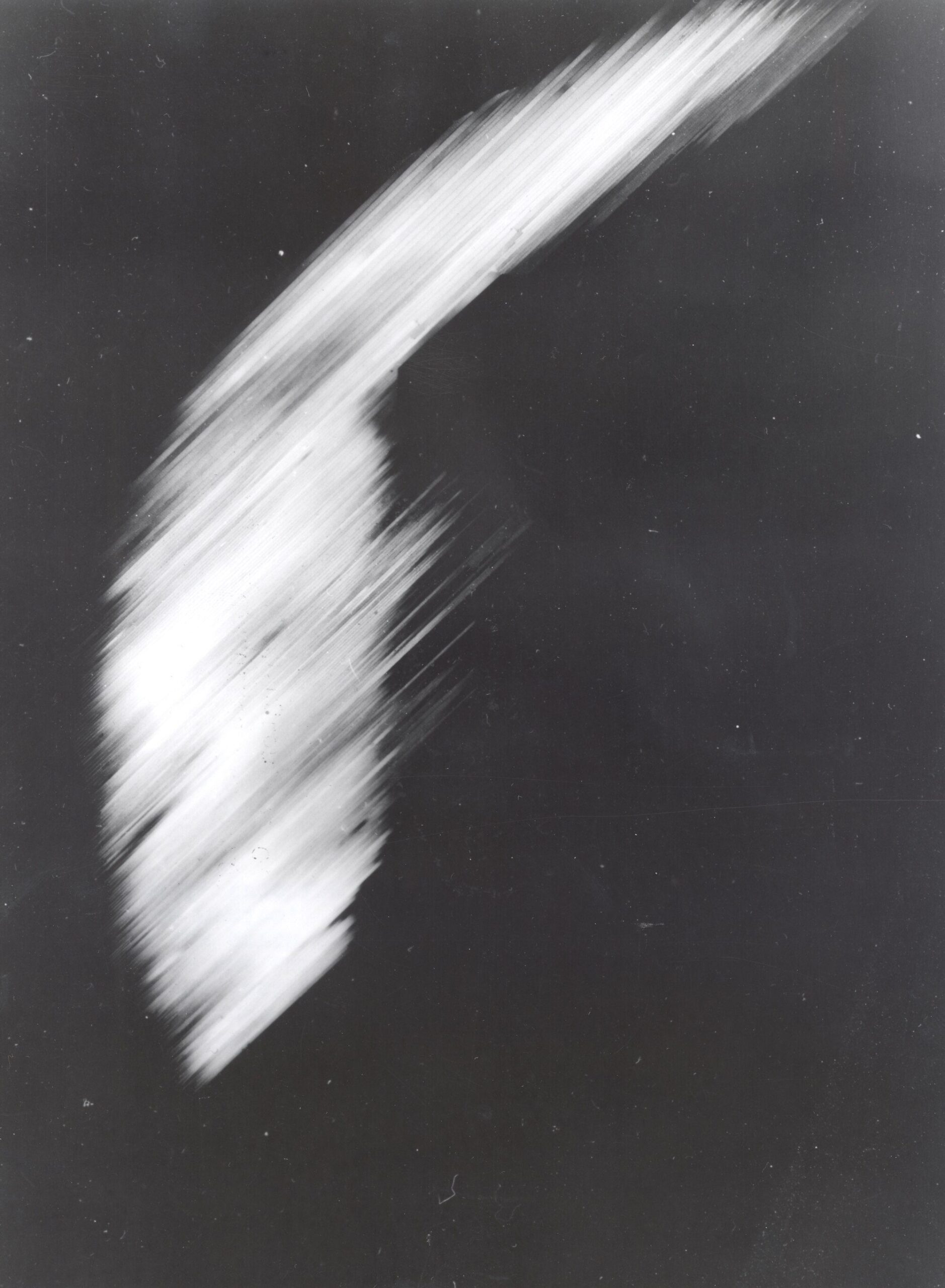
Explorer VI: The Grainy Dawn of Cosmic Perspective
First satellite photo of Earth taken on August 14, 1959, by NASA’s Explorer VI. This crude, heavily pixelated image transmitted by Explorer VI on August 14th was a monumental, system-shaking ...
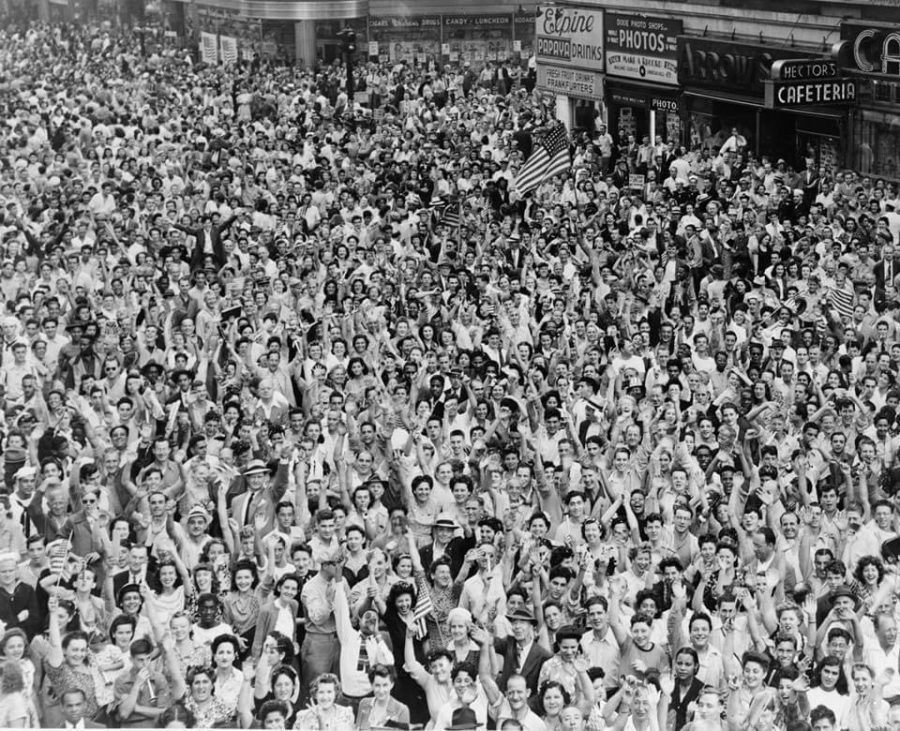
The Times Square Deluge: The Unbridled Joy of a Nations’ Release
Crowd in Times Square in New York City at the time of the announcement of the Japanese surrender on August 14, 1945. This panoramic photograph captures the absolute, unbridled emotional ...
Free Shipping on all orders $60+ https://heartfelthistory.com/shop/
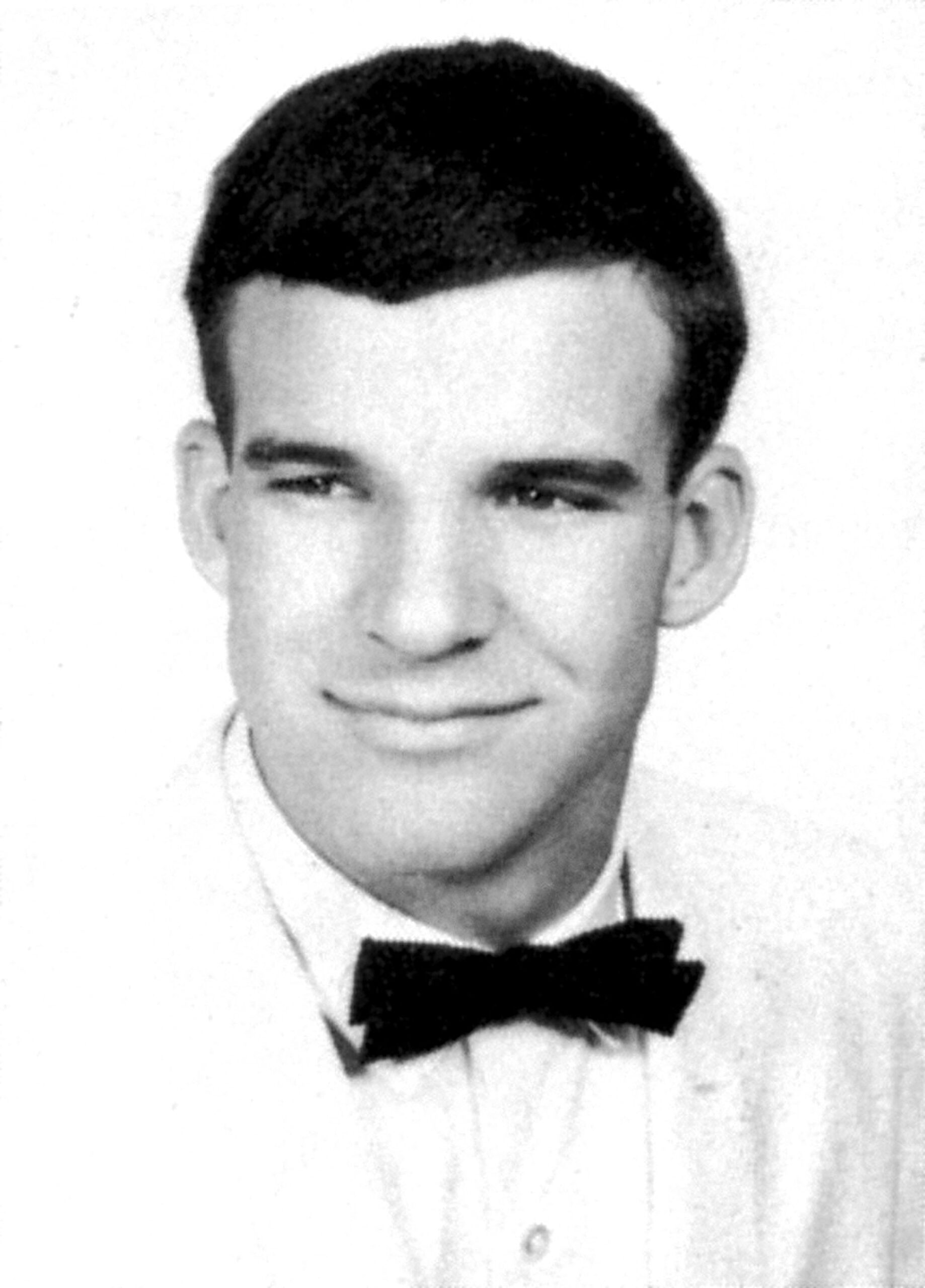
Steve Martin: The Disneyland Magic of a Comedic Icon
Happy Birthday, Steve Martin. Born August 14, 1945, in Waco, Texas, Steve Martin began his journey into show business at Disneyland, where he worked at the Main Street Magic Shop ...
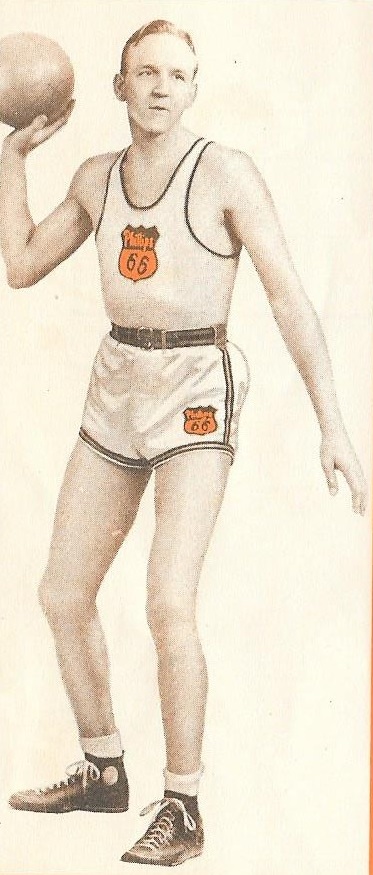
Joe Fortenberry: The Outdoor Rainout That Won the First Olympic Gold
August 14, 1936 – At the Summer Olympic Games in Berlin, captain of the U.S. Men’s Basketball Team, Joe Fortenberry, led his team to the first-ever Gold Medal win (19-8) ...
Free Shipping on all orders $60+ https://heartfelthistory.com/shop/
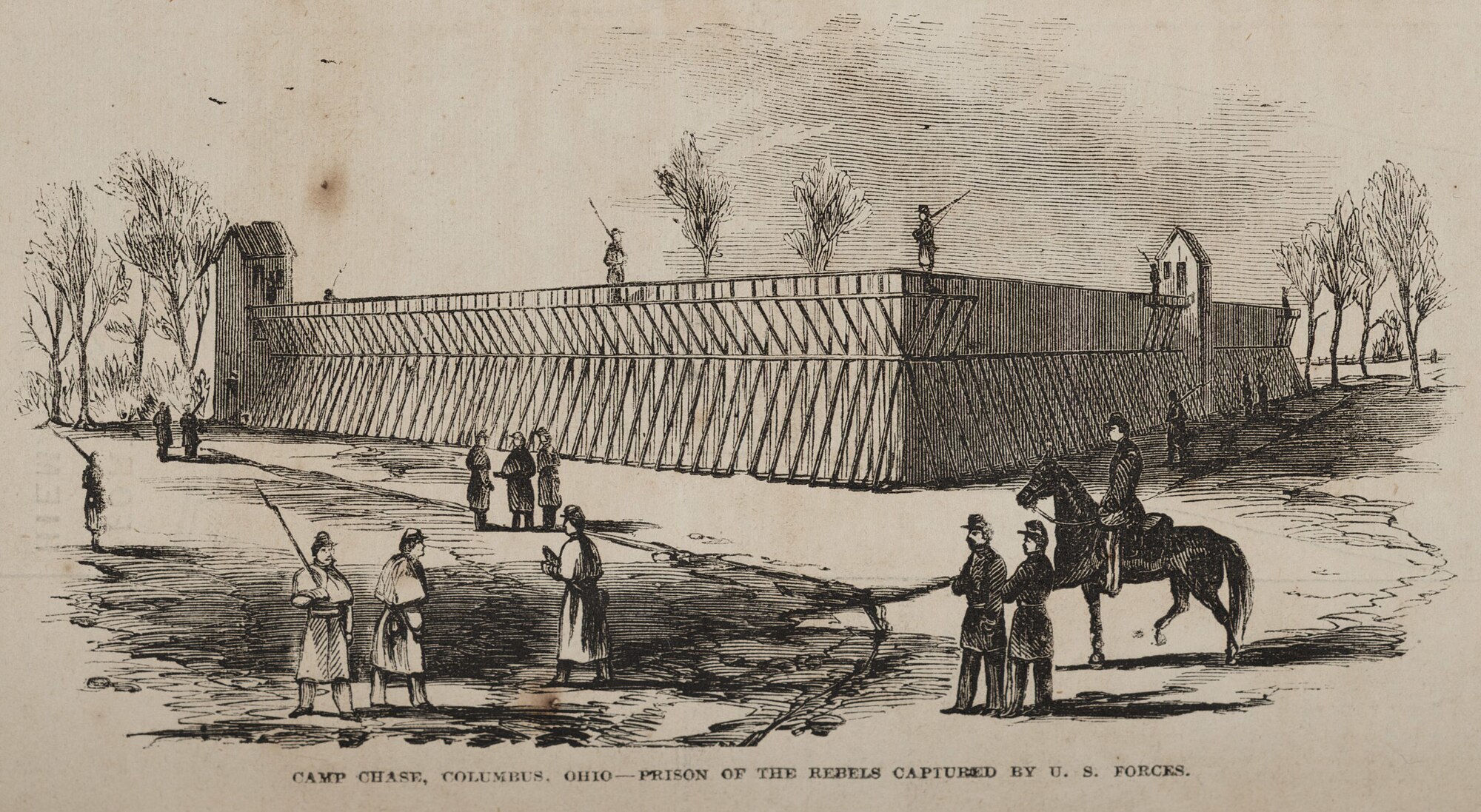
Lincoln’s Camp Chase Telegram: A Fragment of Empathy Across Enemy Lines
Despite the raging Civil War, a moment of human empathy pierced the conflict. On August 14, 1862, President Abraham Lincoln personally intervened on behalf of a Confederate prisoner held at ...
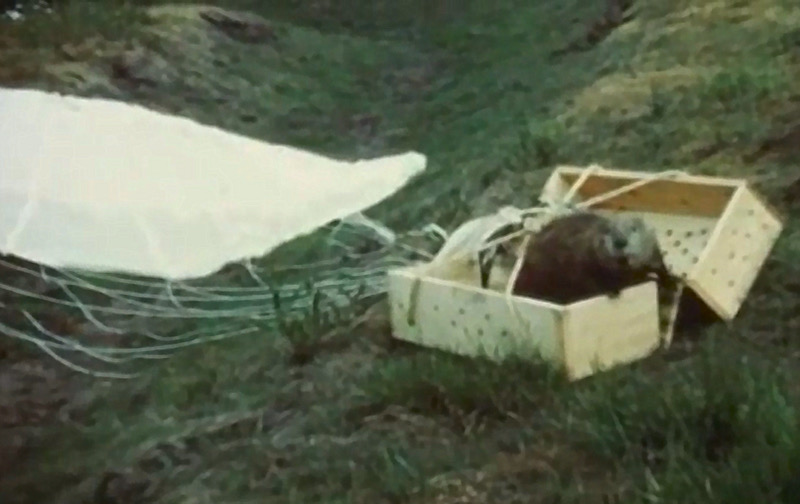
The Parachuting Beavers of Idaho: A High-Flying Modern Wetland Recovery
On August 14, 1948, eight of an eventual 76 beavers were parachuted into the Chamberlain Basin wetlands region of Idaho. The Idaho Dept. of Fish and Game determined, correctly, that ...
Free Shipping on all orders $60+ https://heartfelthistory.com/shop/
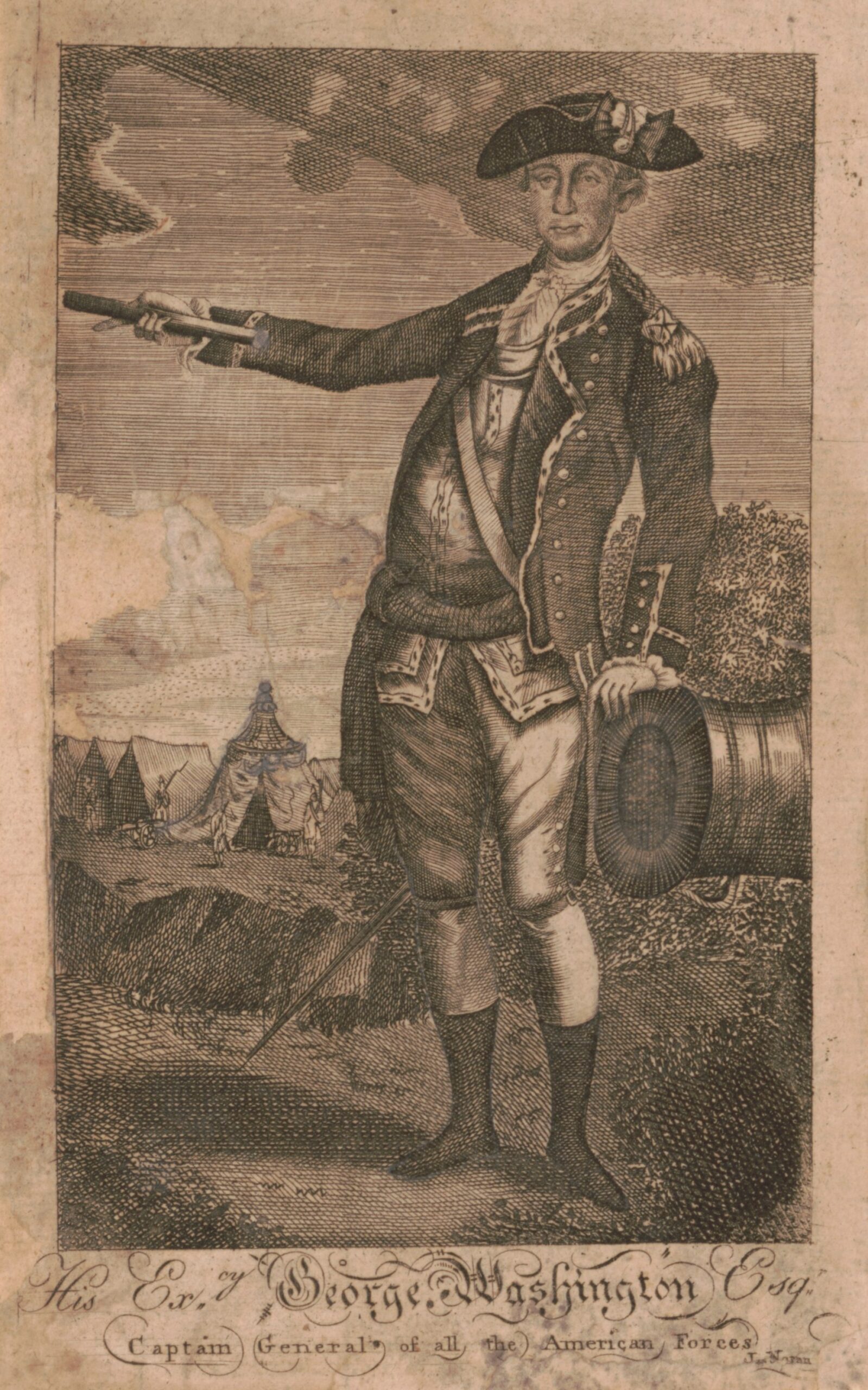
General Washington’s Resolve: The Ultimatums of the New York Campaign
On August 14, 1776, upon the arrival of the British at New York, George Washington addressed his troops, saying, “We must resolve to conquer or die; with this resolution, and ...
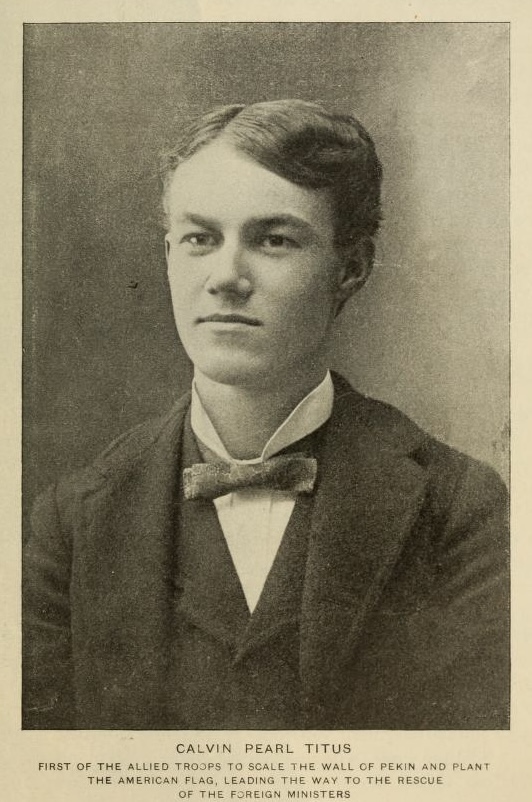
Calvin Pearl Titus: The Golden Dragon’s Ascent Over Peking
On August 14, 1900, Iowa-born Calvin Pearl Titus of the U.S. Army’s 14th Infantry Regiment was the first to scale the wall of the Peking Palace in China during the ...
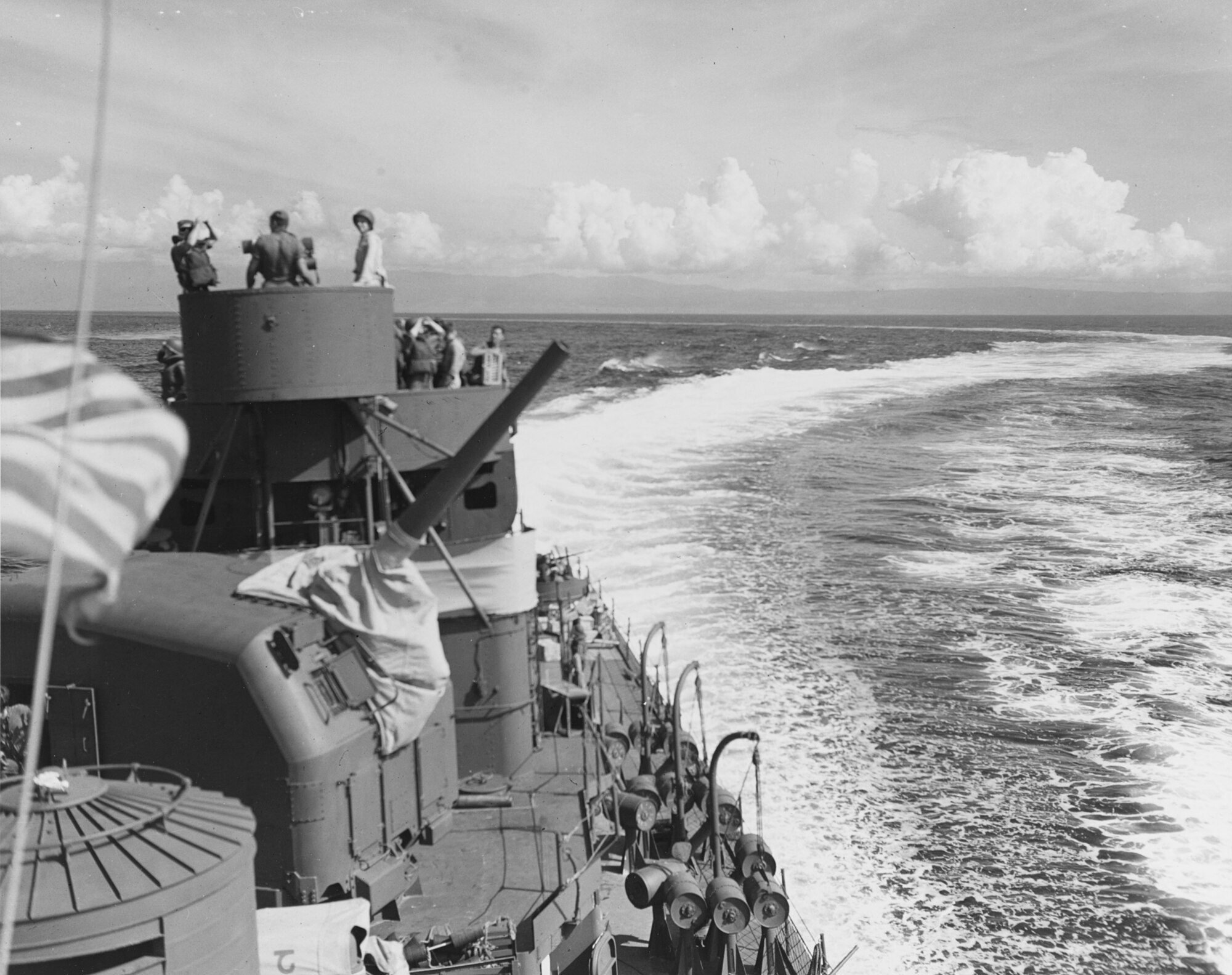
The Vella Lavella Lookout: Watching the Sky Aboard the USS Nicholas
Men are at battle stations watching for enemy planes and depth charges are ready on the U.S. Navy destroyer USS Nicholas which is en route to the Vella Lavella landings ...
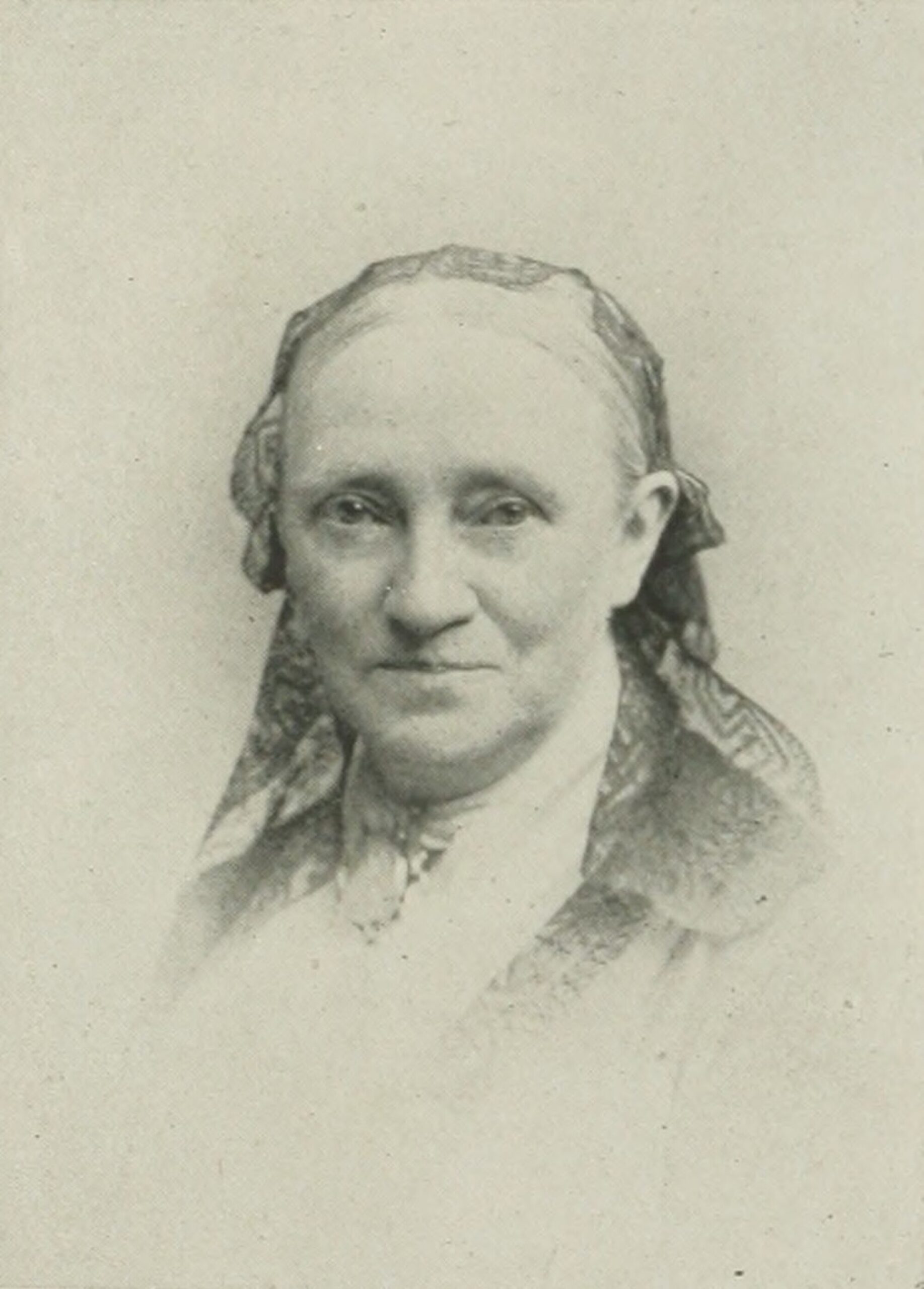
Charlotte Fowler Wells: The Scientific Reformer of Cranial Charts
Charlotte Fowler Wells, born August 14, 1814, in Cohocton, New York, was a pioneering educator, publisher, and public intellectual who helped shape the popular reception of phrenology in 19th-century America ...
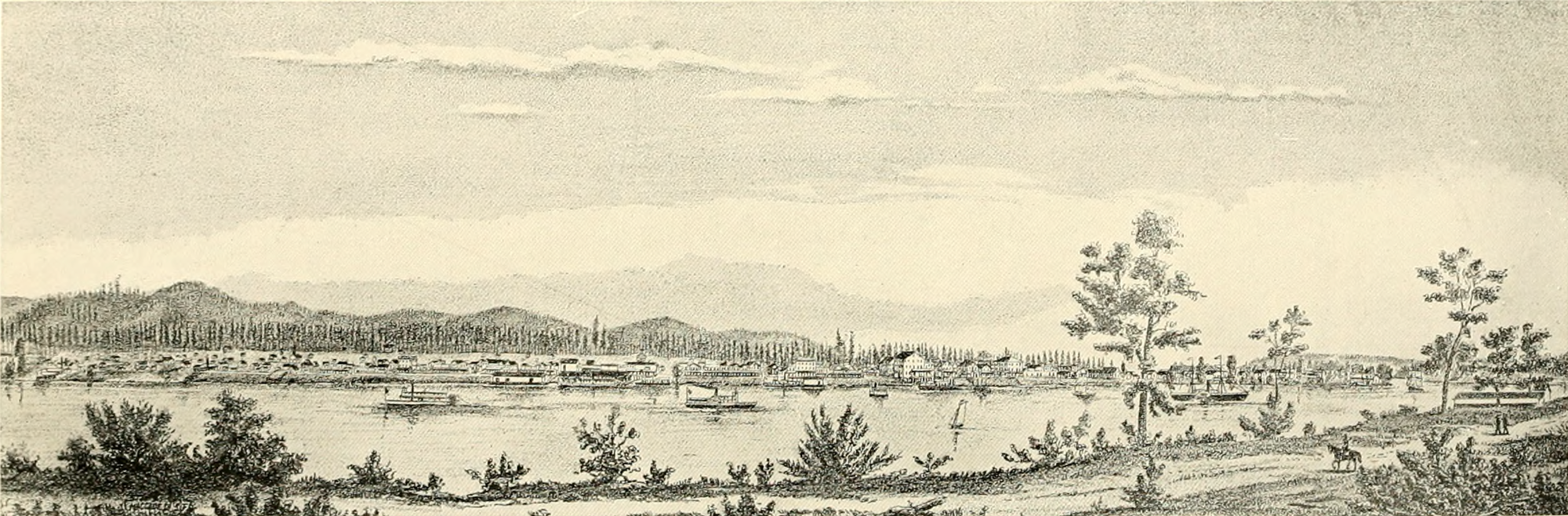
The Oregon Territory: Organizing the Empires of the Northwest
The Territory of Oregon was organized on August 14, 1848. It lasted nearly 11 years until Oregon became a state in 1859. The official congressional organization of the territory on ...
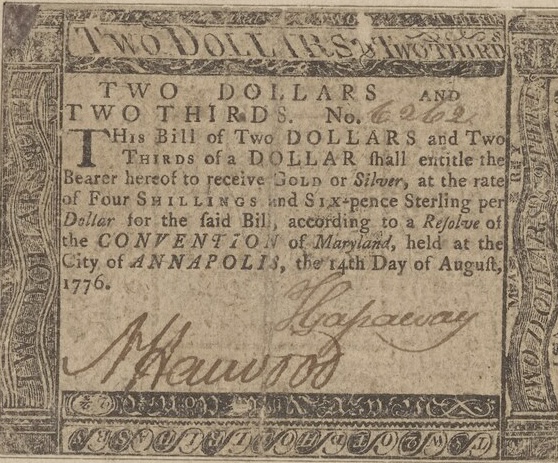
The Annapolis Annapolis Resolve: Forging Colonial Currency in the Forge of Revolution
A Maryland Colonial currency note valued at “Two Dollars and Two-Thirds of a Dollar” that was printed according to a Resolve of the Annapolis Convention that took place on August ...
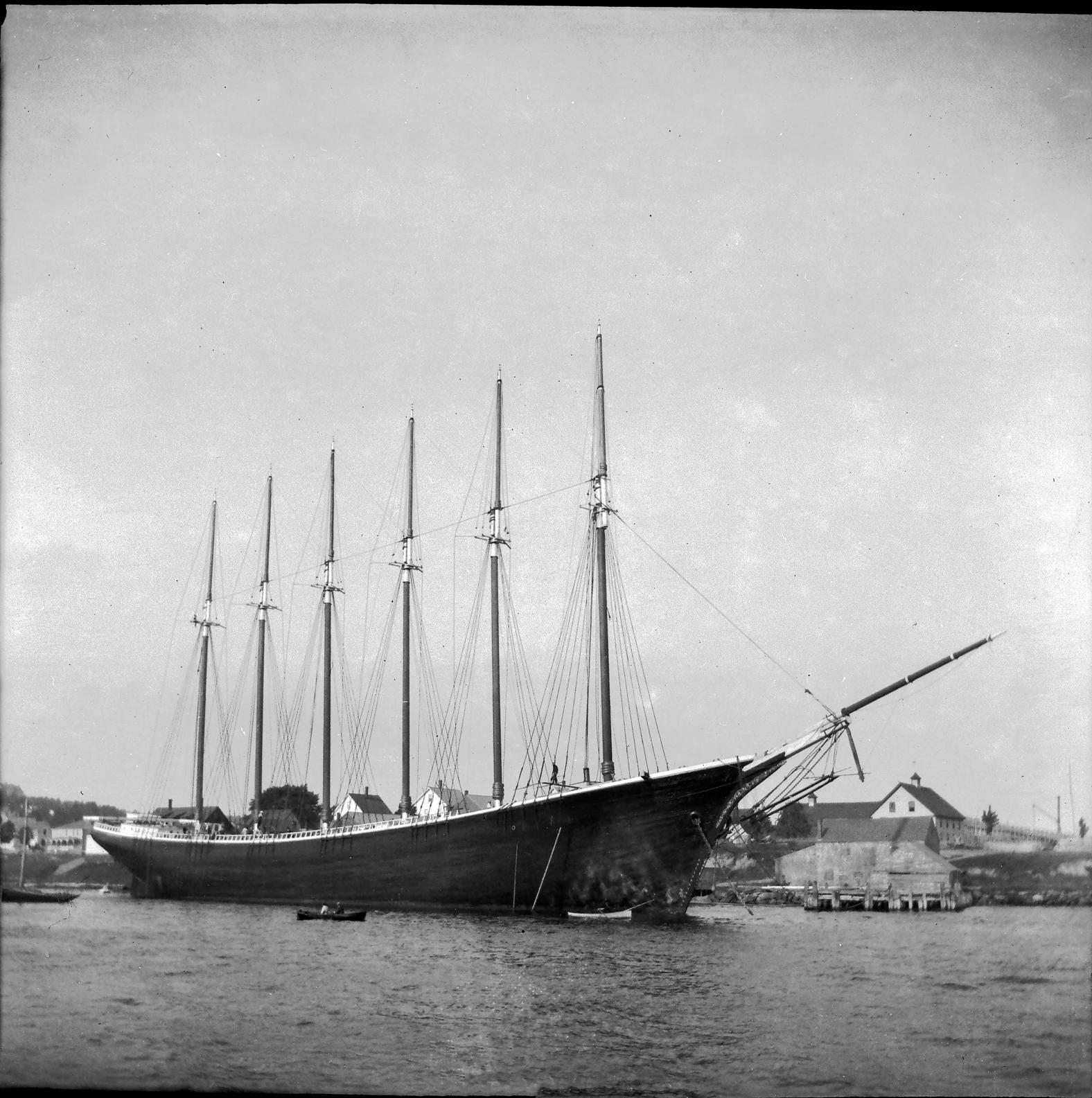
The George W. Wells: The Giant Wooden Leviathan of the Age of Sail
The George W. Wells, launched on August 14, 1900, from Camden, Maine, was the world’s first six-masted schooner—a bold leap in maritime design and scale. Named for George Washington Wells, president of ...
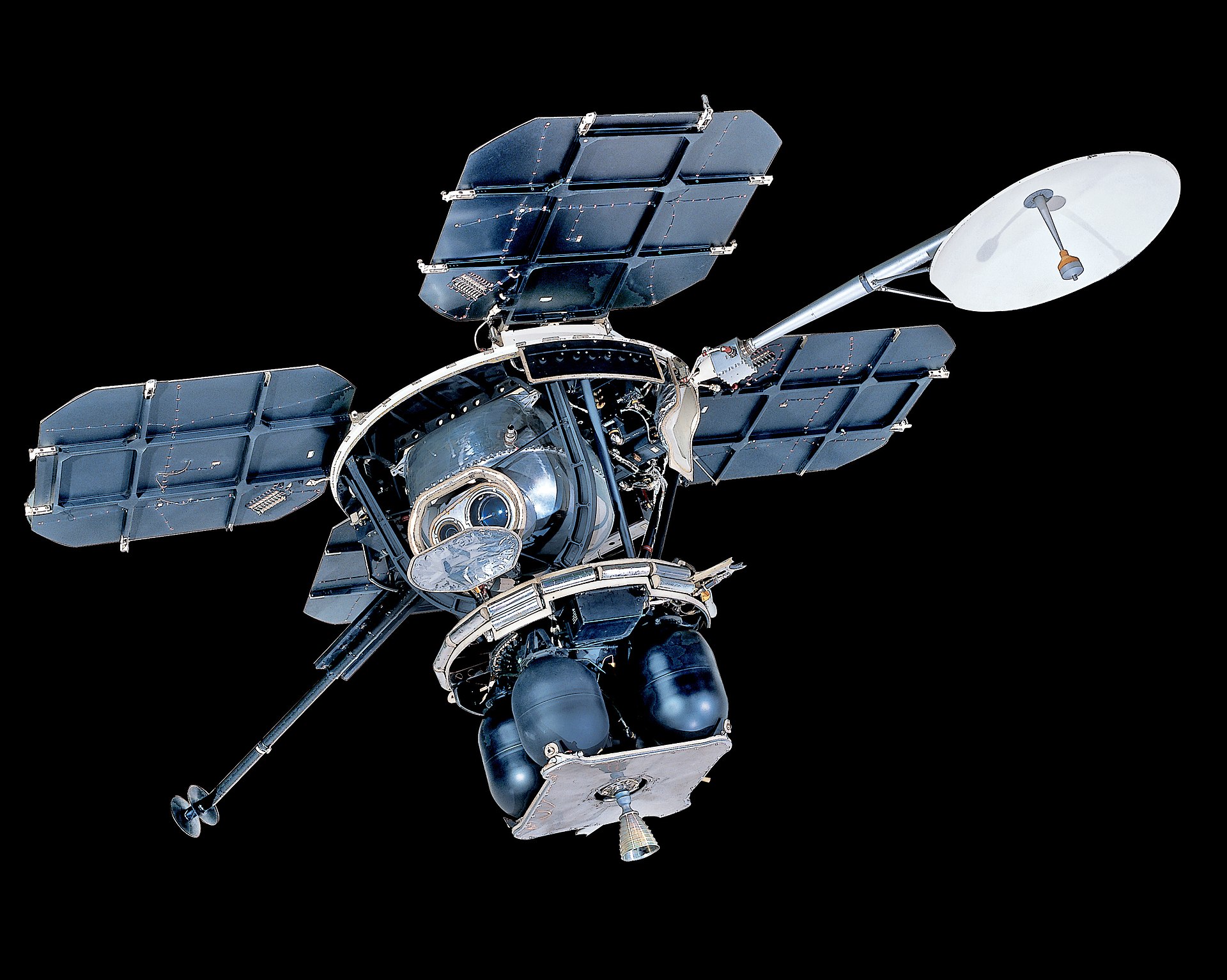
Lunar Orbiter 1: Mapping the Pristine Craters of the Moon
On August 14, 1966, NASA’s Lunar Orbiter 1 became the first American spacecraft to orbit the moon. The orbital insertion of Lunar Orbiter 1 on August 14th was a critical, ...
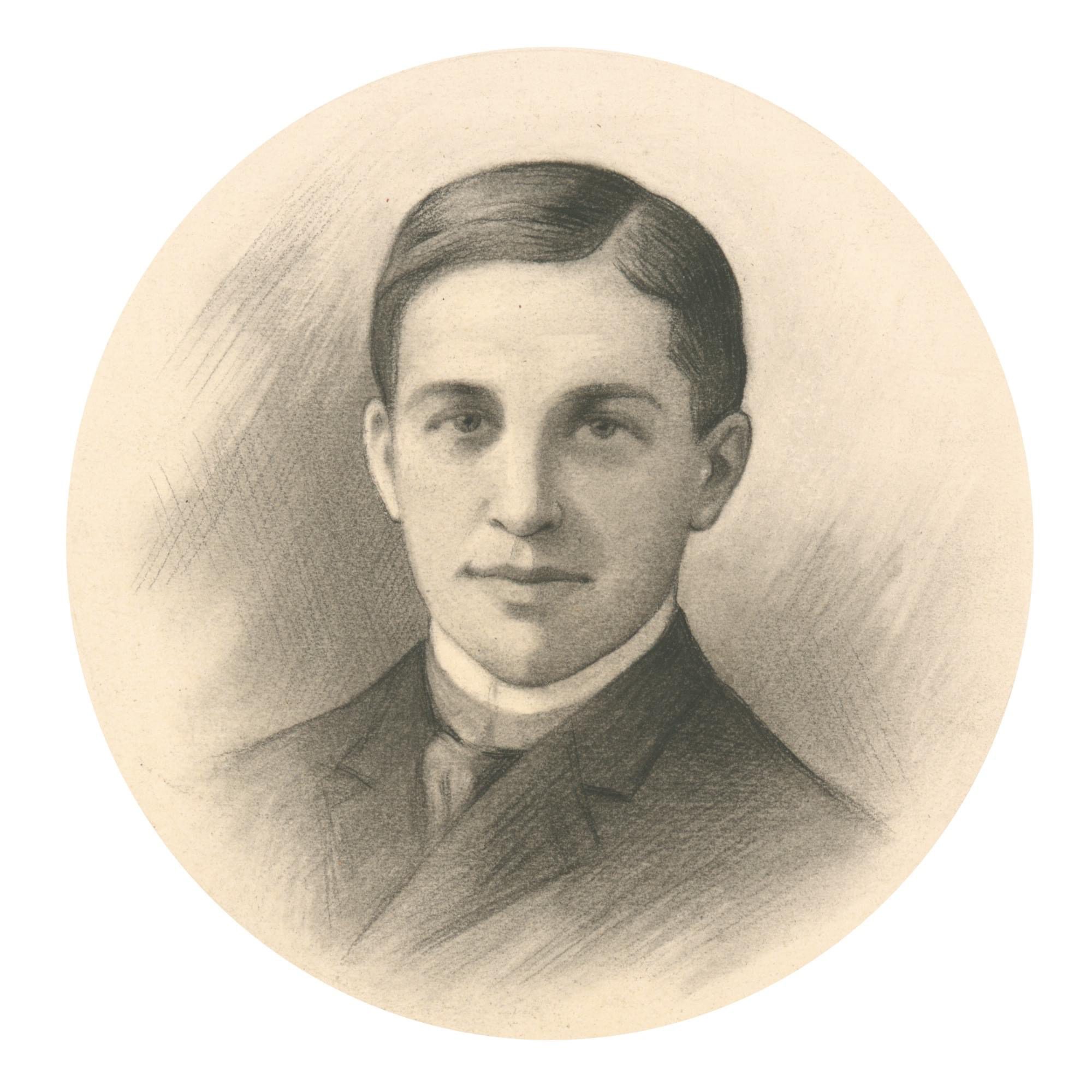
Ernest Thayer: The Birth of Baseball’s Ultimate Tragedy
Ernest Thayer, the author of the famous baseball poem “Casey At The Bat” was born on August 14, 1863, in Lawrence, Massachusetts. Thayer’s brilliant, rhythmic masterpiece was originally published in ...
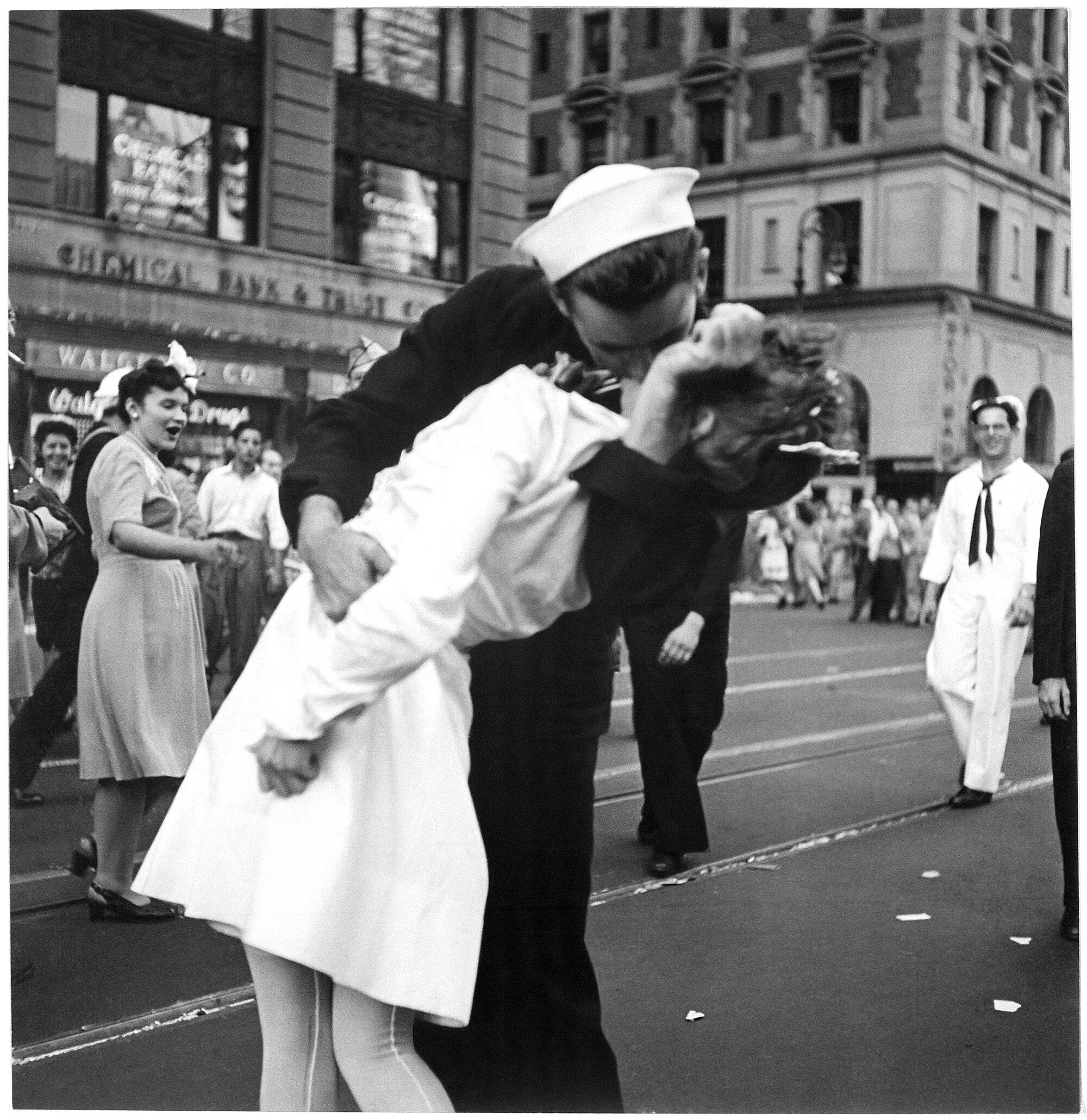
Kissing the War Goodbye: The Lower Angle of an Immortal Embrace
“Kissing the War Goodbye,” Times Square, August 14, 1945. As news of Japan’s surrender swept through New York City, spontaneous celebration erupted in Times Square. In this U.S. Navy photograph ...
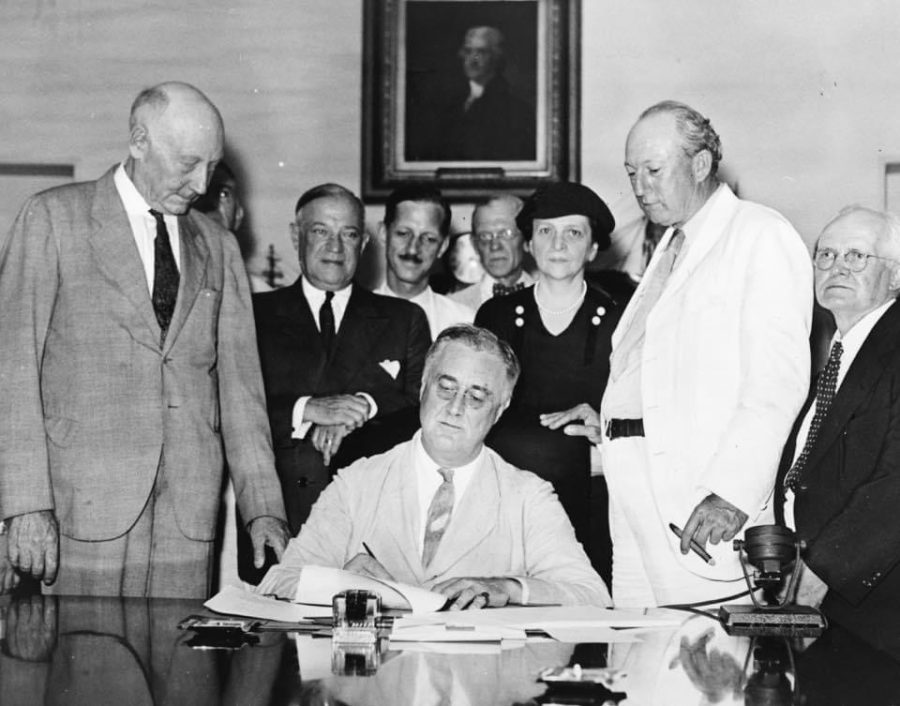
The Social Security Act: FDR’s Economic Shield for a Weary Nation
A photo of FDR signing The Social Security Act on August 14, 1935. The signing of the Social Security Act on August 14th was the absolute structural centerpiece of Franklin ...
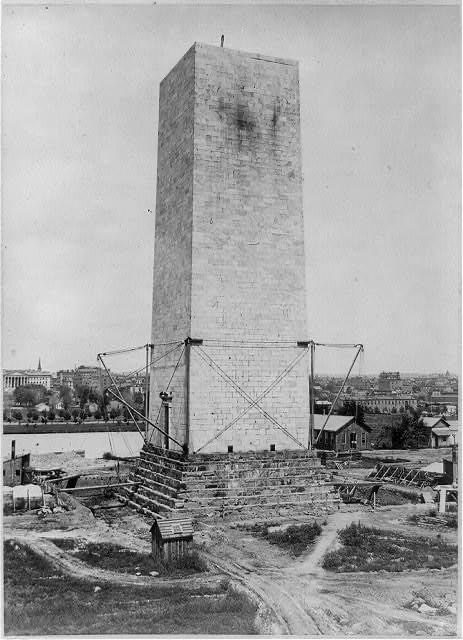
The Washington Monument: The Hollow Obelisk Reaching Toward the Sky
Washington Monument during construction, August 14, 1879. This rare photograph captures the monumental obelisk during its long, highly controversial period of architectural limbo following the American Civil War. Ground-breaking had ...