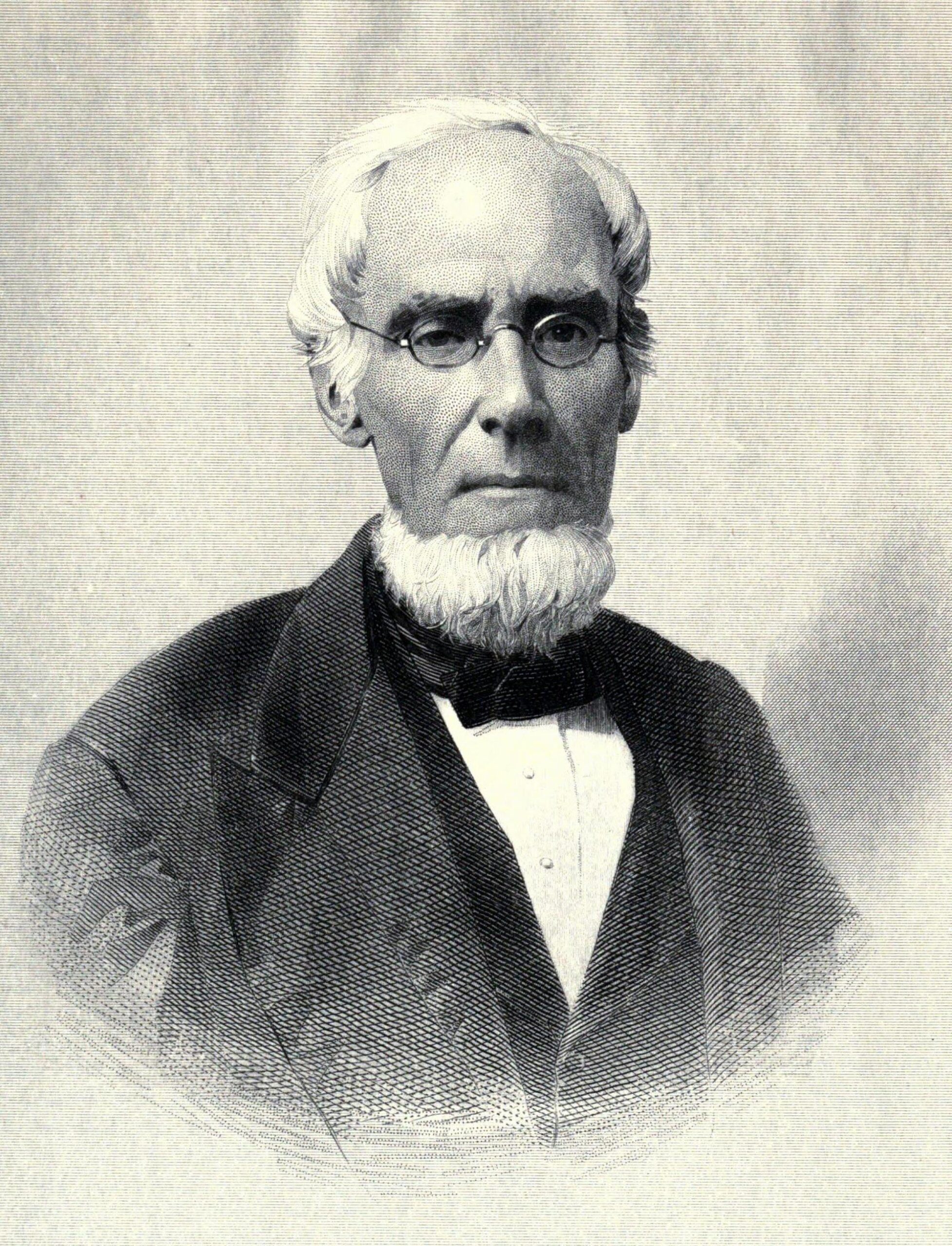
Gail Borden: Condensing Milk to Save the Frontier Cradle
On August 19, 1856, Texas Revolution Veteran Gail Borden received a patent for his process of making condensed milk. Borden’s historic patent on August 19th was a brilliant public health ...
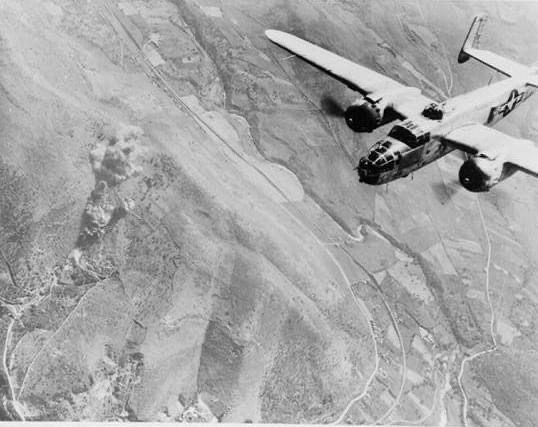
The B‑25 Mitchell: Testing the Greyhound of the Medium Bomber Class
On August 19, 1940 the B-25 Mitchell bomber made its first flight. The maiden flight of the North American B-25 Mitchell on August 19th introduced an exceptionally versatile, twin-engine medium ...
Free Shipping on all orders $60+ https://heartfelthistory.com/shop/
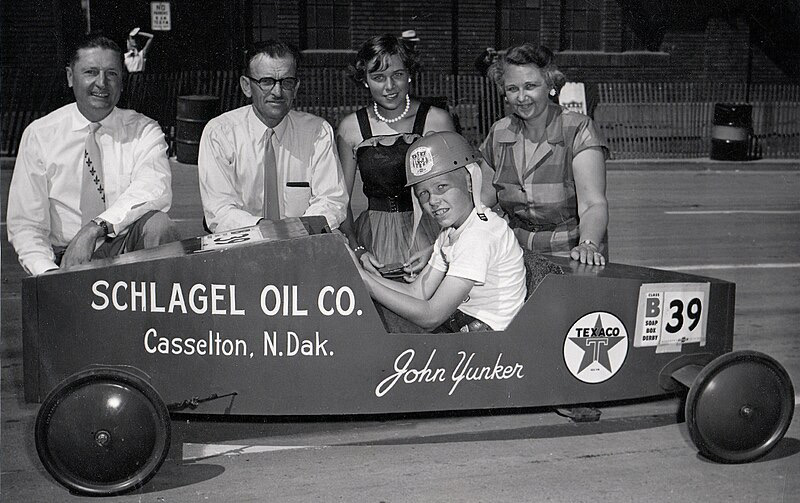
The All‑American Soap Box Derby: The Gravity‑Powered Class of 1934
August 19, 1934 saw the first All-American Soap Box Derby race, ran in Dayton, Ohio. The next year the Soap Box Derby move to Akron and has taken place every ...
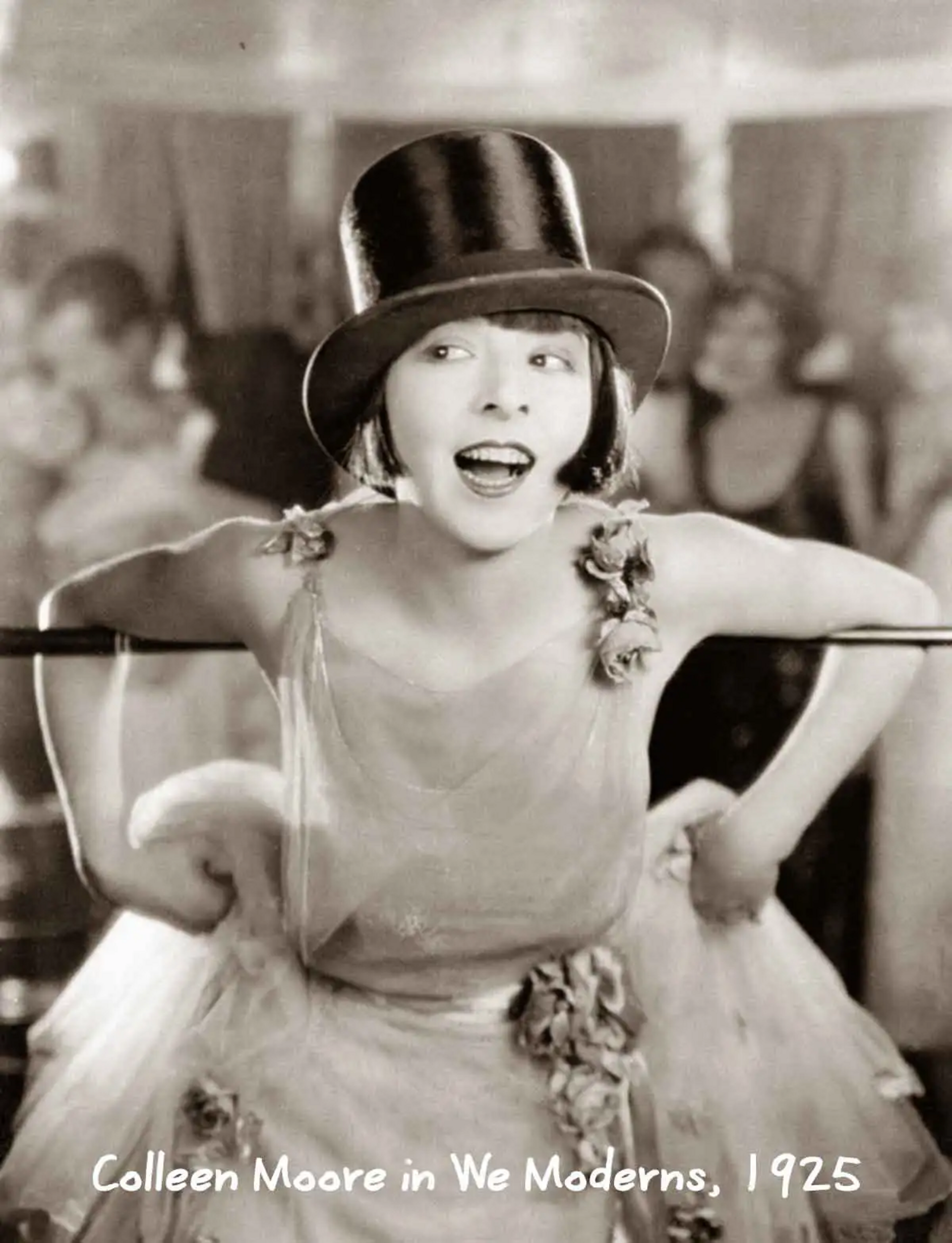
Colleen Moore: The Bobbed Haircut and the Rhythm of the Flapper Era
Born August 19, 1899, silent film star Colleen Moore helped popularize the short bobbed hairstyle favored by flappers of the 1920s. She starred in a film that typified the Jazz ...
Free Shipping on all orders $60+ https://heartfelthistory.com/shop/
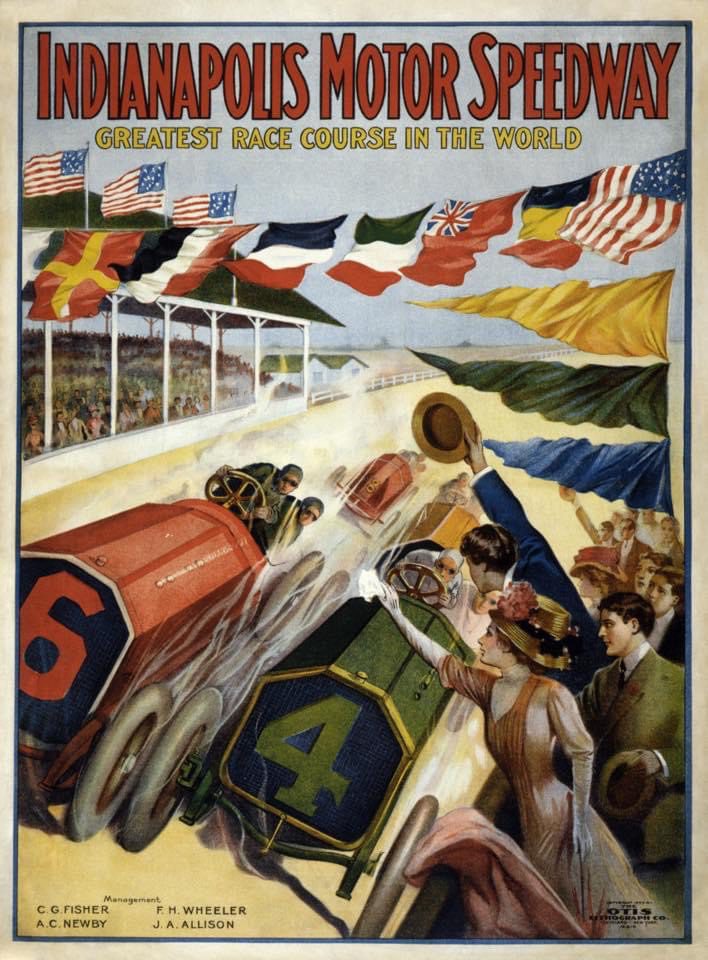
The Brickyard Transformation: The Open‑Air Inception of the Indianapolis Speedway
On August 19, 1909, the first auto race began at the Indianapolis Motor Speedway. The track basically consisted of packed dirt and crushed stone that flew into the faces of ...

The National Roundel: Reintroducing the White Star of the American Sky
On August 19, 1919, the United States Armed Forces reintroduced the roundel of a white star inside a blue circle with a red disc in the center as its official ...
Free Shipping on all orders $60+ https://heartfelthistory.com/shop/
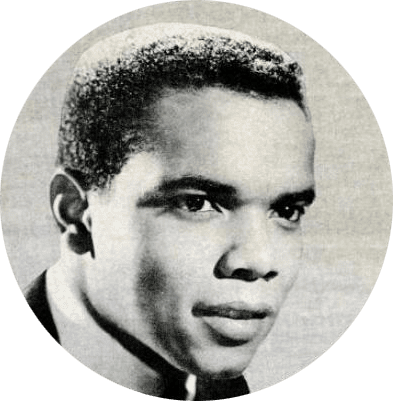
Johnny Nash: The Texas Alto That Clarified the Pop Charts
Johnny Nash, the artist who wrote, sang and produced the 1972 hit song “I Can See Clearly Now” was born on August 19, 1940 in Houston, Texas. Nash’s birth on ...
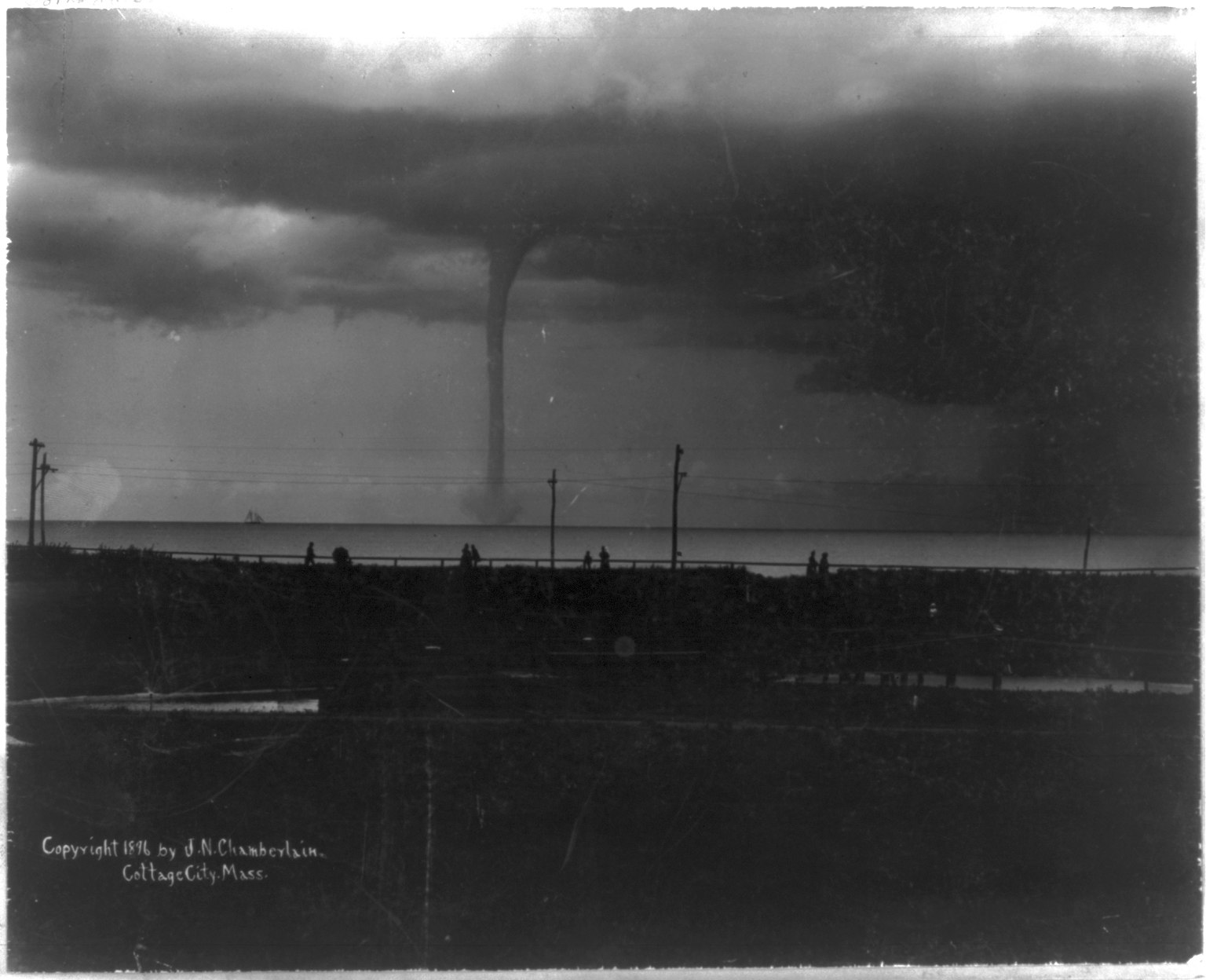
The Vineyard Sound Vortex: Baldwin Coolidge’s Glimpse of the Sky
This picture, taken on August 19, 1896 by Baldwin Coolidge, shows a spectacular waterspout twisting over Vineyard Sound, Massachusetts. The historic scene reveals the power and beauty of this natural ...
Free Shipping on all orders $60+ https://heartfelthistory.com/shop/
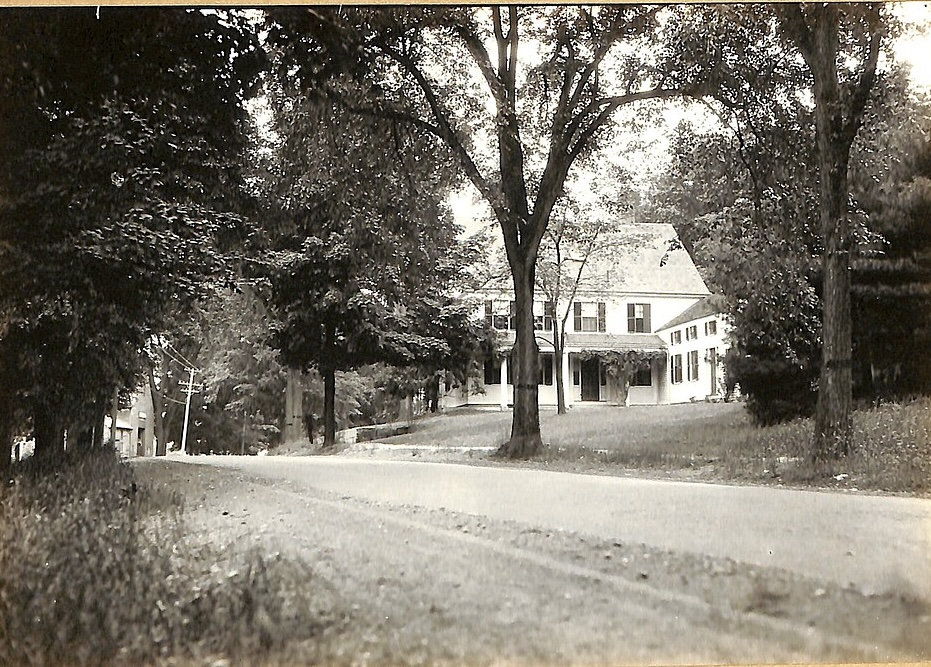
Samuel Prescott: The Doctor Who Finished the Midnight Ride
Samuel Prescott, one of the trio of riders who participated in Paul Revere’s Midnight Ride, was born in Concord, Massachusetts on August 19, 1751. Prescott, who was a young doctor, ...
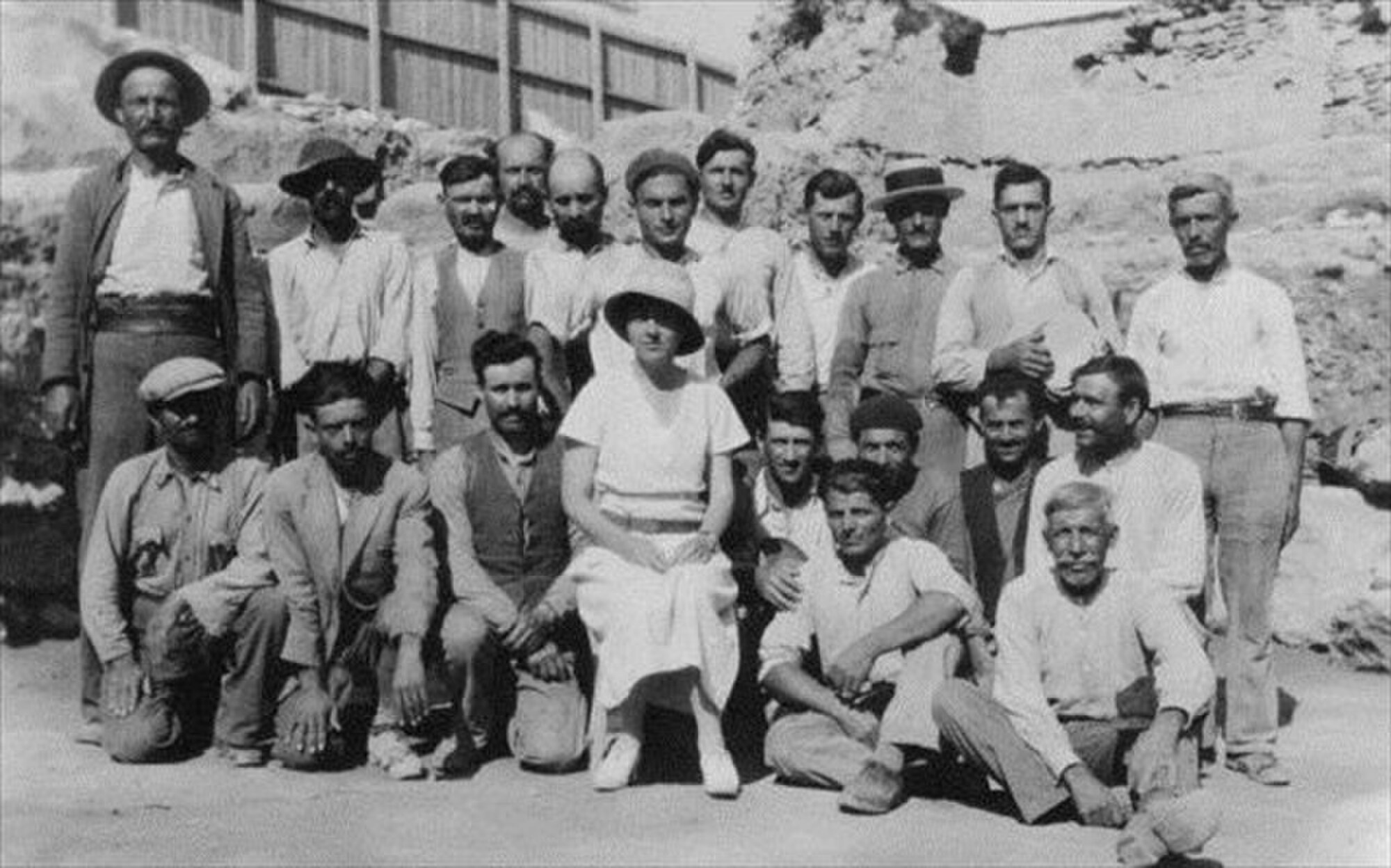
Dorothy Burr Thompson: Reclaiming the Garden of the Athenian Agora
Dorothy Burr Thompson was born in Philadelphia on August 19, 1900—into a world she would later explore with both pen and trowel. Raised in a household steeped in law and ...
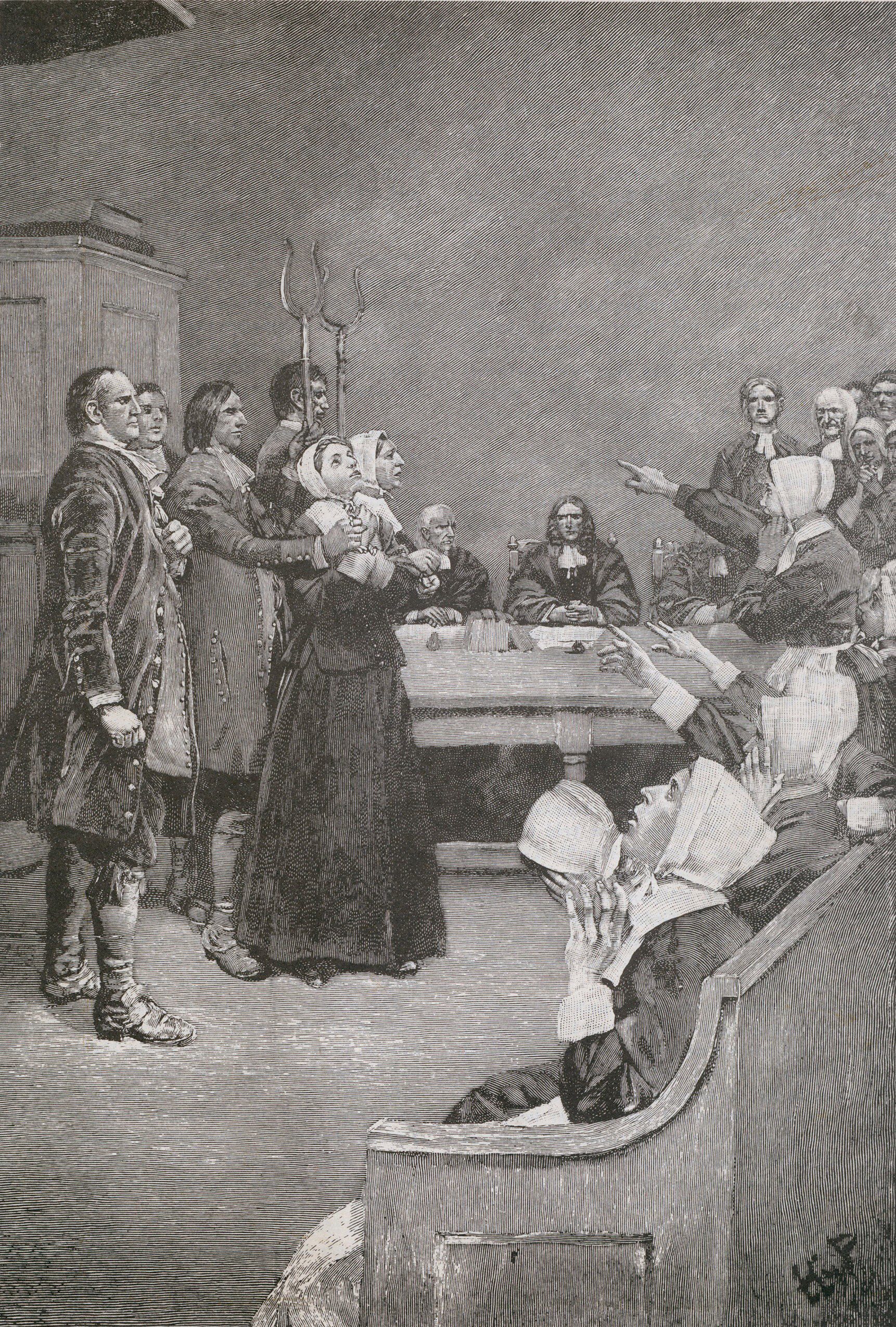
The Salem Gallows Hill Execution: The Midnight Toll of Hysteria
On August 19, 1692 five residents of Salem, in the colony of Massachusetts, were executed after being found guilty of witchcraft. In all 20 were put to death and five ...
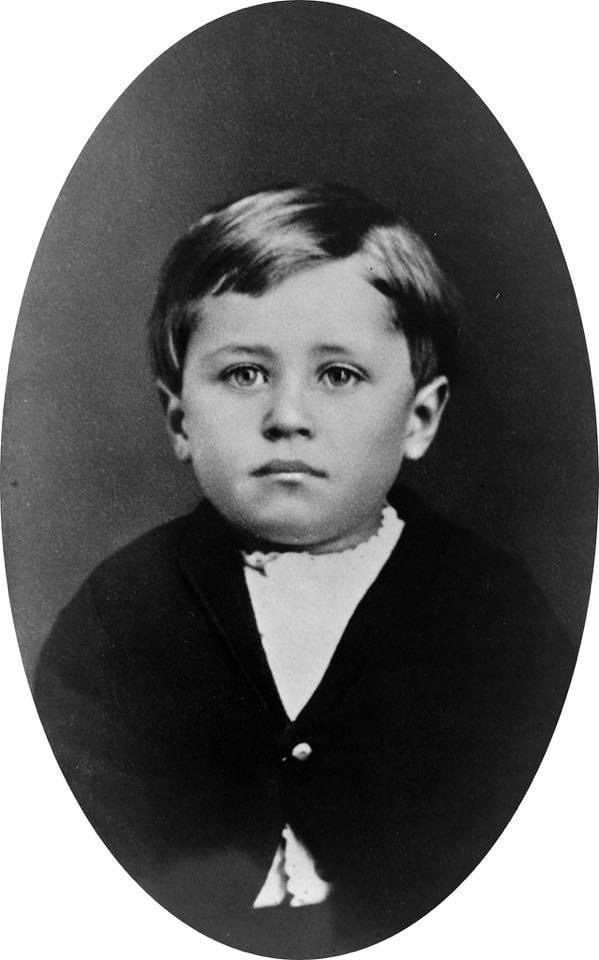
Young Orville Wright: The Dayton Genesis of the Aerospace Era
American aviation trailblazer Orville Wright was born on August 19, 1871 in Dayton, Ohio. This rare 1876 photograph captures Orville Wright at just five years of age, offering a look ...
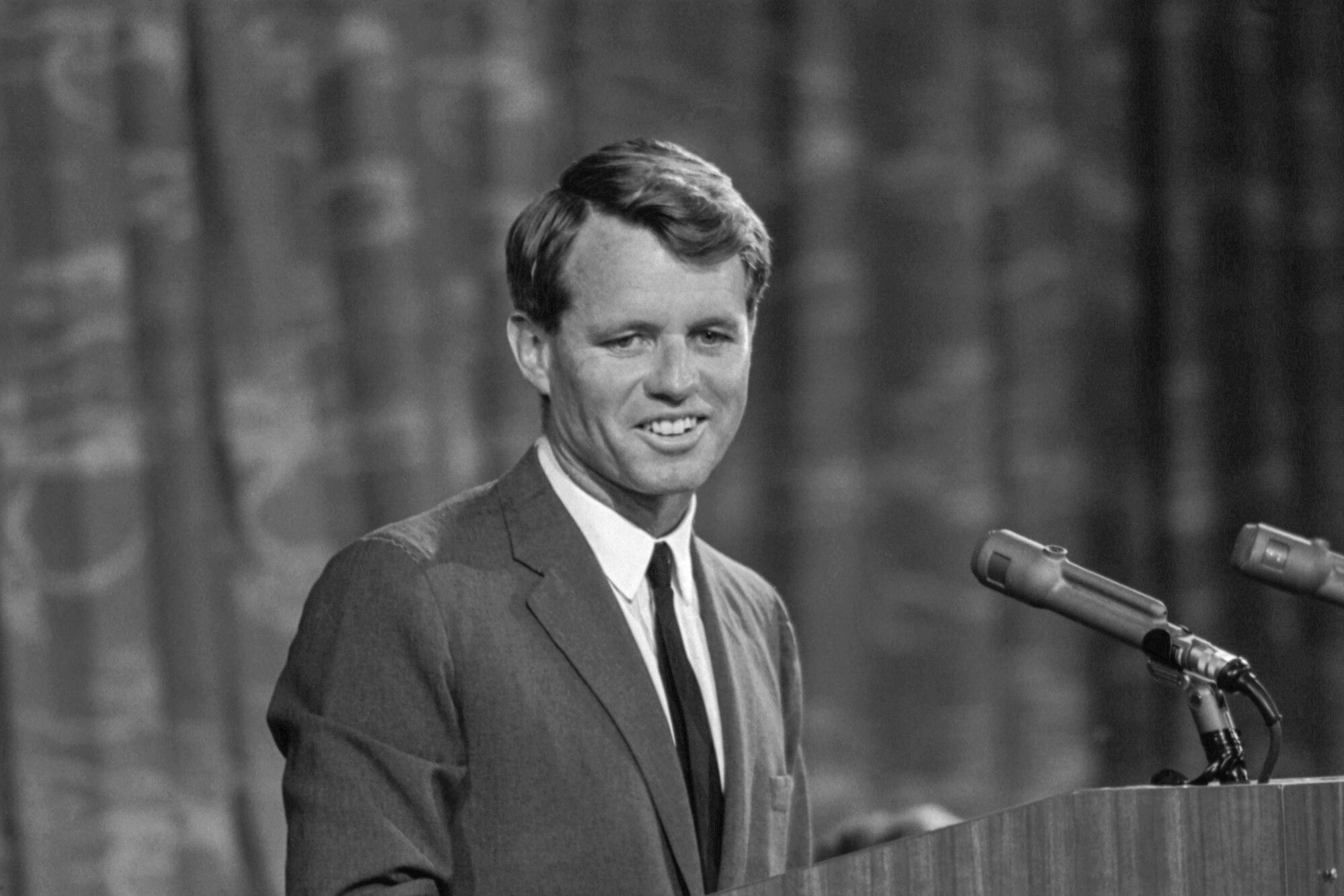
RFK at the Platform Committee: The Quiet Call for Civil Sanity
A photo of Robert F. Kennedy appearing before Platform Committee, August 19, 1964. During his speech that day RFK said that “violence is not the way…” This historic photograph captures ...
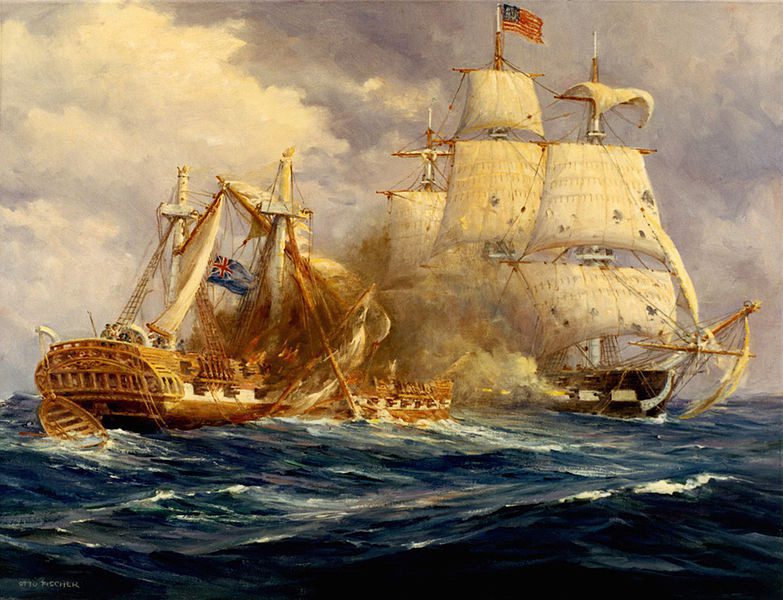
Old Ironsides: The USS Constitution Crushes the Guerriere
The USS Constitution met and soundly defeated the HMS Guerriere on August 19, 1812. It was during this engagement that the Constitution was dubbed “Old Ironsides.” The ferocious naval duel ...
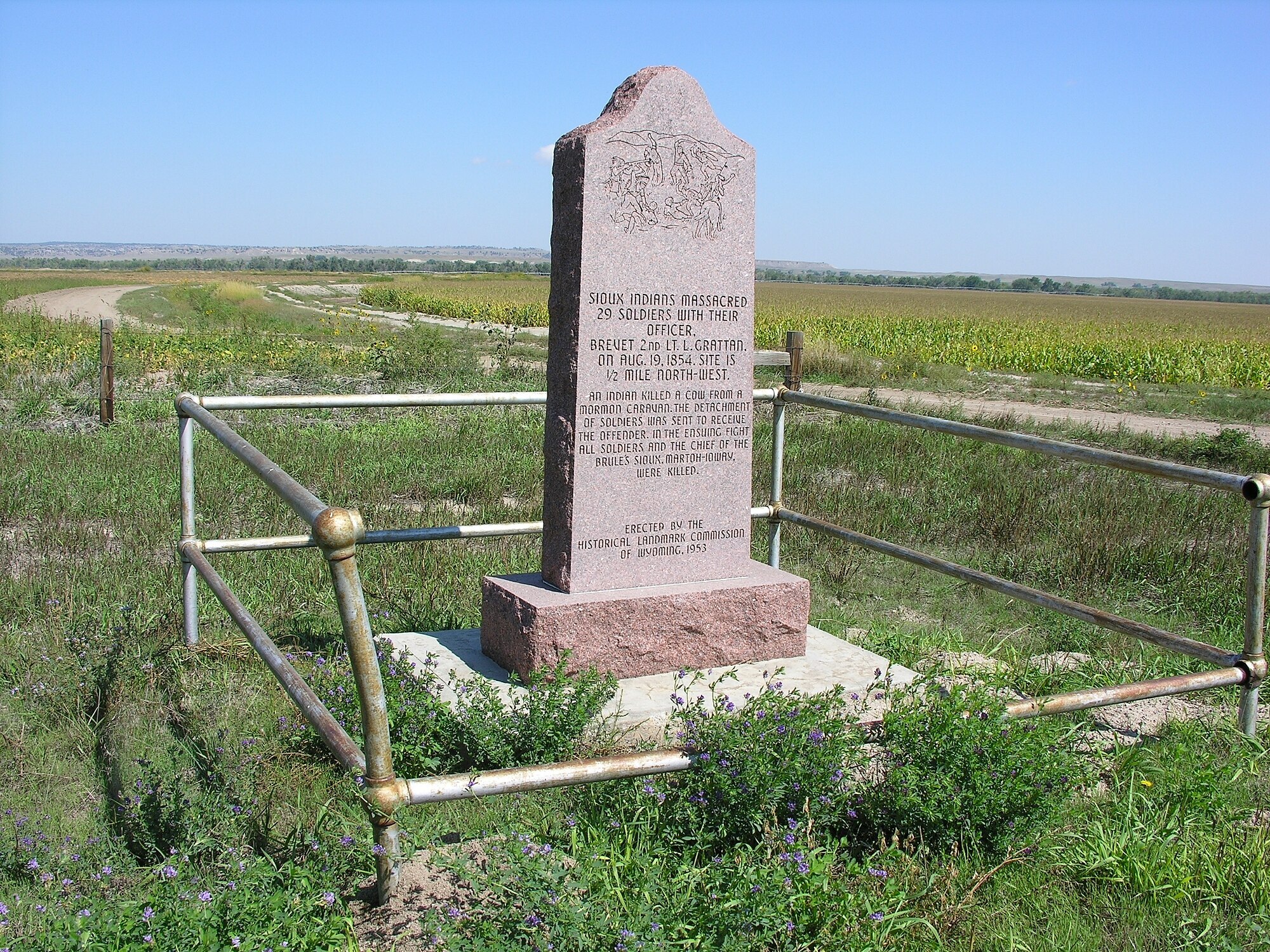
The Grattan Massacre: The Arrogant Spark of the First Sioux War
With the disastrous encounter next to Fort Laramie – later characterized as the “Grattan Massacre” – the First Sioux War started on August 19, 1854. Lieutenant John Grattan led a ...
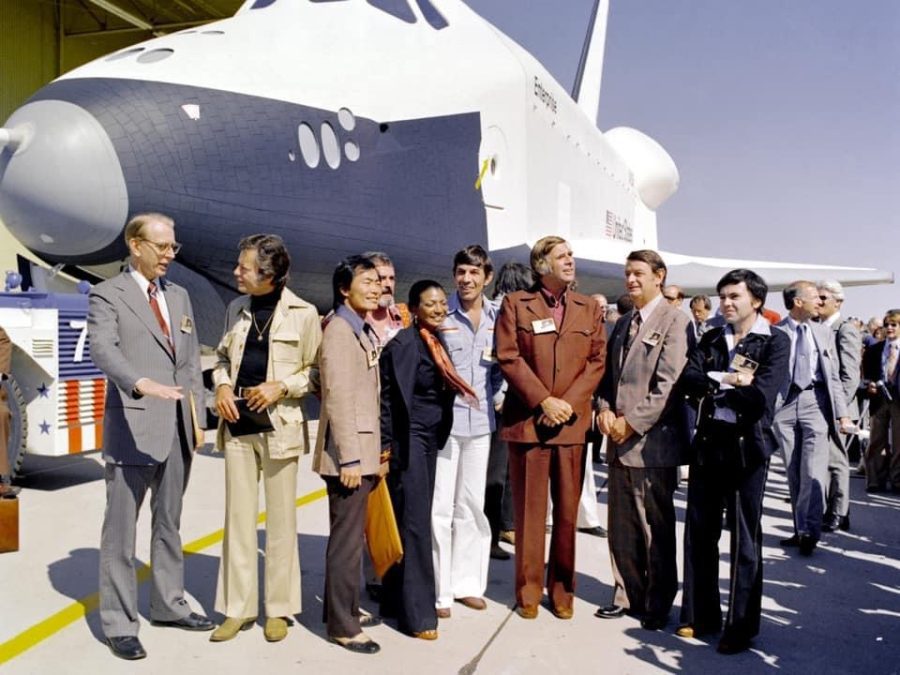
Star Trek and the Enterprise: Gene Roddenberry’s Transcendent Vision
Gene Roddenberry with some of the cast of the original Star Trek TV series and others in front of the Space Shuttle “Enterprise” in 1976. Gene Roddenberry was born on ...
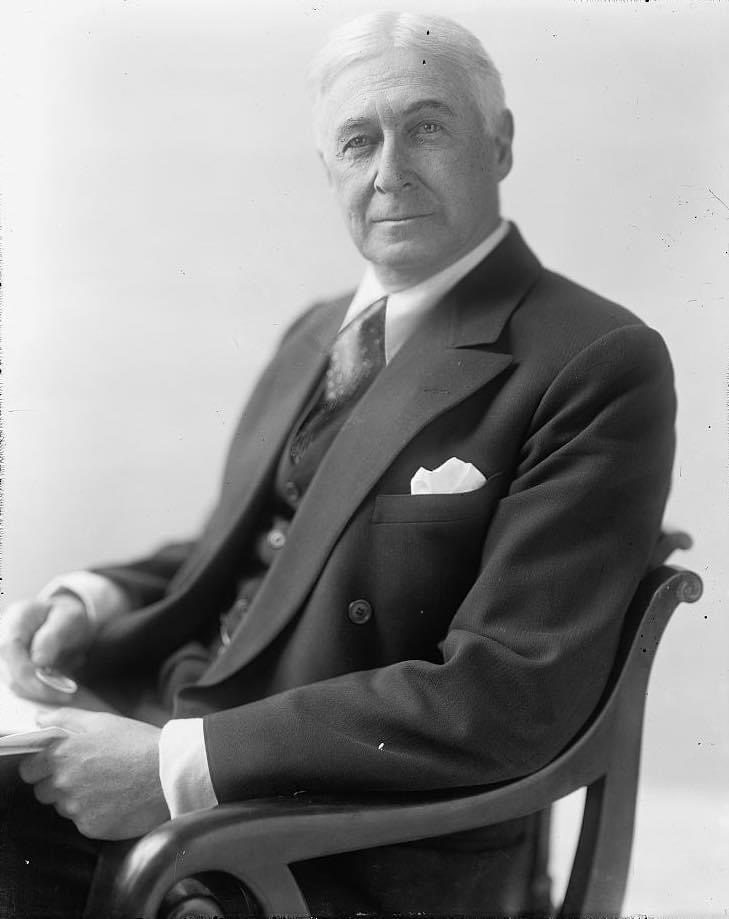
Bernard Baruch: The Advisor Who Balanced the Arsenal of Democracy
American businessman and Presidential adviser Bernard Baruch was born on August 19, 1870 in Camden, South Carolina. Quote: “America has never forgotten — and never will forget — the nobler ...