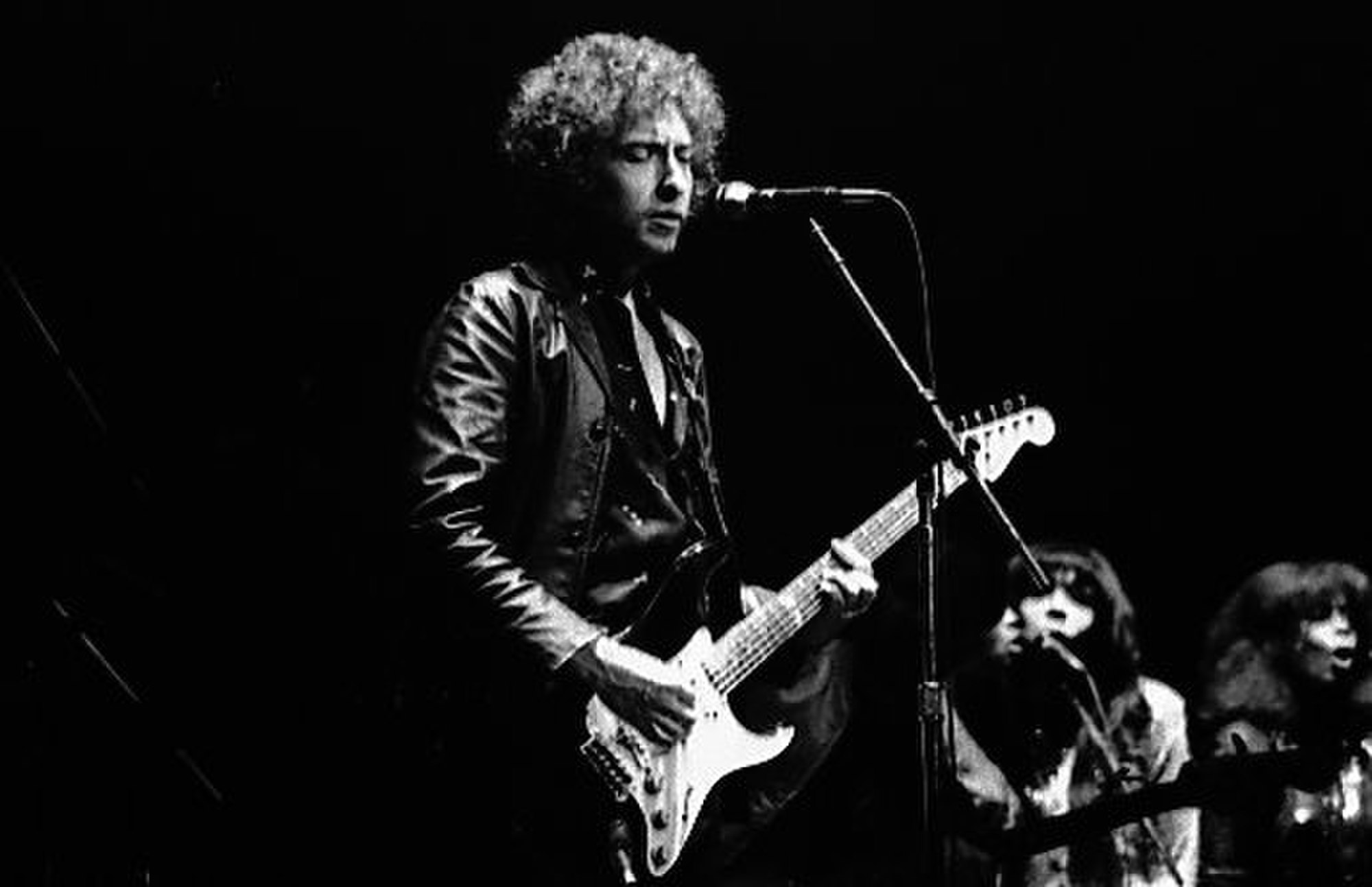
Bob Dylan’s “Slow Train Coming”: A Gospel Transformation
Released on August 20, 1979, Slow Train Coming marked Bob Dylan’s dramatic pivot into Christian gospel music. Featuring muscular arrangements and Mark Knopfler’s razor‑sharp guitar work, the album abandoned Dylan’s secular countercultural ...
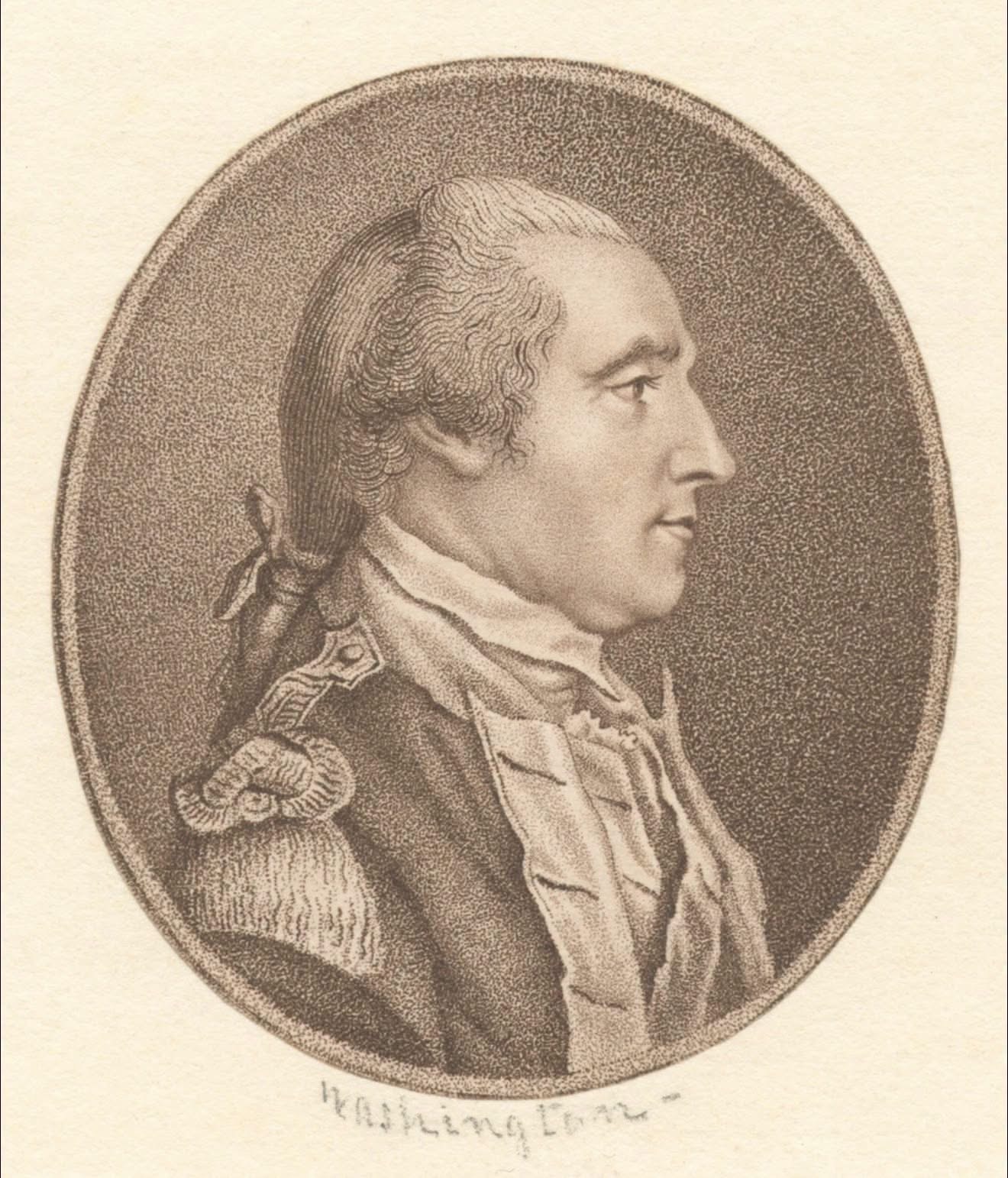
Washington’s August 20, 1775 Letter to Lund Washington
In late August 1775, George Washington wrote from his "Camp at Cambridge" to his cousin and Mount Vernon manager, Lund Washington. He had been Commander-in-Chief for less than two months, ...
Free Shipping on all orders $60+ https://heartfelthistory.com/shop/
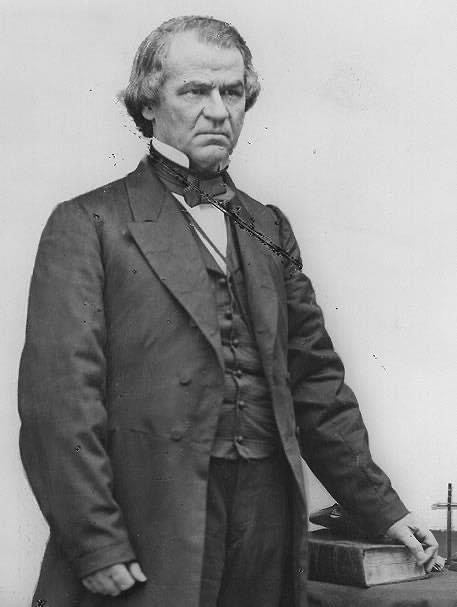
Andrew Johnson’s Proclamation 157: Drawing the Legal Line After War
On August 20, 1866, President Andrew Johnson issued Proclamation 157, formally declaring the Civil War at an end: “…the said insurrection is at an end, and that peace, order, and ...
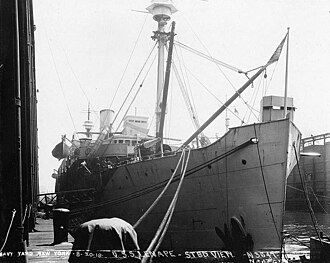
USS Lenape: A Civilian Steamer Turned World War I Troopship
Photographed in port on August 20, 1918, the USS Lenape (ID‑2700) sits in her wartime gray at the New York Navy Yard, a former East Coast passenger steamer temporarily transformed ...
Free Shipping on all orders $60+ https://heartfelthistory.com/shop/
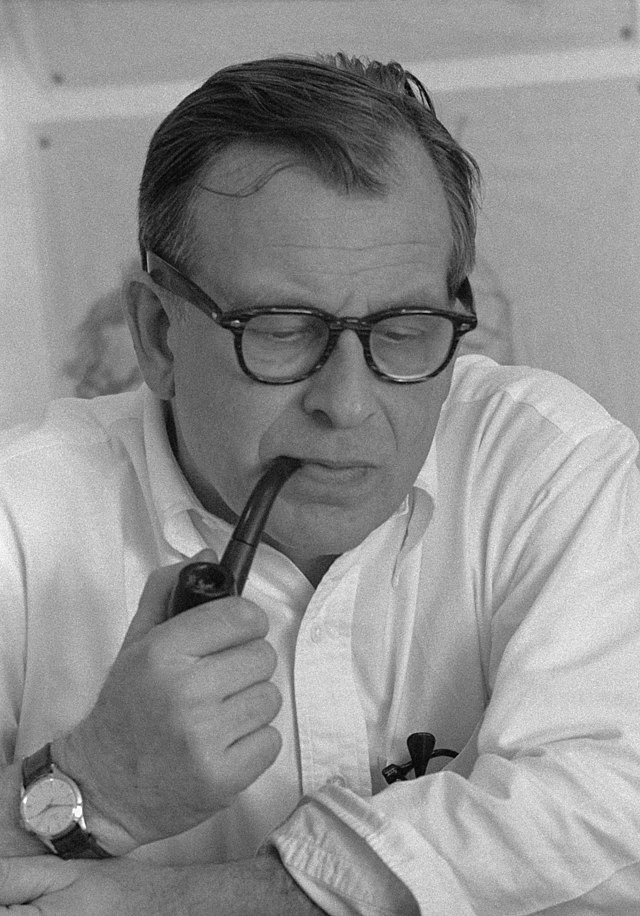
Eero Saarinen: The Neofuturist Who Reshaped the Skyline
Born August 20, 1910, in Finland, Eero Saarinen became one of America’s most visionary architects after naturalizing in 1940. Trained at Cranbrook—where he collaborated with Charles and Ray Eames—Saarinen rejected ...
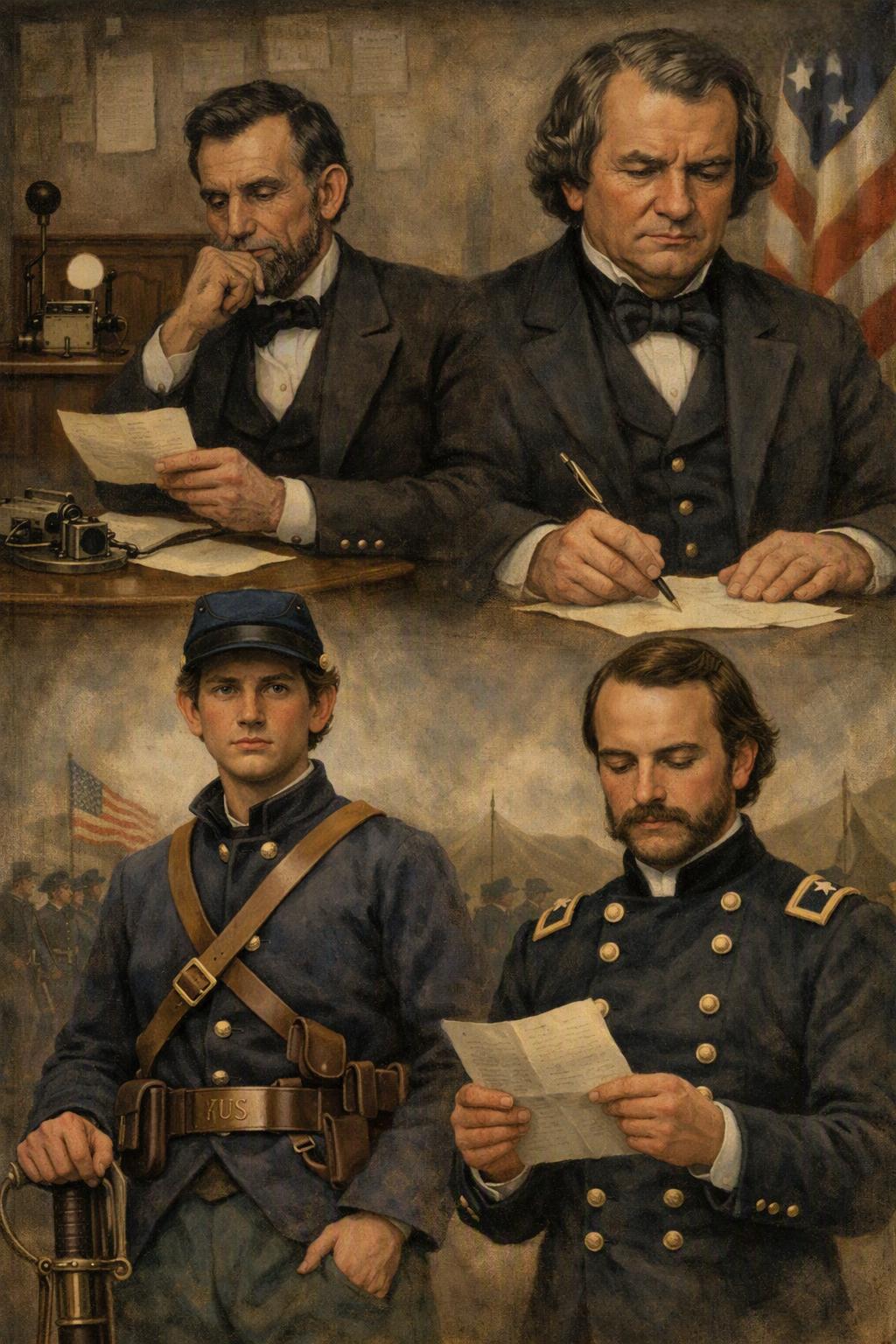
August 20, 1864: The Fate of Private Patrick Jones
In the late summer of 1864, a case from war‑torn Tennessee reached Abraham Lincoln’s desk — the kind of case that exposed the human cost of a conflict fought not ...
Free Shipping on all orders $60+ https://heartfelthistory.com/shop/
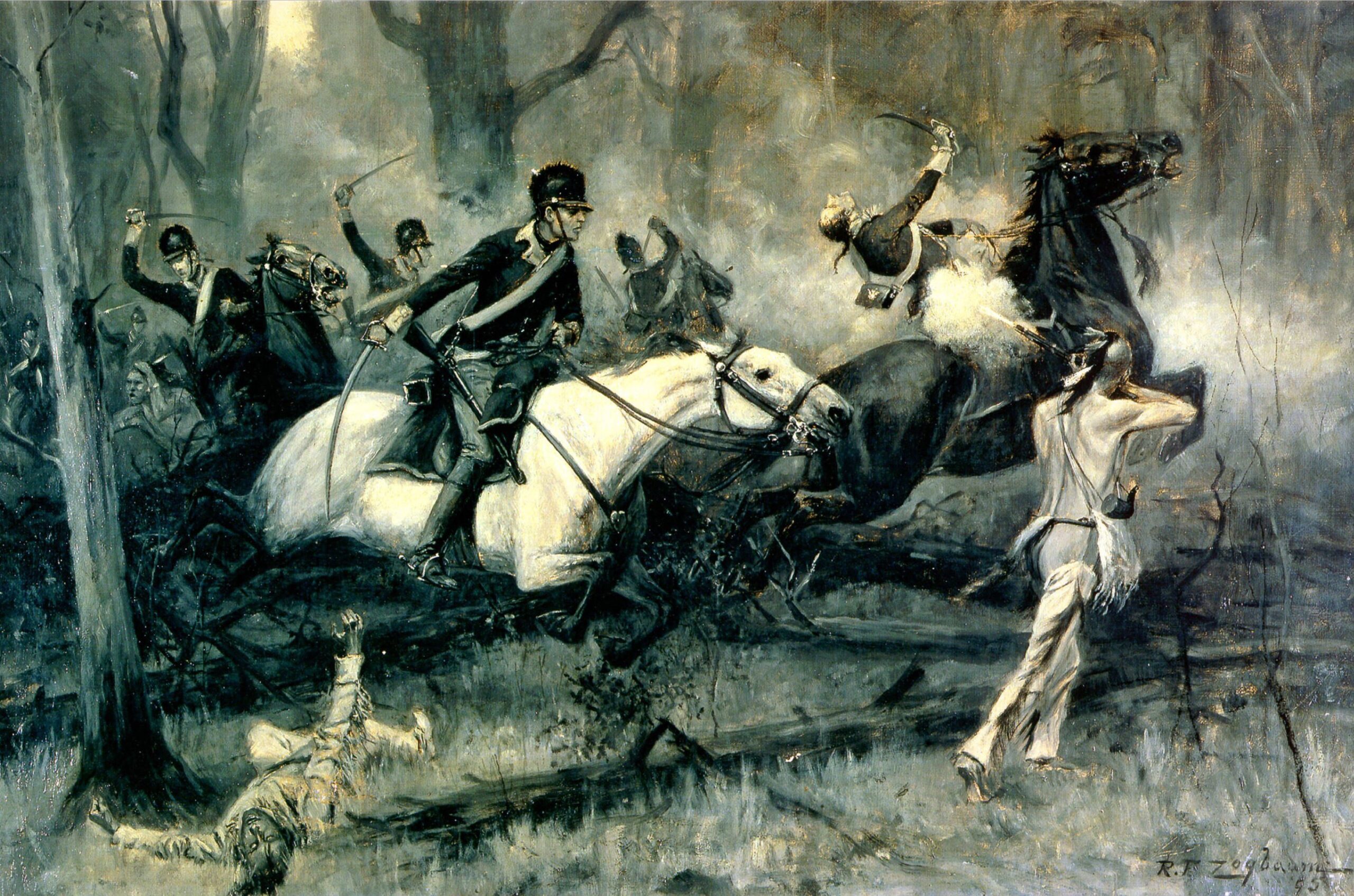
The Battle of Fallen Timbers: Breaking the Western Confederacy
On August 20, 1794, General “Mad Anthony” Wayne’s Legion of the United States clashed with the Western Confederacy—an alliance of Shawnee, Delaware, Miami, and other Native nations—near present‑day Maumee, Ohio ...
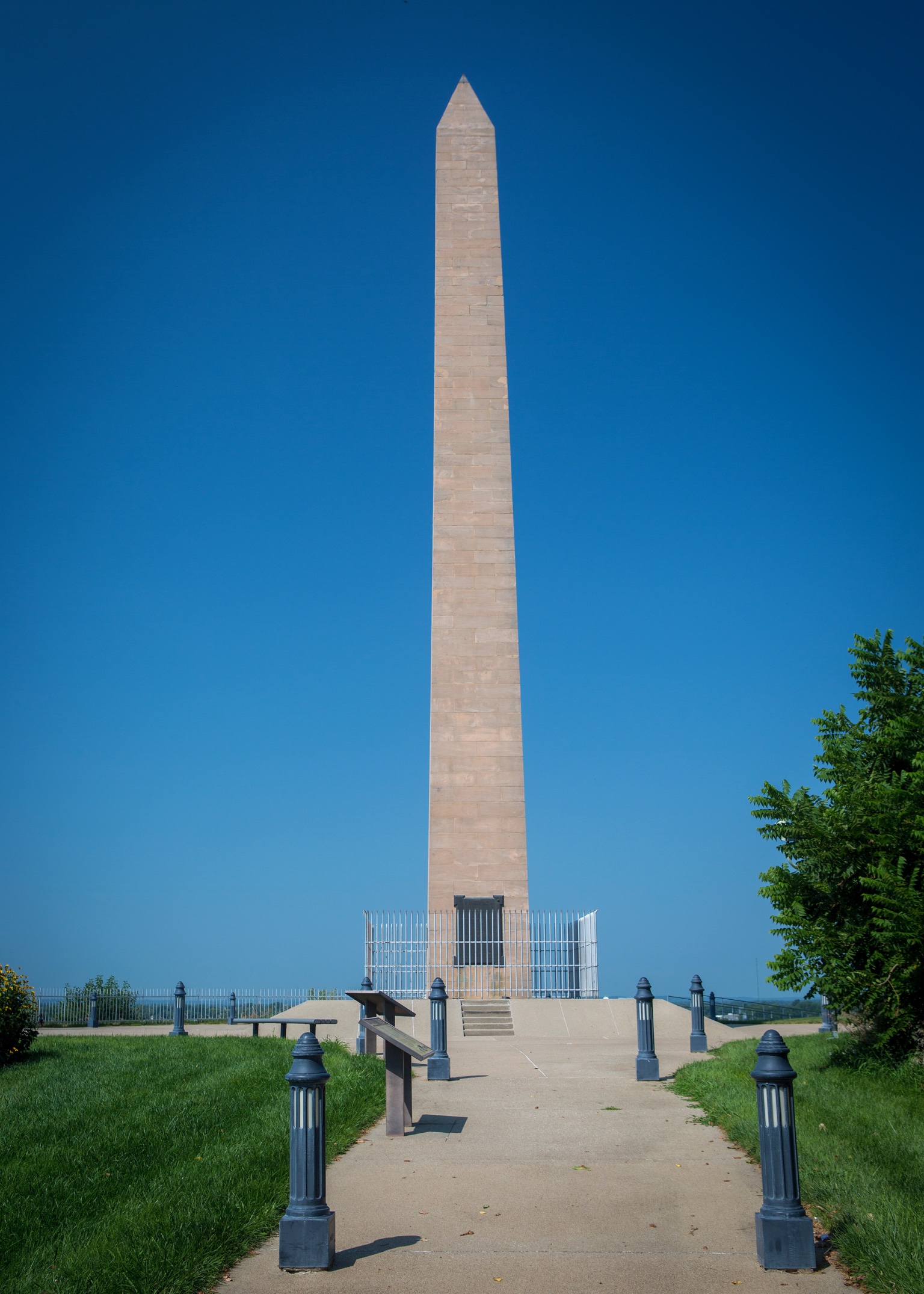
Sergeant Charles Floyd: The Triple Burial of a Frontier Pioneer
Sergeant Charles Floyd died on August 20, 1804—the only member of the Lewis and Clark Expedition to perish during the journey. Likely suffering from a ruptured appendix, Floyd faced his ...
Free Shipping on all orders $60+ https://heartfelthistory.com/shop/
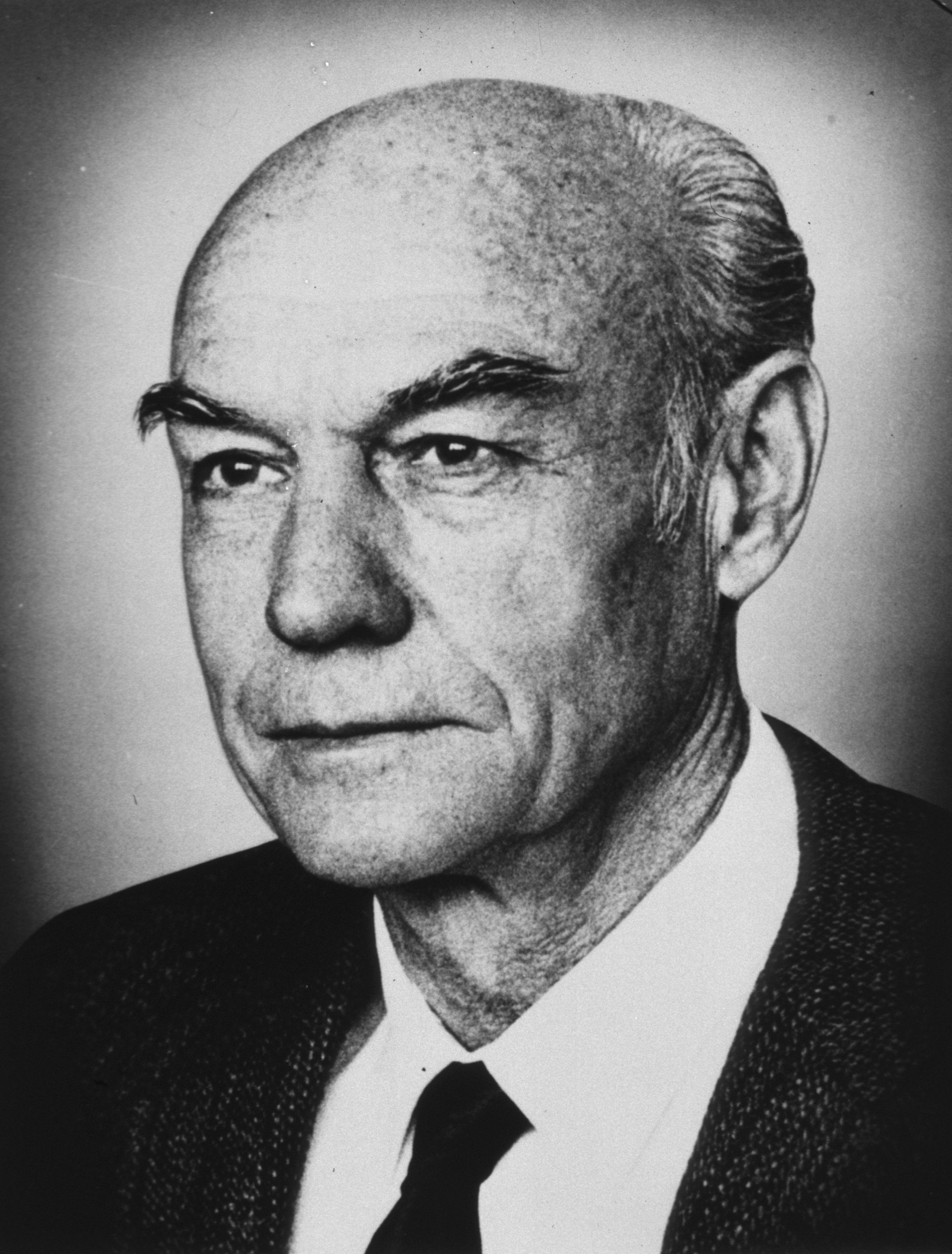
Roger Wolcott Sperry: Unlocking the Split‑Brain Mystery
Born August 20, 1913, Roger Wolcott Sperry revolutionized neuroscience through his pioneering research on split‑brain patients. Working at Caltech with collaborator Michael Gazzaniga, Sperry studied individuals whose corpus callosum had ...
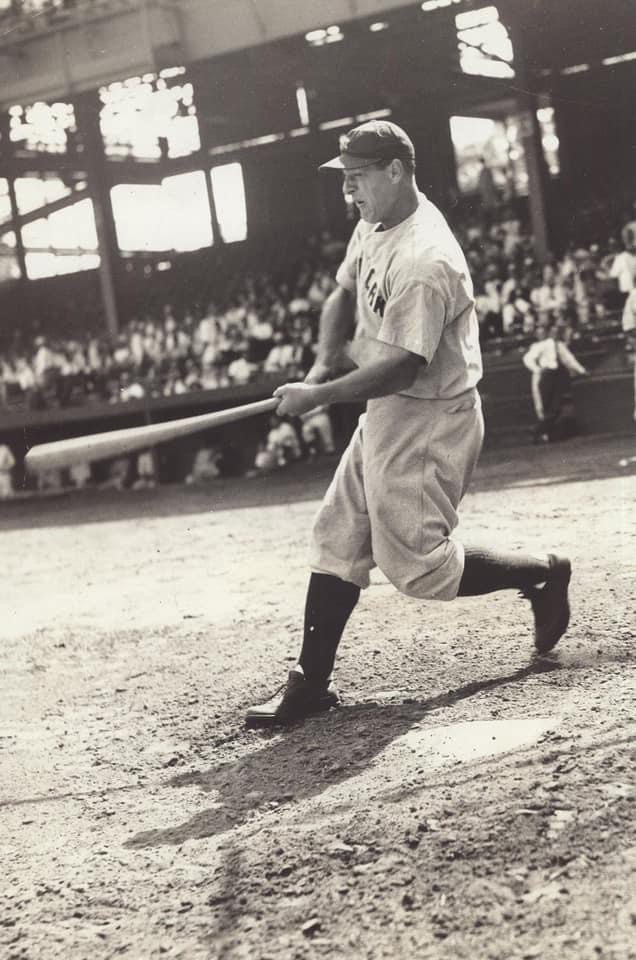
Lou Gehrig: The Iron Horse’s Final Grand Slam
On August 20, 1938, Lou Gehrig launched the 23rd grand slam of his career—a towering shot against the Philadelphia Athletics that set a major league record which would stand unbroken ...
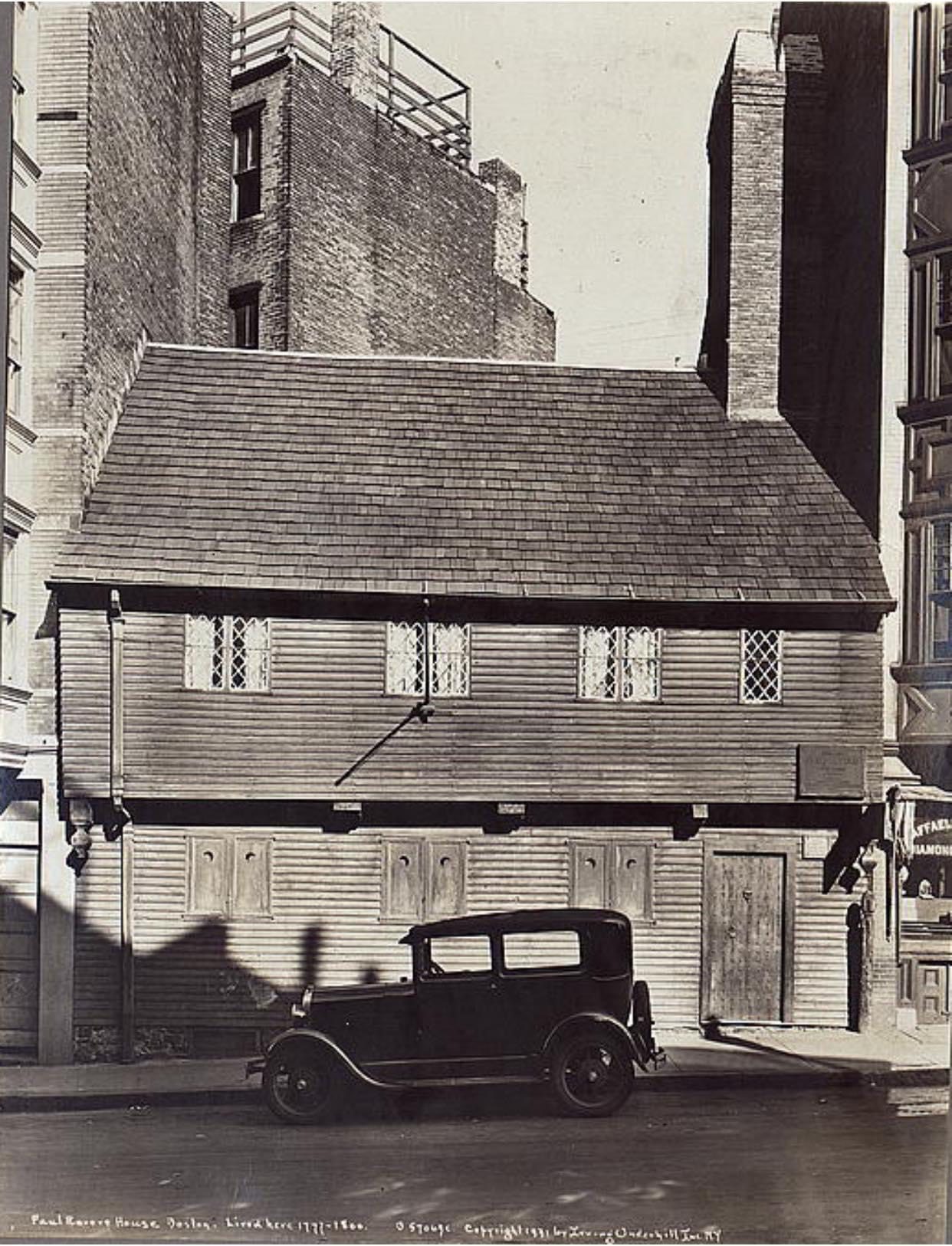
The Paul Revere House: Preserving a Patriot’s Home
A photograph taken on August 20, 1931, captures the timber‑framed exterior of the Paul Revere House in Boston’s North End—the oldest surviving residential building in downtown Boston. Built around 1680, ...
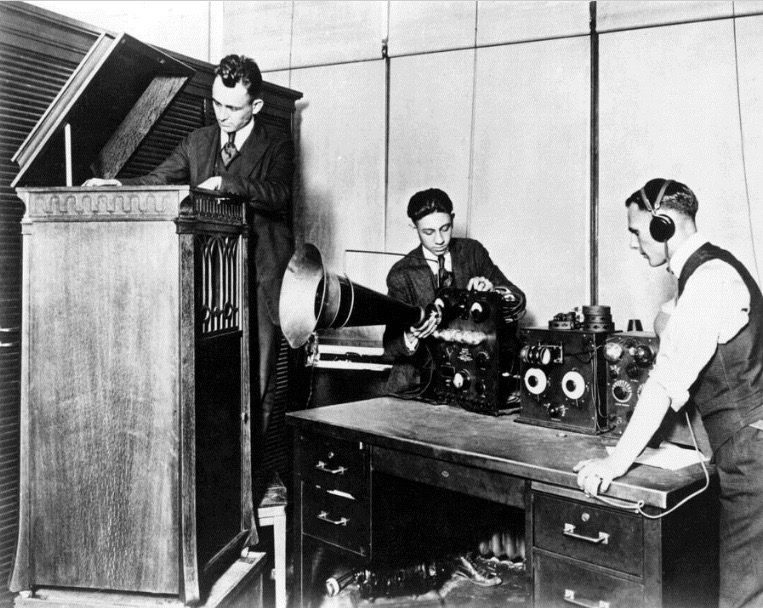
WWJ Detroit: The Birth of Commercial Radio
On August 20, 1920, the Detroit News Radiophone—call sign 8MK—commenced the first regular, nightly scheduled radio programming in American history. Operating from a small room inside the newspaper building, the ...

Connie Chung: Breaking Barriers on the Broadcast Bench
Connie Chung, born August 20, 1946, in Washington, D.C., rose from a newsroom assistant to one of the most influential journalists in American television. Her incisive interviewing style and relentless ...
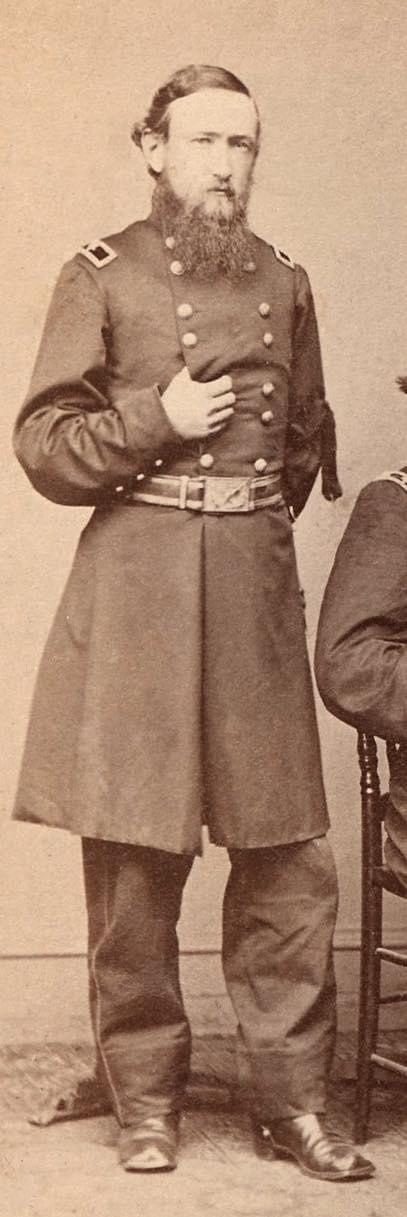
Benjamin Harrison: A Diadem of Duty
Benjamin Harrison, Civil War general and 23rd President of the United States, was born on August 20, 1833, in North Bend, Ohio. His service commanding the 70th Indiana Volunteer Infantry ...
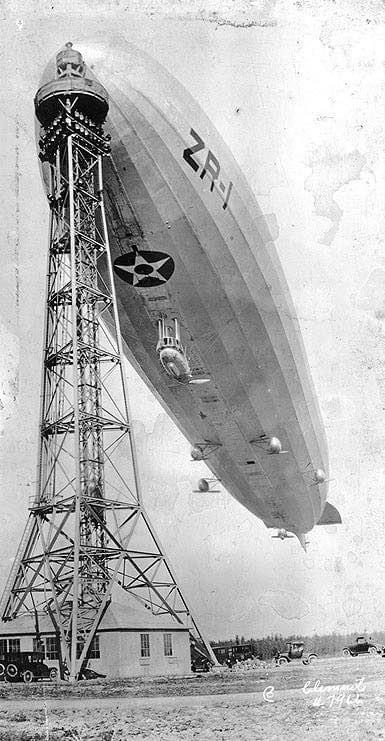
USS Shenandoah: Launching America’s First Rigid Airship
On August 20, 1923, the USS Shenandoah—America’s first rigid dirigible—rose from the Lakehurst Naval Air Station in New Jersey. Modeled on captured German Zeppelin designs, the 680‑foot silver giant was ...
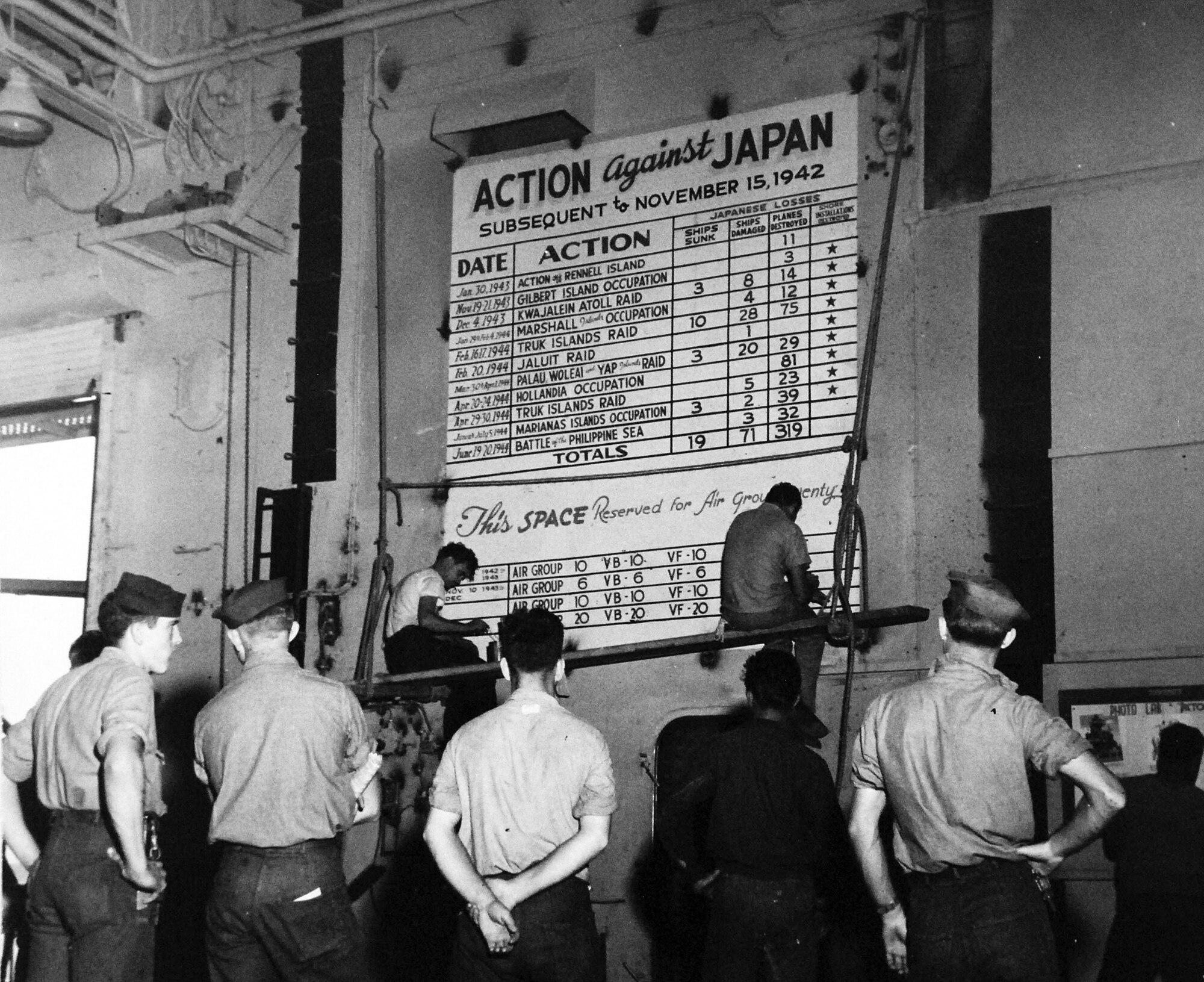
USS Enterprise: Painting the Scoreboard of Victory
On August 20, 1944, sailors aboard the USS Enterprise—the most decorated American warship of World War II—painted fresh combat tallies onto the carrier’s “Quarterdeck” bulkhead. Each silhouette represented a verified ...
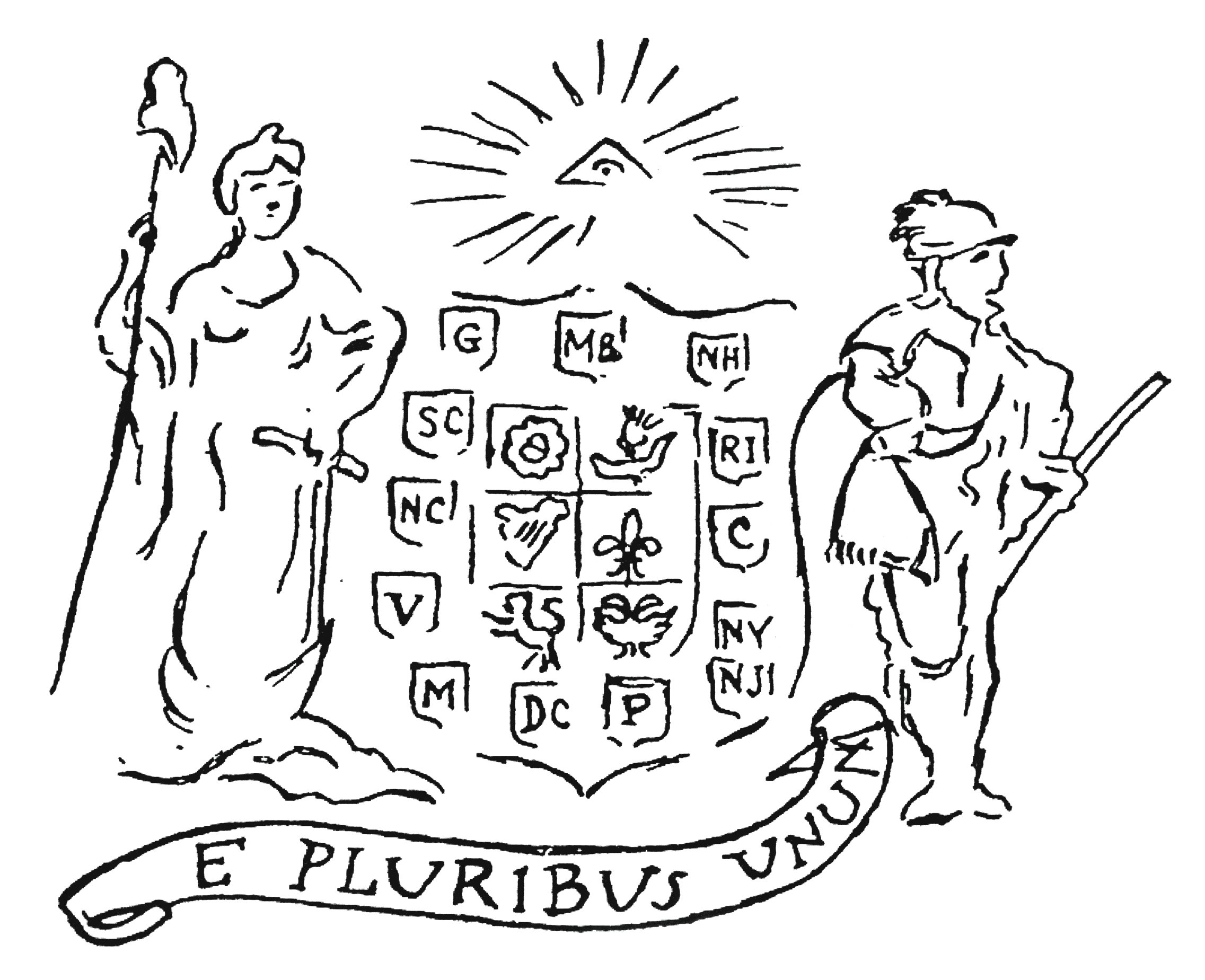
Pierre Eugene du Simitière: The Immigrant Pen Behind “E Pluribus Unum”
On August 20, 1776, a committee that included Thomas Jefferson, John Adams, and Benjamin Franklin submitted its recommendations to Congress for the first official Seal of the United States. Each ...
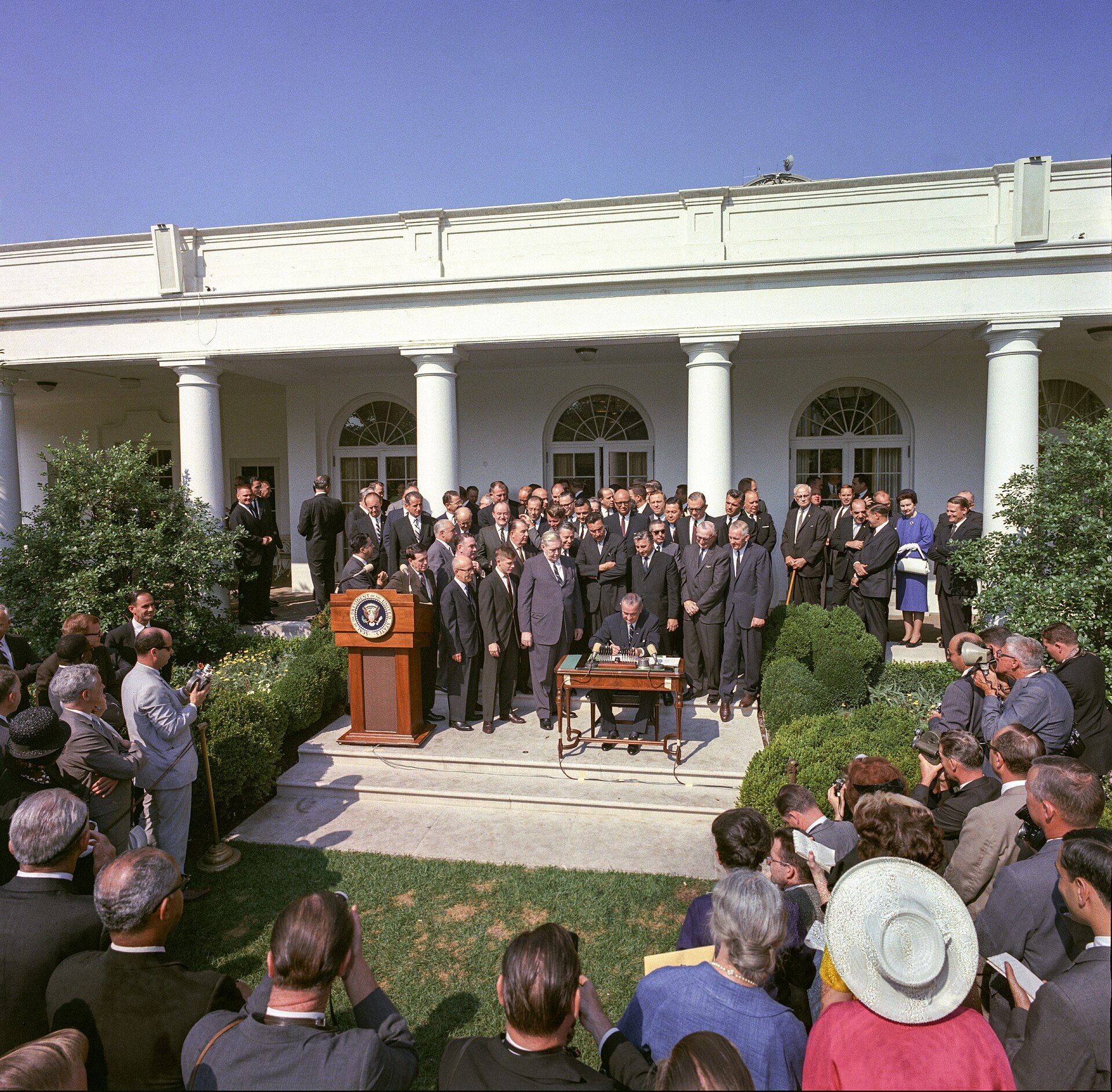
The Economic Opportunity Act: LBJ’s Shield Against Poverty
On August 20, 1964, President Lyndon B. Johnson signed the Economic Opportunity Act in the White House Rose Garden, cementing the legislative foundation of his War on Poverty. After touring ...

Ellen Crosby Roosevelt: A Champion Who Redefined the Court
Born August 20, 1868, Ellen Crosby Roosevelt became one of America’s earliest tennis stars. At the 1890 U.S. National Championship—now the U.S. Open—she won both the singles title and the ...