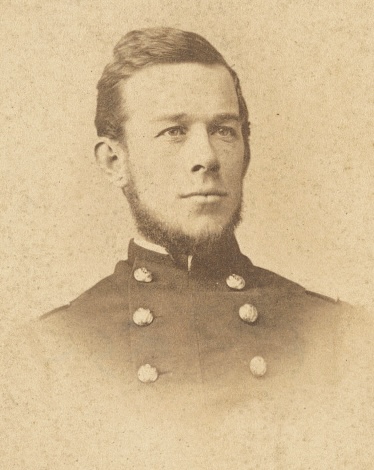
Brigadier General James Addams Beaver
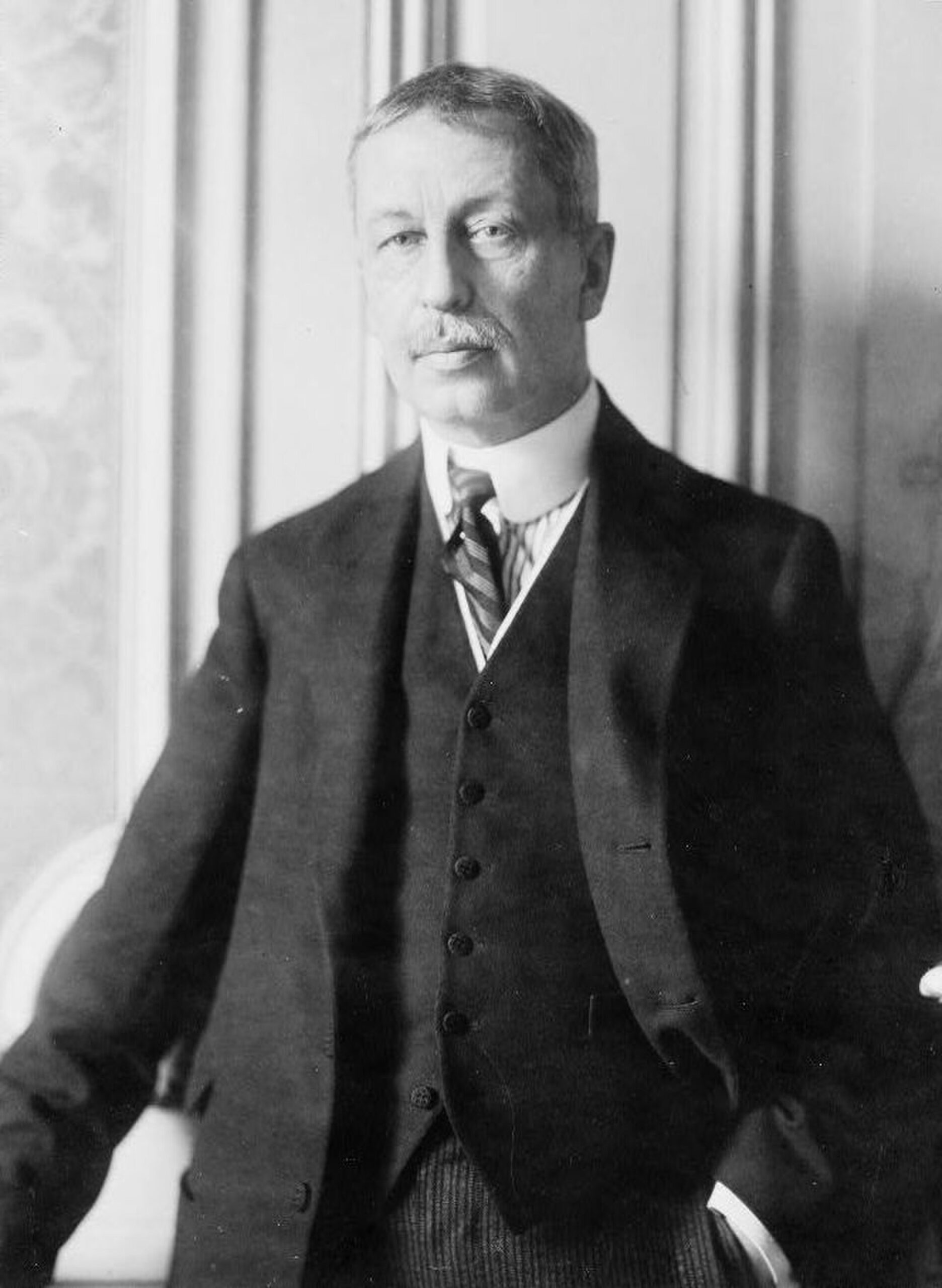
This portrait captures James Addams Beaver, a Union officer from Pennsylvania whose service embodied both courage and sacrifice. On August 25, 1864, during the brutal fighting at Reams’ Station, Virginia, Beaver was severely wounded in his right leg—his fourth combat injury in just over a year. The wound was so grave that his leg had to be amputated.
A member of the 2nd, 45th, and 148th Pennsylvania Infantry Regiments, Beaver had already endured injuries at Chancellorsville, Cold Harbor, and Petersburg. Yet he remained committed to the cause, rising through the ranks with tenacity. His battlefield endurance would later shape his postwar legacy: Beaver went on to become Governor of Pennsylvania, channeling his wartime experience into civic leadership.
This image, taken between 1861 and 1864, shows a man not yet marked by the cost of war—but already carrying its weight. On August 25, his life changed irrevocably. And yet, he endured.
Image via LOC, no known restrictions

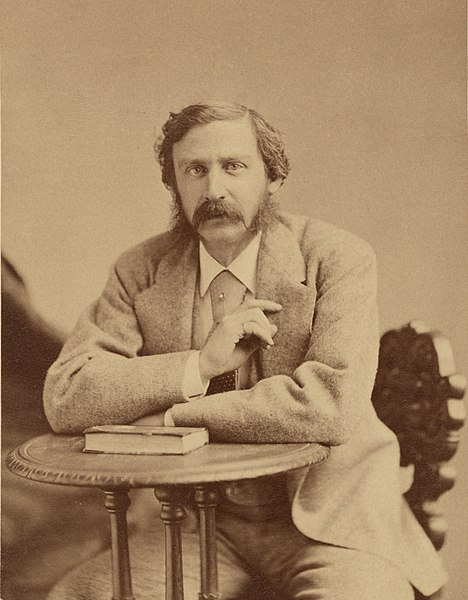
Born August 25, 1836 author Bret Harte drew on his experiences as a miner and journalist in northern California’s gold region to write memorable short fiction. Two of Harte’s most famous works are “The Luck of Roaring Camp” and “The Outcasts of Poker Flat.”
Image by N. Sarony, NPG via Wikimedia Commons, public domain in the US.

Launch of NASA’s Spitzer Infrared Space Telescope on August 25, 2003
The Spitzer mission was originally planned to be 2 &1/2 years, but it lasted for more than 16 years before being deactivated in 2020.
It was the first telescope to detect light from an exoplanet.
The launch of the Spitzer was 394 years after Galileo demonstrated his telescope to Venetian lawmakers on August 25, 1609.
Image via Wikimedia Commons, public domain

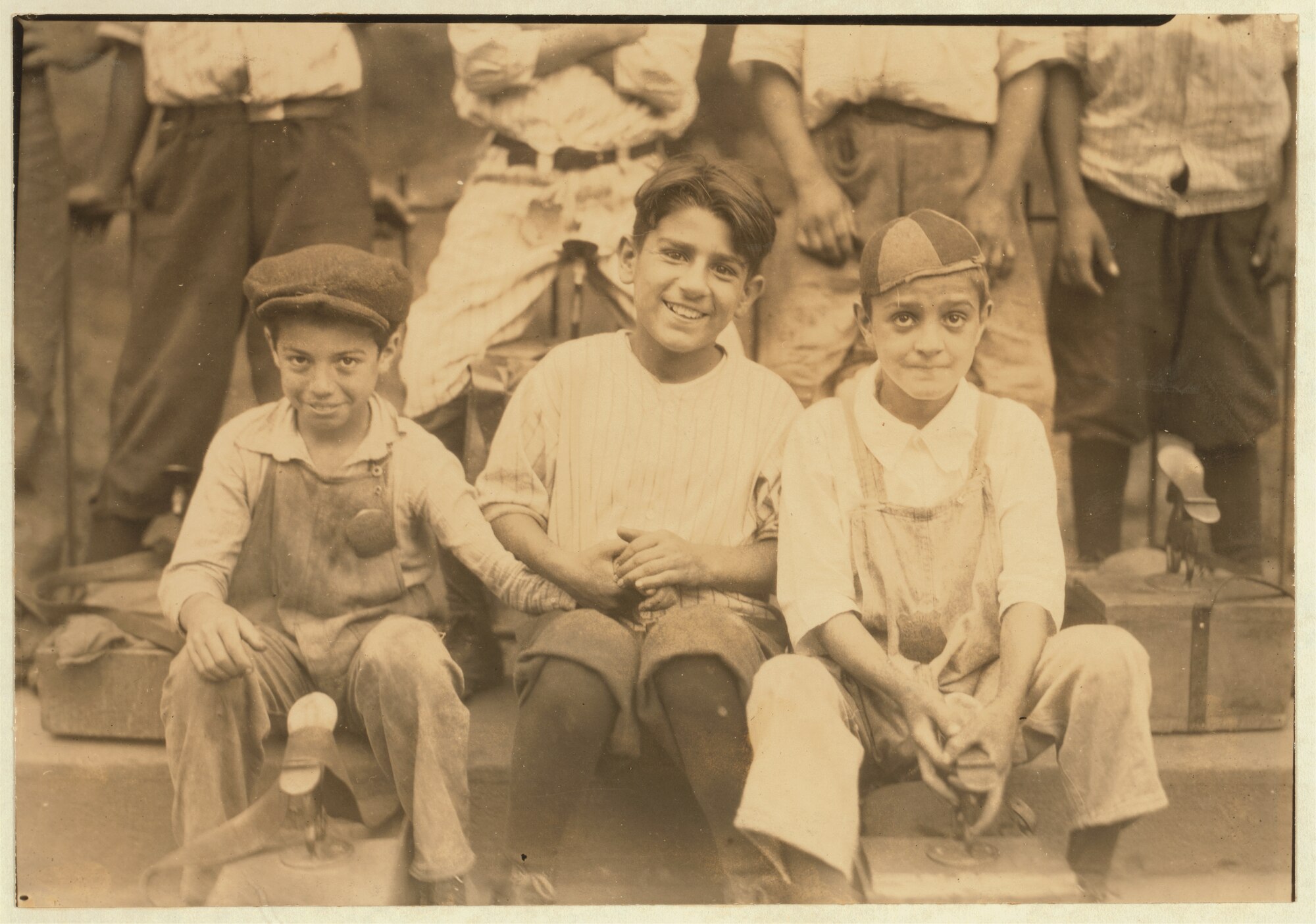
A few of the shiners in Hartford, Connecticut
– August 25, 1924
via Library of Congress, no known restrictions

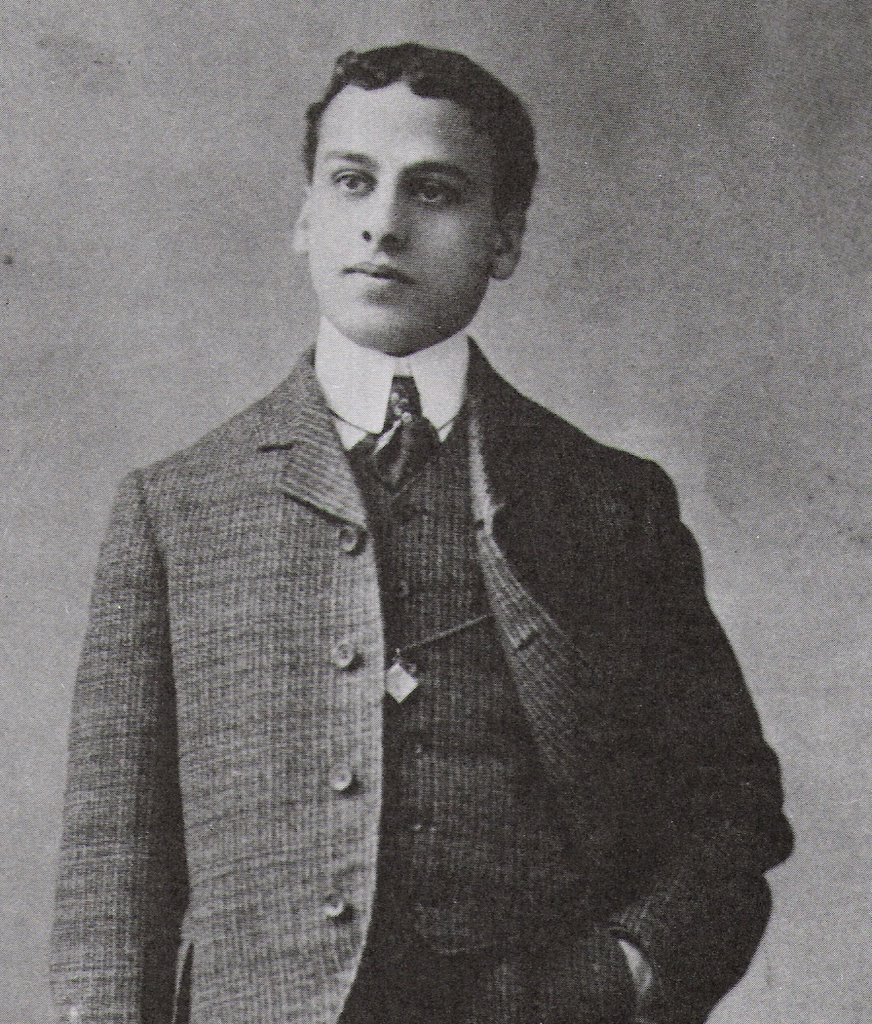
American entrepreneur Joshua Lionel Cowen, who co-founded the Lionel Corporation in 1900, was born on August 25, 1877 in Queens, New York.
Lionel Corporation was most famous for their toy trains and model railroads. By the late 1950s Lionel Corp. became the largest toy manufacturer in the world.
Image via Wikimedia Commons, public domain

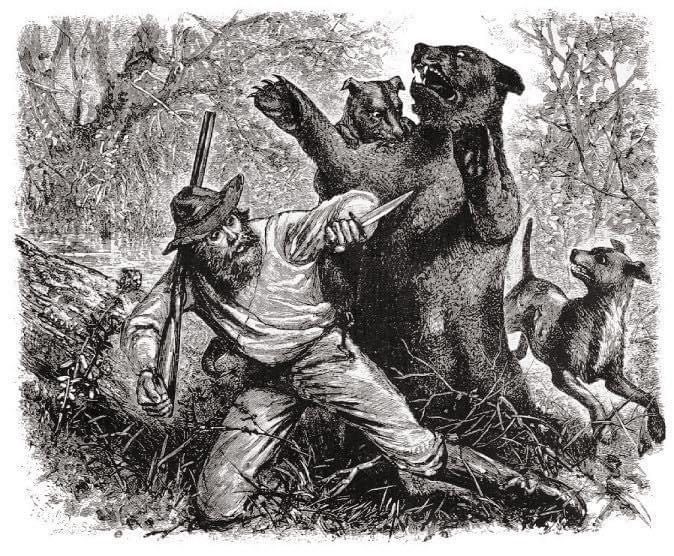
On August 25, 1823 the trapper Hugh Glass encounters a Grizzly Bear…
“Glass was born in Pennsylvania, but nothing is known of his life before he enlisted with the second Ashley-Henry expedition to the Rocky Mountains in 1823 and was wounded in a fight with the Aricaras on the Missouri river. He was then called an “old man,” and was one of the best marksmen and hunters in the party. Under Major Andrew Henry a party set out to trap beaver and explore the Yellowstone river, and Glass was detailed as hunter, an extremely important duty. One morning he was in advance of the party, forcing his way through a thicket, when he suddenly came upon a monster female grizzly bear that rose and attacked him before he had time to “set his trigger” or even turn to fly. The bear seized him by the throat and lifted him from the ground. Then hurling him down, the ferocious beast tore off a mouthful of his flesh and lumbered to her cubs, which were close by. Glass now tried to escape, but the bear, followed by her cubs, attacked him again. Seizing him by the shoulder she crunched his hands and arms between her teeth.
Glass was in a terrible condition and had given himself up for dead when a companion, detailed also as a hunter, appeared and shot at one of the cubs. The other, a half-grown bear, drove him into the water, where he stood waist deep and killed his pursuer with a shot. Just then the main body of trappers arrived, having heard cries for help. A dozen guns cracked and the mother bear fell dead over the prostrate Glass. It was found that he was still alive, but in an apparently hopeless condition. His whole body was mangled, he could not stand and suffered excruciating pain. No surgical aid could be given and it was impossible to move him.”
From: Back-trailing on the old frontiers, published in 1922
https://archive.org/details/backtrailingonol00cheerich/page/8
Source says not in copyright
Image: Hugh Glass and the Grizzly – newspaper illustration via Wikimedia Commons, public domain

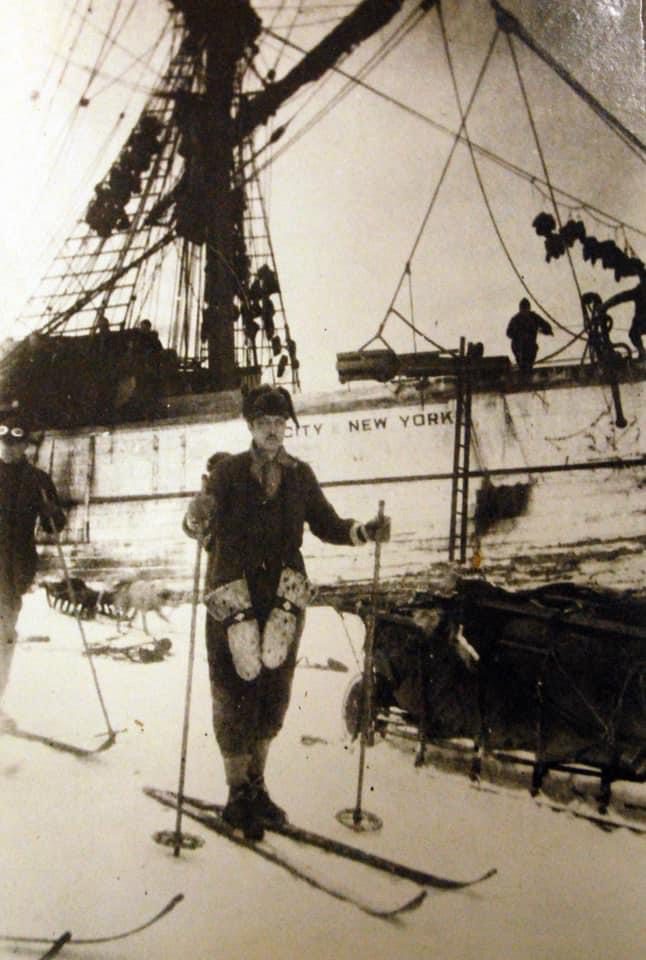
On August 25, 1928 a ship called “City of New York” departed Hoboken, New Jersey bound for the Antarctic.
It arrived at the Ross Ice Shelf in Antarctica in December of that year.
Image: American Commander Richard E. Byrd with mustache and on skis during his First Antarctic Expedition via Wikimedia Commons, public domain

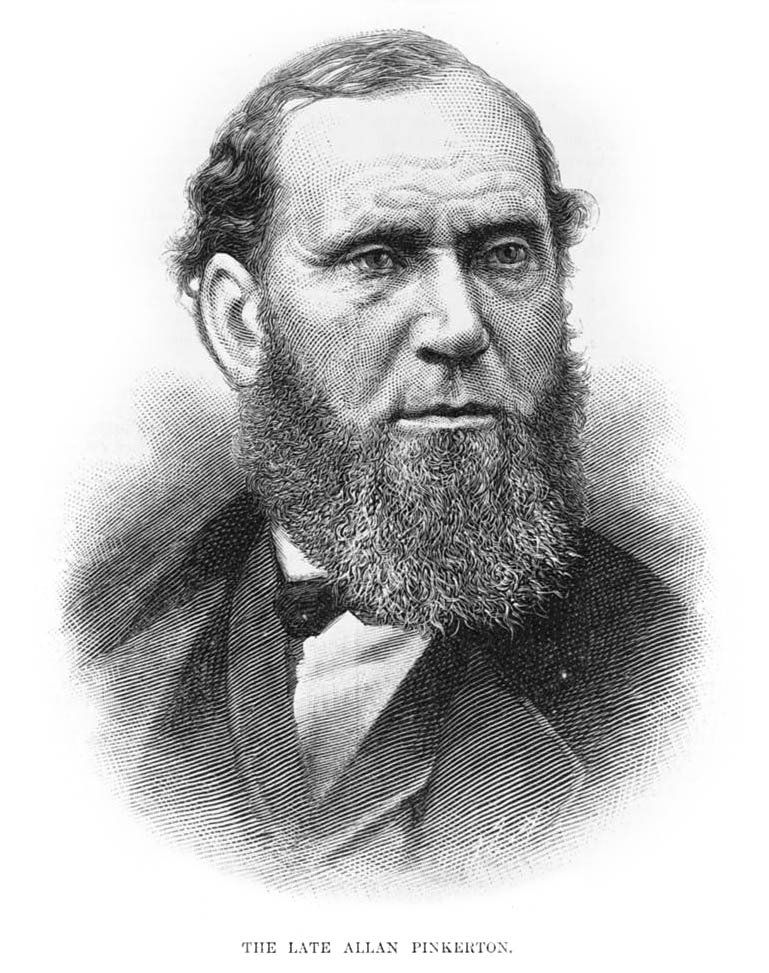
Born August 25, 1819 Allen Pinkerton (left) headed the Union Army’s Intelligence Service at the start of the Civil War, foiling a plot to assassinate president-elect Abraham Lincoln. His work resulted in Army Counterintelligence and the U.S. Secret Service.
Image from LOC via Wikimedia Commons, public domain in the US.

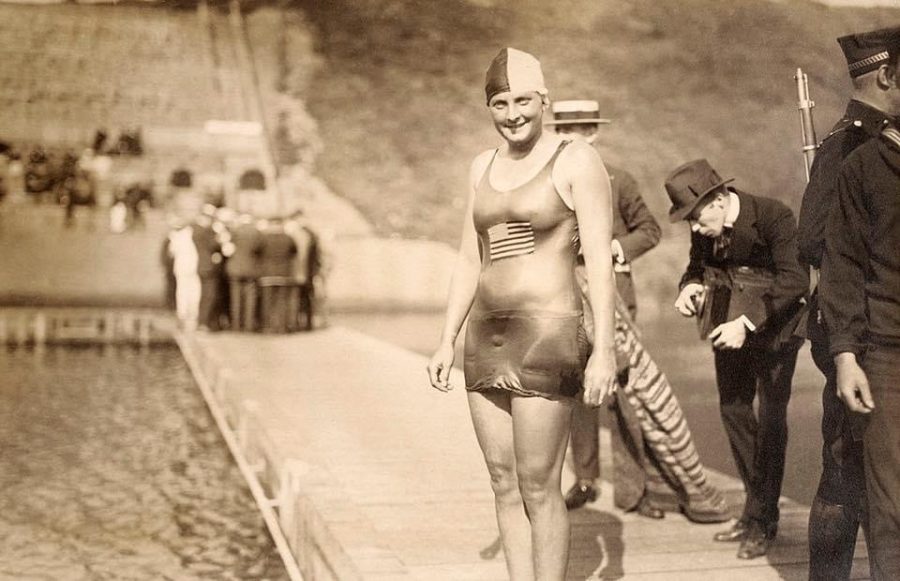
On August 25, 1920 Ethelda Bleibtrey becomes the first American woman to win an Olympic Gold medal in swimming.
Image: Ethelda Bleibtrey at the Olympic Games in Antwerp in August 1920 via Wikimedia Commons, public domain

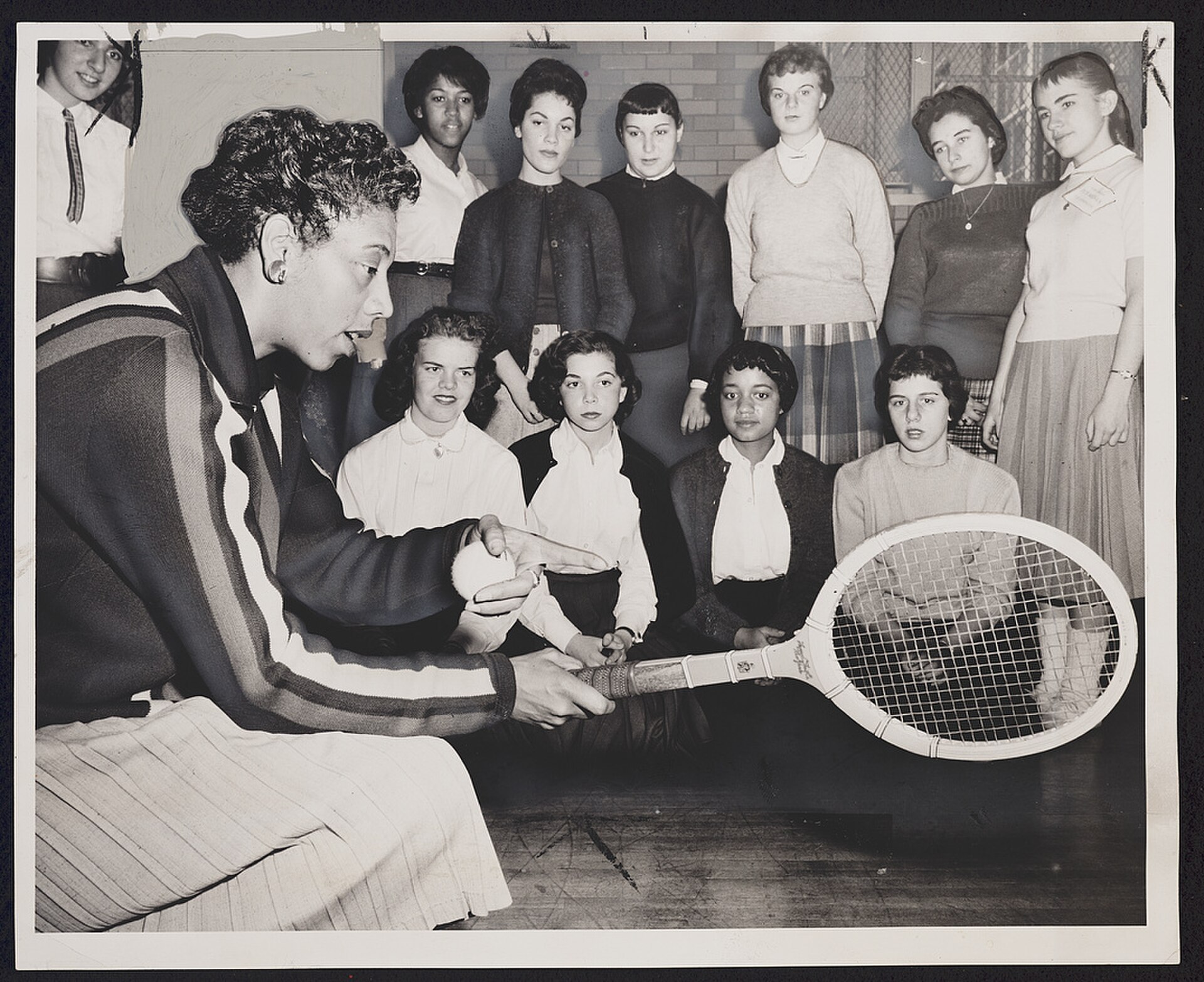
American female tennis star Althea Gibson, who won the singles title at both Wimbledon and the U.S. National Championships in 1957 and again in 1958 was born on August 25, 1927 in Clarendon County, South Carolina.
Image via Wikimedia Commons, public domain

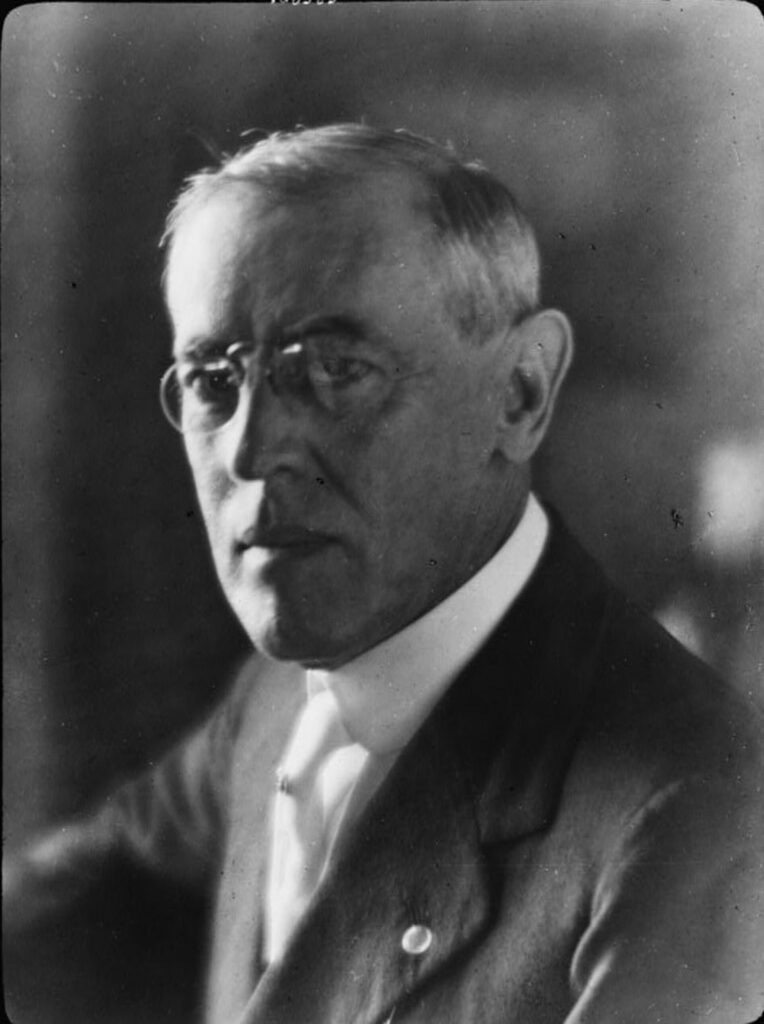
On August 25, 1916 the US National Park Service was signed into existence by President Woodrow Wilson. Twenty years later future President Gerald R. Ford served as a seasonal ranger in Yellowstone National Park and later called it “One of the greatest summers of my life.”
Image from NARA via Wikimedia Commons, public domain in the US

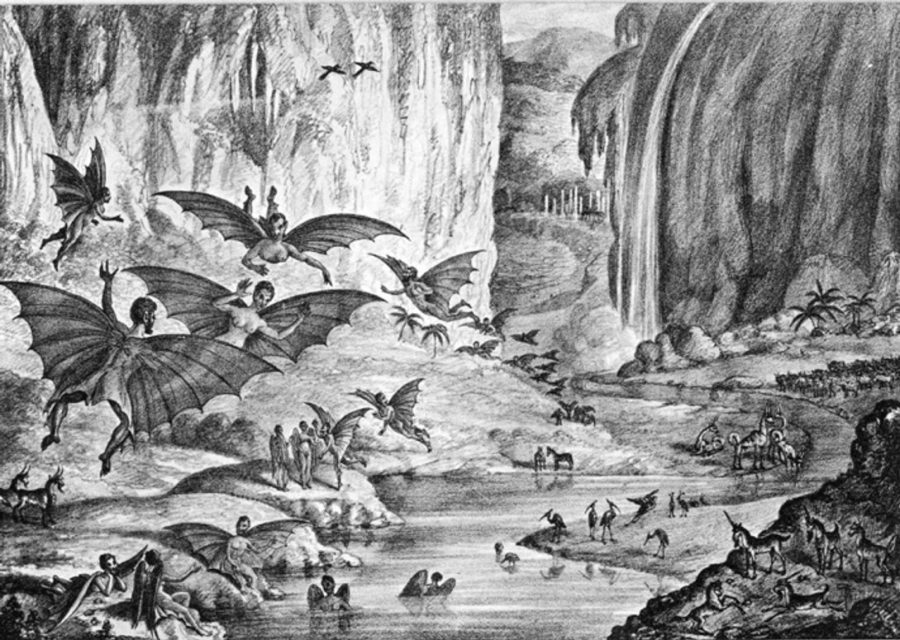
August 25, 1835 – the New York Sun newspaper publishes the first of six illustrated articles describing life forms on the moon, visible with a new “immense telescope.” The “Great Moon Hoax” actually did boost the paper’s circulation.
Image via Wikimedia Commons, public domain in the US. {PD-US}

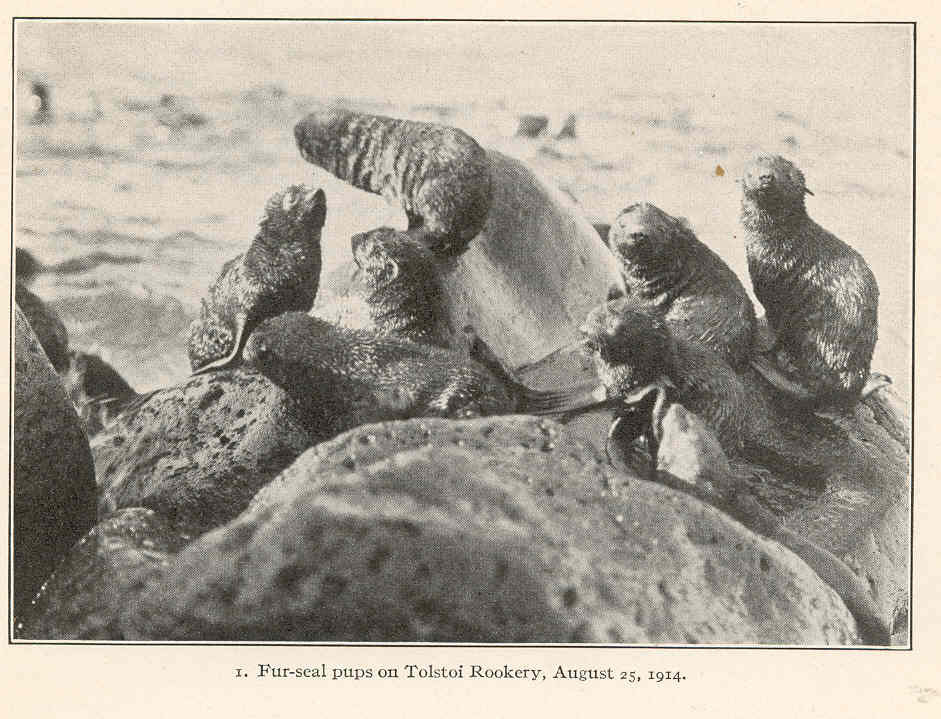
Fur Seal Pups on Tolstoi Rookery – August 25, 1914, St. Paul Island, Alaska
Photographed by Wilfred Hudson Osgood during a U.S. Bureau of Fisheries expedition, this image captures a moment of stillness among the fur seal pups of Tolstoi Rookery. Nestled along the rocky coast of St. Paul Island, the rookery was a vital site for early 20th-century wildlife observation and federal management. Taken at the height of summer, the photograph offers a rare glimpse into the rhythms of life in one of Alaska’s most remote and biologically rich landscapes.
Image via Wikimedia Commons, public domain in the US.

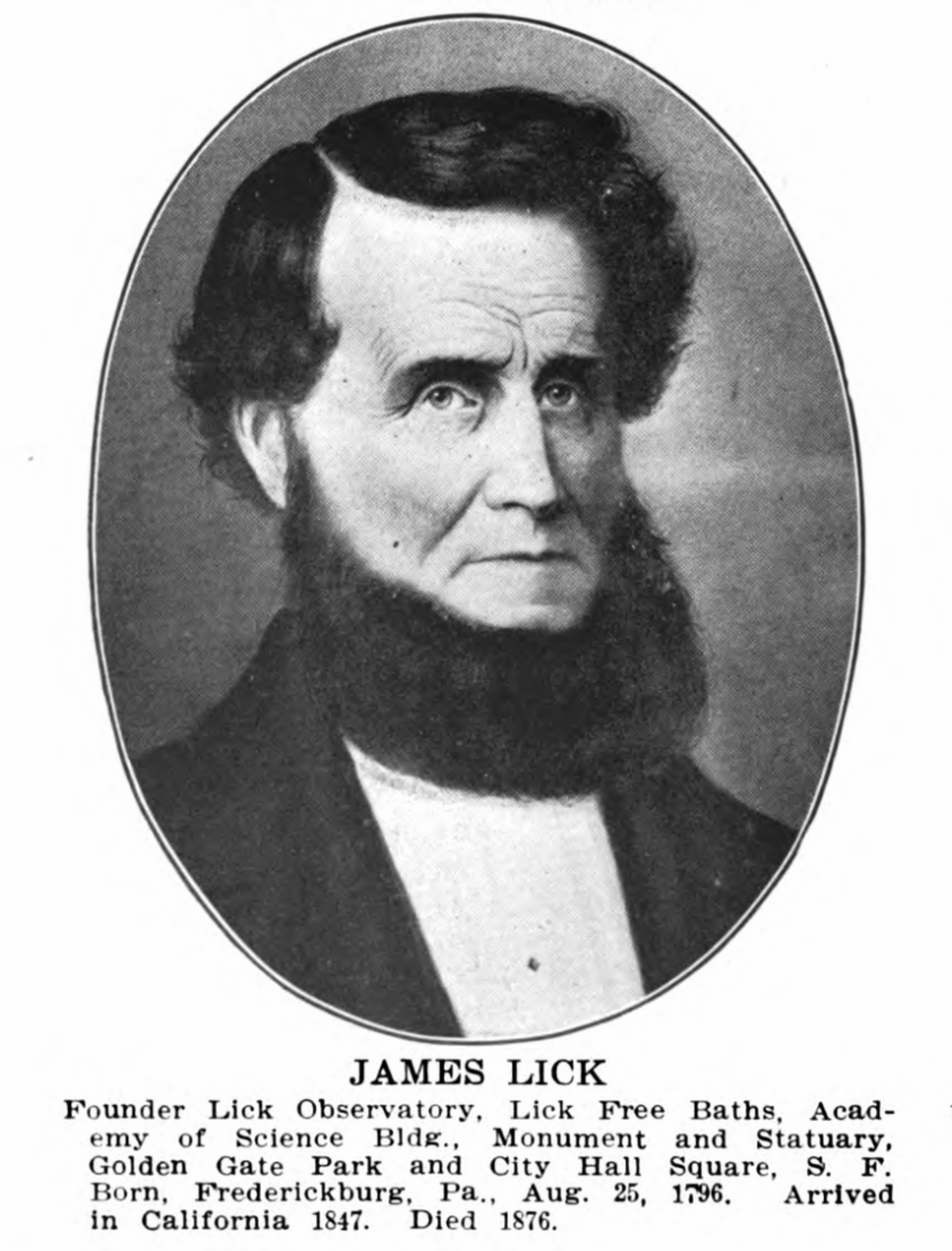
James Lick (August 25, 1796, Lebanon County, Pennsylvania)
James Lick had nowhere to go but up. He began life born to a family of carpenters in the village of Stumpstown, now Fredericksburg. He undertook a life that was the polar opposite of his rural youth. After a failed engagement, he left Pennsylvania and went to Maryland to learn the piano-making trade. He quickly became proficient at piano-making and developed a reputation, culminating in pianos ultimately selling in New York and South America, the latter being a large market for pianos. His piano business was a massive success in Argentina, Chile, and Peru, literally weathering significant civil unrest at the time to become wealthy.
Lick returned to North America in 1848 and arrived in San Francisco when the California Gold Rush began. While thousands were rushing to the mountains of California to dig for gold, Lick started timely, better yet, smartly, and he began investing in real estate. He purchased large parcels of land in San Francisco and the Santa Clara Valley. Lick was patient in his investments, as his savviness ultimately left him one of the richest men in California. His roughest venture was building and opening the Lick House hotel, previously named “the best hotel west of the Mississippi.” Lick’s most infamous act was to carry sacks of chocolate for his friend Domingo Ghirardelli’s company, to have it received in San Francisco. This led Ghirardelli to create his eponymous chocolate company.
Lick knew wealth was not a legacy; therefore, in the later part of his life, he established a trust to hold his estate and dedicated millions to the pursuit of science, education, and public works. One of the most iconic uses of the funds from his estate is the Lick Observatory on Mount Hamilton, which housed the largest refracting telescope when it was finished. His estate also funded several public venues, the California Academy of Sciences, the Conservatory of Flowers, and many civic organizations that also have Lick in their name.
Lick is honored in a village called Lickdale, close to where he was born, and there is also a crater on the moon named after him for his impact in the field of astronomy. James Lick’s life, from broken-hearted to worldly success, ultimately culminated in extraordinary philanthropy, was truly remarkable.
Image via Wikimedia Commons, public domain

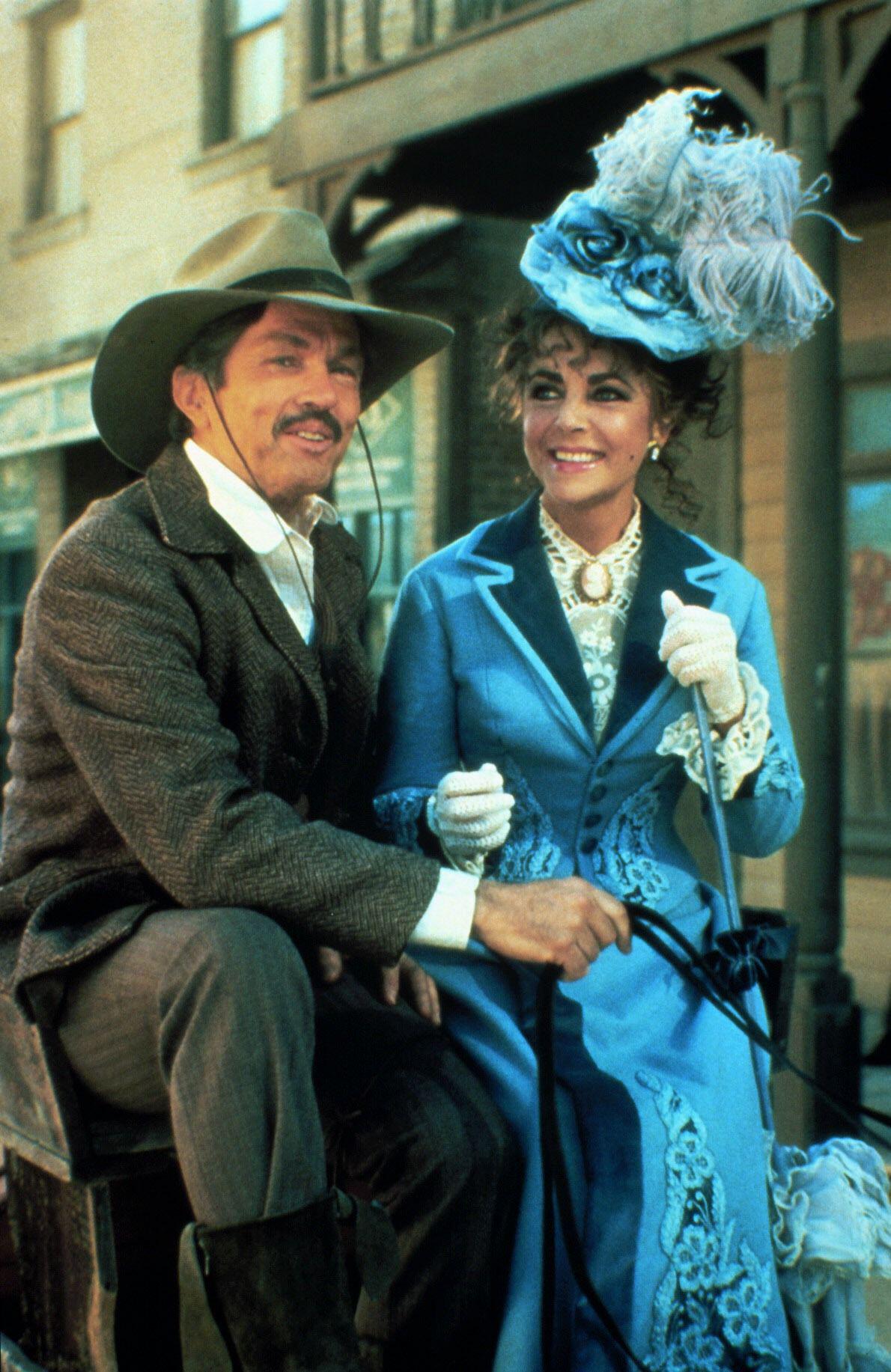
Born August 25, 1933, Tom Skerritt has spent decades redefining quiet strength on screen—from fighter jets in Top Gun to frontier towns in Poker Alice. In the 1987 TV movie, Skerritt played Sheriff Jeremy Collins opposite Elizabeth Taylor’s high-stakes gambler, Alice Moffit.
Set in the 1880s American West, Poker Alice follows a Boston cardsharp who wins a brothel in a poker game and must choose between independence, morality, and love. Skerritt’s grounded performance gave emotional weight to a story of grit, gamble, and unexpected romance.
Today, we celebrate the birthday of a performer who made stoicism cinematic and gave Westerns a touch of tenderness.
Image from Poker Alice 1987 via Alamy

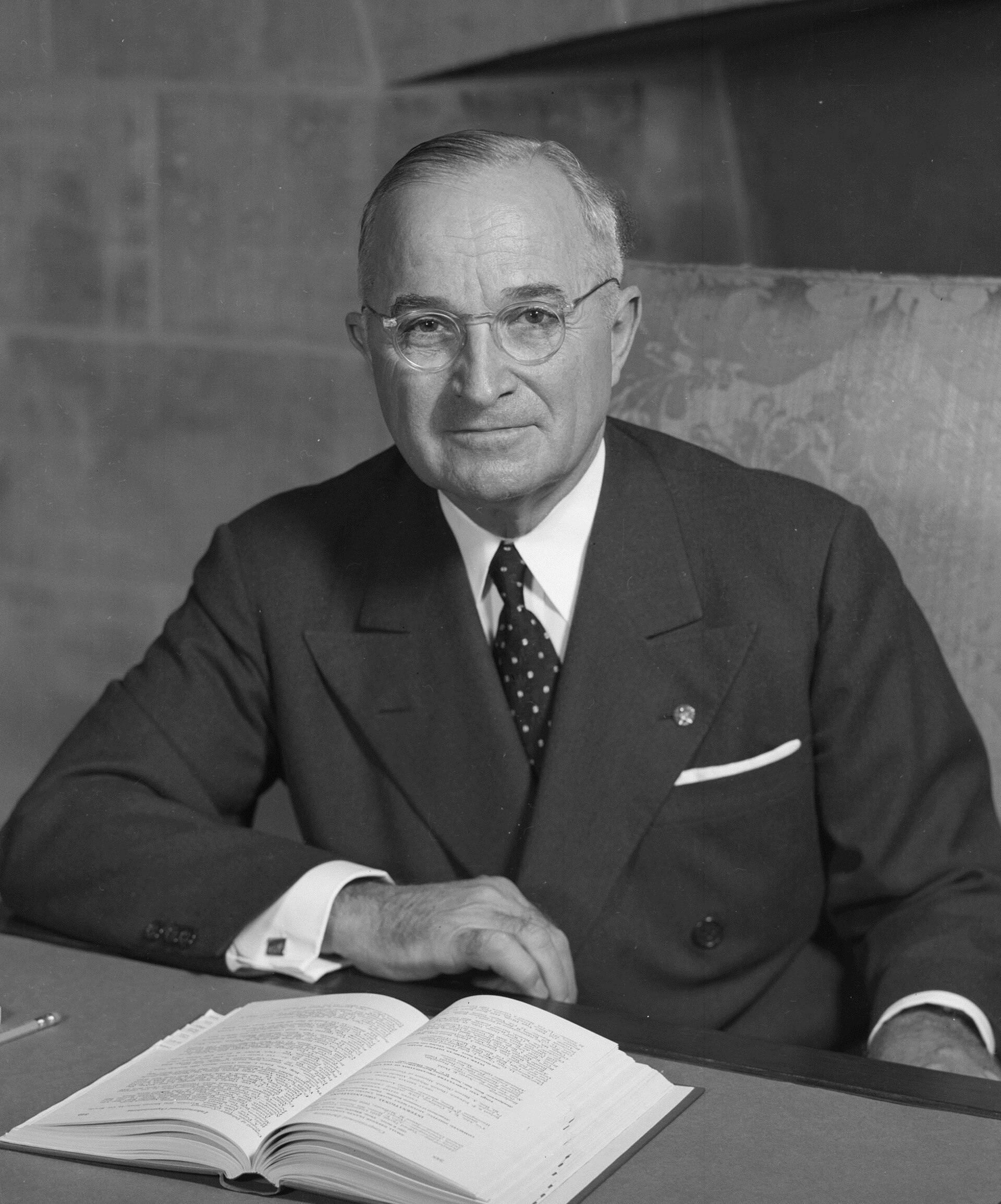
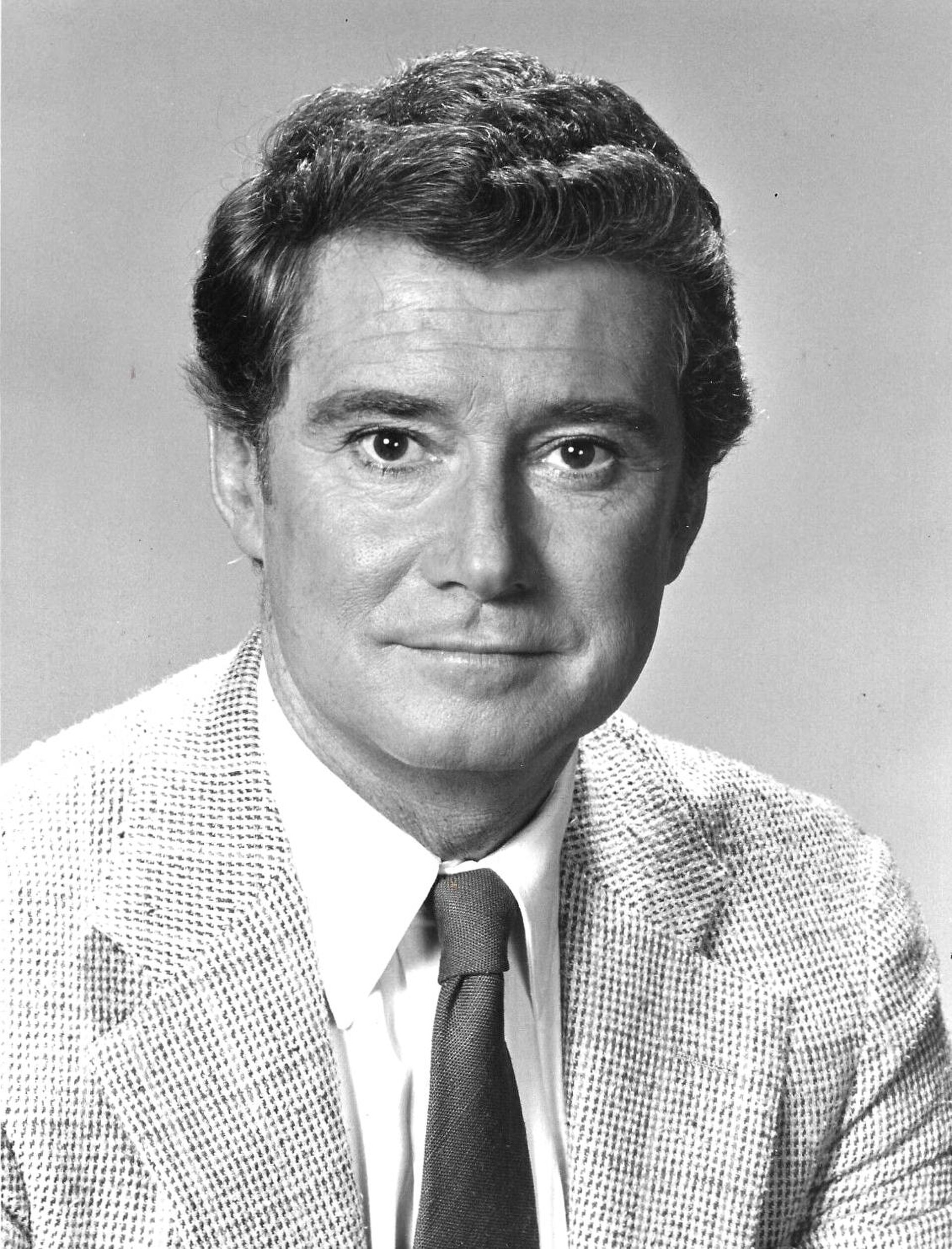
TV show host and U.S. Navy veteran Regis Philbin was born on August 25, 1931 in New York City.
Image from the 1980s via Alamy

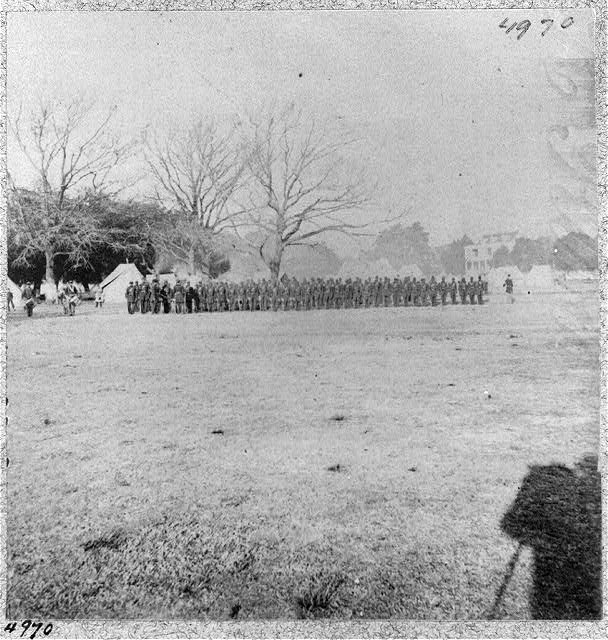
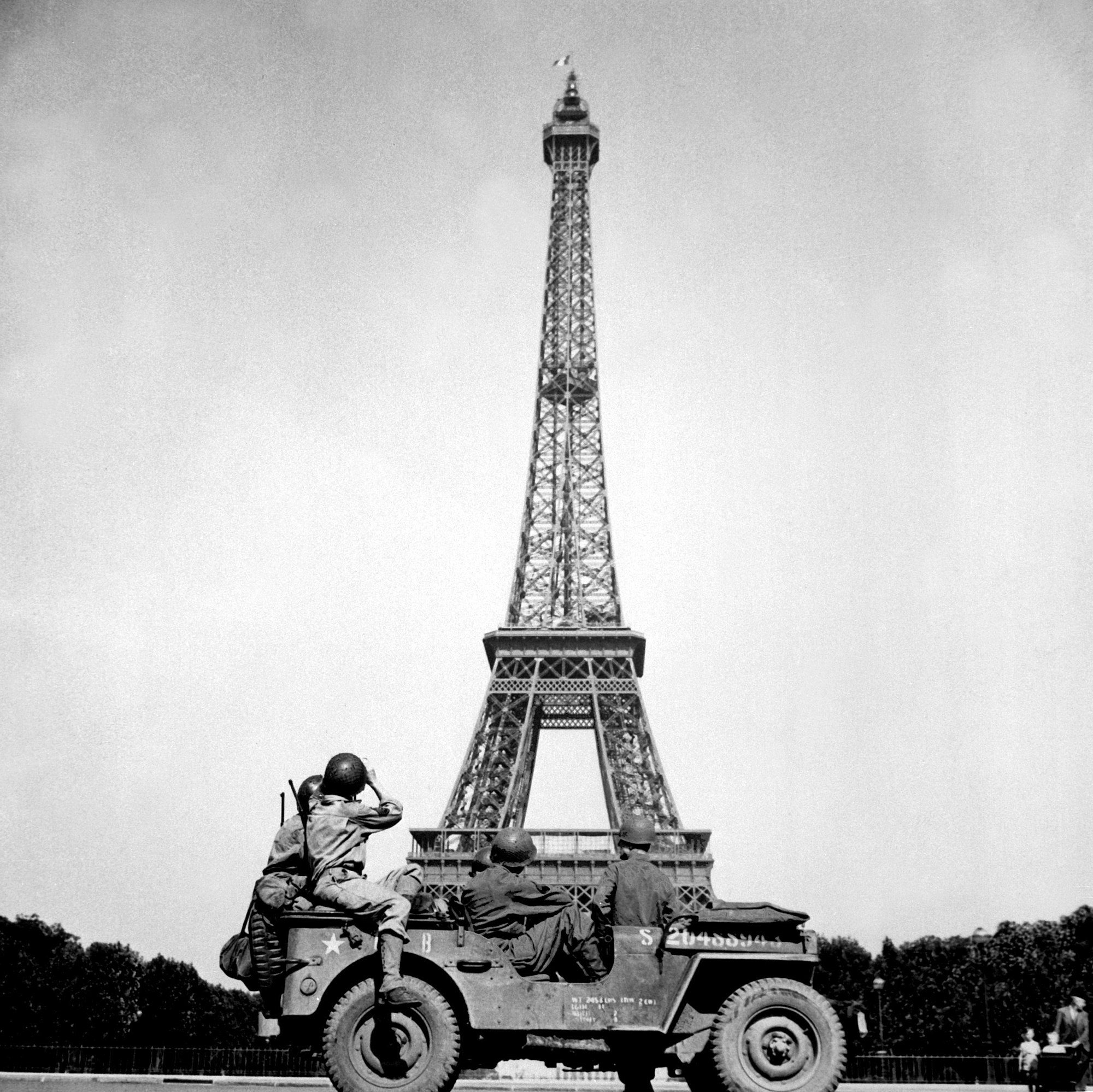
Soldiers of the 4th U.S. Infantry Division look at the Eiffel Tower in Paris, after the French capital had been liberated on August 25, 1944.
Image via Wikimedia Commons, public domain

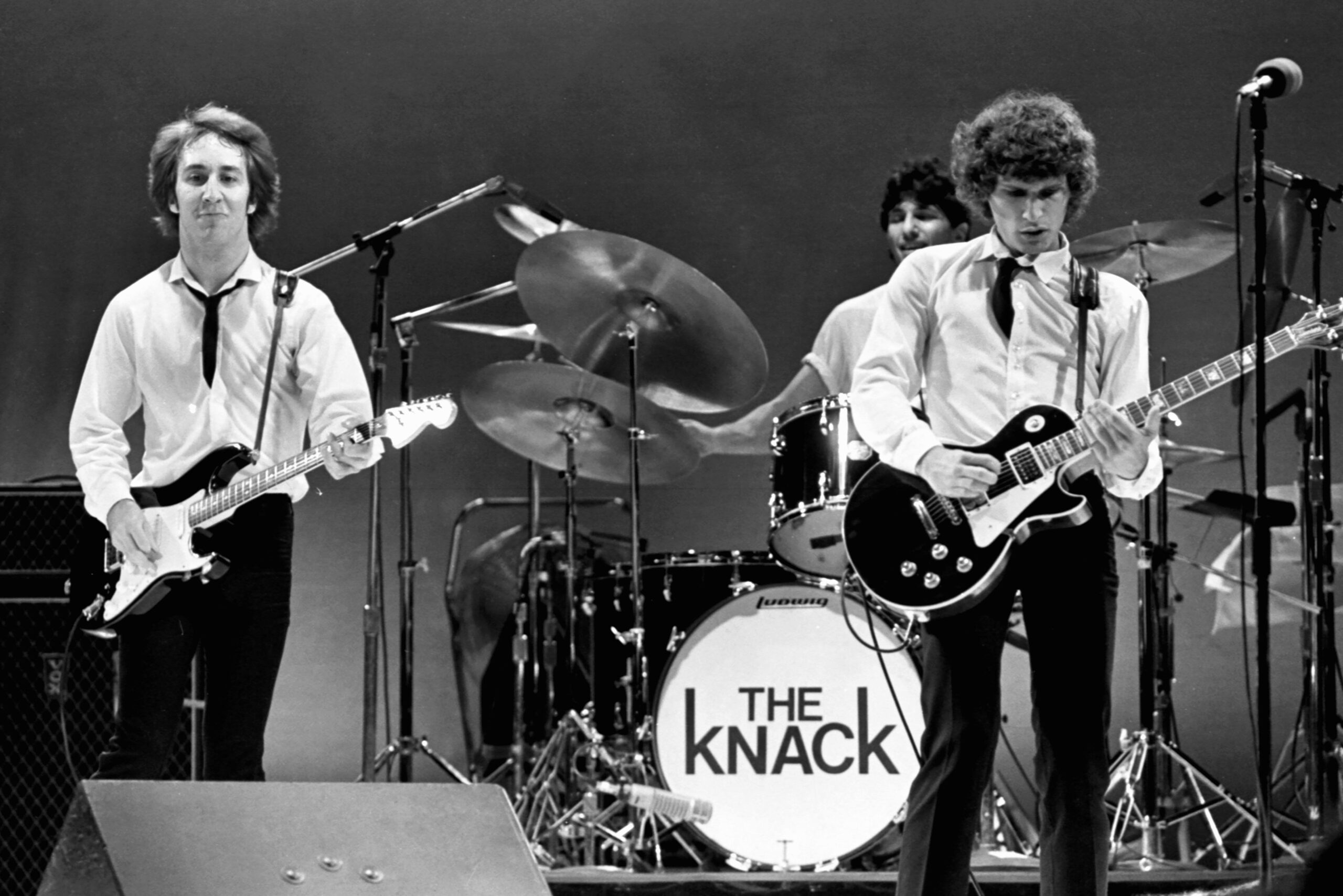
August 25, 1979 – America gets hooked on “My Sharona”
With its driving beat and a hook that wouldn’t quit, The Knack’s “My Sharona” launched a six-week reign at #1 on the pop charts, forever hooking America. That opening line—“Ooh, my little pretty one…”—was more than catchy; it signaled the unapologetically loud, fast, and flirtatious arrival of power pop.
Image of The Knack in concert in Wisconsin in 1979 via Alamy

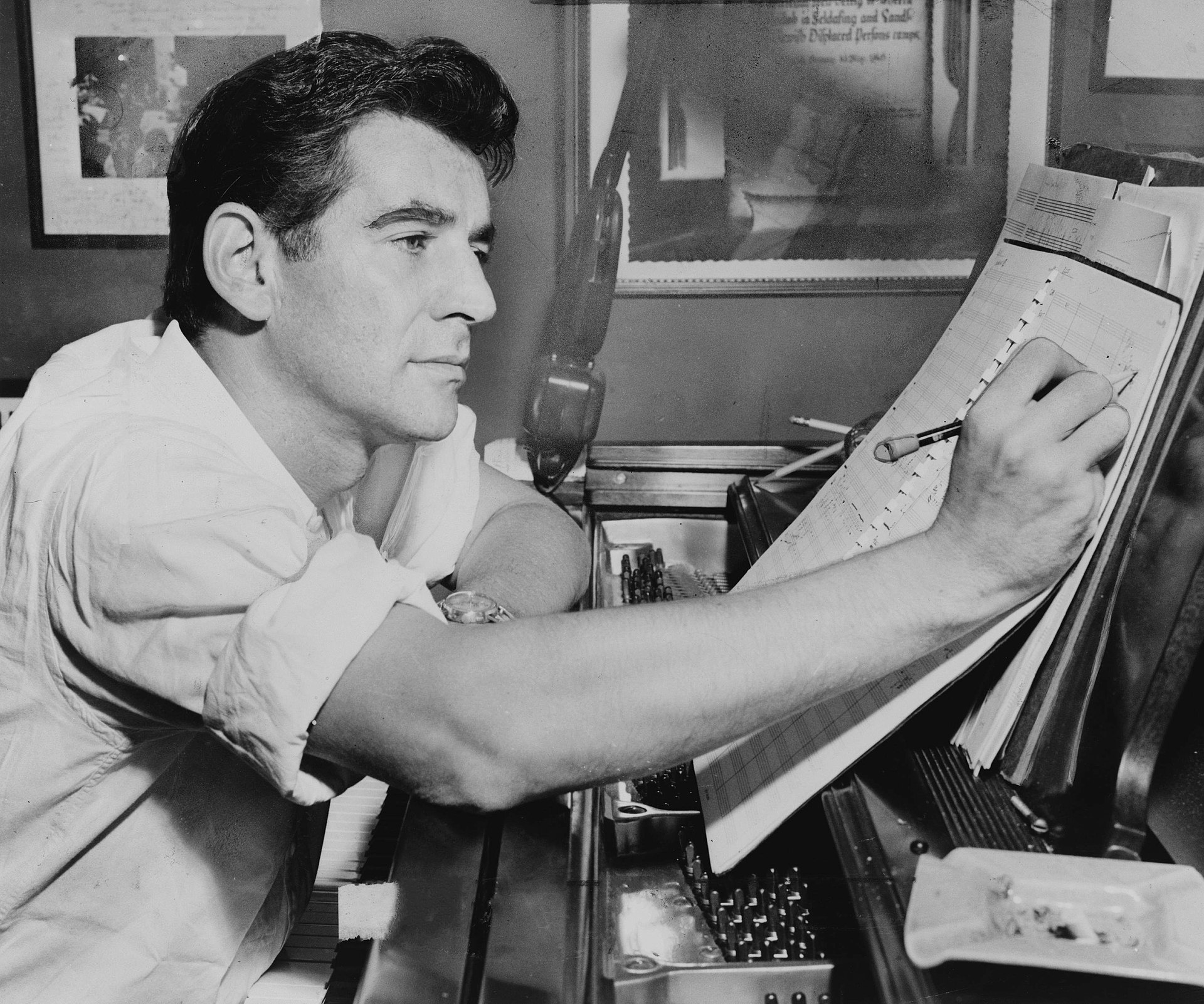
Leonard Bernstein: Born to Conduct, Built to Inspire
Born on August 25, 1918, in Lawrence, Massachusetts, Leonard Bernstein rose from humble roots to become one of the most influential musicians of the 20th century. His breakthrough came in 1943, when he stepped in—unrehearsed—for a New York Philharmonic concert at Carnegie Hall, launching a legendary career.
Bernstein composed iconic works like West Side Story and Candide, conducted major orchestras worldwide, and brought classical music into American homes through his televised Young People’s Concerts. He was also a passionate advocate for civil rights and peace.
With 16 Grammys, 2 Tonys, 7 Emmys, and a Kennedy Center Honor, Bernstein’s birthday reminds us of a life devoted to making music unforgettable—and to using its power for good.
Image: Leonard Bernstein seated at piano, making annotations to musical score in 1955 via LOC, no known restrictions