July 12 - Heartfelt History™

On This Day In American History

July 12

Loading posts…
Now viewing: July
1 2 3 4 5 6 7 8 9 10 11 12 13 14 15 16 17 18 19 20 21 22 23 24 25 26 27 28 29 30 31
Pick a Day 🔺

“A Shot Across the Capital:
July 12, 1864”

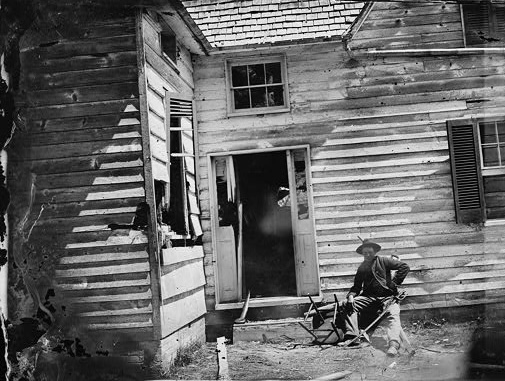
This battered Washington home near Fort Stevens bears the scar of Confederate General Jubal Early’s surprise attack on the city. As Union troops scrambled to defend the capital, this civilian structure became an unintended casualty, its shattered wall a silent witness to the only time during the Civil War that Washington, D.C. came under direct fire.

Image via Wikimedia Commons


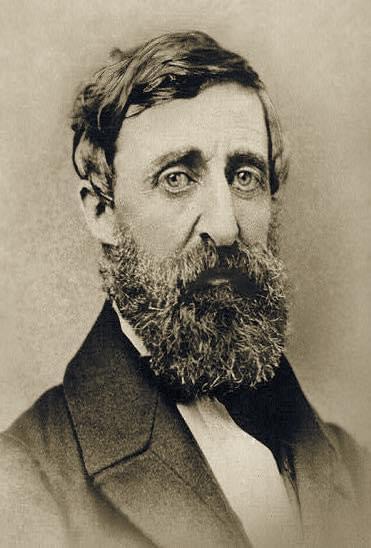
“If a man believes and expects great things of himself, it makes no odds where you put him, or what you show him … he will be surrounded by grandeur.”

A quote by Henry David Thoreau

Thoreau was born on July 12, 1817 in Concord, Massachusetts.

Image of Henry David Thoreau, 1861 via Wikimedia Commons, public domain


Jacob Parrott was the first American to receive The Medal of Honor in March of 1863.

Jacob was the first among six members of the Union Army who received the newly established award for their distinguished service in the Great Locomotive Chase during the American Civil War.

On today’s date, July 12, 1862 the use of the Medal of Honor for soldiers who “distinguished themselves by their gallantry in action” in The U.S. Army was approved by Congress.

Image via Wikimedia Commons, public domain


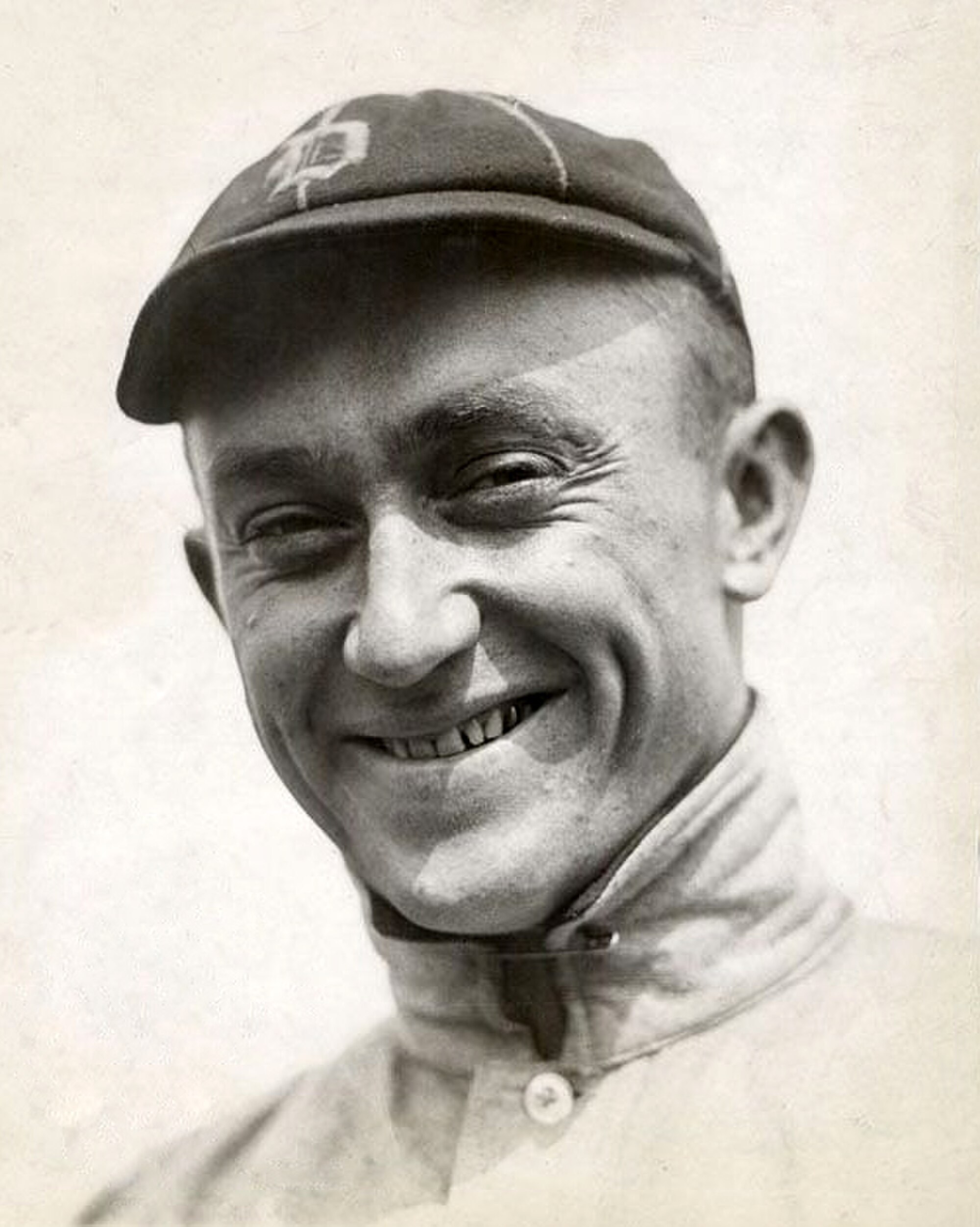
On Wednesday, July 12, 1911, Detroit Tiger Ty Cobb stole second, third and home on three consecutive pitches in the first inning against the Philadelphia Athletics.

The following year, Cobb stole home eight times, the most in a single season.

He also holds the record for the most stolen home plates in a career (54 times.)


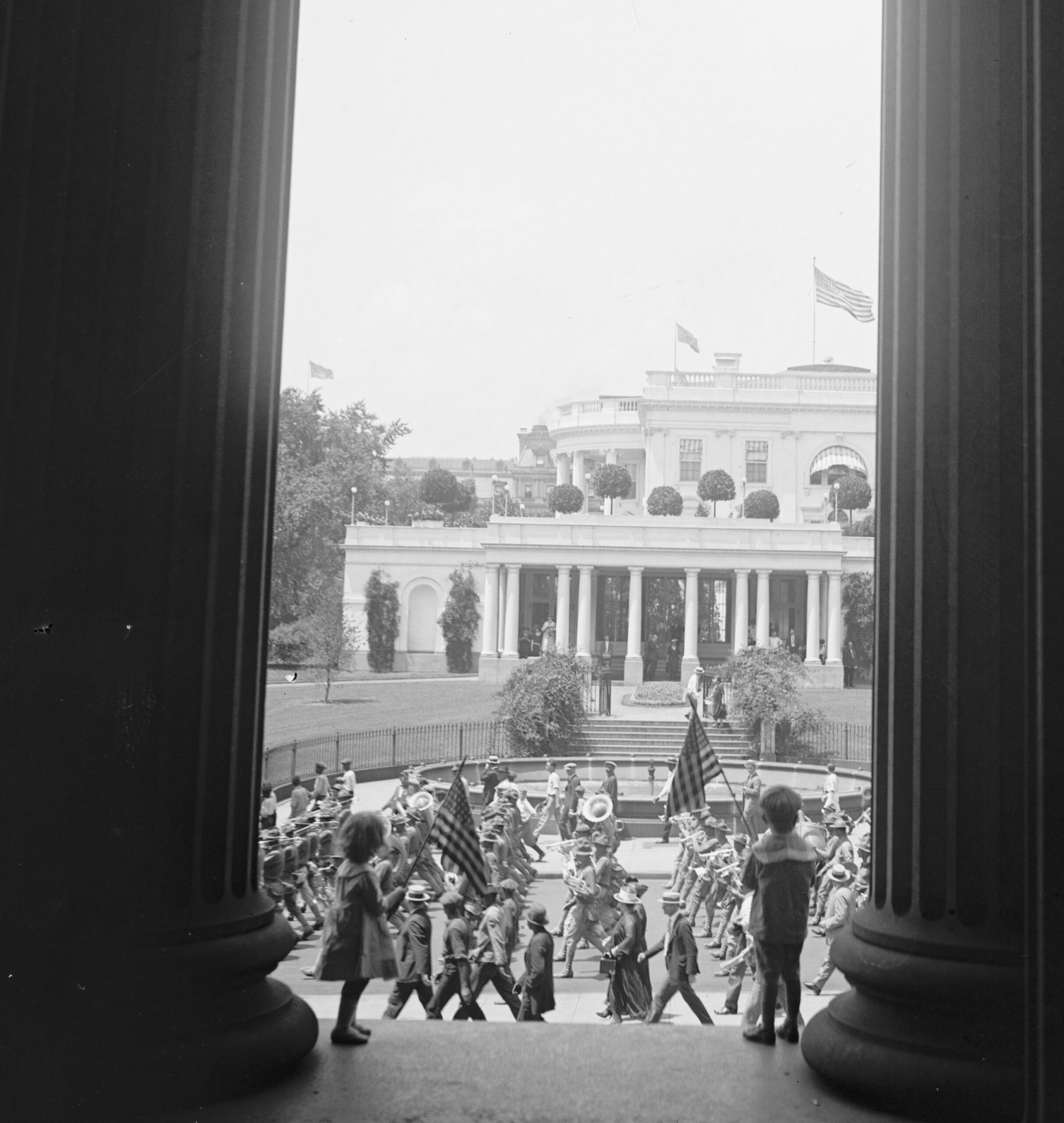
U.S. Marines passing White House with children watching and holding American flags

July 12, 1922

Image via LOC, no known restrictions


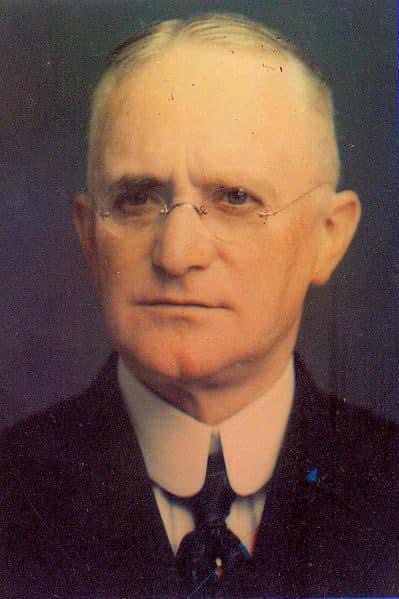
Born July 12, 1854, George Eastman gave us the ability to stop time and record memories with his invention of roll film and a simple Kodak box camera. He was also a philanthropist, establishing a music school, funding hospitals and making donations to many colleges, often under the name “Mr. Smith.”

Image via Wikipedia Commons, public domain in the US


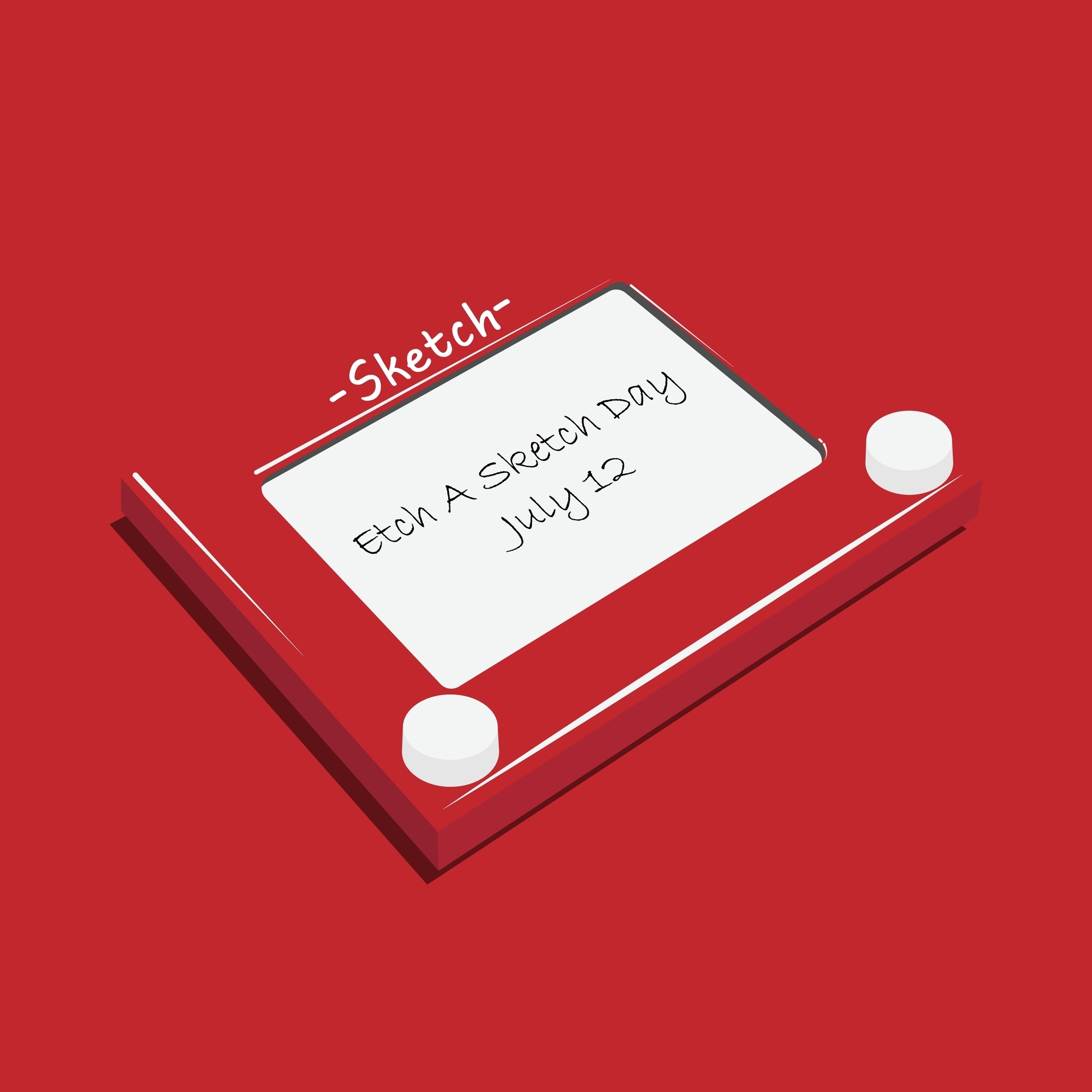
On July 12, 1960, the Etch A Sketch was introduced.
The price was just under $3 each.

Image via Shutterstock


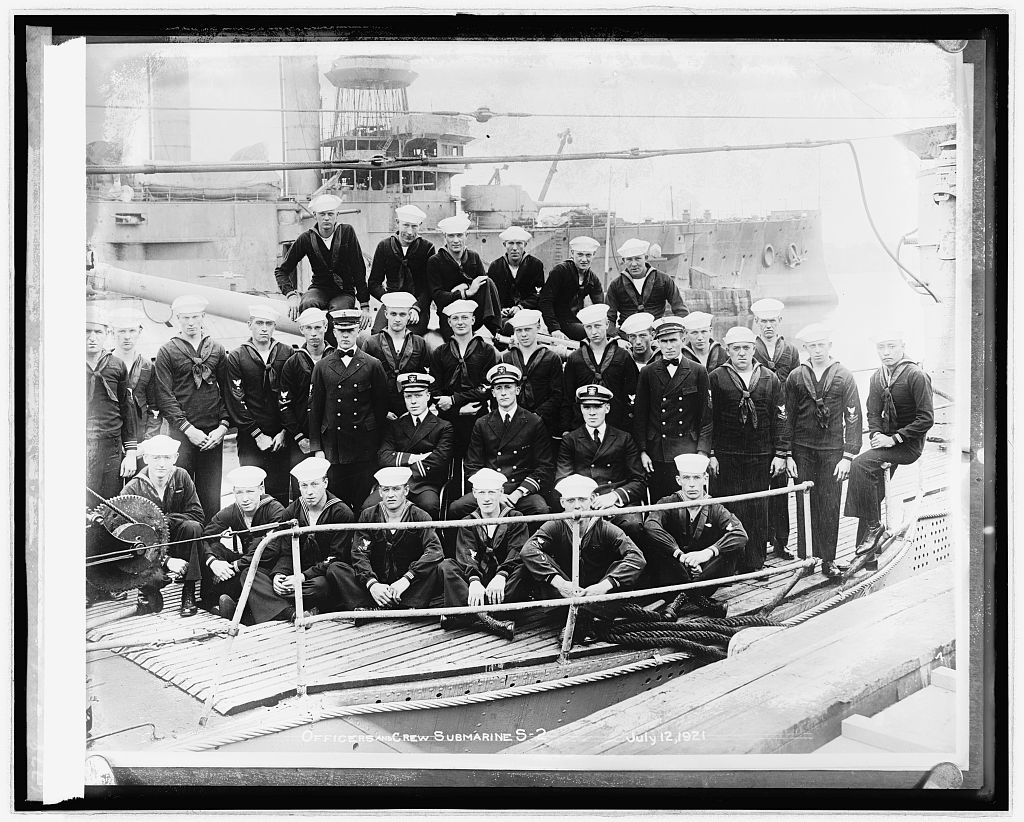
Officers and crew, Submarine S-2, July 12, 1921

Image via LOC, no known restrictions


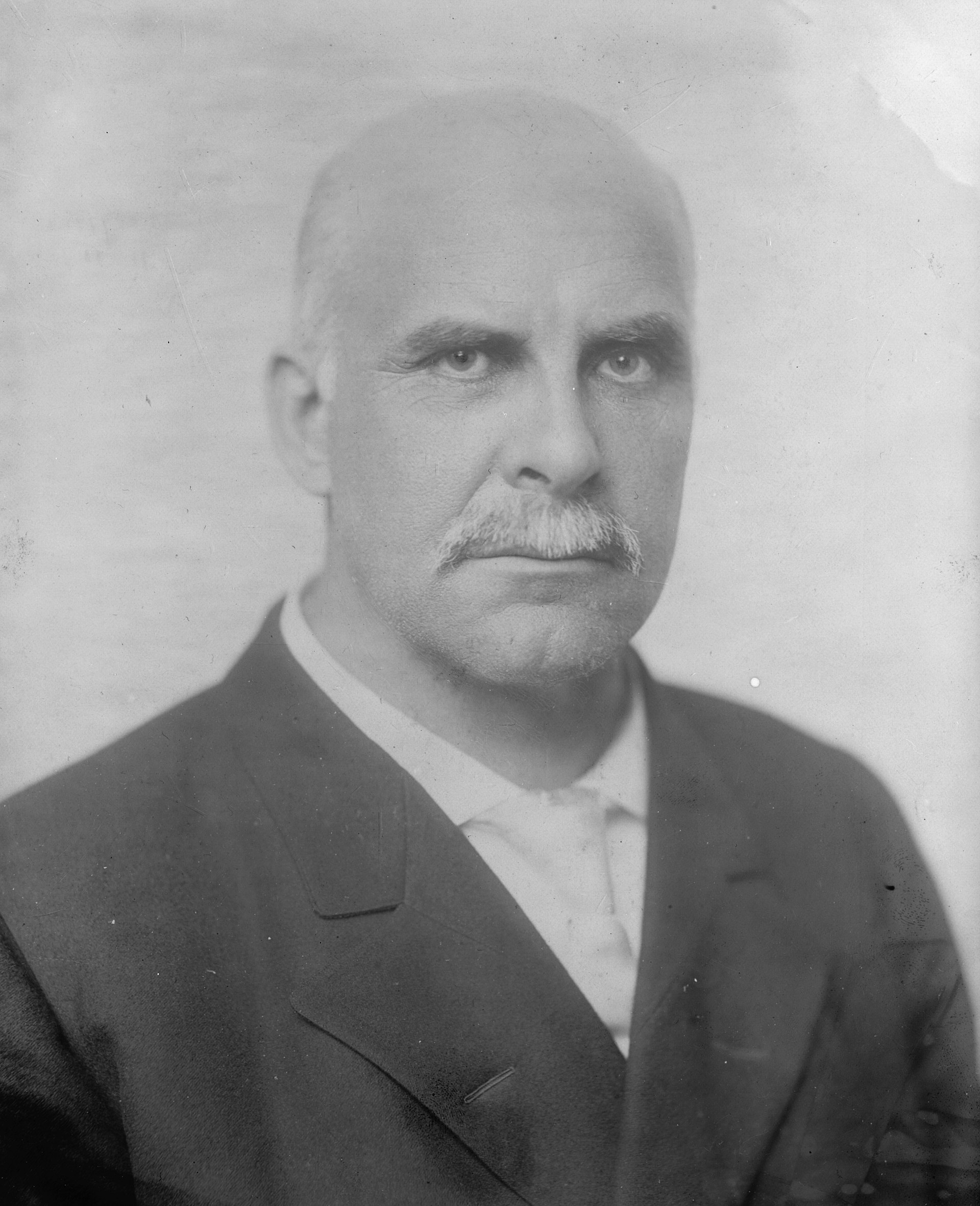
On July 12, 1912, Eugene W. Chafin was once again nominated for President of the United States by the Prohibition Party at their national convention in Atlantic City. The moment marked the peak of his dogged crusade against alcohol, and Chafin declared the nomination “the greatest political honor bestowed on any man this year.”

But his journey wasn’t just political—it was peppered with bizarre and dramatic episodes that made his life anything but typical. In 1908, while campaigning in Lincoln, Nebraska, he nearly drowned during a swim at the local YMCA, only to be saved by three rescuers. That same year, he was nearly knocked unconscious by a brick during a race riot in Springfield, Illinois, after someone in the crowd mistook his handkerchief for a weapon.

Far from deterred, Chafin threw himself into his 1912 campaign, logging over 36,000 miles across 30 states and gathering more than 200,000 votes—an impressive feat for a third-party candidate. Yet even with his growing national profile, danger seemed to follow him. In 1920, while trying to light a gas heater at his home in Long Beach, California, his clothes caught fire; though a neighbor managed to rescue him, Chafin died days later from his injuries. Just before the 18th Amendment was ratified, Chafin had taken his fight global by traveling to Australia to promote prohibition abroad, arriving just as America officially banned alcohol. His life was one of relentless advocacy, public spectacle, and a few hair-raising near misses—proof that even candidates from obscure parties can leave behind some of the most unforgettable legacies in American history.

Image via Wikimedia Commons, no known restrictions


The word of readiness was given. Burr raised his pistol and fired, and Hamilton fell headlong on his face, his own weapon discharging in the air. He sank into the arms of his physician, saying faintly, “This is a mortal wound,” and was borne home to a family overwhelmed with sorrow. The oldest daughter lost her reason.

For thirty-one hours he lay in agony, talking, when able, with his minister about the coming future, asking that the sacrament be administered, and saying, ” I am a sinner. I look to Him for mercy ; pray for me.”

Once when all his children were gathered around the bed, he gave them one tender look, and closed his eyes till they had left the room. He retained his usual composure to the last, saying to his wife, frenzied with grief, “Remember, my Eliza, you are a Christian.” He died at two o’clock on the afternoon of July 12, 1804.

From: Famous American Statesmen by Sarah Bolton, published in 1888
https://archive.org/details/famousamericanst00bolt/page/128/mode/1up
Source says not in copyright

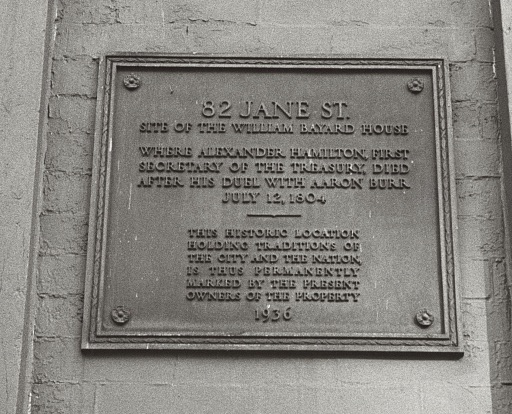
Image: “82 Jane St. Site of the William Bayard House. Where Alexander Hamilton, first Secretary of the Treasury, died after his duel with Aaron Burr, July 12, 1804. This historic location holding traditions of the city and the nation, is thus permanently marked by the present owners of the property, 1936” via LOC, no known restrictions


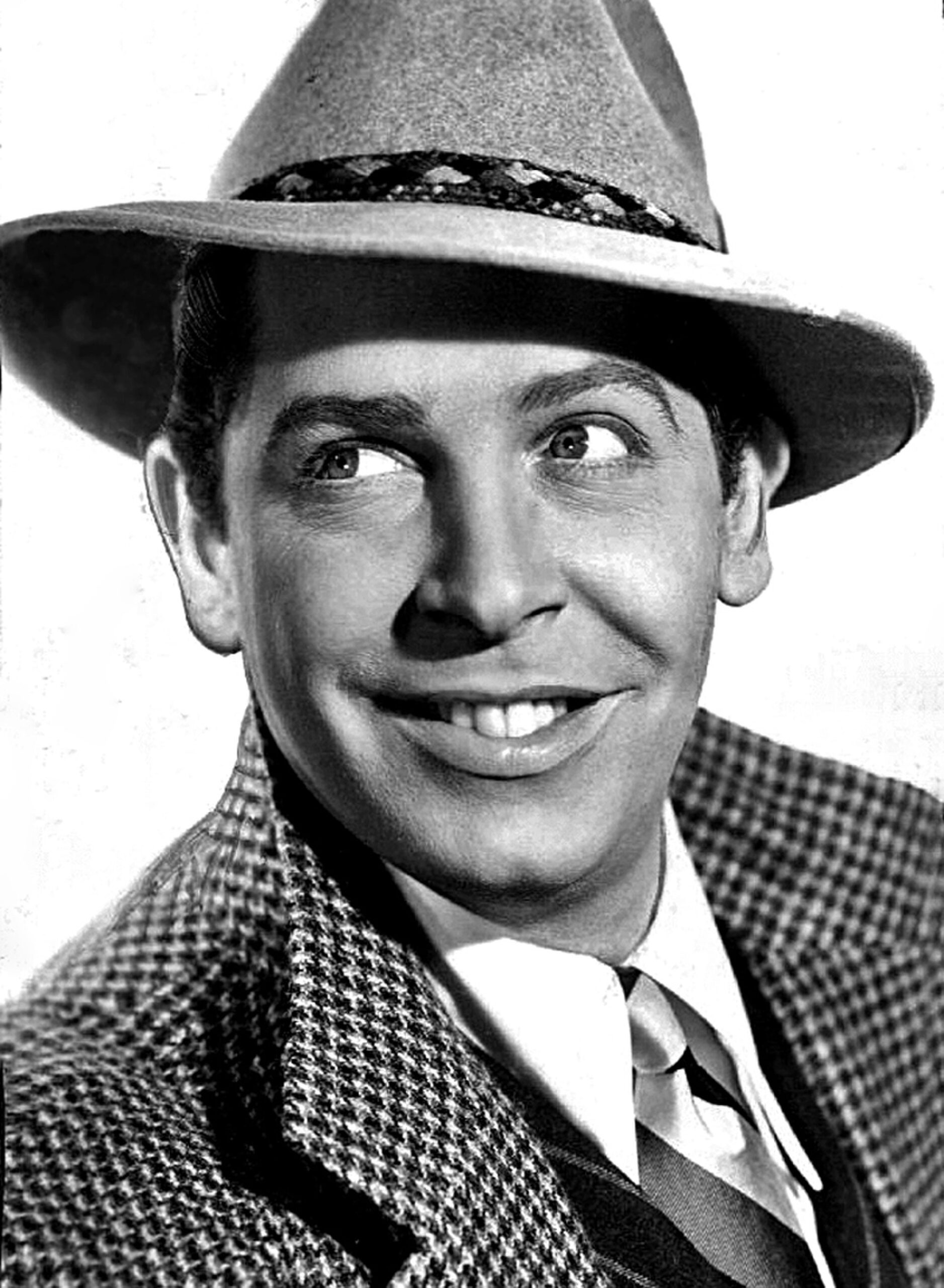
America’s first major star of TV’s Golden Age, Milton Berle, was born on July 12, 1908 in New York City.
His variety show, Texaco Star Theater, became so popular on Tuesday evenings that many entertainment venues and eateries closed because so many viewers stayed home to watch.

Image: Berle in 1943 via Wikimedia Commons, public domain


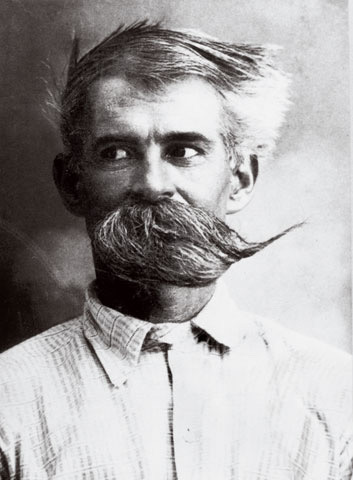
Born July 12, 1857 ceramic artist George E. Ohr called himself “The Mad Potter of Biloxi.” Working in a style of abstract expressionism, Ohr called his pieces his “mud babies” and claimed that 20,000 were produced on the wheel in his Pot-Ohr-E studio. Examples can be seen in the Ohr-O’Keefe museum in Biloxi.

Image by Robert Brooks via Wikimedia Commons, public domain in the US.


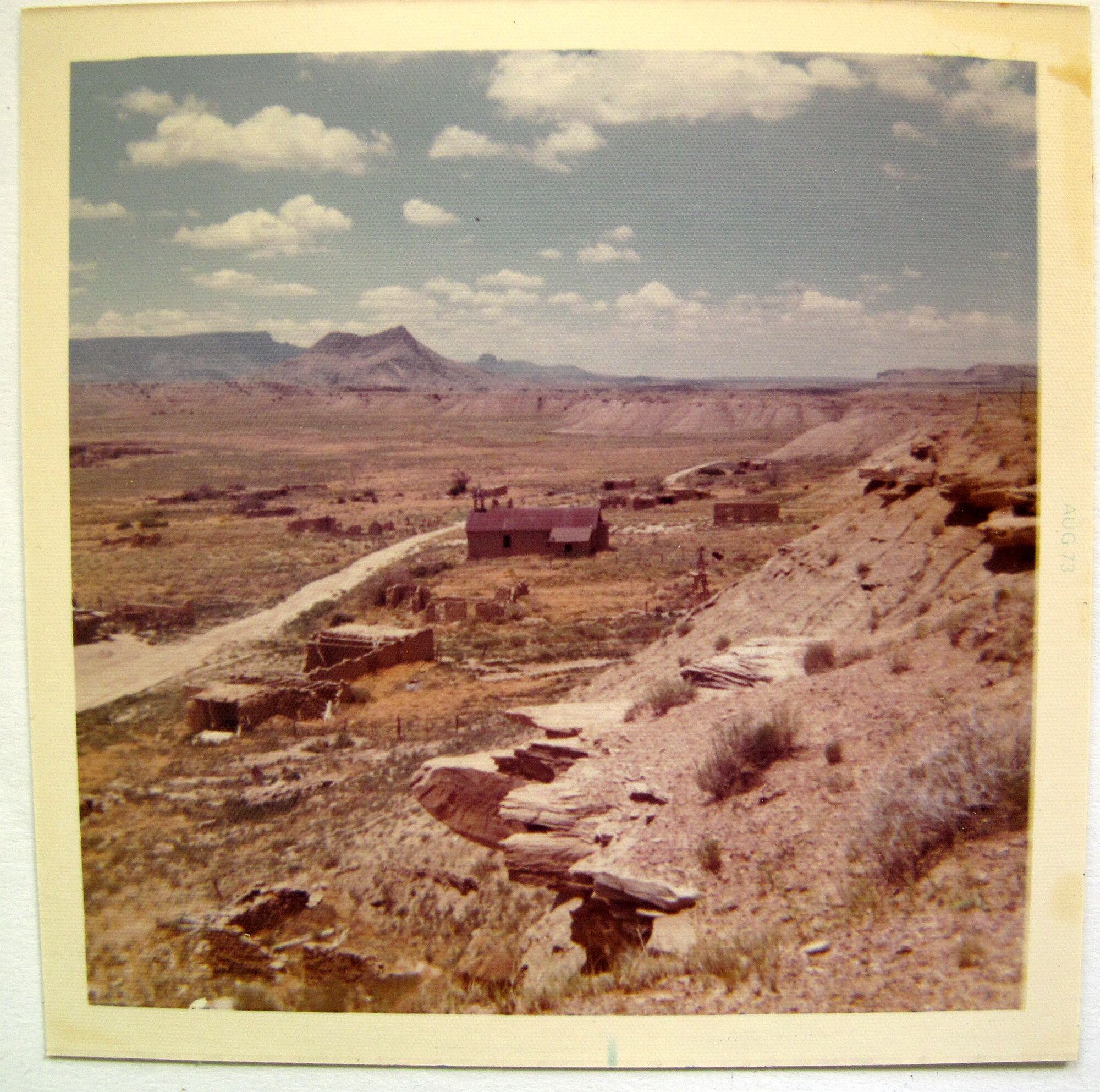
A photo of Cabezon, New Mexico (now a ghost town) that was taken on July 12, 1973. The town thrived until the 1940s.

Image by Downtowngal via Wikimedia Commons, CC BY 4.0


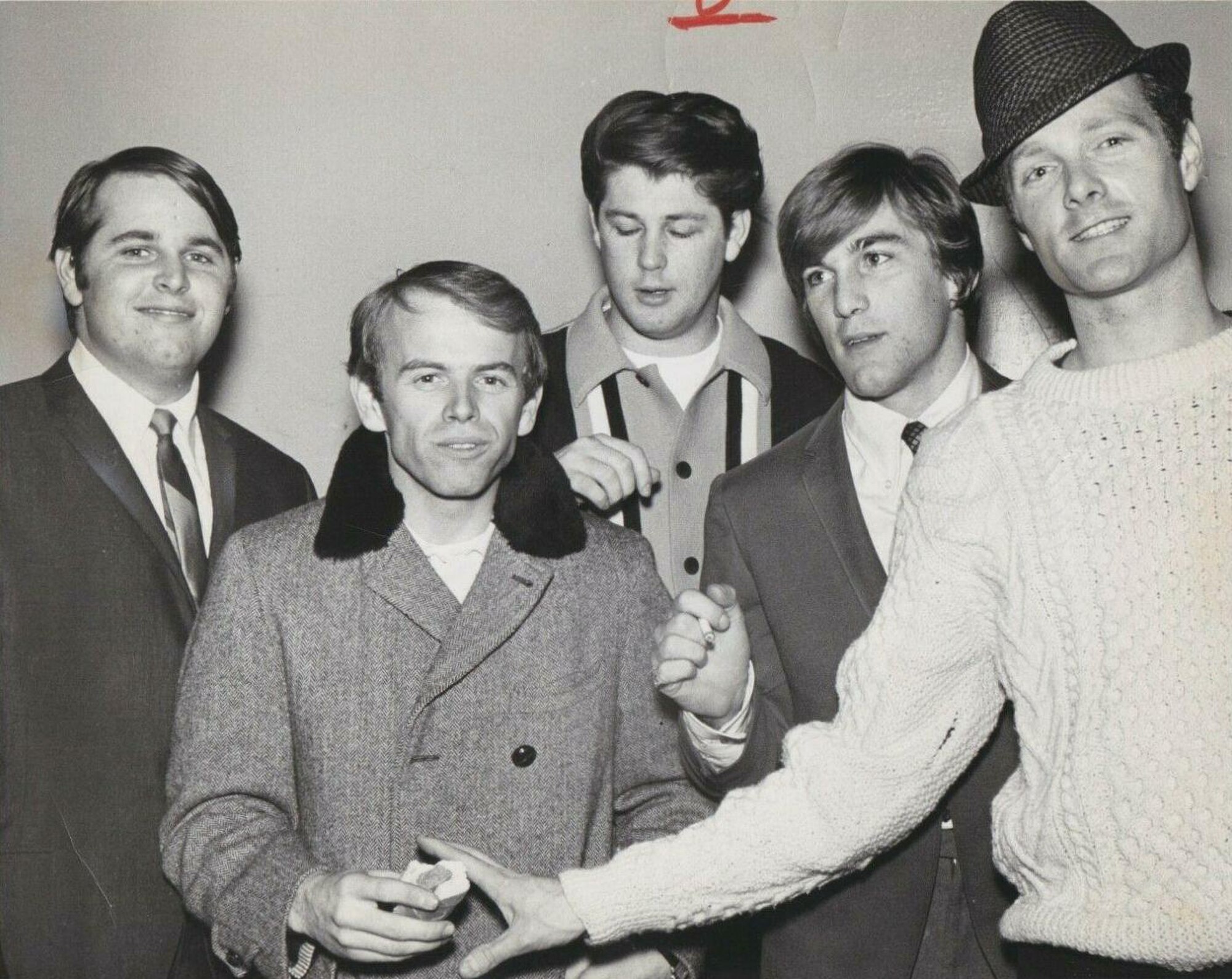
On July 12, 1965, The Beach Boys officially released their single California Girls, with Let Him Run Wild on the flip side. Though the track had already featured on their album Summer Days (And Summer Nights!!) a week earlier, the single’s release propelled it into the cultural spotlight. Co-written by Brian Wilson and Mike Love, the song fused orchestral elements with sunlit harmonies, painting an idyllic picture of American youth and beachside dreams. It climbed to No. 3 on the Billboard Hot 100 and became one of their most iconic songs, even inspiring The Beatles’ playful response with Back in the U.S.S.R.. Brian Wilson once called it a tribute to youthful spirit—and his personal favorite among the band’s hits.

Image of The Beach Boys backstage at the Philadelphia Convention Hall in early 1965 via Wikimedia Commons


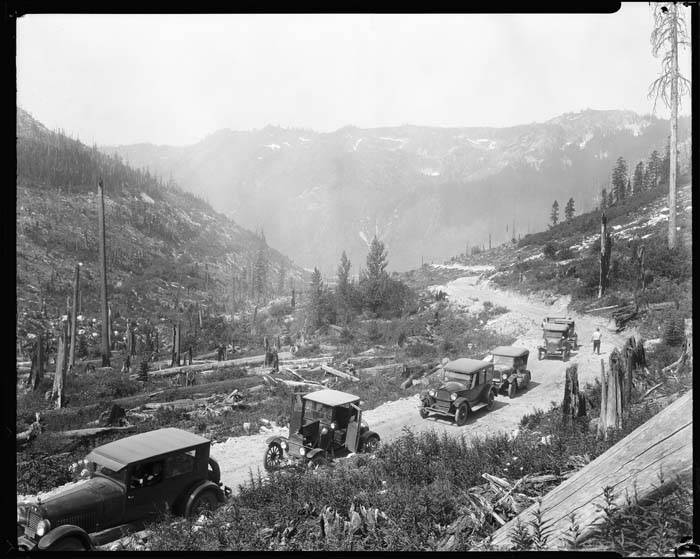
Automobiles crossing the Cascades through Stevens Pass, July 12, 1925.

Image via Wikimedia Commons, no known restrictions


Union Soldier Statuette

Gettysburg: A Journey in Time

Civil War Firearms - Replicas

Gettysburg Address - Rolled Parchment Replica


Philadelphia Trucker Cap - Blue

Philadelphia Resin Skyline with Wooden Base

Plush 6

Philadelphia P with Liberty Bell Key Chain

Shopping Cart
Scroll to Top