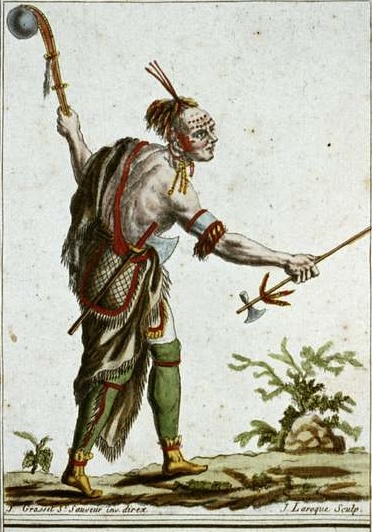
The Unjust Pack: The Continental Congress Addresses the Haudenosaunee
On July 13, 1775, sixty‑five representatives from the Twelve United Colonies met in Philadelphia to craft an urgent diplomatic address to the Haudenosaunee Six Nations—Mohawk, Oneida, Tuscarora, Onondaga, Cayuga, and ...
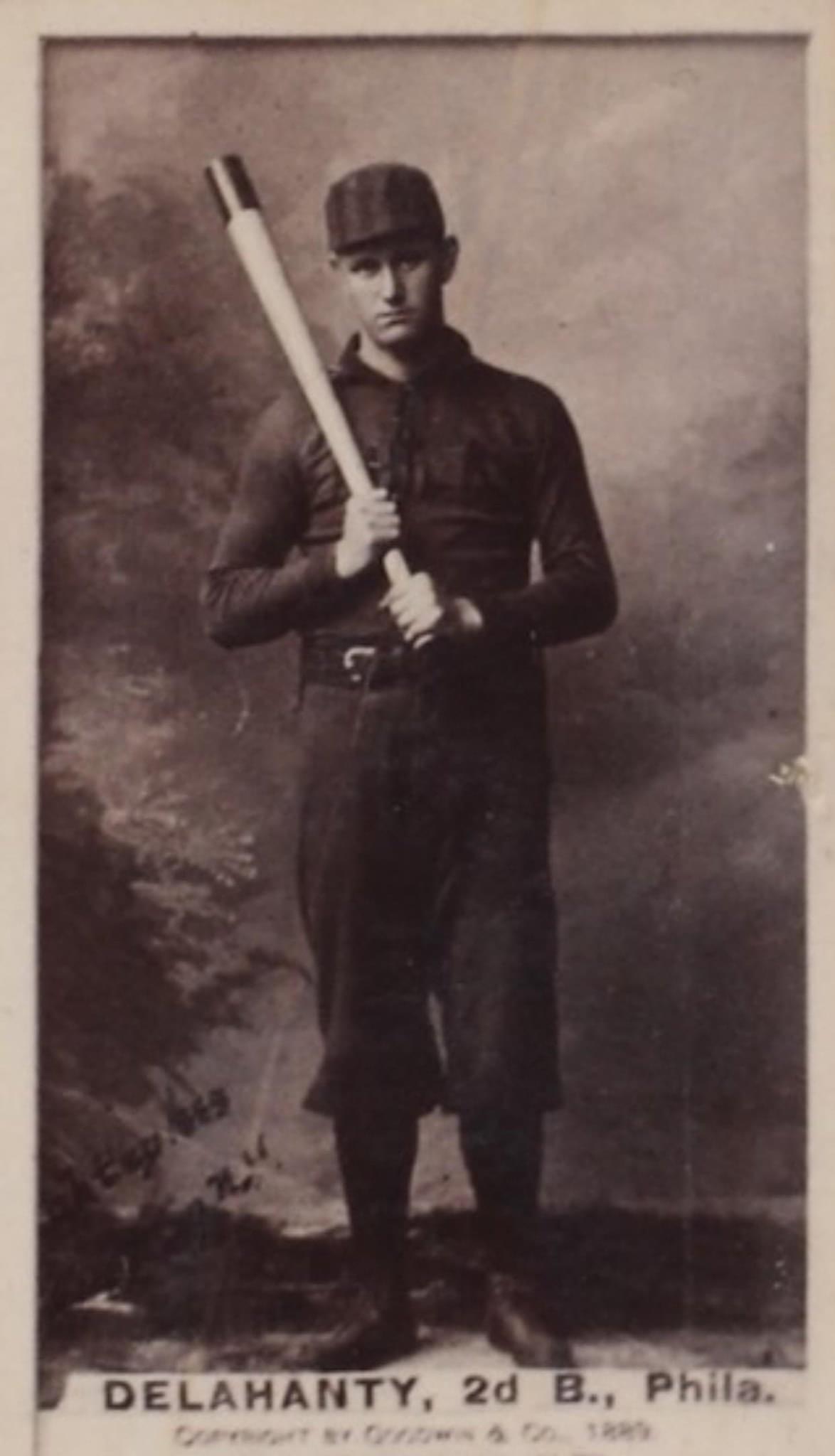
Home Run Heartbreak: Ed Delahanty’s Tragic Greatness
On July 13, 1896, powerhouse outfielder Ed “Big Ed” Delahanty of the Philadelphia Phillies cemented his place in baseball lore by blasting four home runs in a single contest. He ...
Free Shipping on all orders $60+ https://heartfelthistory.com/shop/
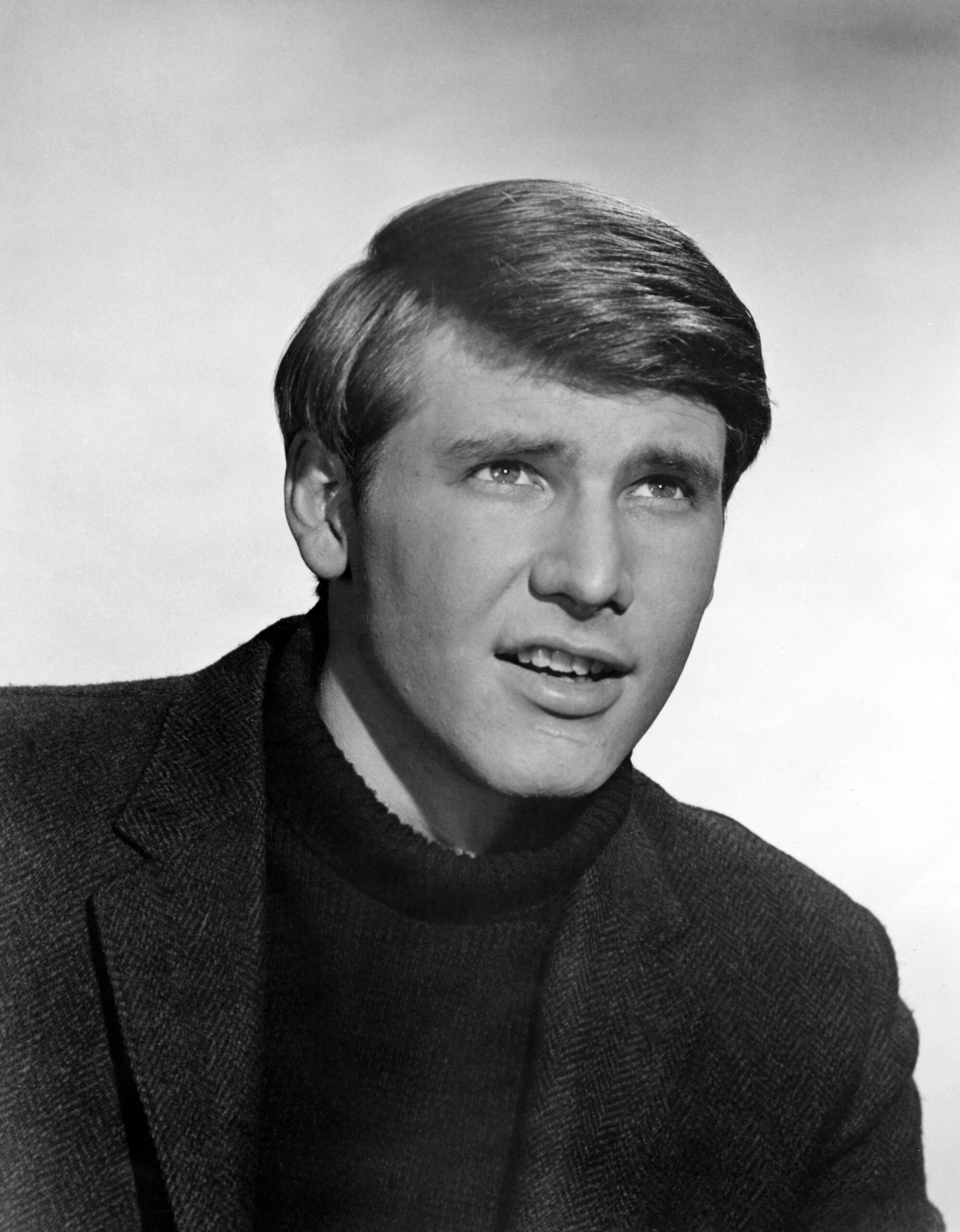
From the Woodshop to a Galaxy Far Away: The Audition of Harrison Ford
Before he ever carried a blaster as Han Solo or cracked a whip as Indiana Jones, Hollywood legend Harrison Ford was a professional carpenter trying to support his young family ...
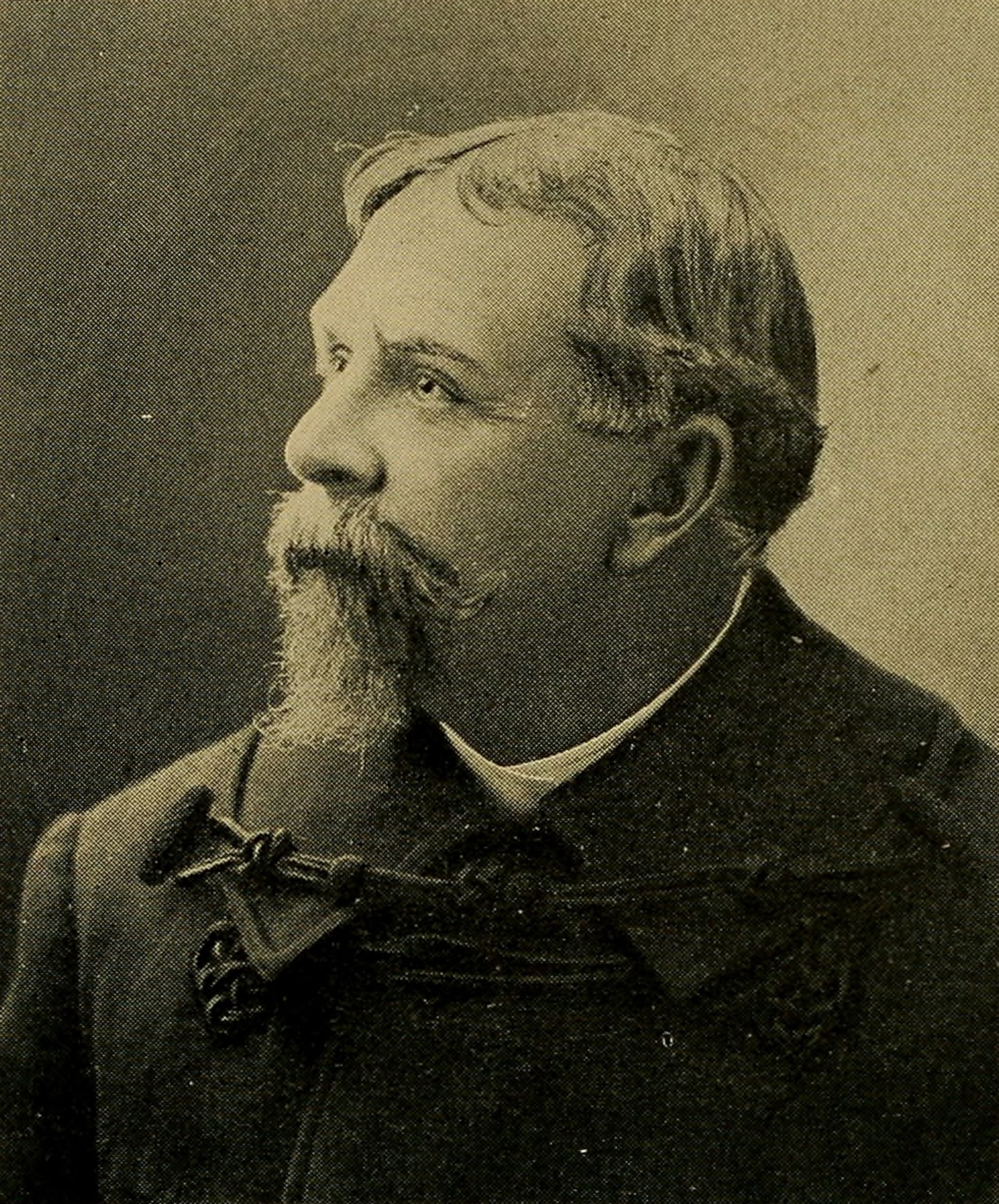
“Keep Up the Fire”: The Bullet-Swept Legacy of Emerson H. Liscum
U.S. Army Colonel Emerson H. Liscum, a battle-hardened officer who survived severe combat wounds at both Gettysburg and San Juan Hill, was shot and killed on July 13, 1900, during ...
Free Shipping on all orders $60+ https://heartfelthistory.com/shop/
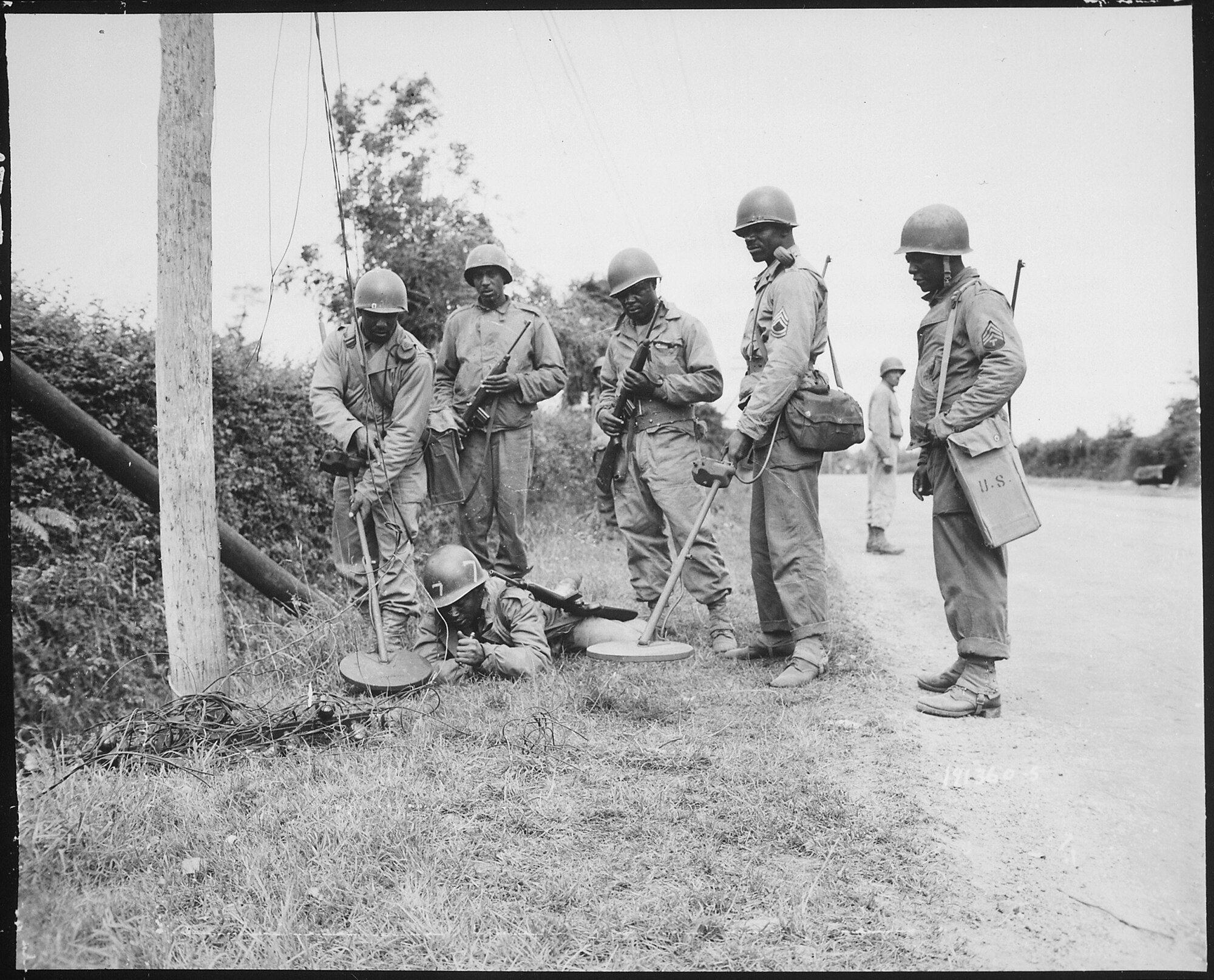
Walking on Eggshells: The Deadly French Roadsides of 1944
On July 13, 1944, a specialized American mine‑detector crew demonstrated their grueling clearing protocols around telephone poles in newly liberated areas of France. Operating during the height of the Normandy ...

Coining Itasca: Henry Schoolcraft’s Hunt for the Mississippi’s Headwaters
On July 13, 1832, explorer Henry Schoolcraft became the first U.S. government official to document Lake Itasca in Minnesota as the true geographic source of the Mississippi River. Guided by ...
Free Shipping on all orders $60+ https://heartfelthistory.com/shop/
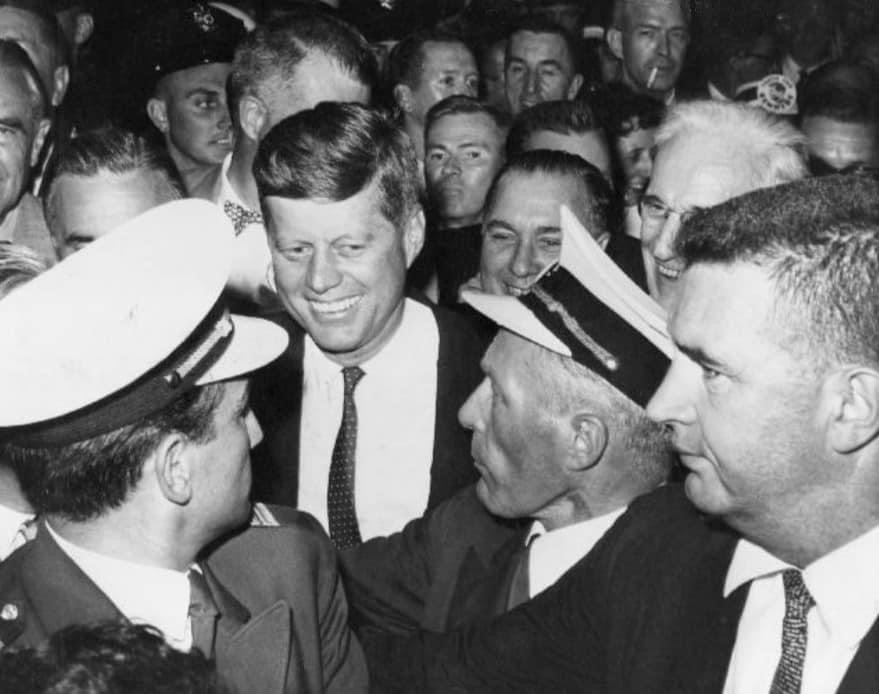
Kennedy’s First‑Ballot Victory
Democratic candidate John F. Kennedy officially secured the presidential nomination on July 13, 1960, after an intense primary season that culminated in a tense first‑ballot showdown. Rather than joining the ...
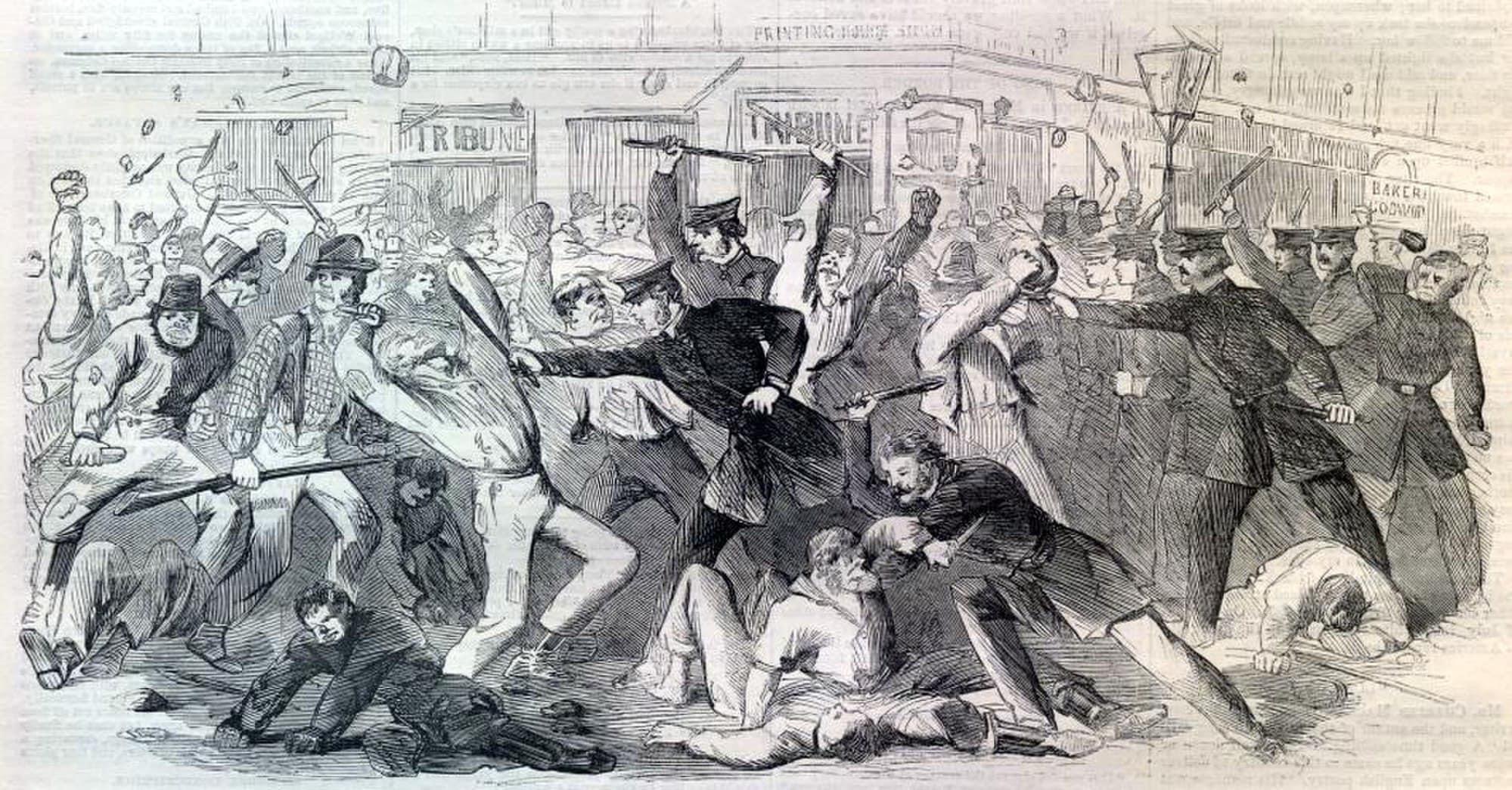
Gettysburg to Manhattan: The Boiling Point of the Draft Riots
A striking contemporary illustration from Harper’s Weekly captures the sheer chaos and devastation that gripped New York City during the historic draft riots from July 13 to July 16, 1863 ...
Free Shipping on all orders $60+ https://heartfelthistory.com/shop/
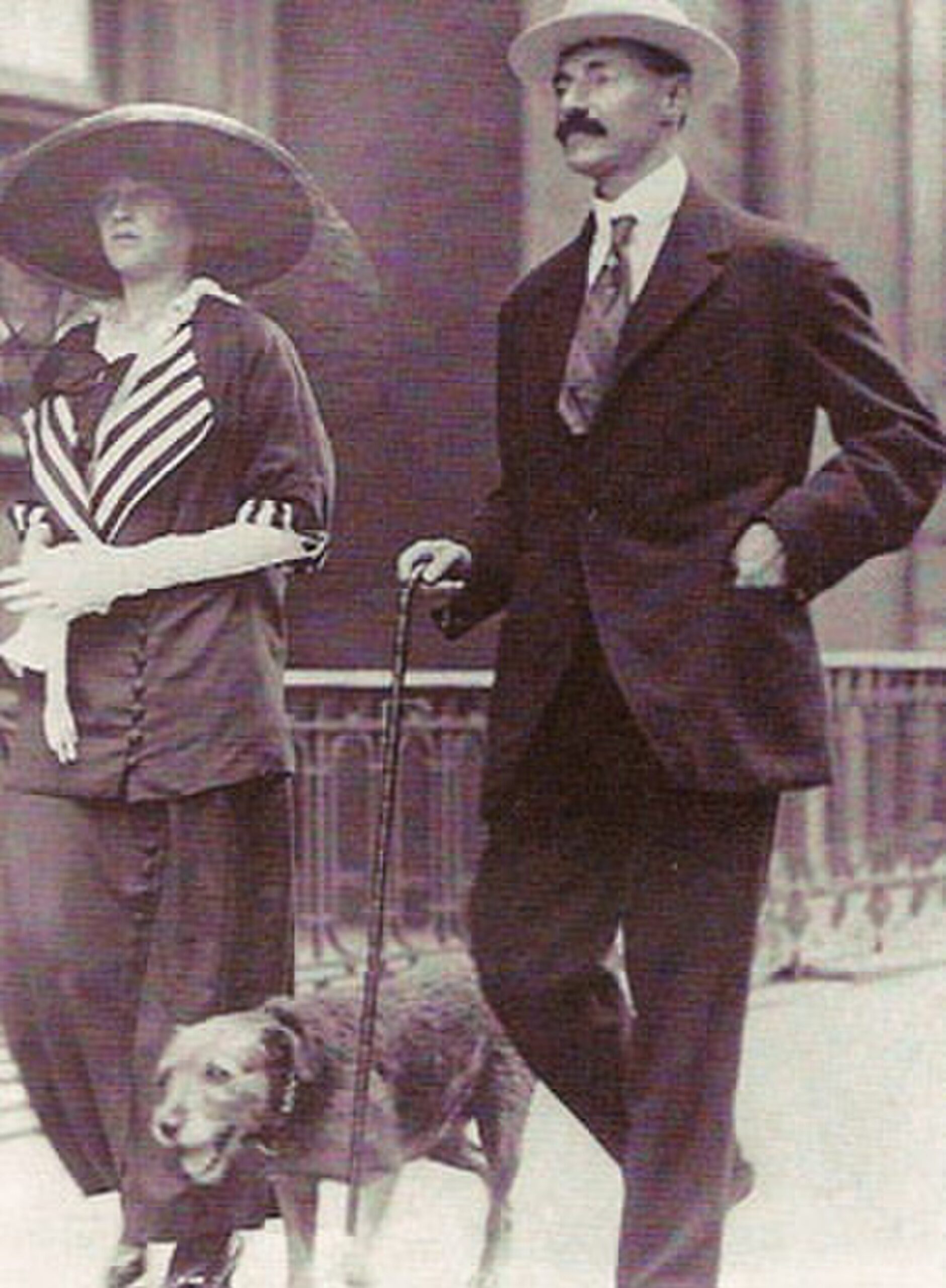
A Millionaire’s Sci‑Fi Vision: The Multifaceted Life of John Jacob Astor IV
Born on July 13, 1864, John Jacob Astor IV was a wealthy real‑estate magnate famed for developing the legendary Waldorf‑Astoria hotel and serving as a decorated Spanish‑American War veteran. His ...
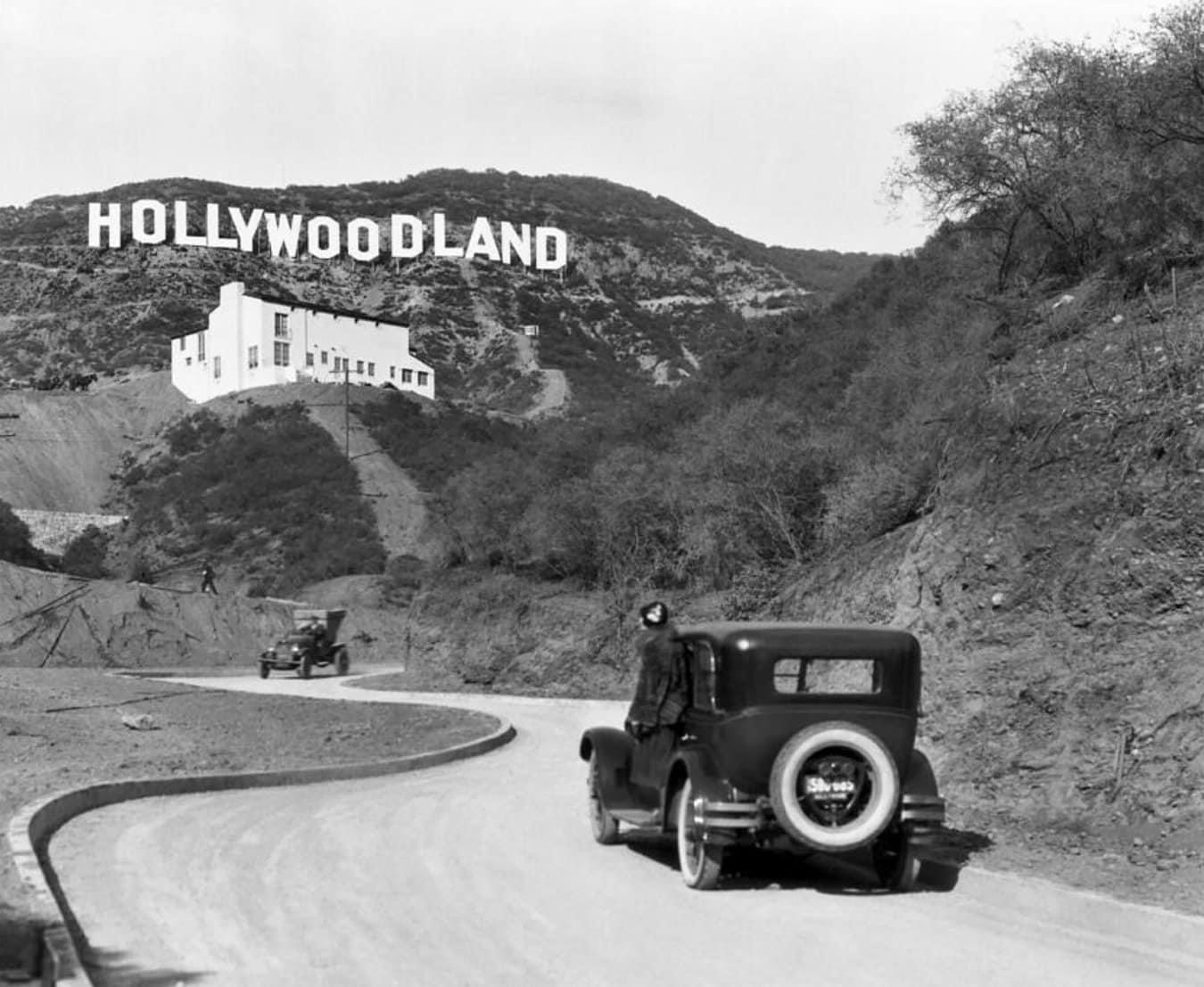
The 18‑Month Billboard: The Accidental Permanence of the Hollywood Sign
The world‑famous “HOLLYWOOD” sign was officially dedicated on July 13, 1923, high in the hills overlooking Los Angeles, California. Standing 45 feet tall, the massive letters originally spelled out “HOLLYWOODLAND” ...
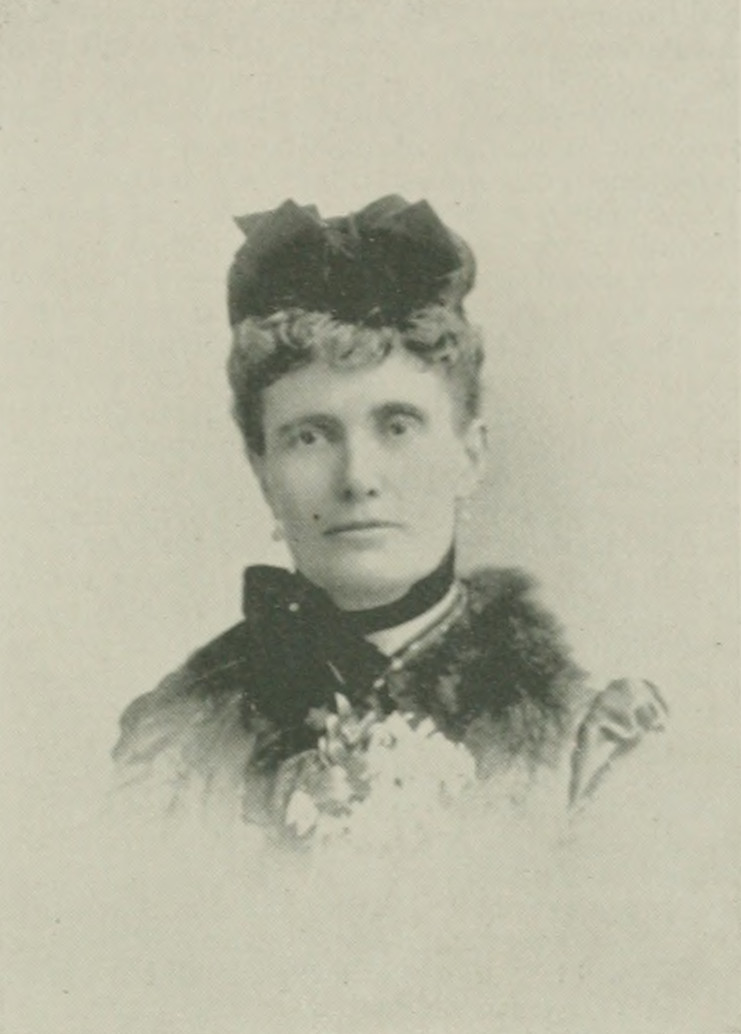
Conquering the High Seas: The Trailblazing Medicine of Dr. Mary Belle Brown
Dr. Mary Belle Brown passed away at the age of 76 on July 13, 1924, leaving behind a profound legacy as one of the few female physicians of her era ...
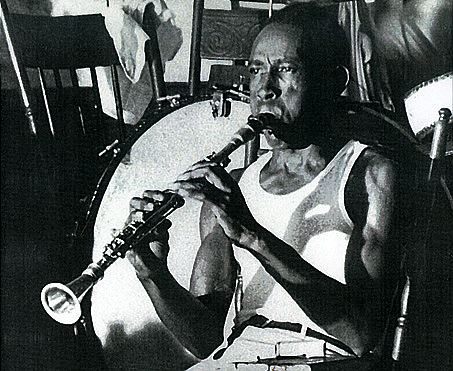
Bedside Blues: The Hospital Sessions of George Lewis
Born on July 13, 1900, in New Orleans, Louisiana, George Lewis rose from humble beginnings to become one of the most influential traditional jazz clarinetists of the 20th century. Working ...
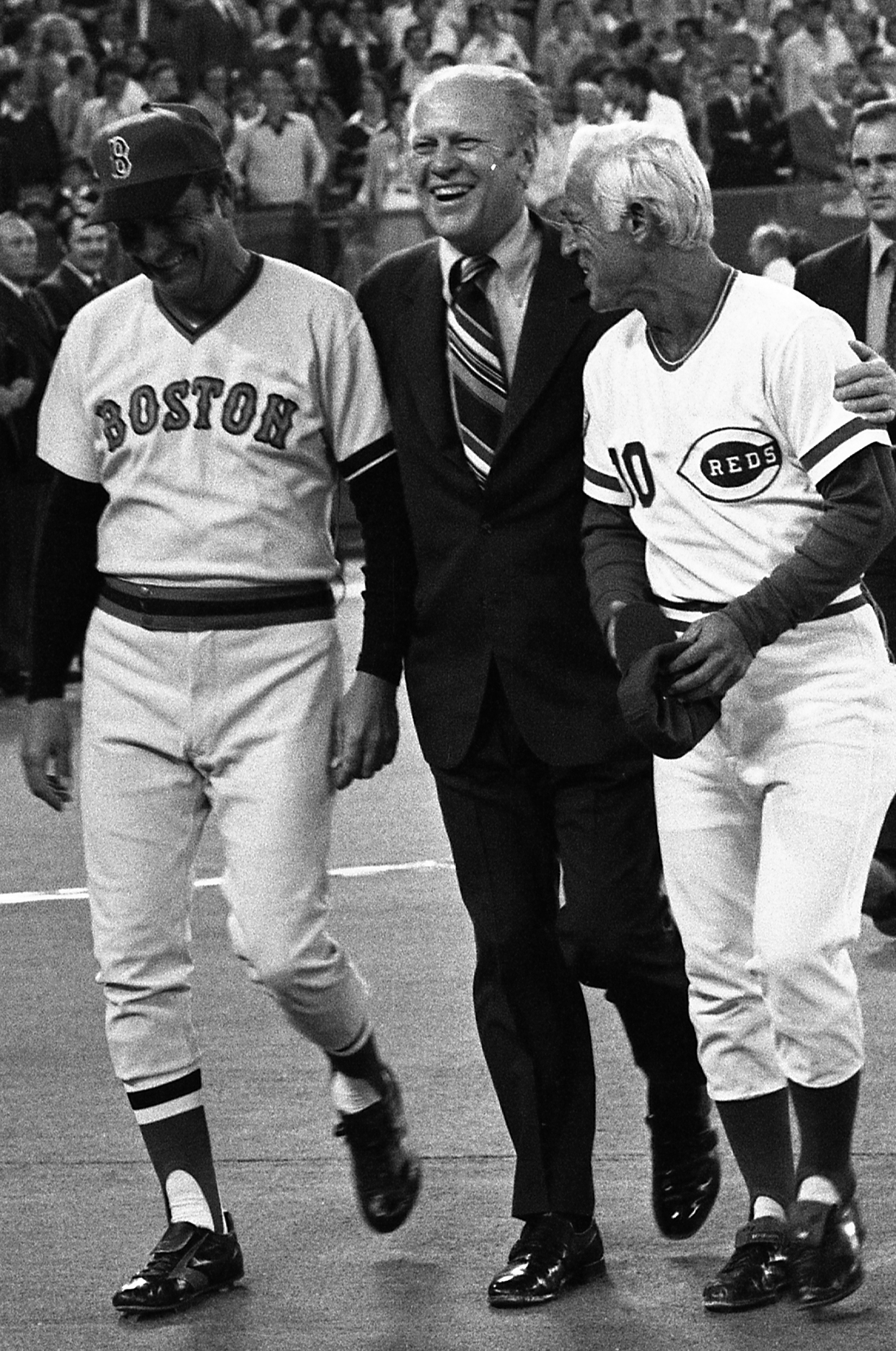
A Bicentennial Pitch: Gerald Ford’s Symbolism at the All-Star Game
On July 13, 1976, President Gerald R. Ford was formally escorted onto the field at Veterans Stadium in Philadelphia by opposing managers Darrell Johnson of the Boston Red Sox and ...
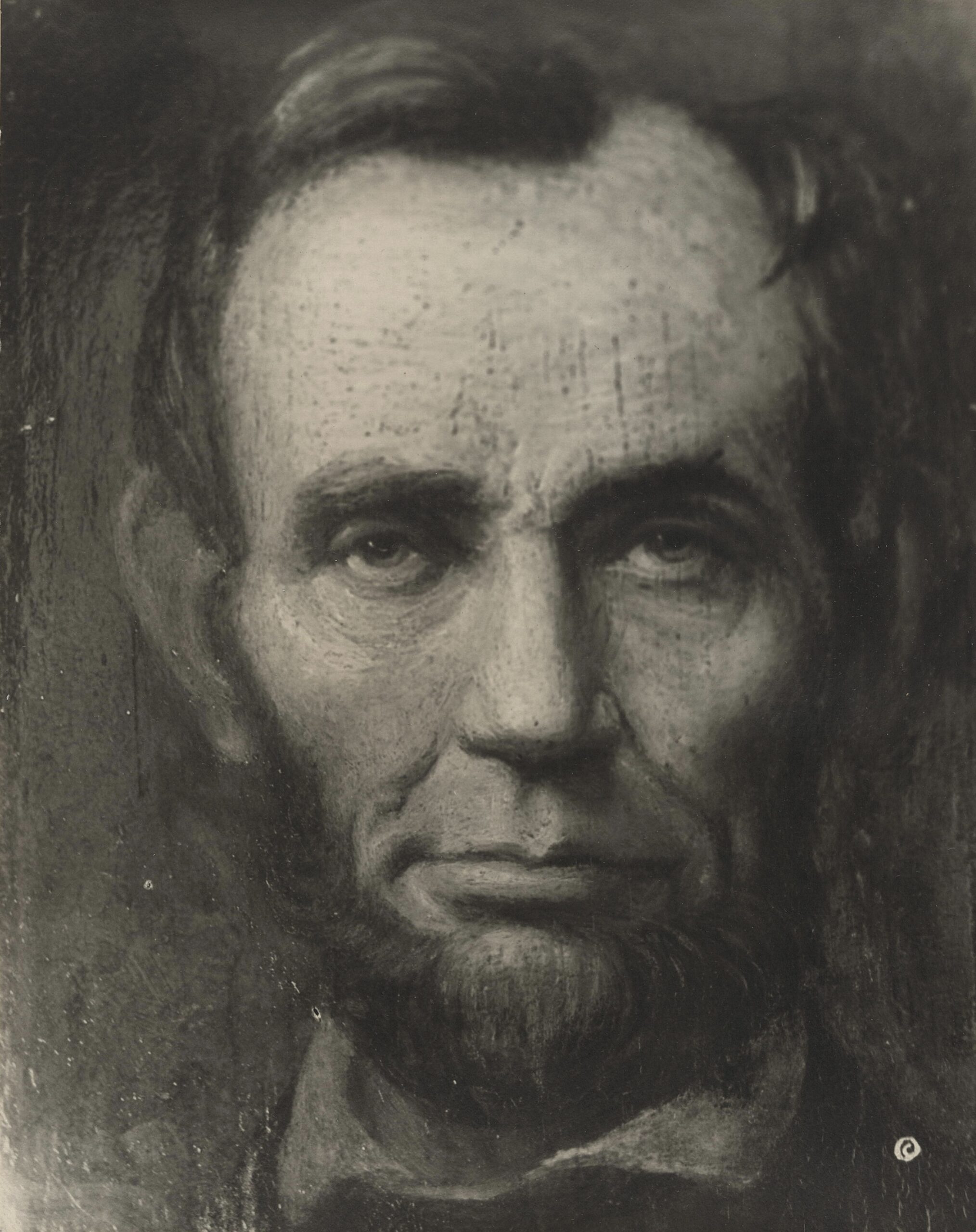
Whispers of Liberation: Abraham Lincoln’s First Announcement of Emancipation
On July 13, 1862, Abraham Lincoln discreetly disclosed to William H. Seward and Gideon Welles that he intended to issue an emancipation order—his first private announcement of the policy that ...
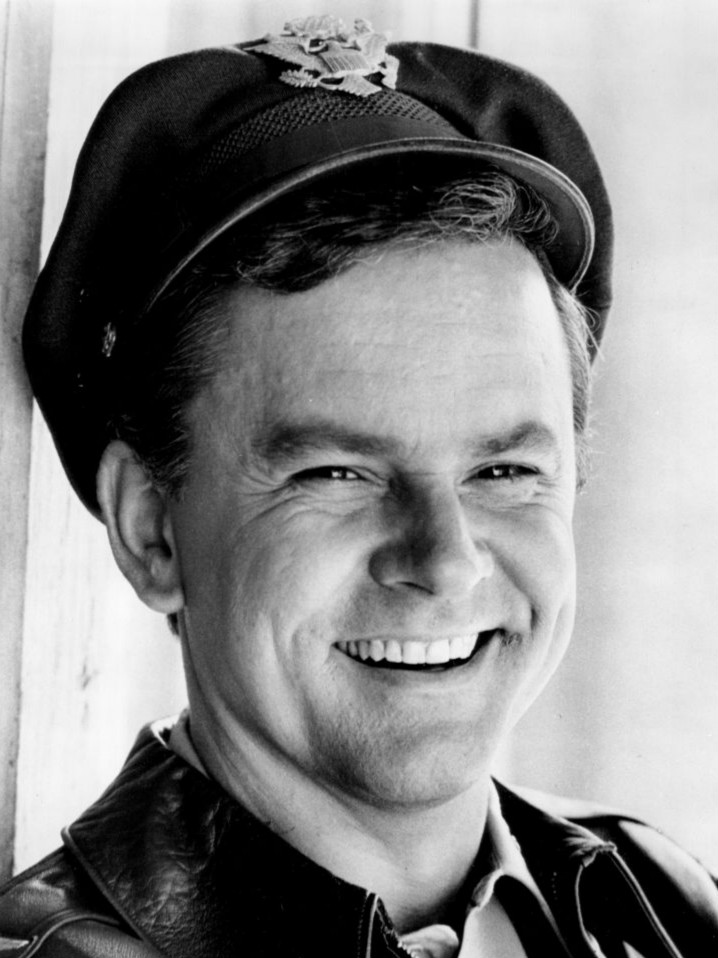
The Morning Maverick: Bob Crane’s Pre-Hogan Audio Revolution
Bob Crane, born on July 13, 1928, in Waterbury, Connecticut, achieved global television immortality in 1965 for his starring role as the clever, smooth‑talking Colonel Robert E. Hogan on the ...