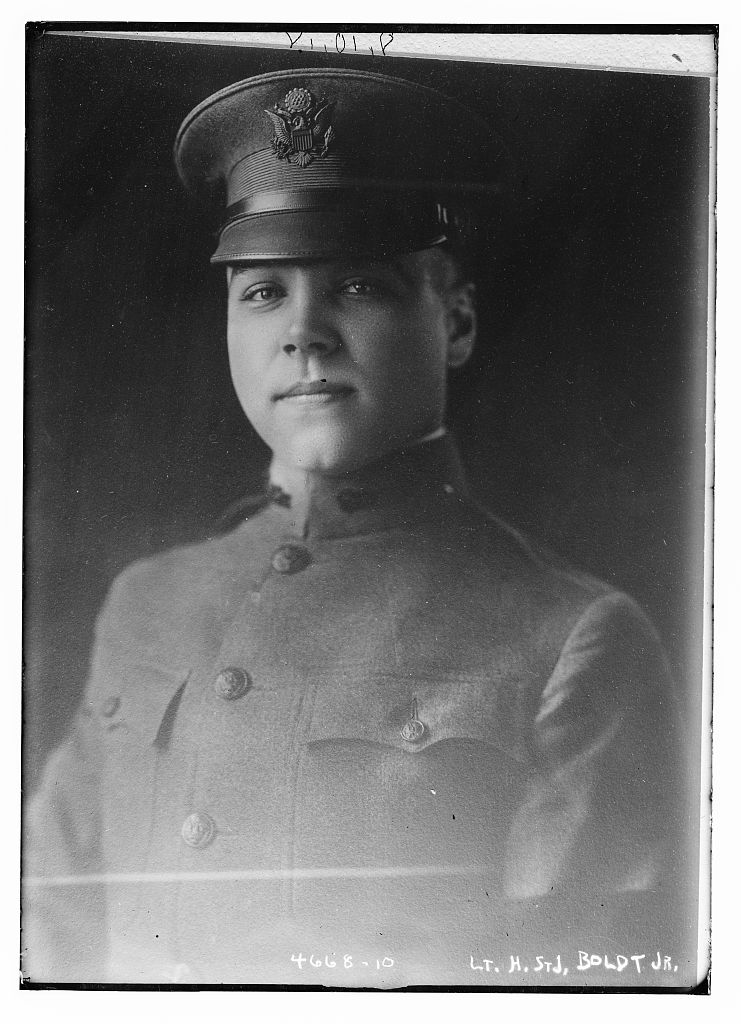
Flight over the Marne: The Sacrifice of Lieutenant Boldt
On July 20, 1918, First Lieutenant Hermann St. John Boldt, Jr., a Princeton graduate and New York native serving as an aerial observer with the 1st Aero Squadron, was killed ...

The Look of a Legend: Kim Carnes and Bette Davis Eyes
American musician Kim Carnes, born in Los Angeles on July 20, 1945, became an international sensation in 1981 with her distinctively raspy, synth‑pop rendition of Bette Davis Eyes. The single ...
Free Shipping on all orders $60+ https://heartfelthistory.com/shop/
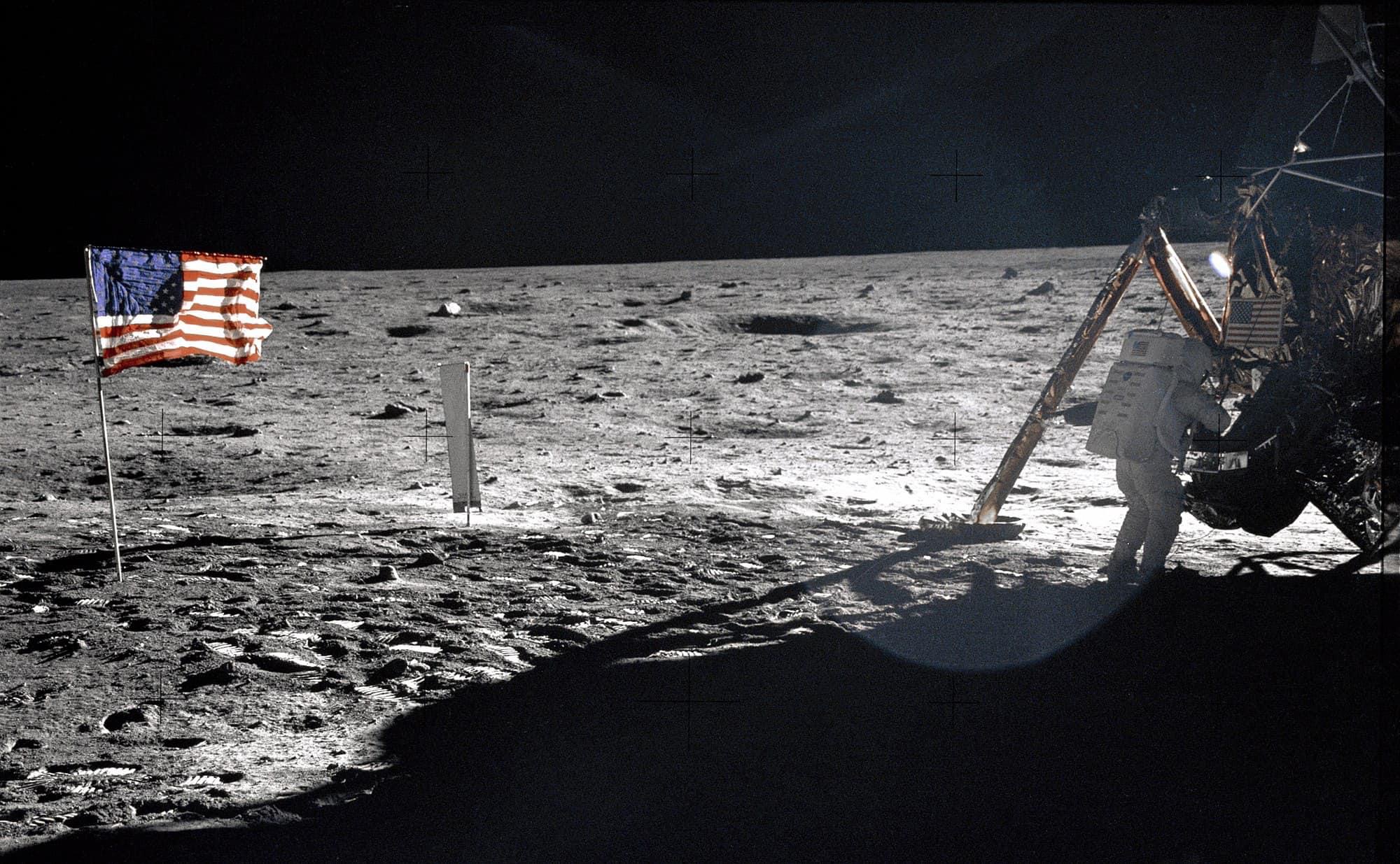
One Small Step: The Cosmic Leap of Apollo 11
On July 20, 1969, thirty‑eight‑year‑old American astronaut Neil Armstrong stepped off the lunar module ladder and took his historic first steps on the surface of the Moon. His live‑broadcast declaration ...
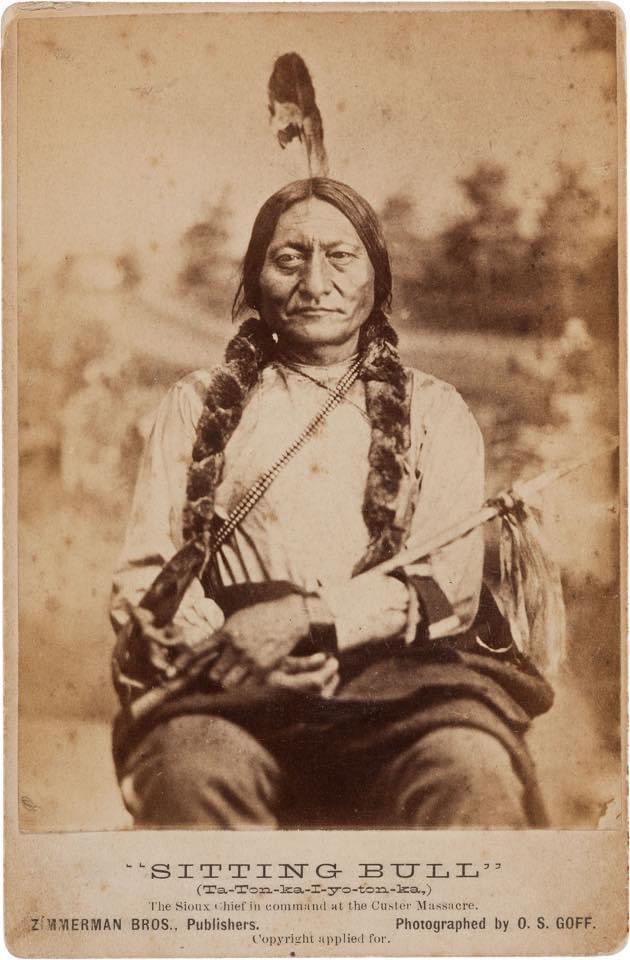
The Final Rifle: Sitting Bull’s Defeat and Dignity
The final act of Sitting Bull's career as an independent warrior concluded at noon on July 20, 1881, when he walked into Fort Buford and had his young son hand ...
Free Shipping on all orders $60+ https://heartfelthistory.com/shop/
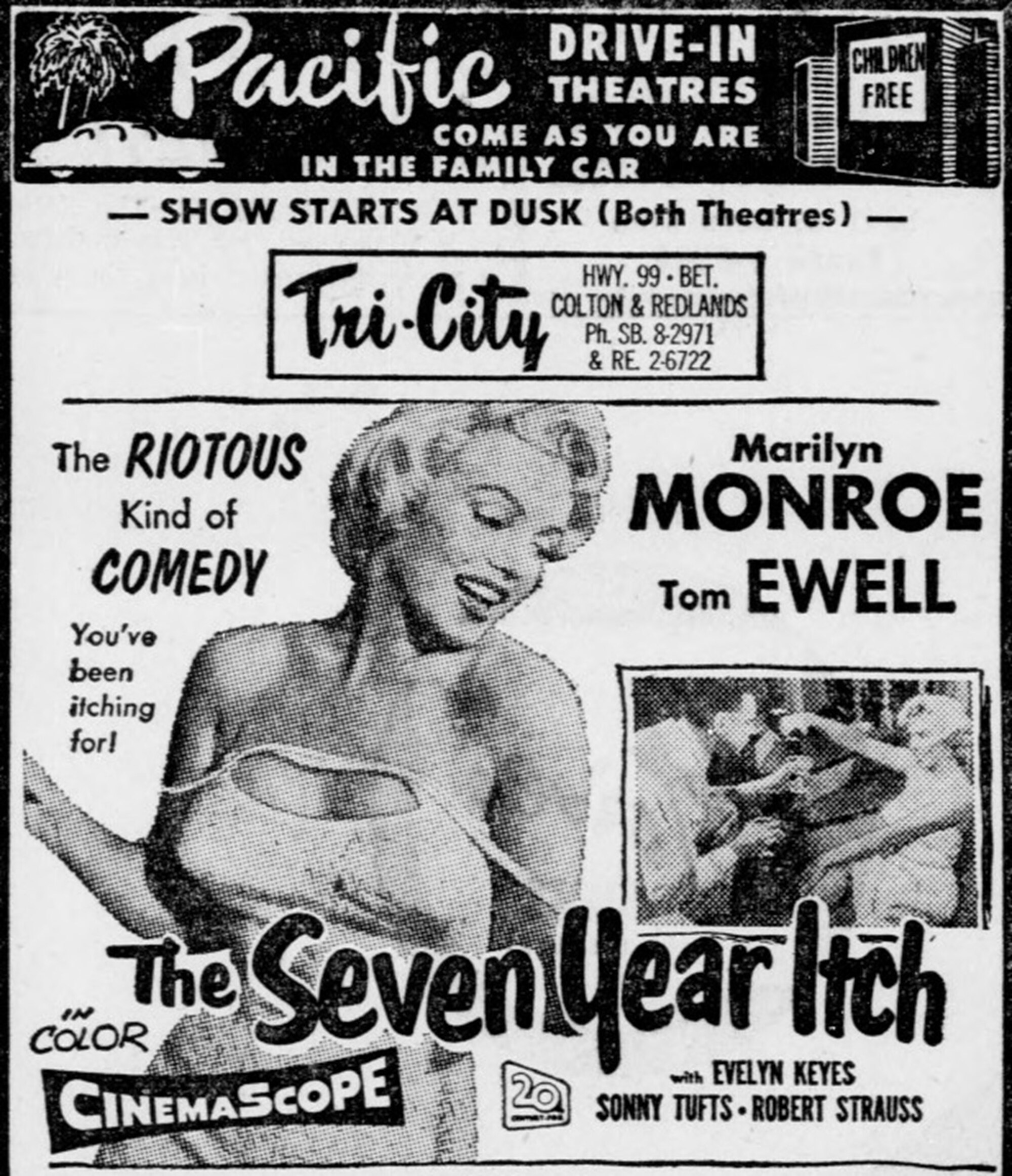
Neon Nights and Silver Screens: The Summer of The Seven Year Itch
A vintage drive‑in theater advertisement dated July 20, 1955, promoted the screening of Billy Wilder’s hit romantic comedy The Seven Year Itch. Starring Marilyn Monroe and Tom Ewell, the film’s ...

Child of the Studio: The Cinematic Stardom of Natalie Wood
Born July 20, 1938, Natalie Wood began appearing in films at age five, ultimately building a body of work that includes Miracle on 34th Street, Rebel Without a Cause, The ...
Free Shipping on all orders $60+ https://heartfelthistory.com/shop/
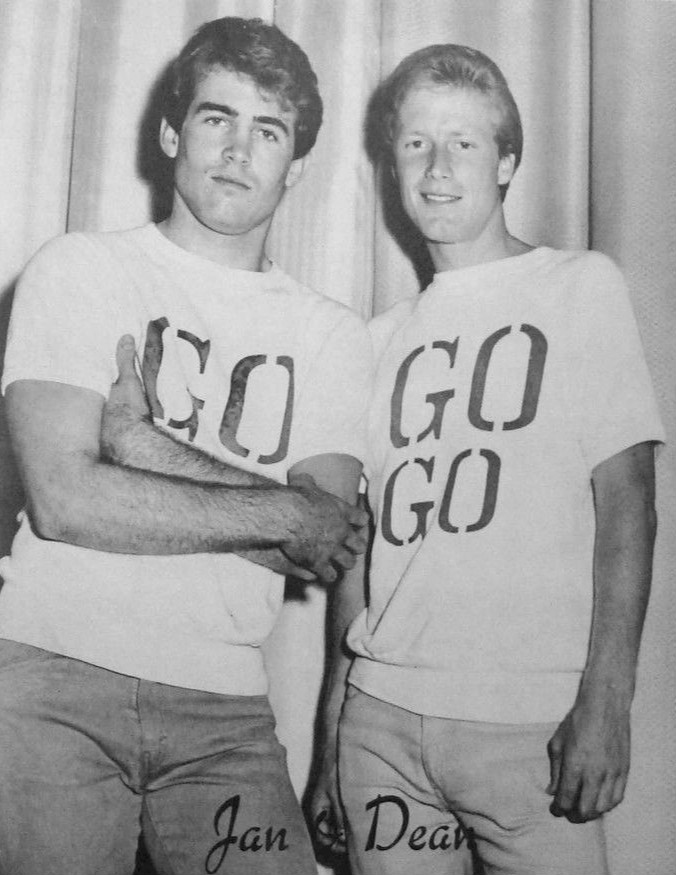
The Sound of the Shore: Surf City Tops the Charts
Jan and Dean’s hit single Surf City made music history on July 20, 1963, becoming the first surf‑rock track ever to reach number one on the Billboard Hot 100. Co‑written ...
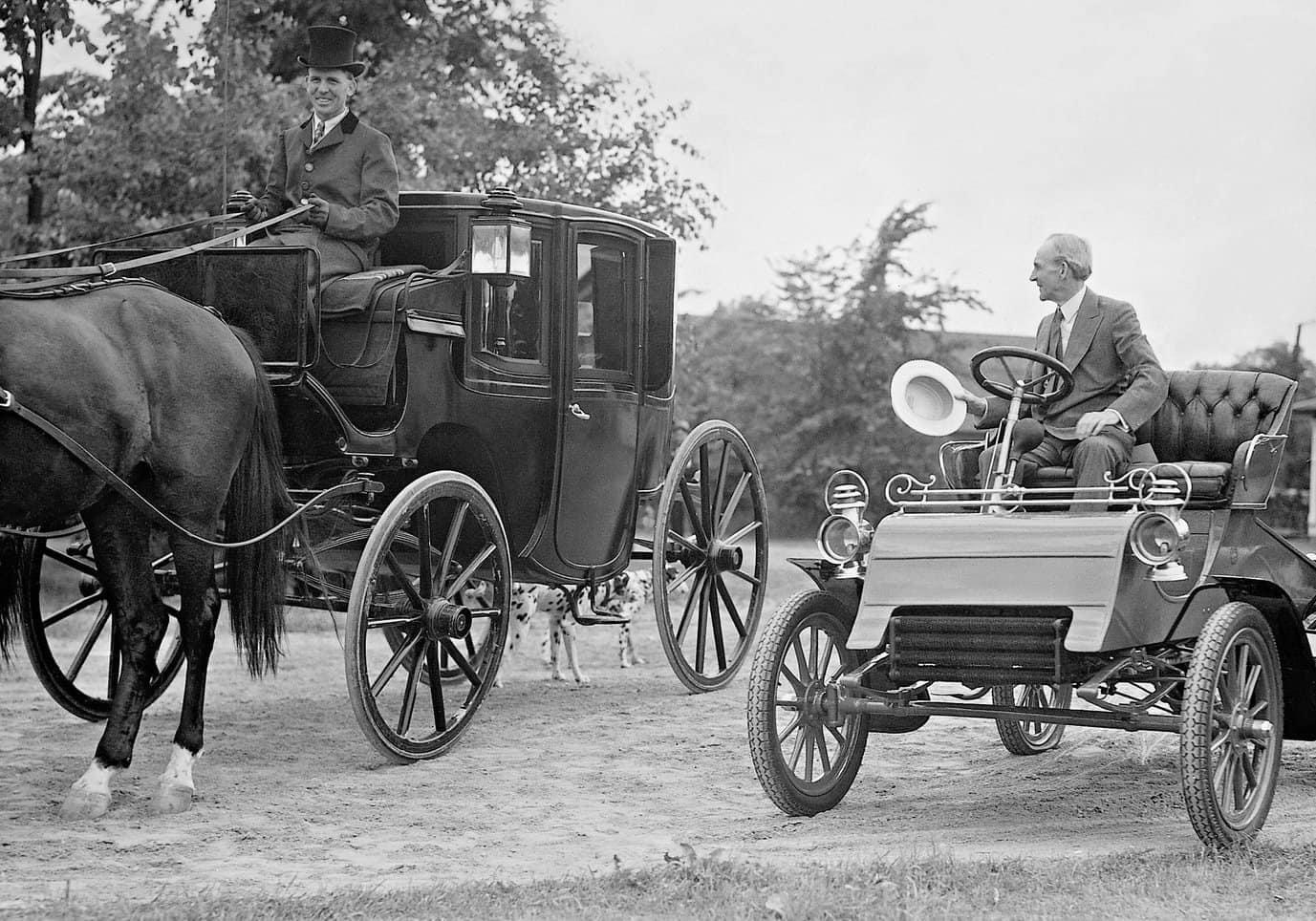
Shifting Gears: The Genesis of the Assembly Empire
The Ford Motor Company shipped its first commercial vehicle, the Ford Model A, on July 20, 1903 — just over a month after Henry Ford officially founded the business. Three ...
Free Shipping on all orders $60+ https://heartfelthistory.com/shop/
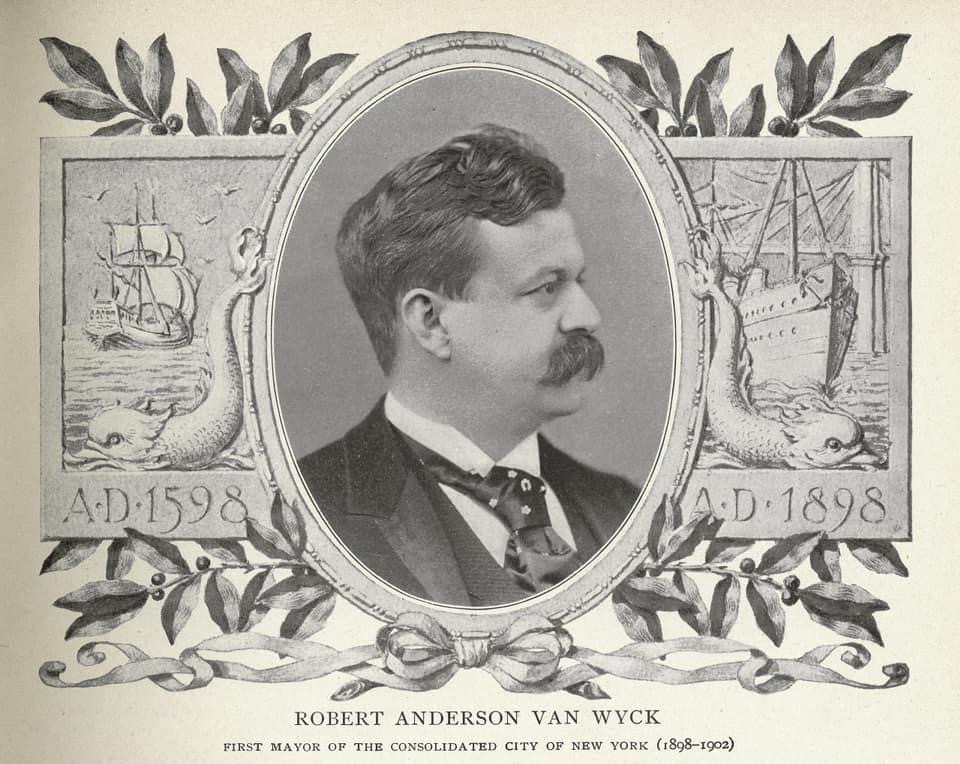
Engineering Gotham: The First Mayor of Consolidated New York
Robert Anderson Van Wyck, the first mayor of the newly consolidated City of New York, was born in Manhattan on July 20, 1849. His future administration would oversee the monumental ...
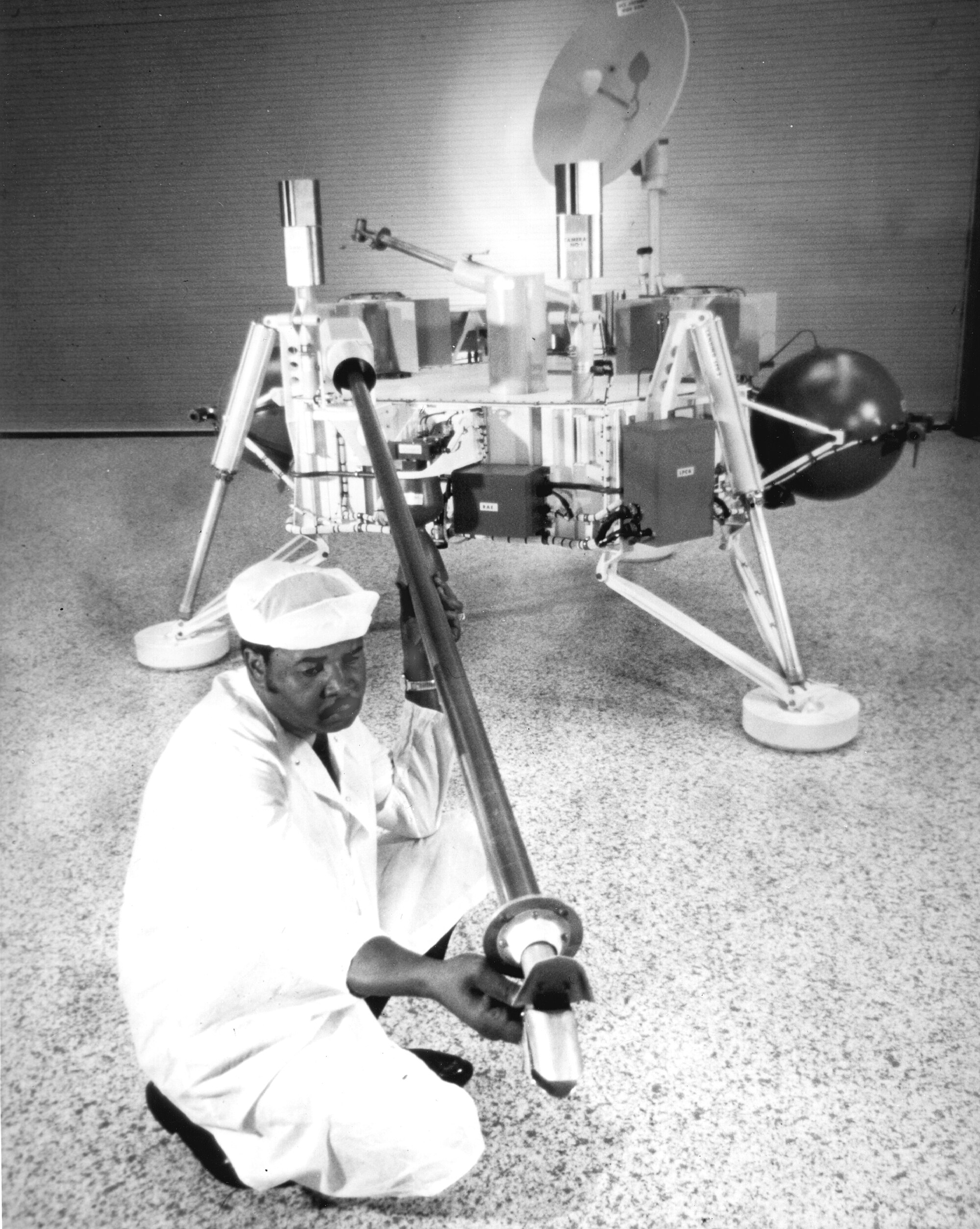
Red Dust and Robotic Arms: The Touchdown of Viking I
NASA’s Viking 1 spacecraft made history when it safely touched down on the surface of Mars on July 20, 1976. The successful arrival of the lander allowed scientists to deploy ...

A Freedom Defended: Navratilova’s American Oath
Six years after leaving communist Czechoslovakia during the U.S. Open, tennis legend Martina Navratilova officially became a United States citizen on July 20, 1981. Having taken a massive personal and ...
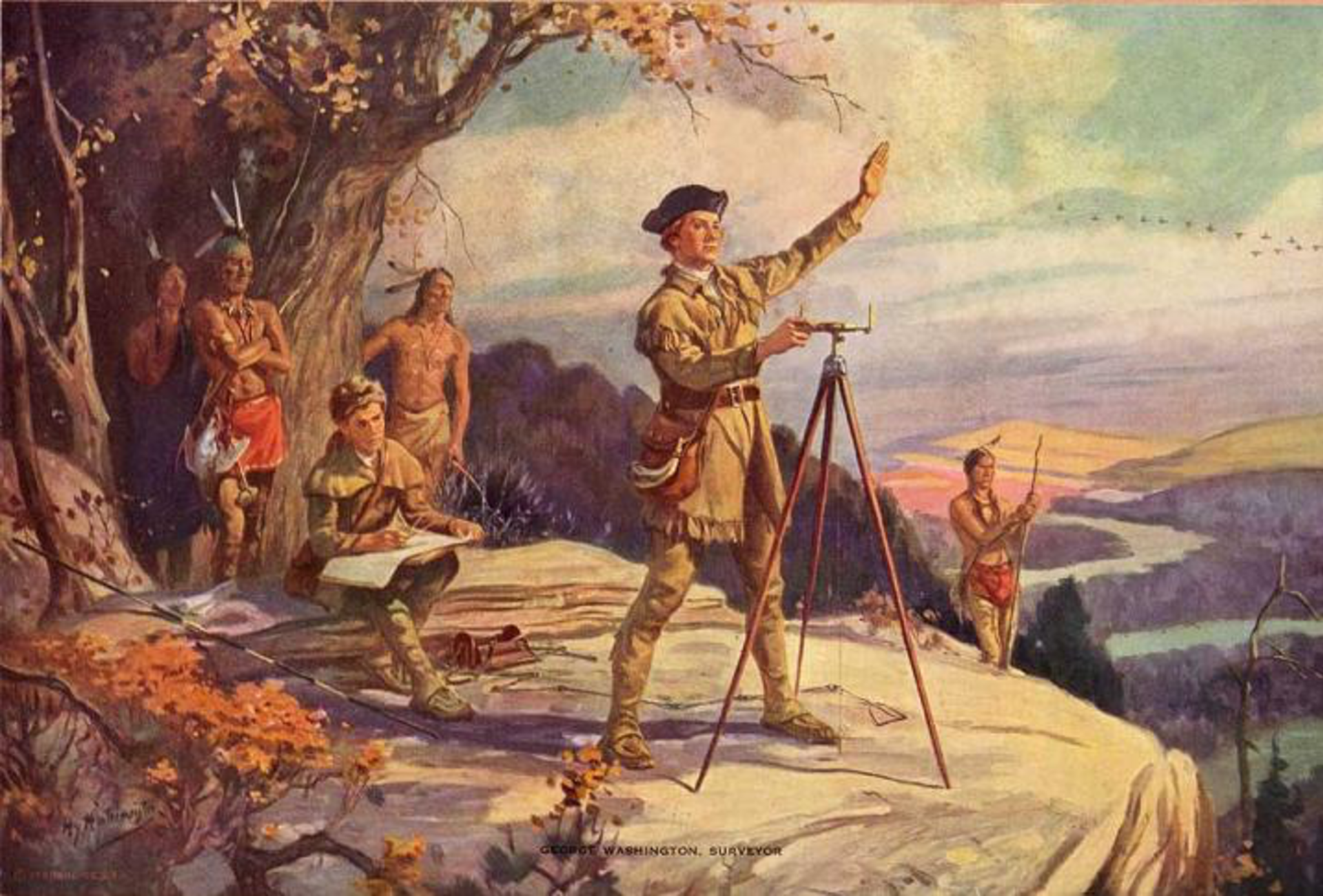
Squaring the Wilderness: A Teenager’s Frontier Calculus
On July 20, 1749, seventeen‑year‑old George Washington was officially appointed surveyor of Culpeper County, Virginia. This early professional milestone set the young Virginian on a rigorous path of mapmaking, wilderness ...
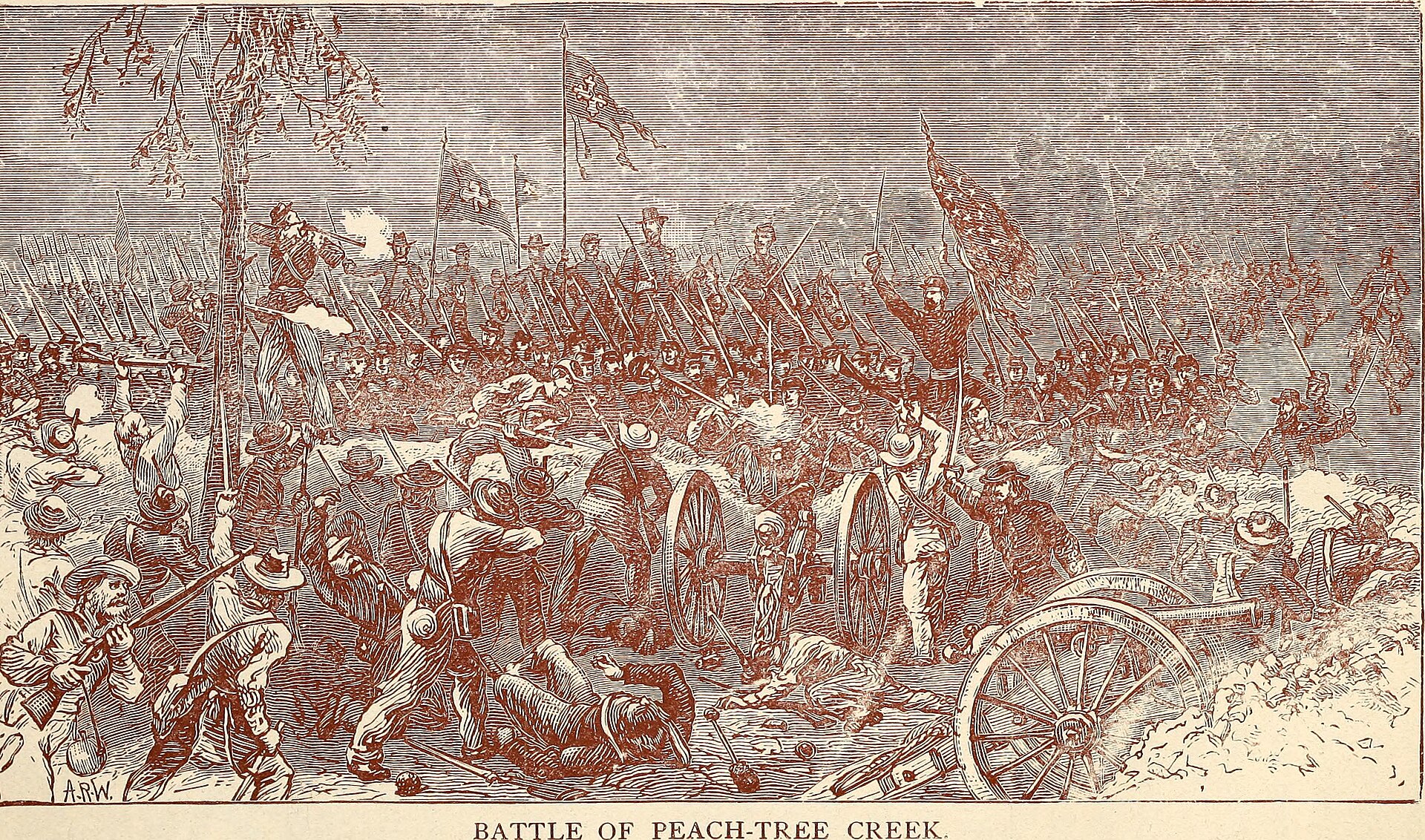
The Letters Left Behind: The Heartbreak of Peachtree Creek
On July 20, 1864, the blood-soaked ravines north of Atlanta witnessed the brutal opening clash of the Battle of Peachtree Creek. Violent, chaotic, and tragically intimate, the fight marked the ...
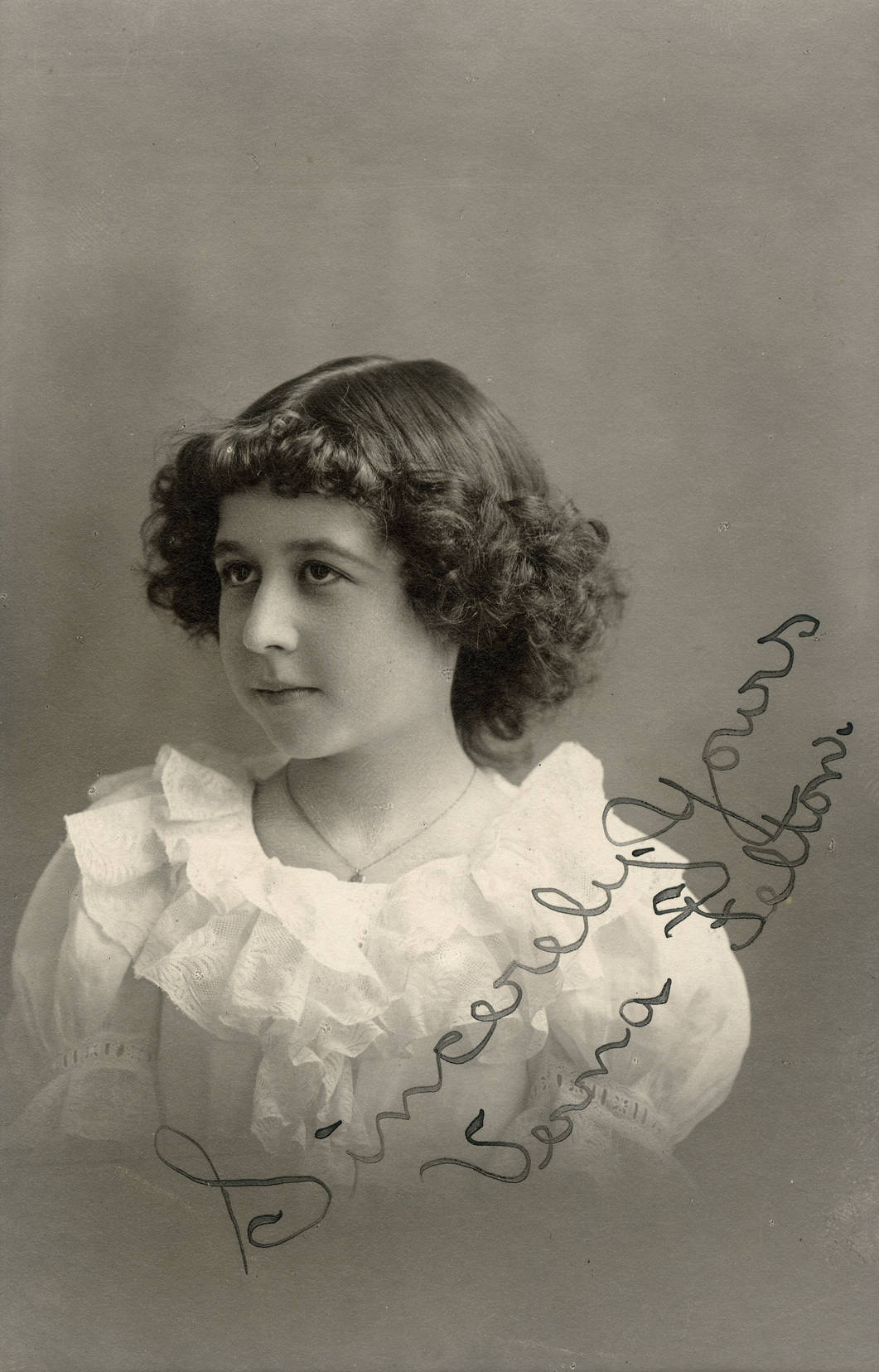
Voice of Magic: The Animated Legacy of Verna Felton
Verna Felton, the legendary character actress who provided the warm, iconic voice of the Fairy Godmother in Walt Disney’s Cinderella, was born in Salinas, California, on July 20, 1890. Her ...
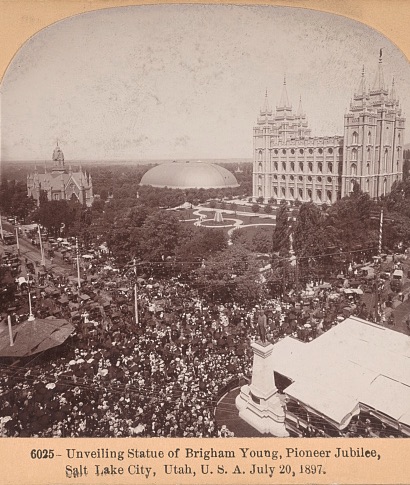
Monument of the Migration: Unveiling the Pioneer Jubilee
On July 20, 1897, a massive crowd gathered in Salt Lake City, Utah, to witness the official unveiling of the Brigham Young monument during the state’s Pioneer Jubilee. The ceremony ...
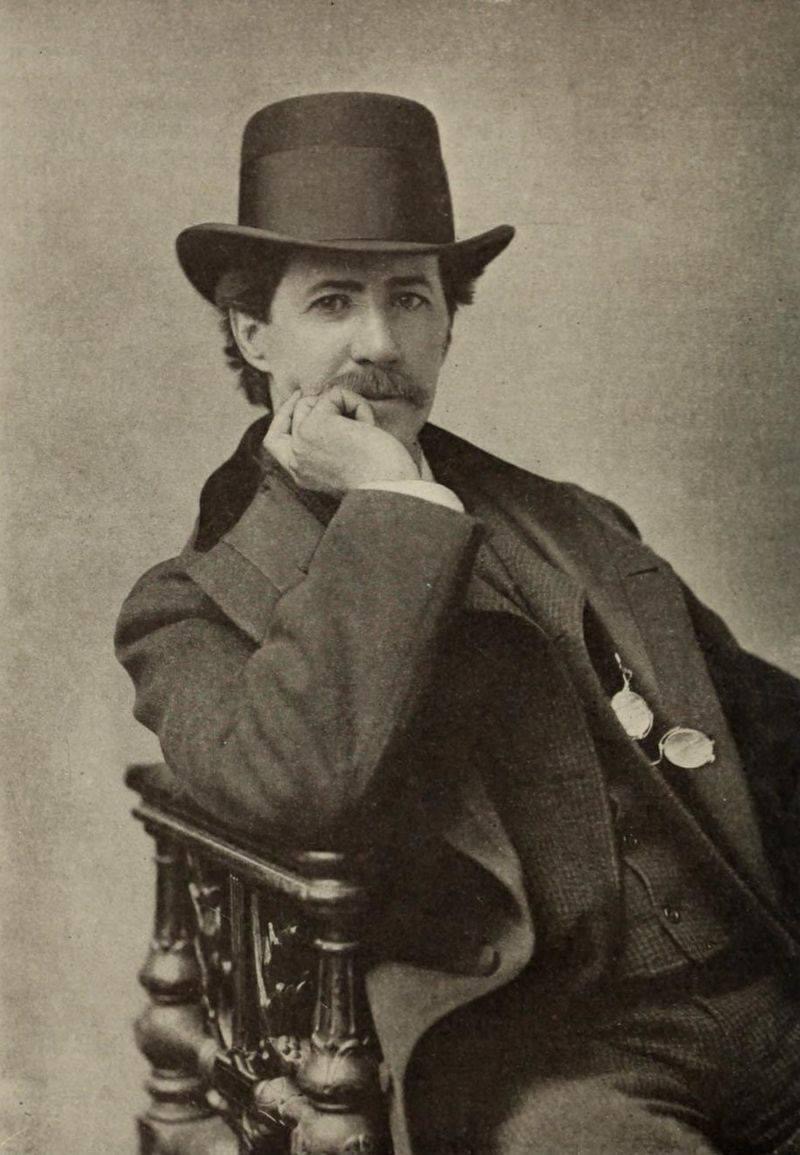
Autocrat of the Stage: Augustin Daly’s Theater Revolution
John Augustin Daly, a pioneering playwright, drama critic, and theater manager, was born on July 20, 1838. Recognized as the first true stage manager in American history, Daly earned a ...
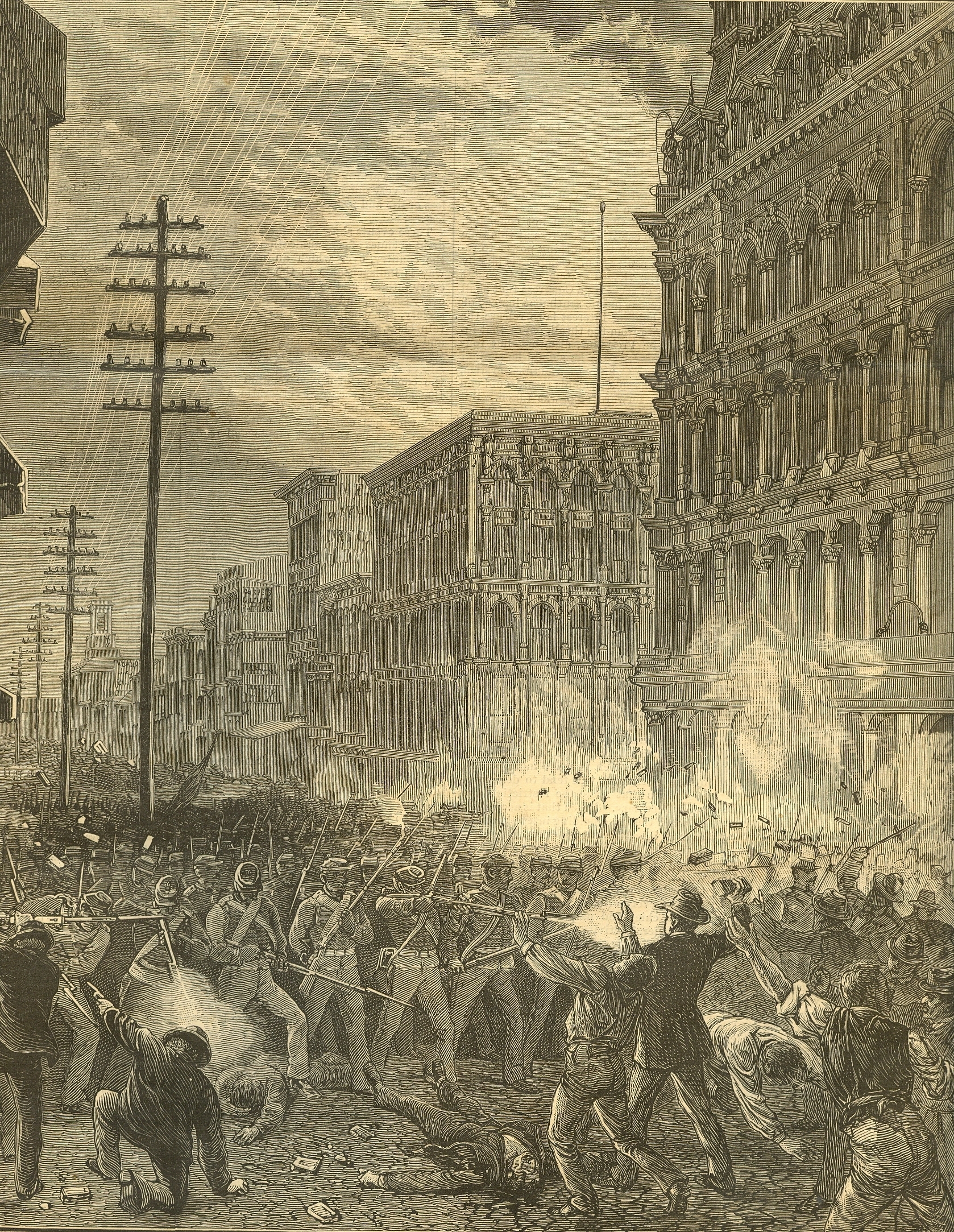
Blood on the Tracks: The Baltimore Firestorm
The Great Railroad Strike of 1877 began in Martinsburg, West Virginia, but its fury radiated outward within days. By July 20, Baltimore was ablaze — literally and figuratively. As the ...