Fort Granville and the Path to Kittanning, 1756
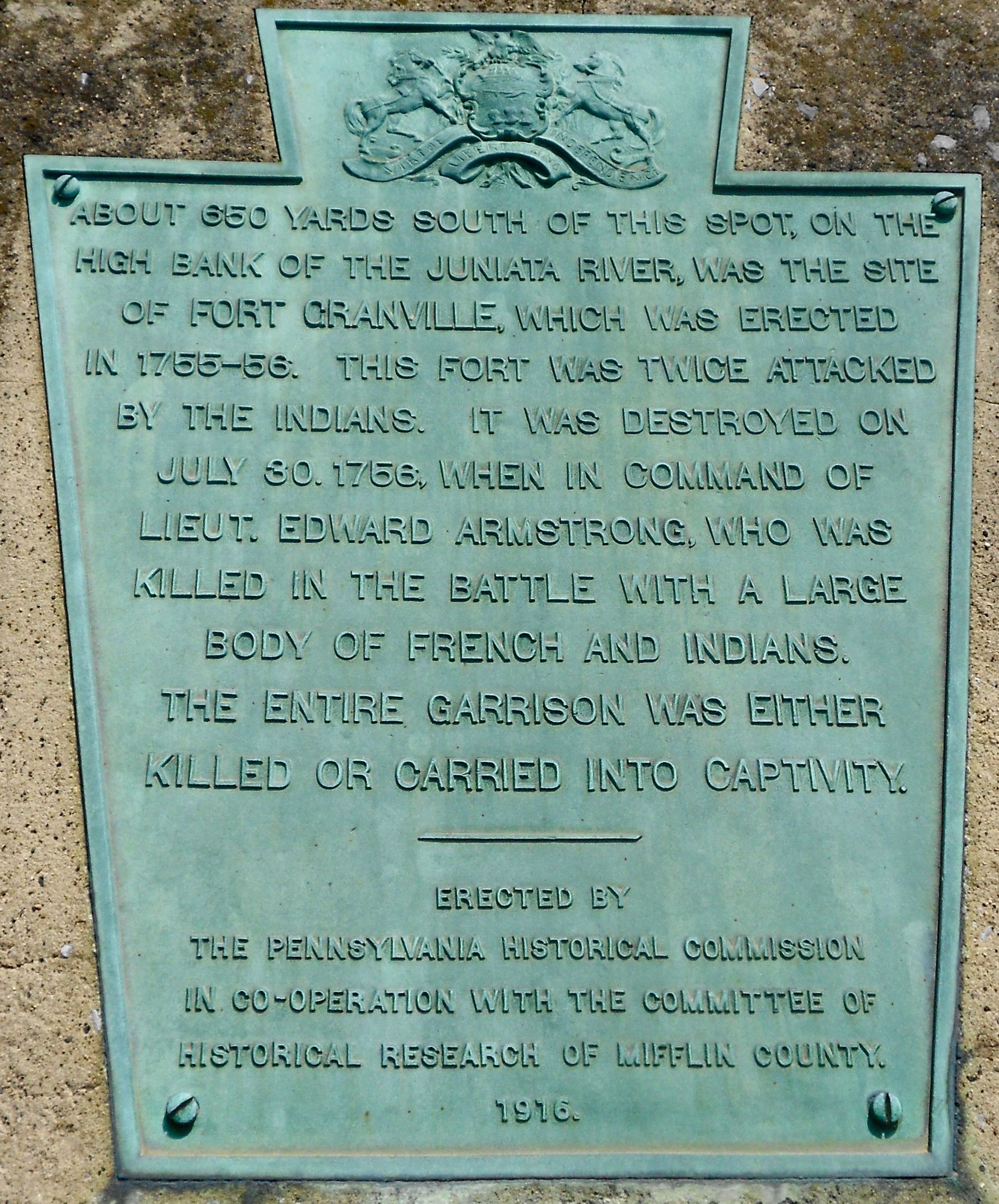
On or near July 30, 1756, Lenape warriors allied with French troops surrounded Fort Granville, a frontier post along the Juniata River in present-day Mifflin County, Pennsylvania. With Commander Edward Ward absent and defenses thinned, Lieutenant Edward Armstrong was killed attempting to suppress a fire set during the siege. Sergeant John Turner surrendered the fort the next morning; he was subsequently tortured to death. More than two dozen captives—including women and children—were forced to march roughly 100–135 miles west to the Lenape stronghold of Kittanning.
Their likely route followed portions of the ancient Kittanning Path through steep ridges, dense oak and pine forests, and across waterways like the Juniata and Allegheny Rivers. The terrain was physically punishing and psychologically fraught. Captives carried plunder and traversed burned homesteads and abandoned clearings, while Lenape fighters used the strategic trail network to move swiftly and strike deep into colonial territory. Kittanning served not only as a destination, but as a hub for indigenous resistance—sparking a retaliatory raid led by Armstrong’s brother and intensifying cycles of frontier violence that would reshape Pennsylvania’s contested ground.
Image via Wikimedia Commons, public domain

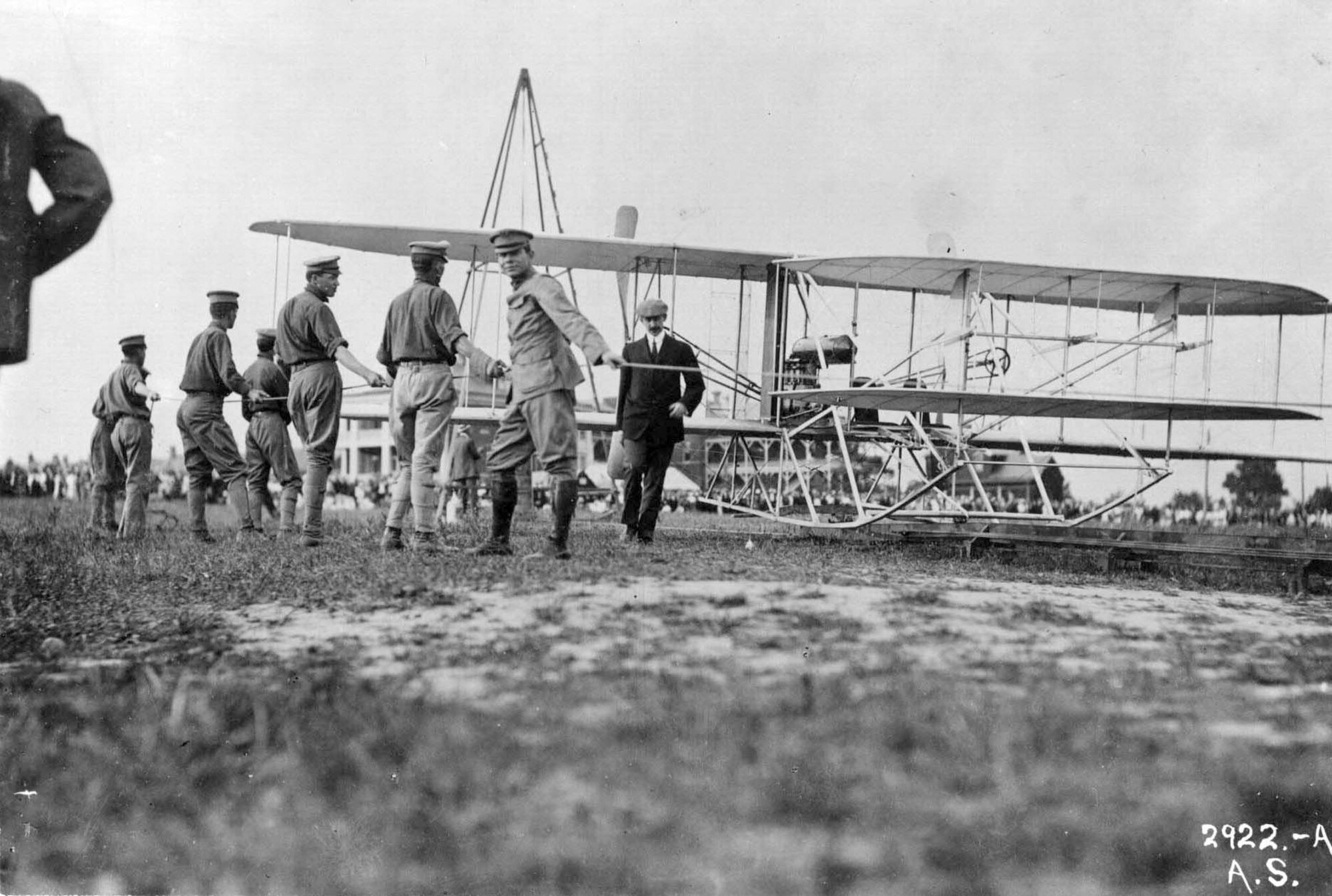
Not even a year after tragically crashing his Wright Flyer at Ft. Myer and nearly losing his life, Orville Wright had been flying again at the same place.
On July 30, 1909, Orville demonstrated to the U.S. Army Signal Corps that his redesigned flyer was capable of flying a speed of more than 40 miles an hour. A few days later both he and his brother Wilbur received a large contract from the U.S. Government.
The engine that was in the plane during the tragedy from the previous year was recovered and used again in the newly redesigned Model A Flyer.
Image: Orville Wright at Ft. Myer, VA in 1909 via Wikimedia Commons, public domain

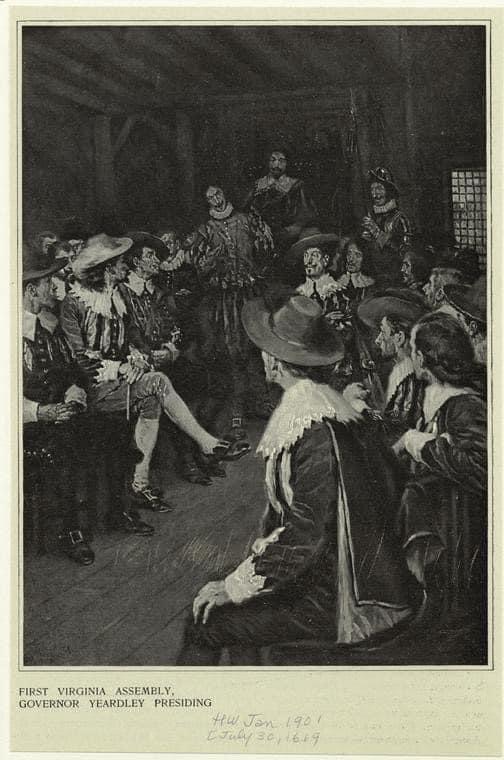
“This was the beginning of constitutional government in America; and the first House of Burgesses met at Jamestown on July 30, 1619, at the call of Governor Yeardley. The Great Charter provided also for an allotment of land to all settlers who were in the colony when Sir Thomas Dale took his departure; and so the oldest Virginia land titles date back to it.
…No copy of this charter is extant, but it is known that it limited the power of the governor, and provided for a legislative body to be composed of burgesses elected from the different settlements.
…In the spring of 1619, the people heard of the Great Charter and the changes it would bring, and they were filled with joy, feeling “now fully satisfied for their long labors, and as happy men as there were in the world.” At the close of Argall’s administration, the colony numbered not more than four hundred, but now emigrants came in large numbers. Twelve hundred and sixty-one arrived in the year 1619, and thirty-five hundred more within three years. All honor to such men as Sir Edwin Sandys, who founded in Virginia an English state with a constitution and a representative government, before England herself was delivered from the tyranny of the Stuarts.
When the founding of a state was made the first object, then the London Company became convinced “that a plantation can never flourish till families be planted, and the respects of Wives and Children fix the people on the Soyle.” In 1619, Sir Edwin Sandys stated that the English in Virginia “were not settled in their mindes to make it their place of rest and continuance.” During the same year, ninety young women were induced to emigrate to the colony. These found many suitors, as did others who came in later years.”
From: History of Virginia by Royall Bascom Smithey, published in 1915
https://archive.org/details/historyofvirgini00roya/page/58
Source says not in copyright
Image: “First Virginia assembly, Governor Yeardley presiding”
The Miriam and Ira D. Wallach Division of Art, Prints and Photographs: Picture Collection, The New York Public Library. “First Virginia assembly, Governor Yeardley presiding” New York Public Library Digital Collections.
No known restrictions

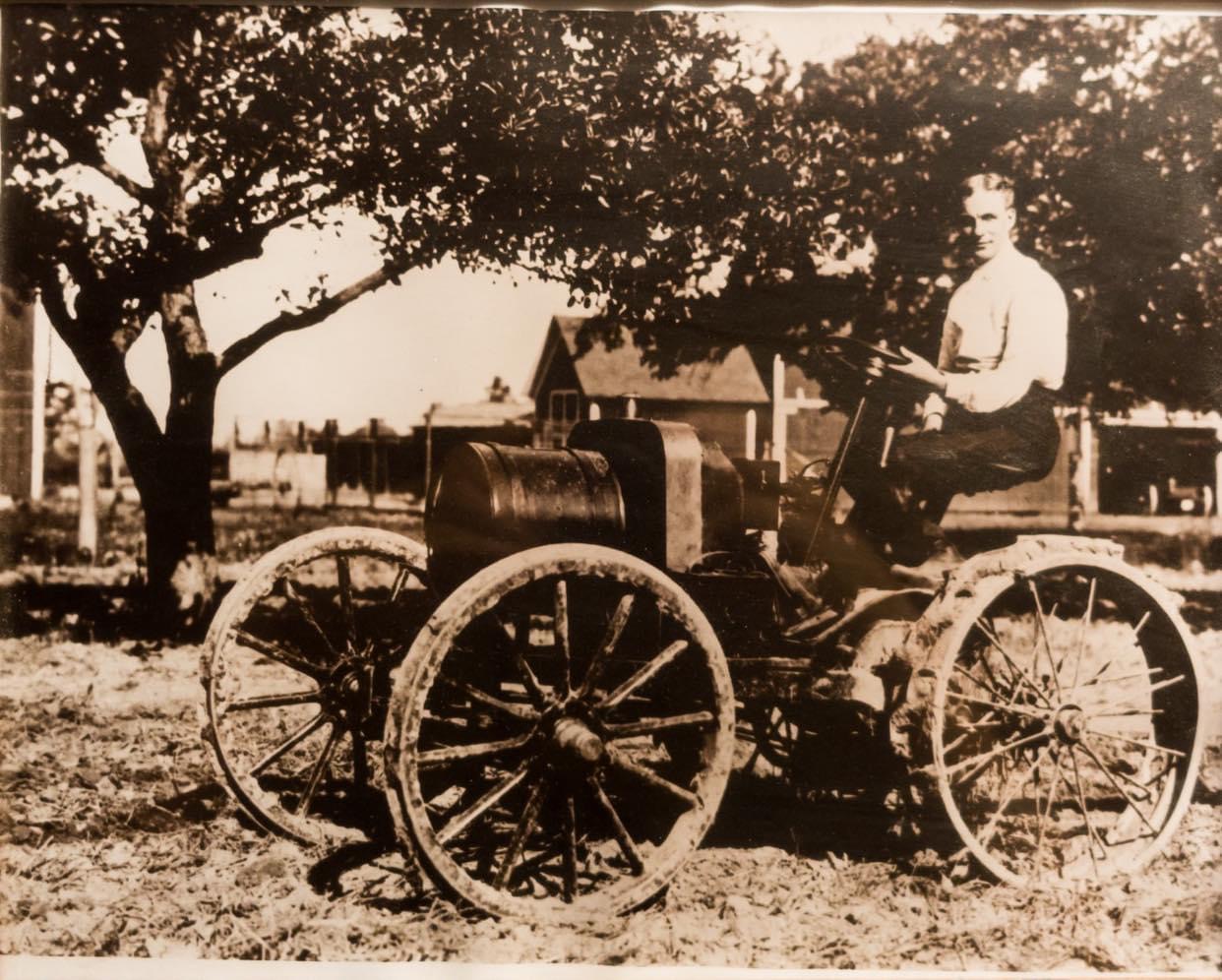
Henry Ford was born on July 30, 1863 in Springwells Township, Michigan.
Image: Henry Ford sitting on a 1908 model Fordson tractor from Frankie Fouganthin via Wikimedia Commons – CC BY SA 4.0

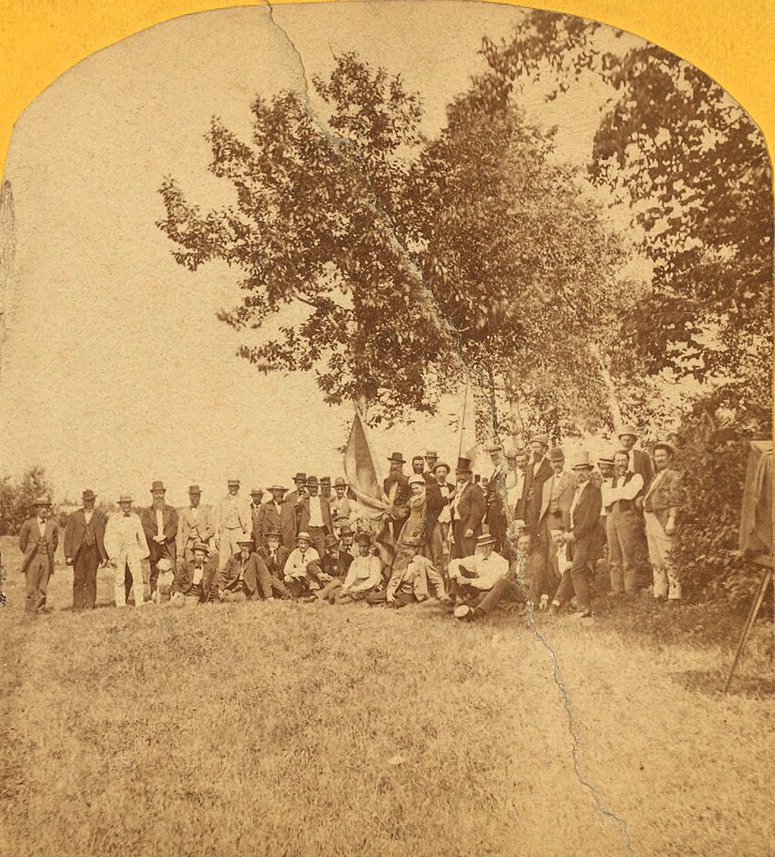
5th Maine Regiment Association, reunion in Portland, July 30, 1873.
The 5th Maine fought courageously during the Civil War between 1861-1864 and saw action at First Bull Run, Antietam, Fredericksburg, Chancellorsville, Gettysburg, Wilderness, Cold Harbor, Petersburg and several others.
Image via Wikimedia Commons, public domain

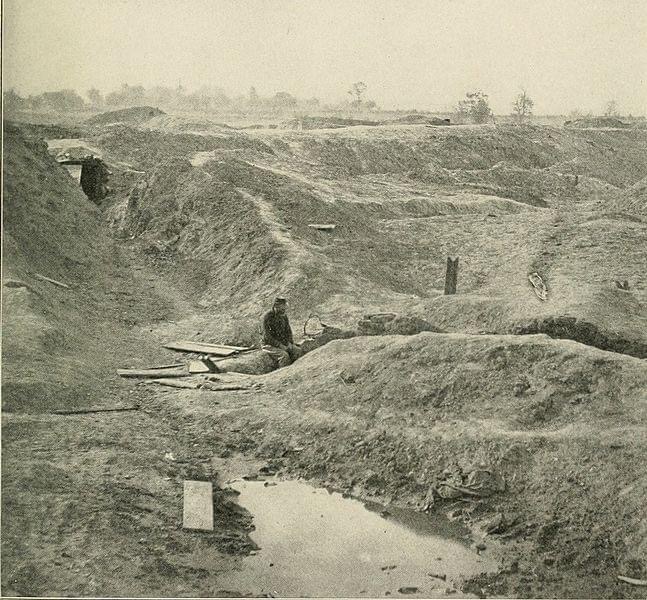
July 30, 1864 – In an attempt to breach the Confederate defenses around Petersburg, VA., Union troops with mining experience explode 8,000 pounds of gunpowder in a tunnel. Northern units, including a division of US Colored Troops rush into the resulting crater but meet stiff resistance and incur heavy losses. “It was the saddest affair I have witnessed in this war.” noted Gen. Grant. Shown is the Crater, photographed about a year later.
Image via Wikimedia Commons, public domain

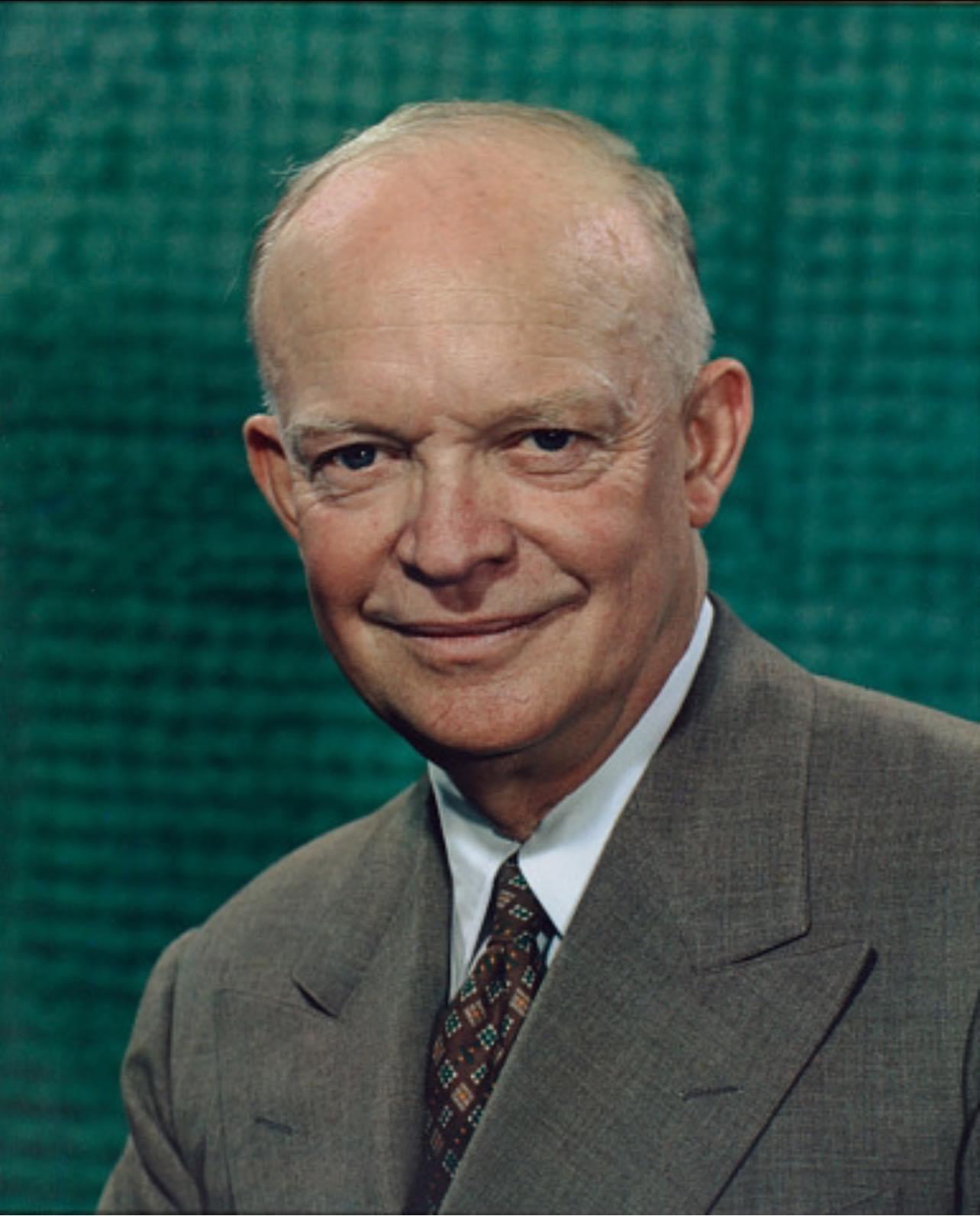
On July 30, 1956 “In God We Trust” became the official motto of The United States of America.
when Dwight D. Eisenhower signed Pub. L. 84-851, the law passed by 84th Congress.
Image: National Portrait Gallery, Smithsonian Institution, no known restrictions

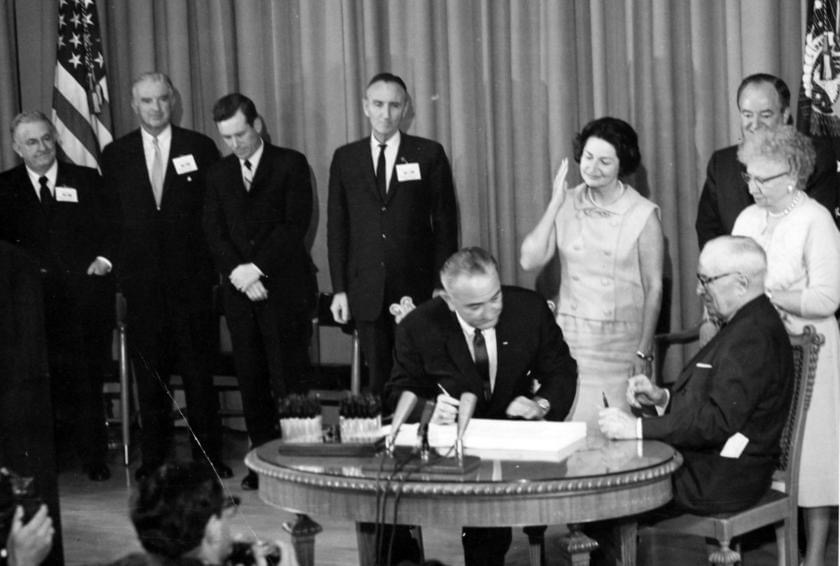
On July 30, 1965, President Lyndon B. Johnson signs a bill that created Medicare and Medicaid at the Truman Library in Independence, Missouri. Harry Truman was in attendance and became the first recipient of a Medicare card.
Image via Wikimedia Commons, public domain

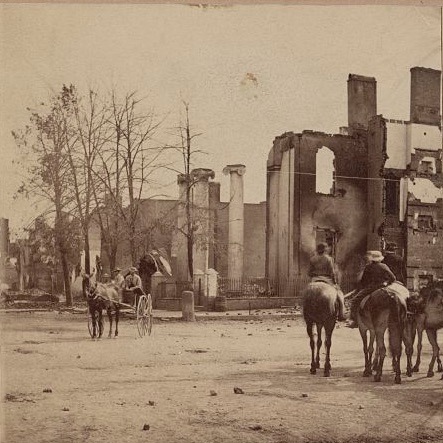
More than a year after The Battle of Gettysburg…
Bank of Chambersburg & Franklin House, Chambersburg, Franklin County, Pennsylvania, destroyed by the rebels under McCausland, July 30, 1864.
Image via LOC, no known restrictions

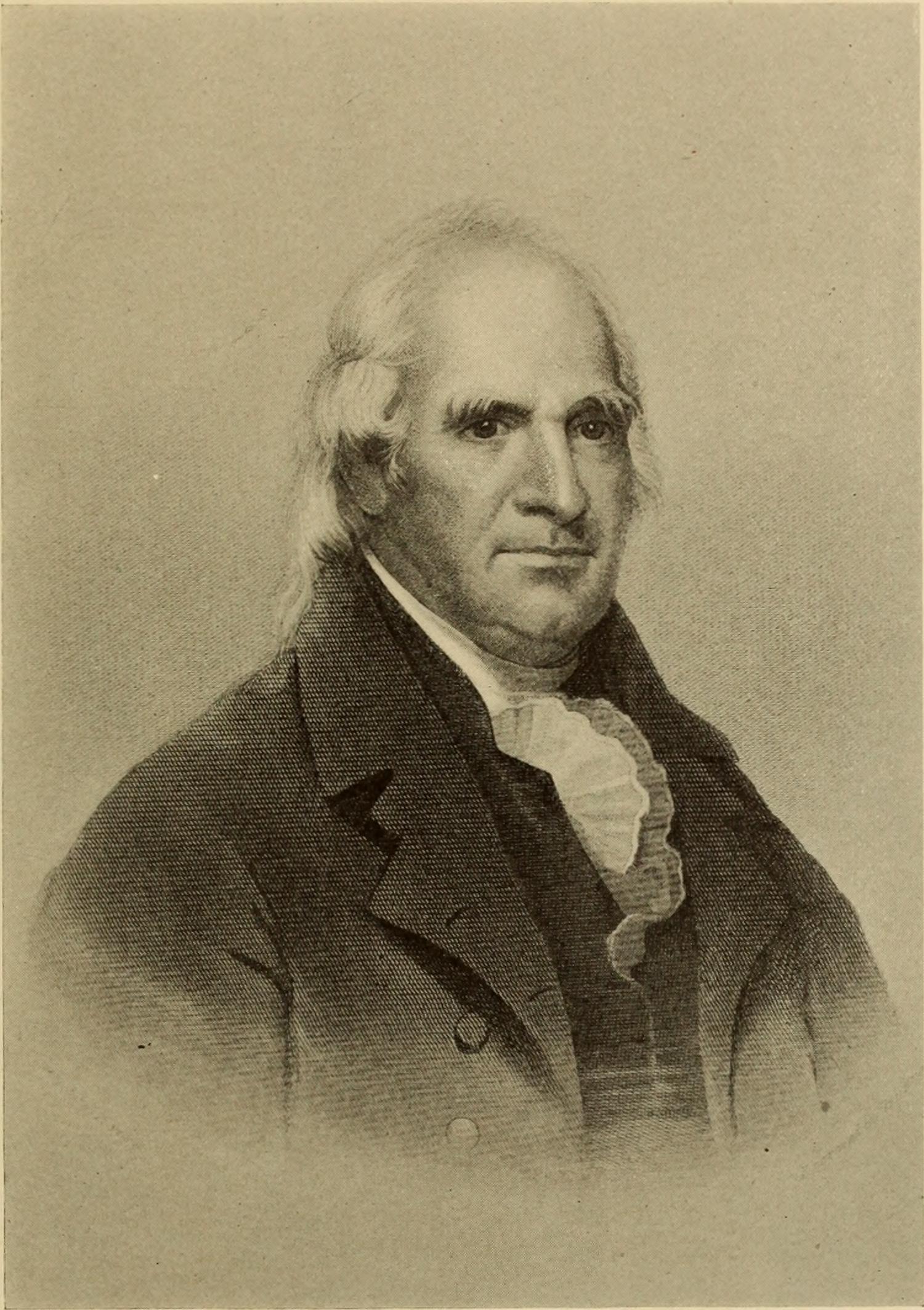
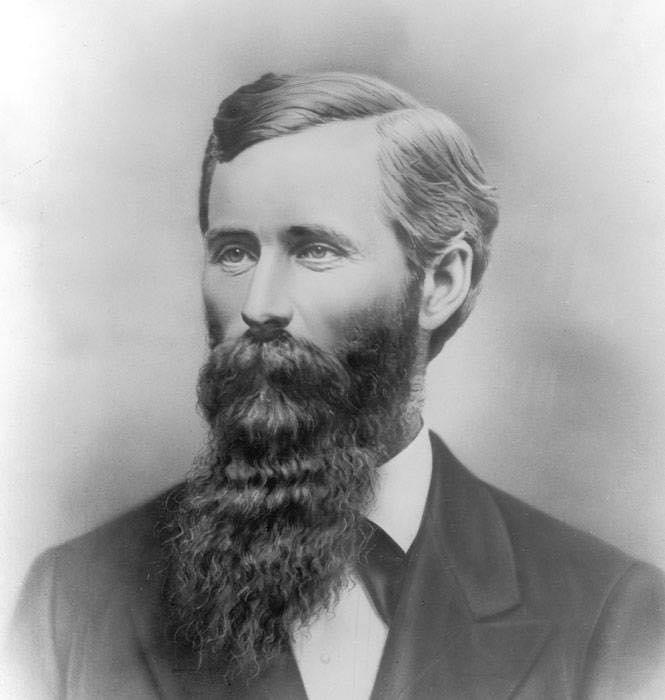
A portrait of the 9th Governor of the Territory of Utah and the 3rd Governor of Oregon, George Lemuel Woods who was born on July 30, 1832 in Boone County, Missouri.
Quote: “To have good schools, you must have good teachers; such as are thoroughly instructed in the art of teaching. To teach well requires study and preparation. To that end I recommend the early establishment of a Normal School, where persons designing to teach, as a profession, can be prepared for that high calling. Where intelligence is universal, life, liberty and property are most secure.”
From: Governor’s message to the Legislative Assembly of the Territory of Utah, published in 1874
https://archive.org/details/governorsmessage00utahrich/page/2
Source says not in copyright
Image: George Lemuel Woods via Wikimedia Commons, public domain

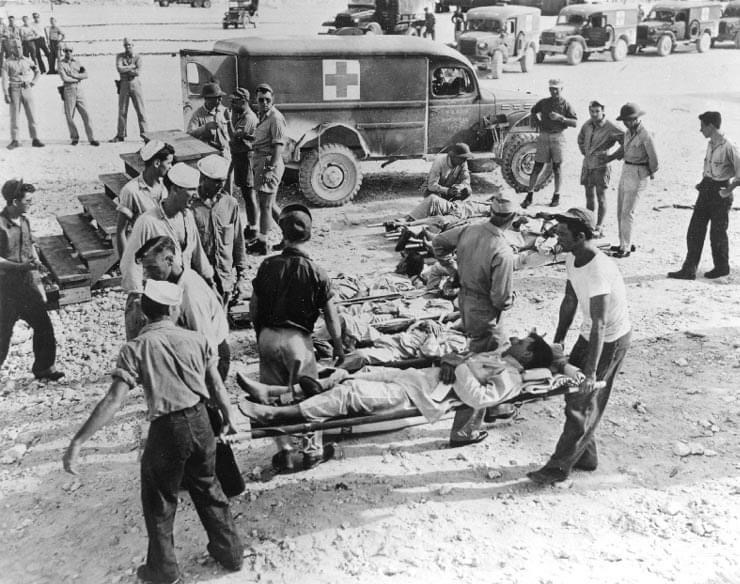
July 30, 1945 – Having delivered uranium and parts for the Little Boy (Hiroshima) atomic bomb to Tinian four days earlier, the cruiser USS Indianapolis is sunk by Japanese torpedoes. 890 sailors survive the sinking but only 316 (shown arriving on Guam) are rescued August 2. Exposure, dehydration, and shark attacks took a heavy toll.
Image via Wikimedia Commons, public domain in the US

On July 30, 2002, Lisa Leslie of the Los Angeles Sparks, became the first WNBA player to dunk a basketball during a WNBA game.
Image of Lisa playing for Team USA in 2008 via Wikimedia Commons, public domain

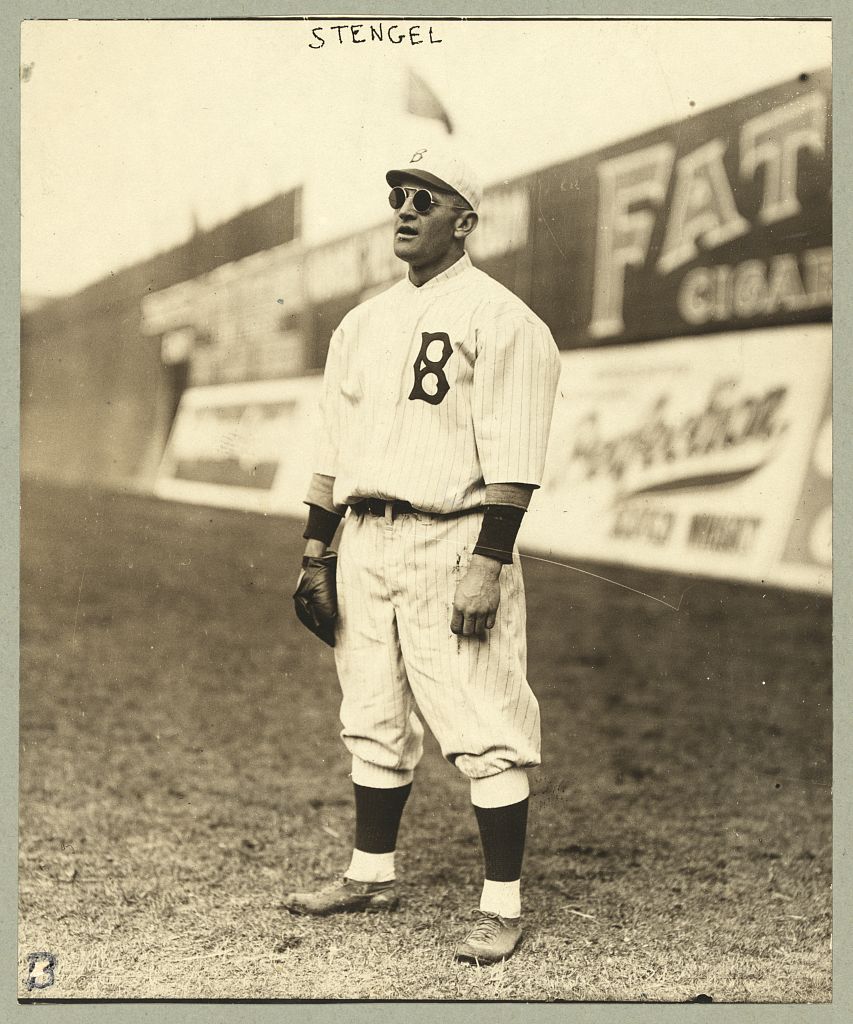
Casey Stengel, the only player or manager to have worn the uniform of four different pro baseball teams in New York City (Yankees, Dodgers, Giants and Mets) during the 1900s, was born on July 30, 1890 in Kansas City, Missouri.
Both the Mets and Yankees retired his #37.
Image of Casey Stengel wearing sunglasses while playing outfield in 1915 via Wikimedia Commons, public domain

On July 30, 1947, Arnold Schwarzenegger was born in Thal, Austria. After immigrating to the U.S. in 1968, he became an American citizen in 1983—an act he calls one of the proudest moments of his life.
He’s shown here, decades later, holding the Stars and Stripes with U.S. Army soldiers beneath the desert skies of Kuwait, embodying the layered meanings of patriotism, belonging, and reinvention.
From bodybuilding legend to box office icon, governor to global advocate, Schwarzenegger has channeled his success into service. He founded After-School All-Stars to support underserved youth, championed Special Olympics since the 1970s, and launched the Schwarzenegger Climate Initiative to combat pollution and promote sustainability. He’s also donated millions to causes ranging from veterans’ programs to strike relief for working actors—proving that action heroes don’t just fight on screen, they show up in real life.
Image from 2016 via Wikimedia Commons, public domain

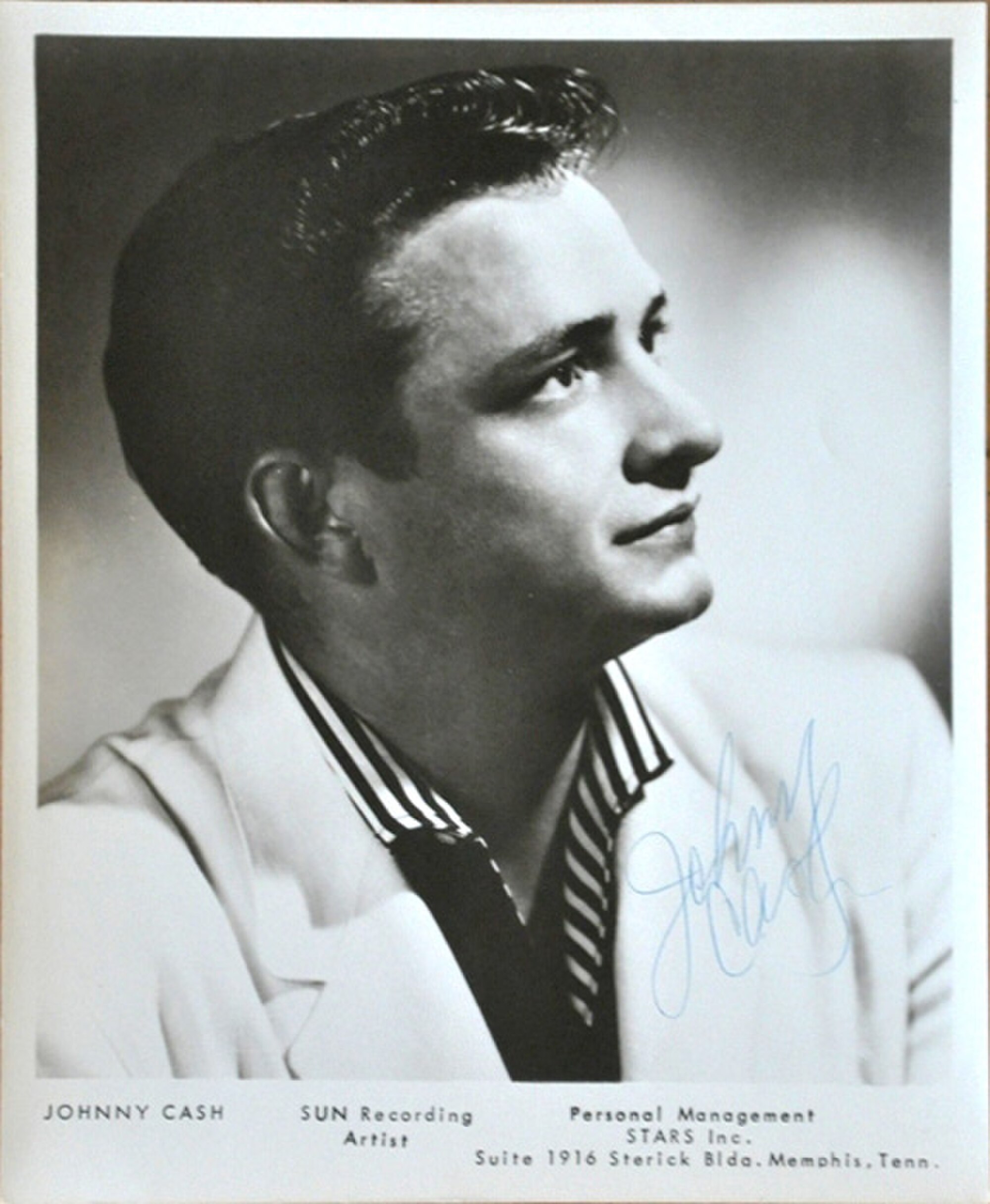
On July 30, 1955, Johnny Cash first recorded ‘Folsom Prison Blues’ at Sun Studio in Memphis, launching what would become a defining anthem of outlaw country. Released that same year and featured on his debut album Johnny Cash with His Hot and Blue Guitar!, the song cemented Cash’s stark storytelling style.
Thirteen years later, his electrifying live performance at California’s Folsom State Prison—captured on At Folsom Prison—propelled the track to #1 on the country charts and into the American canon as a voice for the incarcerated, the defiant, and the unheard.
Image of Johnny Cash in 1955 via Wikimedia Commons, public domain