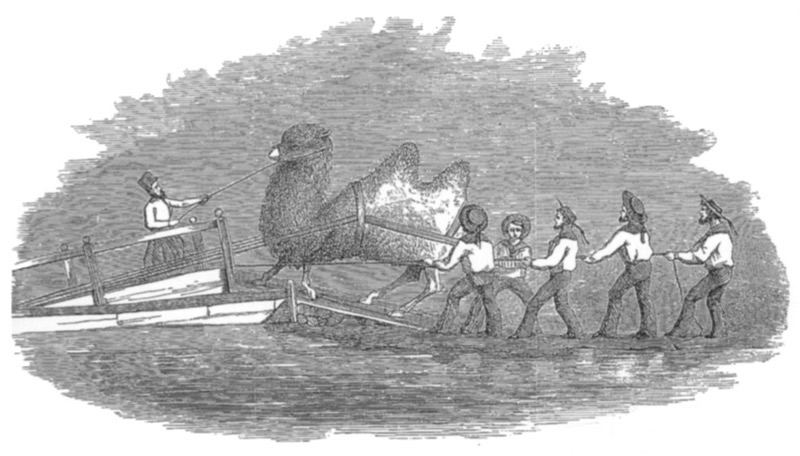
On June 4, 1855, Major Henry Wayne departed from New York for the Mediterranean area with $30,000 and orders from Secretary of War Jefferson Davis to purchase several dozen camels. Shown is an Illustration from a report by Davis detailing the US Army’s Camel Corps, which operated in the southwest from 1855 – 1866.
Image by Gwinn Heap via Wikimedia Commons, public domain in the US.

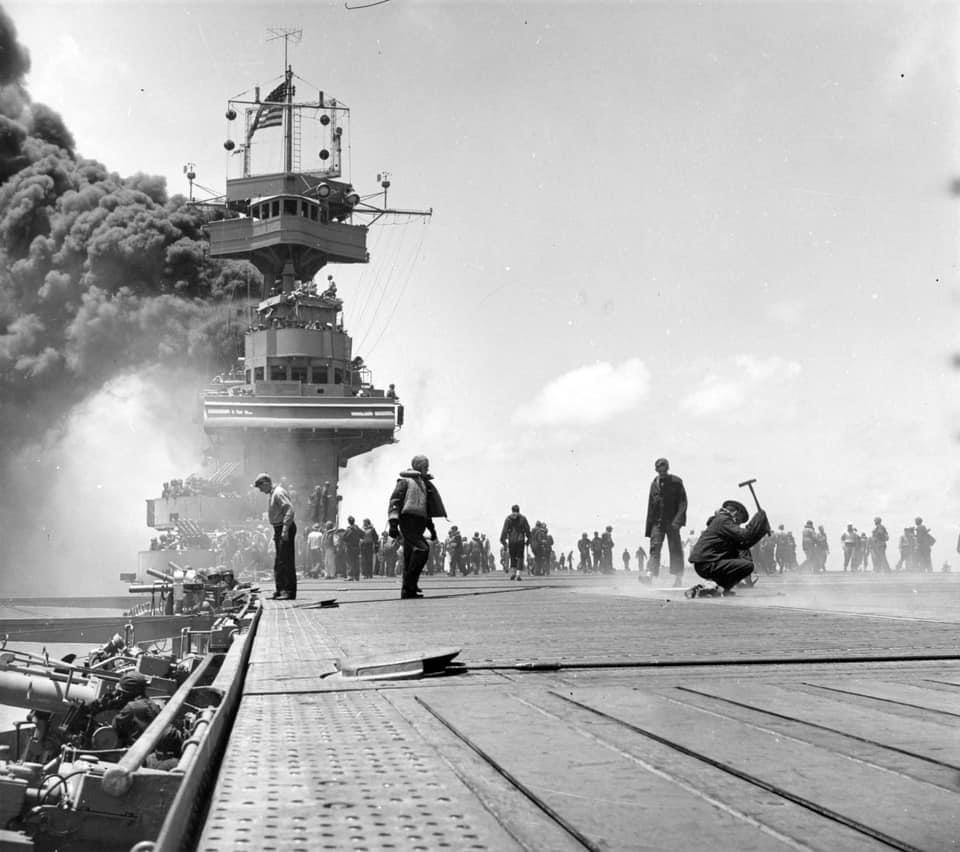
On June 4, 1942, the Battle of Midway began
Image: Smoke can be seen from the USS Yorktown after being struck by the enemy during the Battle of Midway on June 4, 1942 via Wikimedia Commons, public domain

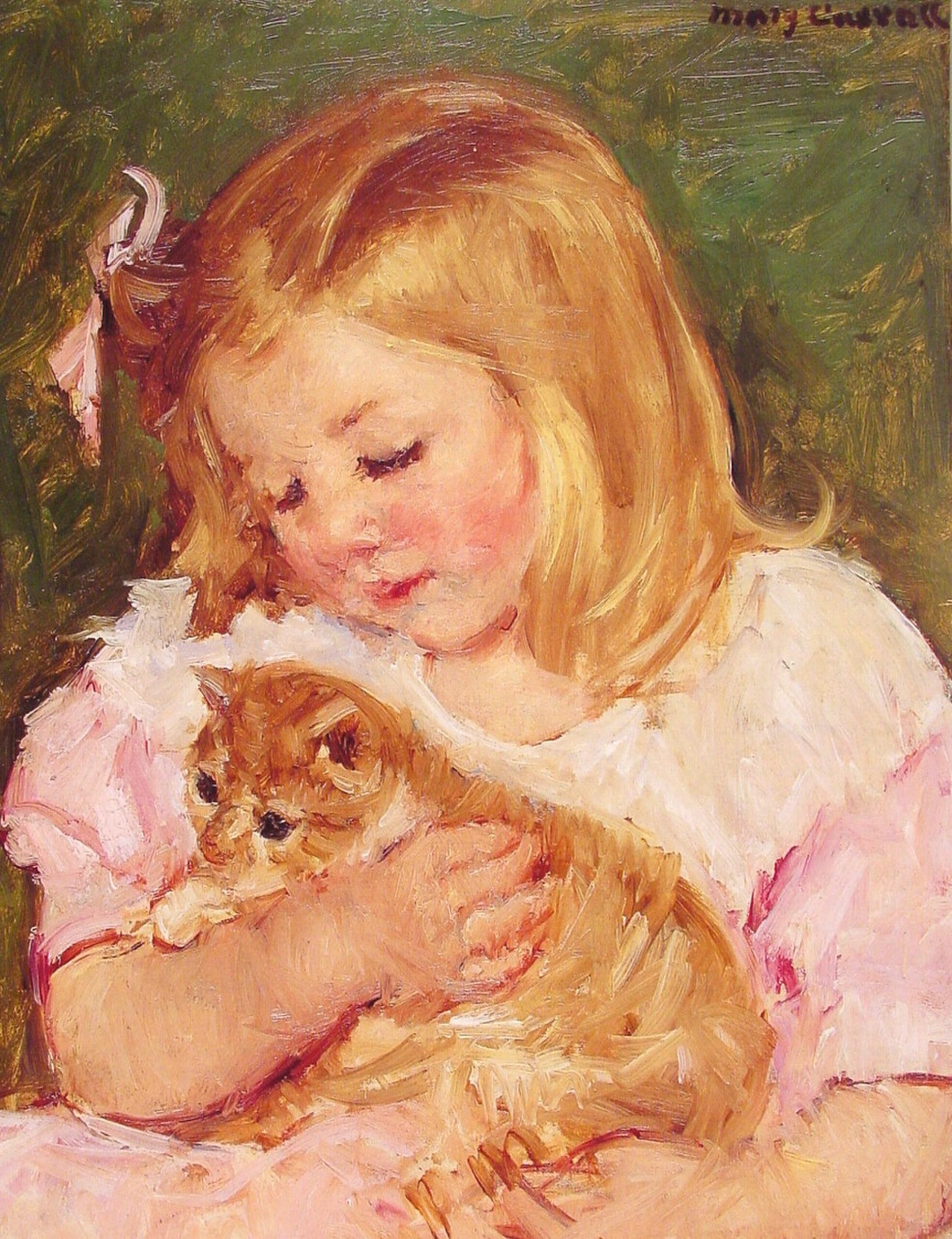
Sara Holding A Cat
c. 1908
by American artist Mary Cassatt
Happy National Hug Your Cat Day

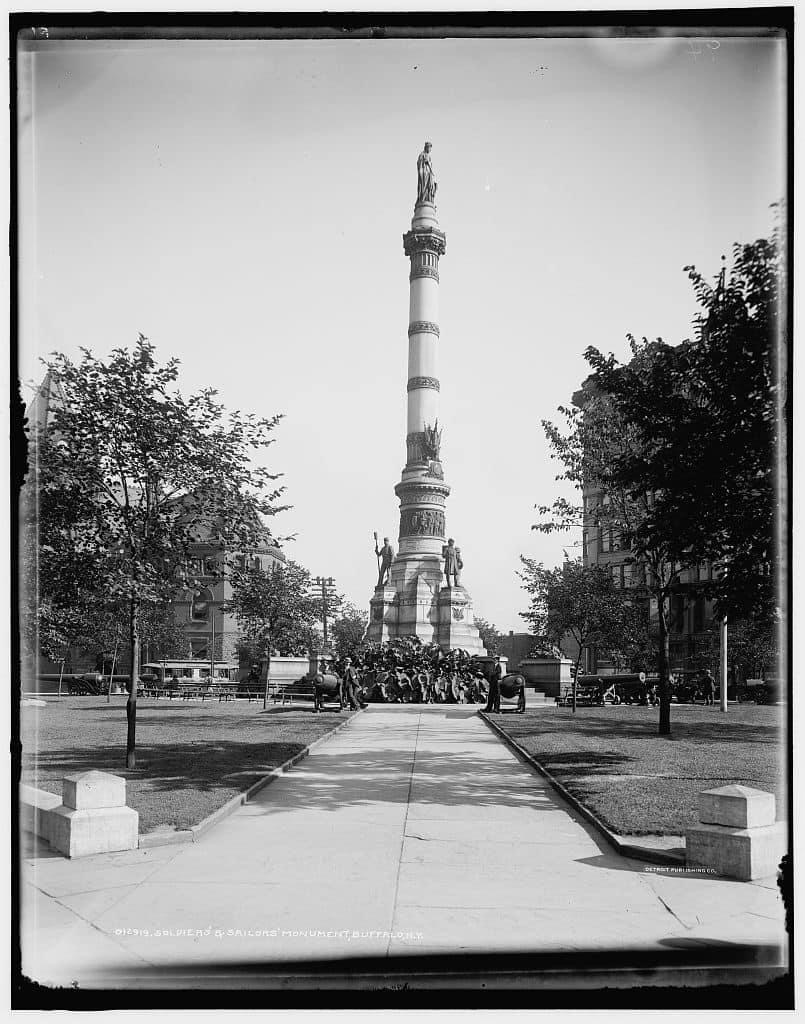
Fifty years after the start of the American Revolution, near this spot in Buffalo, New York at a place called Eagle Tavern, Marquis de Lafayette gave a speech during his 1824-1825 tour of America on June 4, 1825.
The image is from 1900 of Soldiers’ and Sailors’ Monument in Lafayette Square in Buffalo. The monument was built in the 1880s.
Image via Library of Congress, no known restrictions

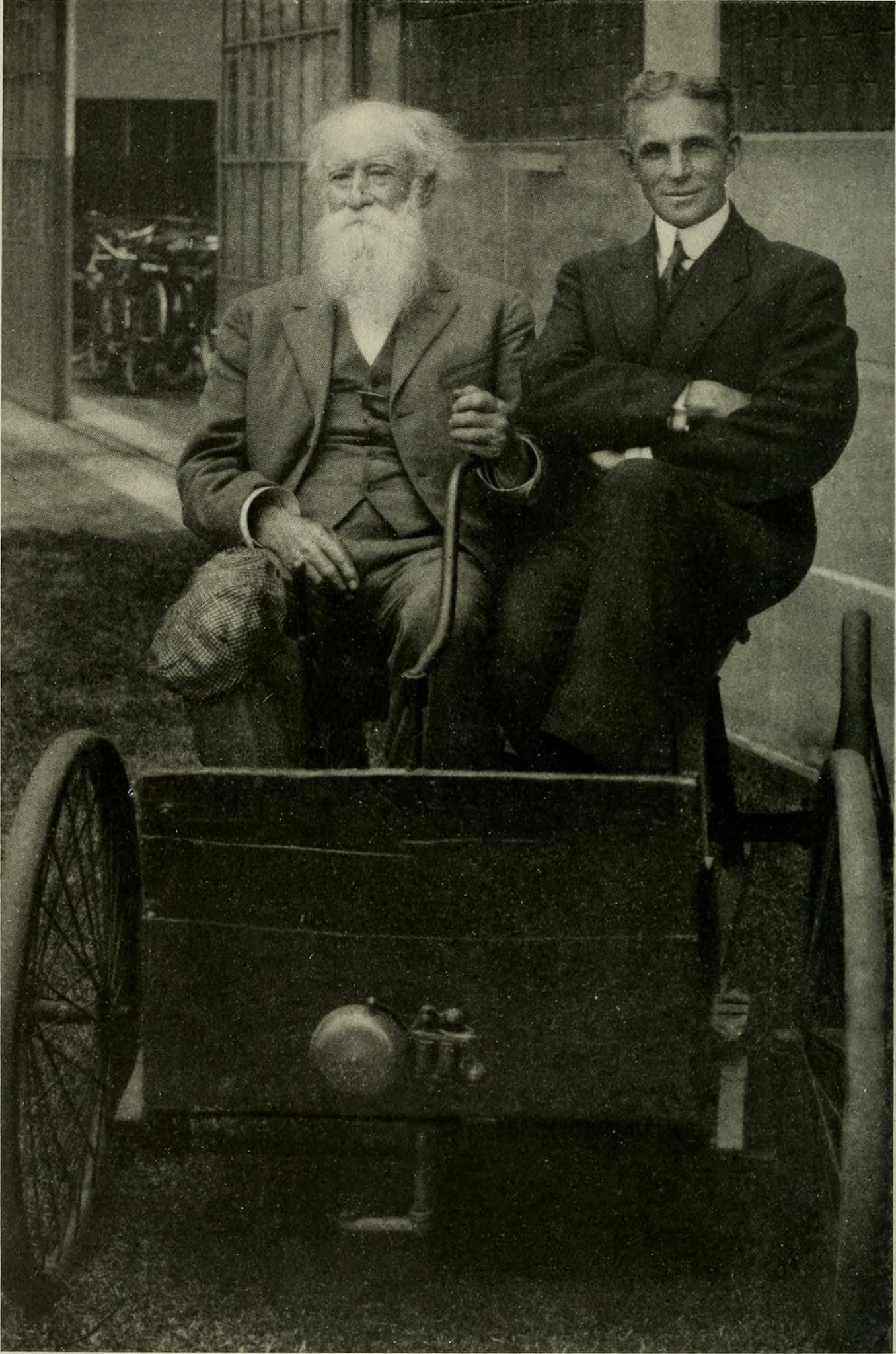
John Burroughs and Henry Ford in the first automobile (Quadricycle) designed and built by Mr. Ford. Image is from the American Museum Journal in 1915.
On June 4, 1896 Ford completed his Quadricycle.
Image via Wikimedia Commons, public domain

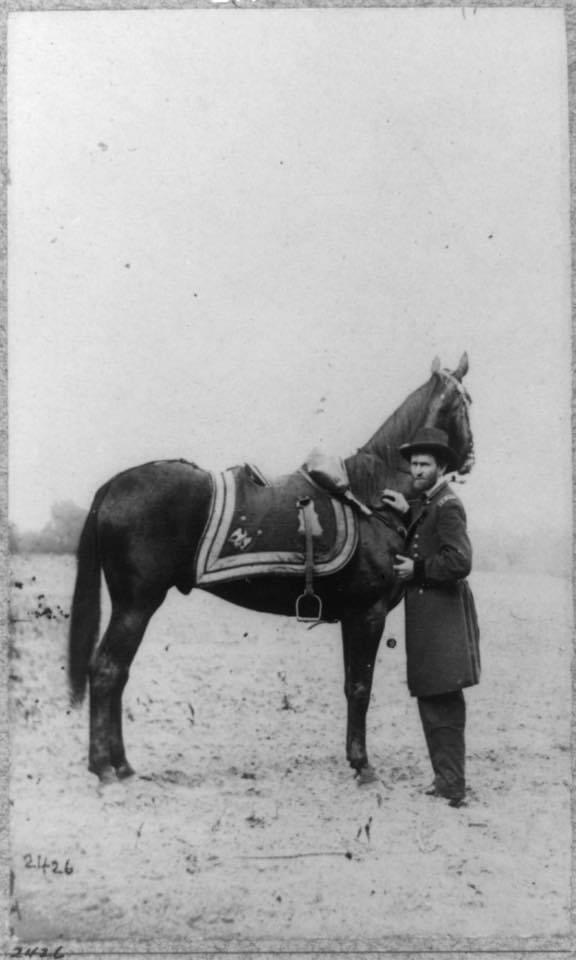
Ulysses S. Grant standing alongside his war horse, “Cincinnati”
– June 4, 1864
Image via Wikimedia Commons, public domain

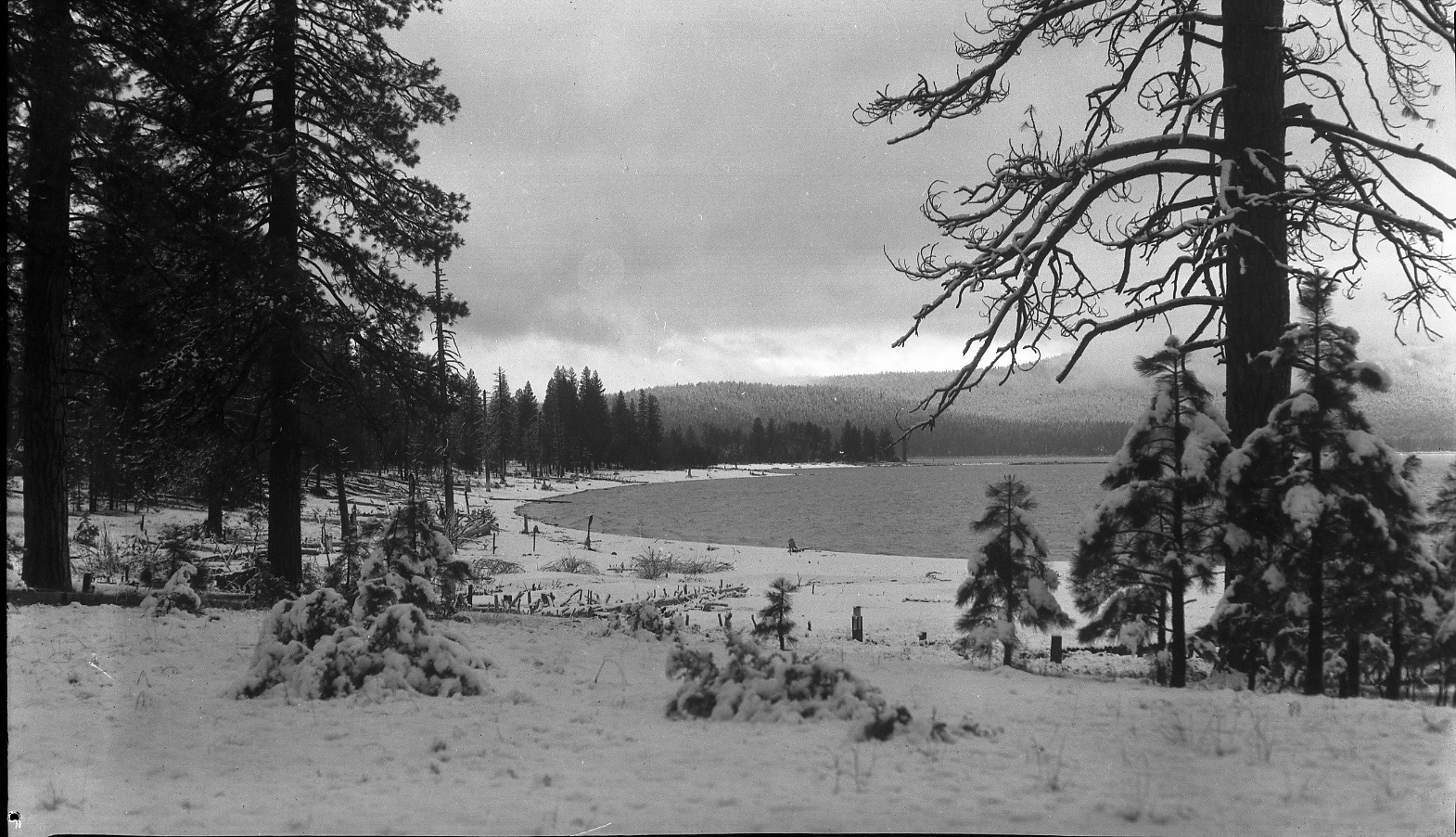
100 years ago today…
An unseasonably wintry scene at Eagle Lake in Lassen County California that was photographed on June 4, 1925 after a 3 inch snowfall. It snowed 8 inches at 6000 ft elevation on the summit.
Image via Wikimedia Commons, public domain

On June 4, 1964, a technical glitch in AT&T’s coaxial cable system led to one of the most widely heard phone conversations in history.
Around 18 million U.S. television viewers were unexpectedly eavesdropping when a private call between two women interrupted NBC’s Temple Houston. Engineers briefly resolved the issue, but later that evening, the conversation resurfaced during Dr. Kildare on NBC and My Three Sons on ABC, blending with the shows’ audio to become one of the most widely heard phone calls since Alexander Graham Bell invented the telephone!

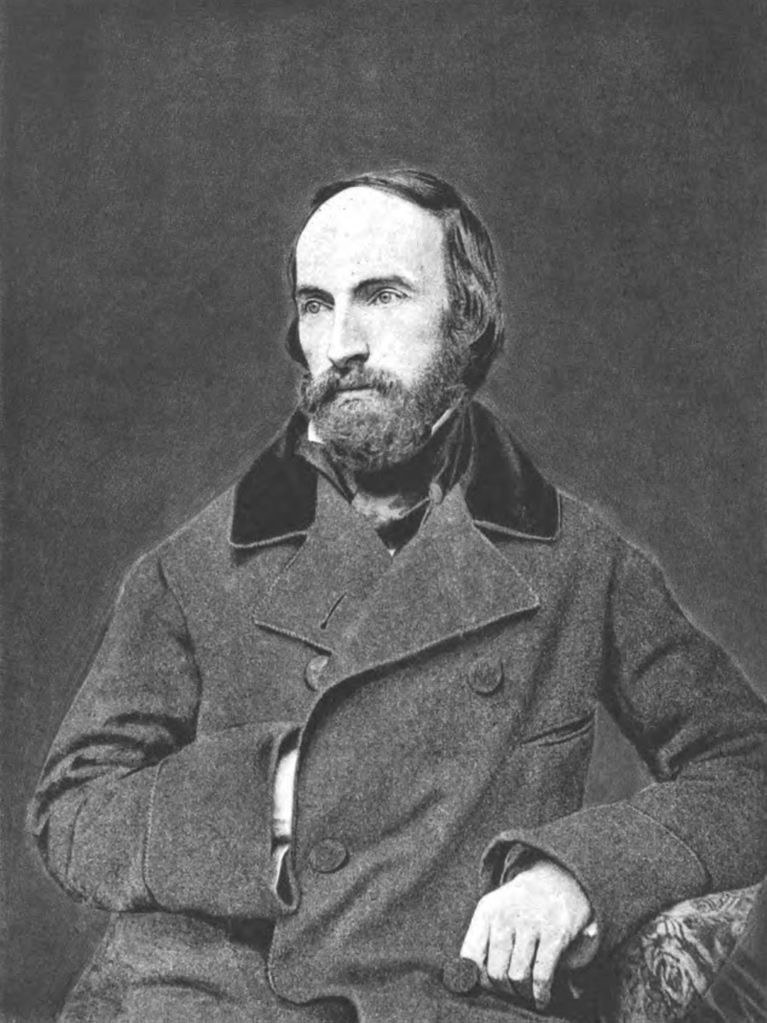
An image of William Henry Fry who composed the first grand American opera “Leonora” that debuted on June 4, 1845 at the Chestnut Street Theatre in Philadelphia.
Image via Wikimedia Commons, public domain

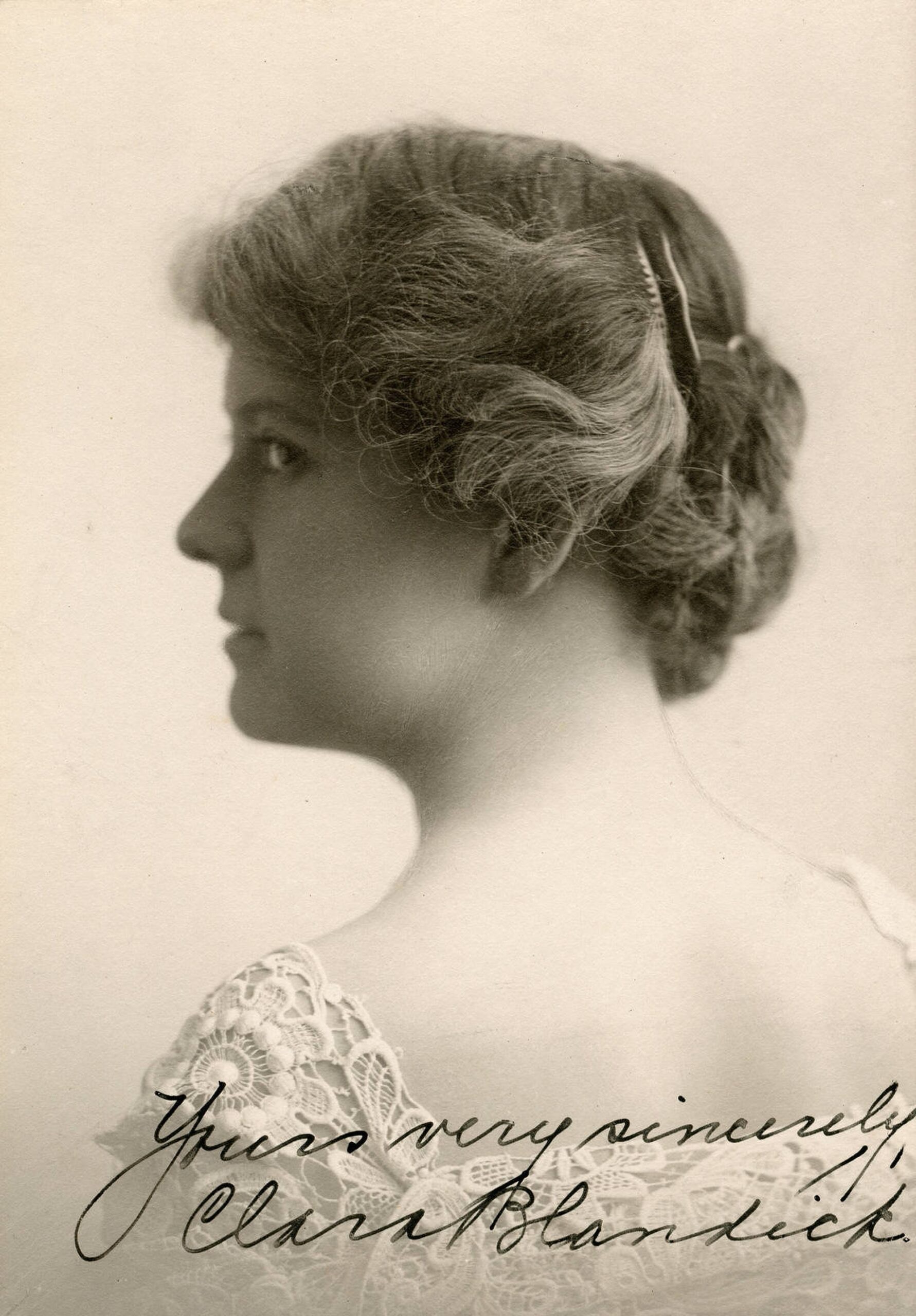
On June 4, 1876, Clara Blandick was born aboard an American ship in Hong Kong, destined for a life in the spotlight. Best remembered as the caring and steadfast Auntie Em in The Wizard of Oz, she graced the stage and screen with unmatched presence. With over a hundred film credits to her name, she embodied roles with warmth, wisdom, and quiet strength. As we celebrate her birthday, we honor her enduring legacy-a woman whose performances continue to resonate across generations.
Image via Wikimedia Commons, public domain

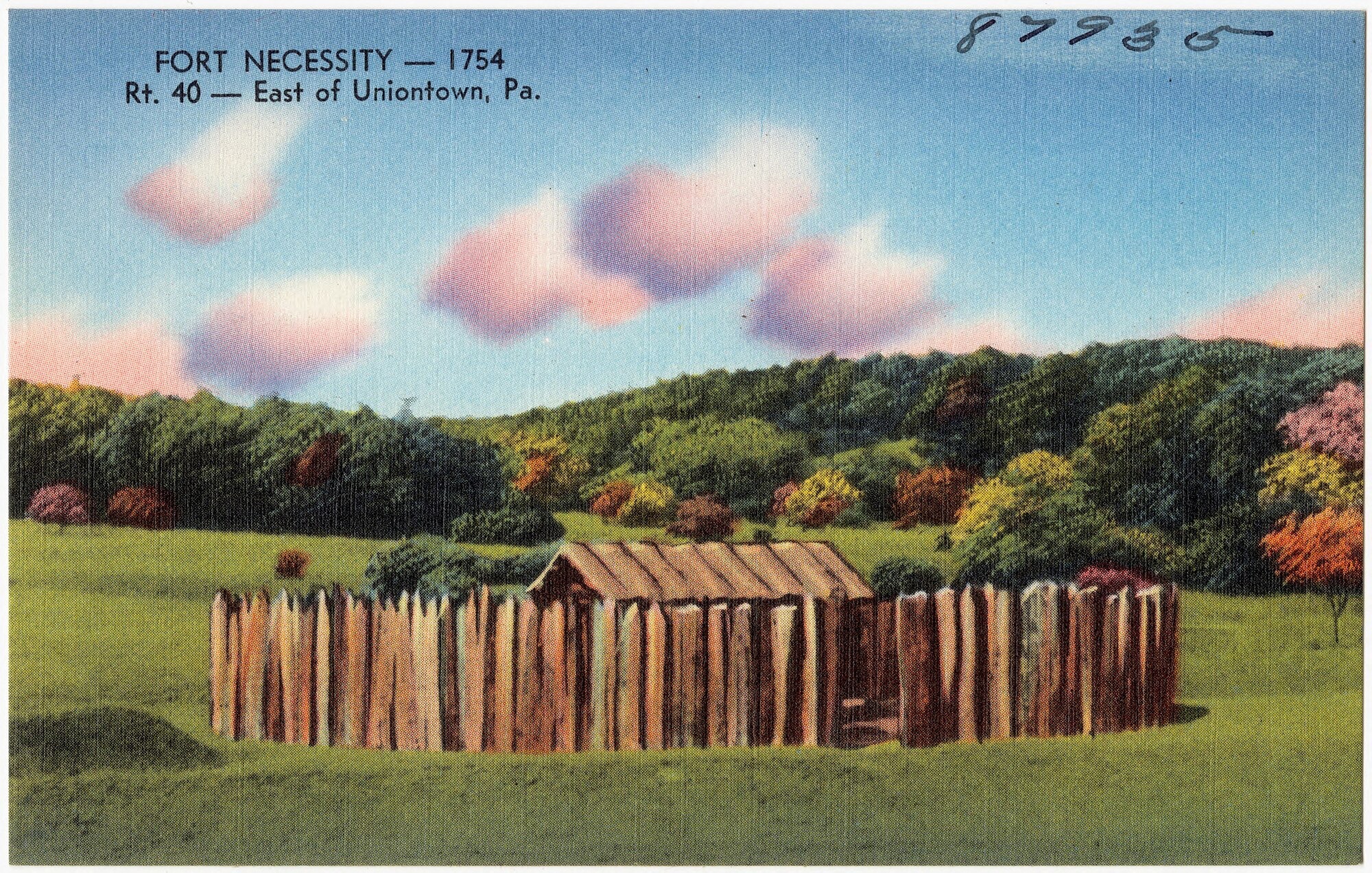
On June 4, 1754, George Washington and his troops completed construction of Fort Necessity in Western Pennsylvania.
Image of a later postcard via Wikimedia Commons, public domain

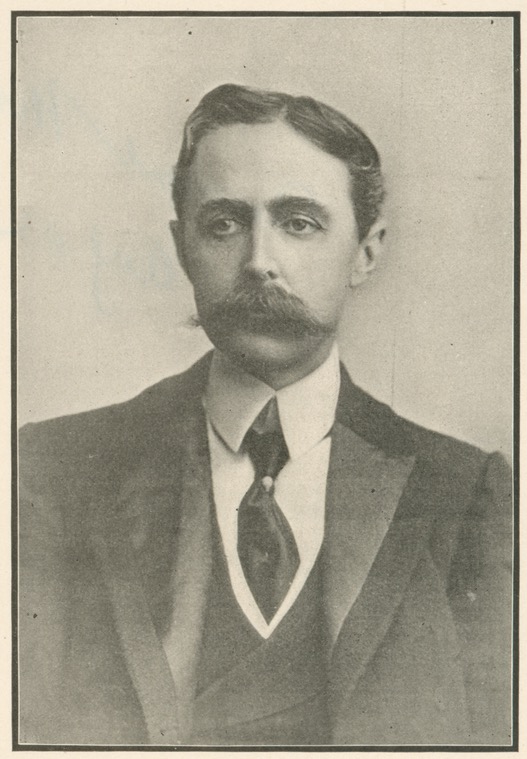
Sir Michael Henry Herbert, appointed as the second British Ambassador to the United States on June 4, 1902, played a key role in Anglo-American diplomacy. Working alongside U.S. Secretary of State John Hay, Herbert helped form a joint commission to resolve border disputes between the U.S. district of Alaska and British interests in the Dominion of Canada, a crucial step in maintaining peaceful relations between the two nations.
Image via NYPL Digital Collections, no known restrictions

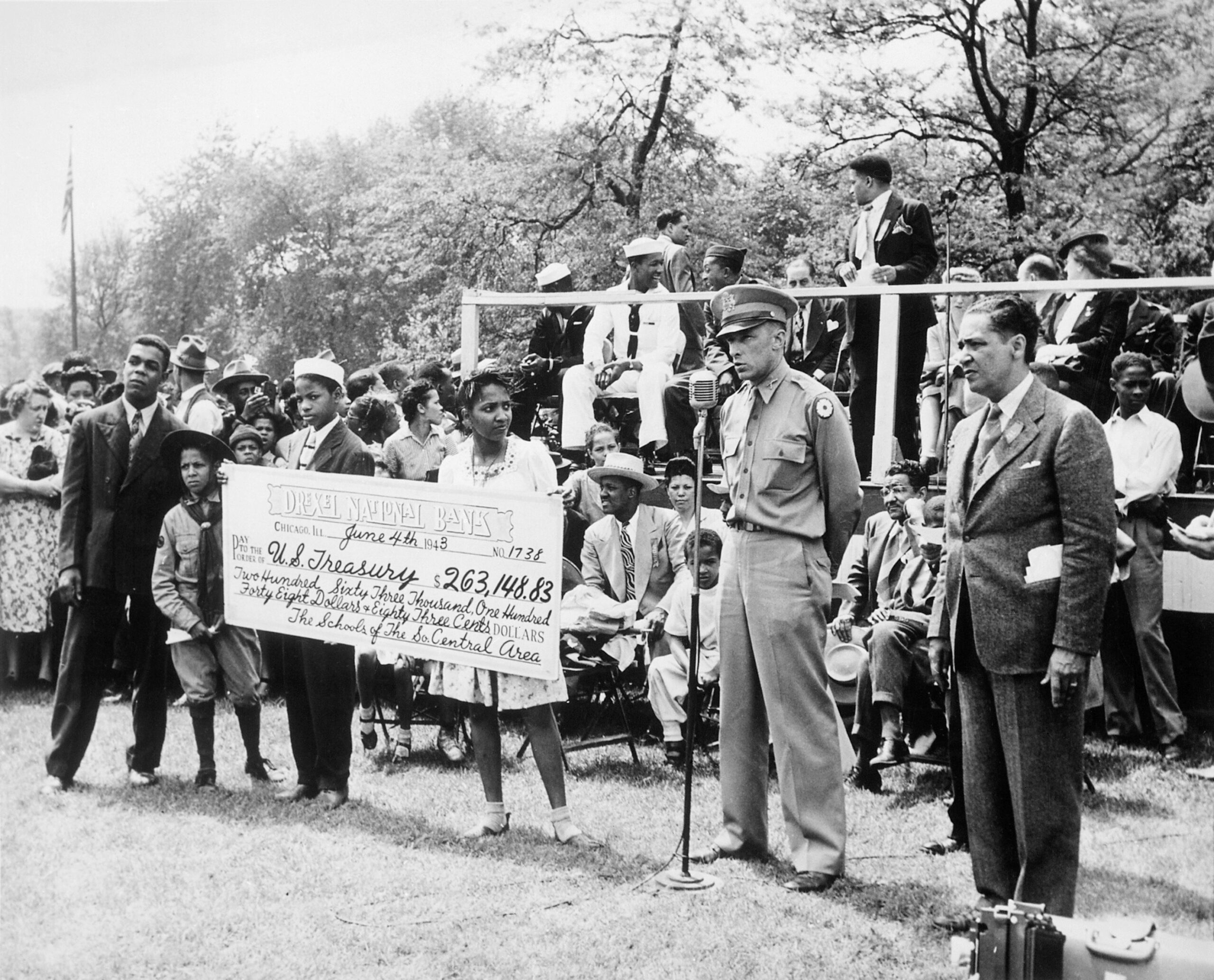
Public school children in Chicago’s South-Central District collectively raised $263,148.83 through war bonds and stamps. Their impressive contribution was enough to fund 125 jeeps, two pursuit planes, and a motorcycle for the war effort. In recognition of their achievement, an oversized check was presented to Maj. C. Udell Turpin of the Illinois War Bond Sales staff on June 4, 1943.
Image via Wikimedia Commons, public domain

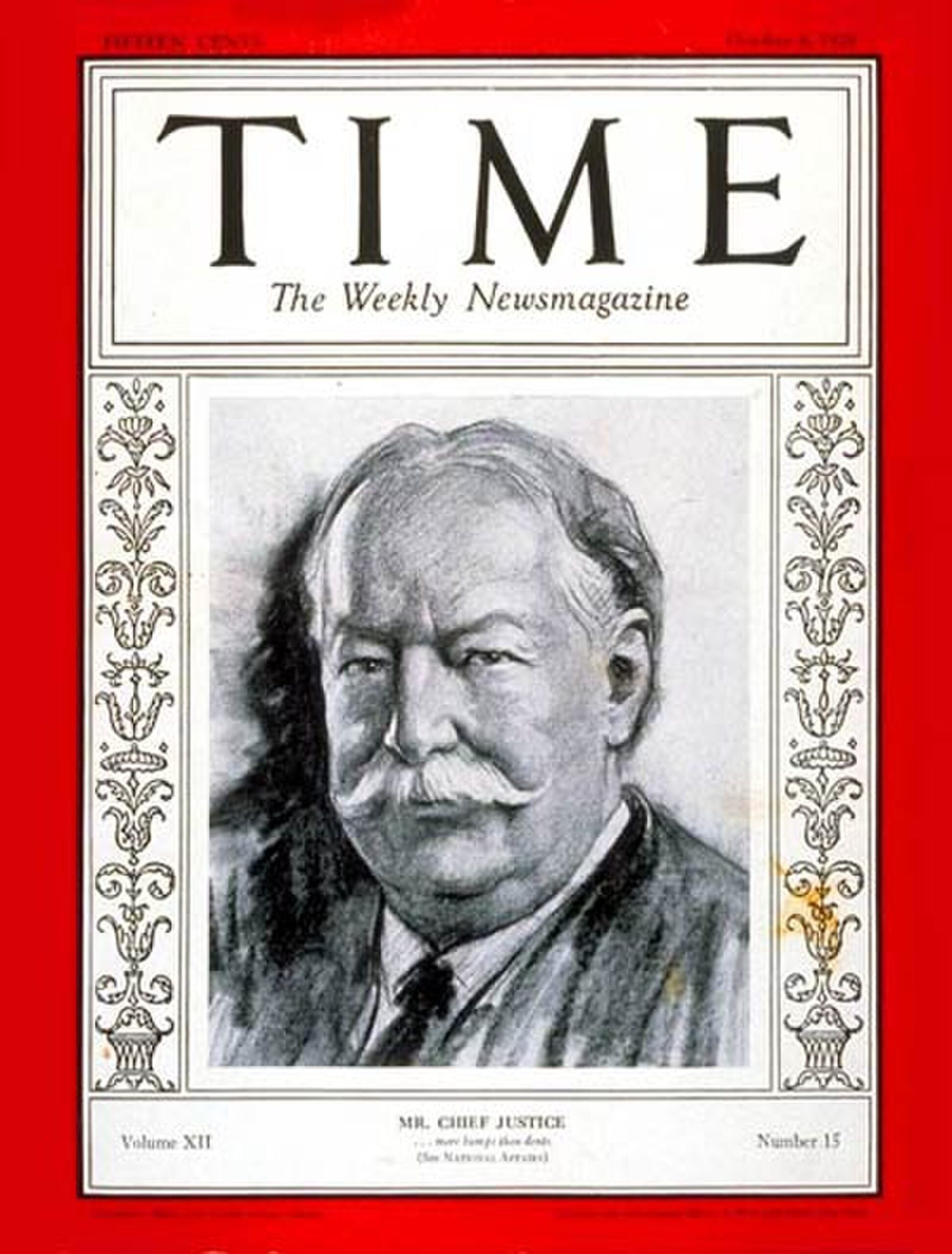
On June 4, 1928, the U.S. Supreme Court ruled that wiretapping without a search warrant was not a violation of the Fourth Amendment of the U.S. Constitution.
In Olmstead vs. The United States Supreme Court Justice William Howard Taft said:
“The amendment does not forbid what was done here. There was no searching. There was no seizure. The evidence was secured by the use of the sense of hearing and that only…”
Olmstead, a bootlegger, was sentenced to four years in prison, but later received a full pardon from FDR. A year after Olmstead’s death, in 1967, the U.S. Supreme Court overturned their Olmstead ruling in Katz vs. United States which acknowledged that protection of person’s rights extended to a “reasonable expectation of privacy.”
Image of a cover of Time Magazine featuring Supreme Court Justice and former U.S. President, William Howard Taft from 1928 via Wikimedia Commons, public domain

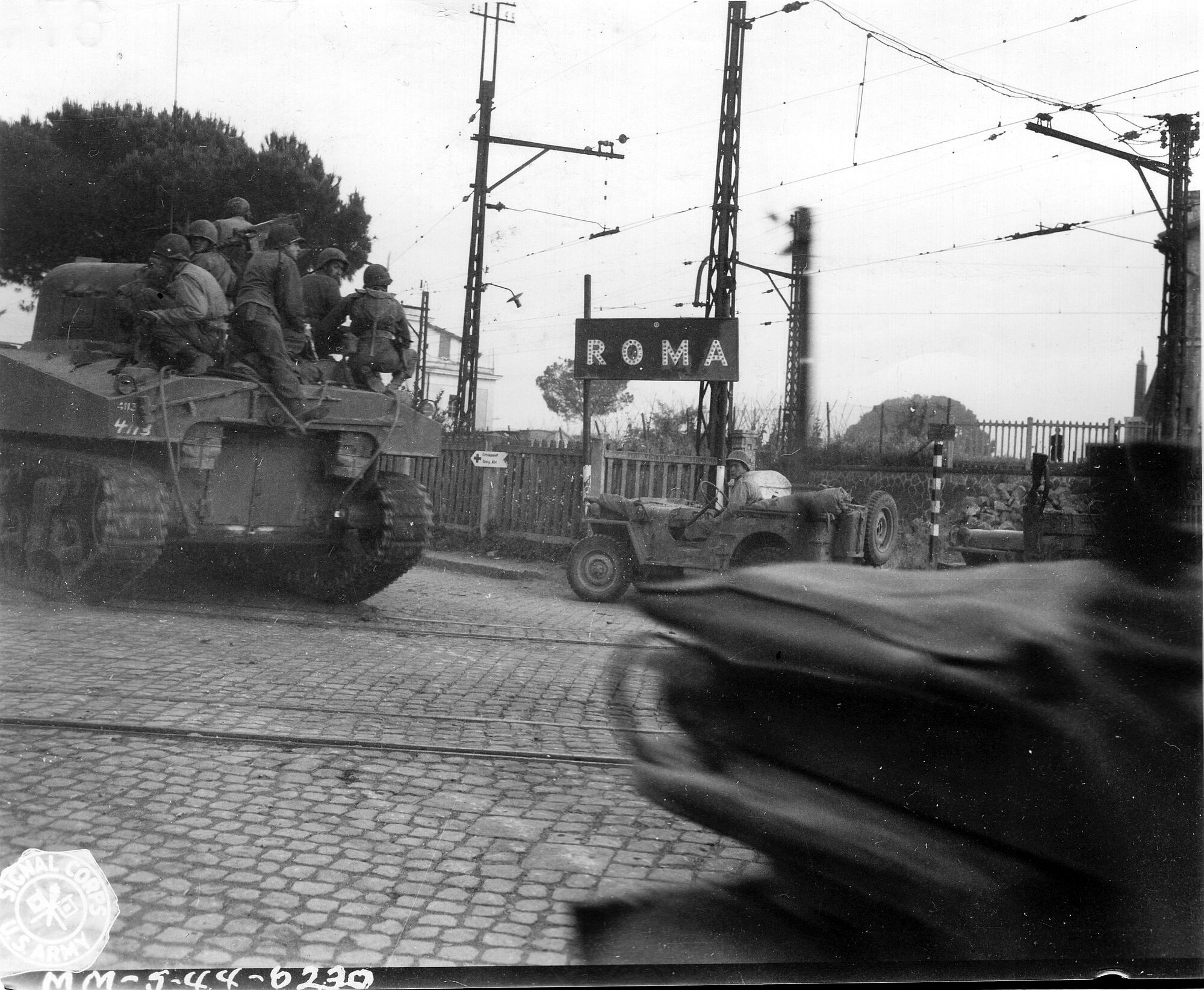
American tanks entering Rome, Italy on June 4, 1944.
Image via Wikimedia Commons, public domain

June 4, 1917 was the first time the Pulitzer Prize was awarded.
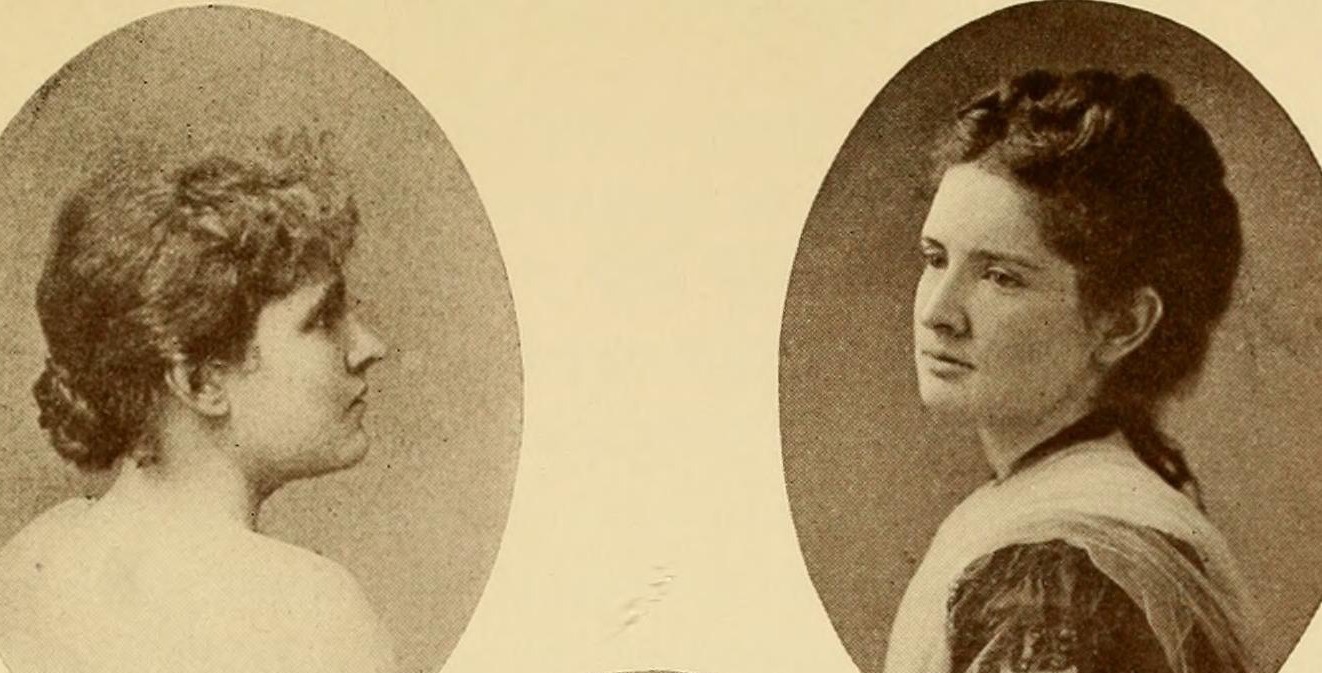
Sisters Maud H. Elliott and Laura E. Richards were awarded the Pulitzer Prize for the biography of their mother Julia Ward Howe.
Image via Wikimedia Commons, public domain