
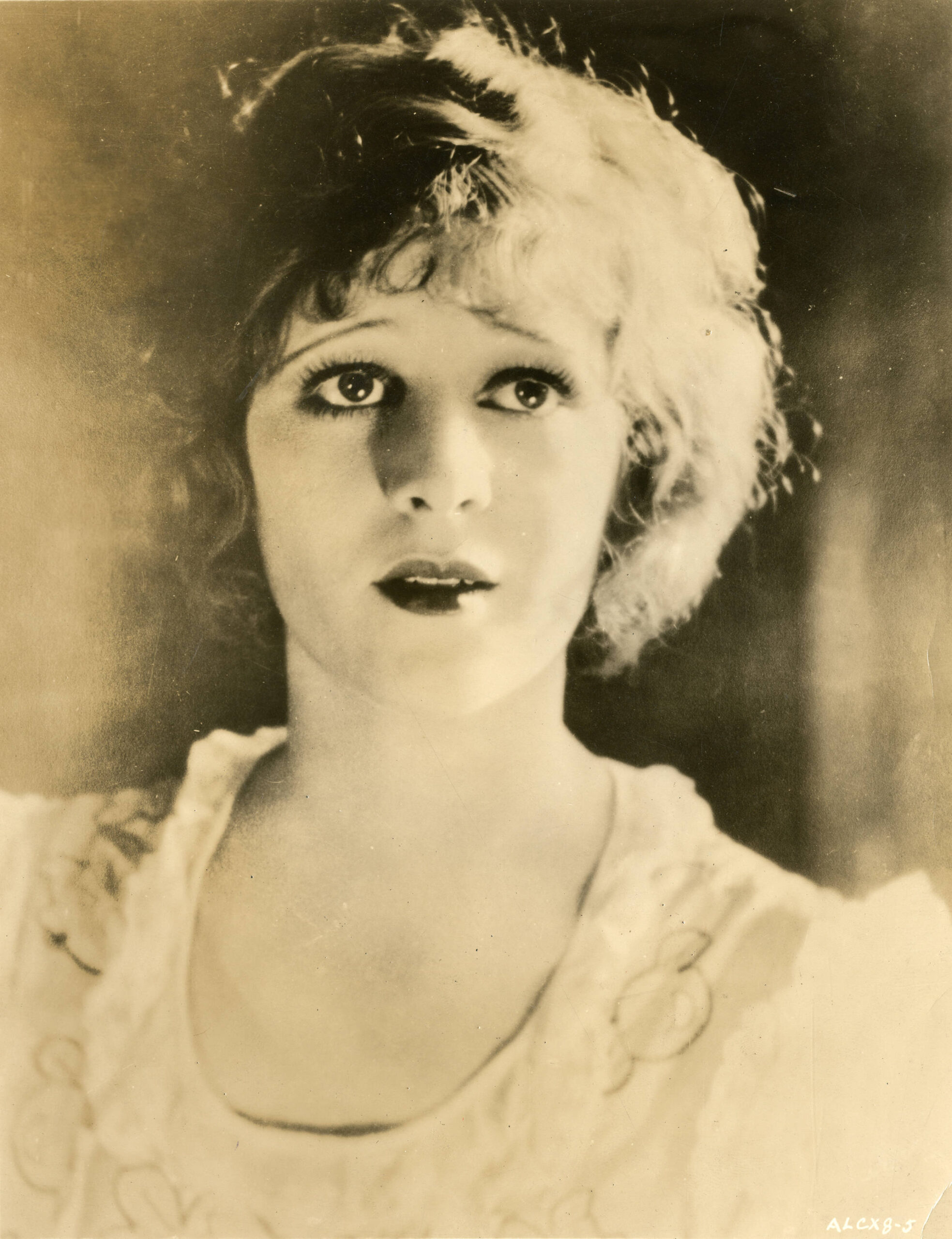
From Silver Screen to the Assembly Line
Born on June 22, 1902, Marguerite De La Motte was a major star during the golden age of silent cinema, frequently cast as the beautiful, sophisticated leading lady alongside Hollywood ...
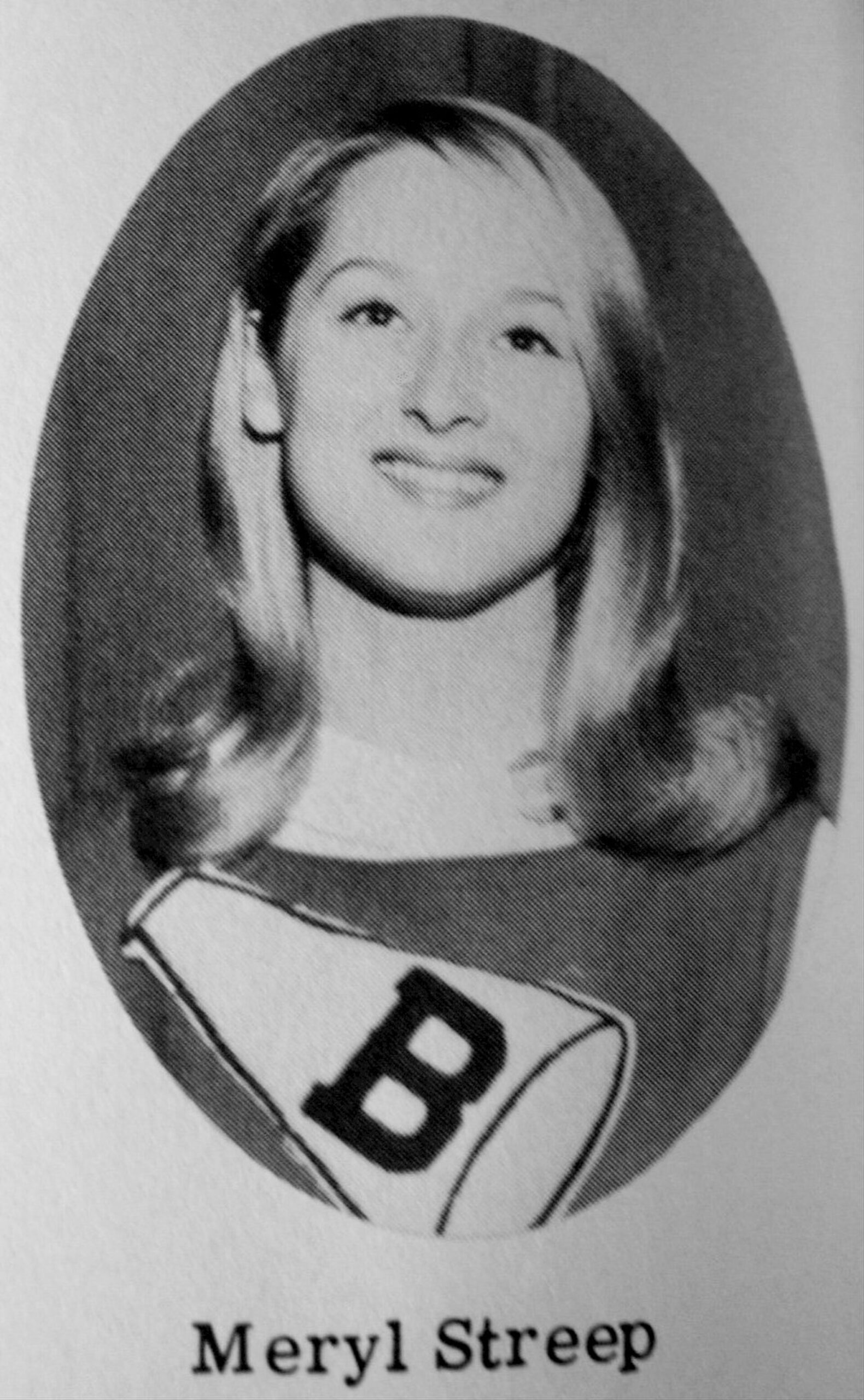
Hollywood Icon Meryl Streep Is Born
Born in Summit, New Jersey on June 22, 1949, Mary Louise “Meryl” Streep began a life that would eventually redefine the art of American acting. Rising through the New York ...
Freedom Sale: 25% Off All Items! Free Shipping $60+
https://heartfelthistory.com/shop/
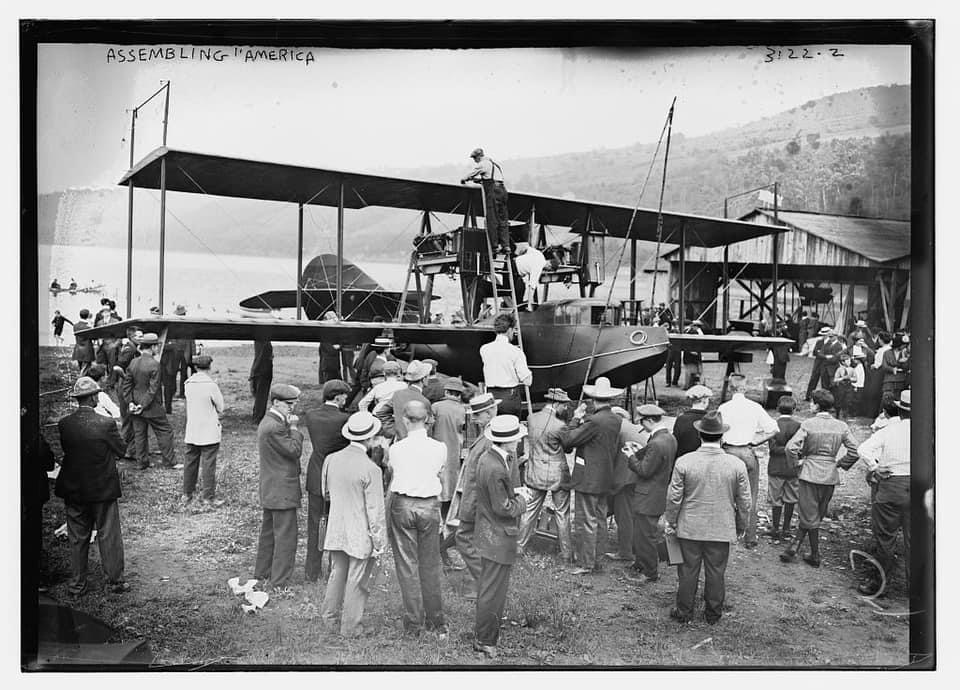
The Flying Boat Built to Cross an Ocean
- June 22, 1914 = On this date, technicians in upstate New York were photographed putting the finishing touches on the America, a revolutionary twin-engine flying boat designed by aviation ...
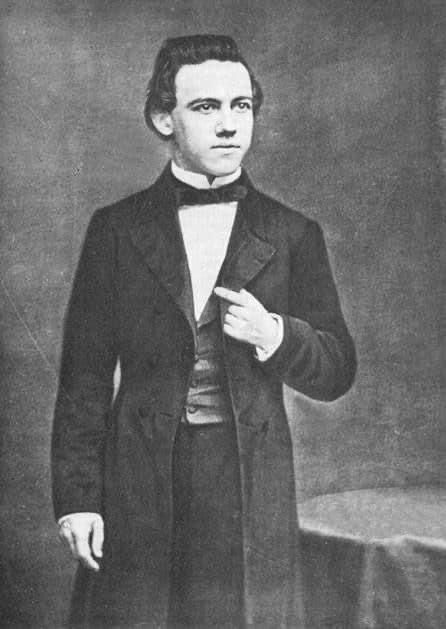
The Prodigy Who Conquered Europe
Born on June 22, 1837, Paul Morphy is widely considered by modern grandmasters to be the unofficial world champion of his era and one of the most brilliant tactical minds ...
Freedom Sale: 25% Off All Items! Free Shipping $60+
https://heartfelthistory.com/shop/
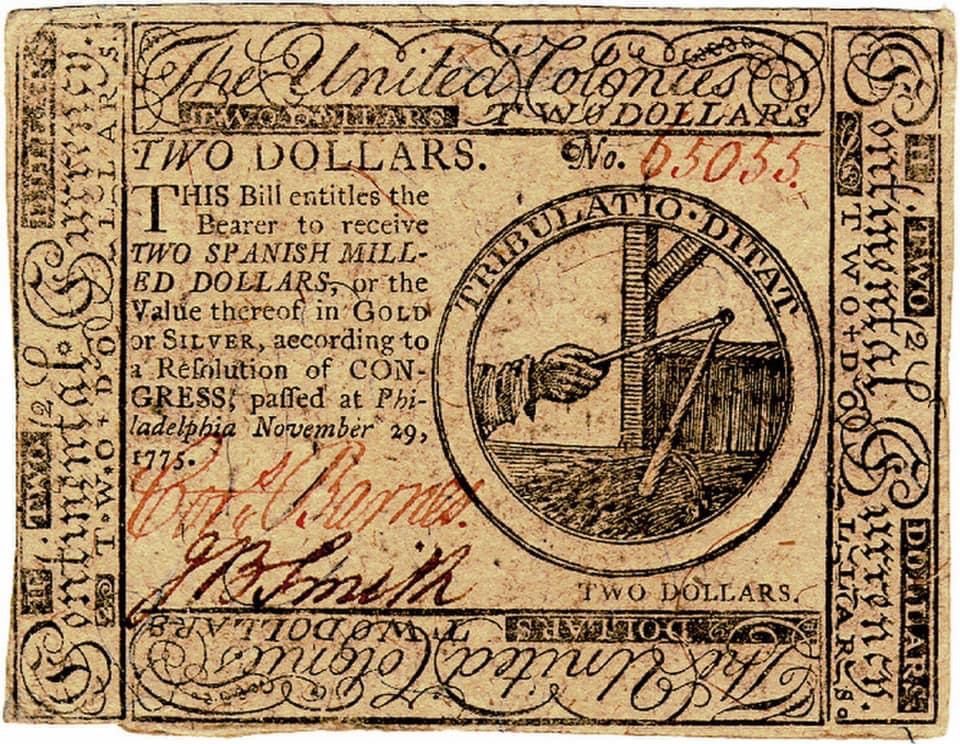
Printing the Price of Revolution
- June 22, 1775 - Facing an imminent war with Great Britain without a national treasury, the Continental Congress took a massive gamble by authorizing the issuance of two million ...
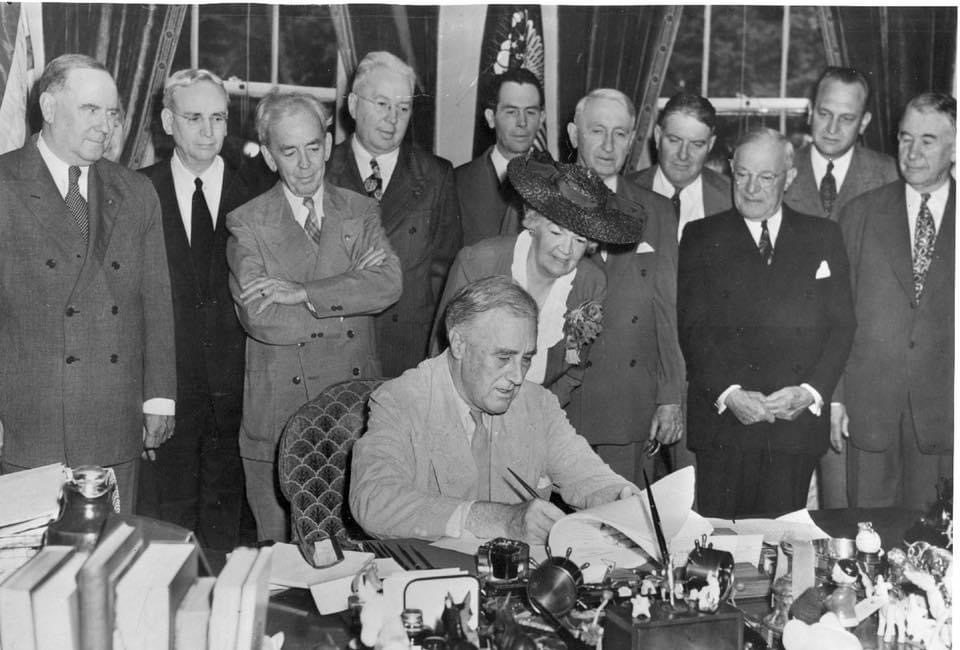
Rewriting the American Middle Class
- June 22, 1944 - With World War II still raging across two oceans, President Roosevelt signed the Servicemen’s Readjustment Act, an unprecedented piece of social legislation widely known as ...
Freedom Sale: 25% Off All Items! Free Shipping $60+
https://heartfelthistory.com/shop/
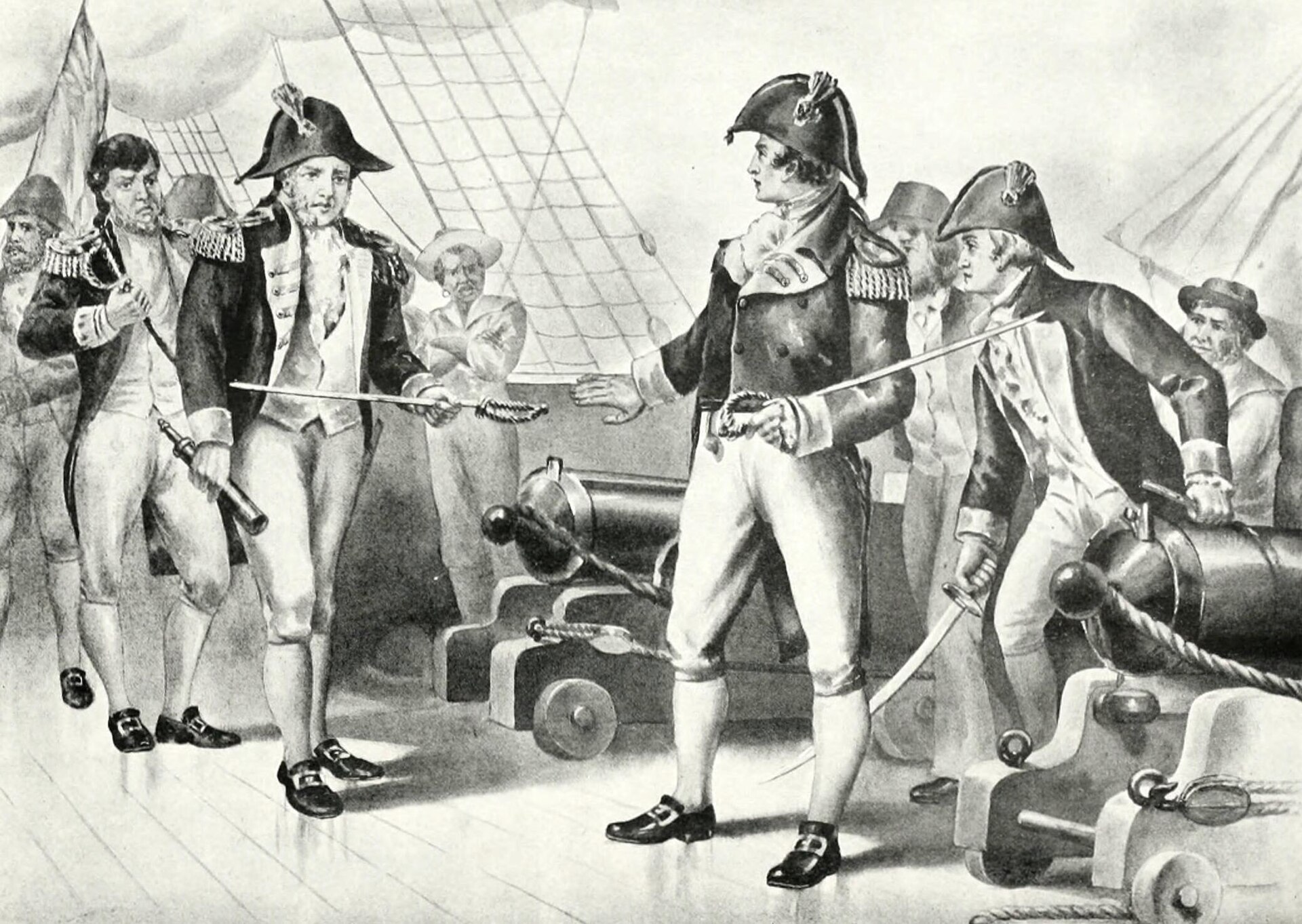
The Spark of War and Personal Vengeance: The Chesapeake-Leopard Affair
- June 22, 1807 - In a dramatic escalation of maritime hostility, the British warship HMS Leopard intercepted and opened fire on the American frigate USS Chesapeake just off the ...
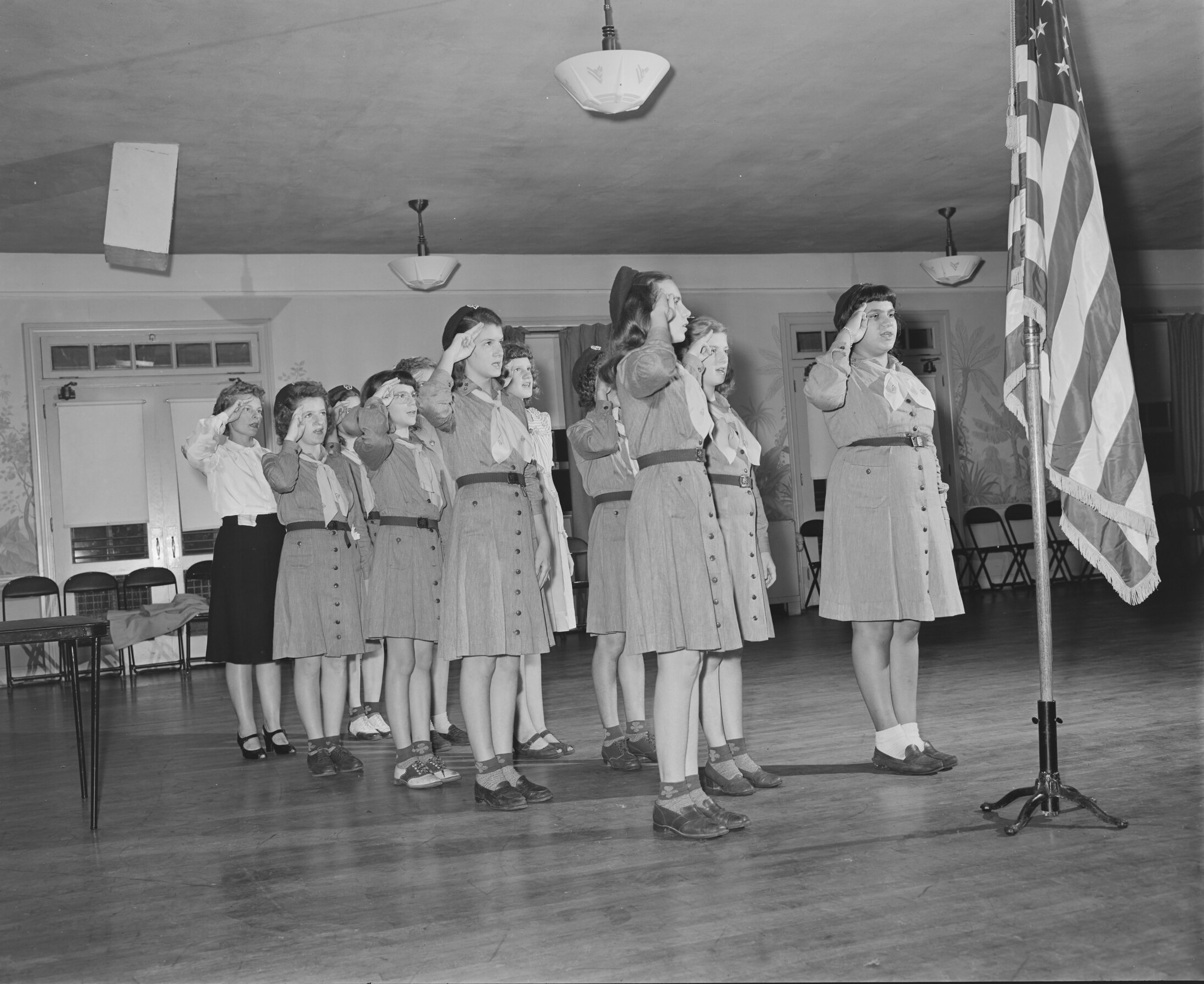
A New Salute for a United Nation
- June 22, 1942 - As the United States mobilized for the existential threat of World War II, Congress officially codified the Pledge of Allegiance to strengthen national unity and ...
Freedom Sale: 25% Off All Items! Free Shipping $60+
https://heartfelthistory.com/shop/
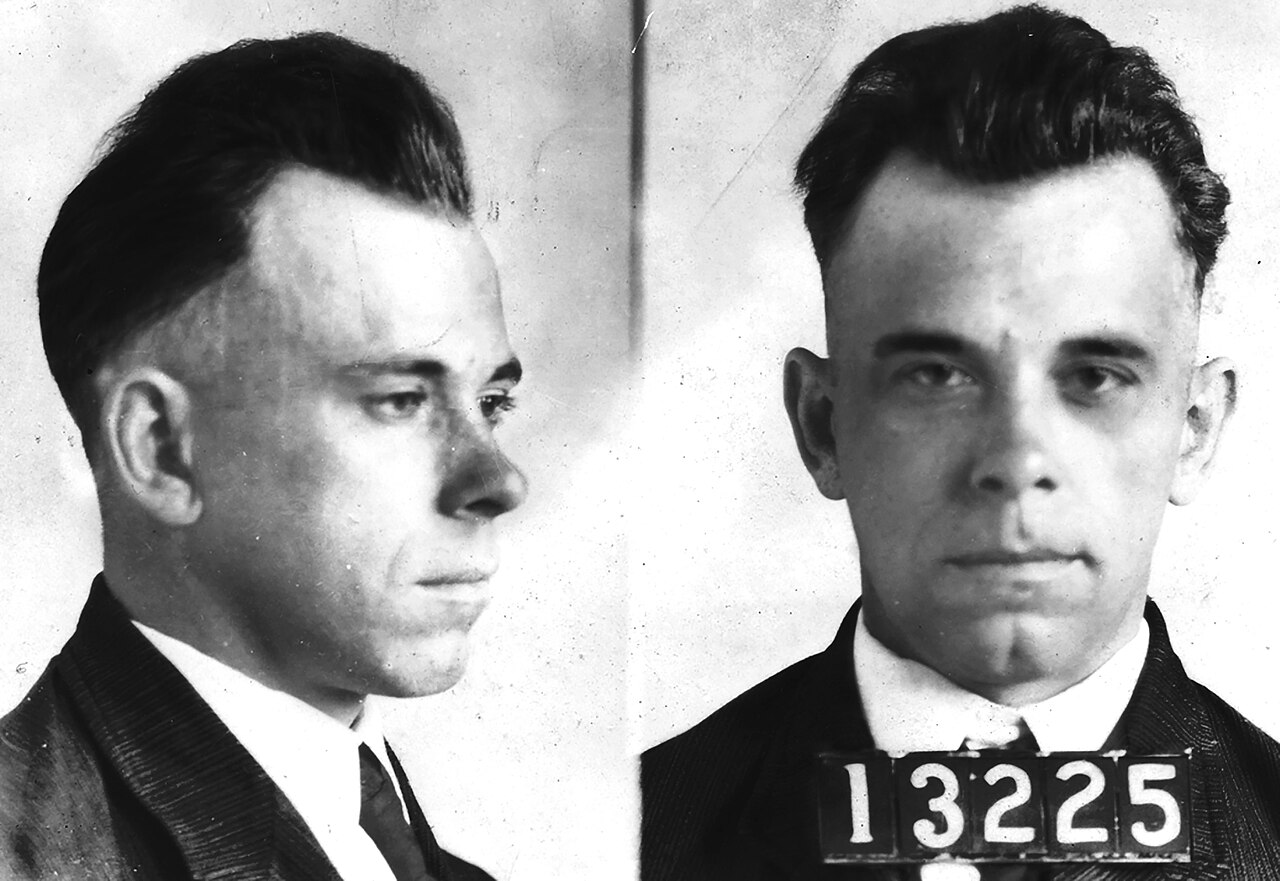
Chasing the “Jackrabbit”: How One Elusive Criminal Gave Rise to the FBI
Born in Indianapolis, Indiana, on June 22, 1903, John Dillinger grew up in a turbulent household marked by the early death of his mother and a strained relationship with his ...
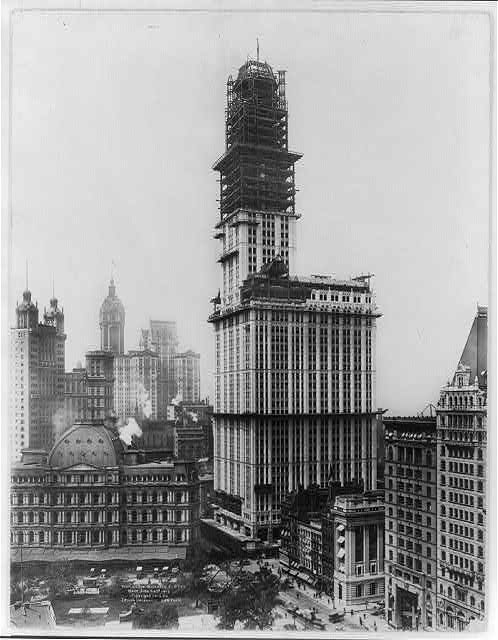
Rearing a Cathedral of Commerce
- June 22, 1912 - A dramatic bird’s-eye photograph from this date captures the steel skeleton of the Woolworth Building rapidly climbing above Manhattan. Financed entirely in cash by five-and-dime ...
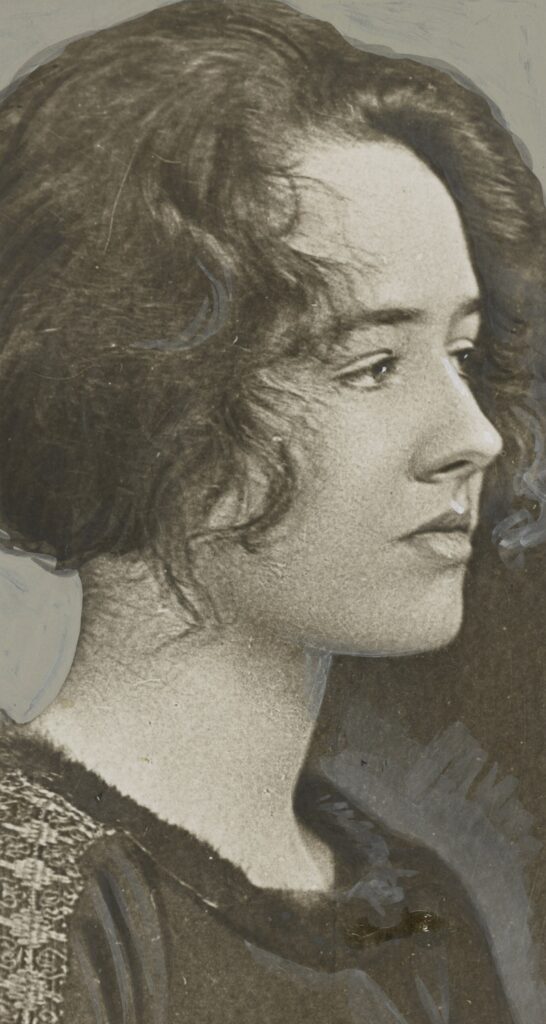
Aviation Pioneer Anne Morrow Lindbergh Is Born
Born into a prominent family in Englewood, New Jersey, on June 22, 1906, Anne Morrow Lindbergh grew up to become a towering figure in early American aviation and literature. After ...
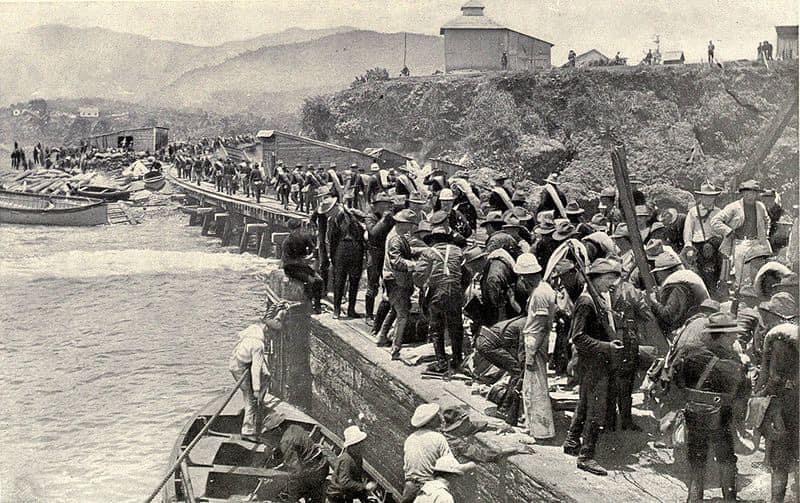
The Chaotic Landing at Daiquiri
- June 22, 1898 - Without facing any initial resistance from Spanish coastal defenses, American forces began landing thousands of troops on the beaches of Daiquiri, Cuba. The operation quickly ...
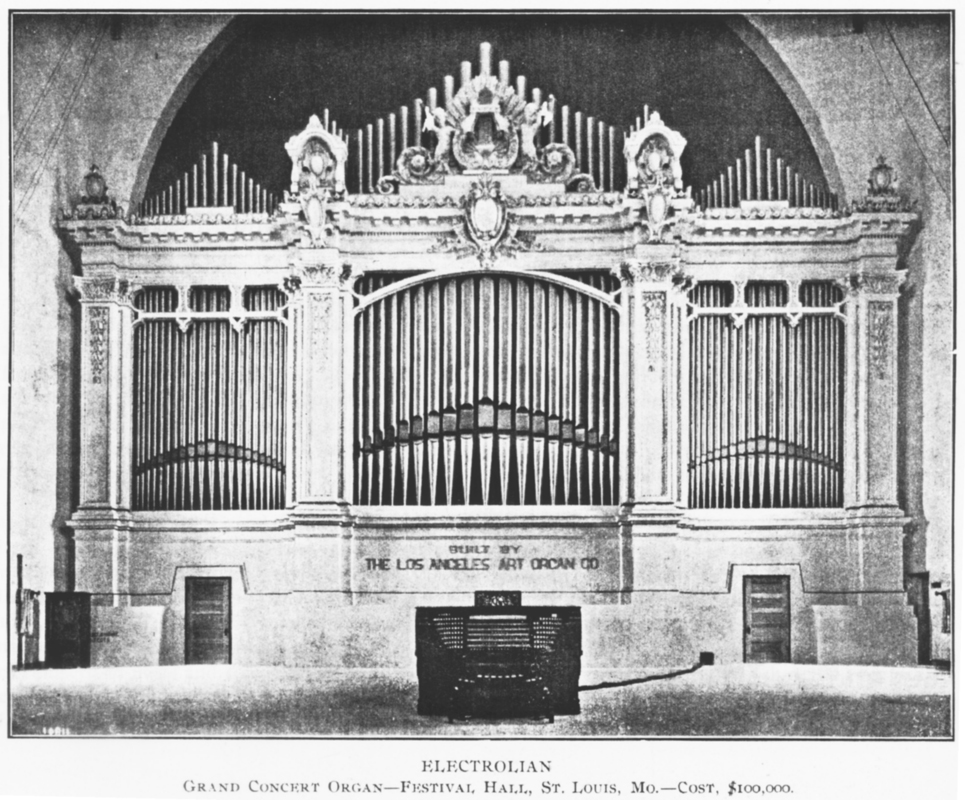
The Voice of the Department Store
- June 22, 1911 - After being salvaged from the 1904 St. Louis World’s Fair and transported in 13 separate railroad cars, the largest functioning pipe organ in the world ...
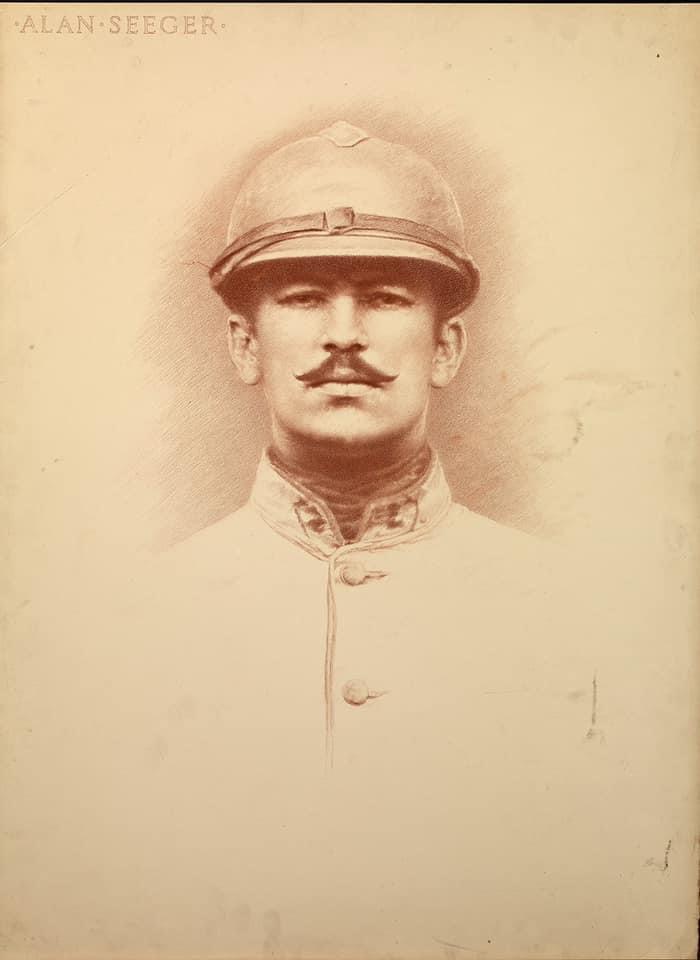
The Fatalistic Poet of the Trenches
Born into a wealthy and cultured New York family on June 22, 1888, Alan Seeger would grow up to become one of the most haunting literary voices of the First ...
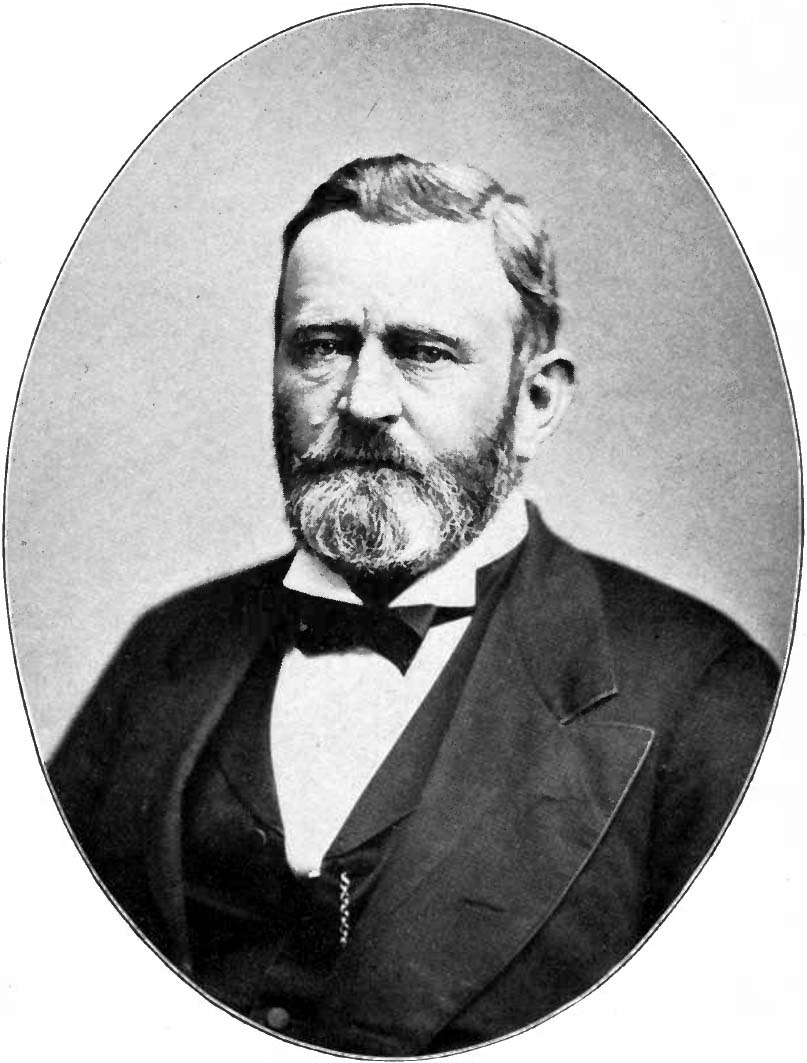
President Ulysses S. Grant Signs the Bill Creating the U.S. Department of Justice
- June 22, 1870 - Before this landmark piece of legislation, federal legal matters were a fragmented mess handled by scattered district attorneys and a severely understaffed Attorney General. The ...

The Architect of Basketball Showmanship
Born in Aliquippa, Pennsylvania, on June 22, 1947, “Pistol” Pete Maravich grew up to completely rewrite the rules of basketball style and showmanship. Long before the three-point line or the ...
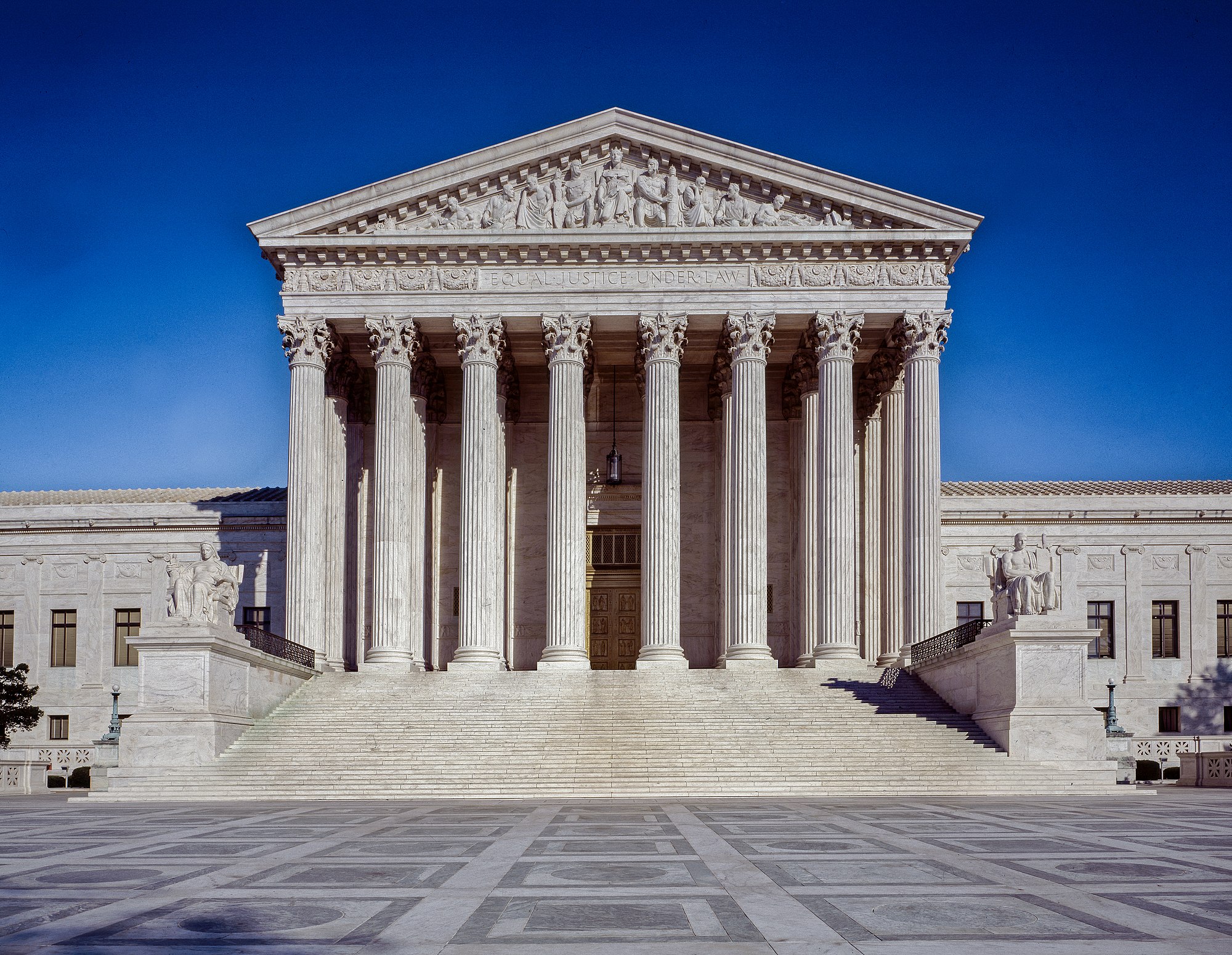
Reimagining the American Jury
- June 22, 1970 - In the historic case Williams v. Florida, the U.S. Supreme Court completely upended centuries of legal tradition by declaring that the Sixth Amendment does not ...
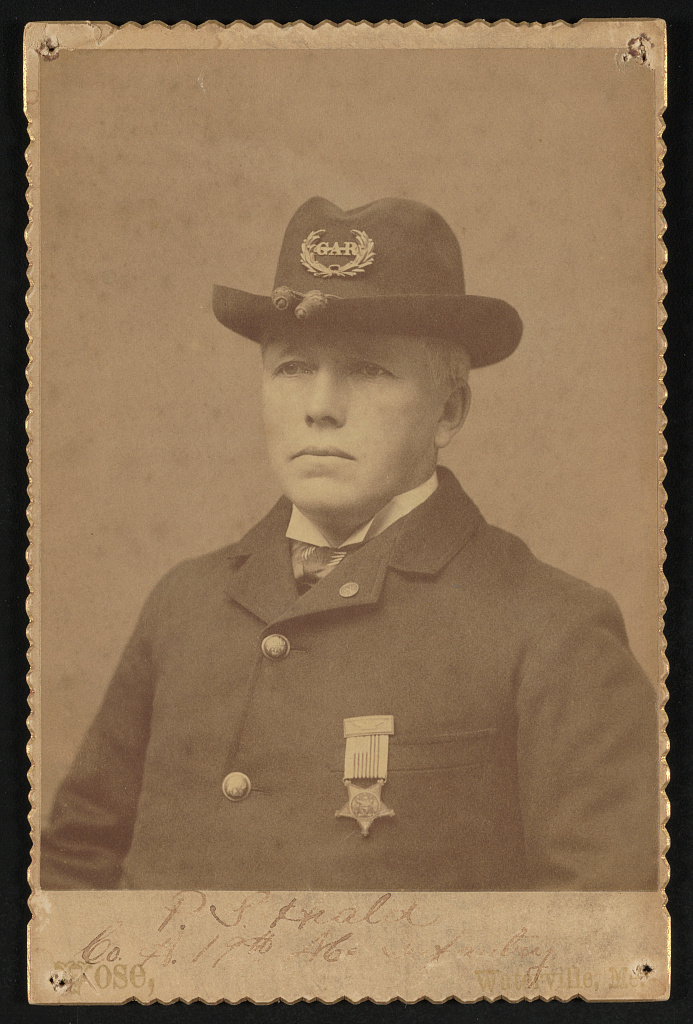
Strangling the Confederate Supply Lines
- June 22, 1864 - Under the direct supervision of Major General George G. Meade, Union forces pushed outward from their lines to strike the Weldon Railroad during the opening ...
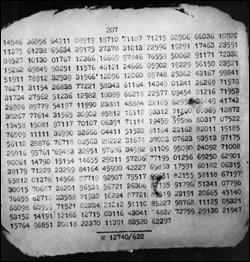
The Coin That Unraveled a Soviet Spy Ring
- June 22, 1953 - While collecting subscription money for the Brooklyn Eagle newspaper, 14-year-old Jimmy Bozart was handed a nickel that felt strangely light and hollow. When he accidentally ...