New Jersey: The Crown’s Shoreline Gamble
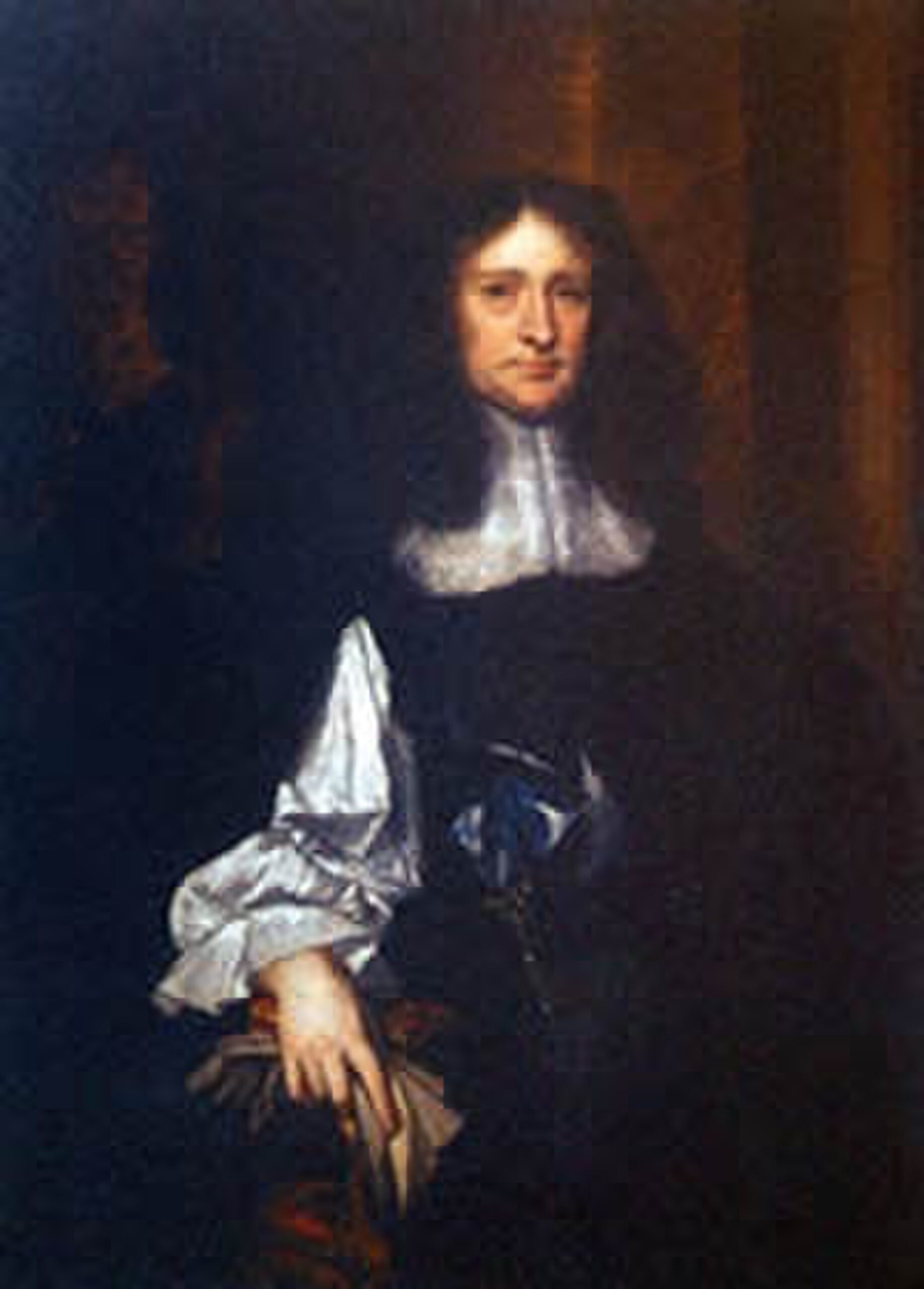
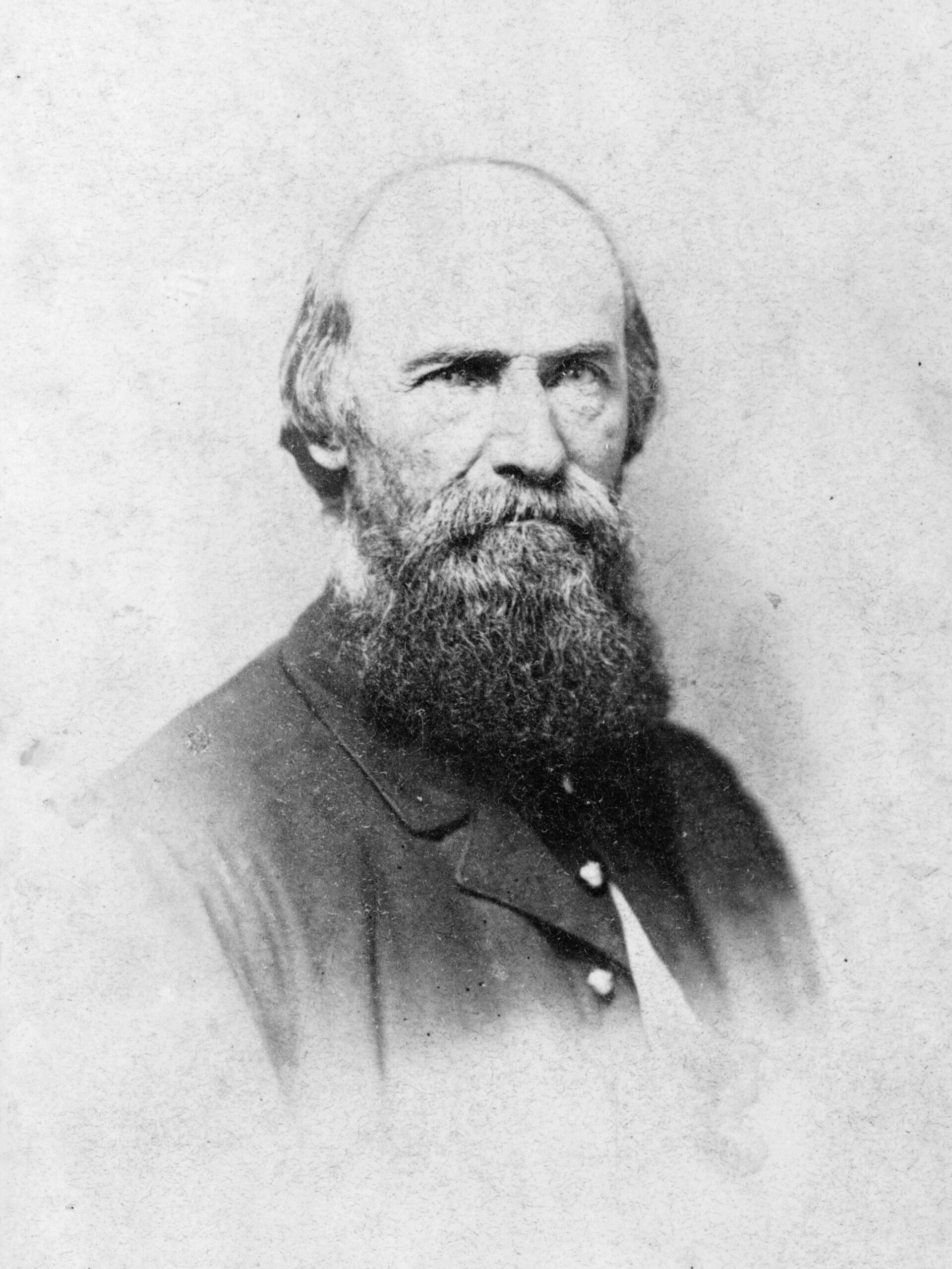
When James, Duke of York, officially granted the proprietary rights of the land between the Hudson and Delaware rivers to Sir George Carteret (shown) and Lord John Berkeley on June ...
The Currency of Achievement: Henry Ward Beecher’s Hollow Nest
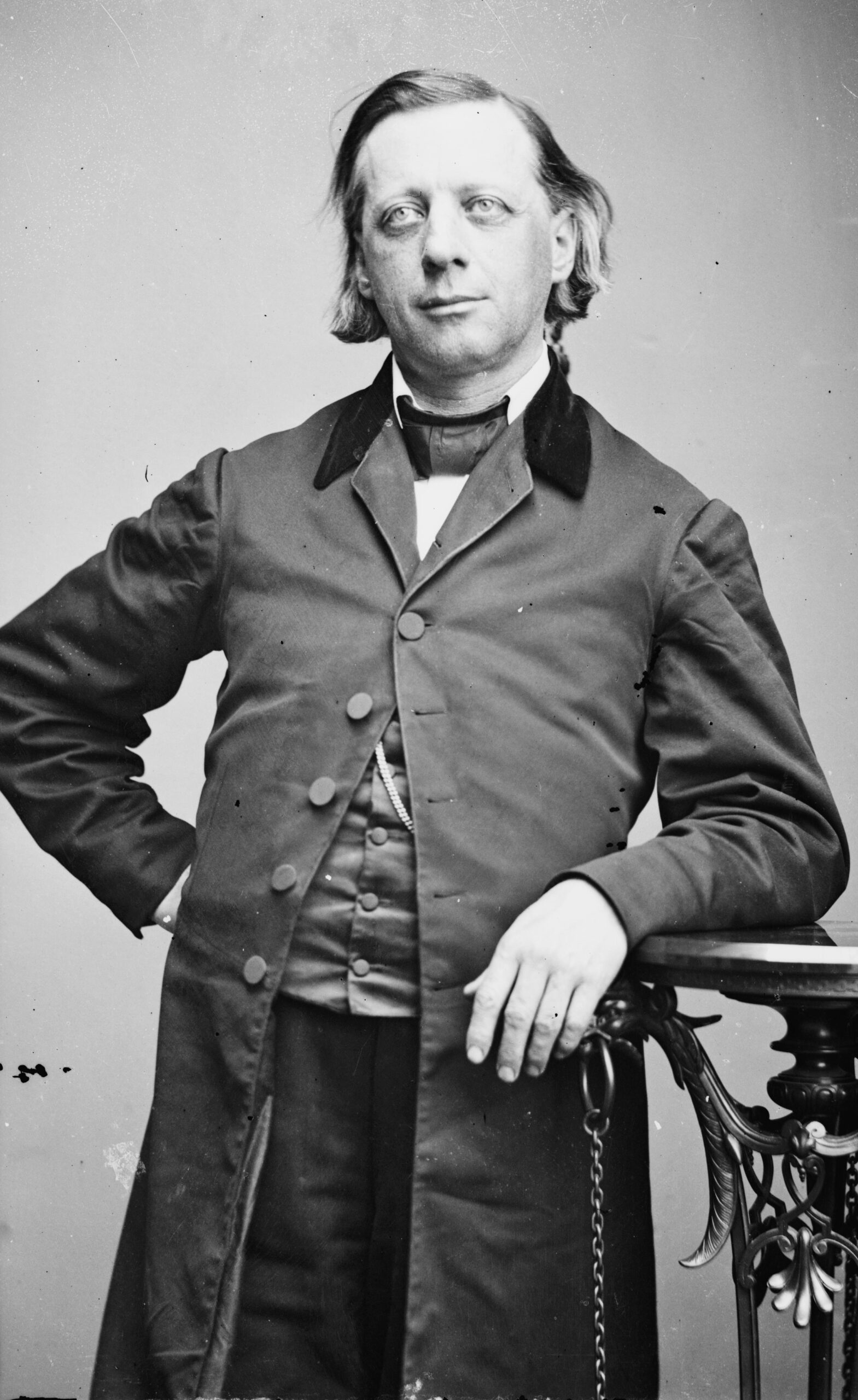
Born on June 24, 1813, in Litchfield, Connecticut, Henry Ward Beecher rose to become one of the nineteenth century’s most influential clergymen, social reformers, and abolitionists. Renowned for his booming ...
Freedom Sale: 25% Off All Items! Free Shipping $60+
https://heartfelthistory.com/shop/

The Day the Sky Exploded: The Chicora Atmosphere Shock
At approximately 6:00 PM on June 24, 1938, a massive meteor—estimated by some scientists at up to one million pounds—tore into the Earth’s atmosphere, detonating roughly twelve miles above the ...
The Anatomy of Aftermath: Ambrose Bierce’s Haunting Realism
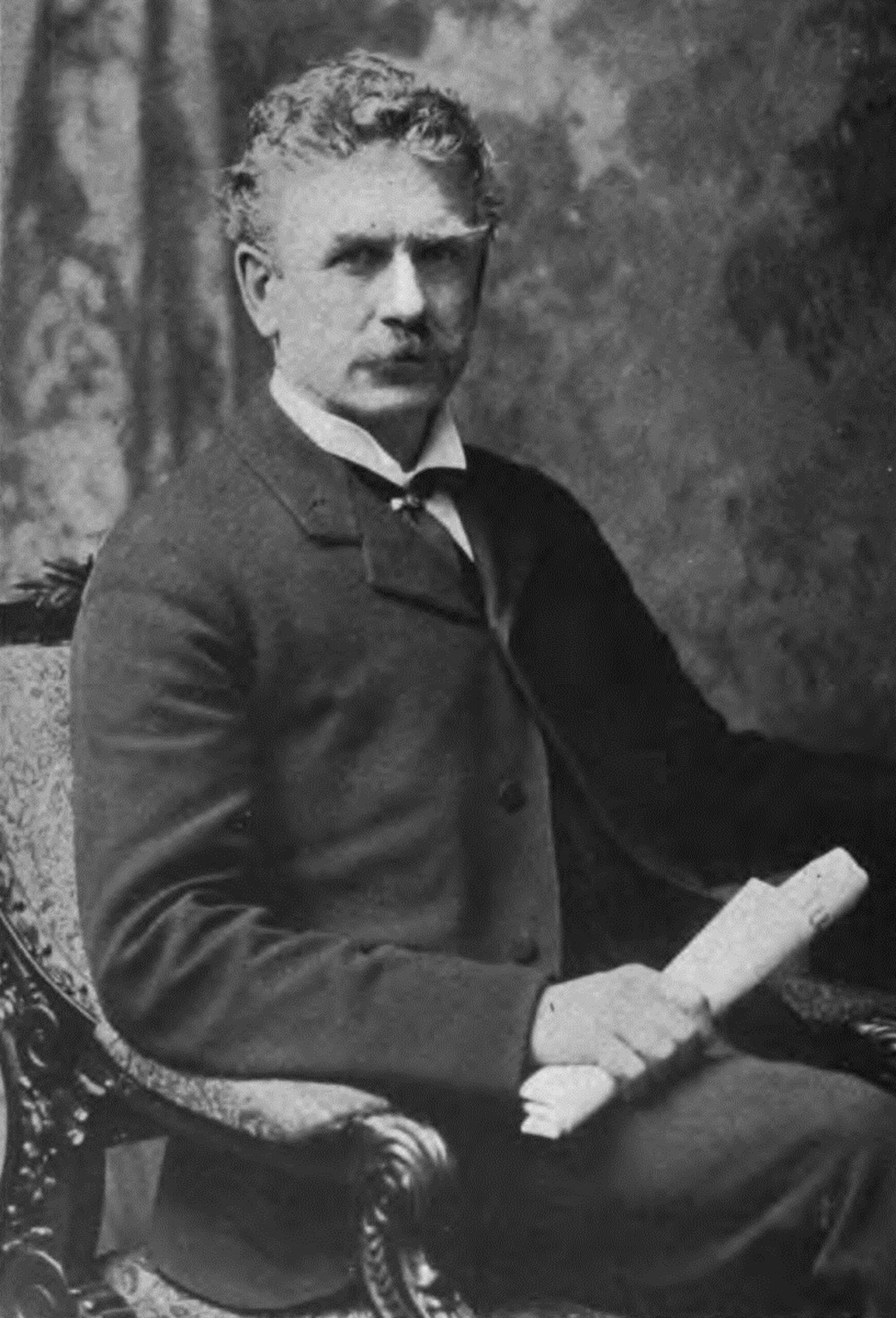
Born on June 24, 1842, in Meigs County, Ohio, Ambrose Bierce carried the psychological scars of the American Civil War throughout his entire literary career. Having served bravely as a ...
Freedom Sale: 25% Off All Items! Free Shipping $60+
https://heartfelthistory.com/shop/
Tactical Turbulence: Willich’s Precision Assault at Liberty Gap
The fierce fighting that erupted at Liberty Gap, Tennessee, on June 24, 1863, marked a crucial tactical breakthrough for Union forces during the Tullahoma Campaign. Tasked with dislodging entrenched Confederate ...
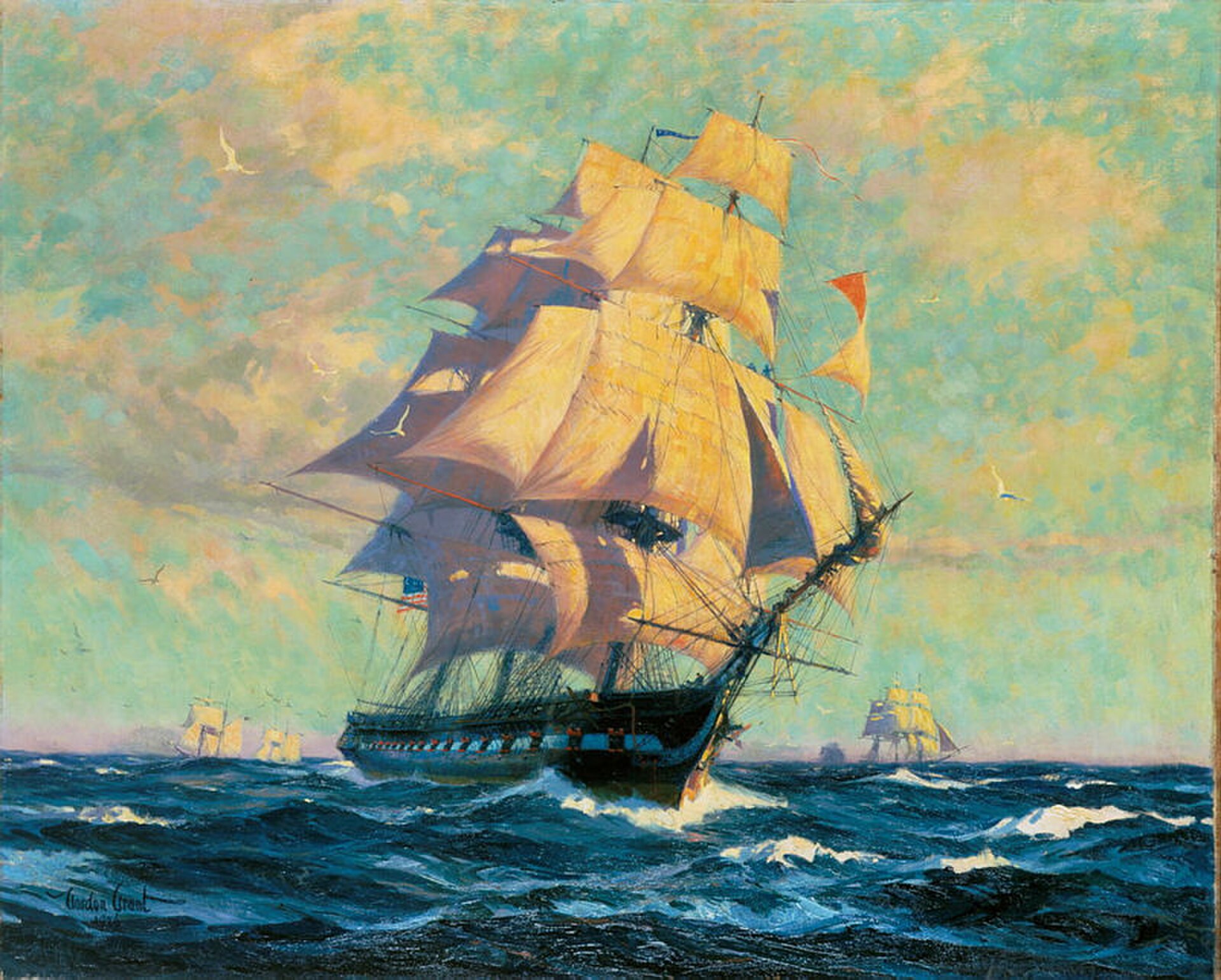
The Constitution in the Cradle: Dry‑Docking Old Ironsides
On June 24, 1833, the legendary heavy frigate USS Constitution achieved a historic milestone by becoming the first ship to enter the newly constructed dry dock at the Charlestown Navy ...
Freedom Sale: 25% Off All Items! Free Shipping $60+
https://heartfelthistory.com/shop/
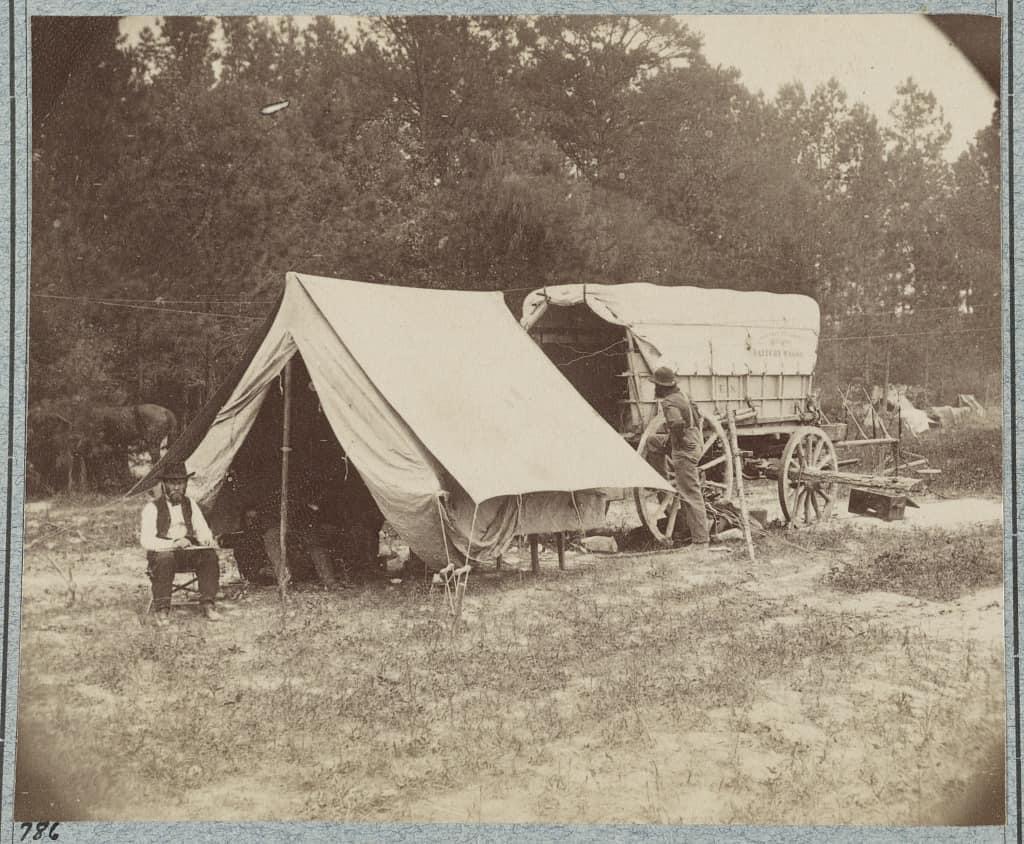
The Electronic Overlord: Mobilizing the Potomac’s Telegraph Corps
Captured on June 24, 1864, during the grueling Overland and Petersburg campaigns, this photograph of the U.S. Military Telegraph Corps battery wagon captures a profound technological shift in the history ...
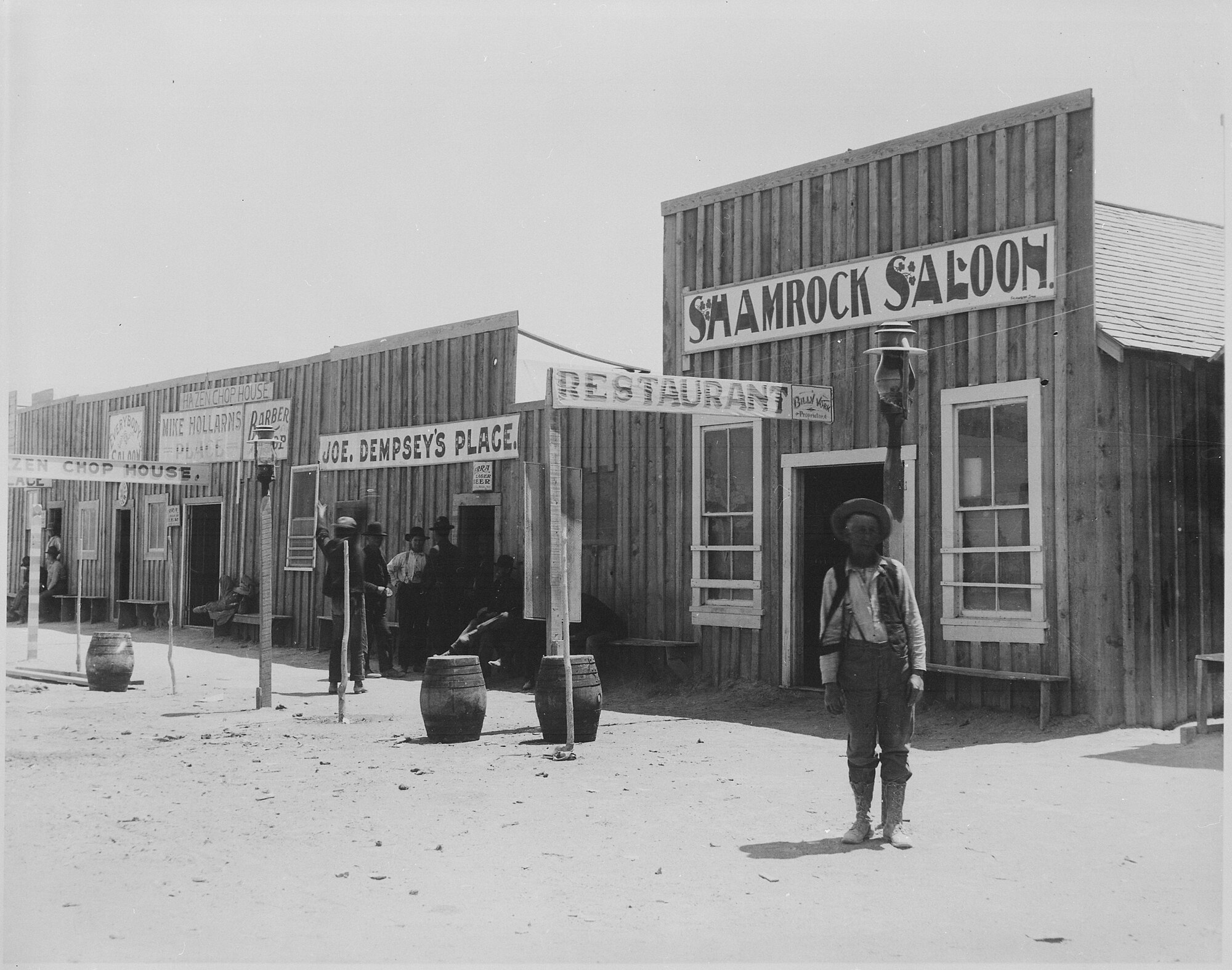
Outpost of Vice: The Fleeting Empire of Hazen, Nevada
Captured on June 24, 1905, this stark photograph of the saloons and unregulated spaces of Hazen, Nevada, captures the raw reality of a Western boomtown at its peak. Hazen had ...
Freedom Sale: 25% Off All Items! Free Shipping $60+
https://heartfelthistory.com/shop/
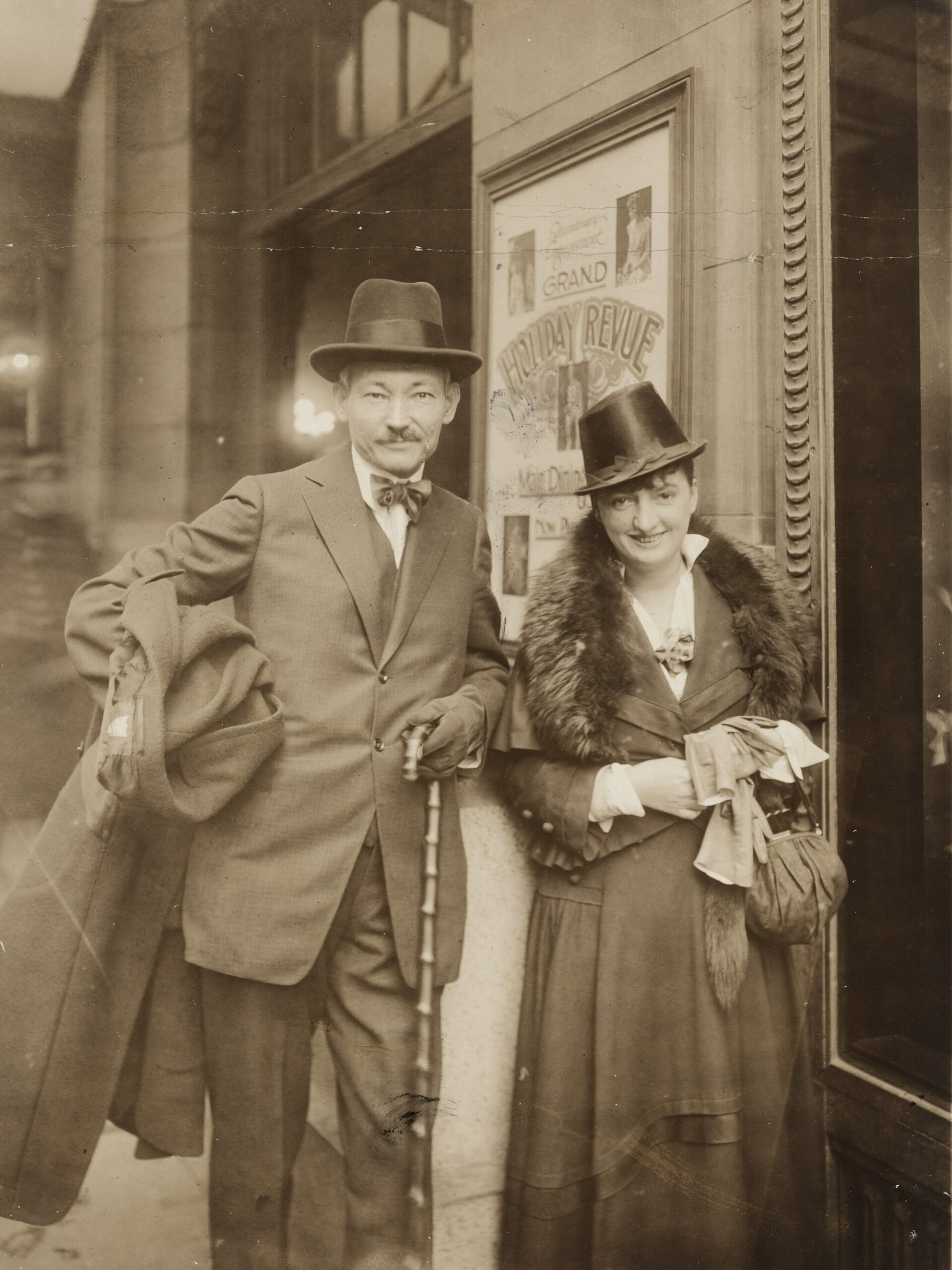
The Ashcan Rebellion: Henri and Organ’s Raw America
Born on June 24, 1865, Robert Henri became the rebellious driving force behind the Ashcan School, an artistic movement that defiantly rejected the sanitized, academic traditions of the Gilded Age ...
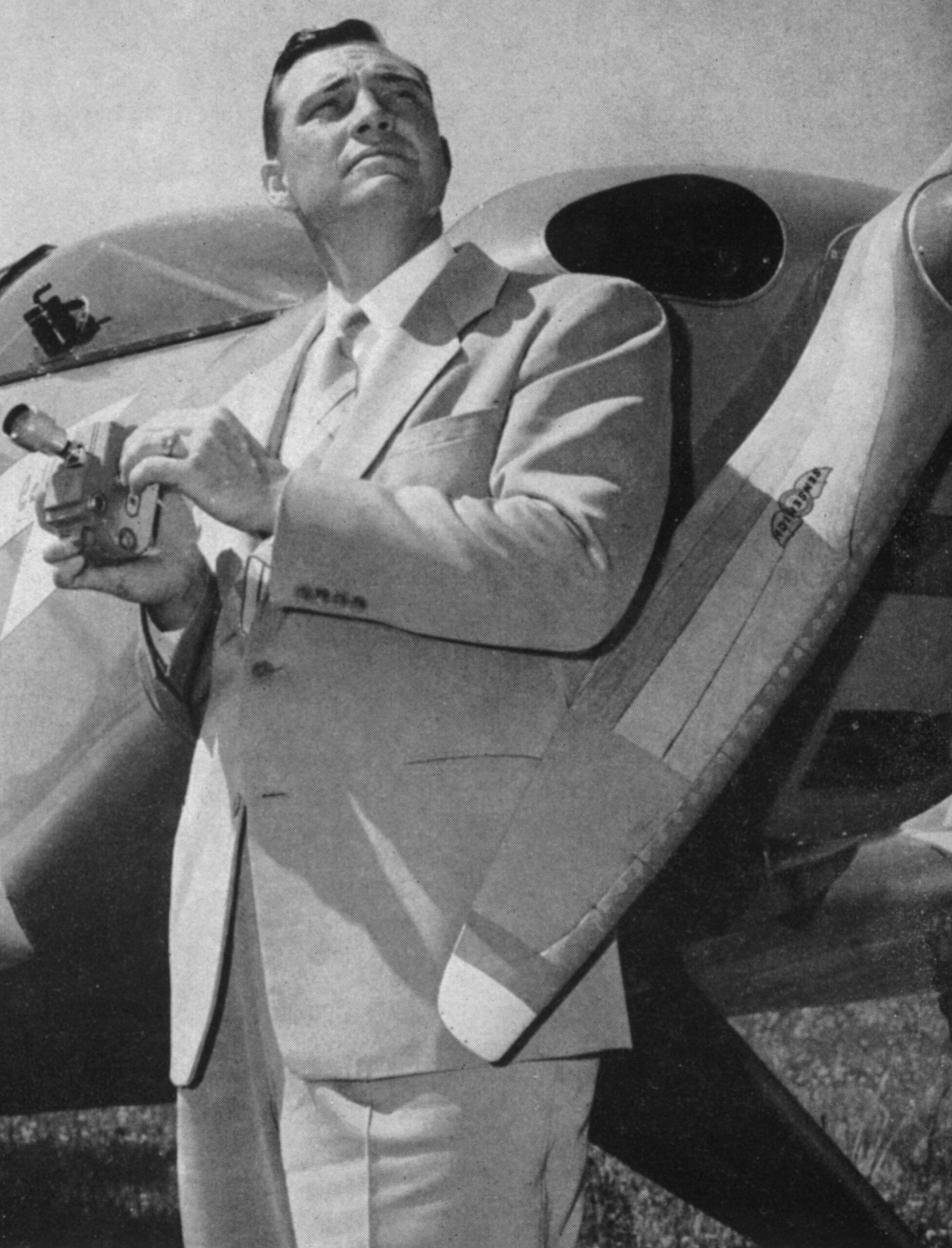
The Modern Mythos: Kenneth Arnold and the Saucer Panic
On June 24, 1947, private pilot and businessman Kenneth Arnold (shown) was flying near Mount Rainier, Washington, when he spotted nine mysterious, brilliantly bright objects flying in a precise echelon ...
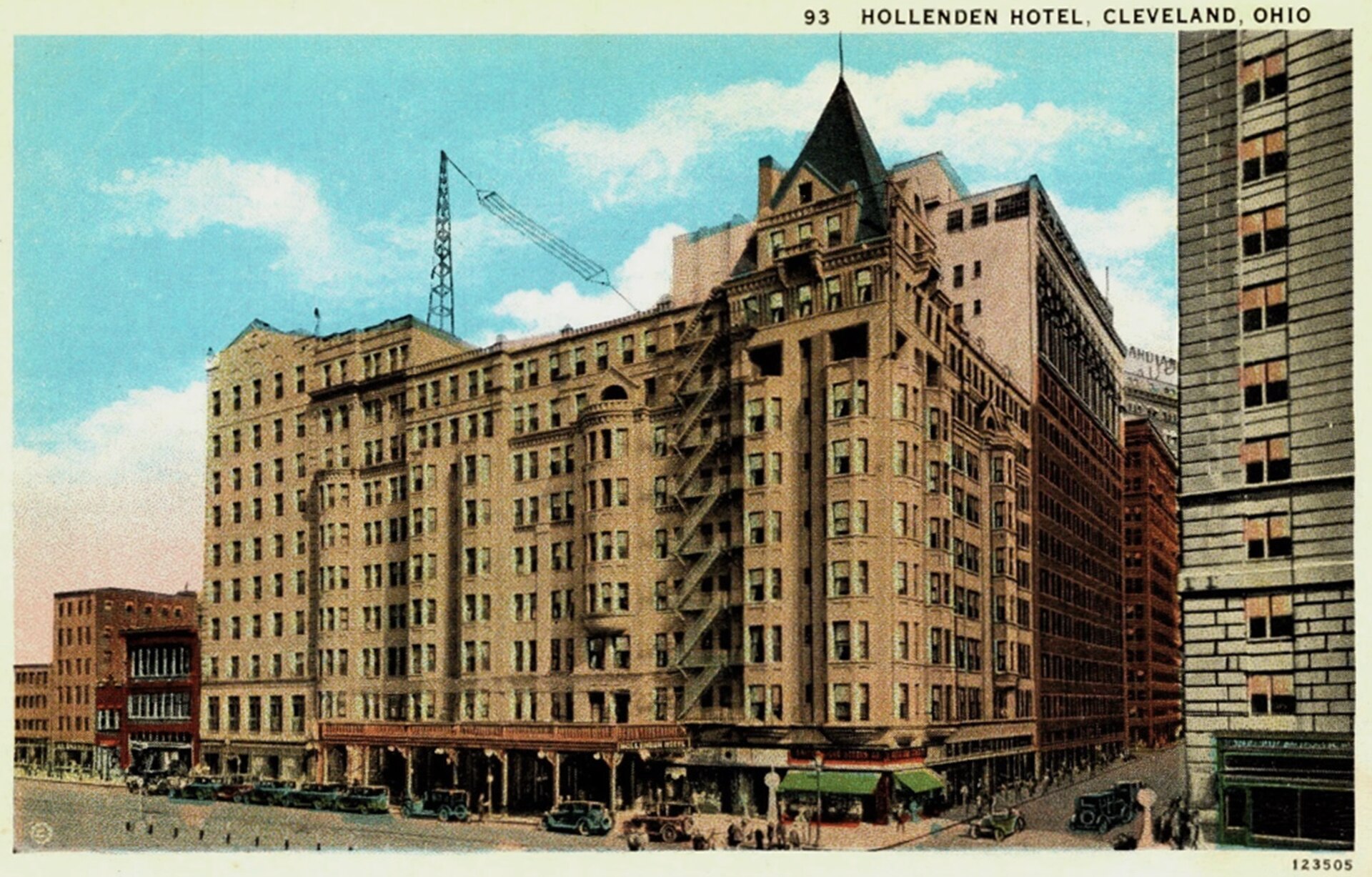
Standardizing the Gridiron: The Birth of the National Football League
On June 24, 1922, the chaotic landscape of early American sports was permanently reshaped when team owners met in Cleveland’s Hollenden Hotel (shown) and voted to officially rename the American ...
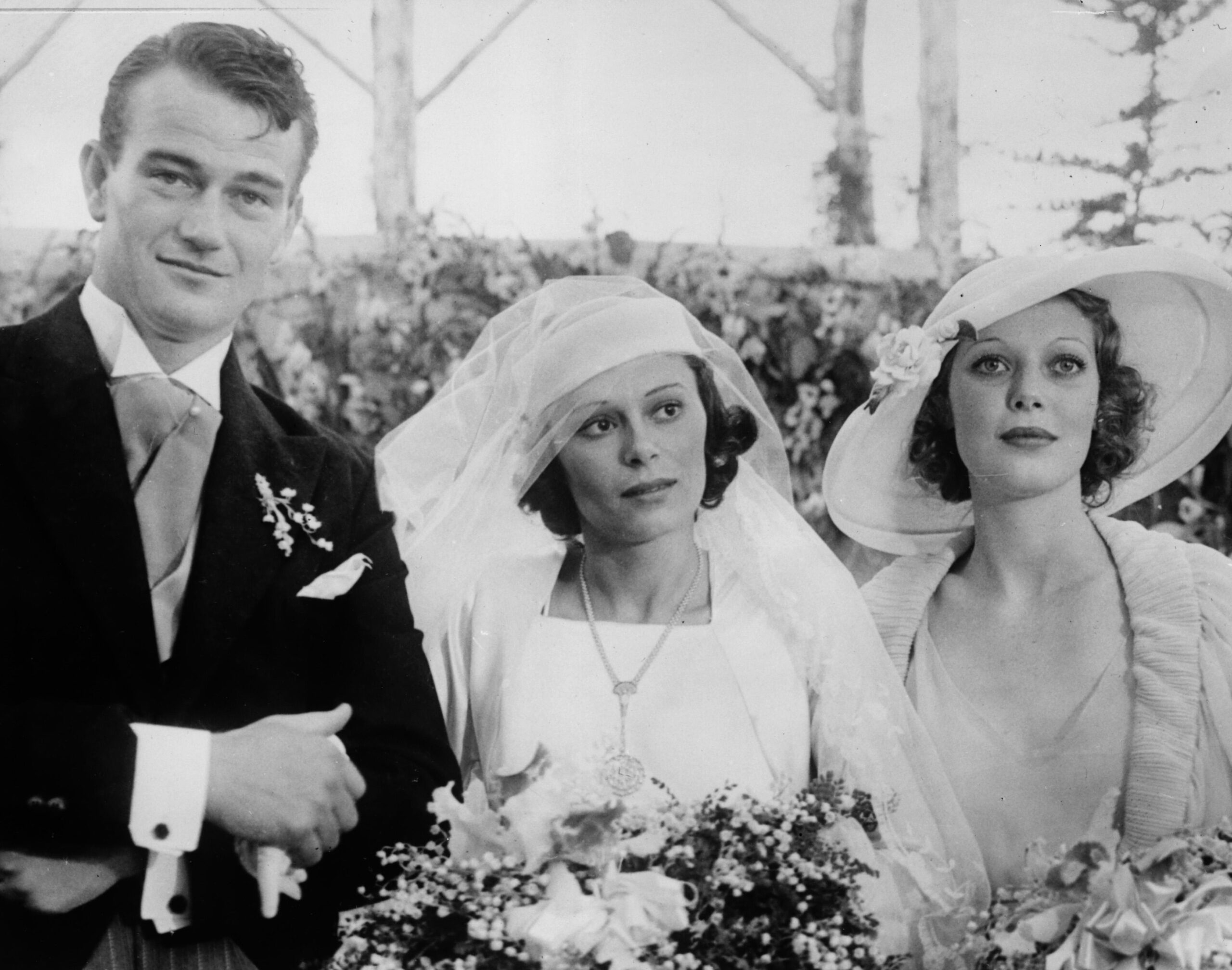
Destiny in the Garden: The Quiet Conversion of Marion Morrison
On June 24, 1933, a young actor named Marion Morrison—still years away from global superstardom—stood in the Los Angeles garden of actress Loretta Young to marry Josephine Saenz. Saenz, the ...
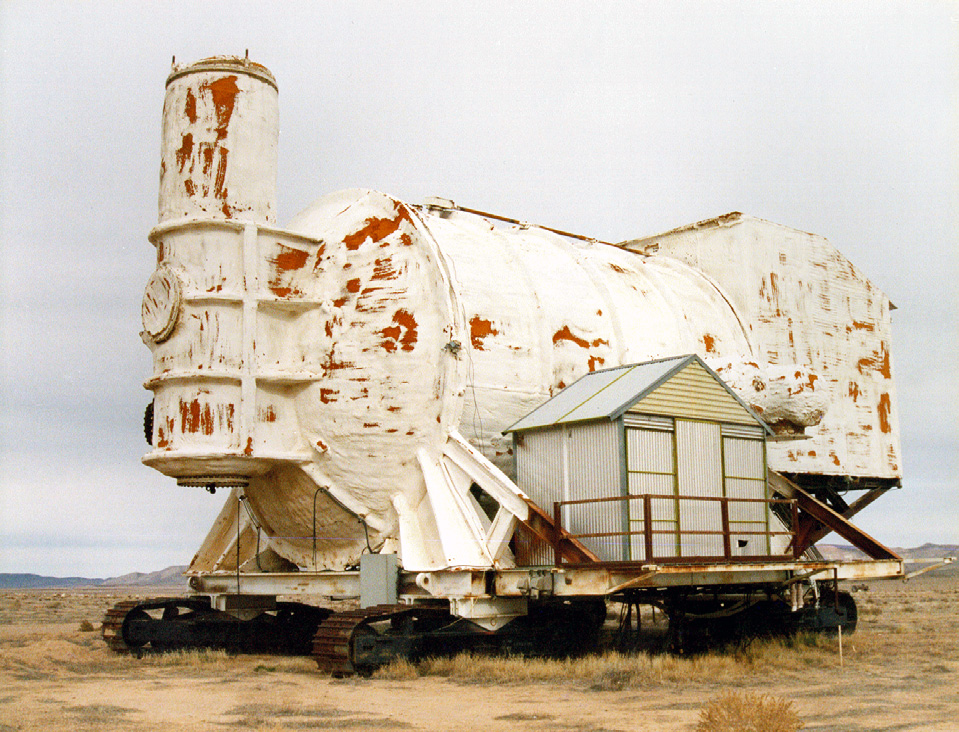
Vaulting the Blast: Project Huron King’s Orbital Shield
On June 24, 1980, the Defense Nuclear Agency executed the Huron King underground nuclear test at the Nevada Test Site, a highly sophisticated experiment that cost approximately $11.6 million. Scientists ...
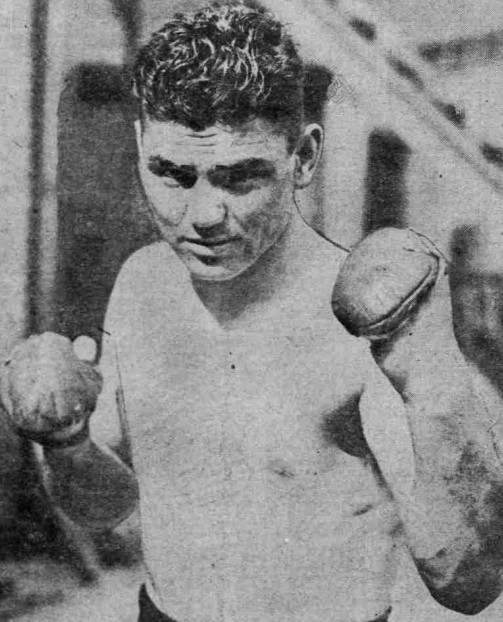
Manassa’s Iron Fist: The Long Reign of Jack Dempsey
Born on June 24, 1895, in Manassa, Colorado, William Harrison “Jack” Dempsey did far more than dominate the boxing world—he fundamentally invented the modern archetype of the sports superstar. Emerging ...
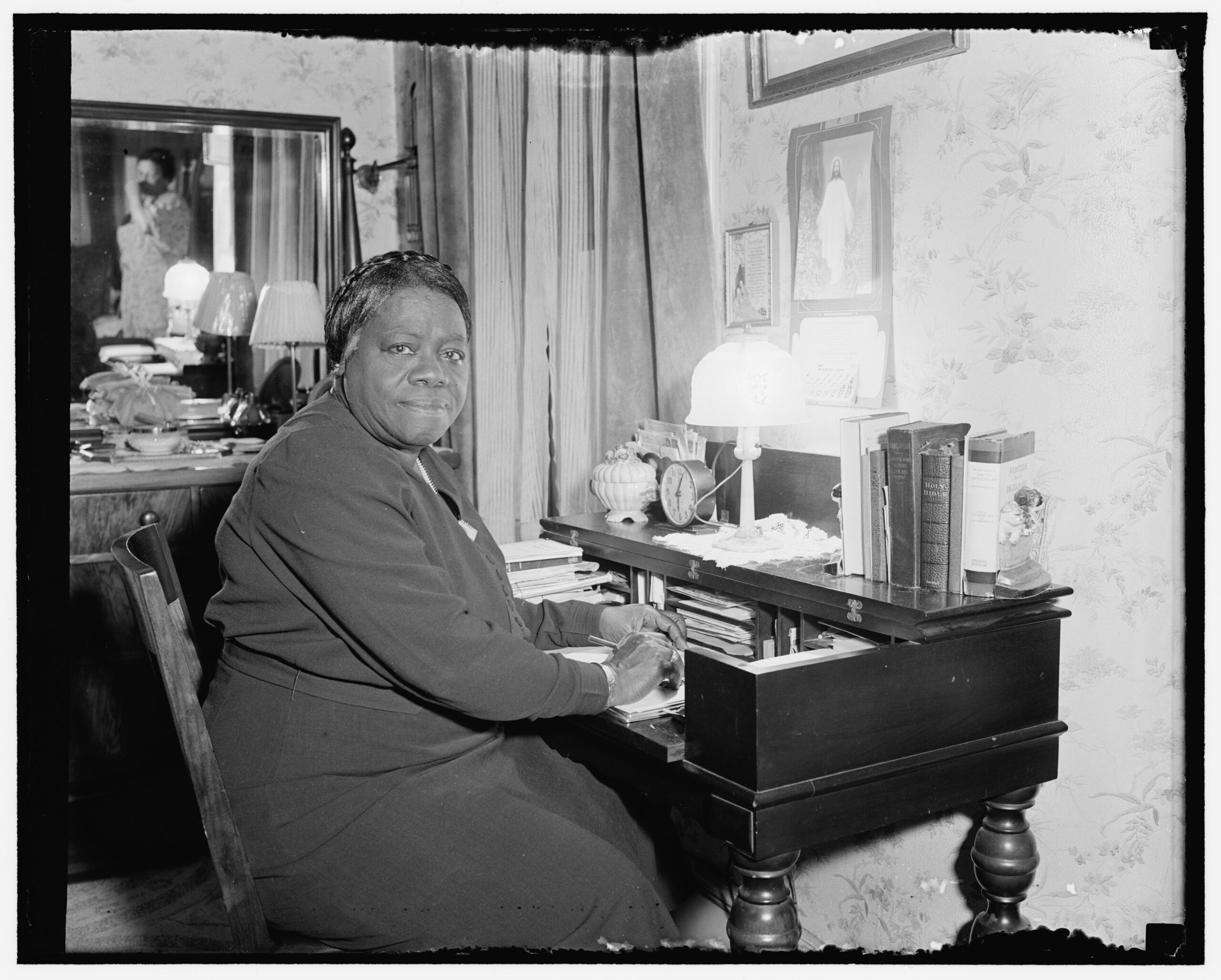
Elevating the Cabinet: Mary McLeod Bethune’s Federal Appointment
On June 24, 1936, iconic educator and civil rights leader Mary McLeod Bethune shattered a formidable glass ceiling when she was named the director of the Division of Negro Affairs ...
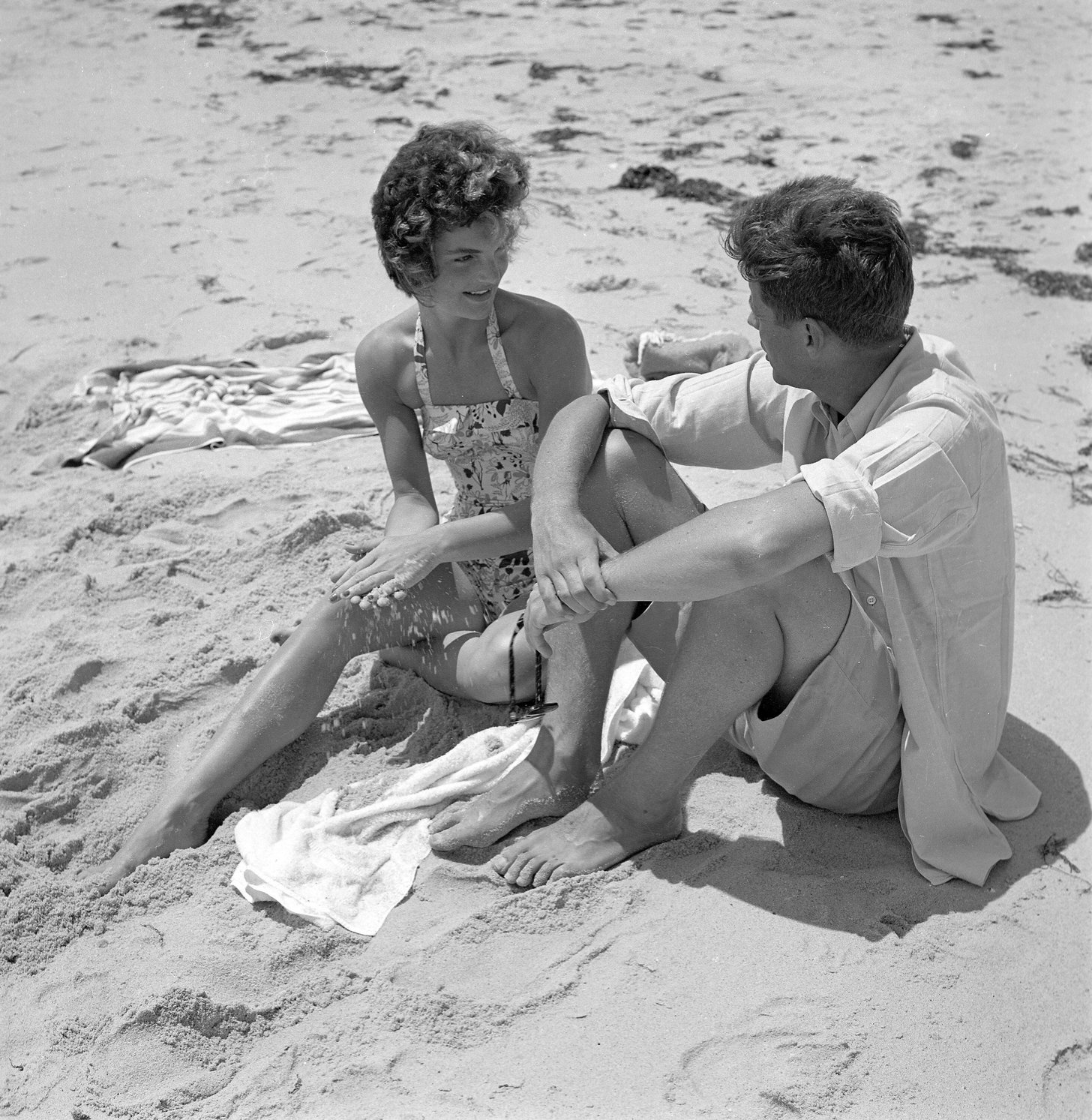
The Engagement That Launched Camelot
John F. Kennedy proposed to Jacqueline Bouvier on June 24, 1953, inside Booth #3 at Martin’s Tavern in Georgetown — a quiet moment that the couple kept secret overnight while their ...
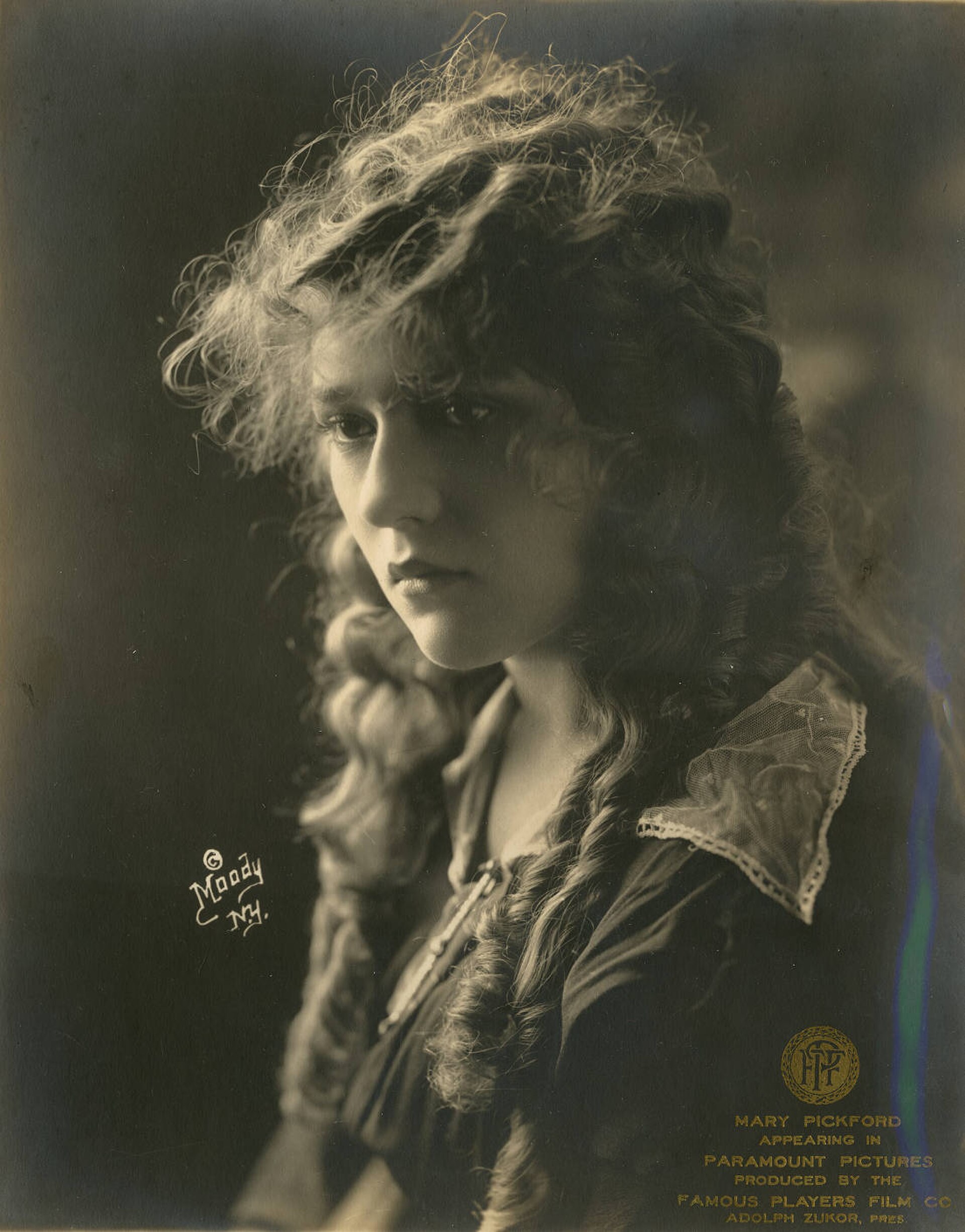
The Power of Ownership: Mary Pickford’s Million‑Dollar Coup
When Mary Pickford signed her historic, two‑year contract with Paramount on June 24, 1916, she single‑handedly shattered the structural power dynamics of early Hollywood. Known globally as America’s Sweetheart, Pickford ...
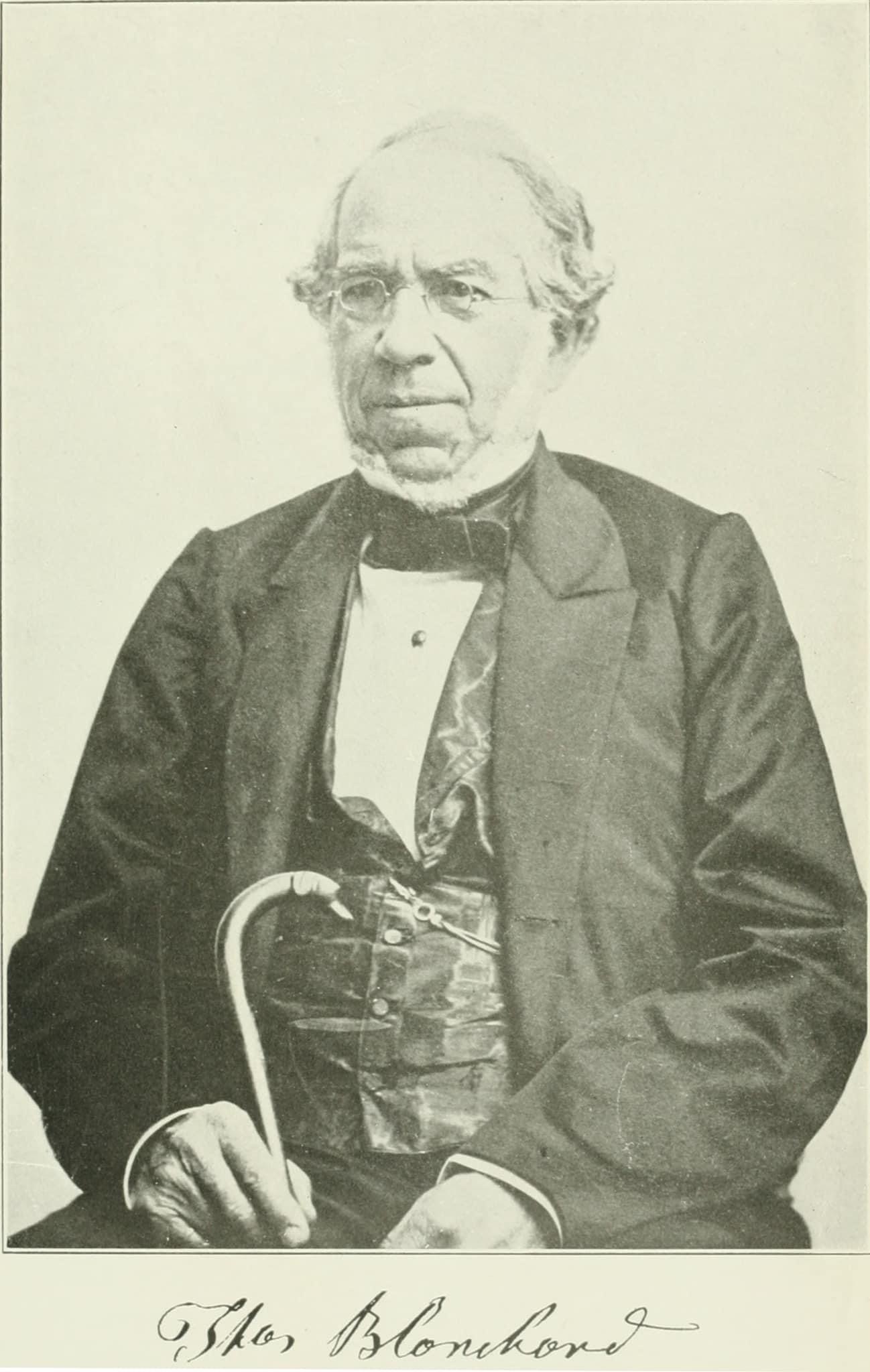
The Dawn of Rapid Manufacture: Blanchard’s 500‑Tack Revolution
Born on June 24, 1788, in Sutton, Massachusetts, Thomas Blanchard was a mechanical prodigy whose early innovations fundamentally altered the landscape of American manufacturing. In 1806, at just eighteen years ...
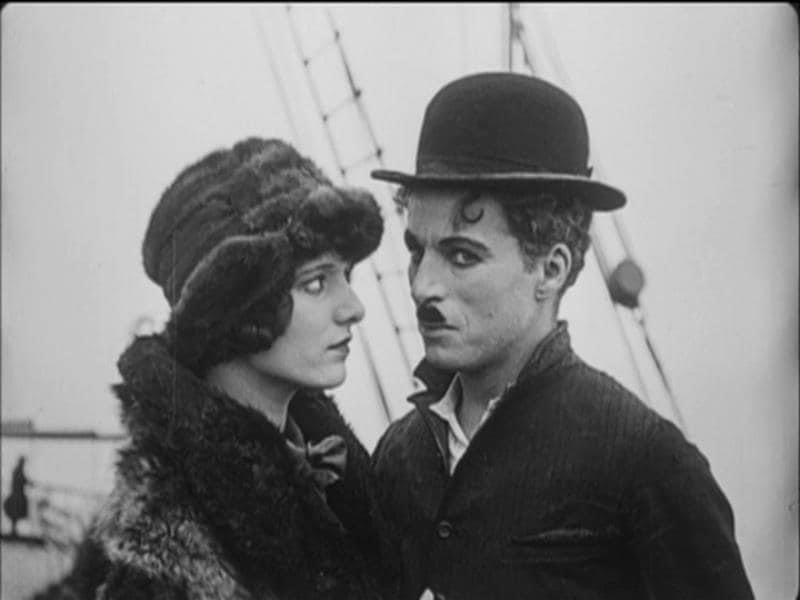
The Silent Frame: Georgia Hale and the Gold Rush
Born on June 24, 1905, in Chicago, Illinois, Georgia Hale became a defining face of early Hollywood through her memorable artistic partnership with Charlie Chaplin. Her major career milestone arrived ...
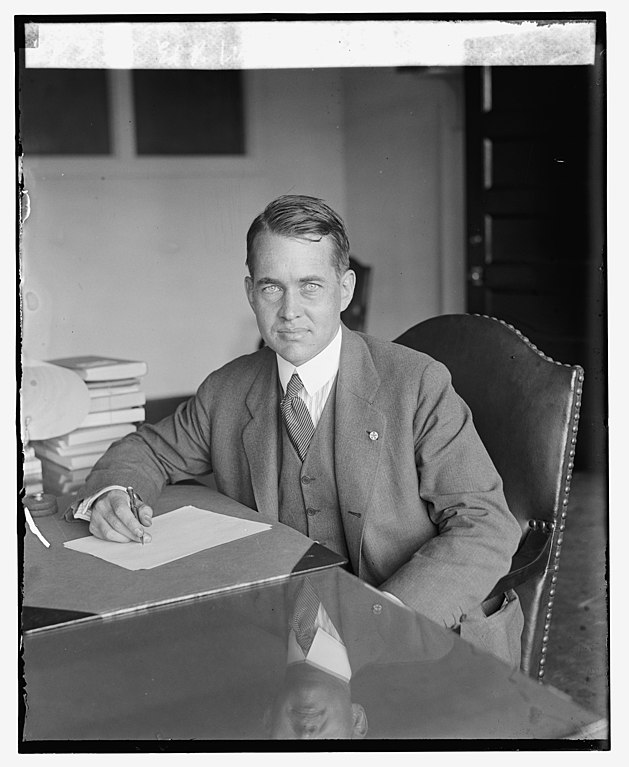
Wings of the Fleet: Edward P. Warner and Naval Aviation
The formal creation of the position of Assistant Secretary of the Navy for Aeronautics on June 24, 1926, marked a decisive moment in the modernization of American military doctrine. Following ...