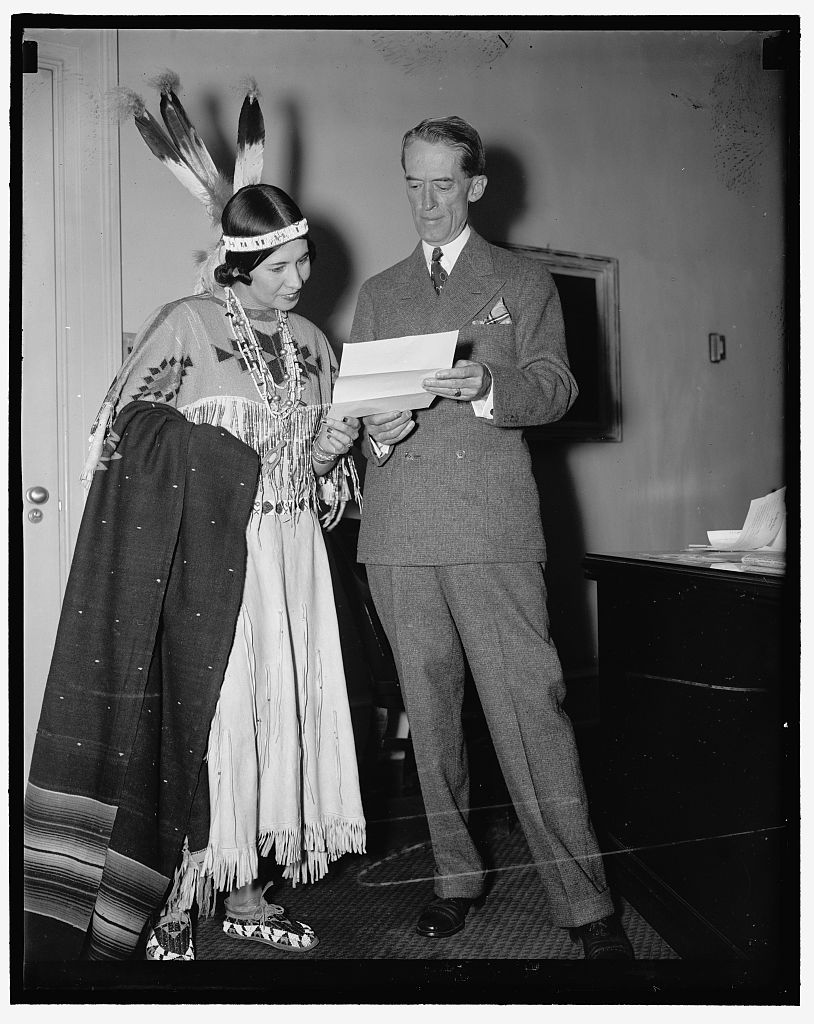
Reclaiming the Sacred Council: Princess White Deer at the White House
In a striking moment of cultural diplomacy, Mohawk performer and advocate Princess White Deer (Esther Deer) walked into the White House on June 28, 1937, dressed in her magnificent, traditional ...
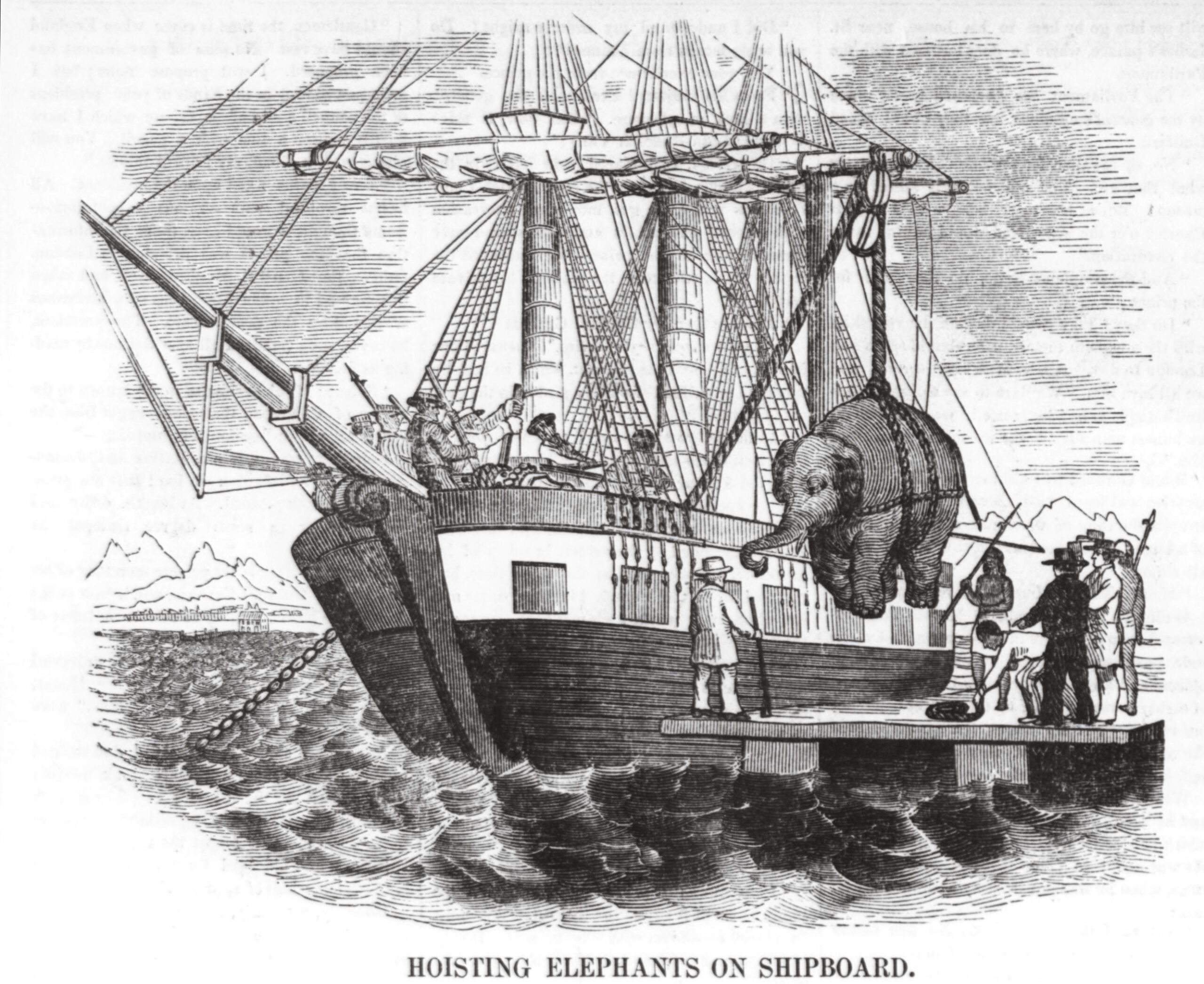
A Specimen of Spectacle: The Weight of the Steamboat Elephant
A striking engraving in Gleason’s Pictorial Drawing-Room Companion on June 28, 1851, captured at a New York wharf, watching in absolute awe as a massive circus elephant was hoisted into ...
Freedom Sale: 25% Off All Items! Free Shipping $60+
https://heartfelthistory.com/shop/
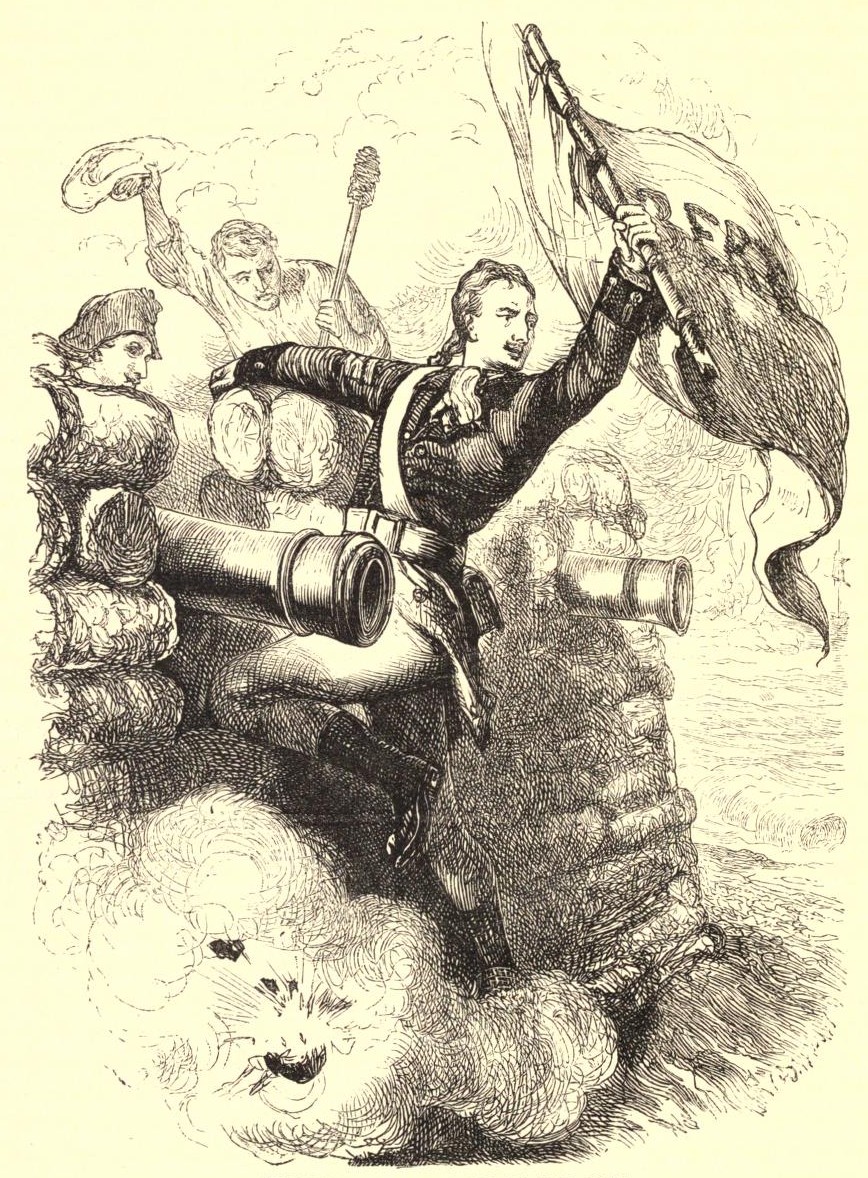
The Fortitude of Sullivan’s Island: The First Major Naval Victory
Six days before the adoption of the Declaration of Independence, on June 28, 1776, a massive British fleet threatened to crush the American rebellion at Charleston, South Carolina. Commodore Sir ...
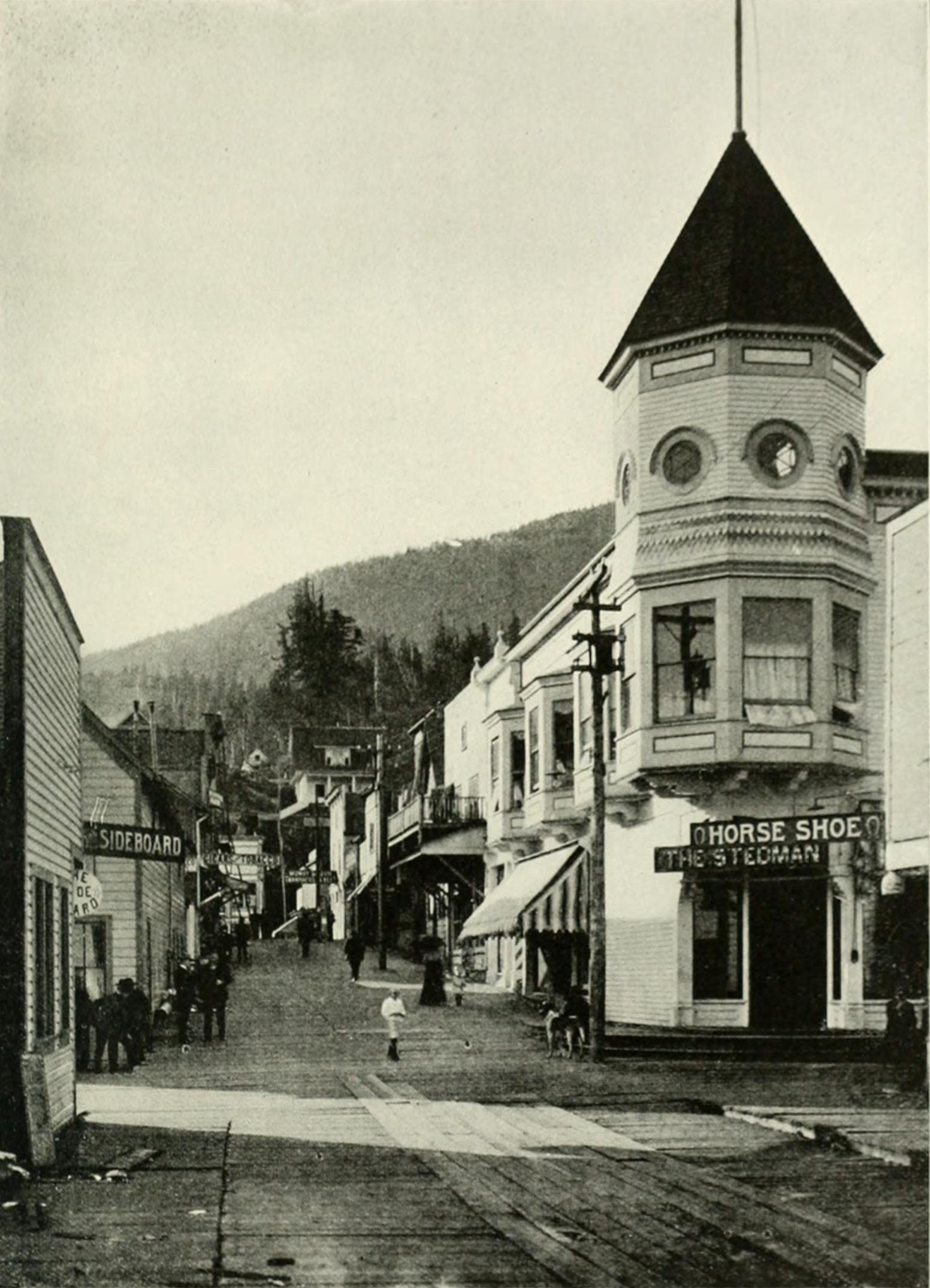
Bringing Enlightenment to the Last Frontier: The Chautauqua Movement Reaches Ketchikan
The traveling Chautauqua movement made its long-awaited Ketchikan debut on June 28, 1914, when the Ellison-White circuit arrived by steamship and raised its great canvas tent along the waterfront. Born ...
Freedom Sale: 25% Off All Items! Free Shipping $60+
https://heartfelthistory.com/shop/
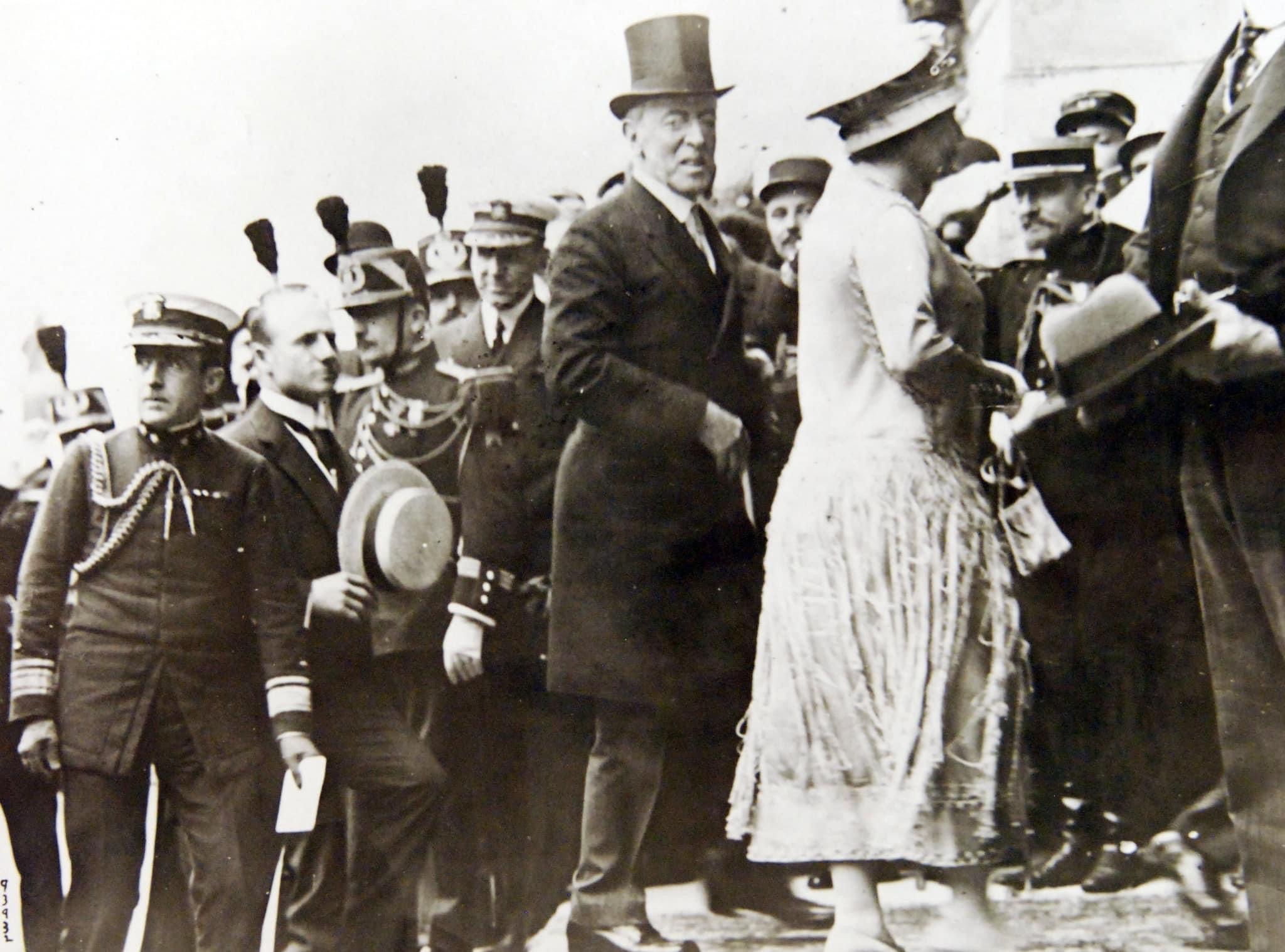
The Architects of a Fragile Peace: The Signing of the Treaty of Versailles
Exactly five years after the assassination of Archduke Franz Ferdinand ignited World War I, world leaders gathered in the magnificent Hall of Mirrors at the Palace of Versailles on June ...
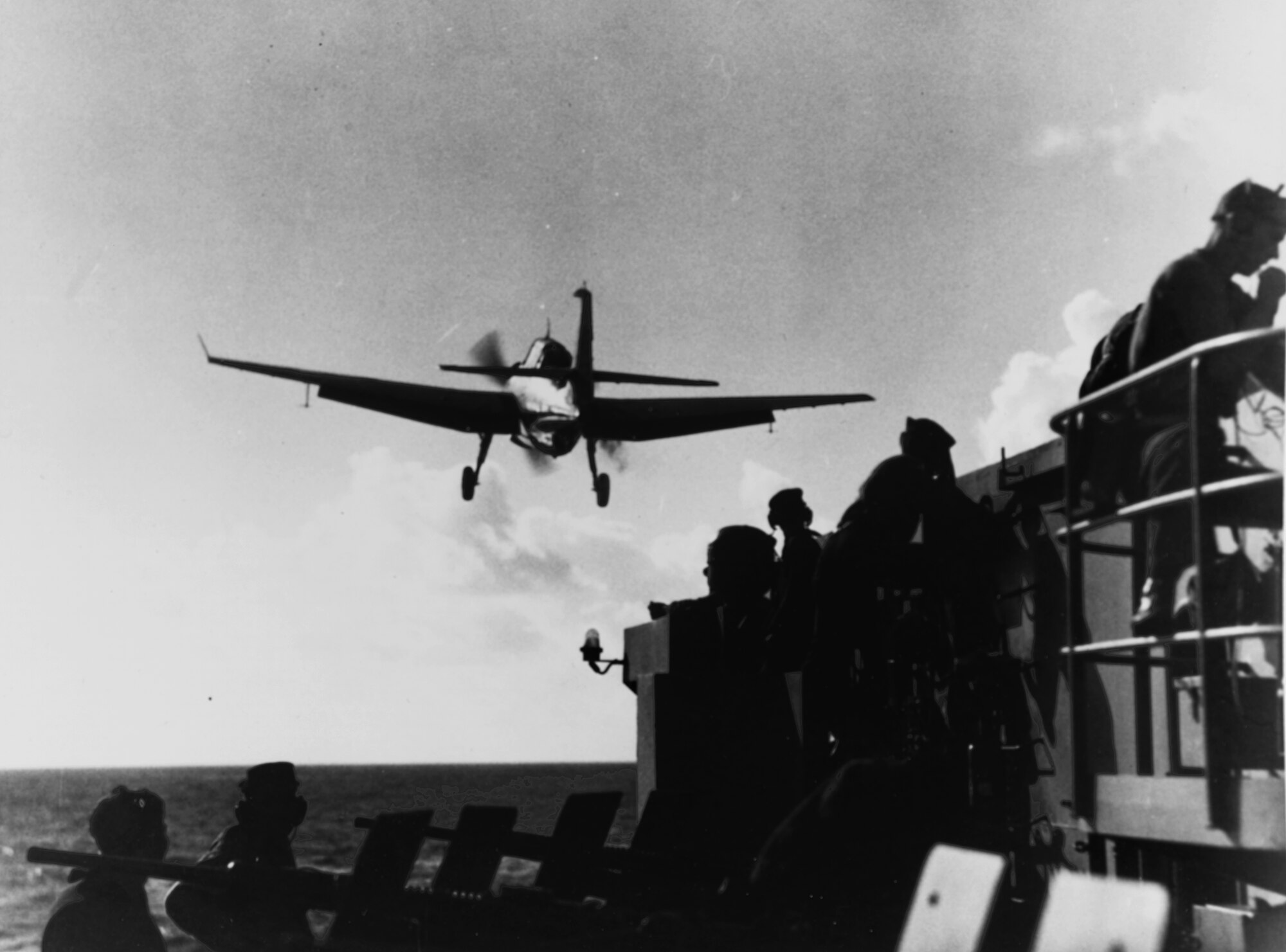
Harrowing Radio Calls in the Pacific Sky: The Heroic Sortie of Torpedo Squadron 51
Under a blazing Pacific sun, a General Motors TBM-1C Avenger torpedo bomber roared down the flight deck of the light aircraft carrier USS San Jacinto on June 28, 1944, launching ...
Freedom Sale: 25% Off All Items! Free Shipping $60+
https://heartfelthistory.com/shop/
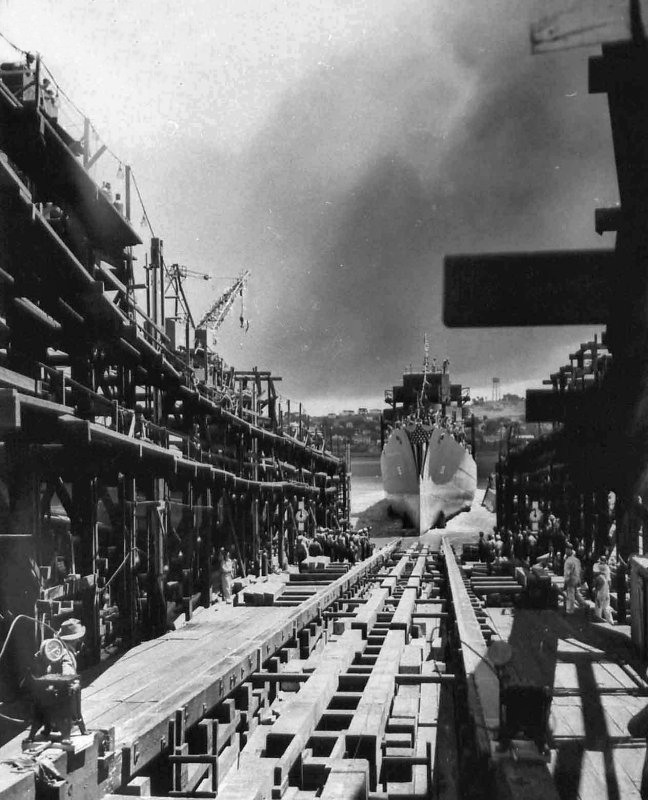
A Legacy Forged in Steel: The Launch of the USS Tisdale
On June 28, 1943, at the bustling Mare Island Naval Shipyard in California, the sleek hull of the destroyer escort USS Tisdale slid into the water for the very first ...
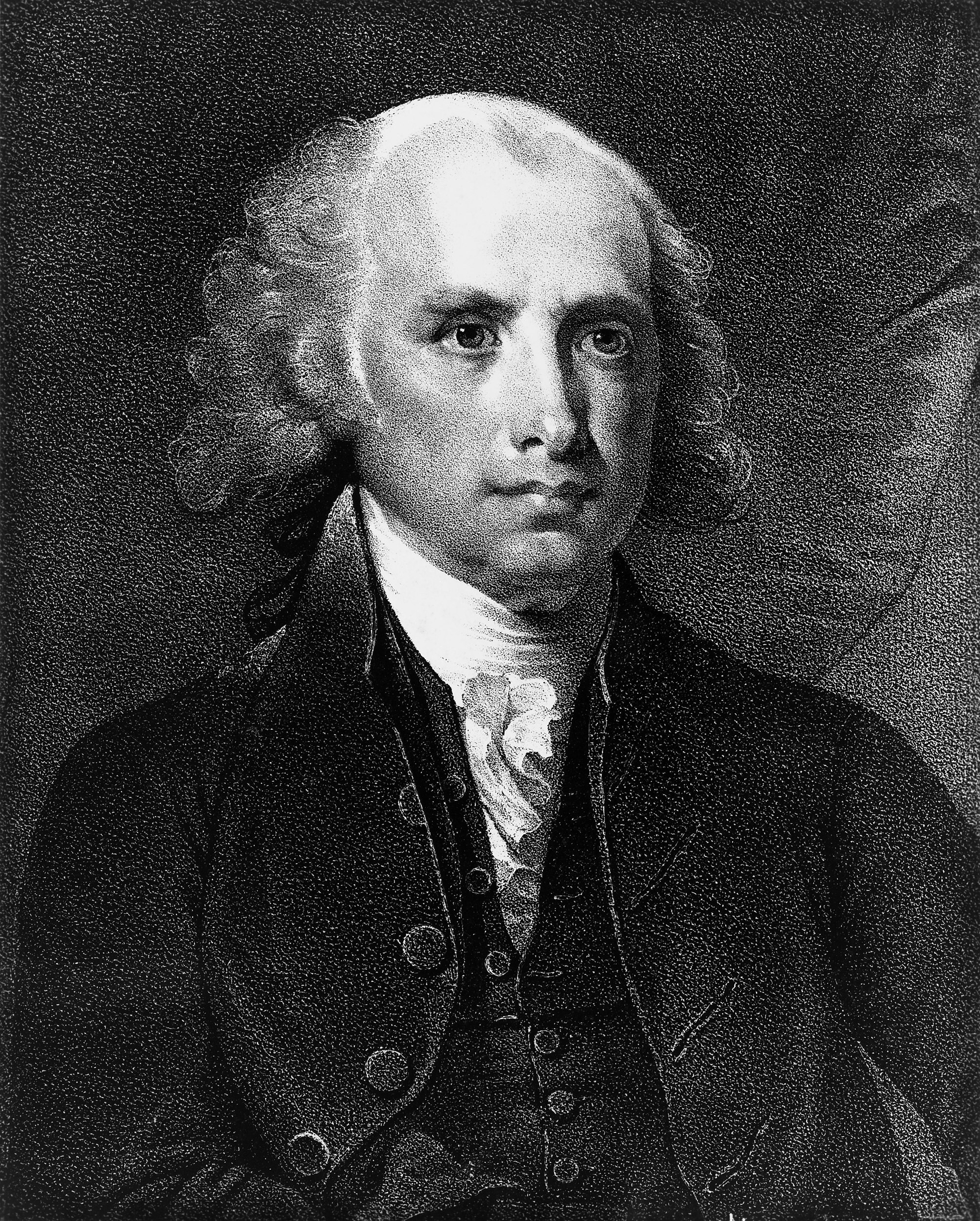
The Gentle Exit: The Last Words of James Madison
At his Montpelier plantation in Virginia, eighty‑five‑year‑old James Madison took his final breath on June 28, 1836, closing a monumental chapter in American history. As the primary architect of the ...
Freedom Sale: 25% Off All Items! Free Shipping $60+
https://heartfelthistory.com/shop/
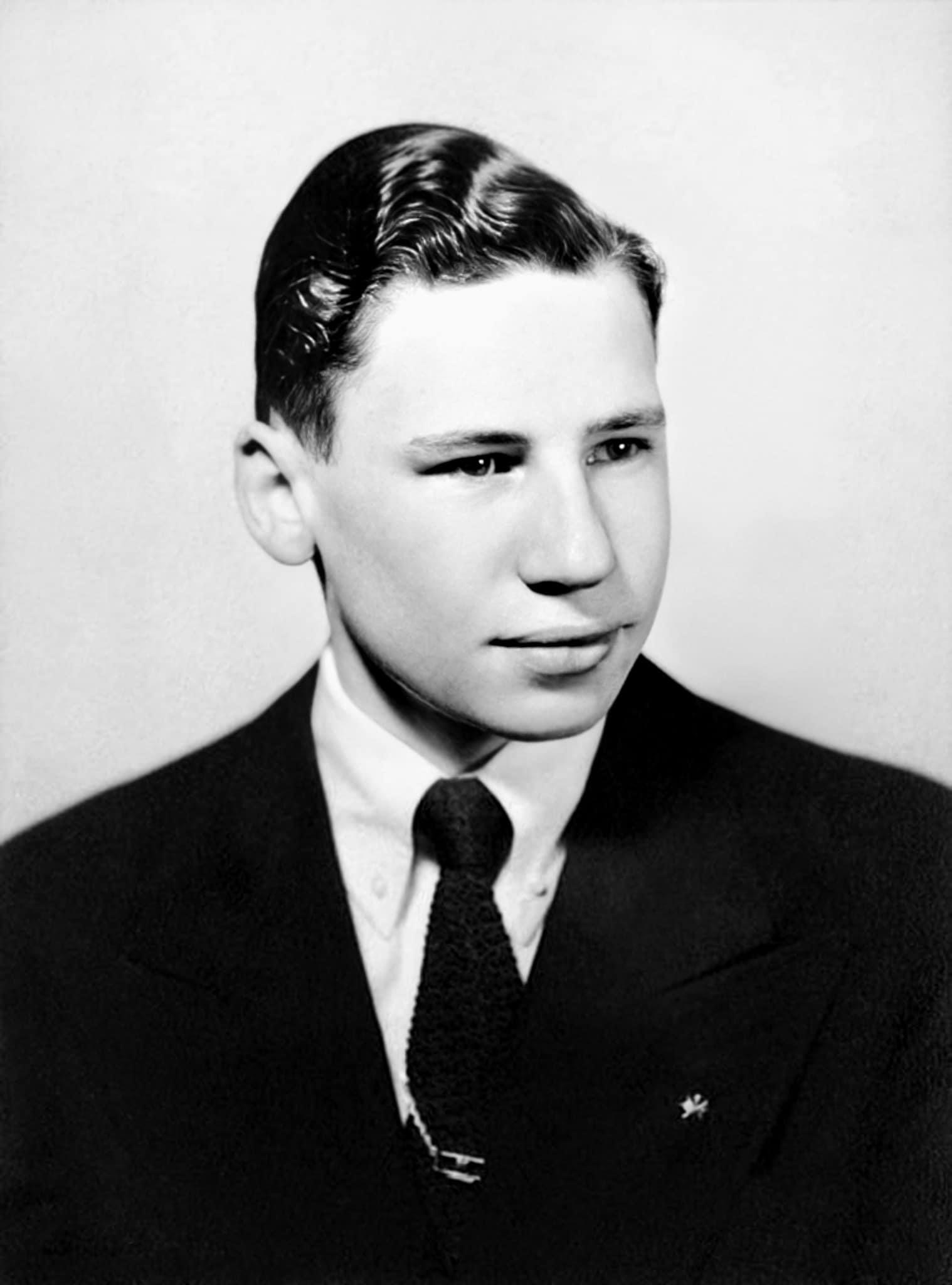
The Unstoppable Force of Laughter: The Legacy of Mel Brooks
Born Melvin Kaminsky in the vibrant, working‑class neighborhoods of Brooklyn on June 28, 1926, the future comedy legend Mel Brooks learned early that humor could be both a shield and ...
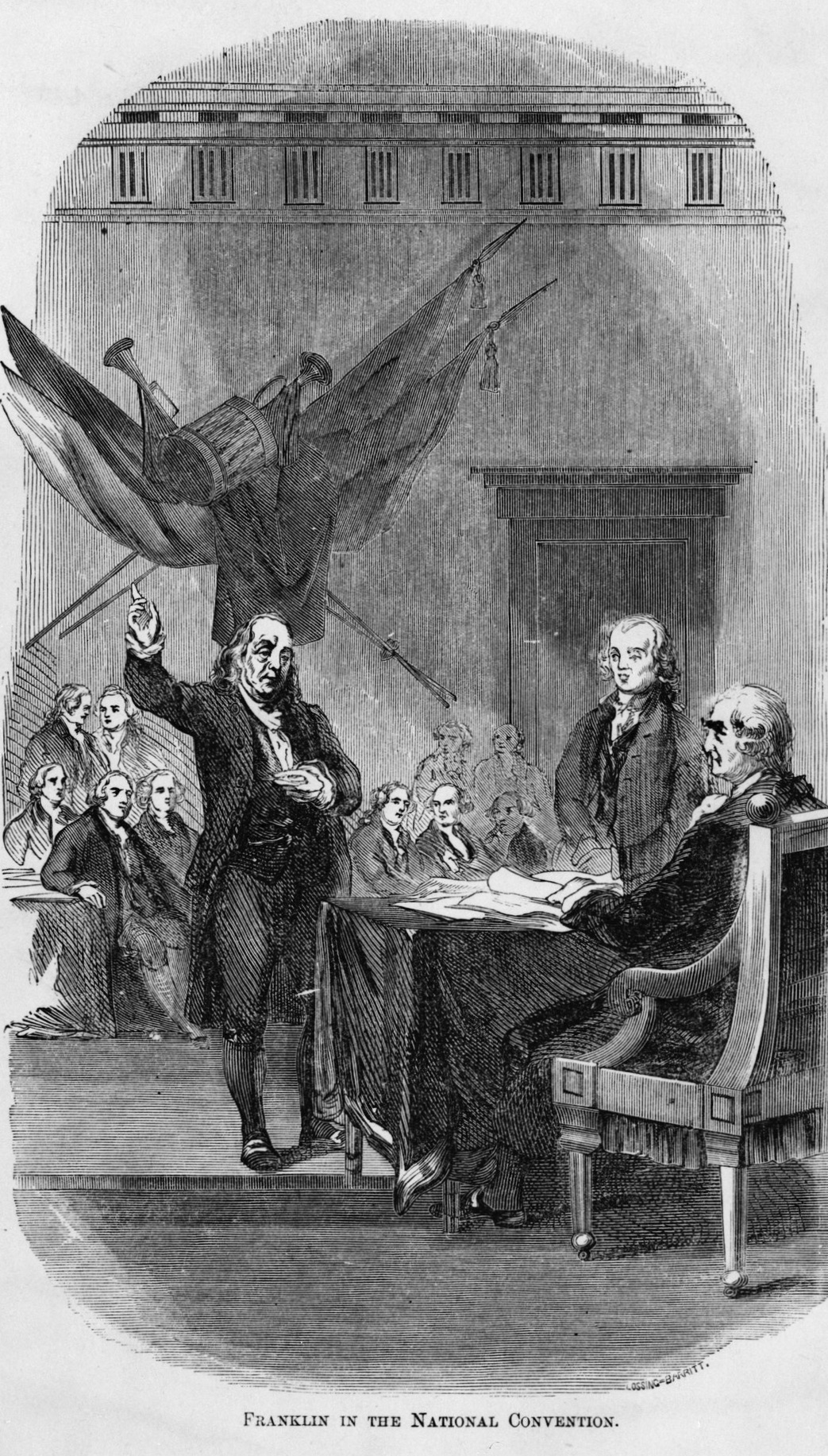
An Appeal for Harmony: Benjamin Franklin’s Call to Prayer
Inside the sweltering, closed-door sessions of the Constitutional Convention in Philadelphia on June 28, 1787, the United States was rapidly unraveling before it could even begin. Tempers flared, negotiations over ...

The Final Ground: Lieutenant-Colonel Monckton’s Sacrifice
On that sweltering Sunday in Freehold, New Jersey, on June 28, 1778, the Battle of Monmouth witnessed one of the most intense and desperate infantry charges of the Revolutionary War ...
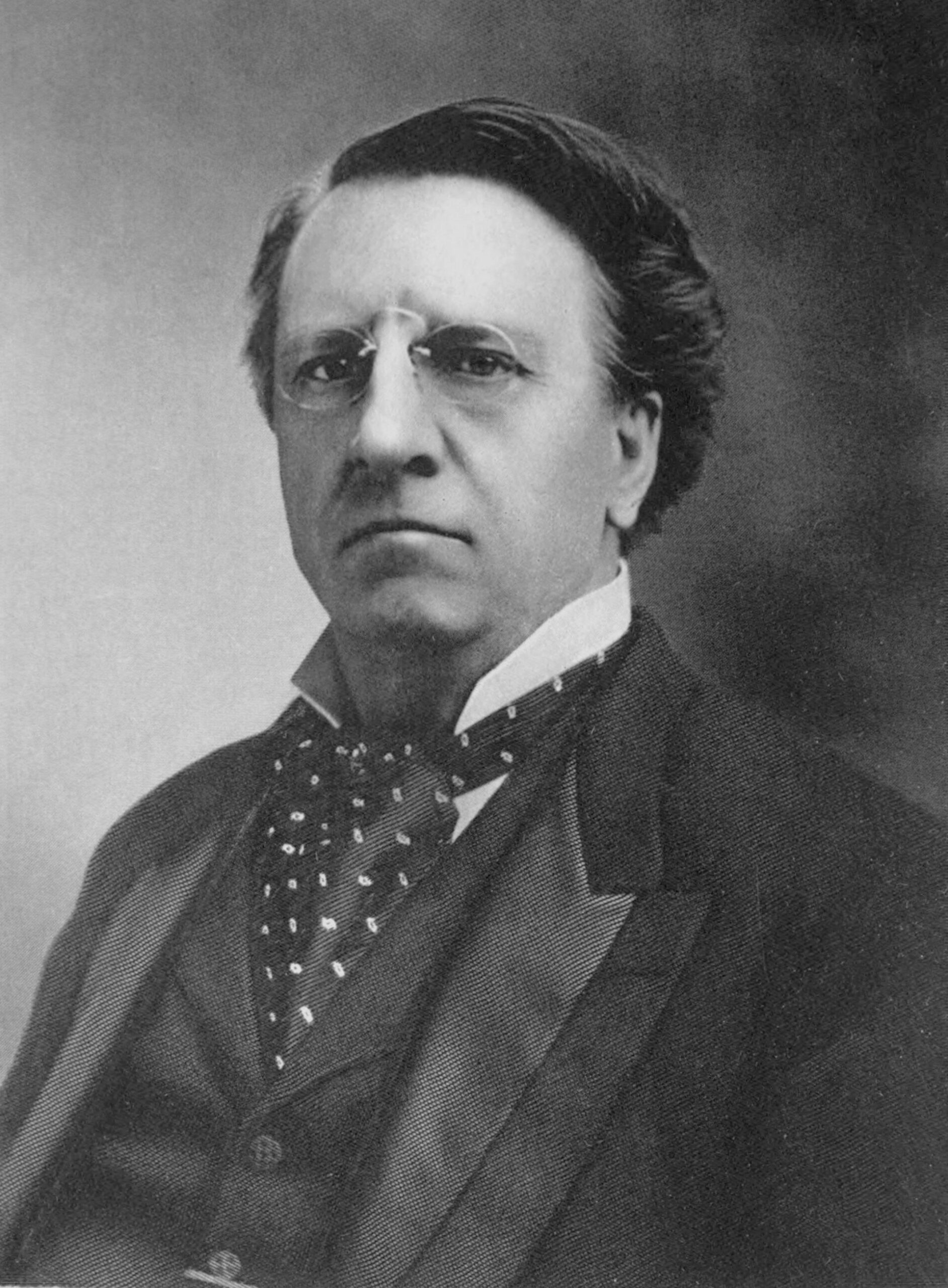
Safeguarding the Future: The Spooner Act and the Path to the Panama Canal
A monumental shift in global trade and American ambition occurred on June 28, 1902, when the United States Congress officially enacted the Spooner Act. Authored by Senator John Coit Spooner ...
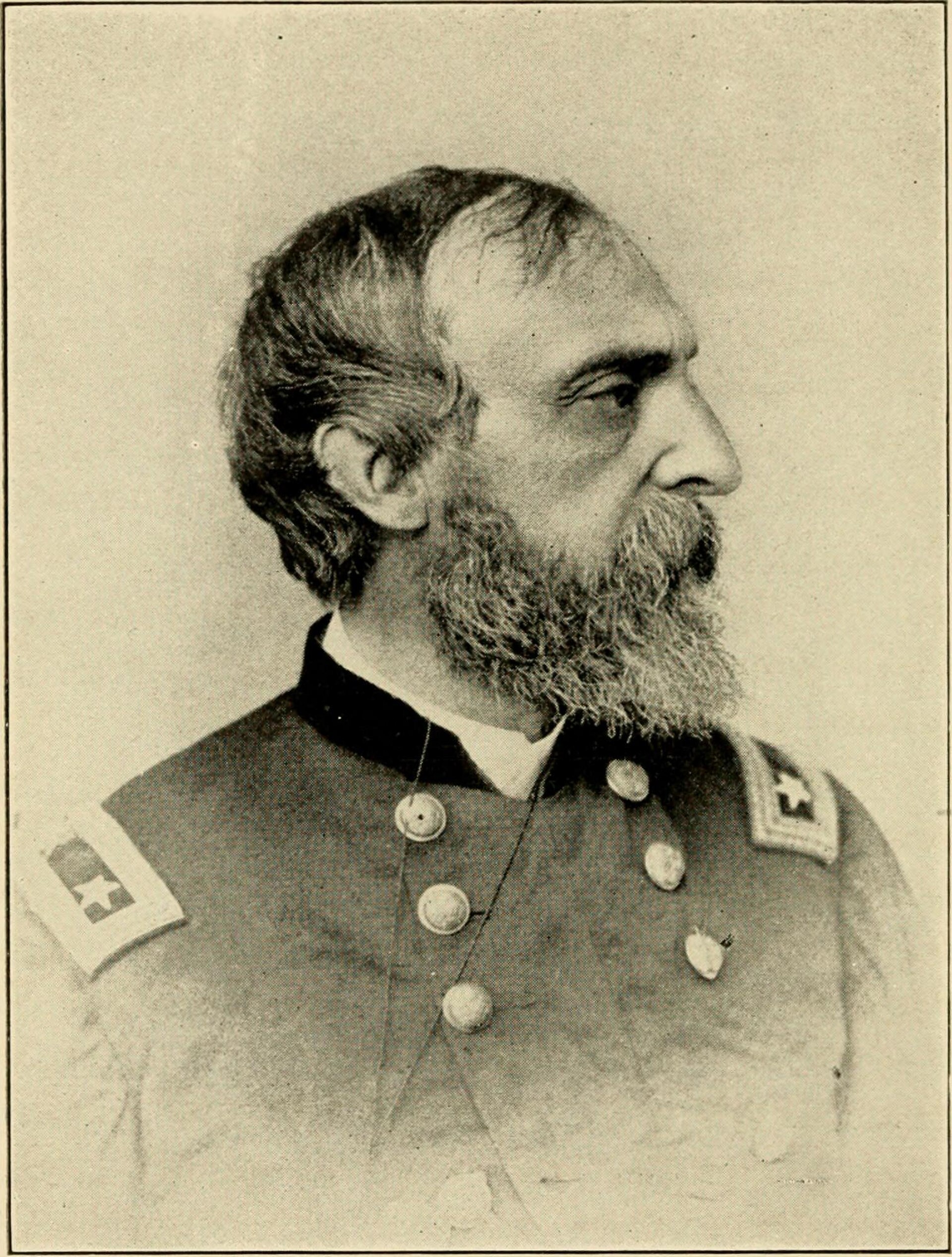
Changing of the Guard before Gettysburg: George Meade Ascends to Command
In the dead of night, just three days before the bloodiest battle in American history, Major General George Gordon Meade was abruptly awoken in his tent by a messenger from ...

From the Shadows of Internment to the Hollywood Light: The Resilience of Pat Morita
Born in Isleton, California, on June 28, 1932, Noriyuki “Pat” Morita endured an extraordinarily brutal childhood. He spent nine years in Shriners hospitals, immobilized in a full‑body cast while battling ...
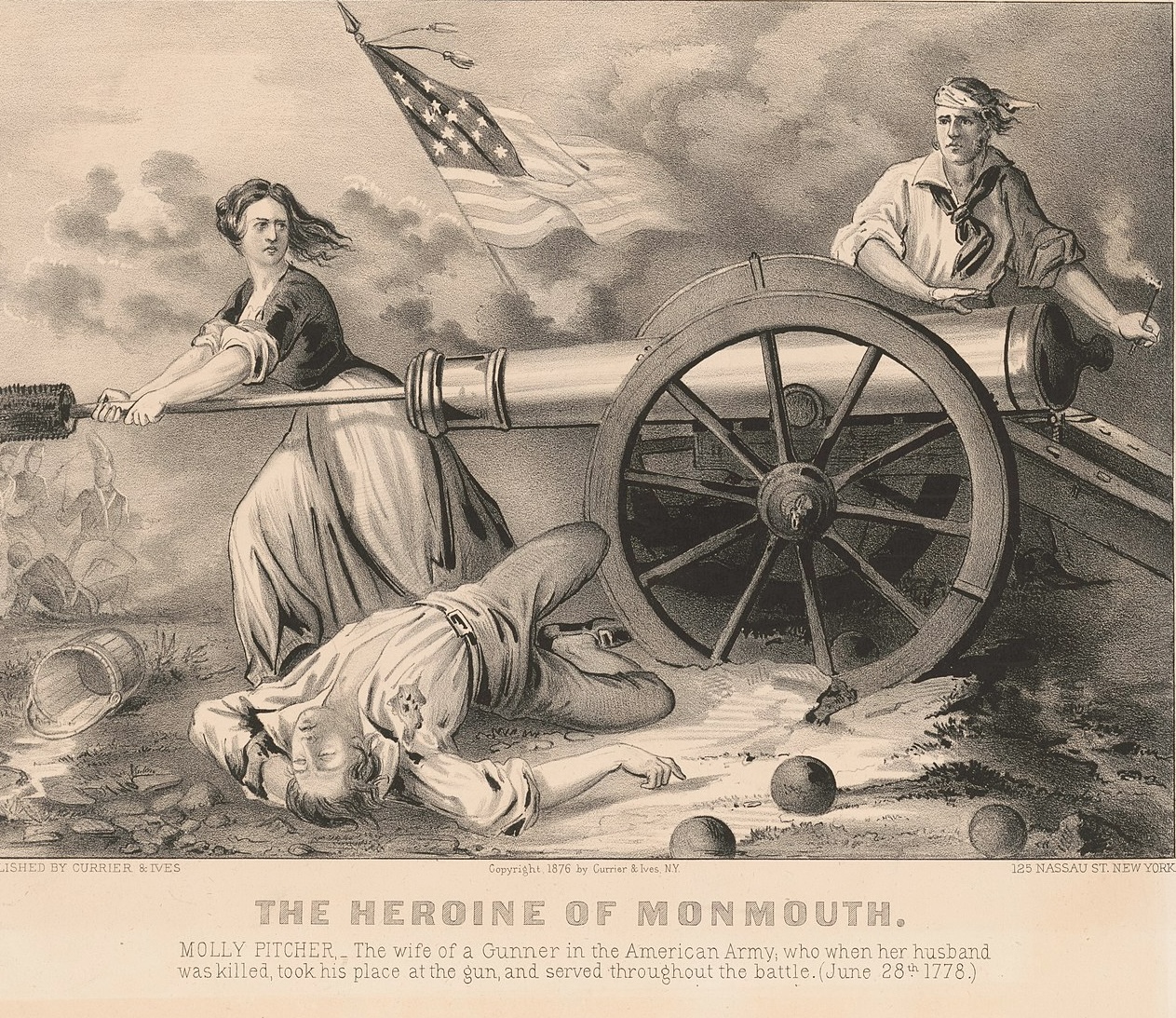
The Wellspring of Courage: Mary Ludwig Hays and the Legend of Molly Pitcher
The staggering 100 degree heat at the Battle of Monmouth on June 28, 1778, proved just as lethal as the musket balls, dropping dozens of soldiers on both sides from ...
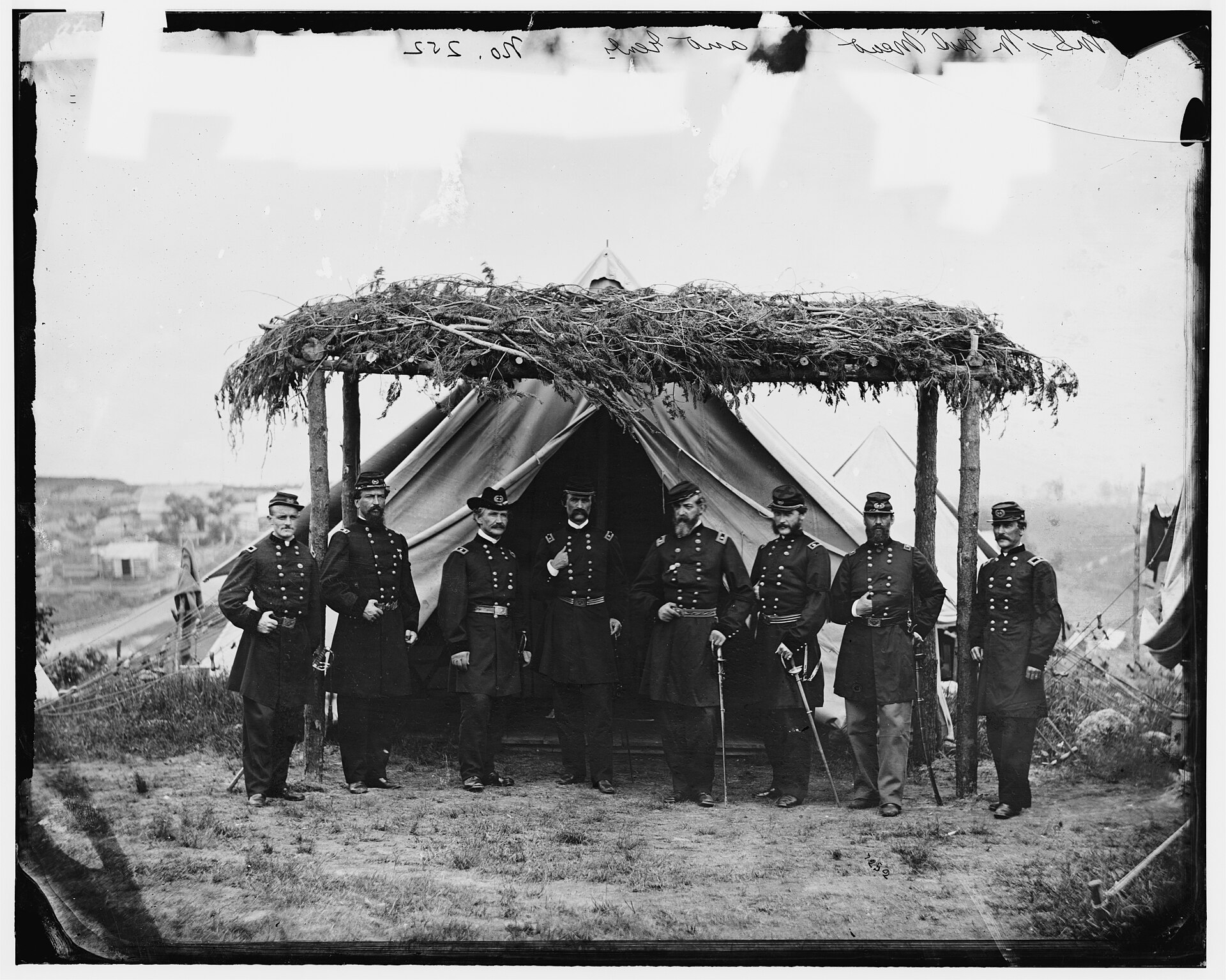
The Twilight of the Republic’s Shield: Disbanding the Army of the Potomac
Just over two months after the surrender at Appomattox Court House effectively ended the Civil War, an administrative order officially disbanded the legendary Army of the Potomac on June 28, ...
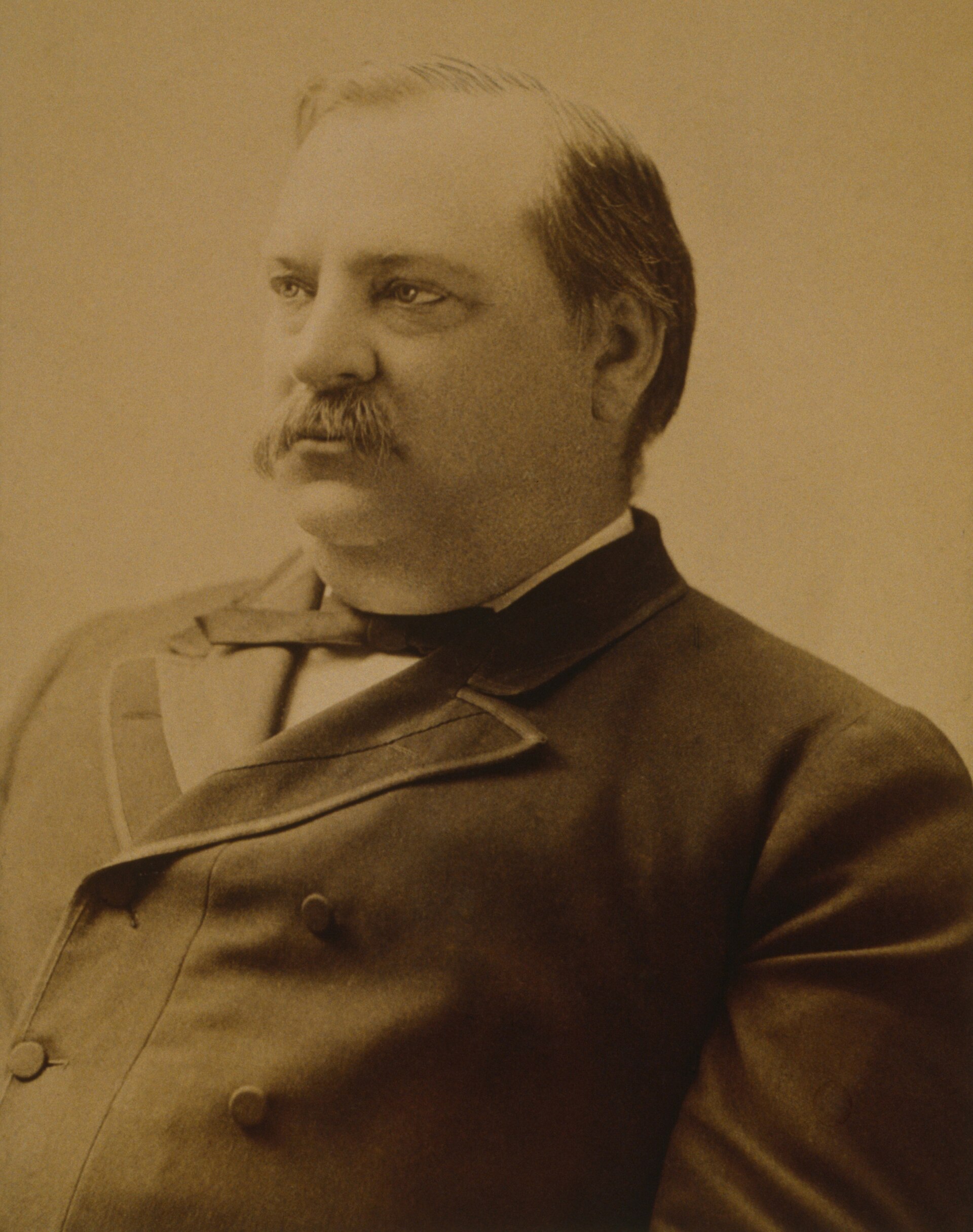
A Promise to the American Worker: Labor Day Becomes a National Holiday
Seeking to heal a fractured nation, President Grover Cleveland signed a monumental piece of legislation on June 28, 1894, officially designating Labor Day as a legal federal holiday. The decision ...
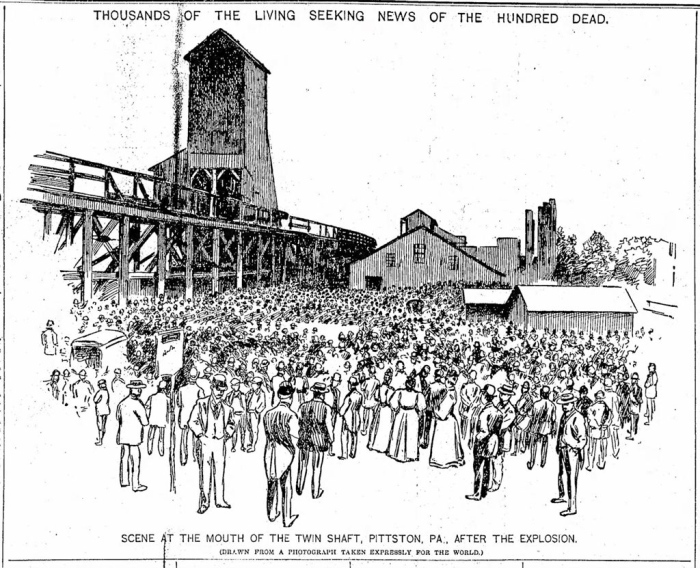
Shrouded in the Deep Dark: The Twin Shaft Mine Disaster
At the Newton Coal Company’s Twin Shaft colliery in Pittston, Pennsylvania, a sudden and catastrophic shift in the earth triggered an immense underground cave‑in on June 28, 1896. Millions of ...