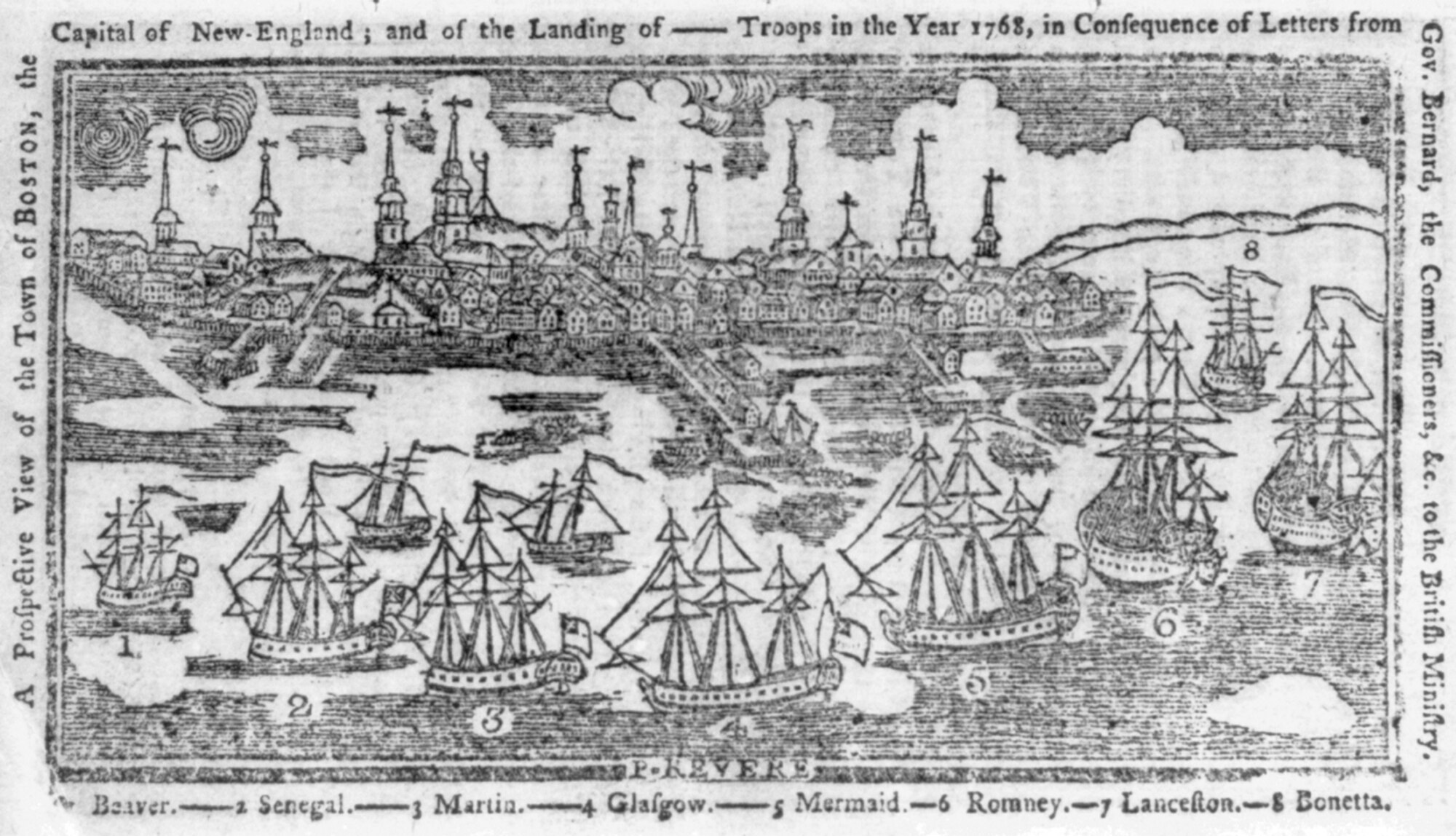
Colonial Fury Unleashed: The Passage of the Townshend Revenue Act
British Parliament lit a slow‑burning fuse that would ultimately ignite the American Revolution when it enacted the Townshend Revenue Act on June 29, 1767. The act imposed duties on everyday ...

A Haven of Three Worlds: The Creation of Olympic National Park
President Franklin D. Roosevelt signed the historic legislation officially establishing Olympic National Park in Washington on June 29, 1938. This momentous declaration permanently protected nearly one million acres of pristine ...
Freedom Sale: 25% Off All Items! Free Shipping $60+
https://heartfelthistory.com/shop/
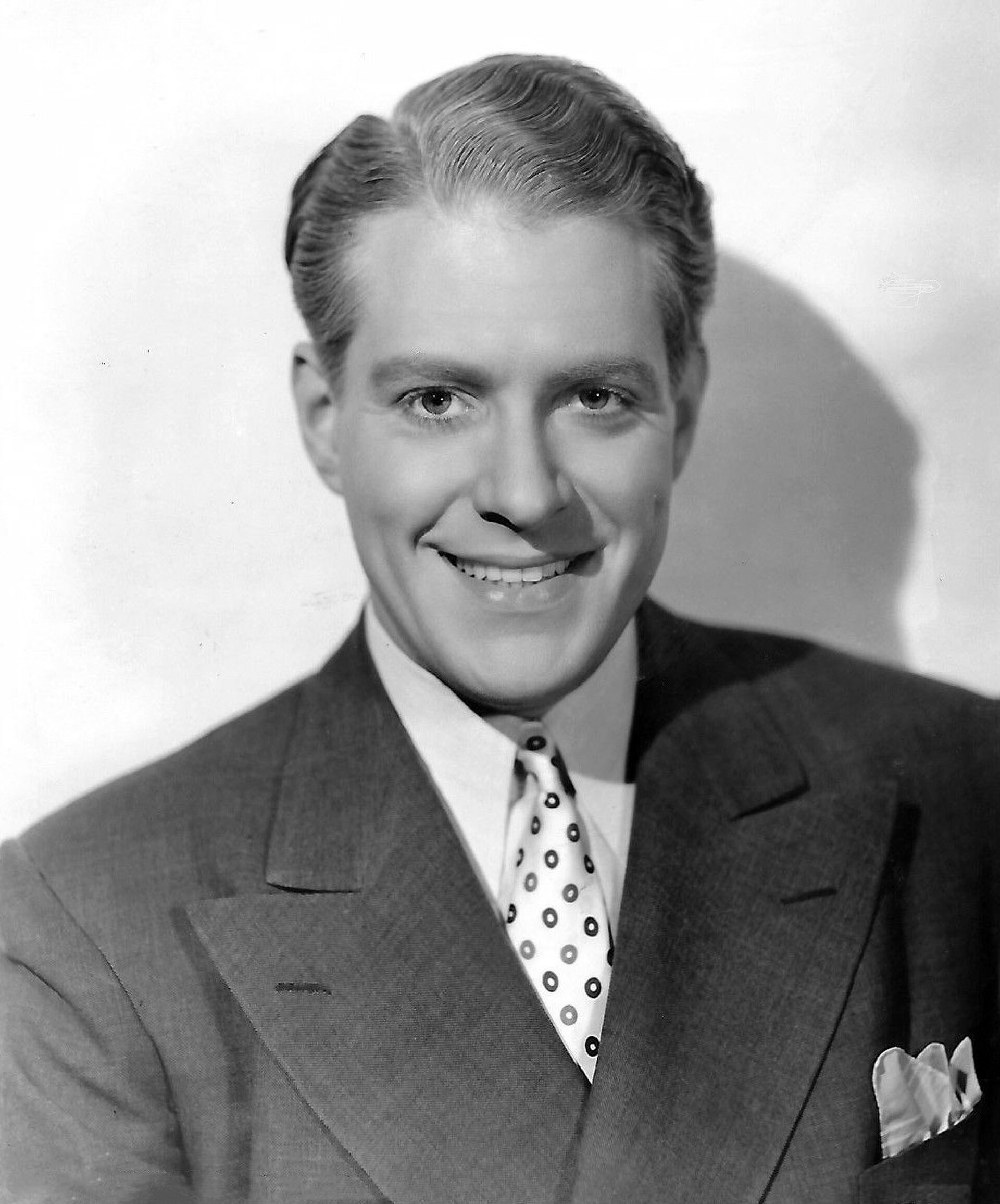
The Inspirational Voice of Romance: The Legacy of Nelson Eddy
A master of musical romance was born in Providence, Rhode Island, on June 29, 1901, with the arrival of classically trained opera baritone and silver‑screen icon Nelson Eddy. Blessed with ...
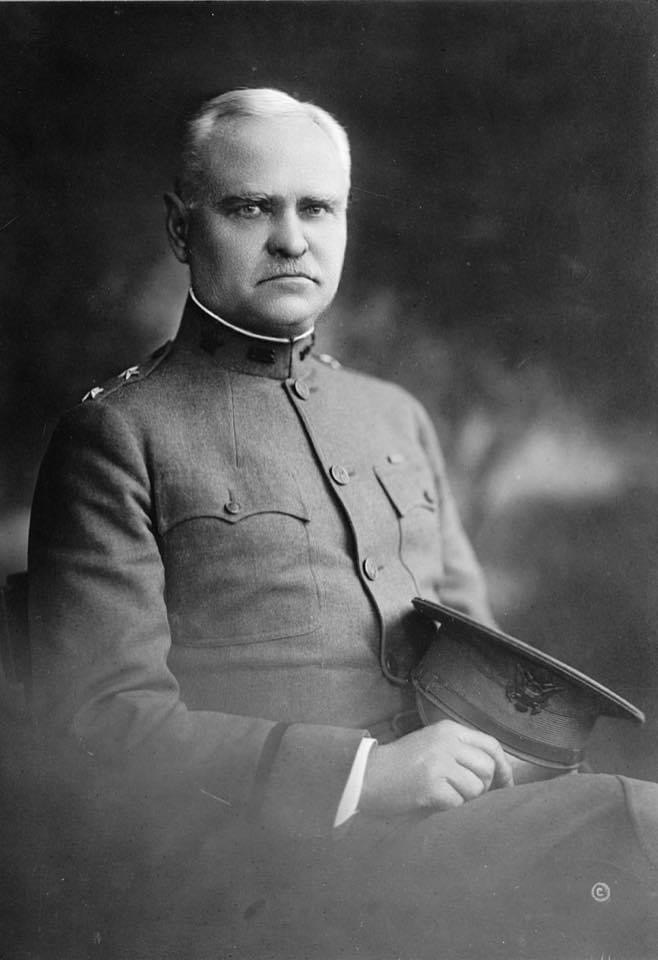
Architect of the Great Divide: The Legacy of George Washington Goethals
A brilliant mind destined to reshape global geography was born in Brooklyn, New York, on June 29, 1858, with the arrival of future Army engineer George Washington Goethals. After graduating ...
Freedom Sale: 25% Off All Items! Free Shipping $60+
https://heartfelthistory.com/shop/
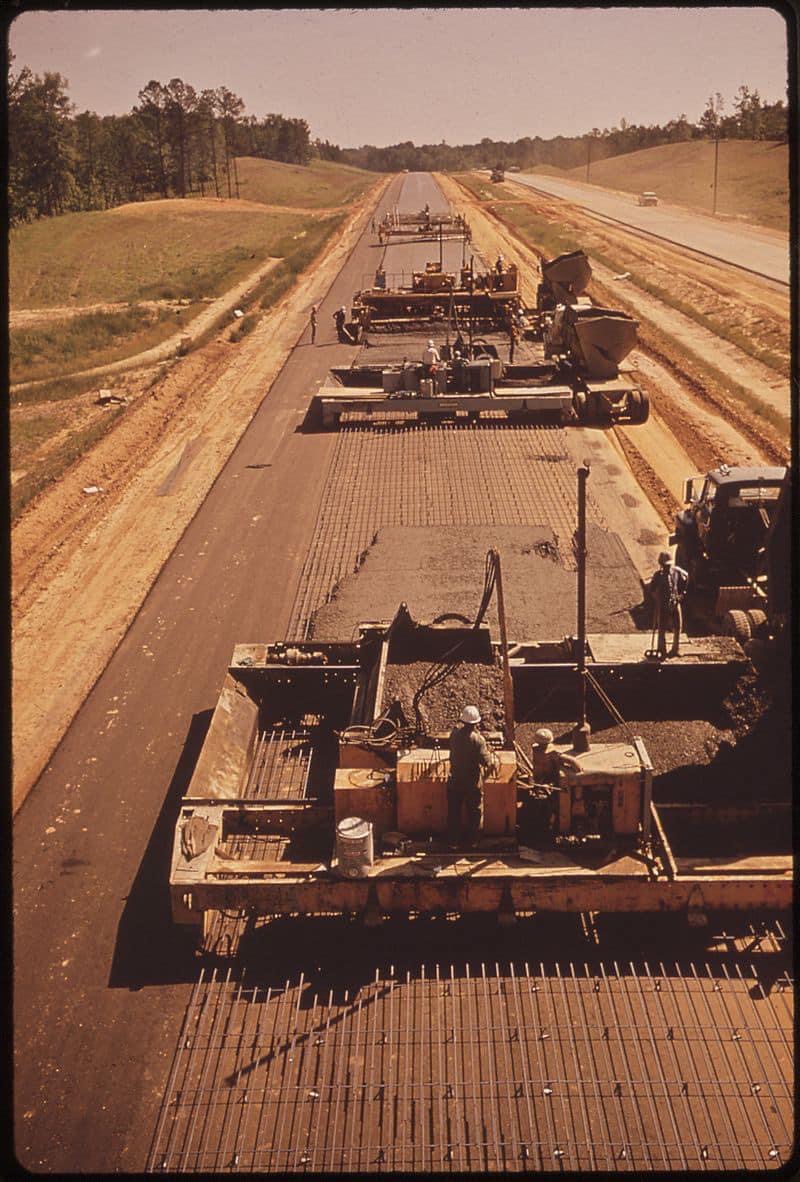
Shaping the Modern Landscape: The Federal-Aid Highway Act
President Dwight D. Eisenhower signed the historic Federal-Aid Highway Act into law on June 29, 1956, launching the largest public works project in American history. Eisenhower’s intense dedication to building ...
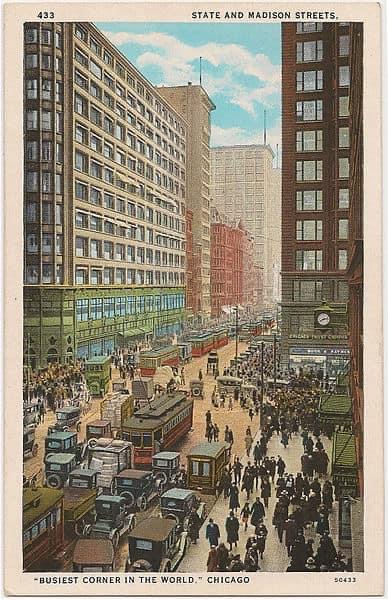
The Great Annexation: Chicago Becomes a Metropolis
Chicago’s map — and its destiny — changed permanently on June 29, 1889, when certified election results approved the largest municipal expansion in American history. Voters in Hyde Park, Lake ...
Freedom Sale: 25% Off All Items! Free Shipping $60+
https://heartfelthistory.com/shop/
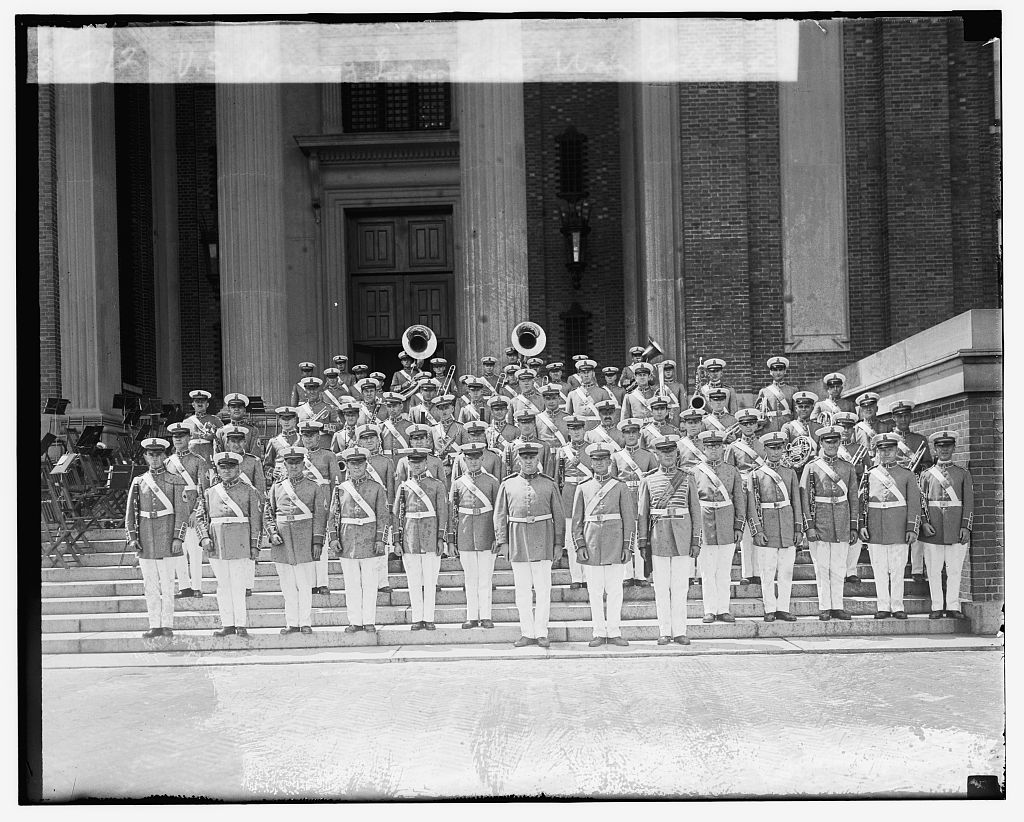
Harmonies of a Nation: The U.S. Army Band at the War College
The premier musicians of the United States Army Band gathered at the Army War College in Washington, D.C., on June 29, 1925, delivering a pristine performance captured in a historic ...
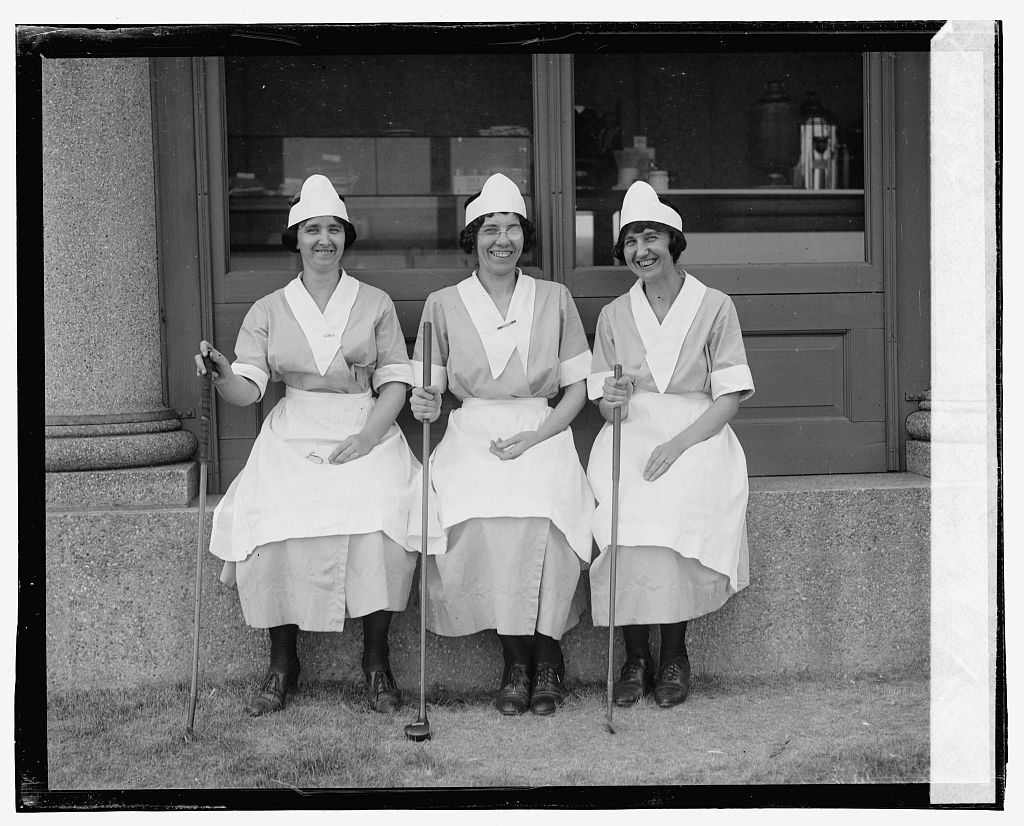
Stewards of the Fairways: Women at East Potomac Park, 1923
Three women in matching work uniforms knelt on the grass at East Potomac Park in Washington, D.C., on June 29, 1923, posing with golf clubs for a glass negative now ...
Freedom Sale: 25% Off All Items! Free Shipping $60+
https://heartfelthistory.com/shop/
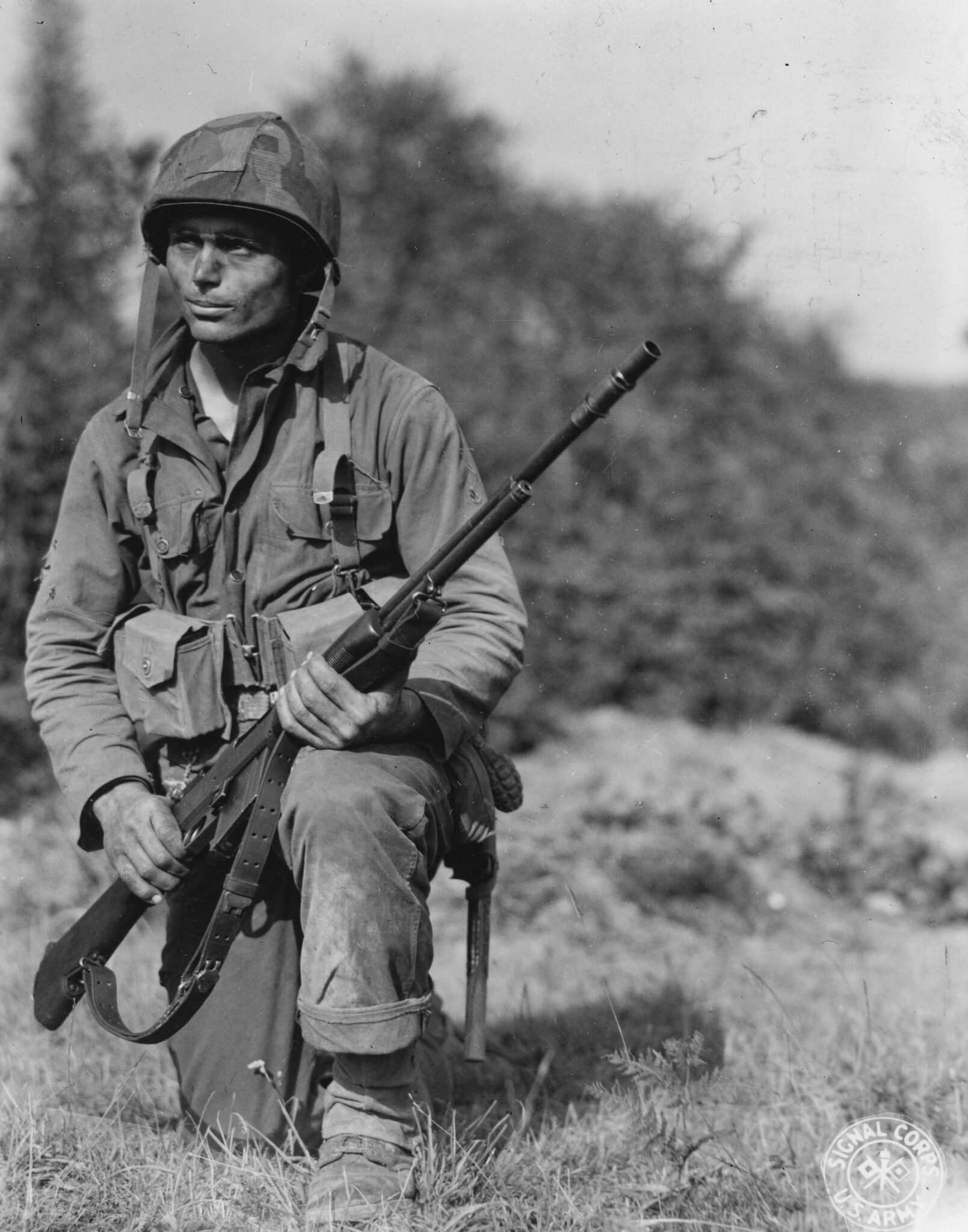
The Quiet Sentinel of the Hedgerows: The Gallantry of Floyd L. Rogers
Twenty‑four‑year‑old Private First Class Floyd L. Rogers knelt quietly amid the dense, suffocating Normandy hedgerows on June 29, 1944, serving as a vital automatic rifleman for Company C of the ...

A Revolution in the Palm of the Hand: The Launch of the First iPhone
The landscape of human communication, industry, and daily life shifted permanently when Apple released the first‑generation iPhone on June 29, 2007. Consumers camped outside stores for days to purchase a ...
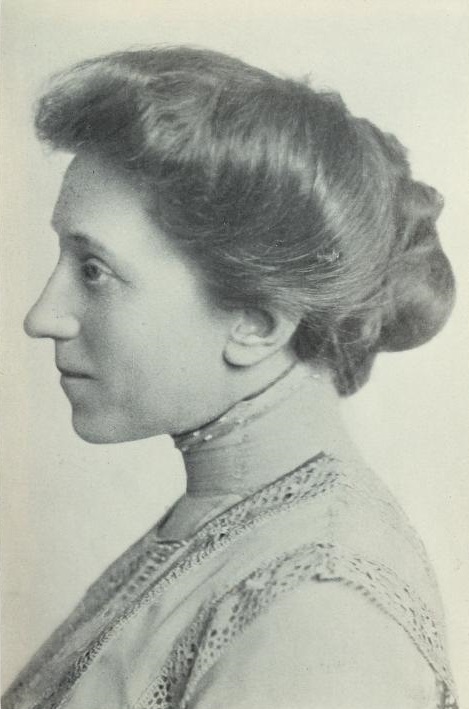
Guarding the Nation’s Children: The Pioneering Work of Julia C. Lathrop
A lifelong champion of vulnerable families was born in Rockford, Illinois, on June 29, 1858, with the arrival of pioneering social reformer Julia Clifford Lathrop. After spending years working alongside ...
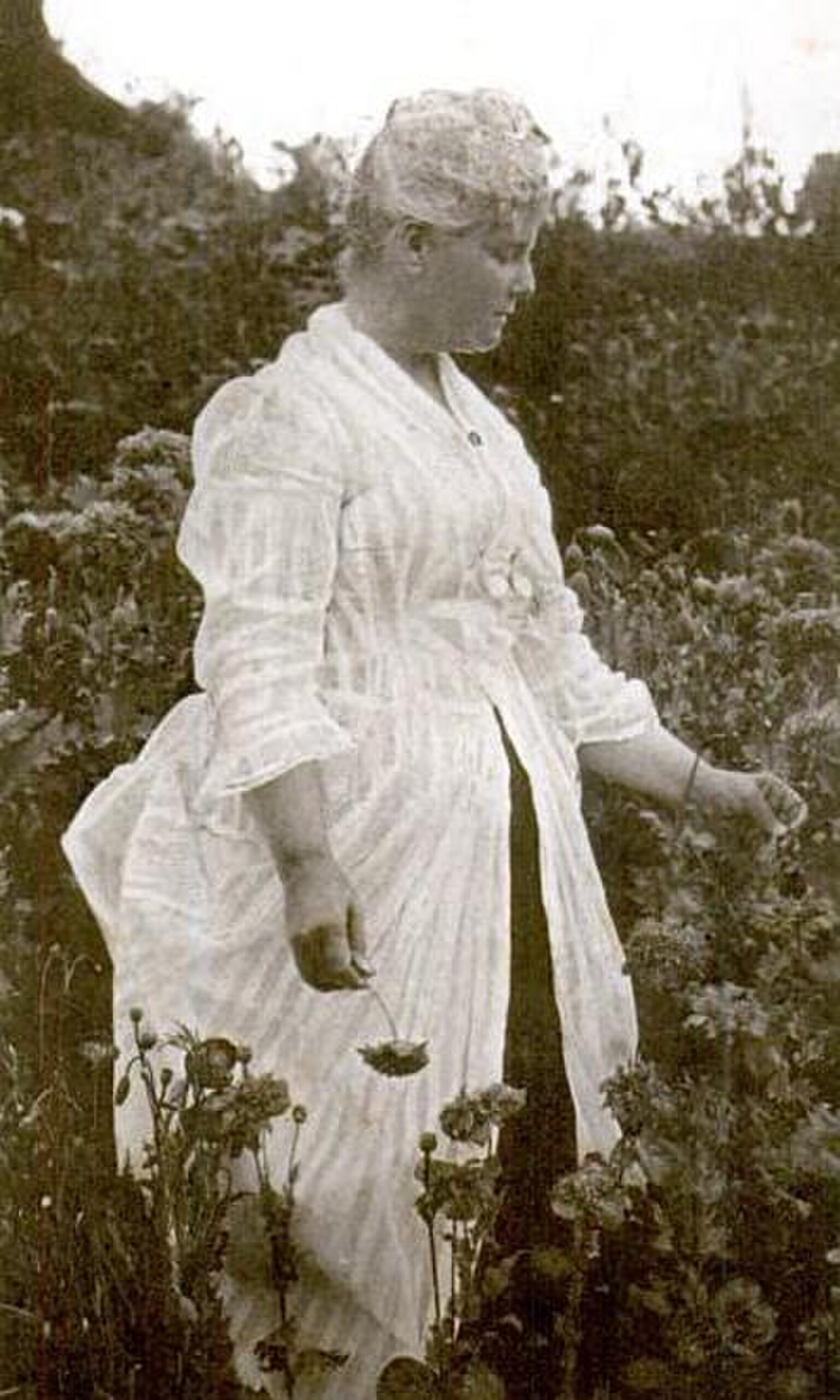
Voices of the Morning Dawn: The Lyrical World of Celia Thaxter
The beautiful, wild landscape of the Isles of Shoals welcomed the birth of celebrated American poet Celia Thaxter on June 29, 1835. Growing up on those isolated islands where her ...
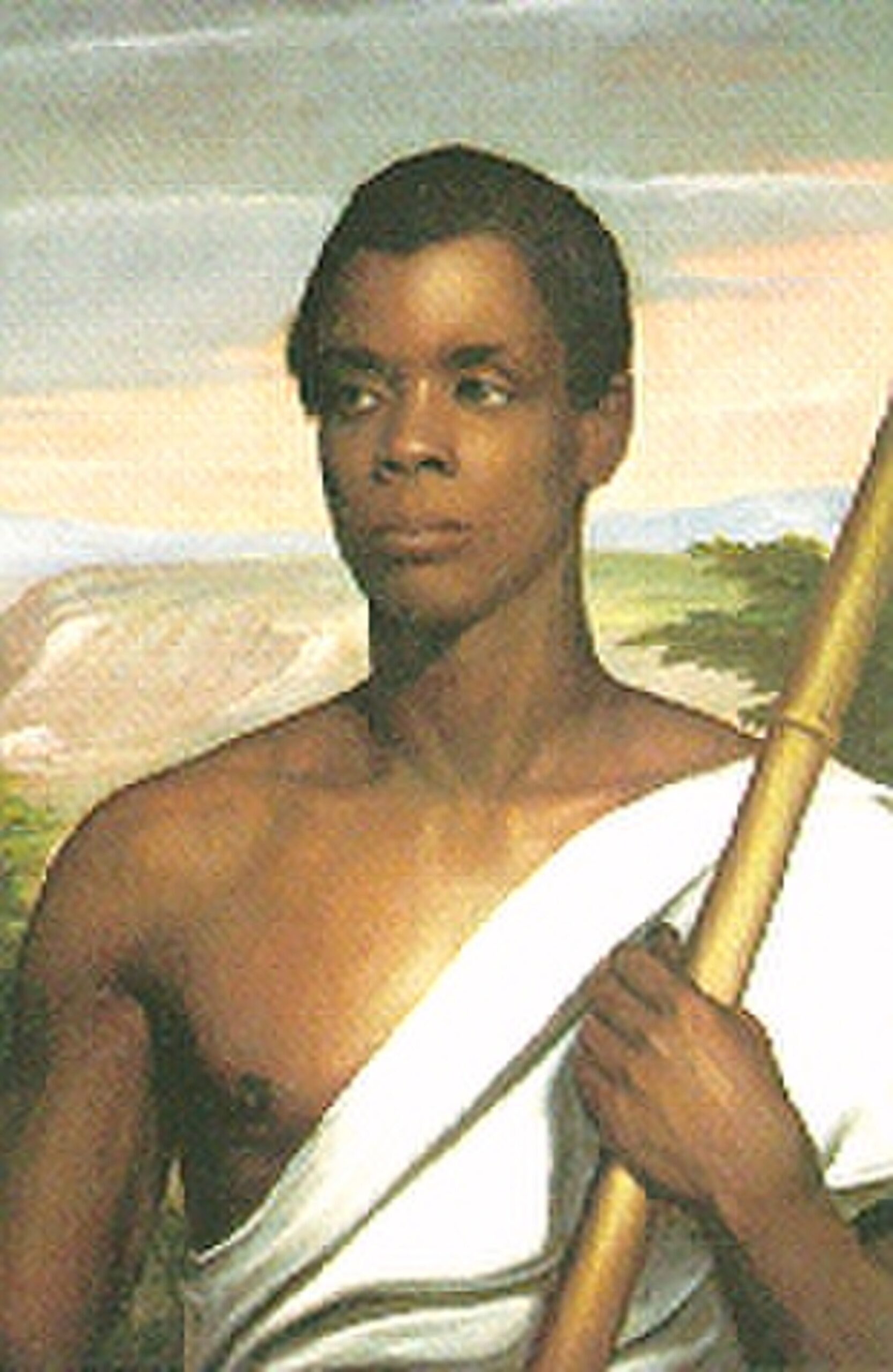
Rebellion on the High Seas: The Amistad Uprising
A monumental struggle for human liberty was brewing on June 29, 1839, a day after clearing port from Havana, Cuba, as the coastal schooner La Amistad navigated the Caribbean waters, ...
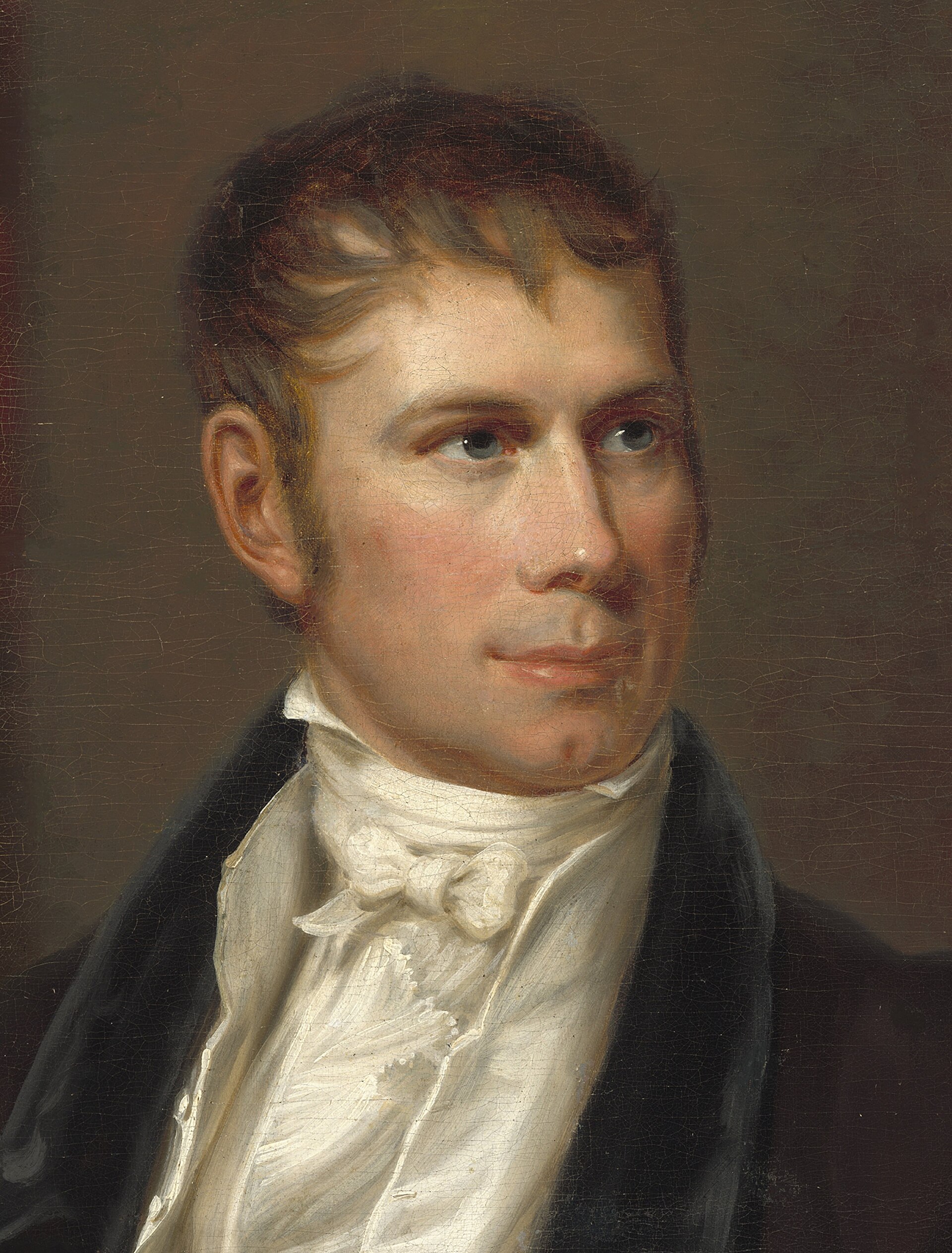
The Fall of the Great Compromiser
The United States lost one of its most towering political architects on June 29, 1852, when Senator Henry Clay of Kentucky succumbed to tuberculosis in his room at the National ...
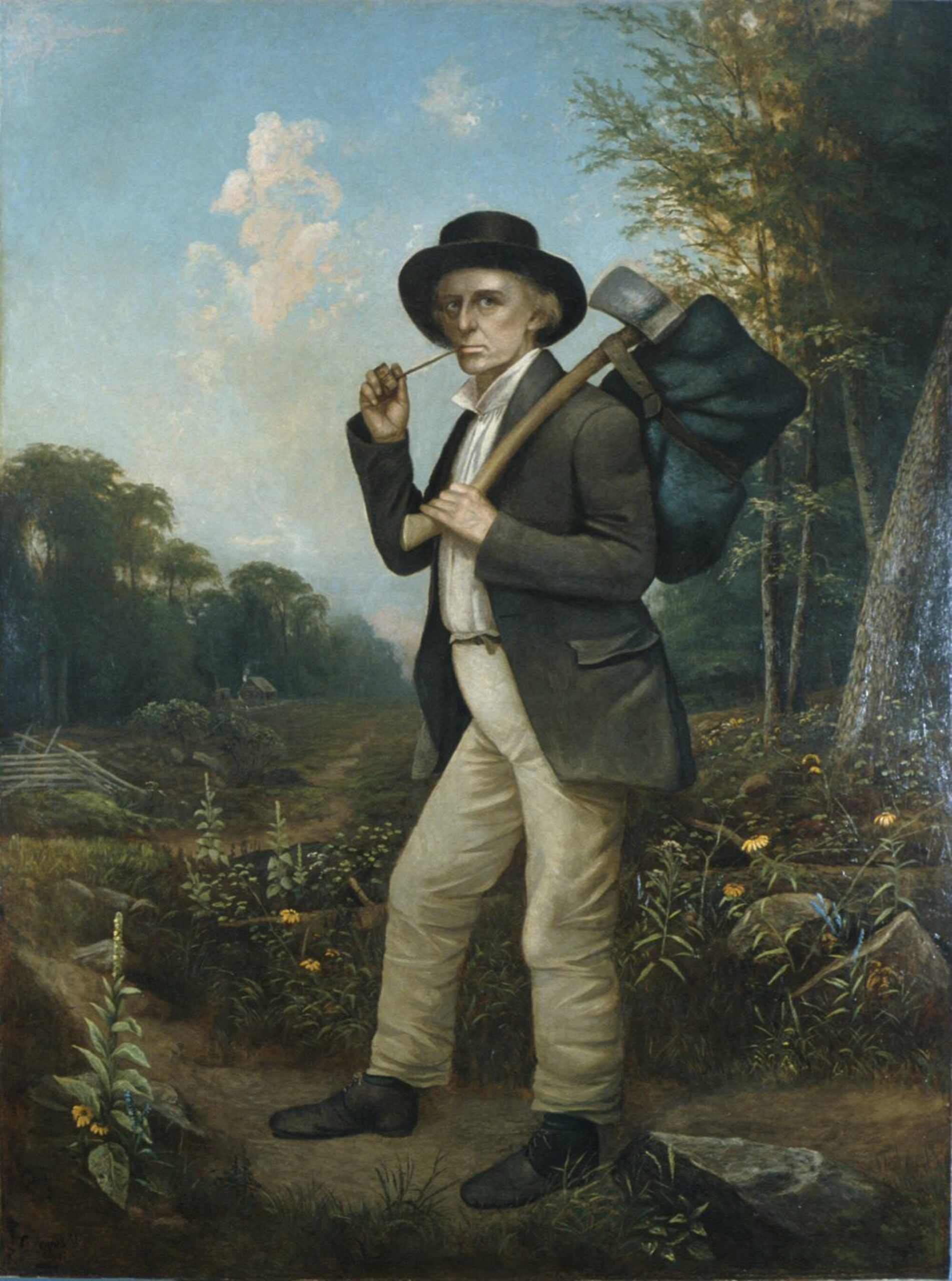
The Fugitive Governor: Andrew Reeder and the Crucible of Kansas
President Franklin Pierce appointed Andrew Horatio Reeder of Easton, Pennsylvania, as the very first territorial Governor of Kansas on June 29, 1854. Reeder arrived in the territory with the monumental ...