
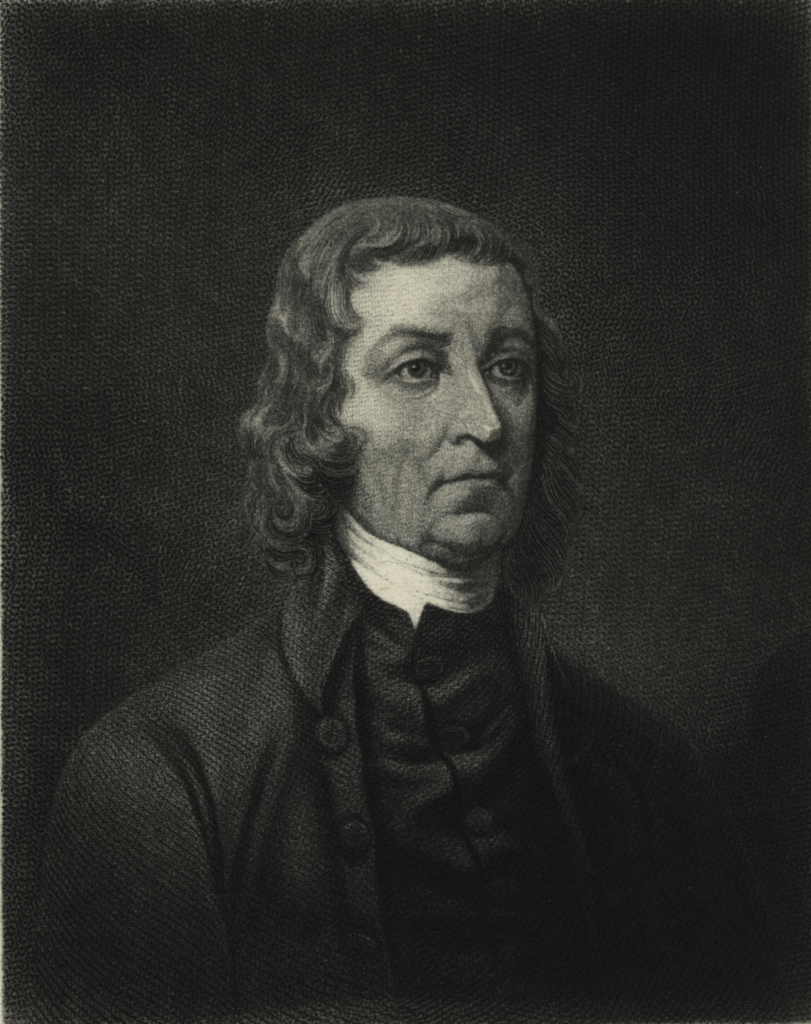
On February 21, 1776, the Second Continental Congress met in Philadelphia as delegates absorbed the full implications of Parliament’s Prohibitory Act — legislation passed months earlier that declared American ships lawful prizes and effectively placed the colonies outside British protection. Josiah Bartlett (shown) of New Hampshire, a physician‑turned‑revolutionary, was among those confronting the reality that reconciliation was slipping away. It was not a day of dramatic declarations, but one of steady resolve — the quiet work that carried the colonies toward the independence they would formally claim that summer.
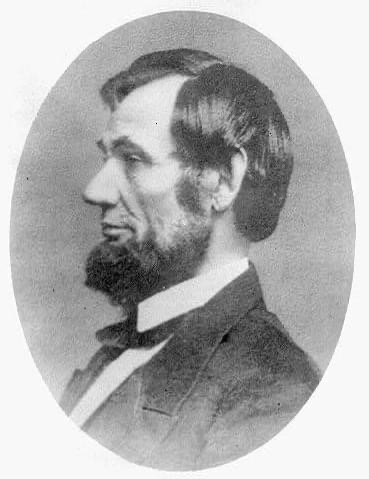
“May I be pardoned, if, upon this occasion, I mention, that away back in my childhood — the earliest days of my being able to read — I got hold of a small book, such a one as few of the younger members have ever seen, ‘Weems Life of Washington’ ; I remember all the accounts there given of the battlefields and struggles for the liberties of the country, and none fixed themselves upon my imagination so deeply as the struggle here at Trenton. The crossing of the river, the contest with the Hessians, the great hardships endured at that time, all fixed themselves on my memory more than any single Revolutionary event; and you all know, for you have all been (children), how these early impressions last longer than any other. I recollect thinking then, boy even though I was, that there must have been something more than common that those men struggled for. I am exceedingly anxious that that thing which they struggled for — that something even more than National independence, that something that held out a great promise to all the people of the world for all time to come — I am exceedingly anxious that this Union, the Constitution, and the liberties of the people, shall be perpetuated in accordance with the original idea for which that struggle was made, and I shall be most happy, indeed, if I shall be a humble instrument in the hands of the Almighty, and of this, his most chosen people, for perpetuating the object of the great struggle.” – Abraham Lincoln, Address in the Senate Chamber, Trenton, N.J., February 21, 1861. From: The Words of Lincoln, published in 1895 https://archive.org/details/wordsoflincoln00linc/page/61/mode/2up Source says not in copyright
Image: Profile image of Abraham Lincoln c. 1863 via Library of Congress, no known restrictions
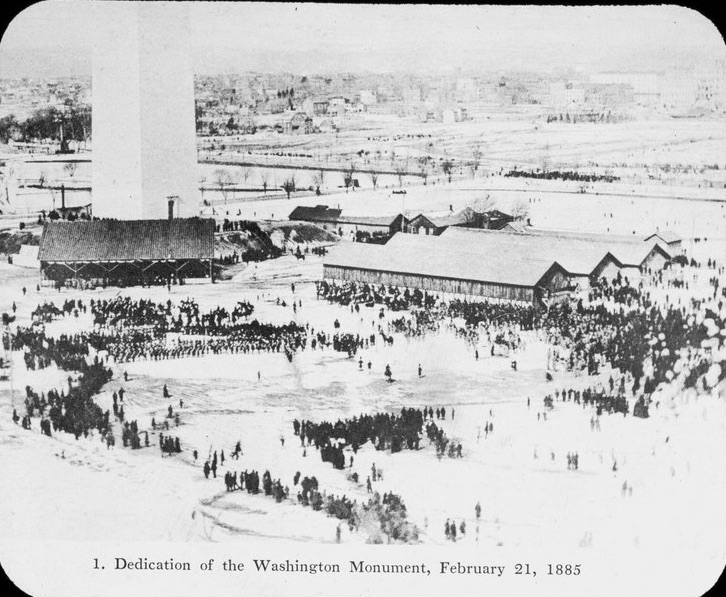
On February 21, 1885, after decades of halted funding, political disputes, and Civil War interruption, the Washington Monument was formally dedicated in the nation’s capital. President Chester A. Arthur accepted the structure “in behalf of the people” and declared it dedicated to the “immortal name and memory of George Washington.” Rising 555 feet above the Mall, the monument stood as both an engineering triumph and a long‑delayed tribute to the republic’s first president.
Image via Alamy
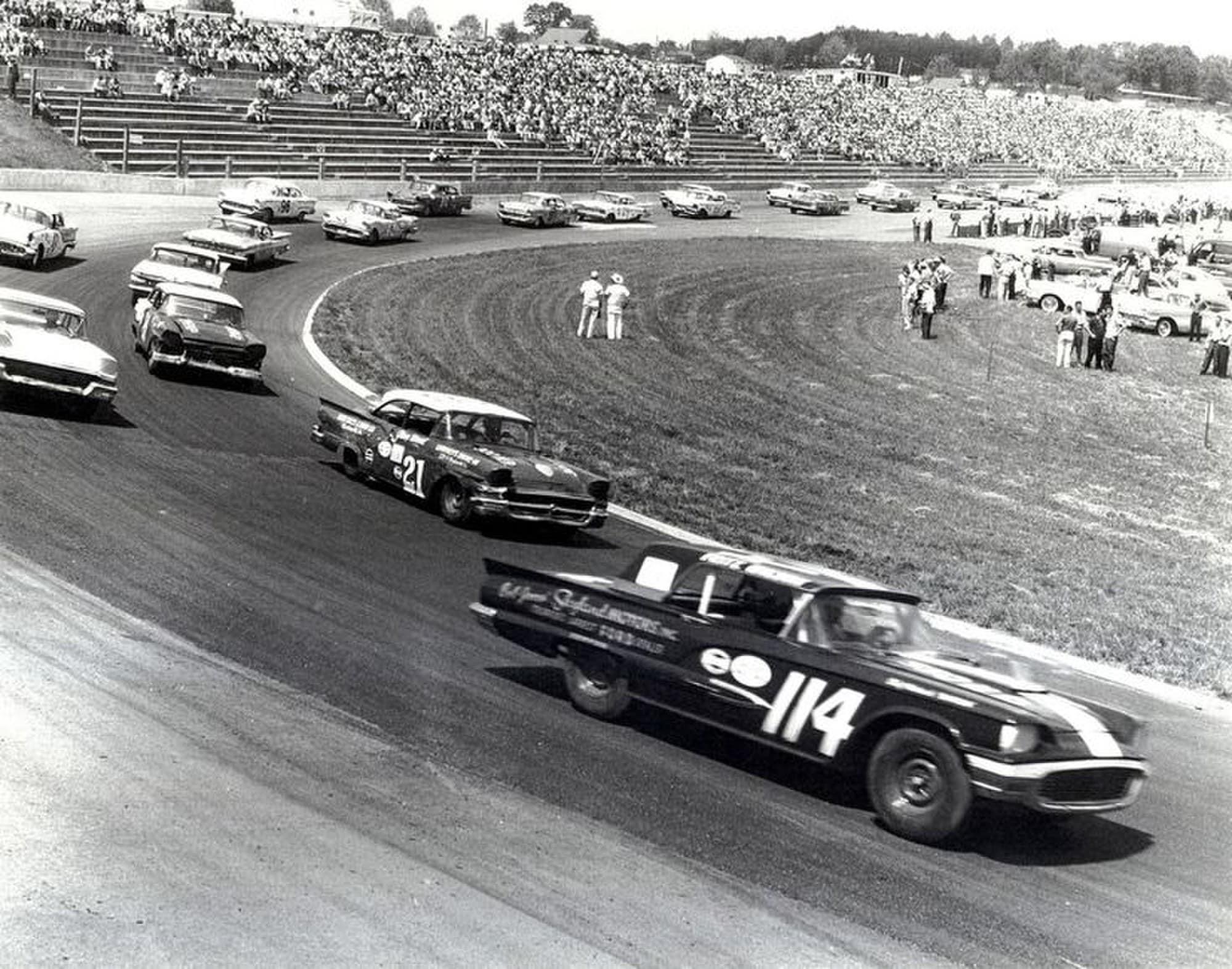
On February 21, 1948 NASCAR was founded.
Image of a NASCAR race about a decade later in the 1950s from Notch8864 via Wikimedia Commons, CC BY SA 4.0
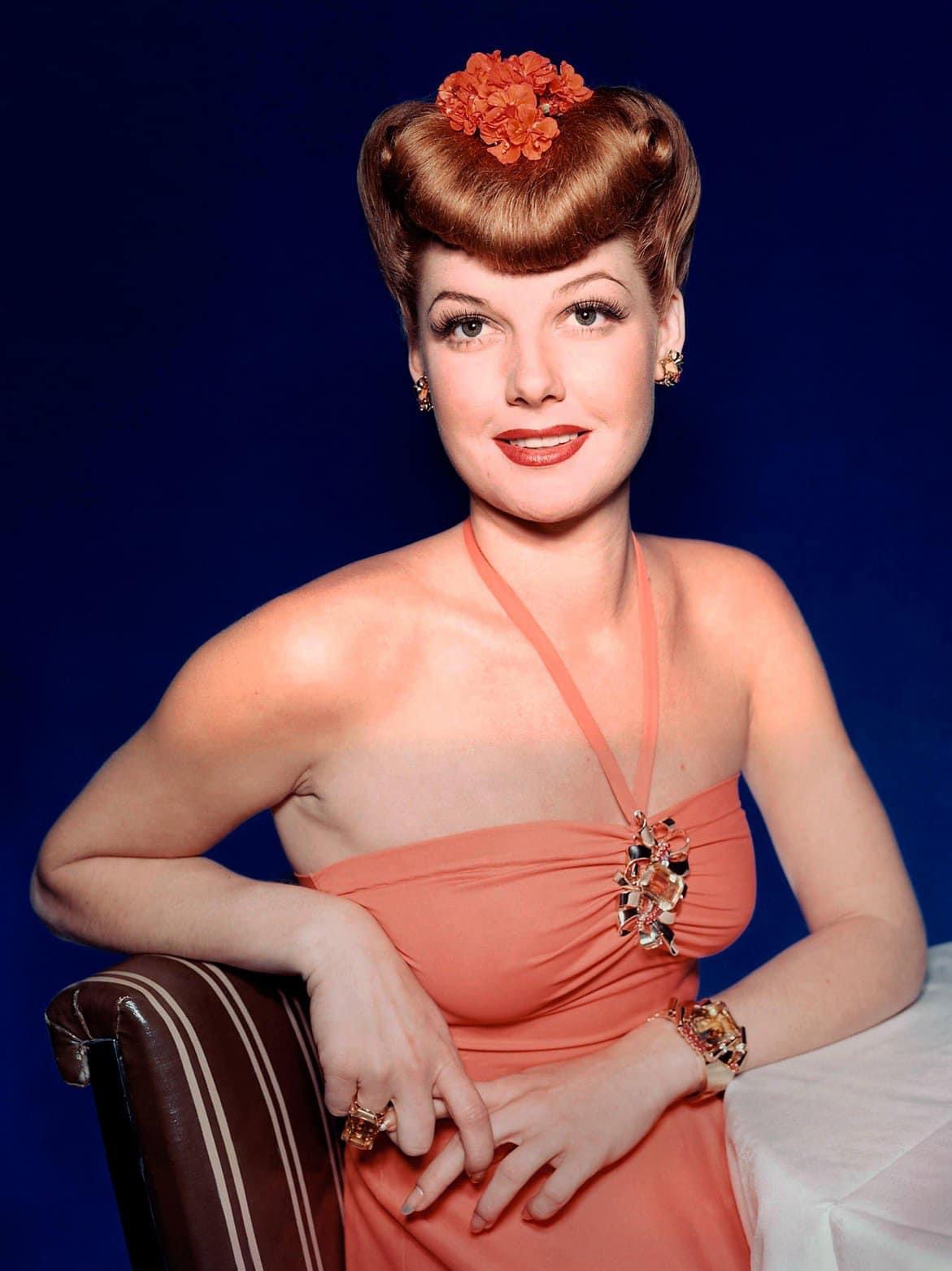
American actress Ann Sheridan was born on February 21, 1915 in Denton, Texas. In the early 1930s Ann played basketball for North Texas State Teachers College
Image c. 1940 via Alamy
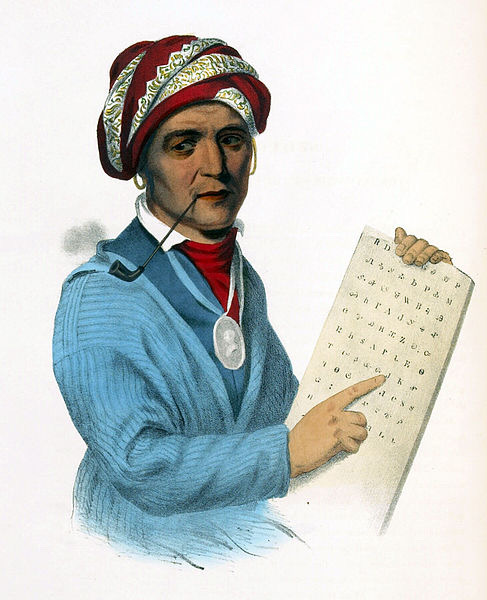
The multitalented Sequoyah is credited with developing the Cherokee syllabary as a way to promote communication within his people and with other groups through writing. Due to his efforts the “Cherokee Phoenix” newspaper began printing on February 21, 1828 at New Echota, in present-day Georgia.
Image via Wikimedia Commons, public domain in the US.
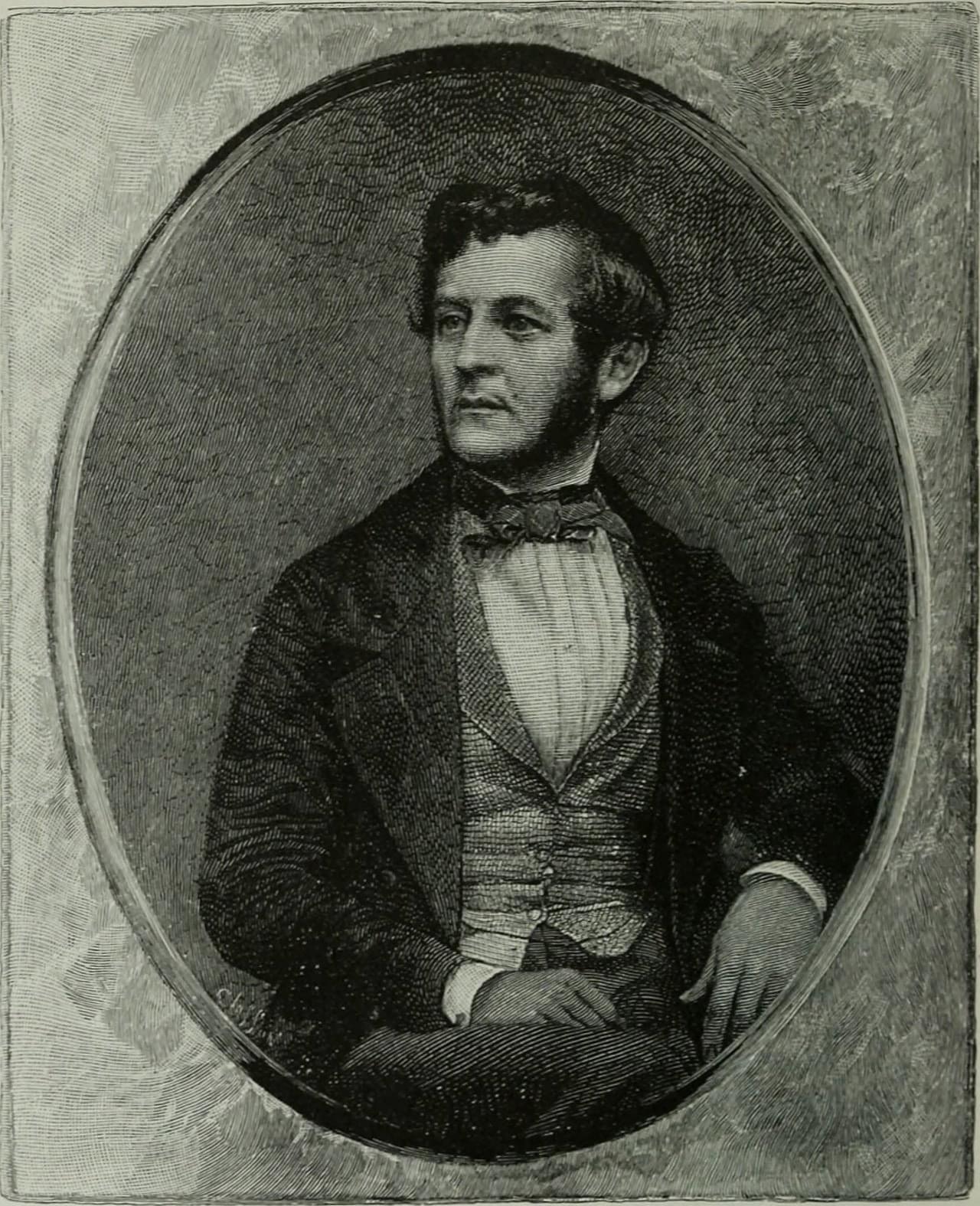
Charles Scribner who founded the famous publishing company that is currently using the same name was born on February 21, 1821 in New York City.
Image via Wikimedia Commons, public domain
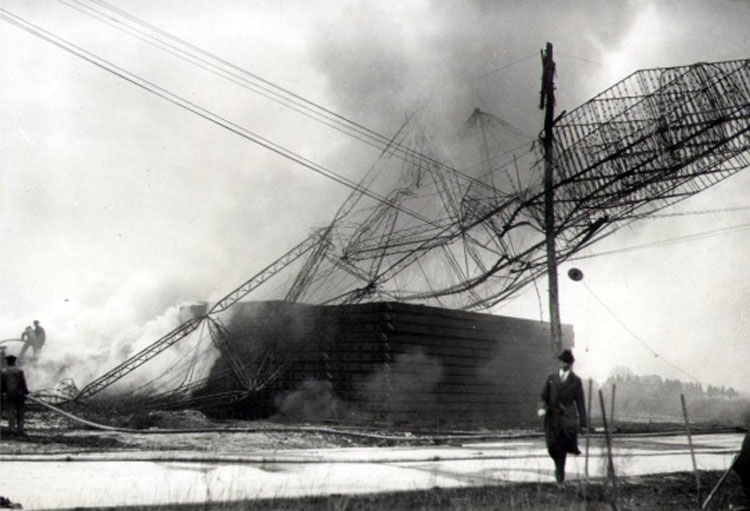
On February 21, 1922, a semi-rigid dirigible named Roma that was built in Italy but purchased for $184,000 by the U.S. Government, crashed in Norfolk, Virginia. Out of the 45 passengers onboard 34 were killed. Incredibly 3 of the 45 passengers were not harmed while 8 sustained injuries. It was the last airship used by the U.S. Military that was inflated with hydrogen.
Image via Wikimedia Commons, public domain
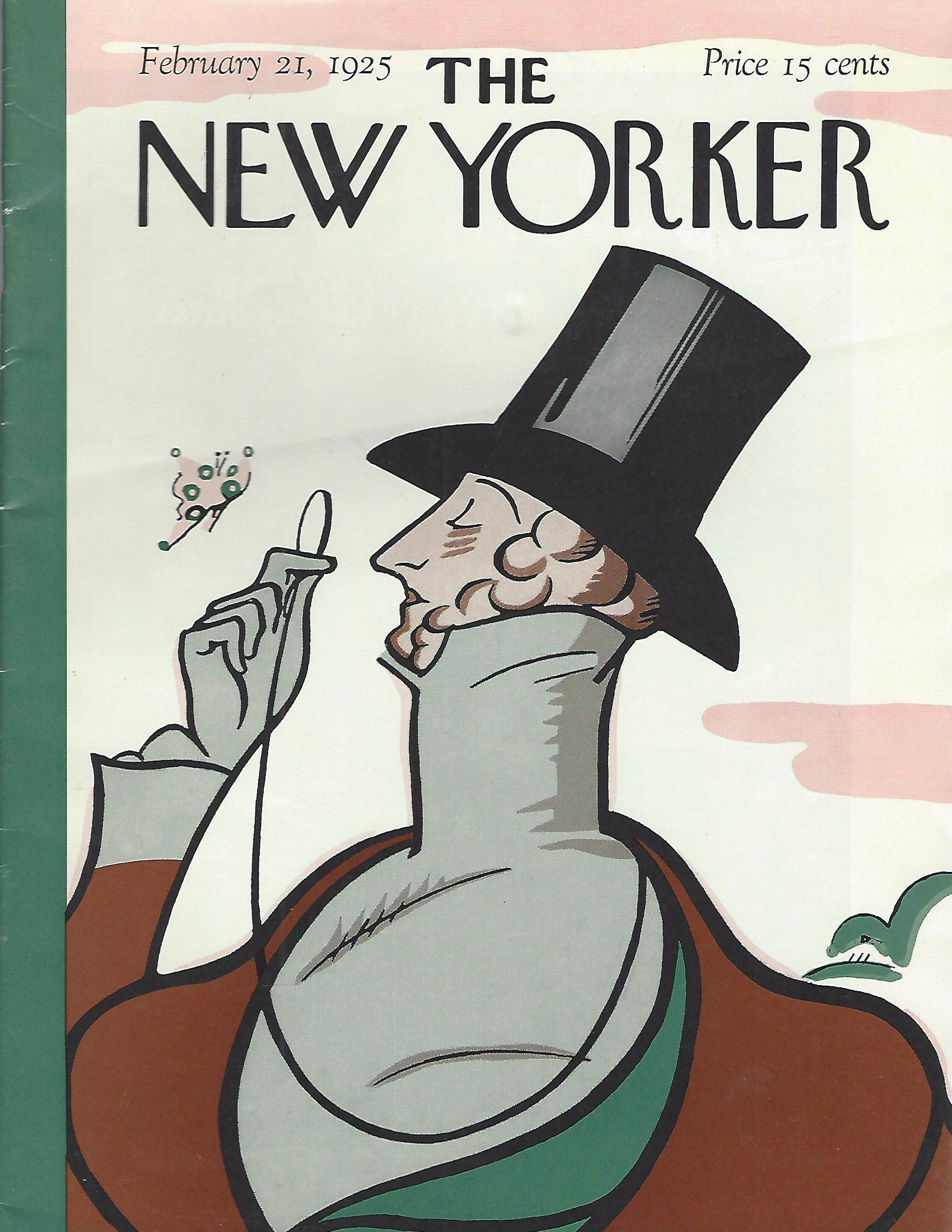
The first issue of The New Yorker appeared on February 21, 1925, introducing a magazine that would become a defining voice of American urban culture. Though rooted in Manhattan humor and sensibilities, its readership quickly spread far beyond the city. By the early 2000s, circulation data showed more subscribers in California than in New York — a reminder that its blend of reporting, fiction, and satire had become a national institution.
Image via Wikimedia Commons, public domain in the US.

Syndicated newspaper columnist Erma Bombeck was born on February 21, 1927 in Bellbrook, Ohio. In 1959 she and her family moved into this Centerville, Ohio suburban home in the Dayton metro area. One of her quotes “It takes a lot of courage to show your dreams to someone else.”
Image via Wikimedia Commons, public domain
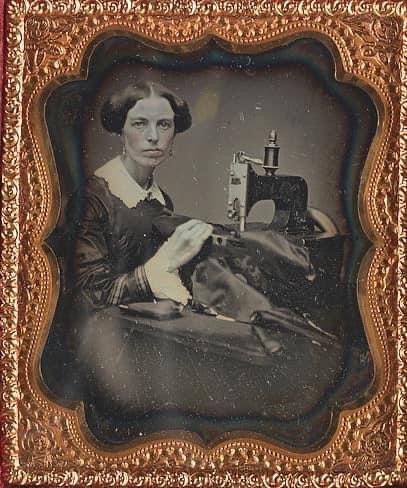
On February 21, 1842, John James Greenough received a patent for his improved sewing machine. It was the first patent for a sewing machine in the U.S.
Image: Daguerreotype of a woman with a sewing machine in 1853 via Library of Congress, no known restrictions
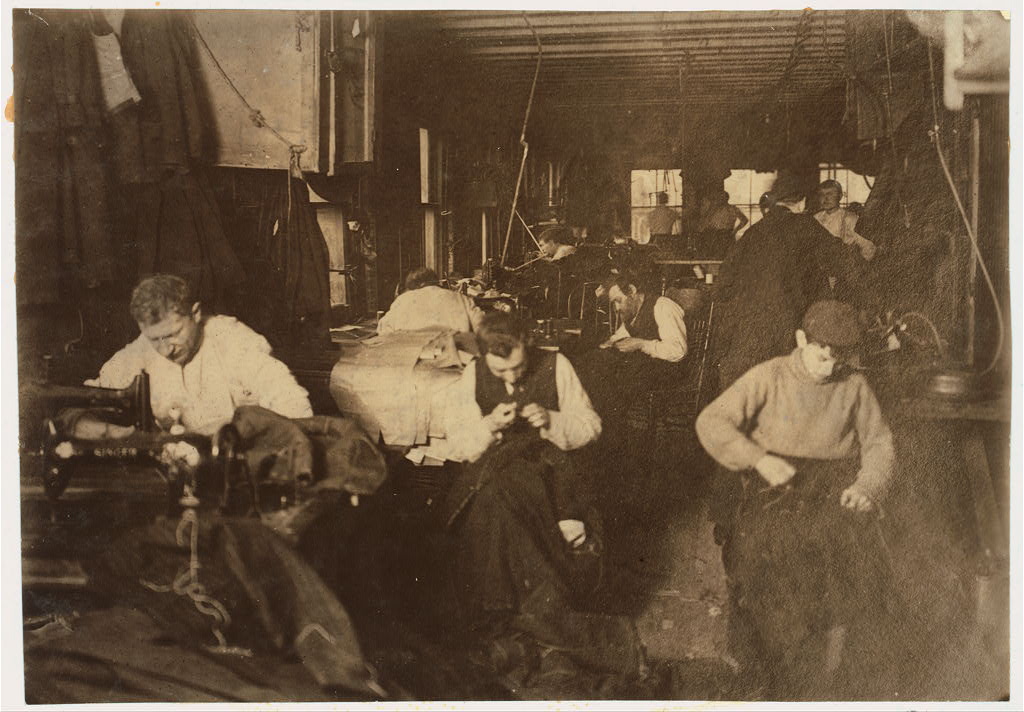
Group of sweatshop workers in a shop located at 30 Suffolk St., New York, New York. February 21, 1908 via LOC, no known restrictions
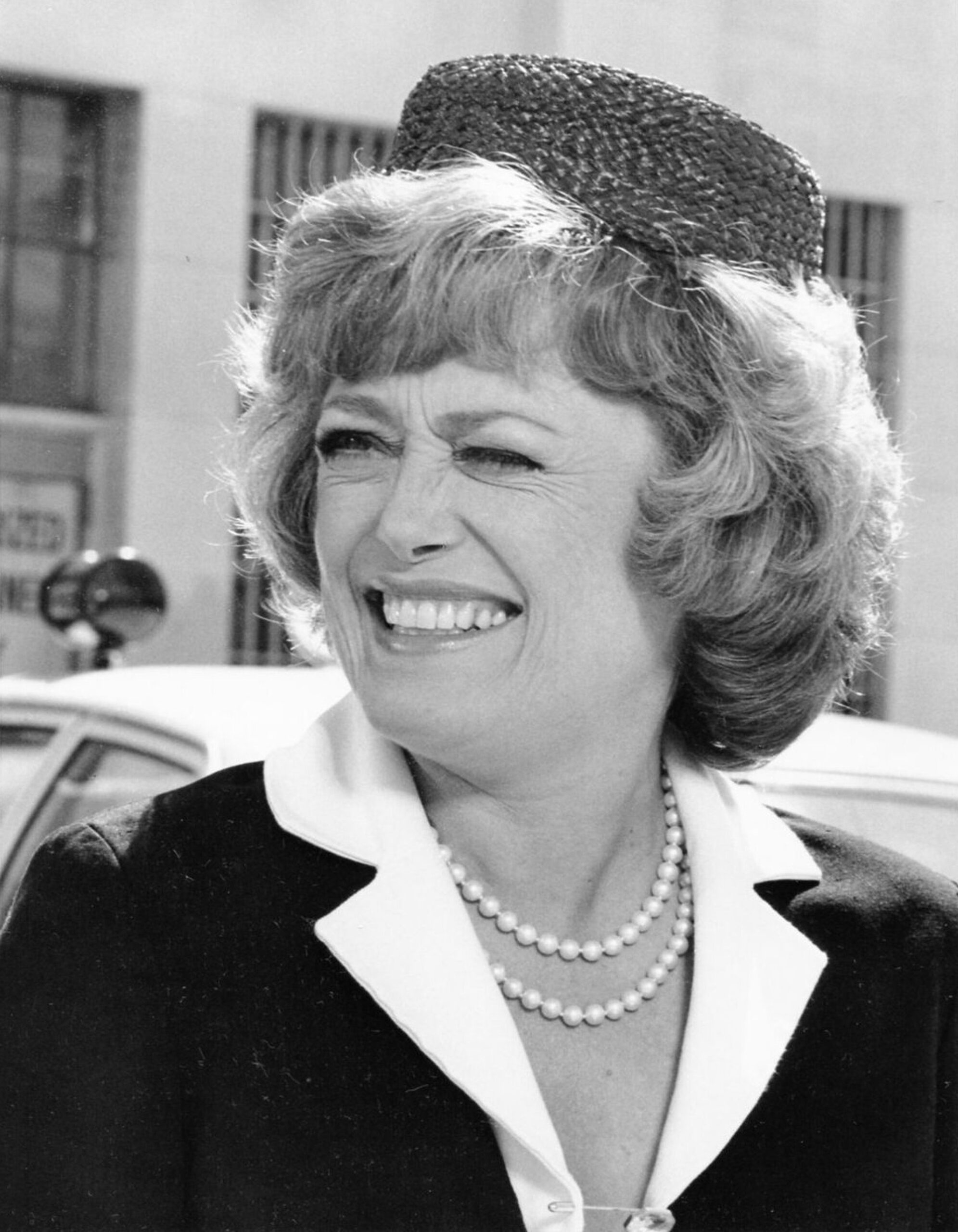
Rue McClanahan who played the role of Blanche Devereaux on The Golden Girls was born on February 21, 1934 in Healdton, Oklahoma.
Image c. 1972 via Wikimedia Commons, public domain
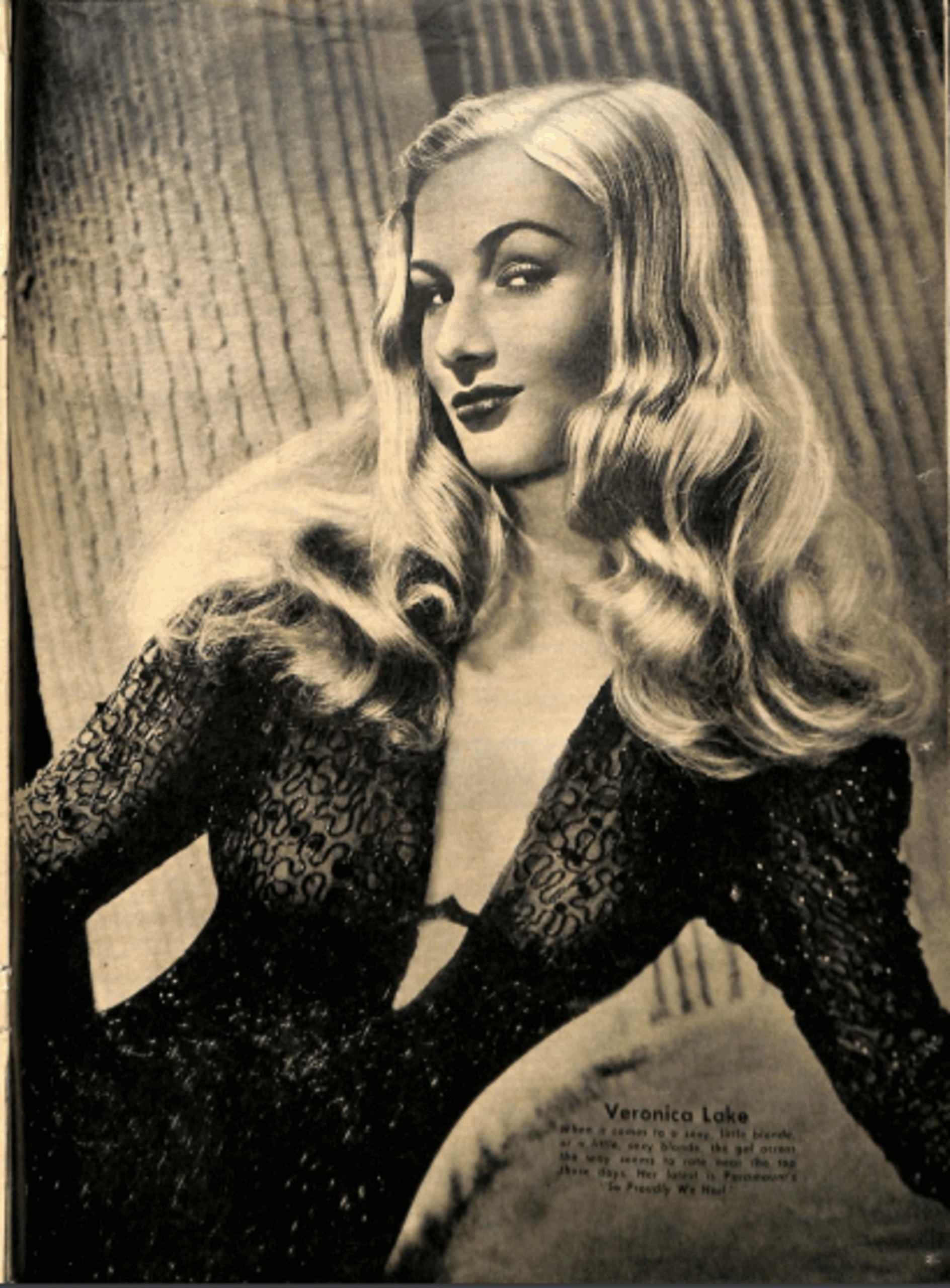
Photo of Veronica Lake that appeared in the British edition of the U.S. Army Weekly YANK that was published on February 21, 1943.
Image via Wikimedia Commons, public domain
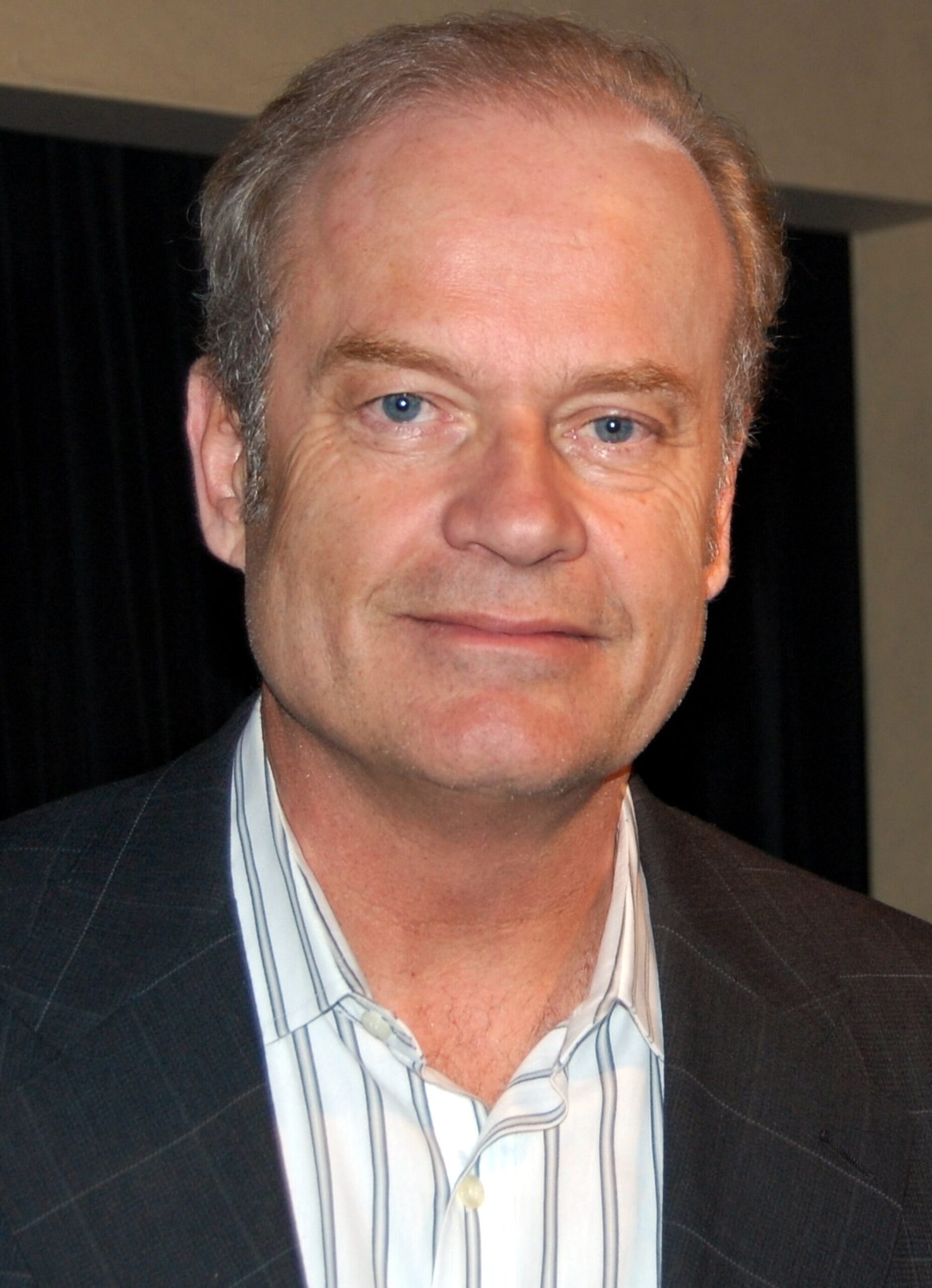
Kelsey Grammer, best known as Dr. Frasier Crane from the TV shows Cheers and Frasier , was born on February 21, 1955 in Saint Thomas, U.S. Virgin Islands. In the early 1980s he starred on Broadway with Christopher Plummer and James Earl Jones in Shakespeare’s Othello.
Image via Wikimedia Commons, public domain
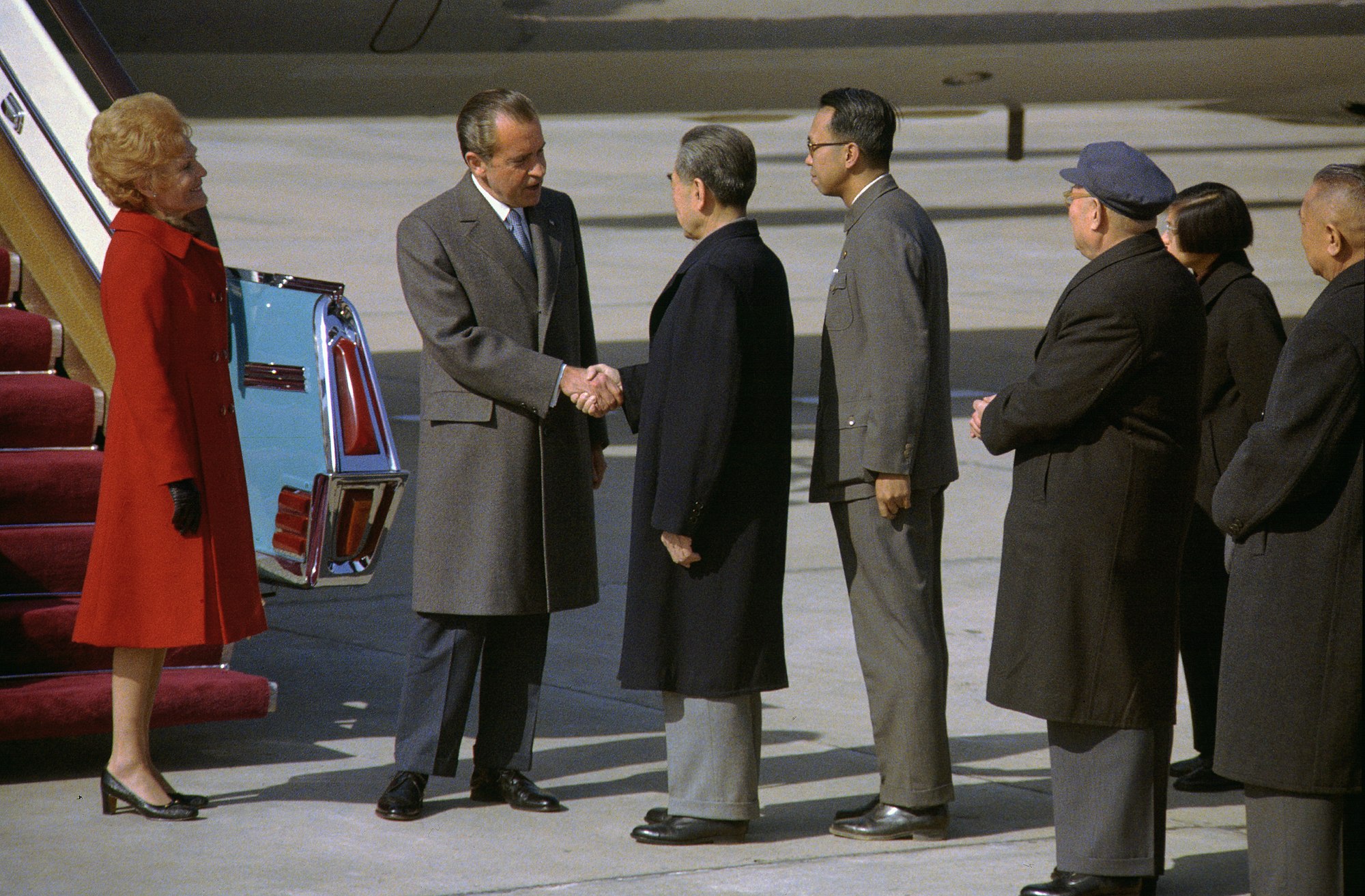
President Richard Nixon and First Lady Pat Nixon arriving in China on February 21, 1972. It was the first time a U.S. President visited communist China.
Image via Wikimedia Commons, public domain
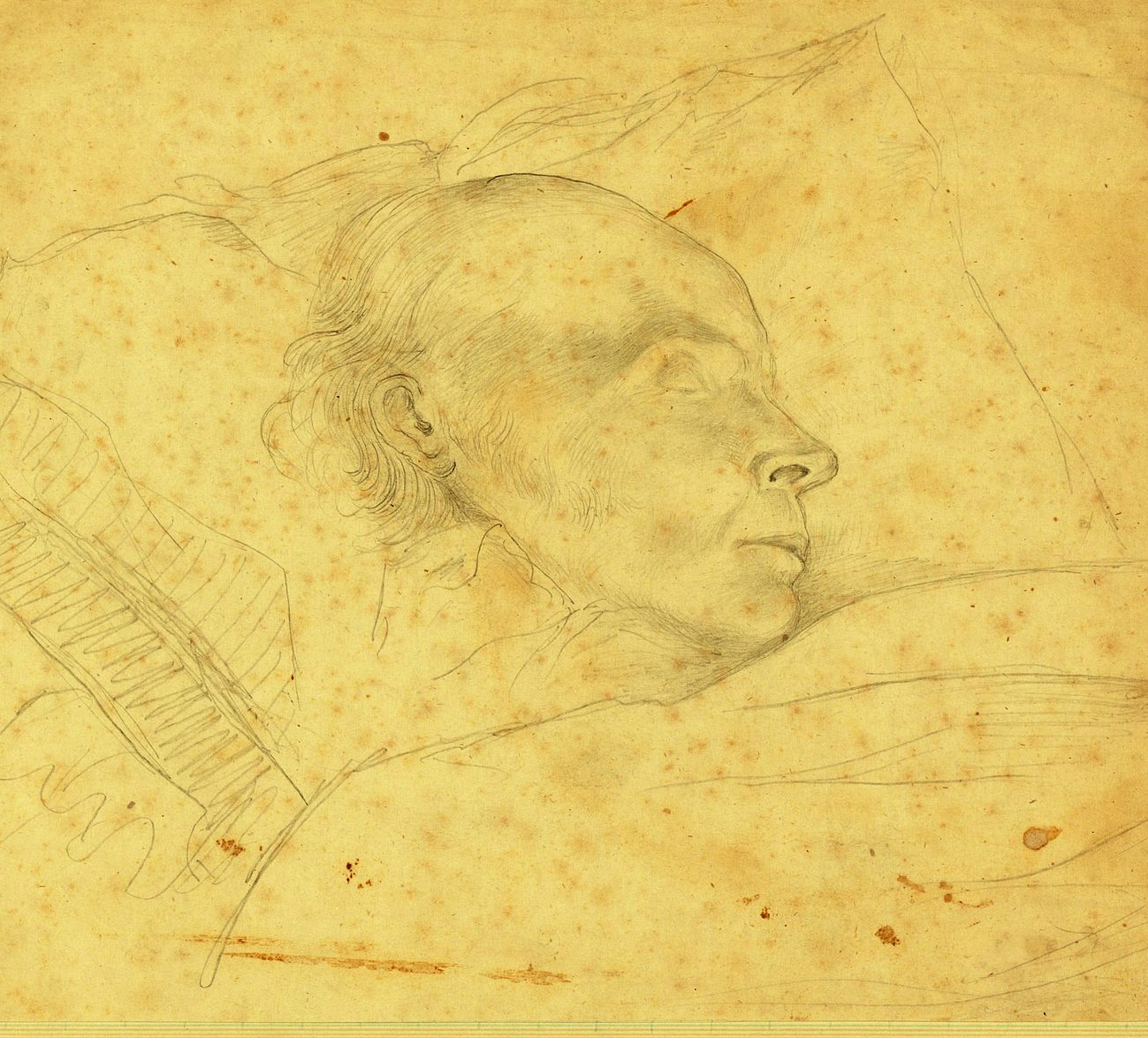
A sketch of former U.S. President John Quincy Adams after he suffered a severe stroke at the U.S. Capitol on February 21, 1848. He passed away at the U.S. Capitol two days later.
Image via Wikimedia Commons, public domain
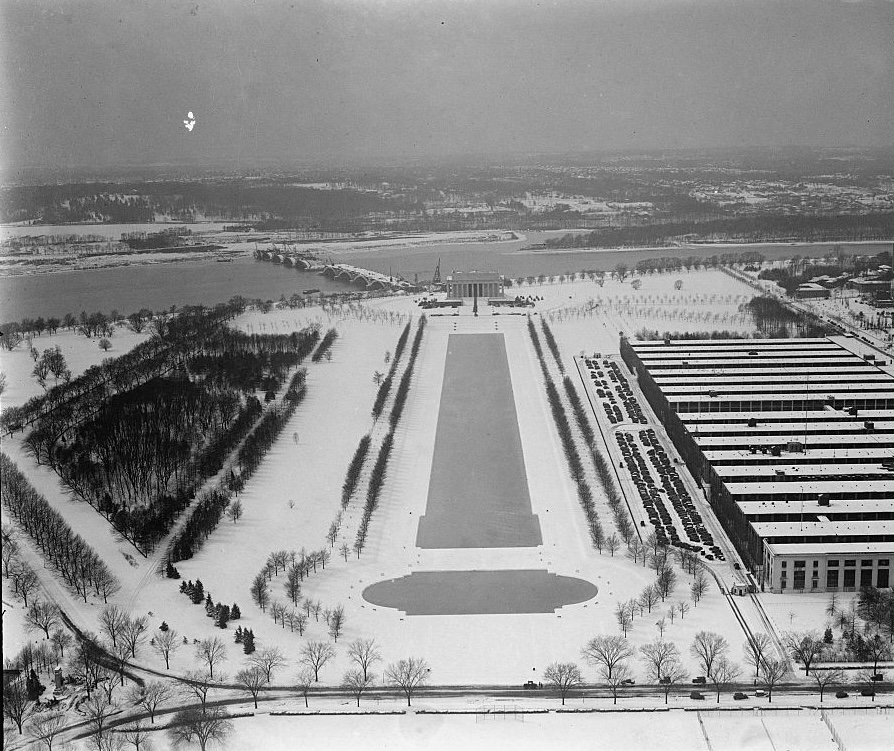
Lincoln Memorial & Reflecting Pool on 2/21/1929
Image via LOC, no known restrictions
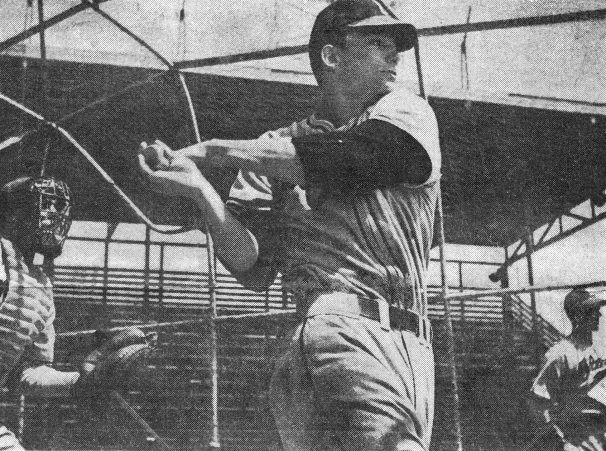
Born February 21, 1928, in Uniontown, Pennsylvania, Larry “Bud” Pennell first made his name not on a soundstage but on the diamond — a left‑handed first baseman in the Boston Braves organization, once honored as their “Most Promising Rookie.” After Army service and a brief post‑service stint when his contract was purchased by the Brooklyn Dodgers, he chose a different path. Hollywood turned the ballplayer into a mid‑century fixture: the skydiving lead of Ripcord, the deadpan matinee idol Dash Riprock on The Beverly Hillbillies, and a steady, unmistakable presence across westerns, dramas, and family television for more than fifty years. A life that began in a Pennsylvania mill town carried him through two American arenas — baseball and television — each demanding the same quiet discipline and grit.
Image: Larry Pennell playing with the Evansville Braves in 1949 via Wikimedia Commons, no known restrictions
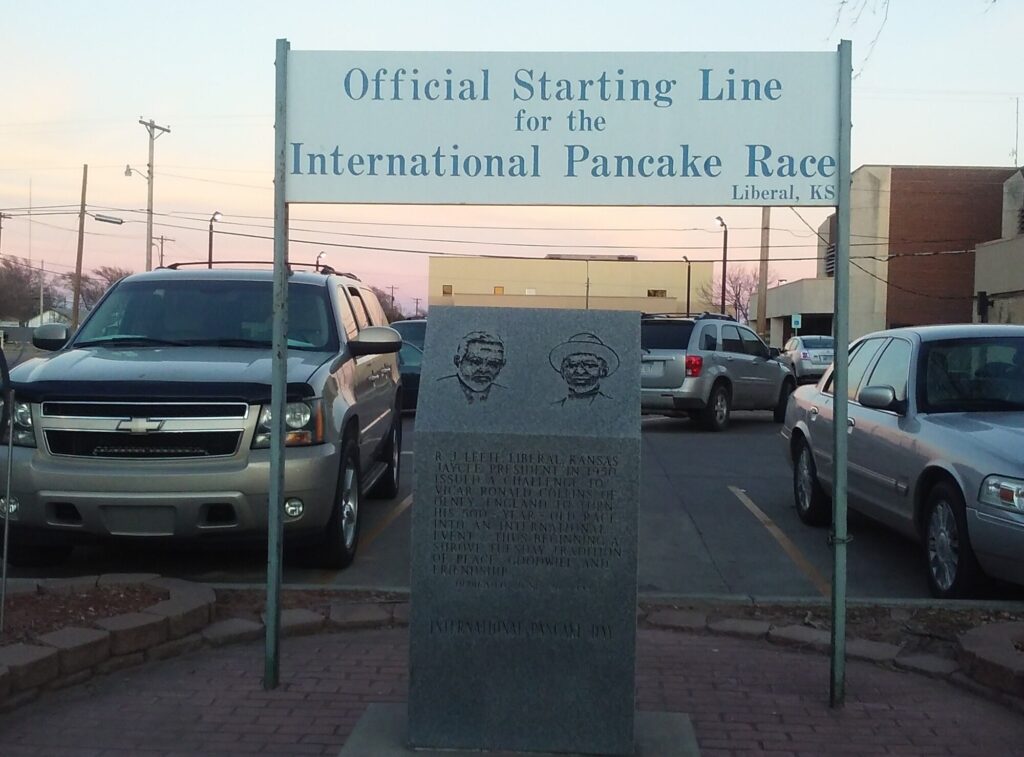
It began on February 21, 1950, in Liberal, Kansas — a small‑town challenge inspired by a 1445 legend from Olney, England, where a startled housewife once sprinted to church still flipping a pancake in her frying pan. Liberal answered that old story with a race of its own, and Olney accepted the dare.
What started as a single Shrove Tuesday dash has become an international tradition: two towns, two courses, and more than seventy years of scarves, aprons, flying batter, and friendly rivalry. That tradition continued this week at the 77th annual race, with both communities once again sending their fastest apron‑clad runners down their respective courses in the spirit of friendly competition.
Today, the Liberal–Olney Pancake Day Race stands as one of the most delightfully enduring links between two communities separated by an ocean but united by a frying pan — with Liberal now leading the all‑time series 43 wins to 31.
Image of the official start line marker for the International Pancake Day Race in Liberal, KS and a monument to the founders of the race in Liberal from Tubafeller via Wikimedia Commons, CC BY SA 4.0
