
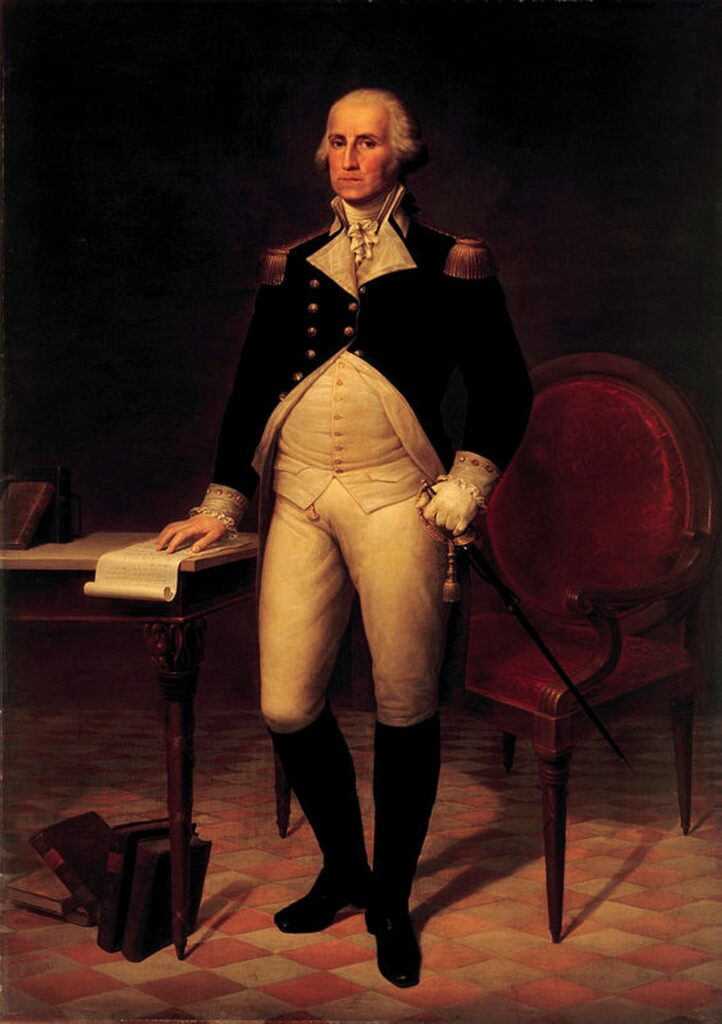
February 19, 1777 — In the weeks after the stunning victories at Trenton and Princeton, Washington found himself commanding an army that had won the winter but was nearly spent by it. Enlistments had evaporated, recruiting lagged, and officers were scattered across the states trying to pull men back from hospital furloughs. From Morristown, he warned Congress that the army lacked the senior leadership needed to survive the coming campaign. Congress responded on this day by elevating William Alexander, Thomas Mifflin, Arthur St. Clair, Adam Stephen, and Benjamin Lincoln to major general — a move driven not by politics or personal slight, but by Washington’s urgent effort to rebuild a fighting force before spring. Benedict Arnold, senior to several of them, bristled at the decision, yet the moment was shaped far more by necessity than by wounded pride.
Here is how each officer strengthened that effort: William Alexander, “Lord Stirling,” whose rearguard stand at Long Island helped prevent the army’s destruction; Thomas Mifflin, the first Quartermaster General whose logistical skill and mercantile networks built the army’s early supply system; Arthur St. Clair, known for his strategic withdrawals, including the necessary evacuation of Fort Ticonderoga; Adam Stephen, a dependable battlefield commander at Trenton and Princeton promoted for meritorious service; and Benjamin Lincoln, the steady New England officer who helped secure Saratoga and later accepted the British surrender at Yorktown. Though this leadership spine was fragile — with Stephen dismissed and Mifflin sidelined by year’s end — together they provided the structure Washington needed to rebuild the army for the hard campaign ahead.

Retailers manning booth at Pure Food Show, Seattle, February 19, 1908 Who could resist the “Cornucopia with Ice Cream” for 5 cents?
Image via Wikimedia Commons, public domain

Actress Eva Marie Saint in her high school cheerleader uniform dated February 19, 1942 Eva Marie appeared in On The Waterfront with Marlon Brando and North by Northwest with Cary Grant. Her acting career spanned nearly 80 years.
Image via Wikimedia Commons, public domain
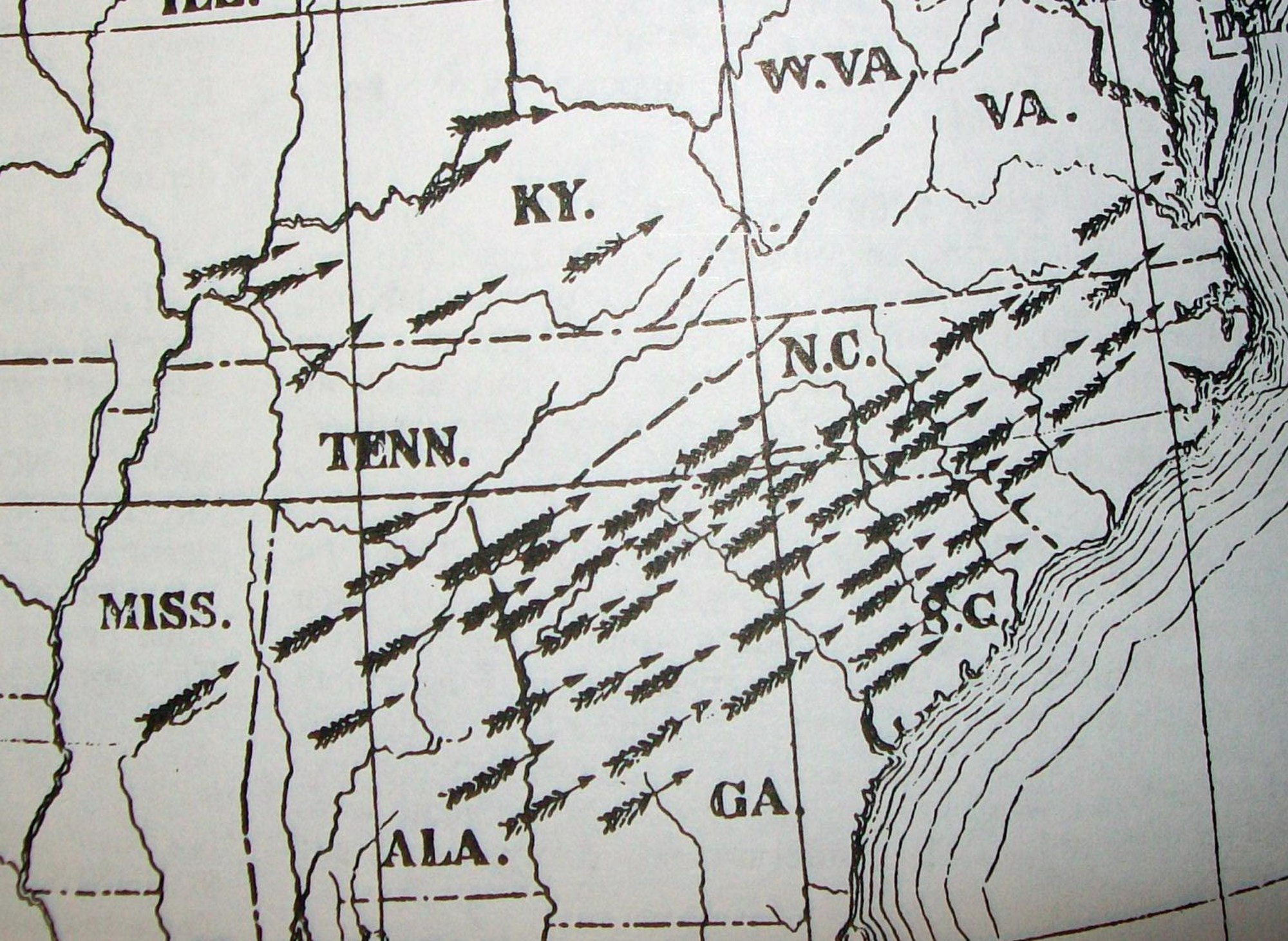
On February 19, 1884, at least 37 confirmed tornadoes (over 60 were reported) touched down across the southeastern United States. The catastrophic event became known as the Enigma Outbreak.
Image: Map of the Enigma Tornado Outbreak of 1884 via Wikimedia Commons, public domain
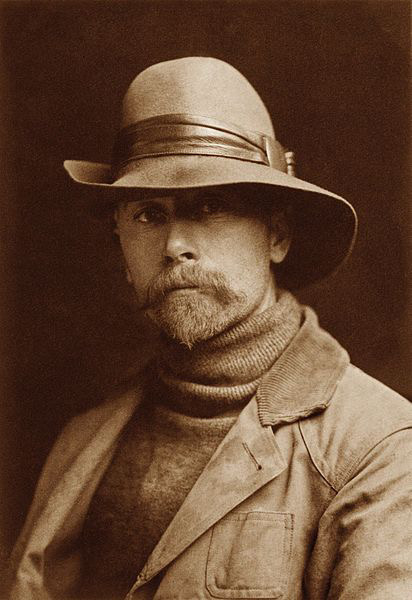
Born February 19, 1868 Edward Curtis spent 30 years traveling through the West and Alaska to depict the lives of Native Americans. Funded by J.P. Morgan, Curtis took about 40,000 photographs while his team recorded music and documented lore and traditions. “The North American Indian” (20 volumes) was the result of his work.
Image via Wikimedia Commons, public domain in the US.
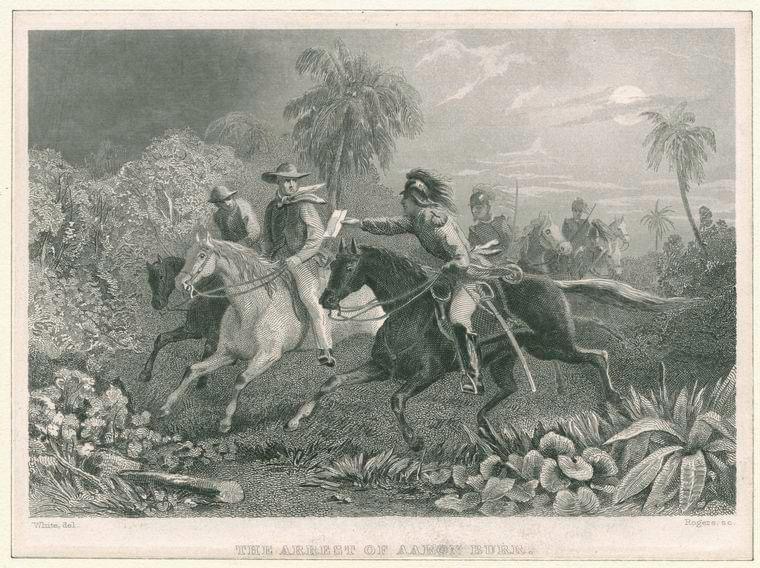
The arrest of former Vice President Aaron Burr in Wakefield, present day Alabama – February 19, 1807
Image via NYPL Digital Collections, no known restrictions
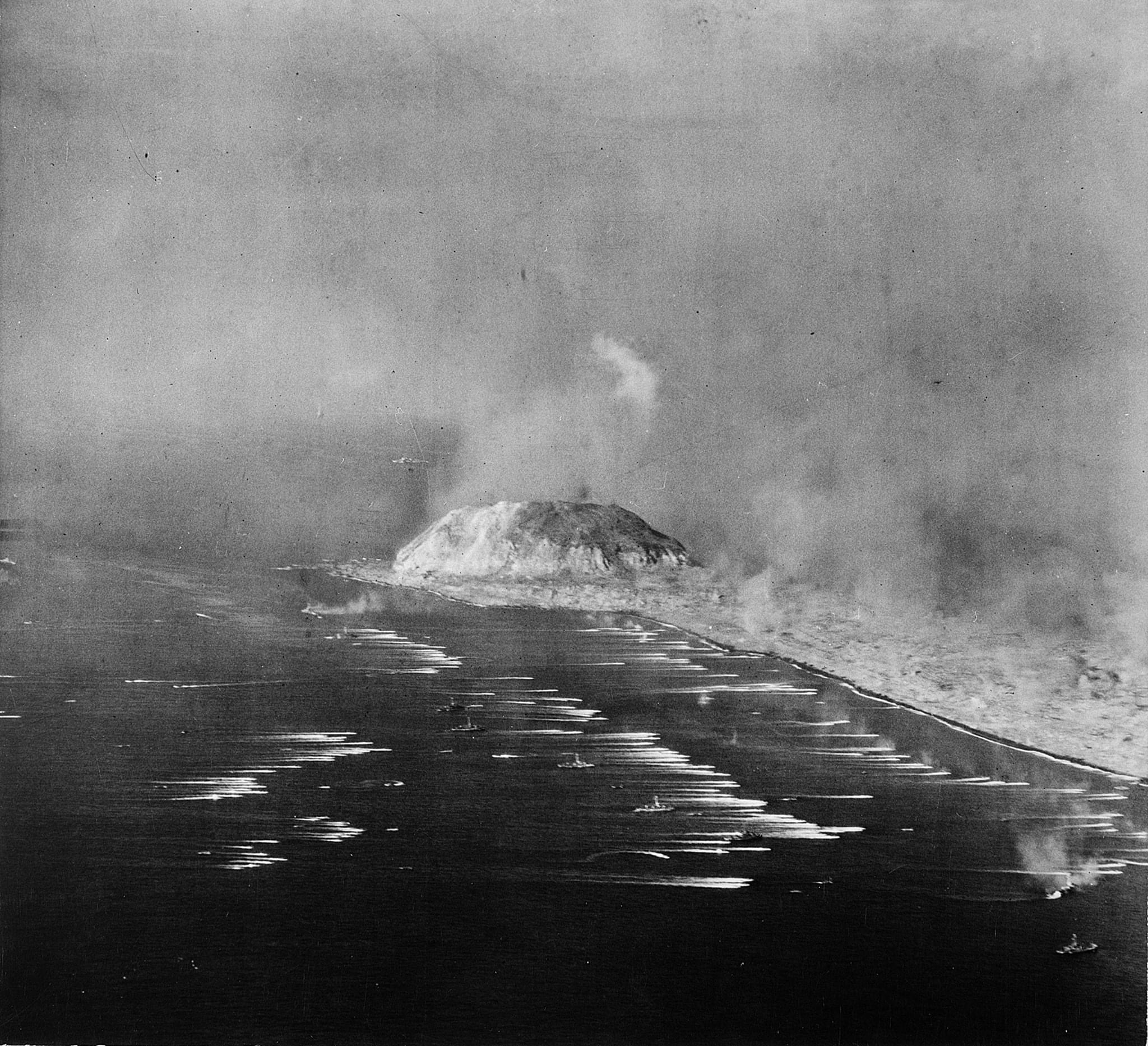
American ships approaching Iwo Jima – February 19, 1945 via Wikimedia Commons, public domain
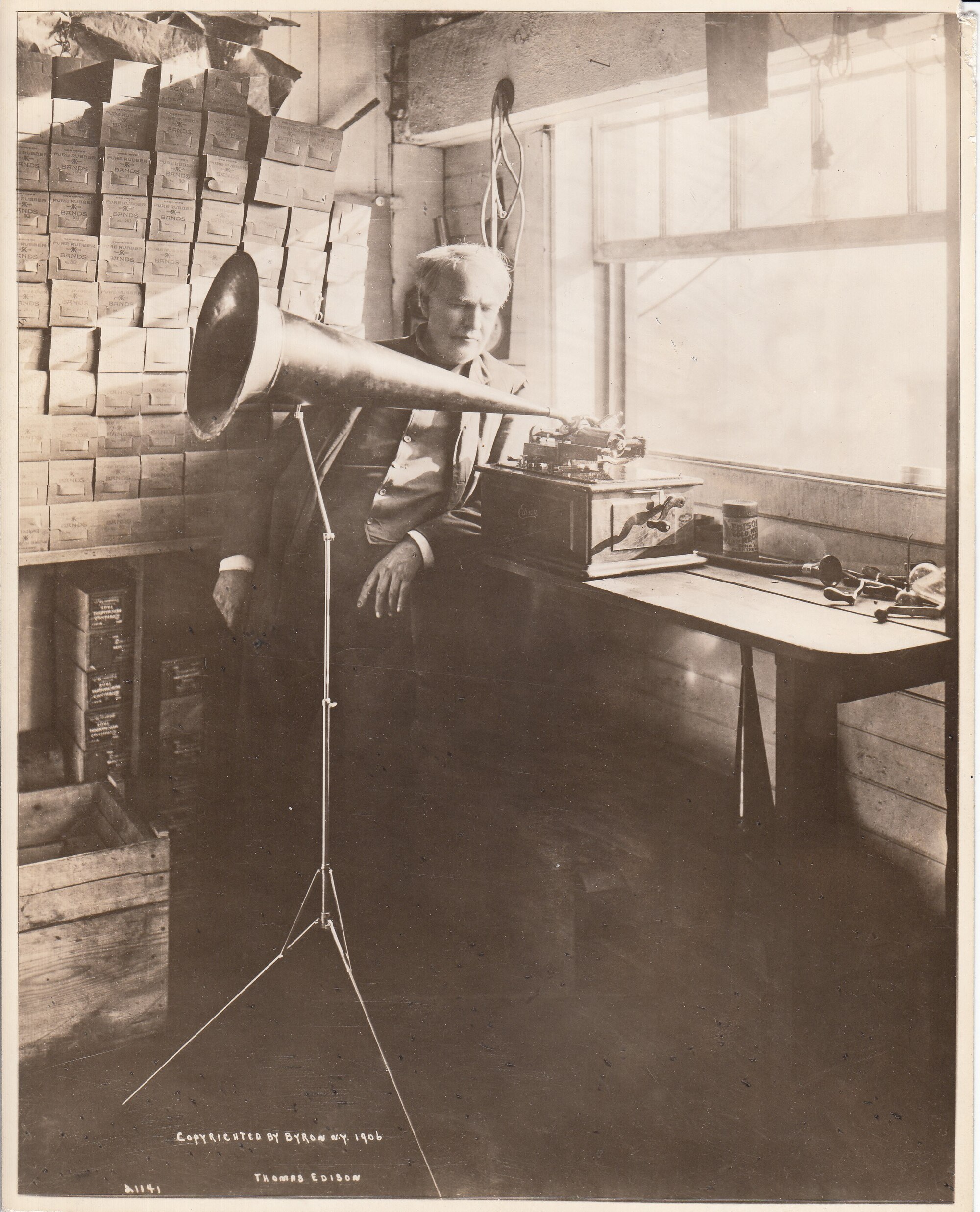
Thomas Edison with a cylinder phonograph c. 1906 Twenty-eight years earlier on February 19, 1878 Edison received a patent for his phonograph.
Image via Wikimedia Commons, public domain
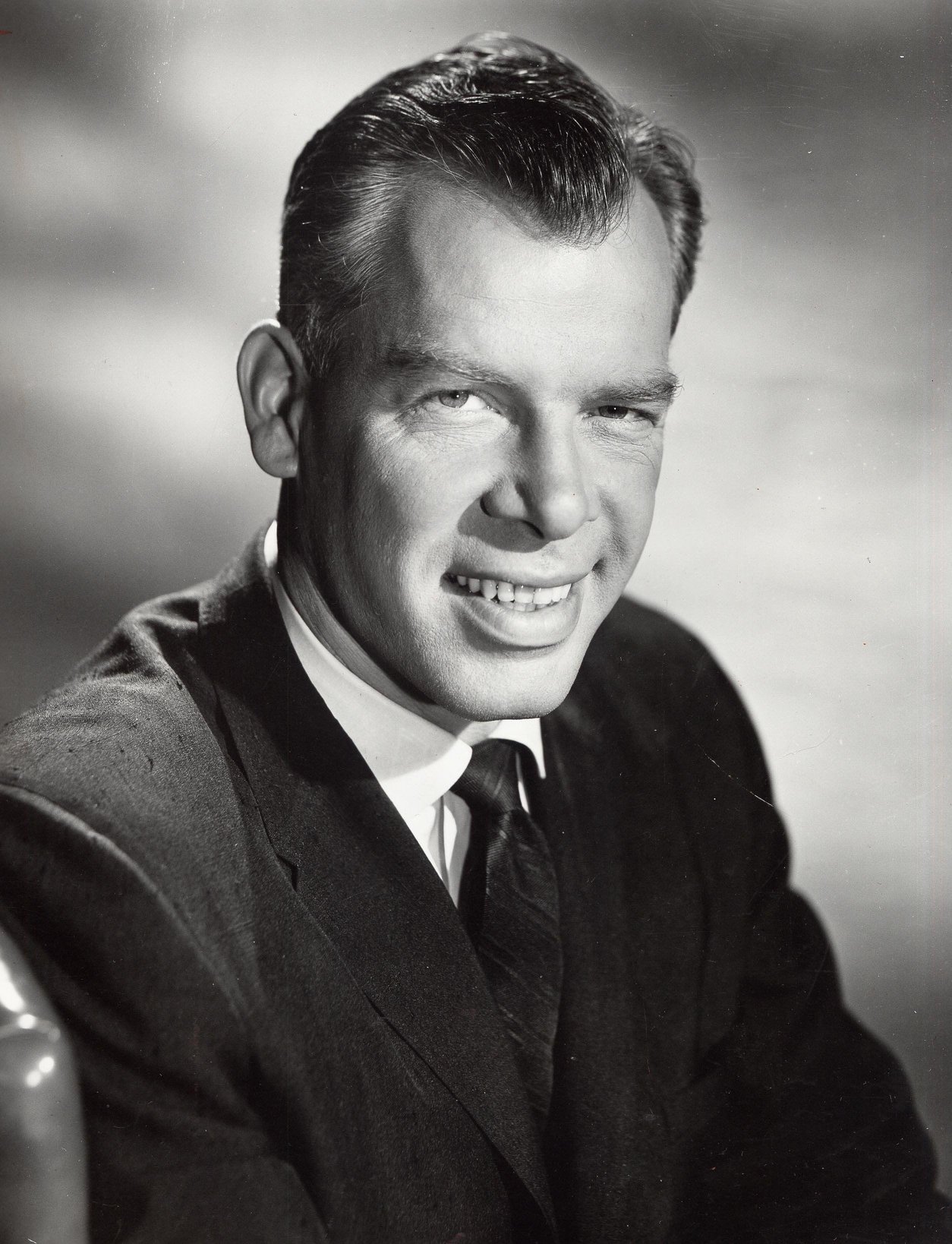
United States Marine, WWII Veteran and actor Lee Marvin was born on February 19, 1924 in New York City.
Image via Alamy
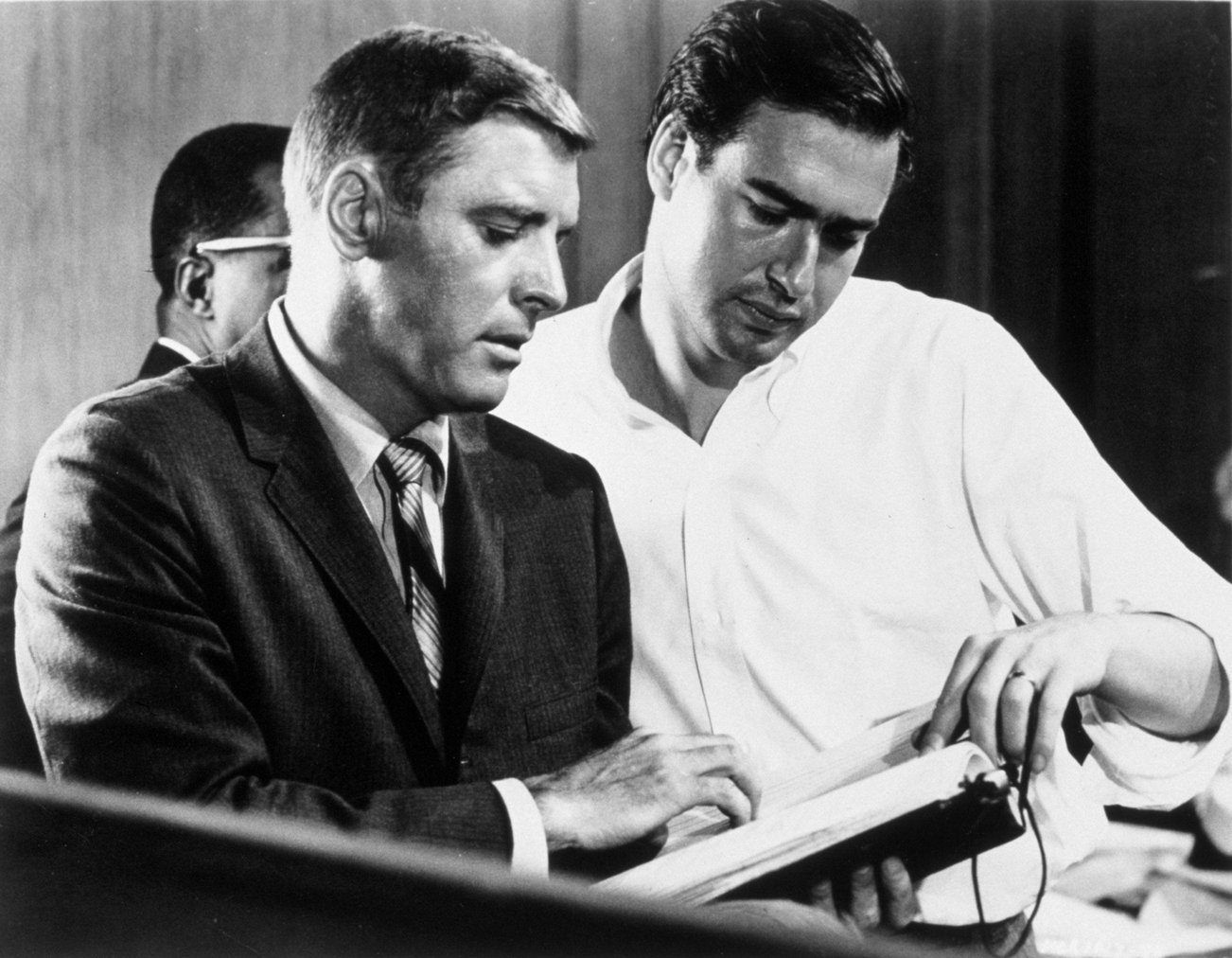
Burt Lancaster with Director John Frankenheimer during production of the 1961 film The Young Savages Frankenheimer who directed other films such as Birdman of Alcatraz, The Manchurian Candidate and The Island of Dr. Moreau was born on February 19, 1930 in Queens, New York City.
Image via Alamy
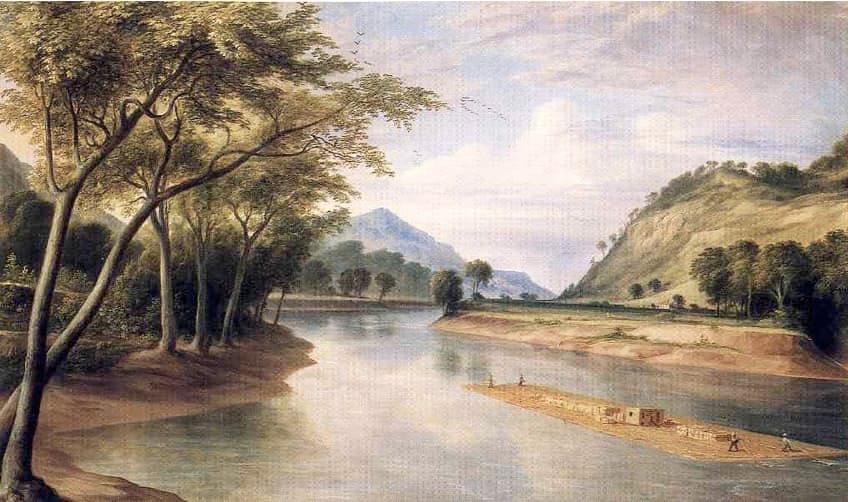
A painting of The Ohio River near Marietta from the 1800s by American artist Henry Cheever Pratt On February 19, 1803, Congress approved an act that confirmed Ohio’s boundaries and constitution. The act was signed by Thomas Jefferson.
Image via Wikimedia Commons, public domain

Amy Tan, author of The Joy Luck Club, was born on February 19, 1952 in Oakland, California.
Image via Wikimedia Commons, public domain
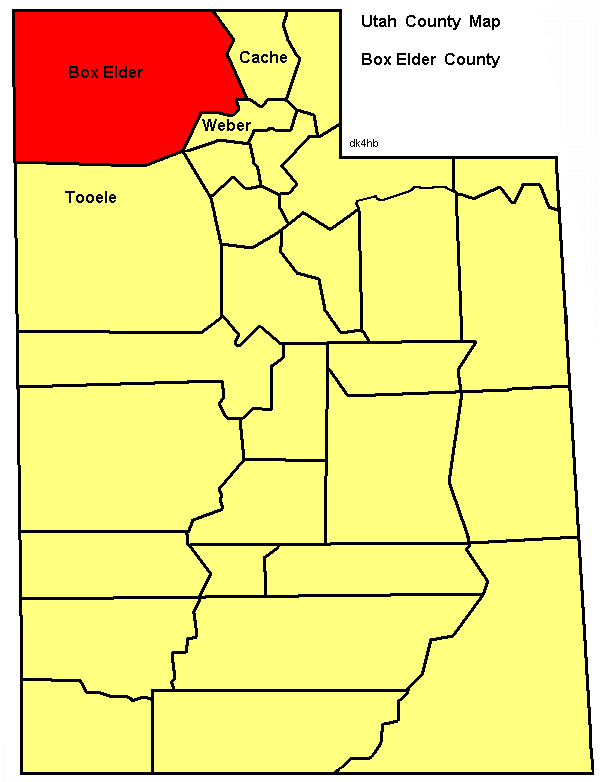
On February 19, 1904 two locomotives collided (at least one carrying dynamite and giant powder) and completely destroyed the village of Jackson in Box Elder County, Utah. It was reported that the explosion could be heard 80 miles away.
Image: Map showing Box Elder County in Utah via Wikimedia Commons, public domain
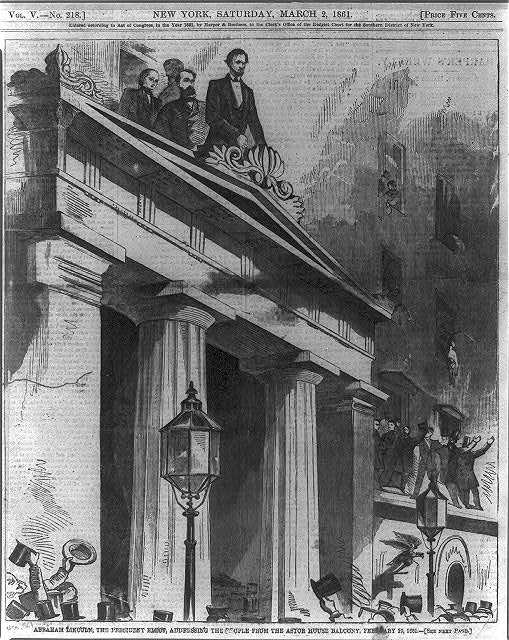
Abraham Lincoln, the President elect, addressing the people from the Astor house balcony, February 19, 1861 via LOC, no known restrictions
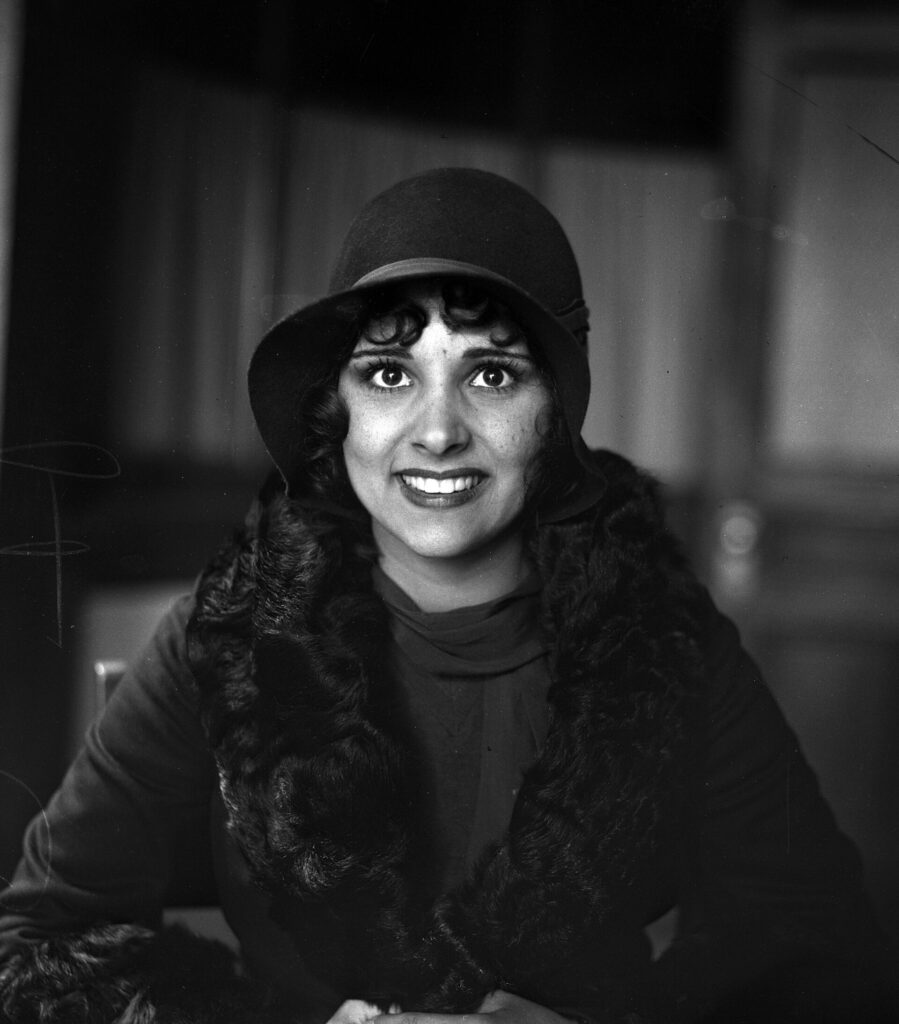
Dorothy Penelope Jones was born on February 19, 1912, in Dallas, Texas, and would become known to early film audiences as Dorothy Janis — a young performer whose presence marked the final years of Hollywood’s silent era. She appeared in only a handful of films, yet her natural poise and expressive stillness made her stand out at a moment when the industry was transforming around her.
Rather than remain in a world she never sought to dominate, she stepped away after just five films, choosing a life anchored in family and stability. She married bandleader Wayne King in 1932, built a long and enduring life far from the demands of the studio system, and lived to the age of 98 — a remarkable life whose brief time on screen remains a soft reminder of a vanished chapter in American film history.
Image of Dorothy Janis c. 1928 by Los Angeles Times via Wikimedia Commons, CC BY 4.0
