
On April 5, 1960
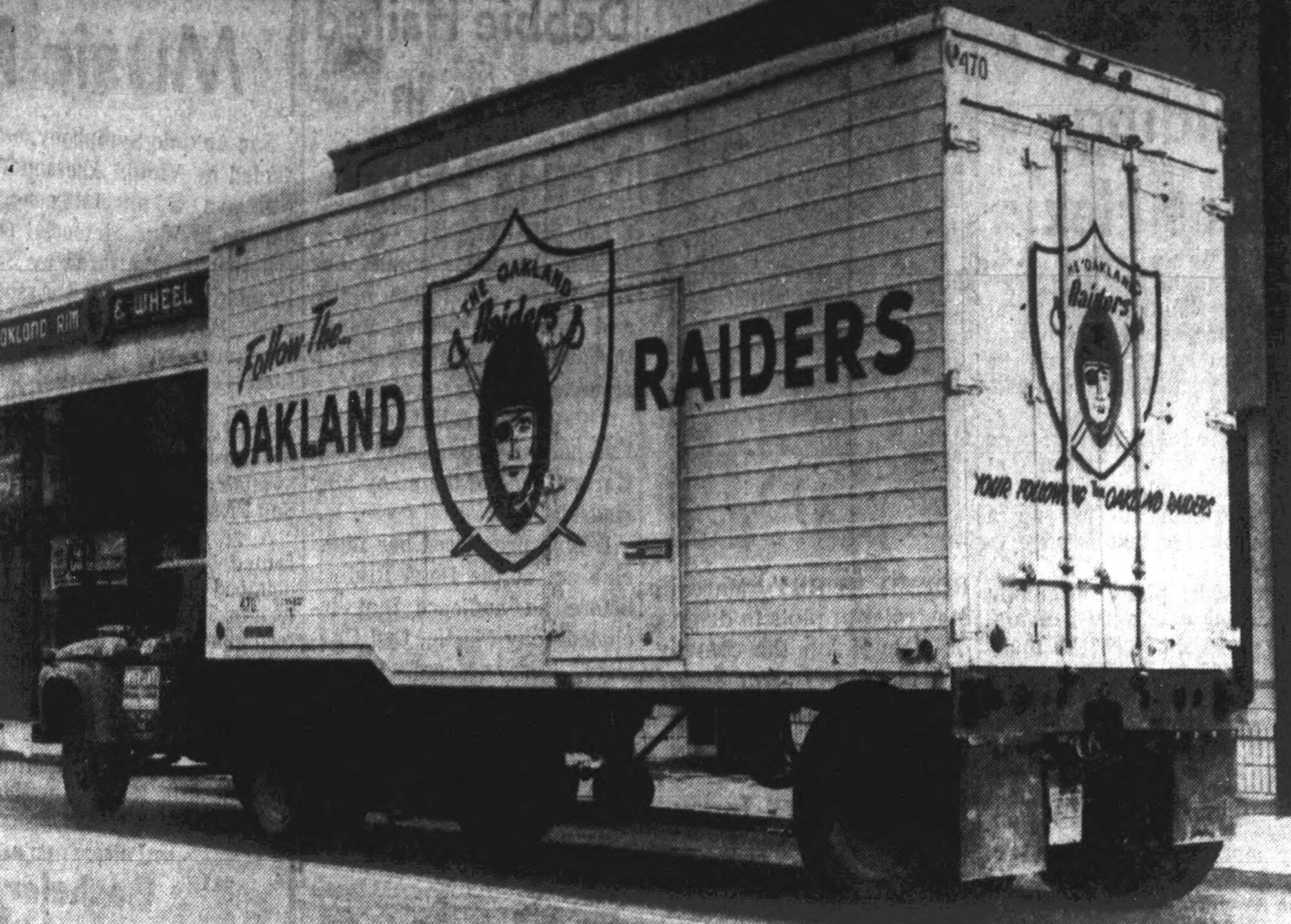
Oakland, California’s new professional football team was initially named the Oakland Señors. However, just nine days later, the team was renamed the “Raiders.”
Image of a truck owned by the Interlines Motor Express painted to advertise the Oakland Raiders football team in 1962
via Wikimedia Commons, public domain
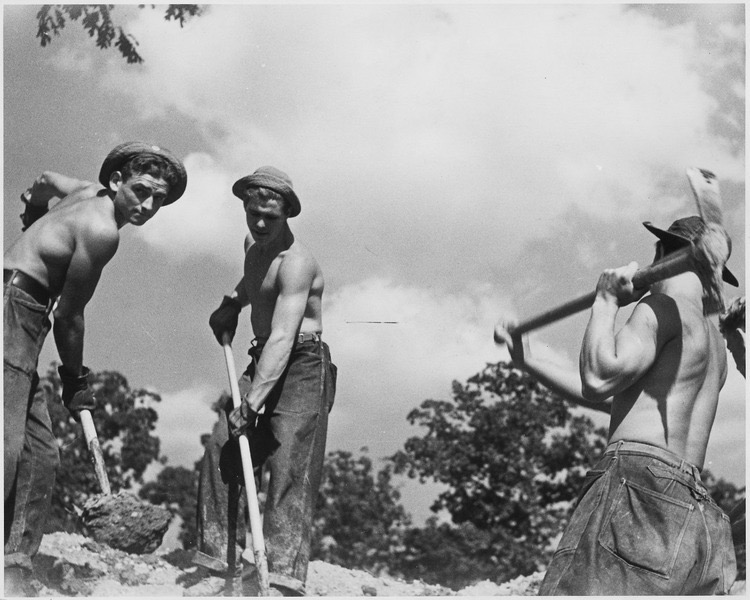
On April 5, 1933, President Roosevelt created the Civilian Conservation Corps, a work relief program for unmarried men ages 18 – 25. In the nine years the CCC existed about 3 million young men worked a variety of mostly-outdoor jobs all throughout the US. Shown are workers on an experimental farm in Beltsville, Maryland.
Image from NARA via Wikimedia Commons, public domain in the US.
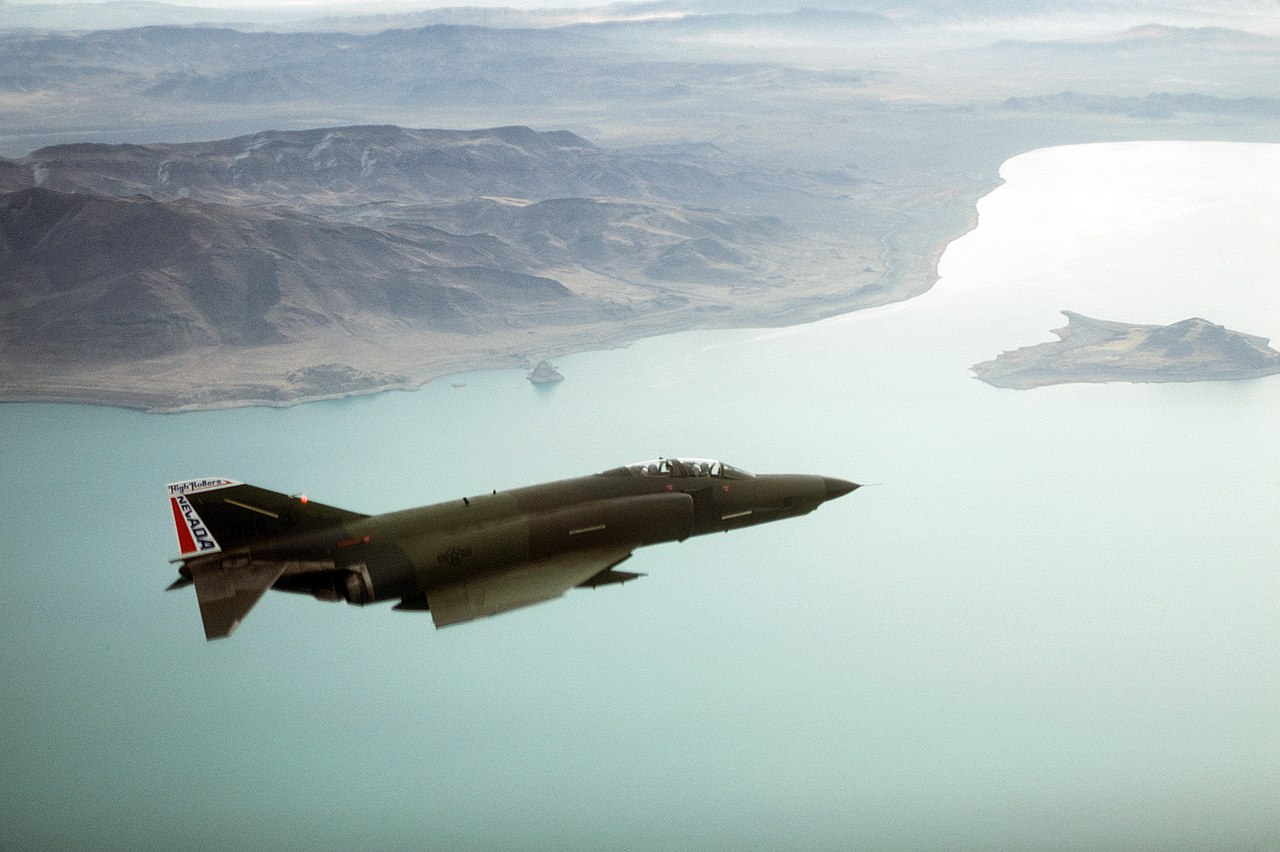
An air-to-air right side view of an RF-4C Phantom II aircraft of the 152nd Tactical Reconnaissance Group in flight over Lake Tahoe
April 5, 1988
via Wikimedia Commons, public domain
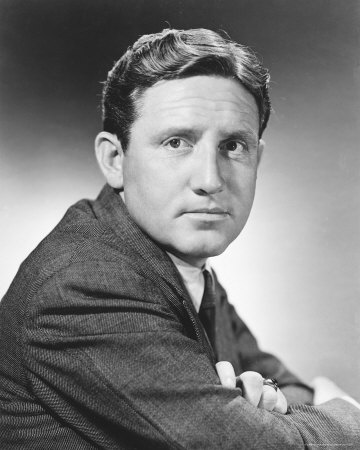
American actor Spencer Tracy was born on April 5, 1900 in Milwaukee, Wisconsin.
In the early 1920s Tracy played the part of a robot in his first Broadway performance.
Image of Spencer Tracy in 1935 via Wikimedia Commons, public domain
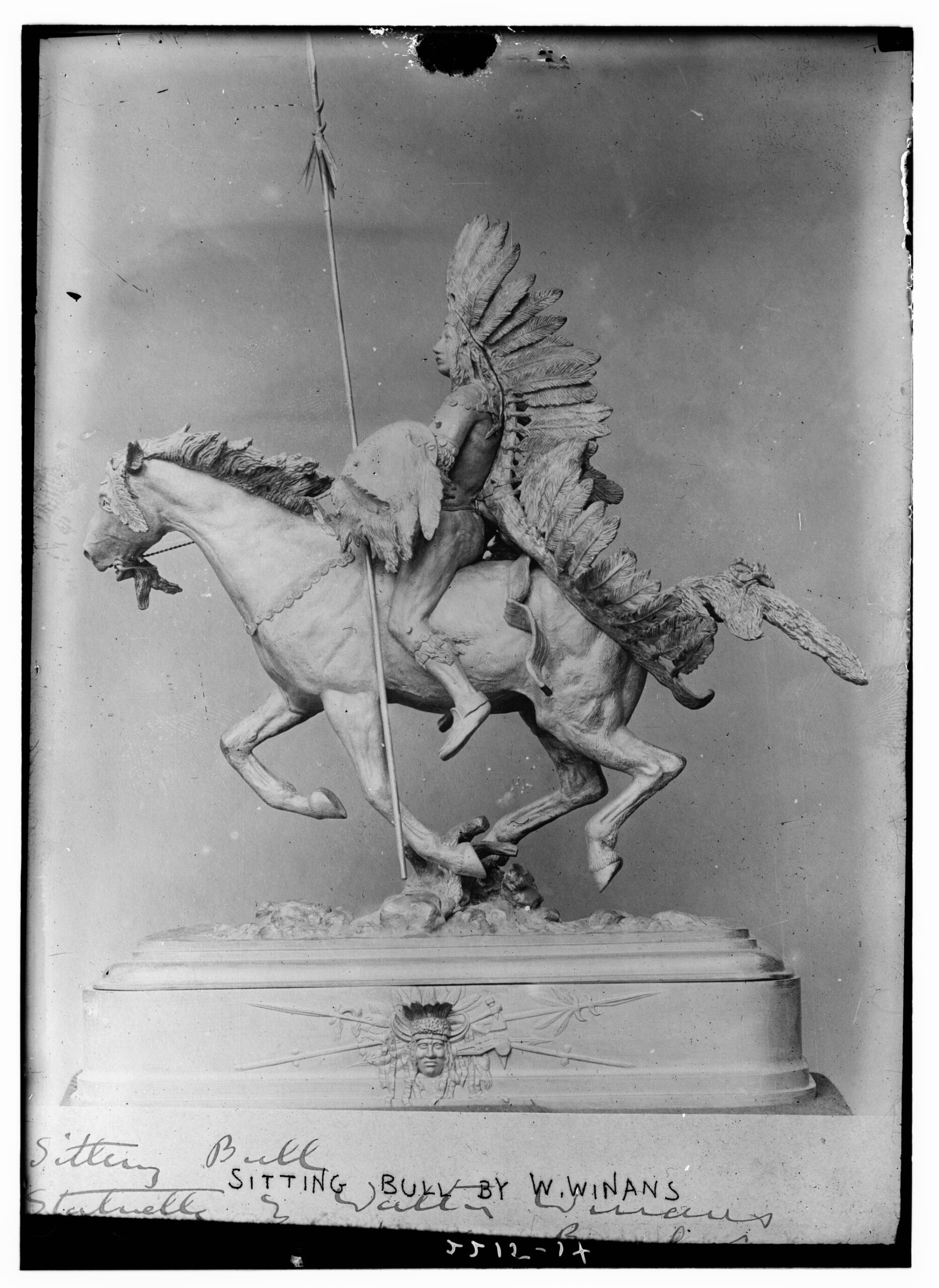
Sitting Bull by American artist Walter W. Winans who was born on April 5, 1852.
Winans also won a gold medal in men’s shooting at the 1908 Summer Olympics in London.
Image via Wikimedia Commons, public domain
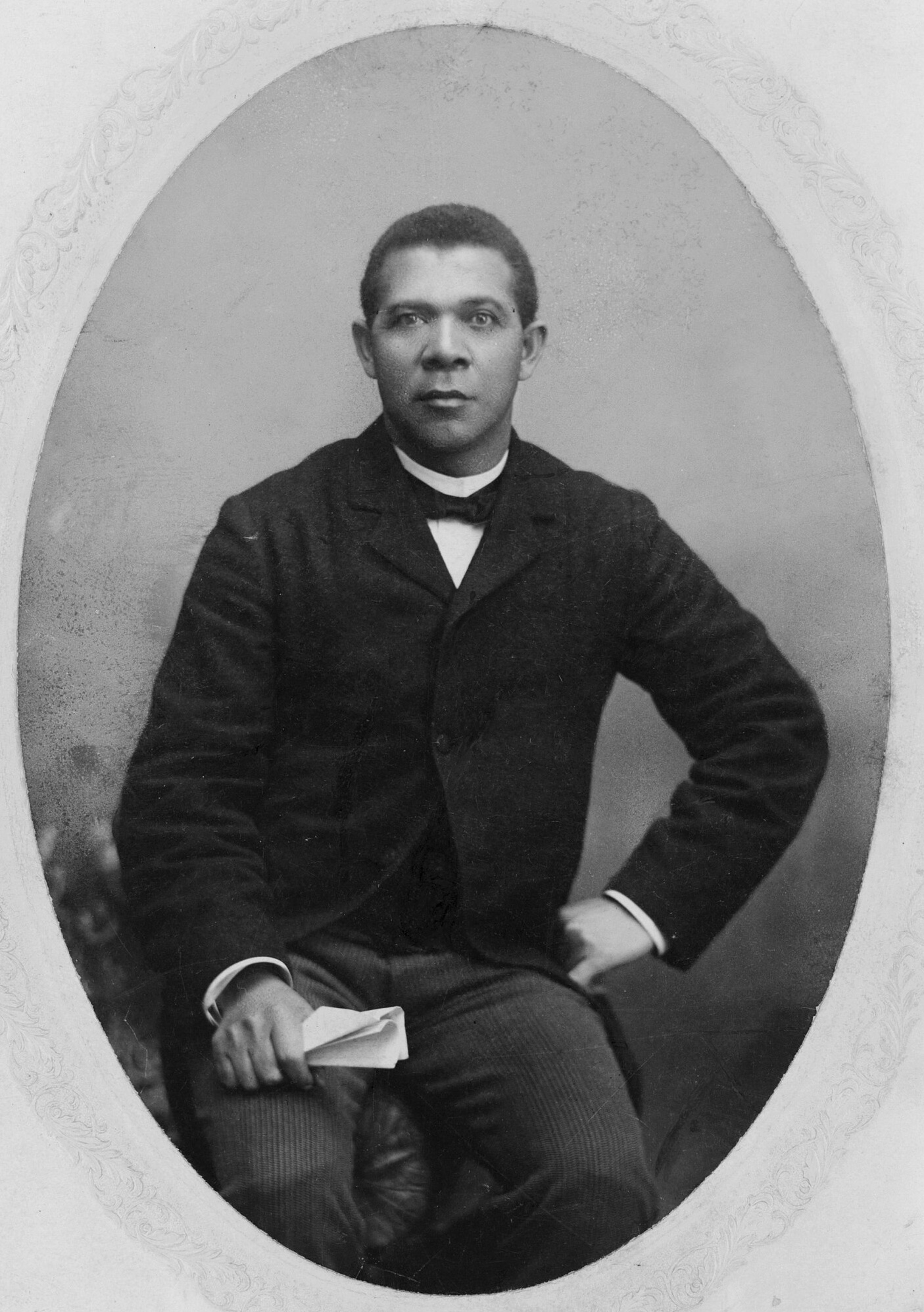
“I have learned that success is to be measured not so much by the position that one has reached in life as by the obstacles which he has overcome while trying to succeed.”
– Booker T. Washington who was born on April 5, 1856 in Hale’s Ford, Virginia.
Image: Booker T. Washington via Wikimedia Commons, public domain
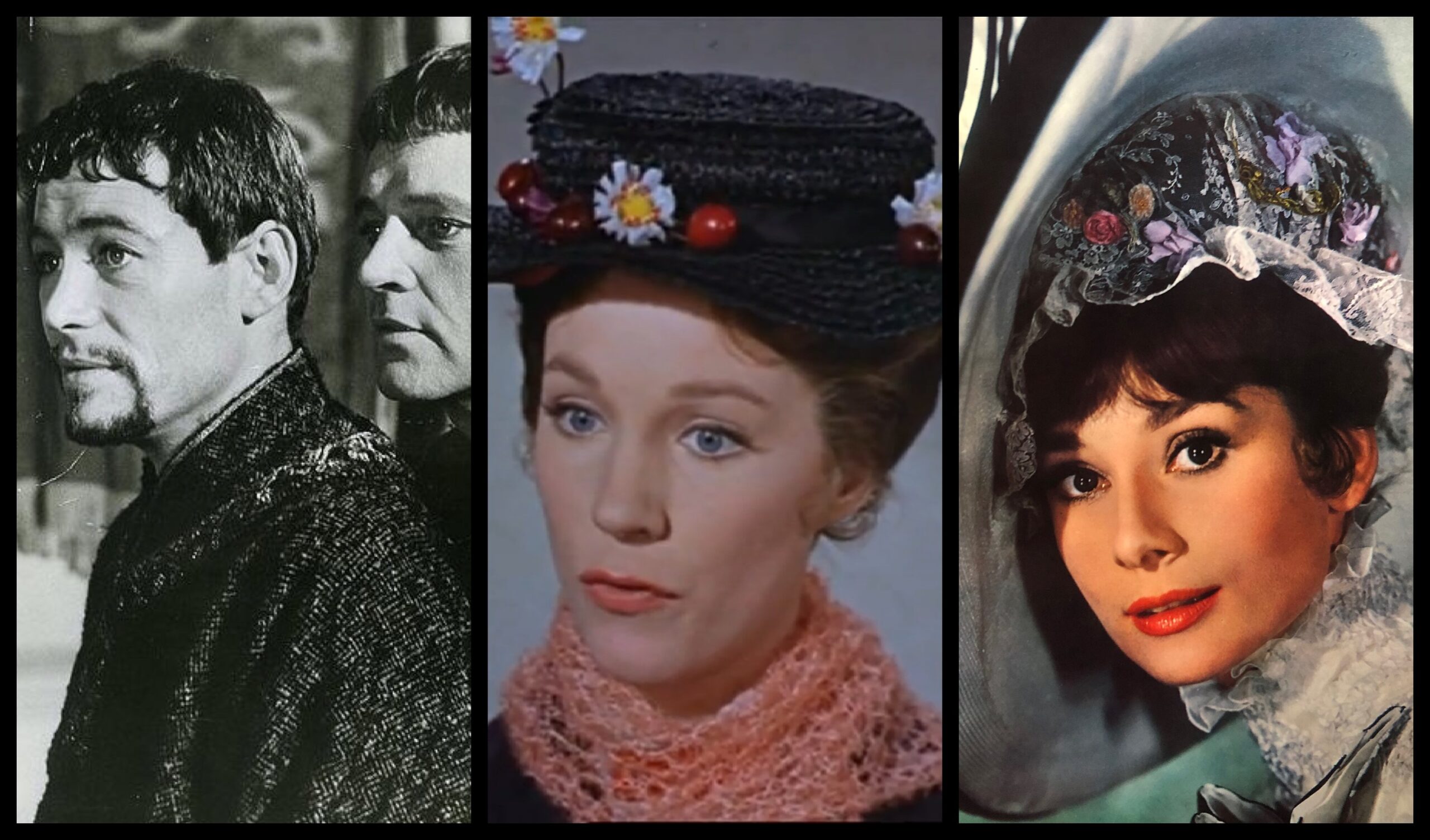
On April 5, 1965, the 37th Academy Awards took place in Santa Monica, California.
It’s the only time in the history of the Oscars that three films (Becket, Mary Poppins and My Fair Lady) each received 12 or more nominations.
Images via Wikimedia Commons, public domain
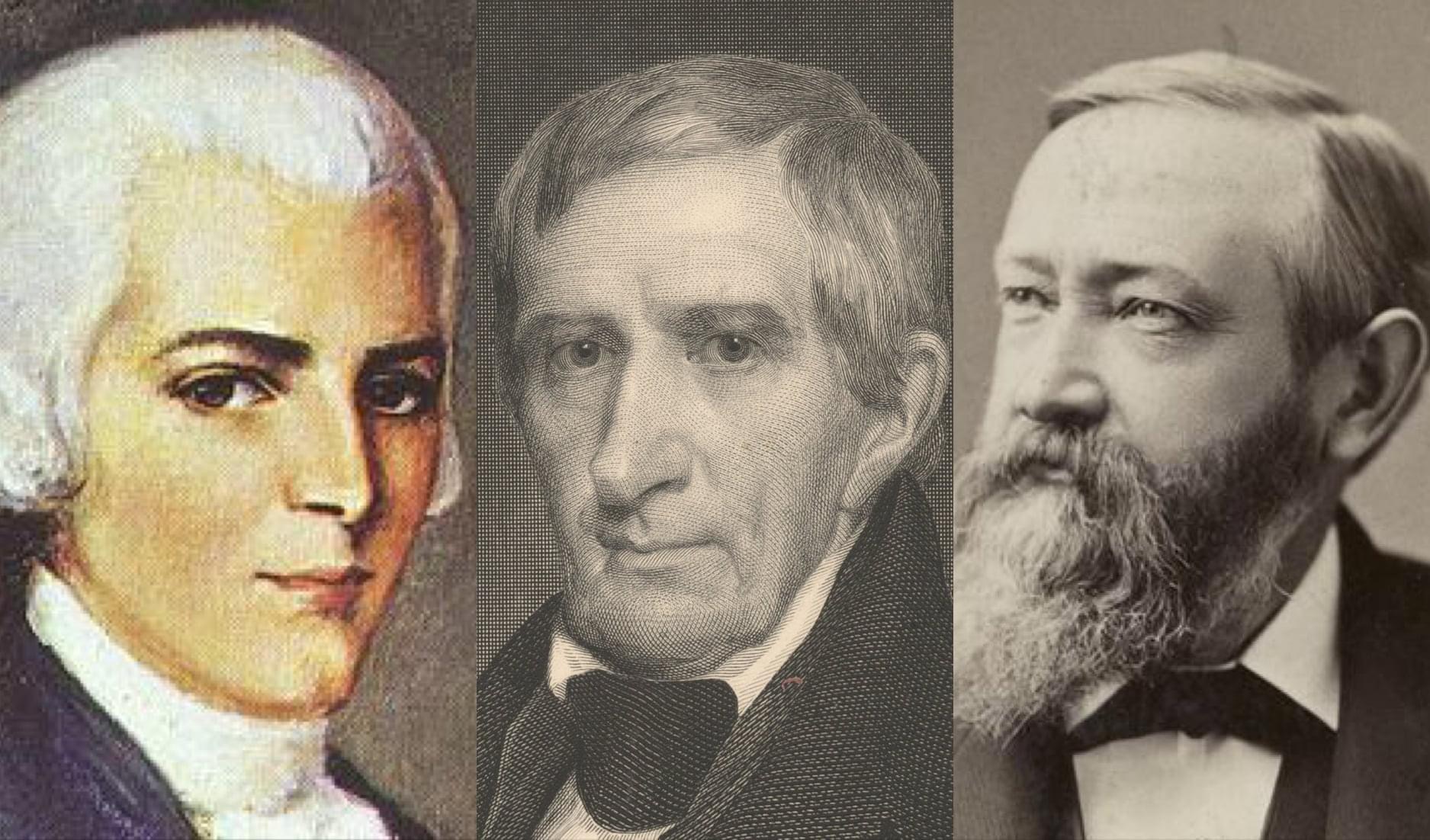
Man on the left? 5th Governor of Virginia and Signer of The Declaration of Independence Benjamin Harrison V
(Born on April 5, 1726)
Man in the center? Benjamin Harrison V‘s son who was the 9th President of The United States William Henry Harrison.
Man on the right? William Henry Harrison’s grandson and 23rd President of The United States Benjamin Harrison
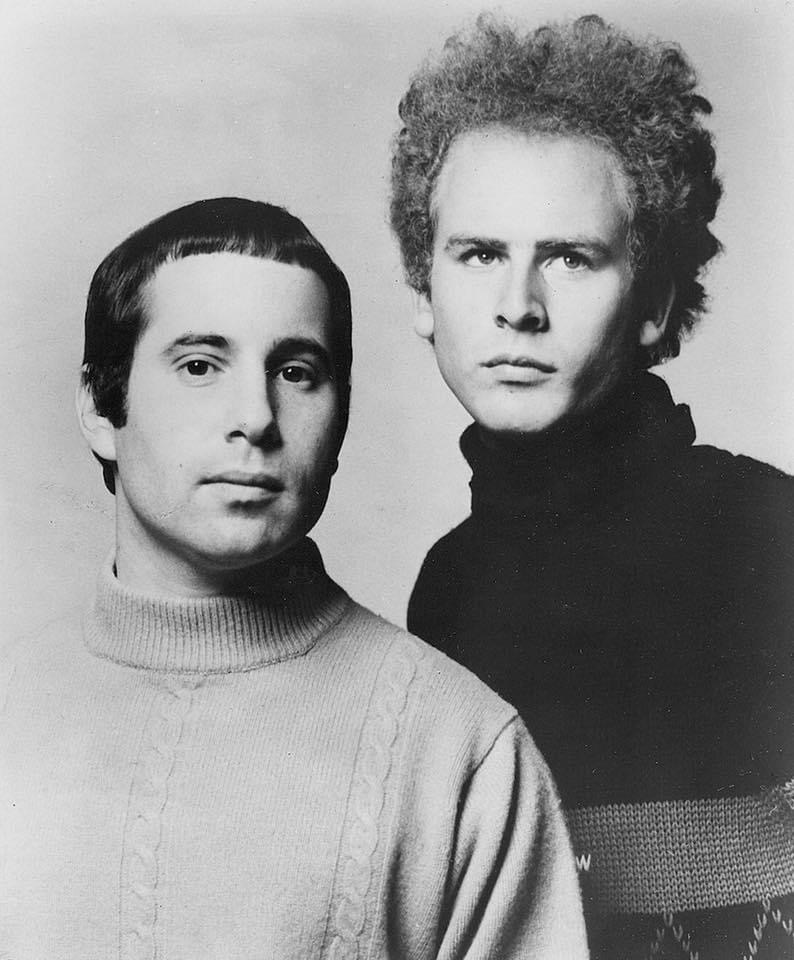
On today’s date April 5, 1968, Simon & Garfunkel released their chart-topping single “Mrs. Robinson”
Image: Simon and Garfunkel in 1968 by GAC-General Artists Corporation-management and Columbia Records, their recording company via Wikimedia Commons, public domain
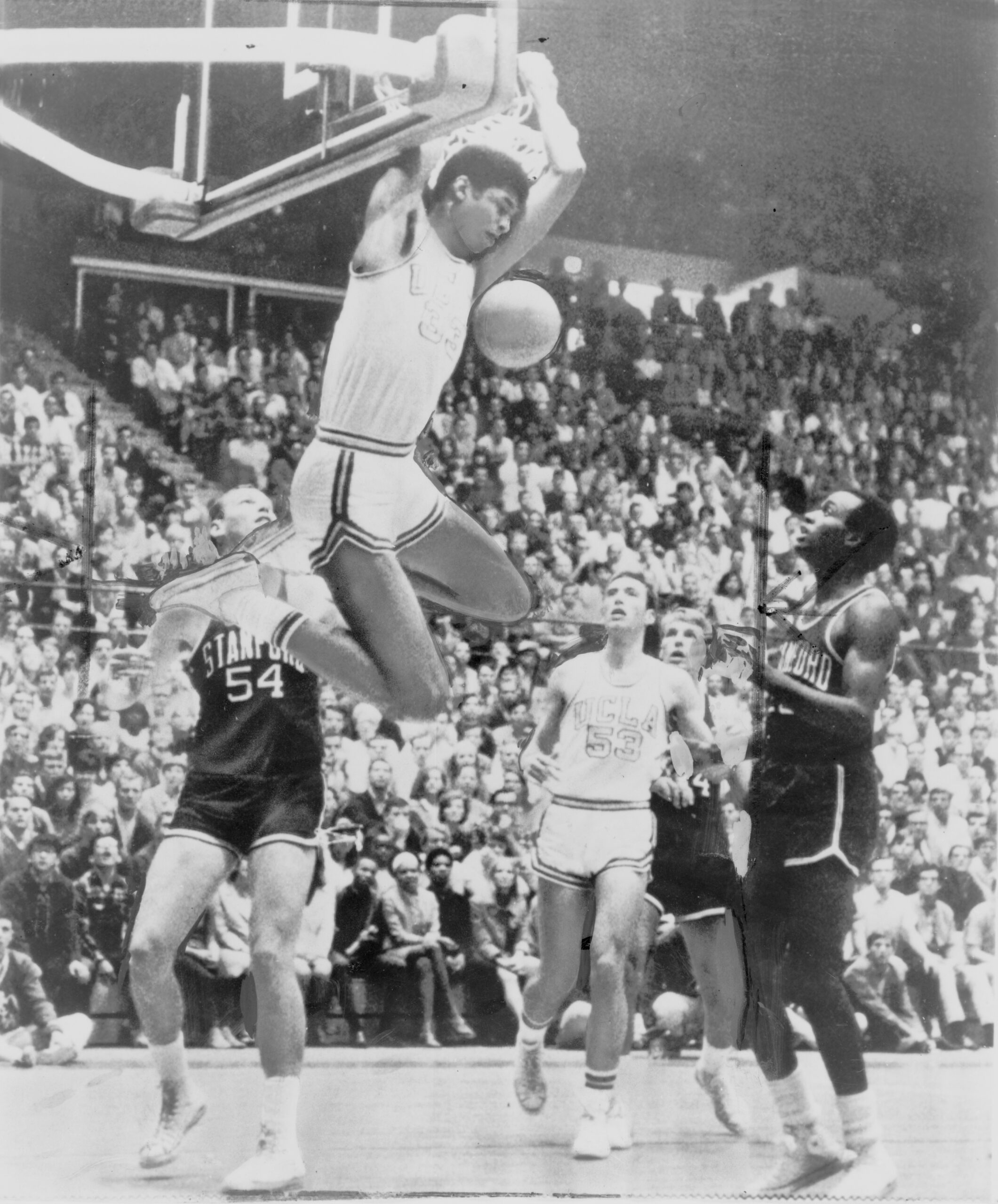
Lew Alcindor (Kareem Abdul-Jabbar) of the UCLA Bruins delivering a thunderous reverse two-handed dunk against Stanford c. 1967
17 years later on April 5, 1984 Kareem Abdul-Jabbar became the NBA’s career scoring leader, a record which stood until 2023.
Image via Wikimedia Commons, public domain
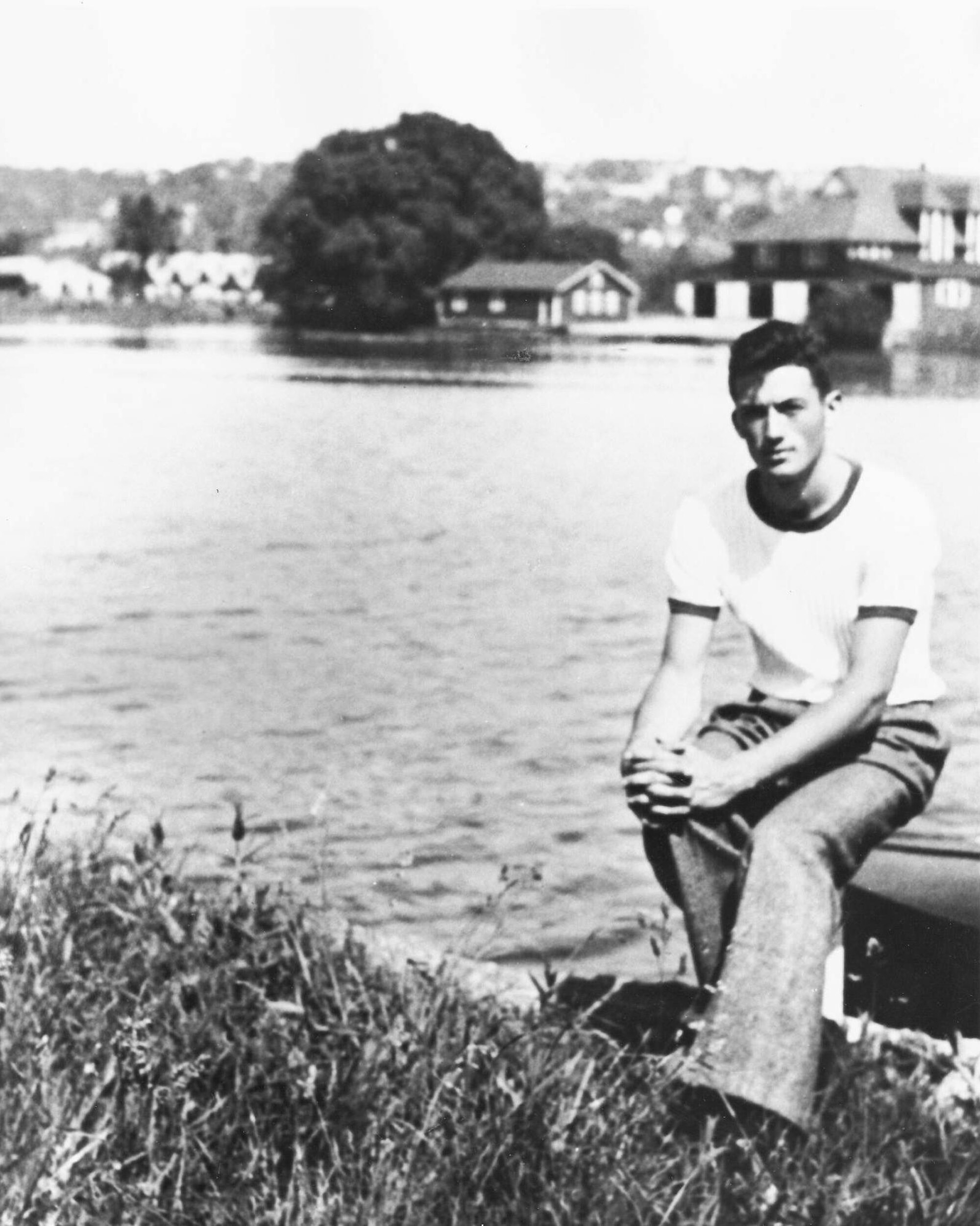
A photo of American actor Gregory Peck from 1937 while he was a student at Berkeley.
During his time at Berkeley, Peck performed in a number of plays including a production of Moby Dick which was nearly two decades before he played the role of Captain Ahab in the 1956 film.
Gregory Peck was born on April 5, 1916 in San Diego, California.
Image via Wikimedia Commons, CC BY 4.0
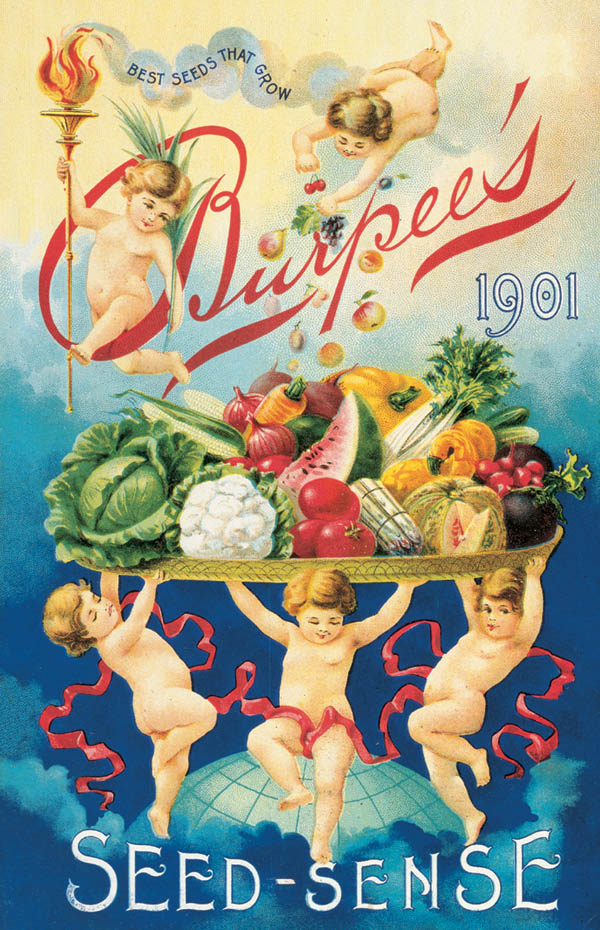
Born April 5, 1858 Washington Atlee Burpee was a noted poultry breeder by his late teens. Customers who bought his corn seed for poultry feed began requesting other seeds, starting the Burpee Seed Company. Burpee established farms to evaluate varieties of vegetables and flowers in Pennsylvania, California, and New Jersey.
Image from the 1901 Burpee Seed-Sense catalog via Wikimedia Commons, no known restrictions
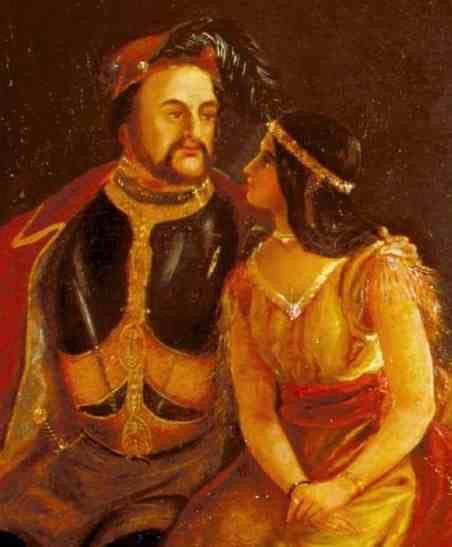
On April 5, 1614, Pocahontas married Jamestown settler and English tobacco planter John Rolfe.
Pocahontas and her husband John Rolfe had a son who they named Thomas.
Sadly Pocahontas only lived long enough to see her son Thomas reach the age of 2.
Image: Painting of Rolfe and Pocahontas from the 1800s via Wikimedia Commons, public domain
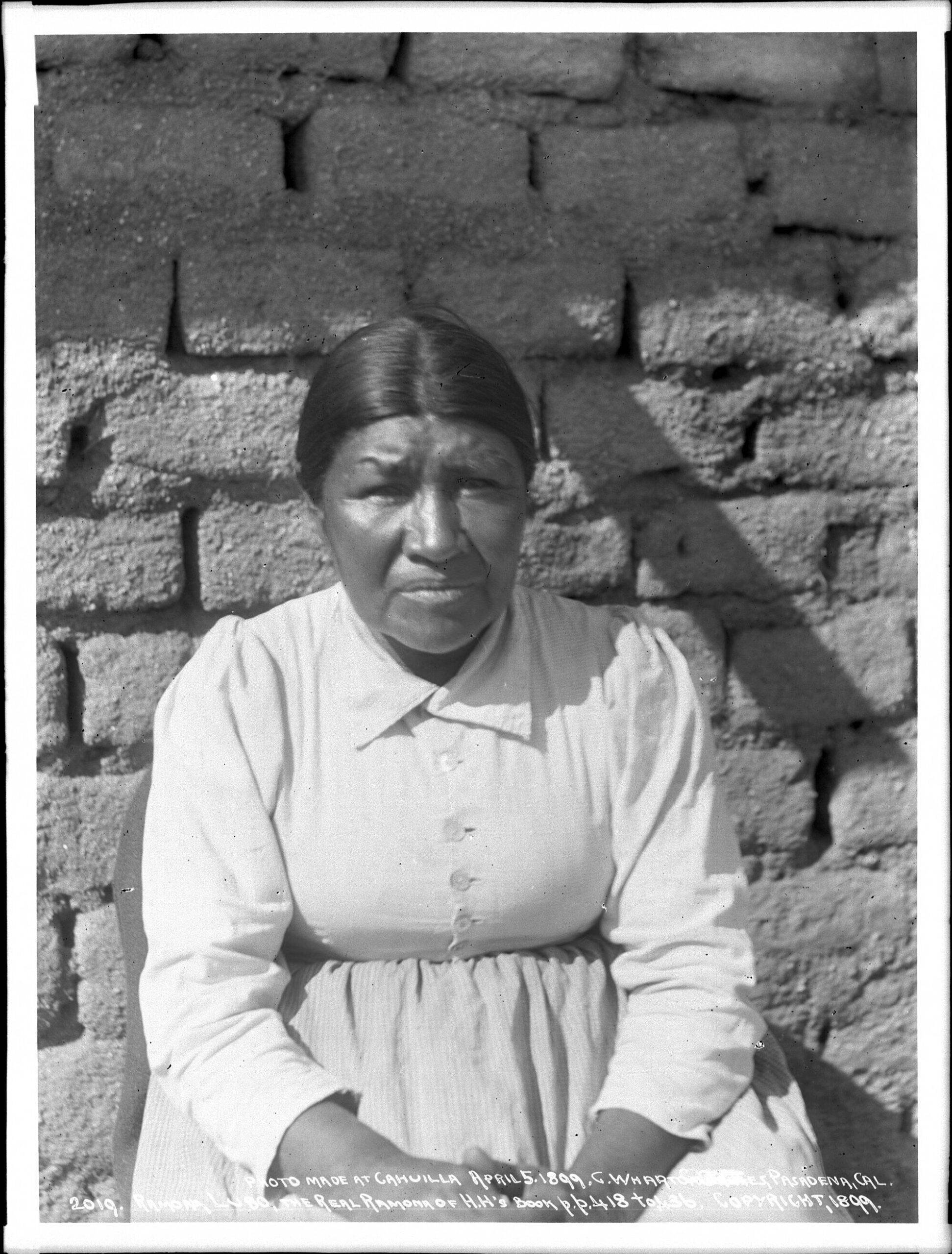
Ramona Lubo, a Coahuilla Native American woman, Cahuilla, California
April 5, 1899
She is believed to be the person who Helen Hunt Jackson based her novel “Ramona” which was published in 1884.
via Wikimedia Commons, public domain
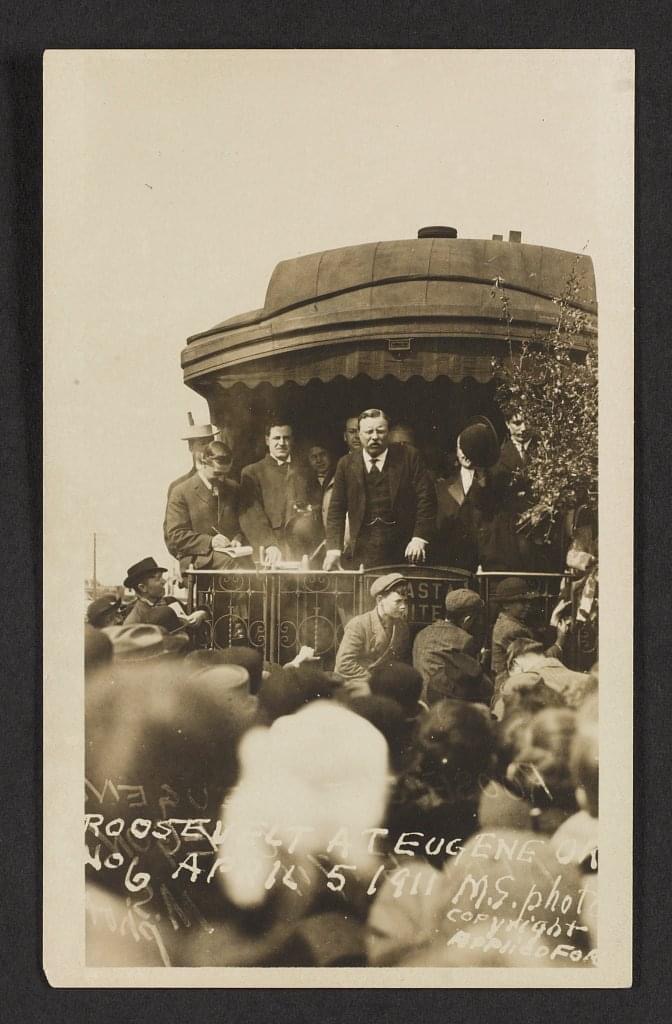
Theodore Roosevelt with others standing on back of train, facing crowd. Eugene, Ore. April 5, 1911
via Library of Congress, no known restrictions
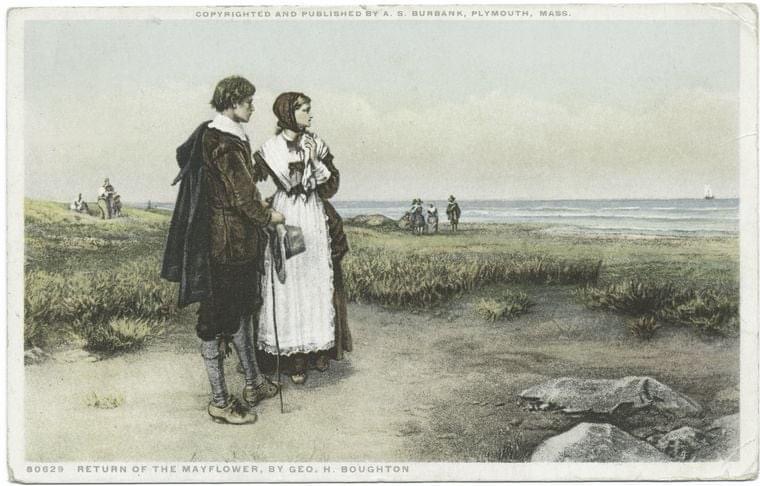
Over four centuries ago, on April 5, 1621 (Old Style Date) the Mayflower departed Plymouth to return to England.
Image: Return of The Mayflower via NYPL Digital Collections, no known restrictions
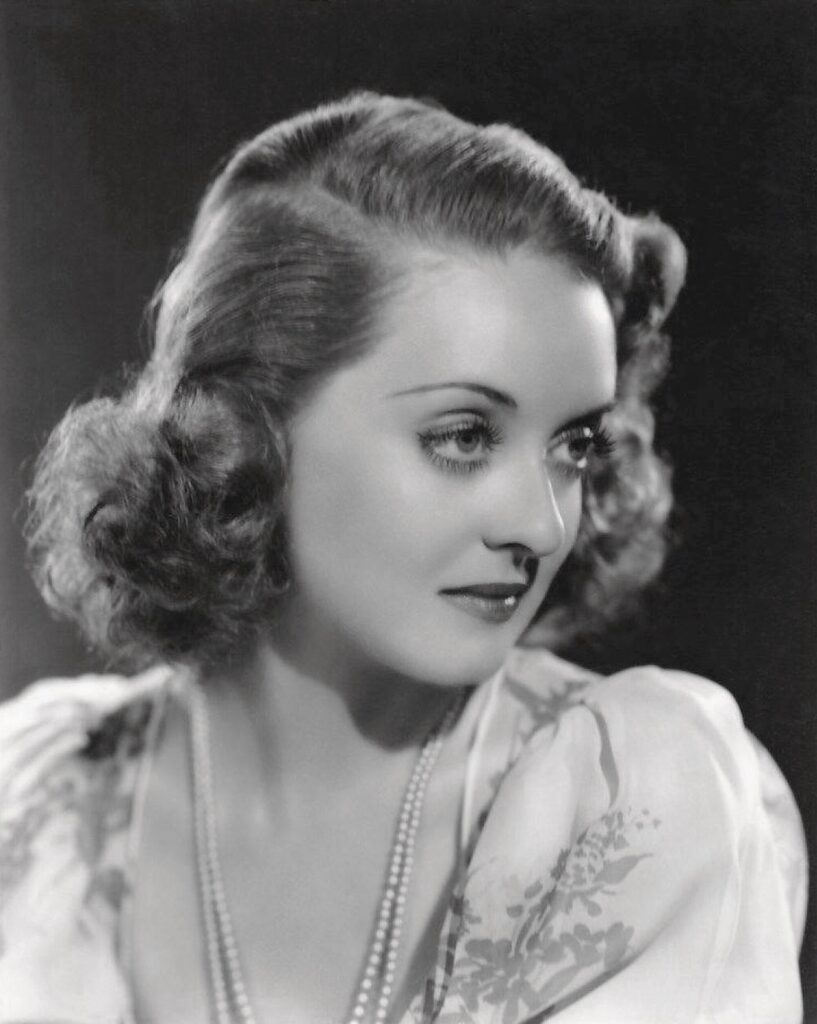
Born on April 5, 1908, in Lowell, Massachusetts, Bette Davis carried her New England sensibilities into every corner of her life — including her unexpected role as an early collector of American folk art. Long before the field became fashionable, she assembled a personal collection of 19th‑century portraits, hooked rugs, and weather vanes, drawn to the plainspoken craftsmanship of New England makers. At her estate in Maine, she surrounded herself with “unpolished” domestic artifacts and anonymous oil paintings whose honesty and labor‑worn faces echoed the work ethic she demanded of herself on screen.
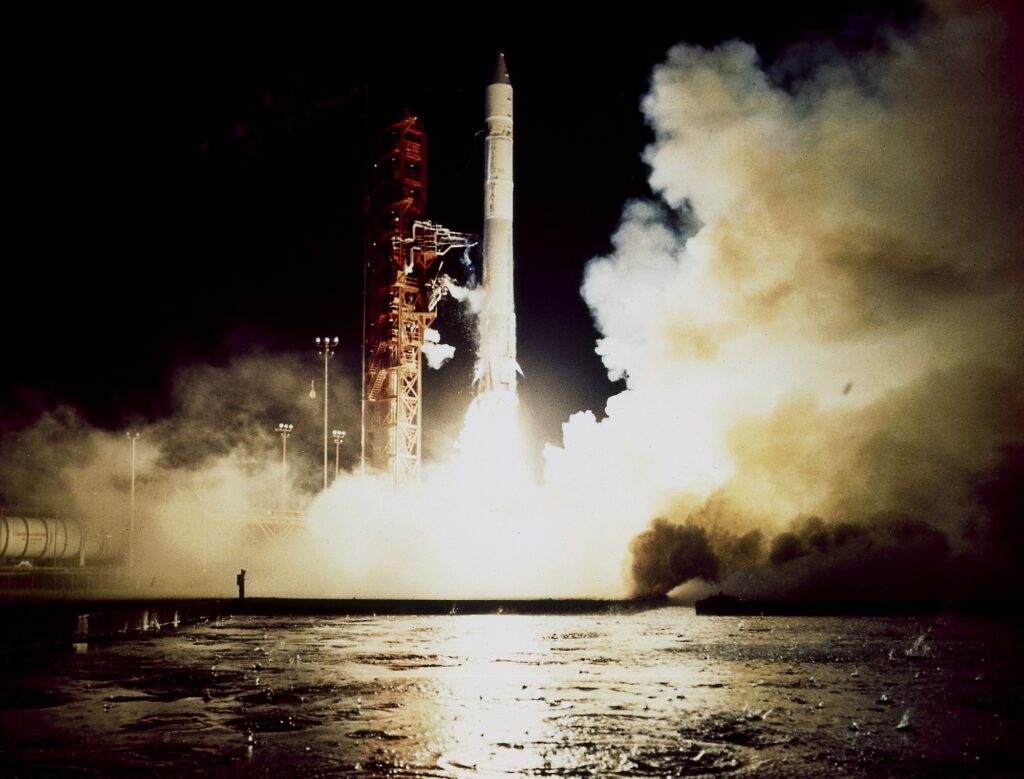
Launched on April 5, 1973, Pioneer 11 became humanity’s first visitor to Saturn — a 570‑pound pathfinder that crossed the asteroid belt, skimmed Jupiter’s storms, and opened the outer Solar System to every mission that followed. Like all deep‑space probes, it had to exceed Earth’s escape velocity — the minimum speed needed to break free of a planet’s gravity — but the significance of this launch lies in how that escape was used. Pioneer 10, launched a year earlier, was the first spacecraft to achieve the escape velocity required to eventually leave the Solar System. Pioneer 11 was the second to do so — but it was the first to treat that escape as a tactical maneuver, using its outbound energy to target Jupiter at a precise angle and slingshot toward a second outer planet. For absolute precision: Mariner 10, launched later in 1973, was the first mission to use a gravity assist (at Venus) to reach a different planet (Mercury), but it did not achieve solar escape and operated entirely within the inner Solar System. Within the realm of outer‑planet exploration — where missions must break free of the Sun’s gravity and navigate immense distances — Pioneer 11 remains the first spacecraft to use a gravity assist to reach a second giant planet.
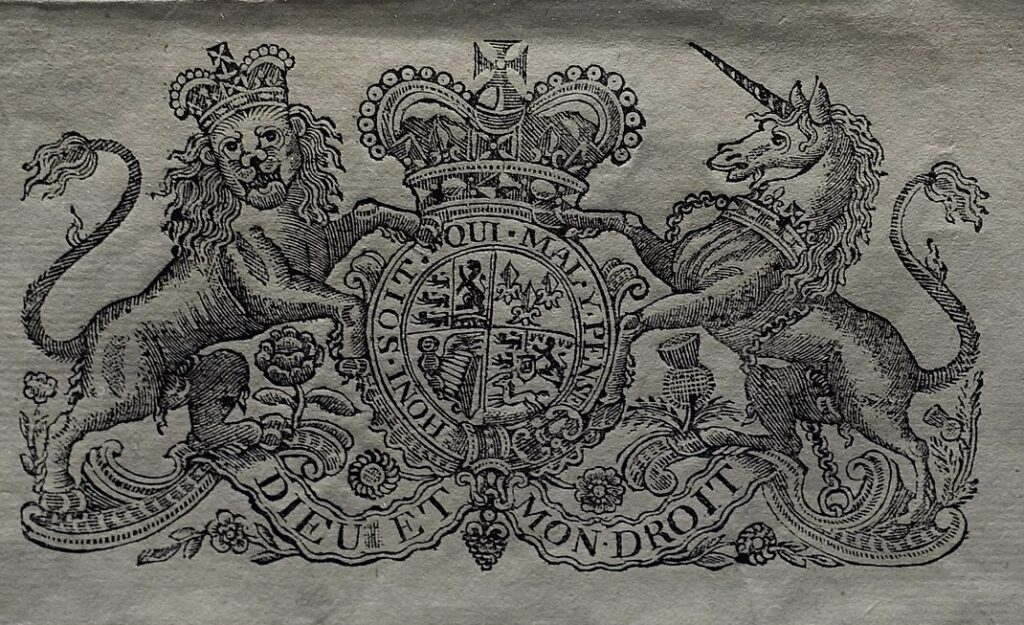
On April 5, 1764, British Parliament passed the Sugar Act — a revenue measure meant to help Britain recover the enormous costs of the French and Indian War by tightening duties and, for the first time, enforcing them. Although the Act actually lowered the official molasses duty from six pence to three, the earlier tax had been widely ignored under decades of “salutary neglect.” What changed in 1764 was enforcement: suddenly, sugar and molasses became harder to obtain at the low, smuggled prices colonists had come to depend on. Because these sweeteners were foundational to colonial kitchens, distilleries, and trade, a world of consistently expensive sugar would have slowed the development of America’s confectionery culture — delaying cheap sweets, limiting mass production, and reshaping the holiday traditions that later emerged. From that long view, it’s easy to imagine an Easter season that arrived with far less candy, and much later in American history, if Parliament’s policy had truly taken hold.
