
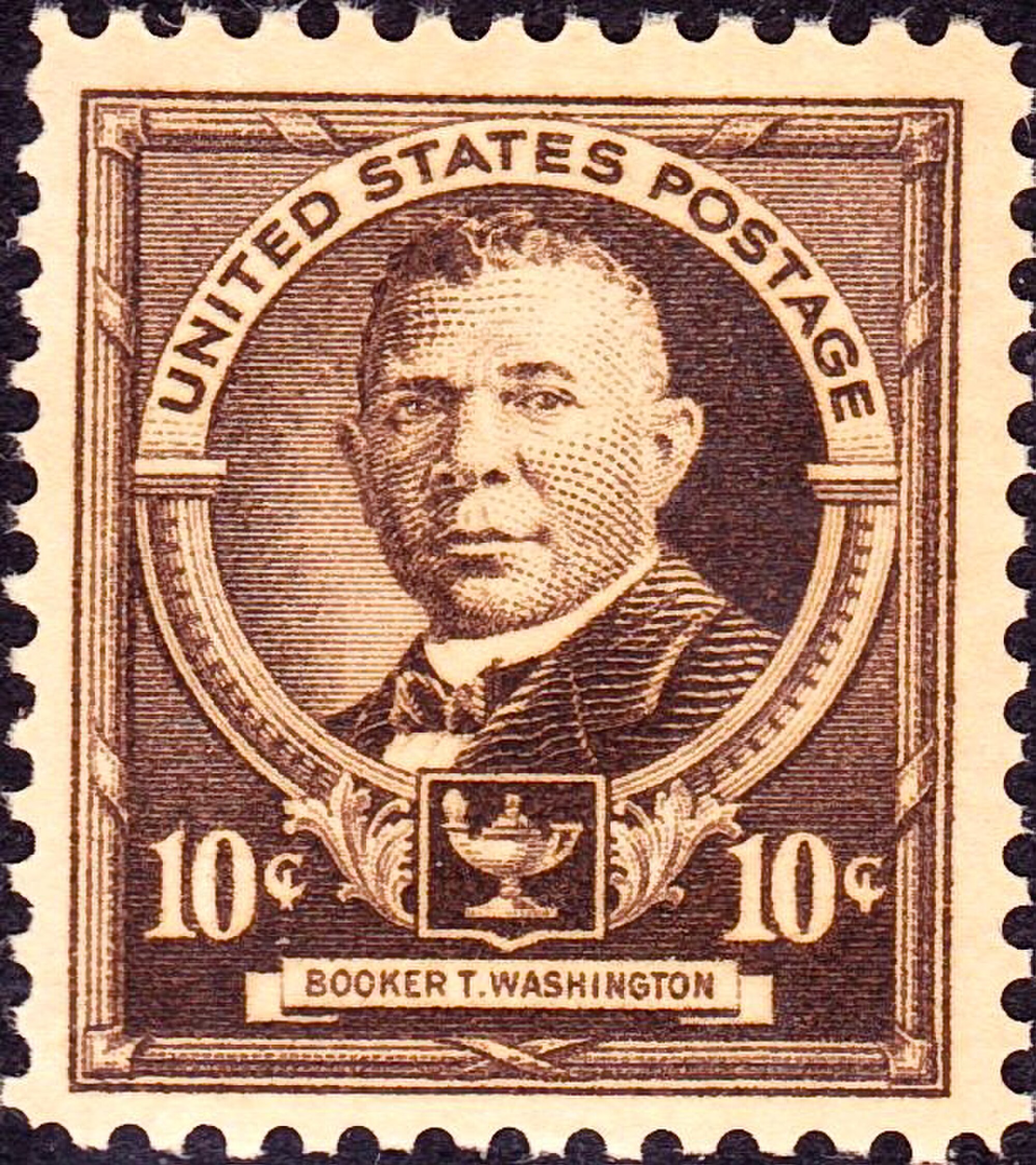
Booker T. Washington Stamp (1940)
On April 7, 1940, the U.S. Post Office issued a 10-cent stamp honoring Booker T. Washington—the first time an African American was featured on a U.S. postage stamp. The official “First Day of Issue” ceremony was held at Tuskegee Institute, the school Washington founded.
Image via LOC, no known restrictions

F. Summers, Presidential Cobbler (1921)
F. Summers, the man who kept the Presidents’ boots in peak condition. Taken April 7, 1921.
Image via LOC, no known restrictions
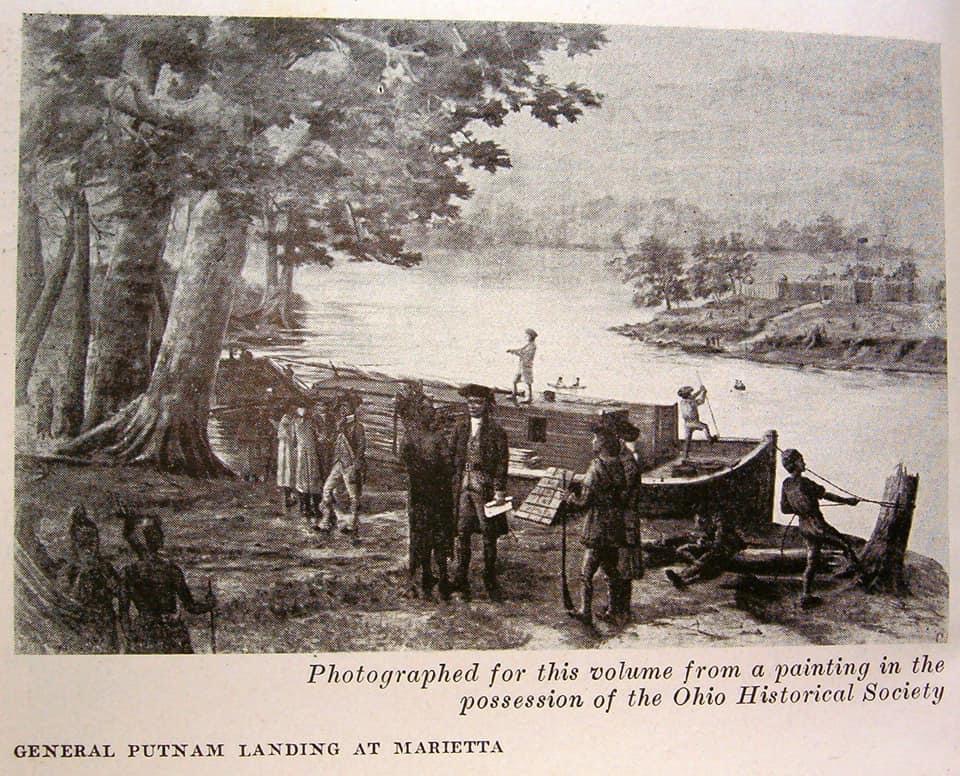
The Founding of Marietta (1788)
On April 7, 1788, Rufus Putnam and a group of 48 pioneers—the “First Forty-Eight”—established Marietta along the Muskingum River. It was the first permanent American settlement in the Northwest Territory and was named in honor of the French Queen, Marie Antoinette.
Image via Wikimedia Commons, public domain
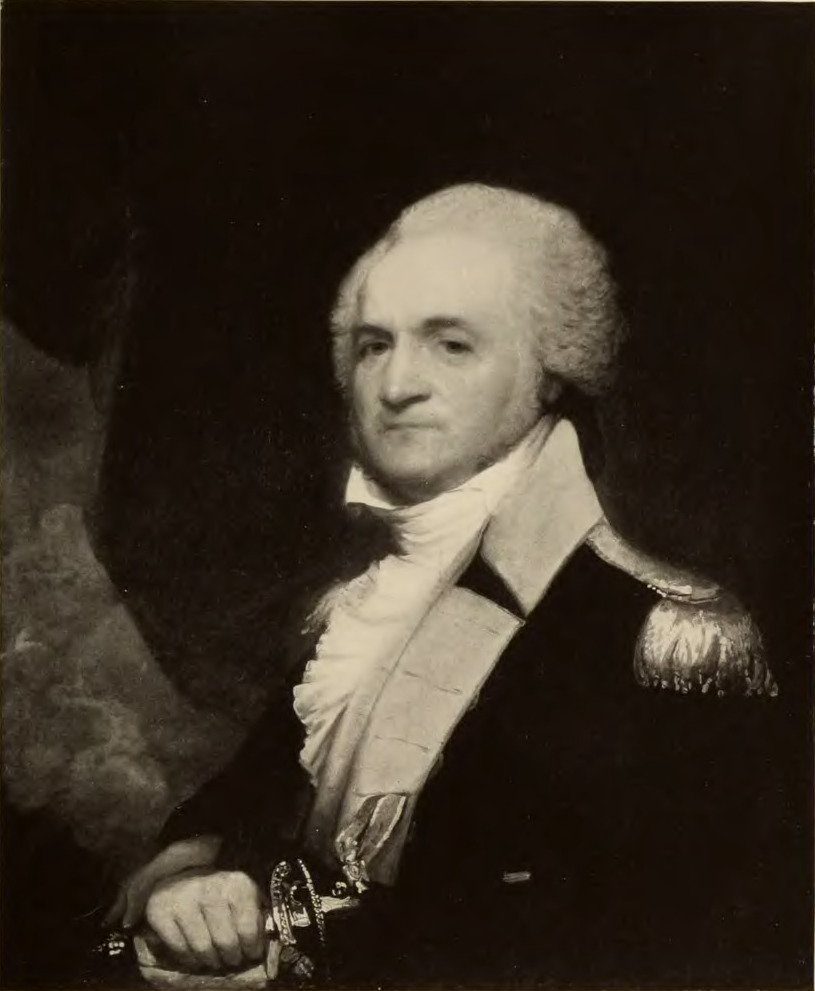
The Mississippi Territory (1798)
President John Adams signed the Mississippi Organic Act on April 7, 1798, officially creating the Mississippi Territory. Pictured is Winthrop Sargent, a Revolutionary War veteran who became the territory’s first governor a month later.
Image via Wikimedia Commons, public domain
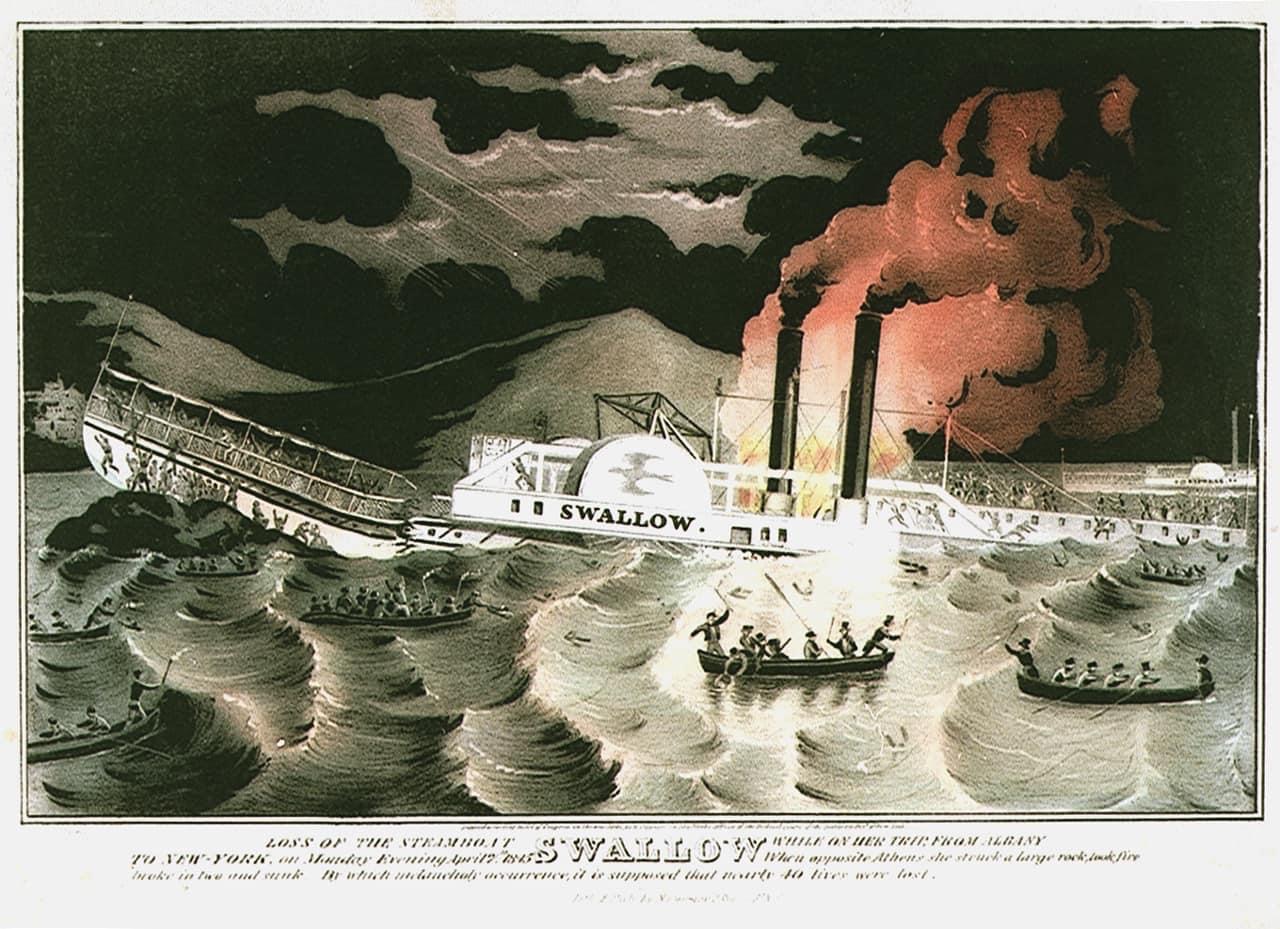
The Wreck of the Swallow (1845)
Tragedy struck on April 7, 1845, when the steamboat Swallow hit a rock near Athens, NY, broke in two, and sank. While early reports claimed 60 deaths, modern records estimate between 15 and 40 lives were lost. Some of the ship’s salvaged timber was later used to build a house in Valatie, NY, that still stands today.
Image via Wikimedia Commons, public domain
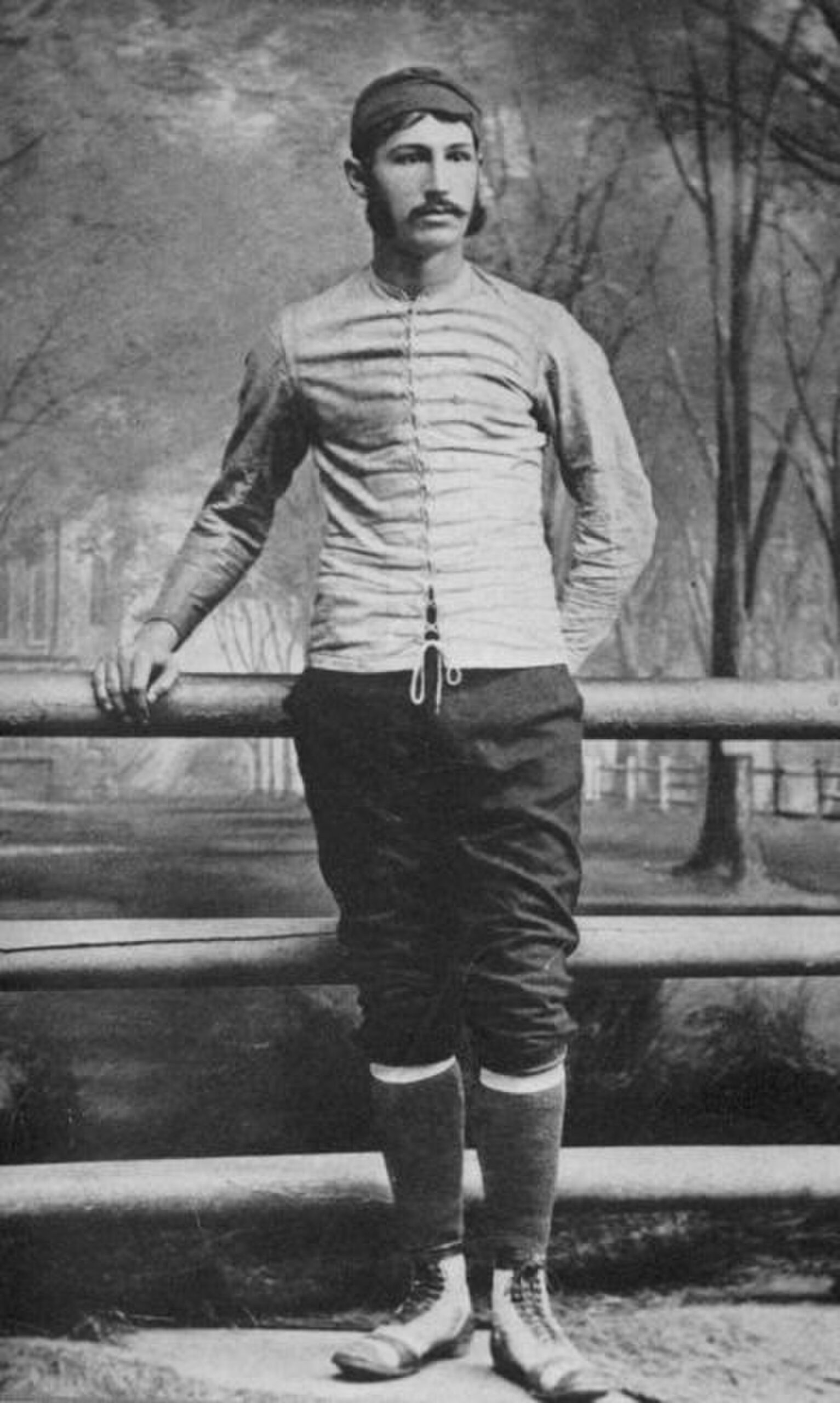
Walter Camp: The Father of Football (1859)
Born April 7, 1859, Walter Camp didn’t invent football outright — but he shaped it more than anyone else. He is credited with creating the line of scrimmage, the system of downs, and the 11‑man team, the rule innovations that transformed a rugby‑style game into American football. Fun fact: he really did leave medical school because he couldn’t stand the sight of blood.
Image of Camp when he was Yale’s Captain via Wikimedia Commons, public domain
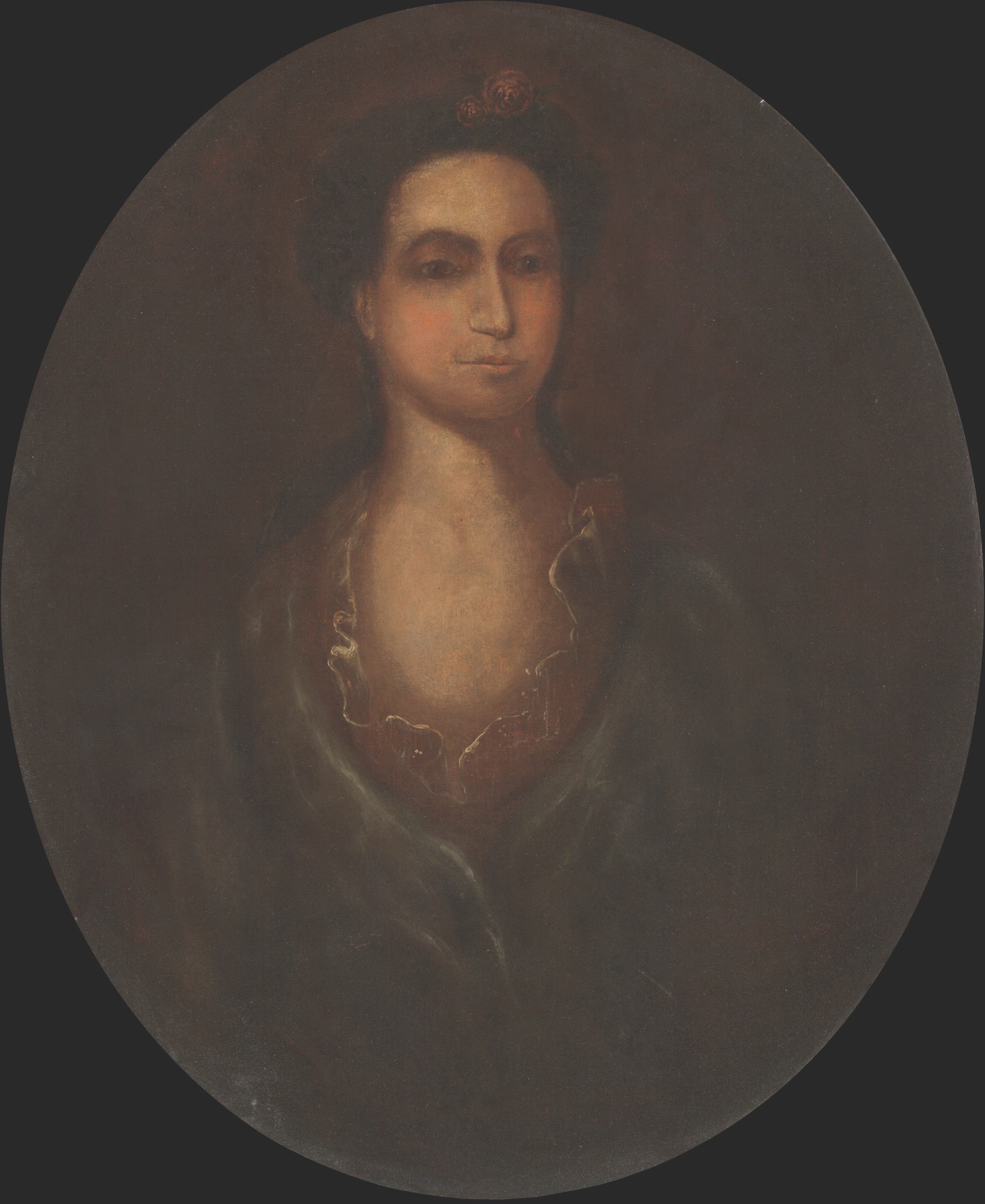
Esther Edwards Burr (1758)
Esther Edwards Burr, mother of future Vice President Aaron Burr, passed away on April 7, 1758, at the age of 26. Her death left 2-year-old Aaron an orphan, a loss that shaped the life of one of America’s most controversial founding figures.
Image via Wikimedia Commons, public domain
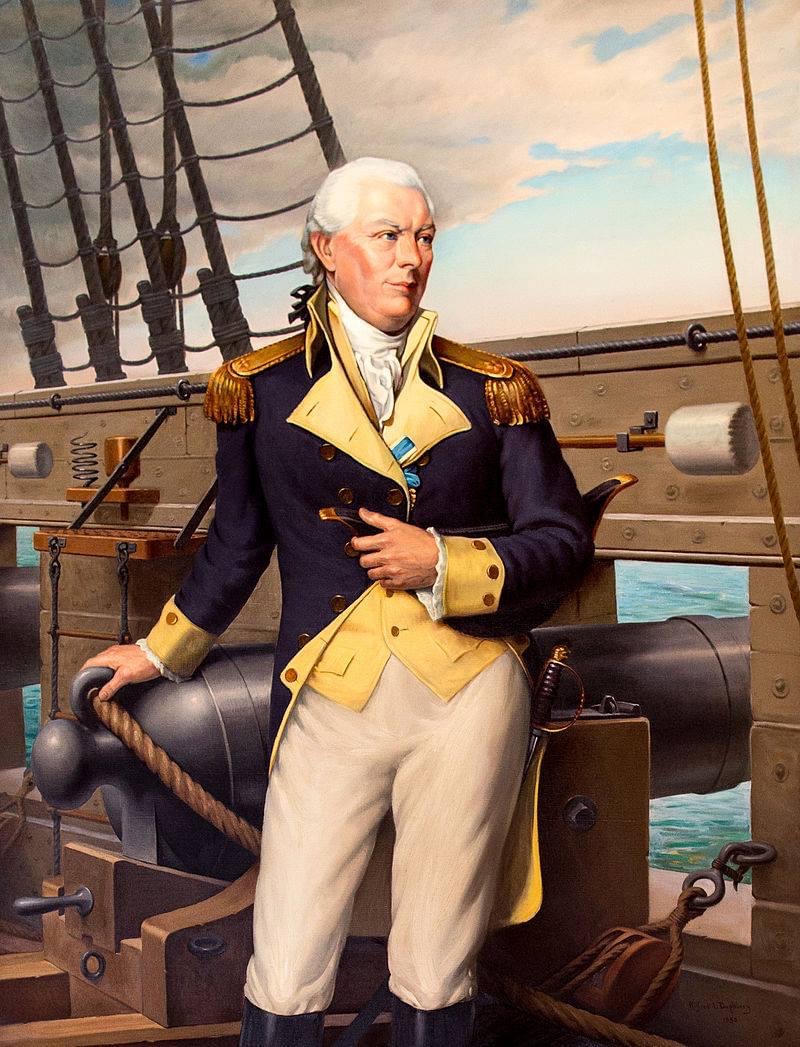
Captain John Barry’s Victory (1776)
On today’s date April 7, 1776: Continental Navy Captain John Barry of the USS Lexington captured an armed tender of the British Navy known as the Edward.
Barry wrote:
“In sight of the Capes of Virginia, April 7, 1776.
Gentlemen :
I have the pleasure to acquaint you that at 1 P.M. this day I fell in with the sloop Edward, belonging to the Liverpool frigate. She engaged us near two glasses.
They killed two of our men and wounded two more. We shattered! her in a terrible manner, as you may see. We killed and wounded several of her crew. I shall give you a particular account of the powder and arms taken out of her, as well as my proceedings in general. I have the happiness to acquaint you that all our people behaved with much courage.
I am, gentlemen, your humble servant,
John Barry.”
Source:
https://archive.org/details/biographicalsket0000tagg/page/180/mode/1up?view=theater
Image via Wikimedia Commons, public domain
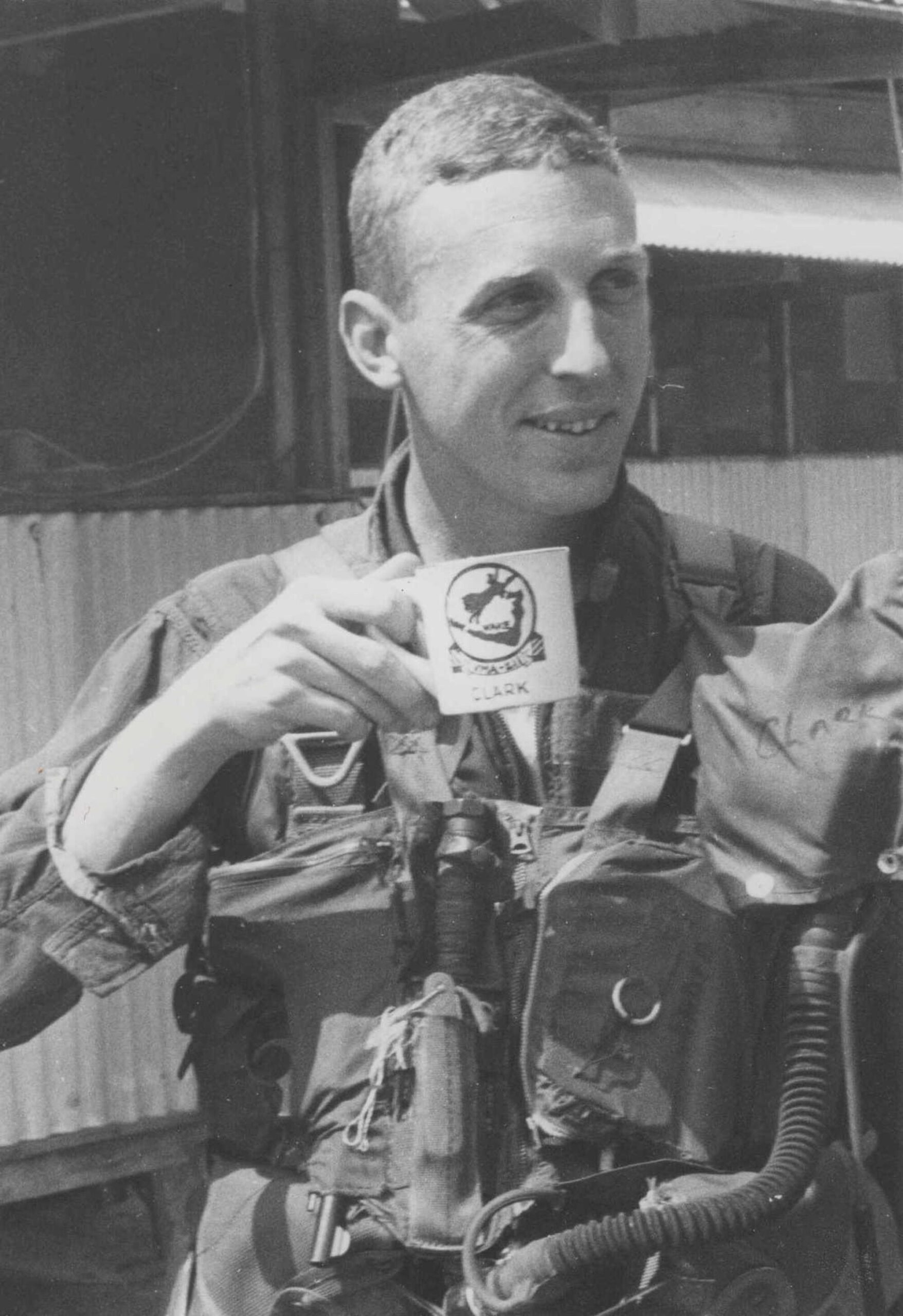
Vietnam Strike Mission (1967)
April 7, 1967: A Marine Captain, 27, of Shreveport, Louisiana, has a last swallow of coffee before going on a strike mission against Viet Cong fortified positions 30 miles south of Chu Lai.
Image from USMC Archives via Wikimedia Commons, CC BY 2.0
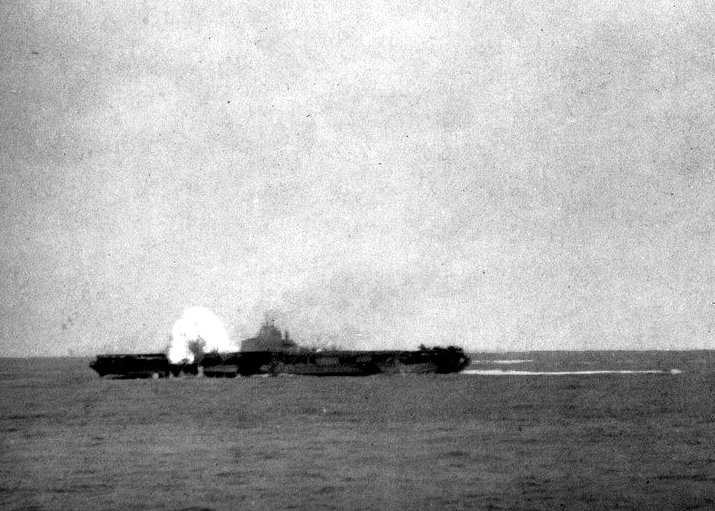
Attack on the USS Hancock (1945)
April 7, 1945: During the Battle of Okinawa, a kamikaze aircraft struck the flight deck of the USS Hancock. The explosion killed 62 sailors and wounded 71. In a testament to leur resilience, the crew extinguished the fires and had the flight deck operational again in just one hour.
Image via Wikimedia Commons, public domain
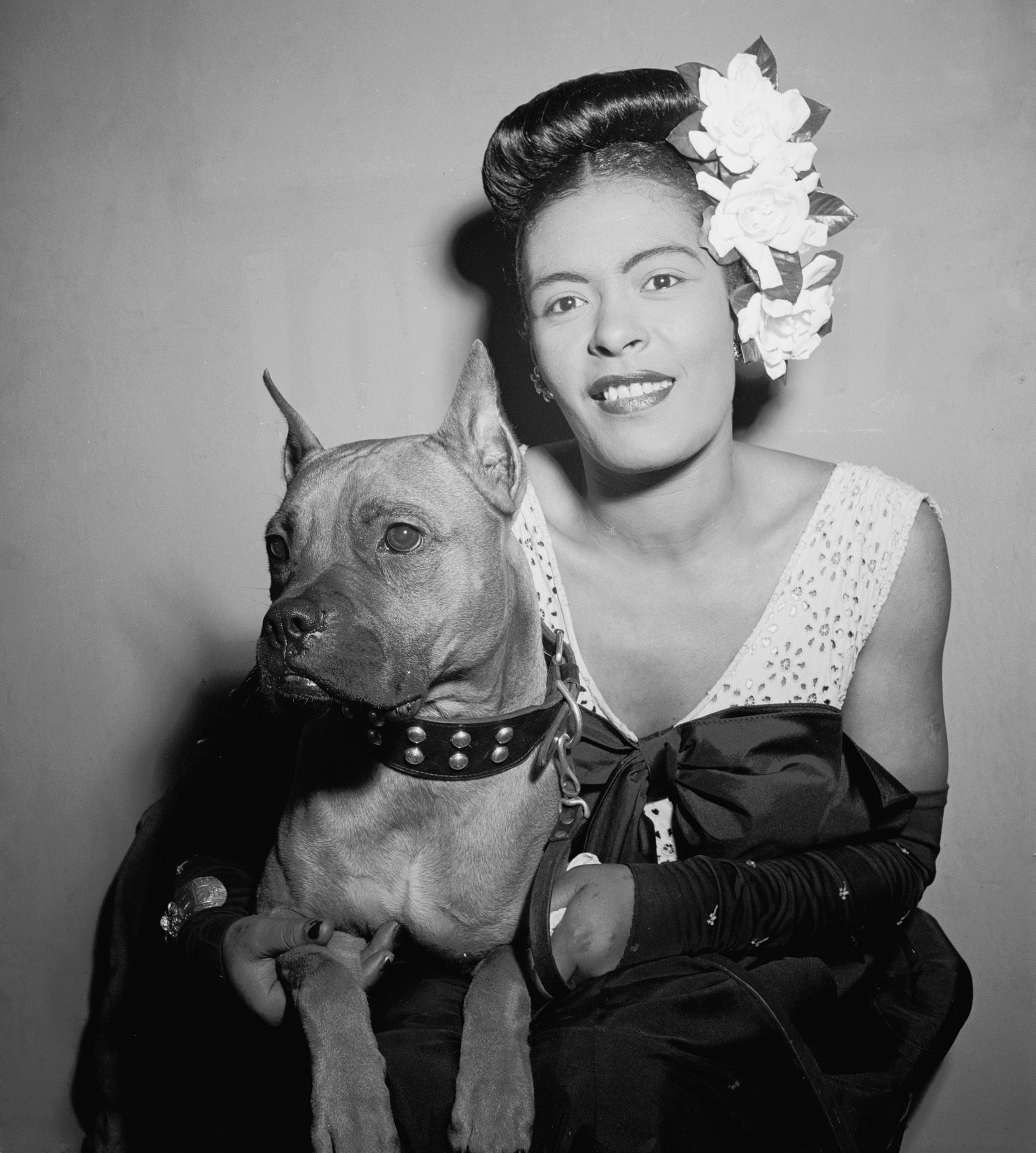
The Voice of Jazz: Billie Holiday (1915)
Born Elinore Harris on April 7, 1915, the world came to know her as Billie Holiday. One of the most influential jazz singers of all time, her unique phrasing and emotional depth changed American music forever.
Image: Billie Holiday and Mister, NYC, 1947, by William P. Gottlieb via Wikimedia Commons
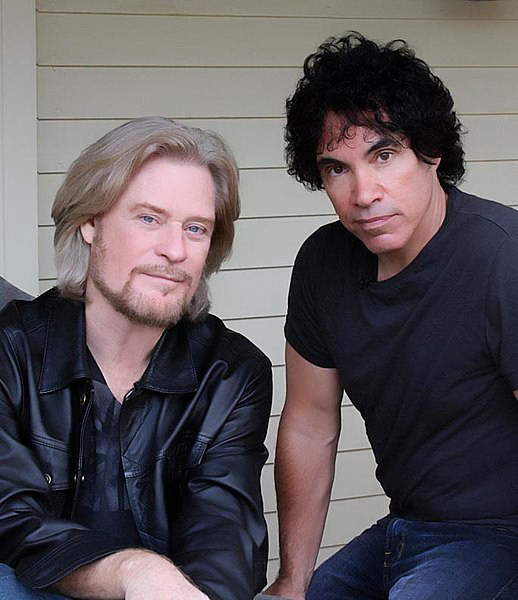
John Oates (1948)
Happy Birthday to John Oates (right), born April 7, 1948. As one half of Daryl Hall & John Oates, he helped create a string of hits that led to 7 platinum albums. They remain the best-selling duo in music history.
Image by Gary Harris, CCA-SA 2.0 via Wikimedia Commons
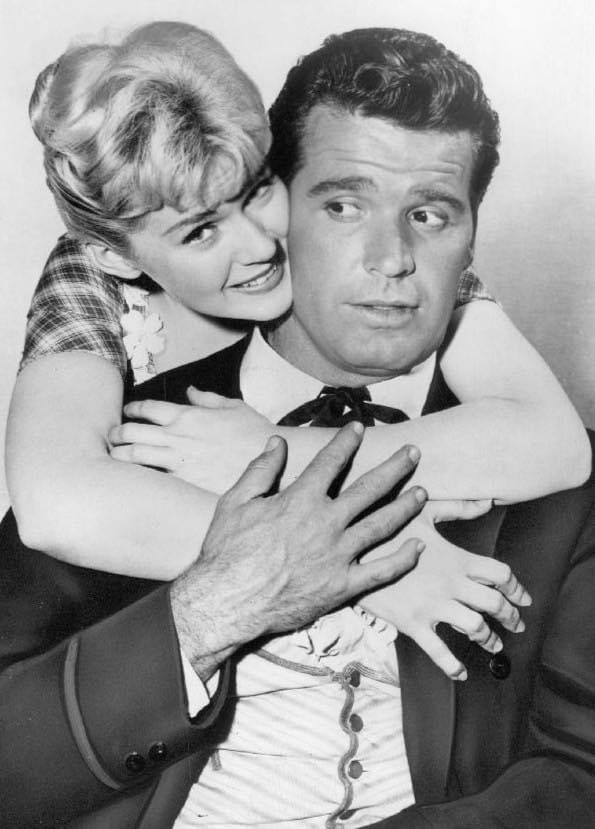
James Garner: Actor and Hero (1928)
James Garner, born April 7, 1928, was a literal “Maverick.” Before Hollywood, he served in the Merchant Marine and the U.S. Army during the Korean War. He earned two Purple Hearts—though he didn’t actually receive the second one until 32 years later after an administrative error was caught!
Image: Connie Stevens & James Garner, “Maverick” publicity photo c. 1959 via Wikimedia Commons
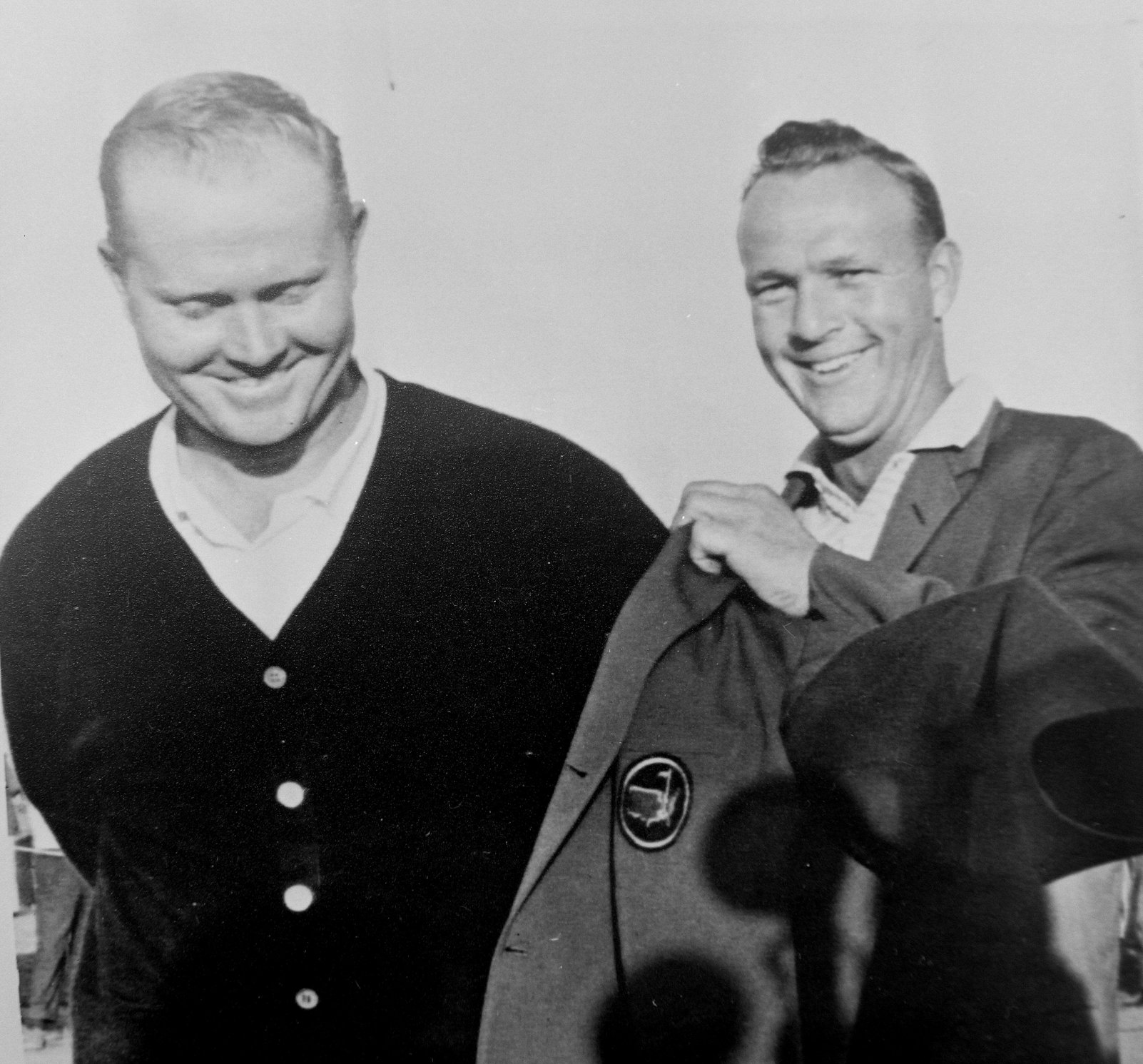
Jack Nicklaus Wins the Masters (1963)
On April 7, 1963, a 23-year-old Jack Nicklaus won his very first Masters Tournament. Here, the previous year’s winner, Arnold Palmer, helps him into the first of what would eventually be a record six Green Jackets.
Image via Alamy
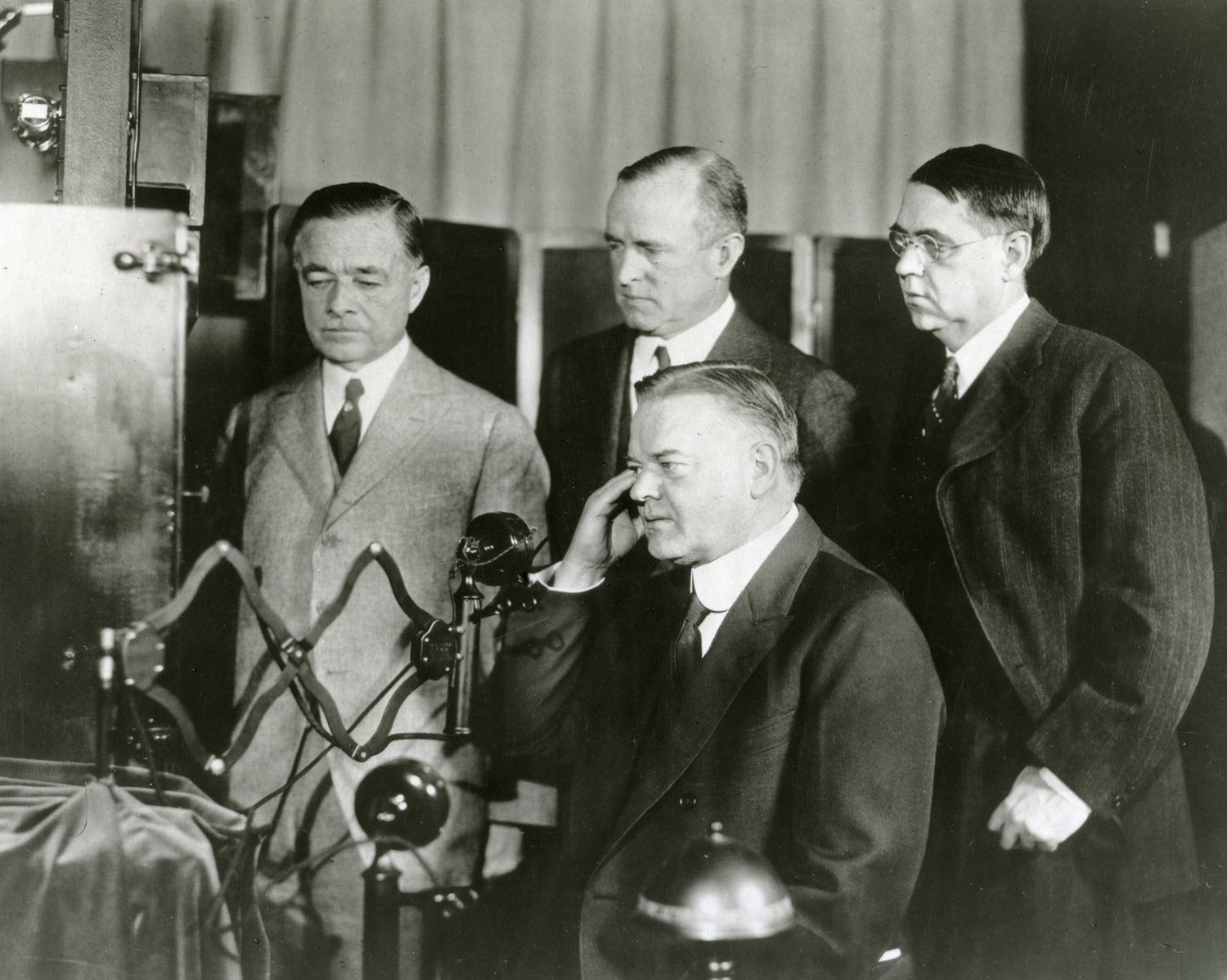
The First Long-Distance TV Broadcast (1927)
On April 7, 1927, Secretary of Commerce Herbert Hoover took part in the first public demonstration of inter-city television. Hoover spoke in D.C., and his image was transmitted via telephone lines to screens in NYC, proving that “sight by wire” was possible.
Image via Alamy
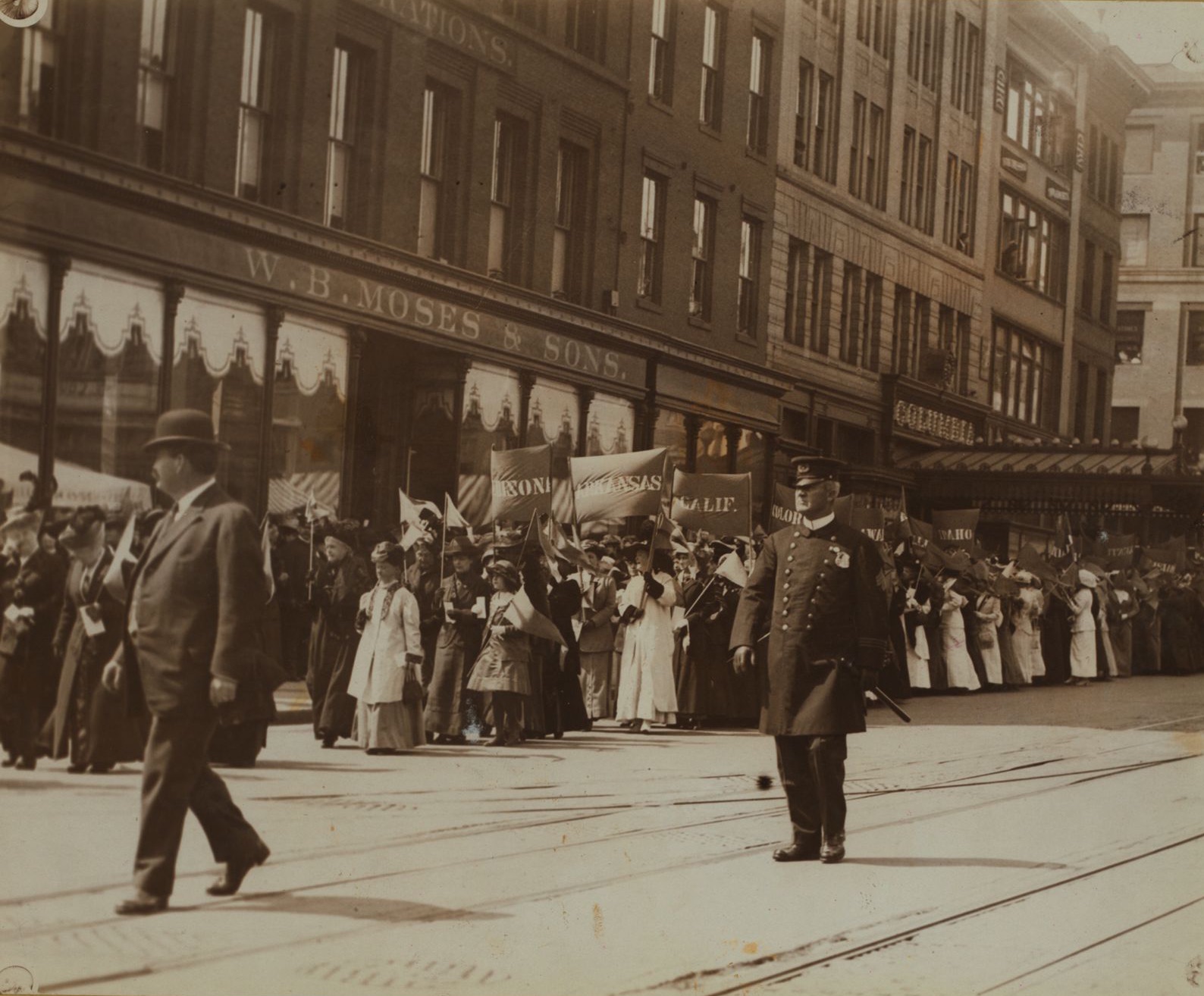
Suffrage Petitions at the Capitol (1913)
April 7, 1913: Women from across the country march through Washington D.C. to the Capitol. Following the massive parade a month earlier, they arrived to present suffrage petitions containing over 200,000 signatures to members of Congress.
Image via NYPL Digital Collections, no known restrictions
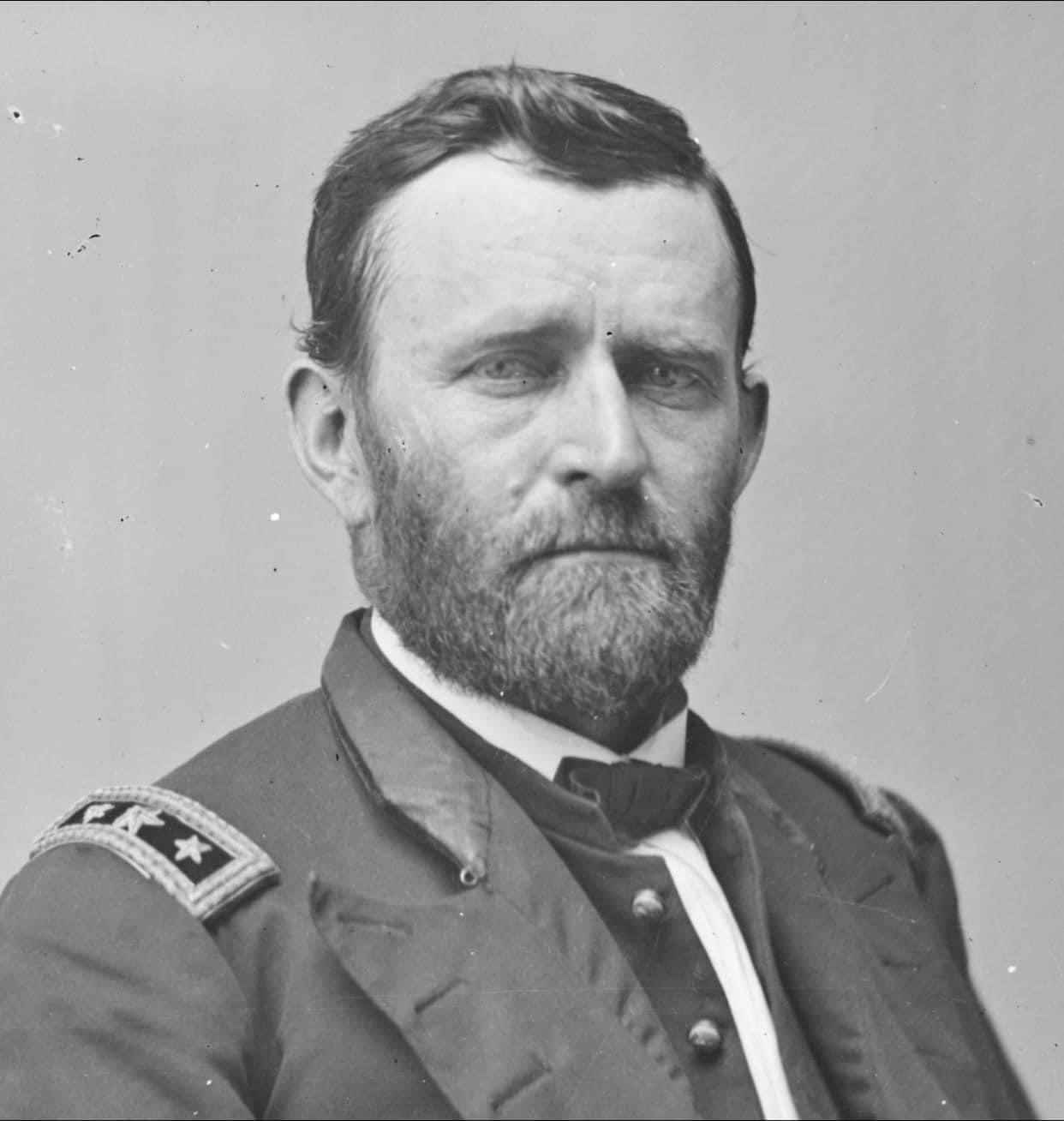
The Battle of Shiloh (1862)
“Shiloh was the severest battle fought at the West during the war, and but few in the East equalled it for hard, determined fighting. I saw an open field, in our possession on the second day, over which the Confederates had made repeated charges the day before, so covered with dead that it would have been possible to walk across the clearing, in any direction, stepping on dead bodies, without a foot touching the ground. On our side National and Confederate troops were mingled together in about equal proportions; but on the remainder of the field nearly all were Confederates. On one part, which had evidently not been ploughed for several years, probably because the land was poor, bushes had grown up, some to the height of eight or ten feet. There was not one of these left standing unpierced by bullets. The smaller ones were all cut down.”
– Ulysses S. Grant from his Personal Memoirs
The two-day Battle of Shiloh ended on April 7, 1862.
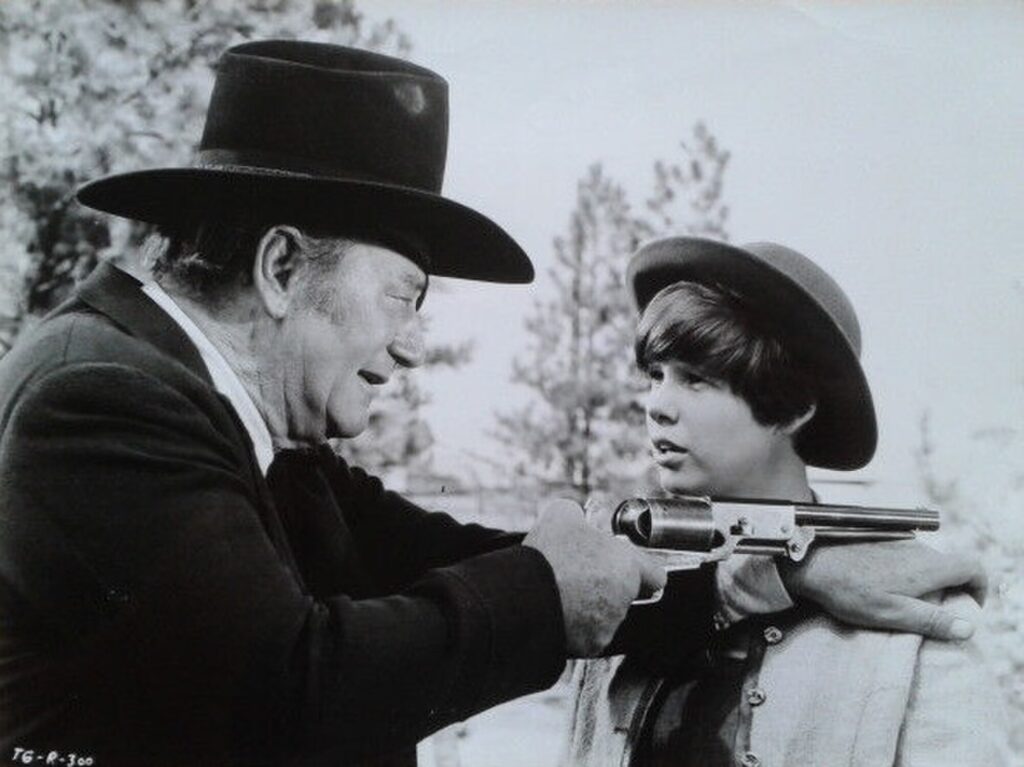
Wayne wins his first and only Academy Award
John Wayne stood on the stage of the Dorothy Chandler Pavilion on April 7, 1970, age 62, accepting the first and only Oscar of a career that had spanned more than forty years and nearly 170 films. Honored for True Grit, he won Best Actor over a rising generation — Dustin Hoffman and Jon Voight for Midnight Cowboy, Peter O’Toole for Goodbye, Mr. Chips, and Richard Burton for Anne of the Thousand Days — a moment when Hollywood’s past and future briefly met in the same envelope.
Image: John Wayne and Kim Darby in the American western film True Grit (1969) via Wikimedia Commons, public domain
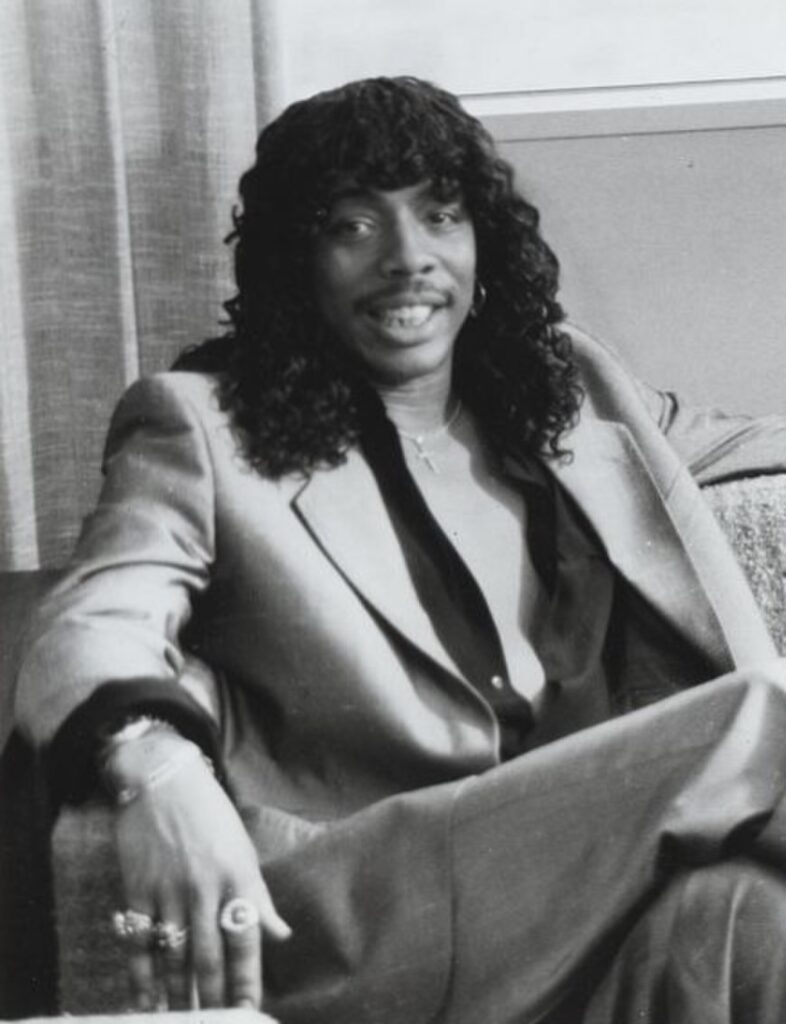
Rick James Releases Street Songs (1981):
This album, featuring the iconic hits “Super Freak” and “Give It to Me Baby,” was released on this day and spent 20 weeks at the top of the R&B charts.
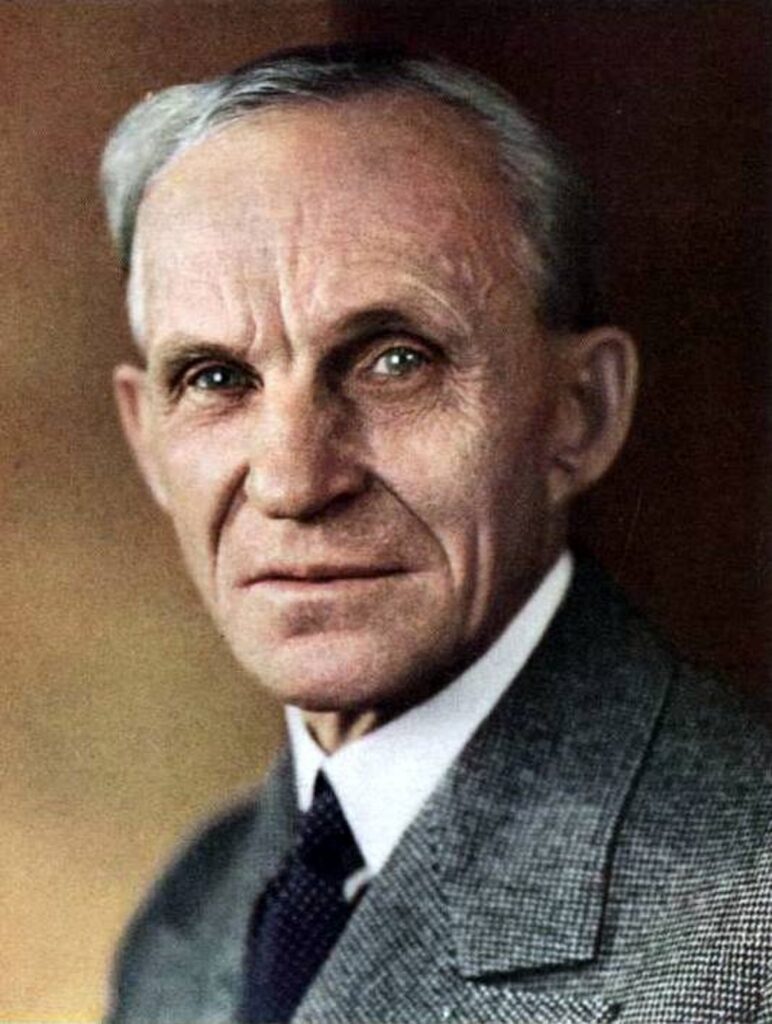
The Death of Henry Ford (1947)
On the night of April 7, 1947, Henry Ford died at his Fair Lane estate at age 83. A sudden Rouge River flood had knocked out electrical power across Dearborn, leaving the industrialist who helped electrify modern manufacturing spending his final hours in the glow of oil lamps and candles.
