The Birth of Modern Aerial Combat
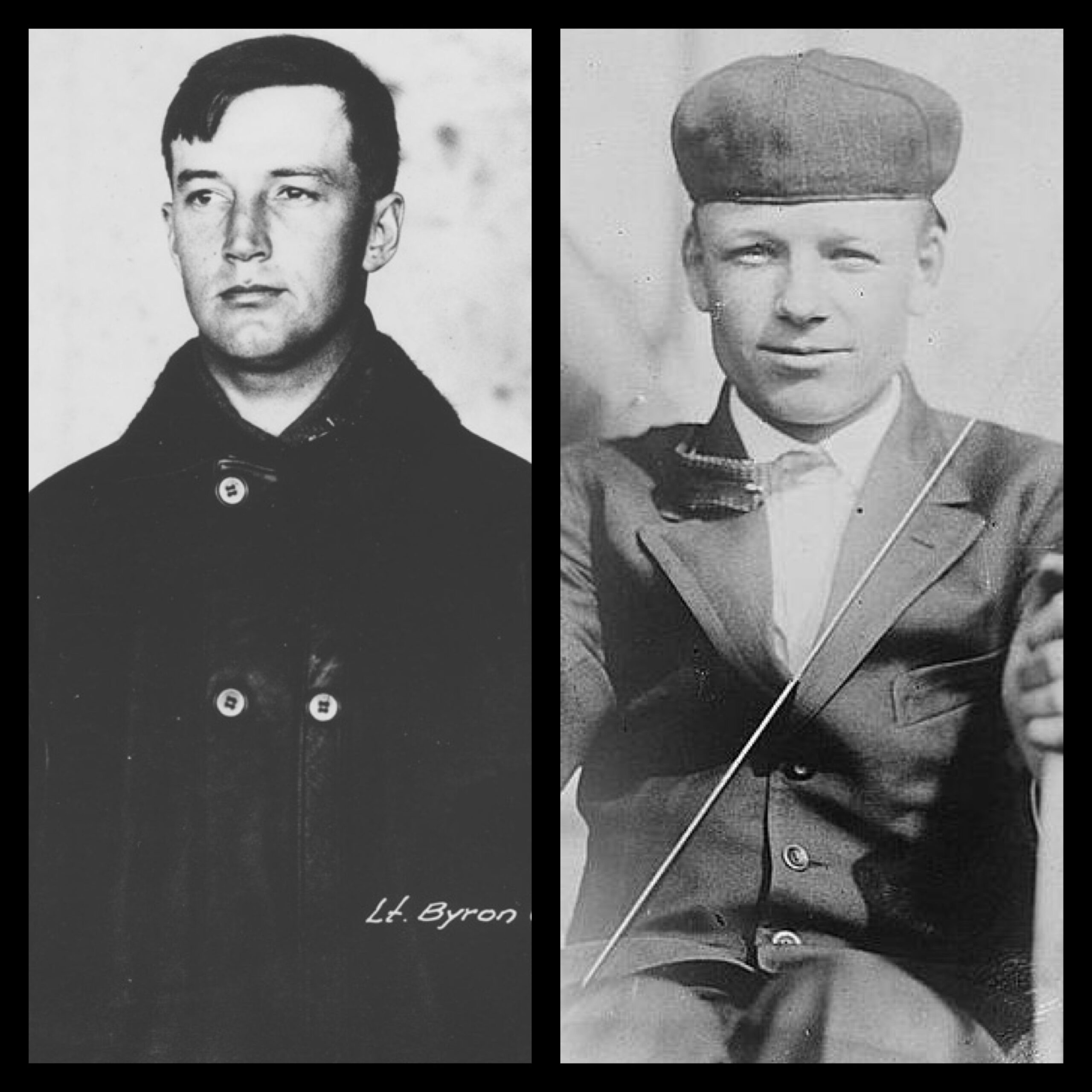
The first widely documented instance of American military airmen coming under sustained enemy fire occurred on April 20, 1915, when pilot Byron Q. Jones (left) and observer Thomas D. Milling (right) were targeted by Mexican forces during a scouting mission near the border. Their biplane limped home with bullet holes, but both men escaped unharmed. This was more than a brush with death — it was the “Wild West” of aviation colliding with the realities of modern conflict. Jones, a pioneer in stall‑recovery techniques, and Milling, one of America’s first thirty licensed pilots, proved that aircraft were no longer just eyes in the sky. They were becoming targets, forcing the U.S. military to rethink how airpower would shape twentieth‑century warfare.
Images via Wikimedia Commons, public domain
Expanding the American Experiment
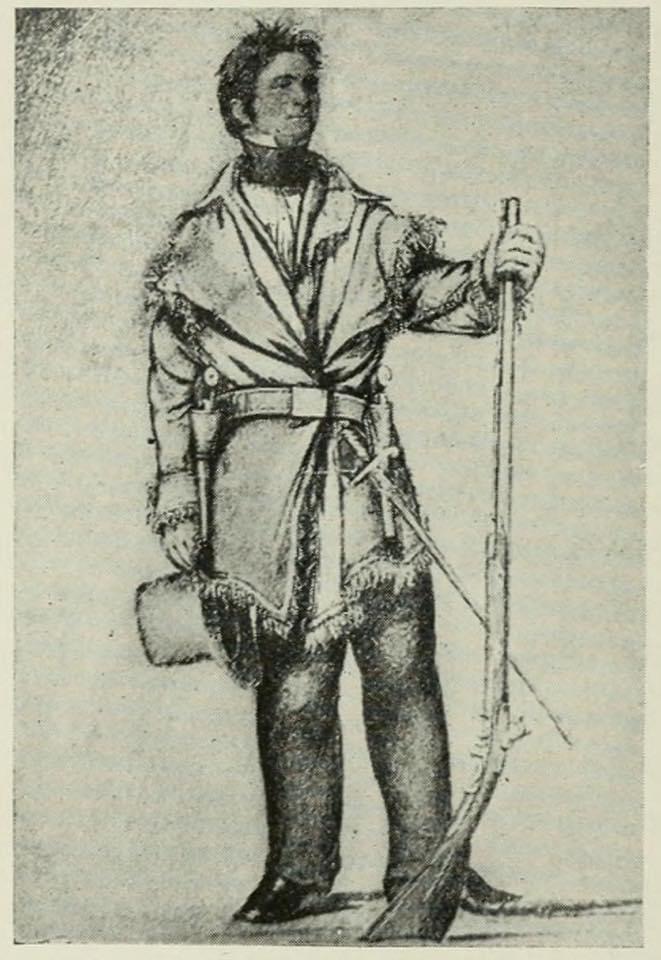
On April 20, 1836, the U.S. Congress voted to officially create the Wisconsin Territory, appointing War of 1812 veteran Henry Dodge as its first Territorial Governor. Before it became synonymous with the dairy industry, Wisconsin was a sprawling frontier that included parts of modern-day Iowa, Minnesota, and the Dakotas. Dodge, a seasoned military leader, represented the gritty and often controversial transition from military frontier rule to civil governance. His leadership signaled a significant shift in American power, moving influence away from the Atlantic coast and toward the untapped resources and expansionist potential of the Midwest.
Image: Henry Dodge in 1833 as Commander of The United States Mounted Rangers via Wikimedia Commons, public domain
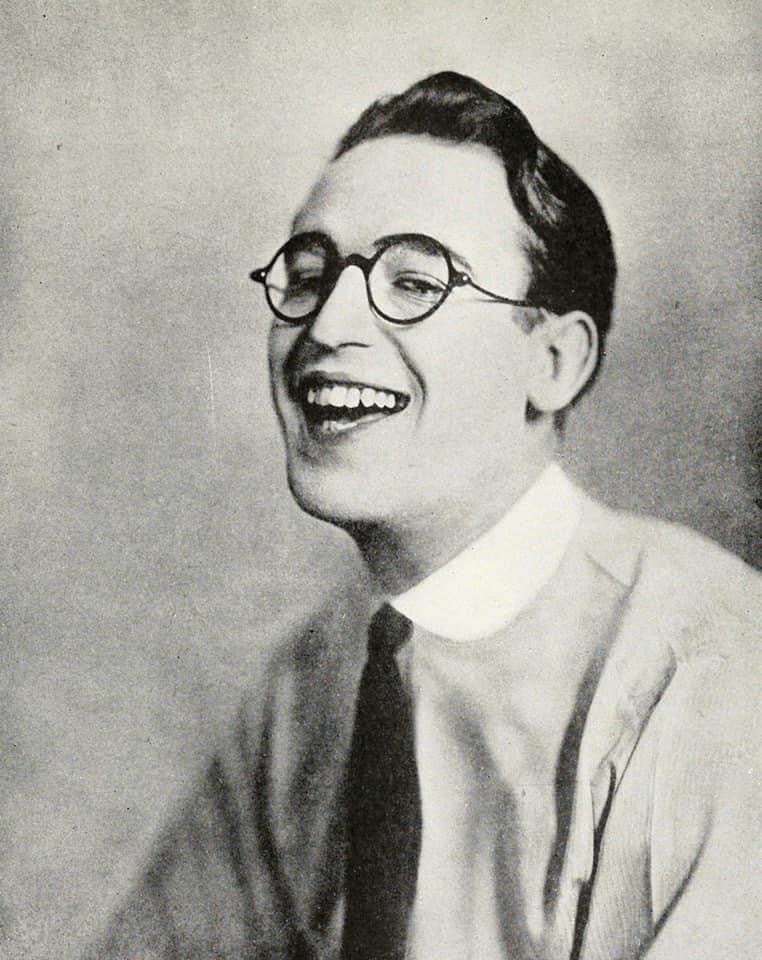
The Inventor of the Modern “Thrill”
The world of cinema was forever changed on April 20, 1893, with the birth of Harold Lloyd in Burchard, Nebraska. While other silent film stars often dominate the conversation, Lloyd became one of the most prolific performers of his era, producing a staggering body of work that helped define American comedy. He was the original action daredevil, performing skyscraper stunts even after losing two fingers in a prop‑bomb accident. His iconic “glasses character” captured the go‑getter spirit of the 1920s, blending high‑stakes suspense with an everyman charm that resonated with a rapidly modernizing audience.
Image via Wikimedia Commons, public domain
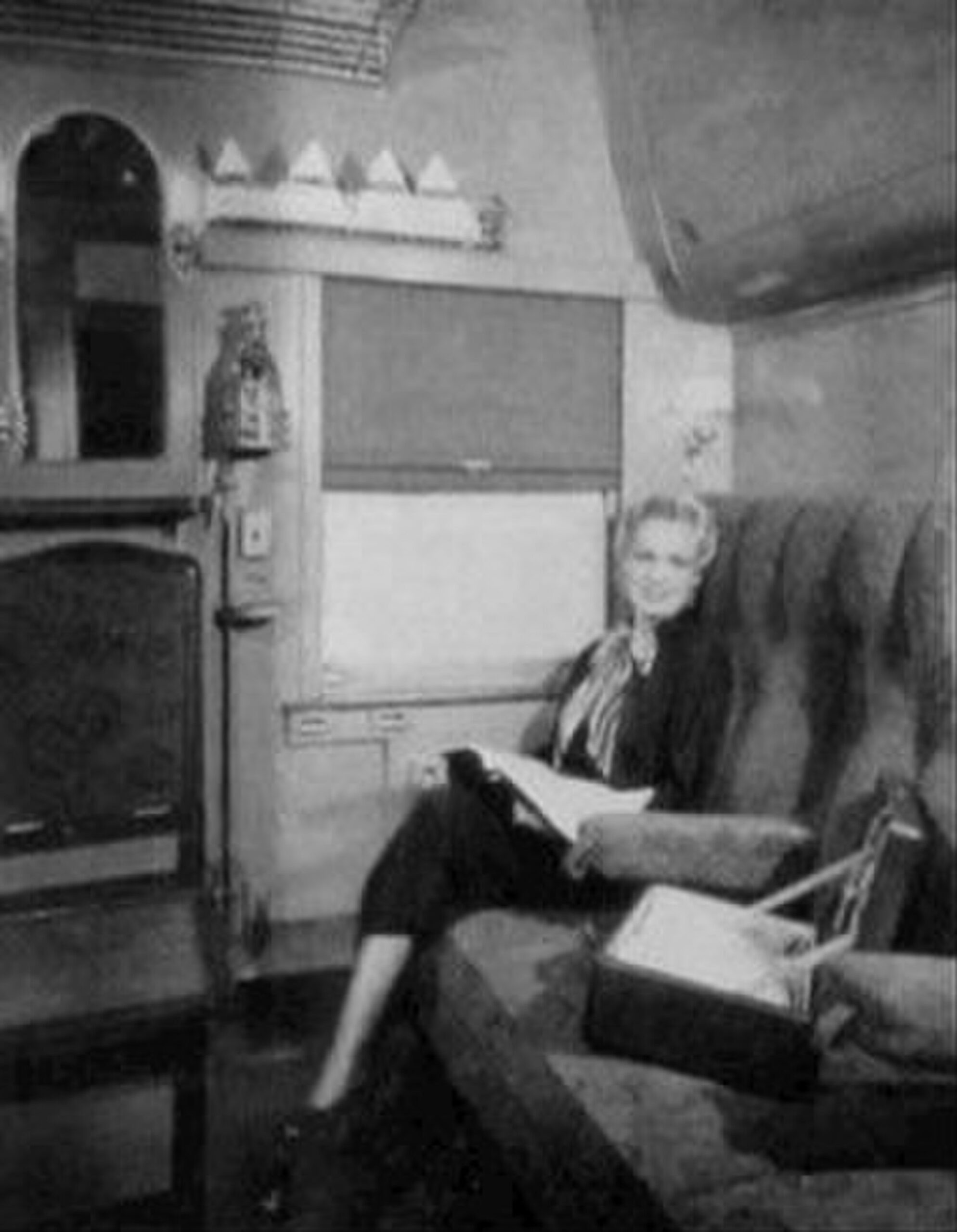
Air Conditioning Reshapes the American Rail
Luxury travel took a massive leap forward on April 20, 1932, when the Baltimore and Ohio Railroad (B&O) introduced air conditioning on its flagship train, the National Limited. Traveling between St. Louis and New York City, this was the first long-distance sleeping car train to offer passengers climate-controlled comfort. This technological milestone completely democratized the travel experience; previously, cross-country journeys meant enduring stifling heat and soot-filled air from open windows. By bringing the “cool” to the rails, the B&O proved that travel could be about comfort rather than just endurance, setting the standard for the modern airline and automotive industries we rely on today.
Image: A bedroom car on the National Limited via Wikimedia Commons, public domain
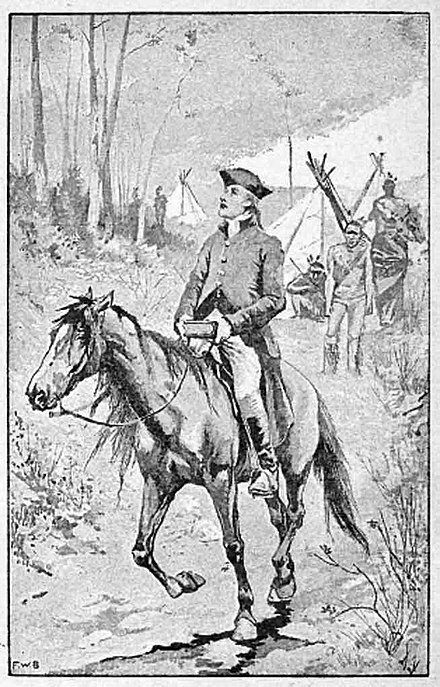
The Missionary Whose Words Outlived His Life
David Brainerd, born on April 20, 1718, in Connecticut, became a legendary figure in American religious history for his tireless work as a Presbyterian minister to Native American communities. Despite traveling over 3,000 miles on horseback, Brainerd spent much of his short life battling the debilitating effects of tuberculosis. His legacy, however, isn’t just in the miles he covered, but in the raw and honest spiritual diary he left behind. His accounts of physical suffering and religious zeal became a cornerstone of the Great Awakening, serving as a poignant reminder of the high physical toll of early American missionary work and the enduring power of the written word.
Image via Wikimedia Commons, public domain
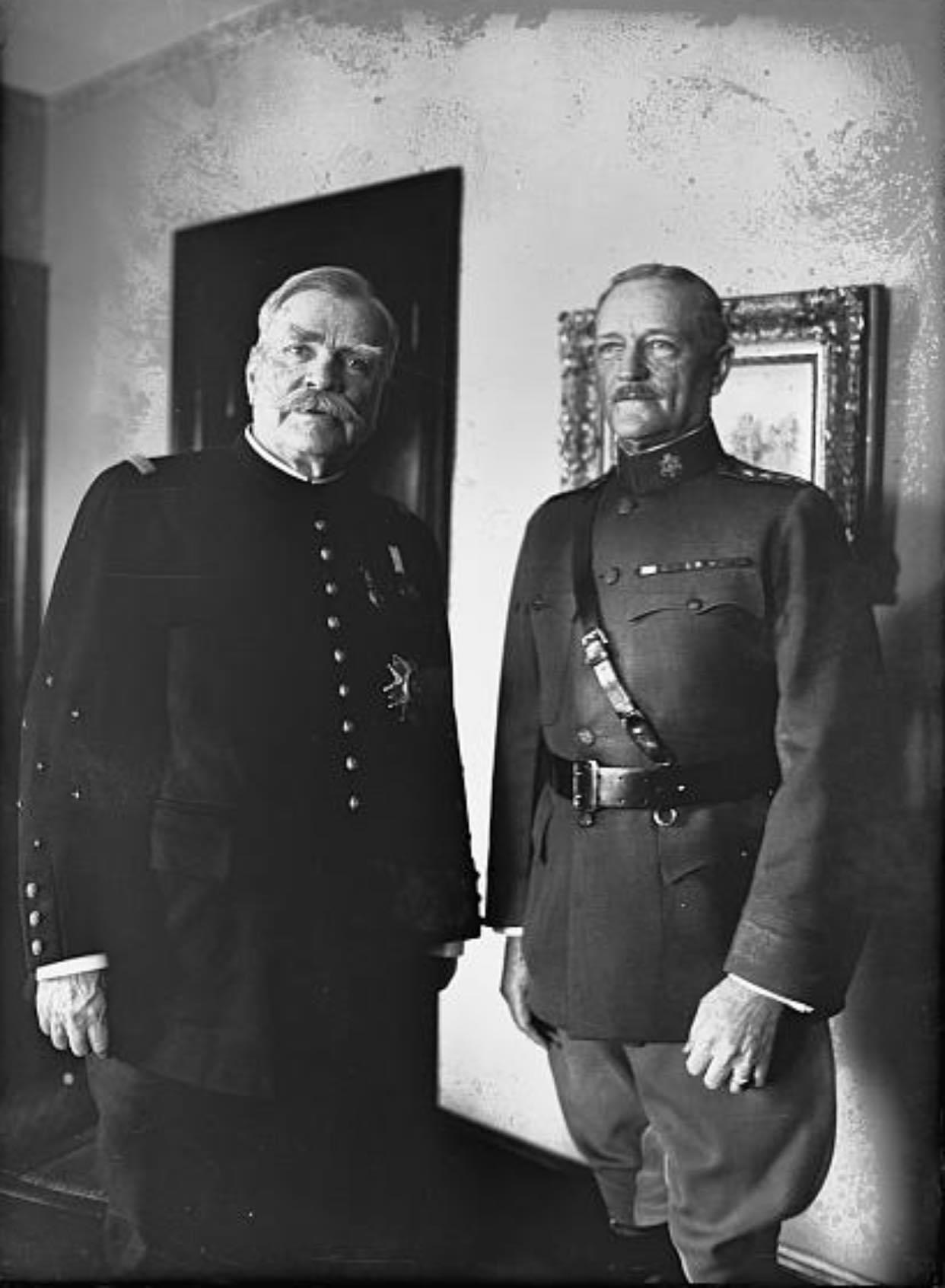
A Rare Handshake Between Two Military Titans
On April 20, 1922, French Général de division Joseph Joffre met with American General of the Armies John J. Pershing in a quiet diplomatic moment that reflected the hard‑won partnership forged during World War I. The photograph captures two commanders who had carried enormous national burdens, now standing together in a period of uneasy peace. Their meeting underscored how deeply the war had bound France and the United States, and how that relationship would continue to shape the century ahead.
Image via LOC, no known restrictions
A Rock ‘n’ Roll Wedding in the Limelight
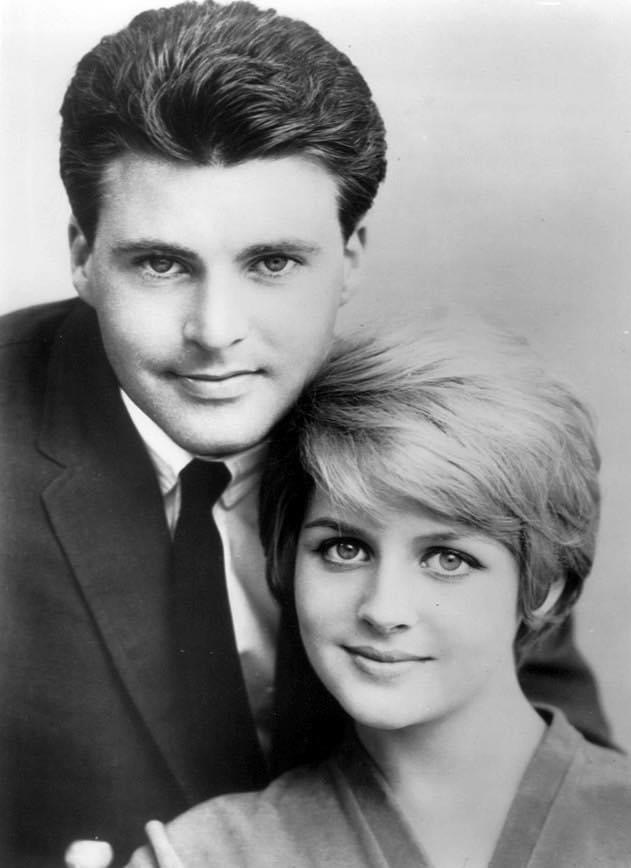
The worlds of television and music collided on April 20, 1963, when Ricky Nelson married Kristin Harmon in Los Angeles. This wedding was the ultimate merger of two Hollywood dynasties—the Nelsons, who were TV and music royalty, and the Harmons, known for their athletic and acting fame. In an era where “teen idols” were often pressured to stay single to appease their fanbases, Nelson’s marriage was a bold step into adulthood. It helped him transition from a boyish television star into a more mature and respected musician, proving he could maintain his stardom while building a personal legacy.
Image: Rick and Kristin Harmon Nelson publicity photo, 1964 from The Adventures of Ozzie and Harriet TV Show by ABC Television, public domain via Wikimedia Commons
The First Presidential Road Trip
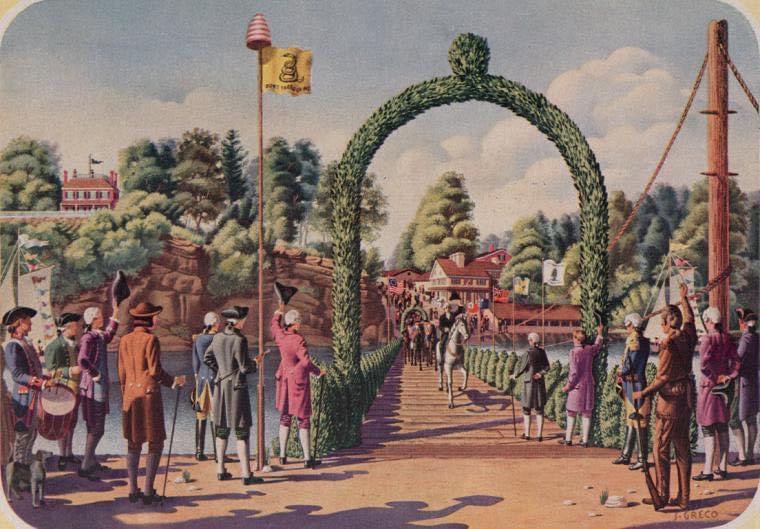
President-Elect George Washington’s inaugural journey reached a festive peak on April 20, 1789, as he crossed the floating bridge at Gray’s Ferry in Philadelphia. Washington wasn’t merely traveling to his inauguration in New York; he was auditioning for the role of the nation’s first leader. Every stop on this journey was a masterclass in public relations, carefully designed to unite a fractured young nation. By engaging with the public at crossings like Gray’s Ferry, he demonstrated that the new government was intended to be both accessible to the people and dignified in its authority.
“President-Elect Washington crosses floating bridge (Gray’s Ferry) on inaugural journey, Philadelphia, April 20, 1789”
Image: Art and Picture Collection, The New York Public Library. “New York Public Library Digital Collections.”
No known restrictions
The “Howlin’ Mad” Revolution in Warfare
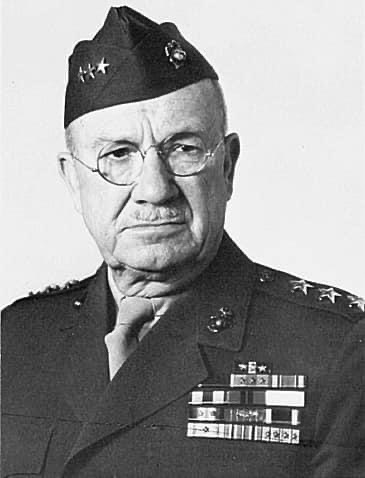
Born on April 20, 1882, in Seale, Alabama, General Holland “Howlin’ Mad” Smith became one of the driving forces behind America’s modern amphibious assault doctrine. Though the Marine Corps had been developing landing‑force theory for decades, it was Smith who turned those ideas into a hard, exacting science—insisting on realistic rehearsals, coordinated naval gunfire, and the kind of discipline that made Pacific landings possible.
His fiery temperament earned him his nickname, but it was his relentless push for better tactics, better equipment, and better preparation that saved lives from Tarawa to Saipan. By the time American forces were storming beaches across the Pacific, Smith’s training methods had become the standard for how the United States fought its way ashore.
Image via Wikimedia Commons, public domain
Saving the Safety Net
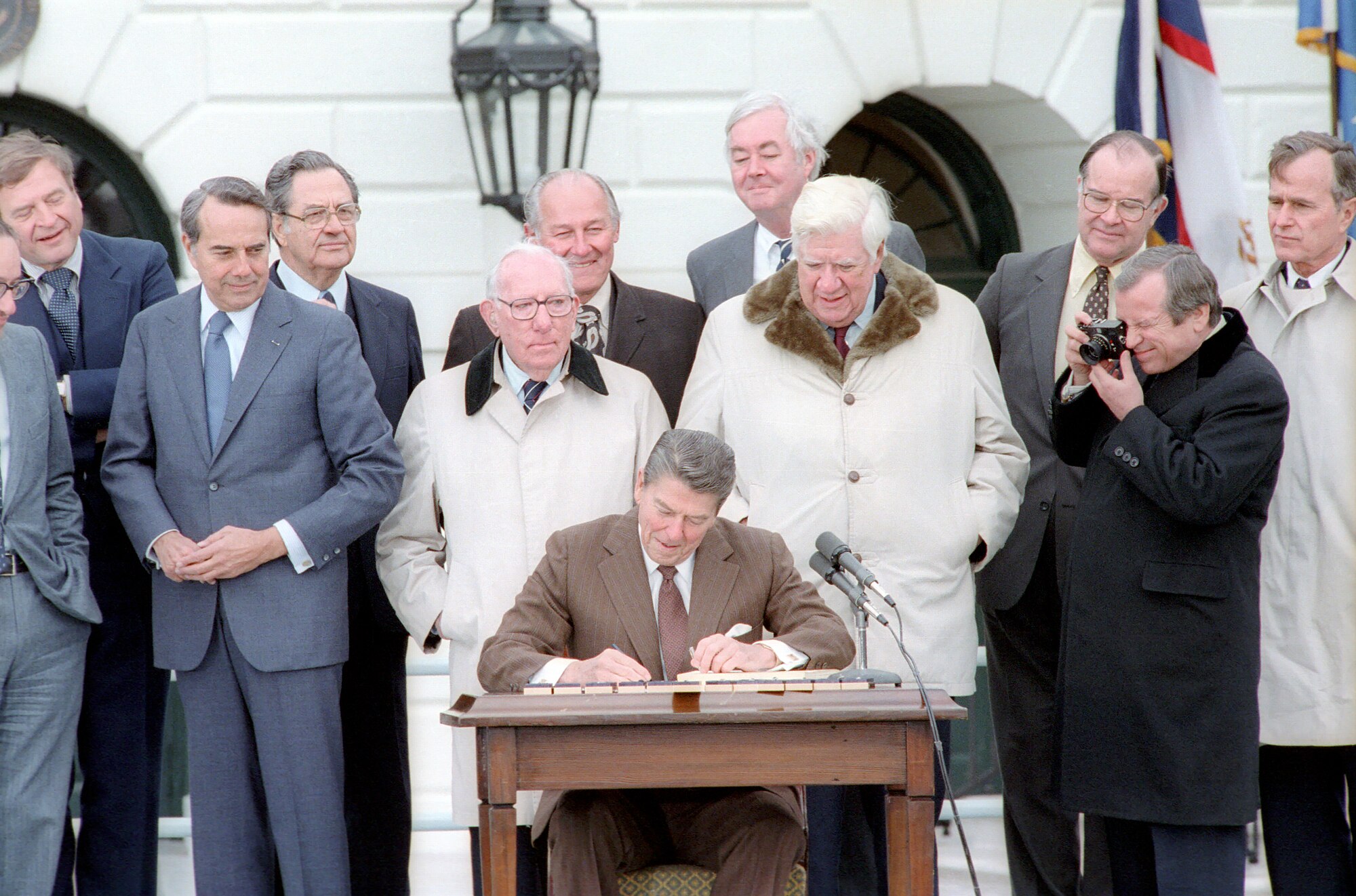
On April 20, 1983, President Ronald Reagan signed the Social Security Amendments Act, a landmark piece of legislation intended to ensure the program’s long-term solvency. This was a rare and vital moment of bipartisan “crisis management.” Facing an immediate funding shortfall, leaders from both parties came together to implement tough changes, including tax hikes and a gradual increase in the retirement age. It remains a historical benchmark for how the government can tackle seemingly “unfixable” problems when the stakes are high enough to force cooperation.
Image via Wikimedia Commons, public domain
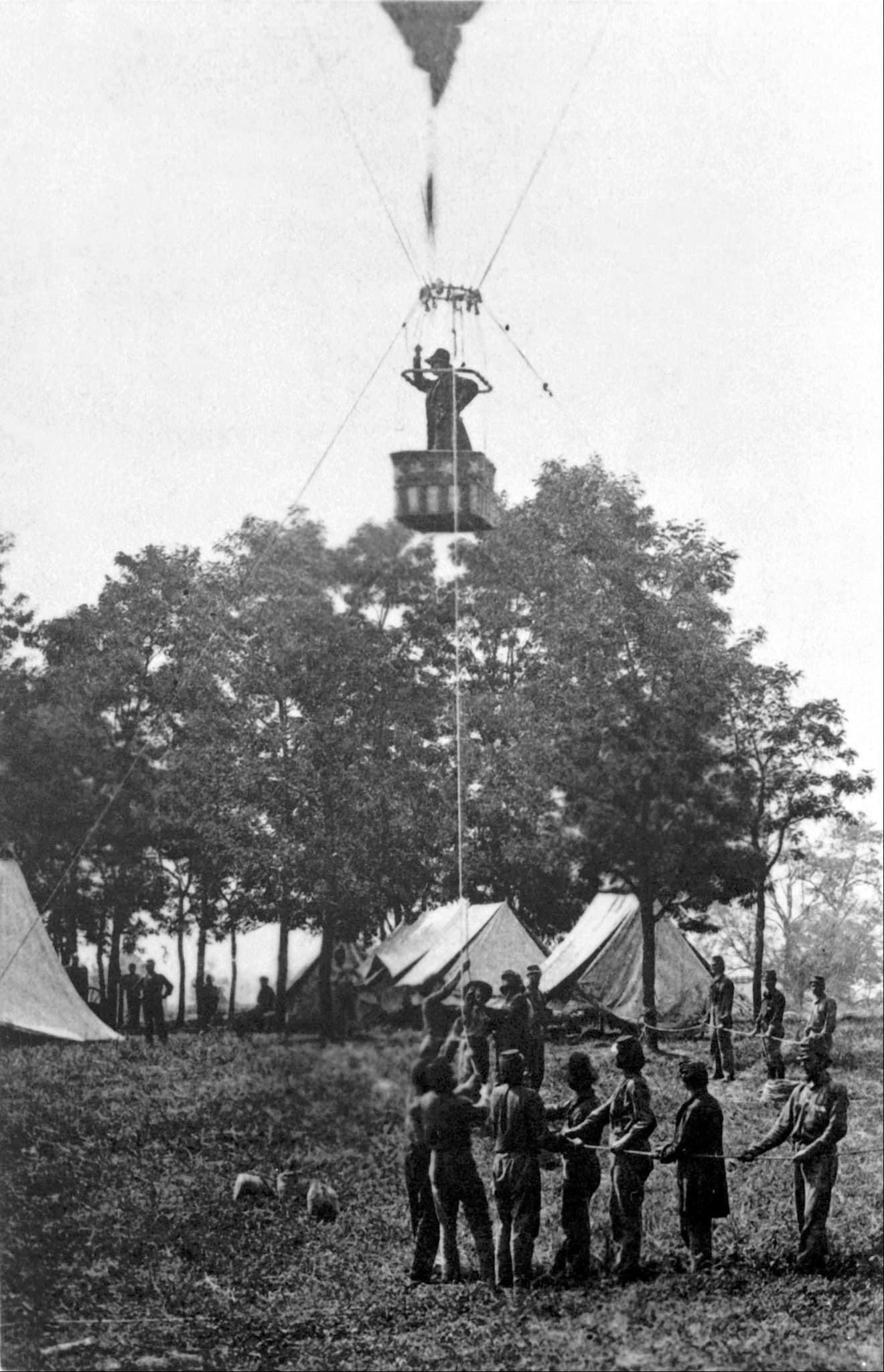
The Balloonist Who Landed in the Middle of a Civil War
In April 1861, Thaddeus S. C. Lowe set off on an experimental balloon flight from Cincinnati that ended with a landing in South Carolina on the 20th. Initially suspected of being a Union spy by local residents, Lowe was eventually released, but the incident proved the immense potential for aerial reconnaissance. This accidental flight into “enemy” territory caught the attention of Abraham Lincoln, leading to Lowe’s appointment as Chief Aeronaut of the Union Army Balloon Corps. It was the first time the United States utilized a “bird’s-eye view” to influence the outcome of a war.
Image of Thaddeus S. C. Lowe in 1862 during the Battle of Fair Oaks via Wikimedia Commons, public domain.
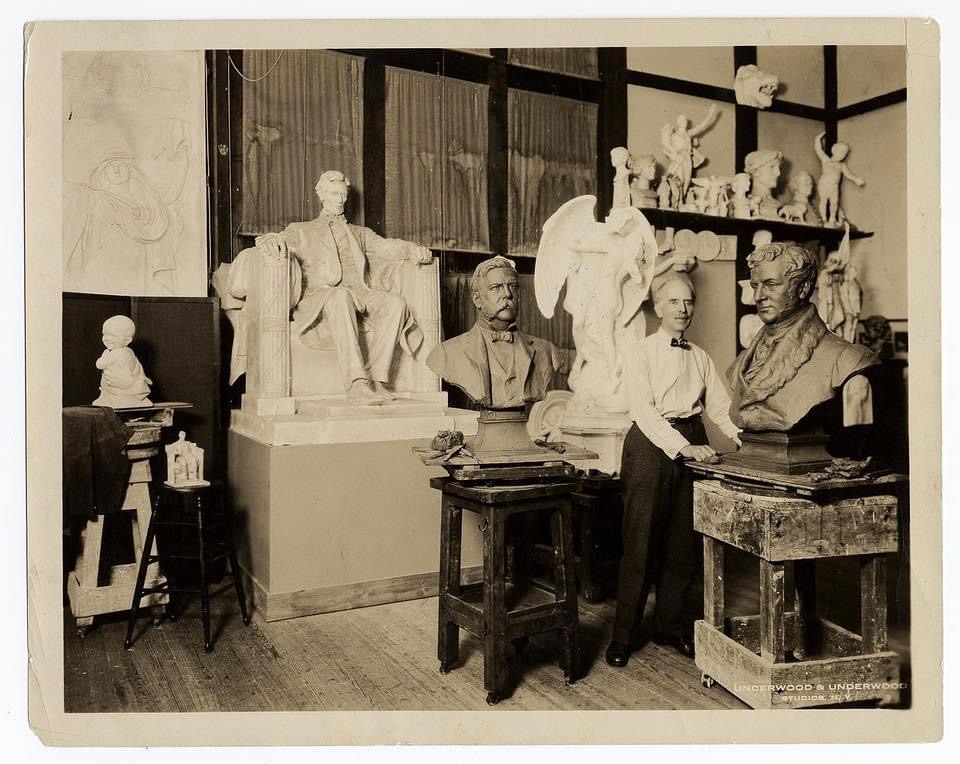
The Sculptor Who Defined American Dignity
Daniel Chester French, born on April 20, 1850, in New Hampshire, was the sculptor who would eventually define American dignity through his iconic statue of a seated Abraham Lincoln. French didn’t just sculpt a man; he captured a nation’s conscience. His work inside the Lincoln Memorial is so recognizable that it has become the definitive image of the 16th President. French’s unique ability to carve raw human emotion and quiet strength into cold stone transformed Washington, D.C., into a place of active, living memory rather than just a collection of monuments.
Image: Daniel Chester French in his studio with a model of the statue of Lincoln in the background
c. 1920 via Wikimedia Commons, no known restrictions
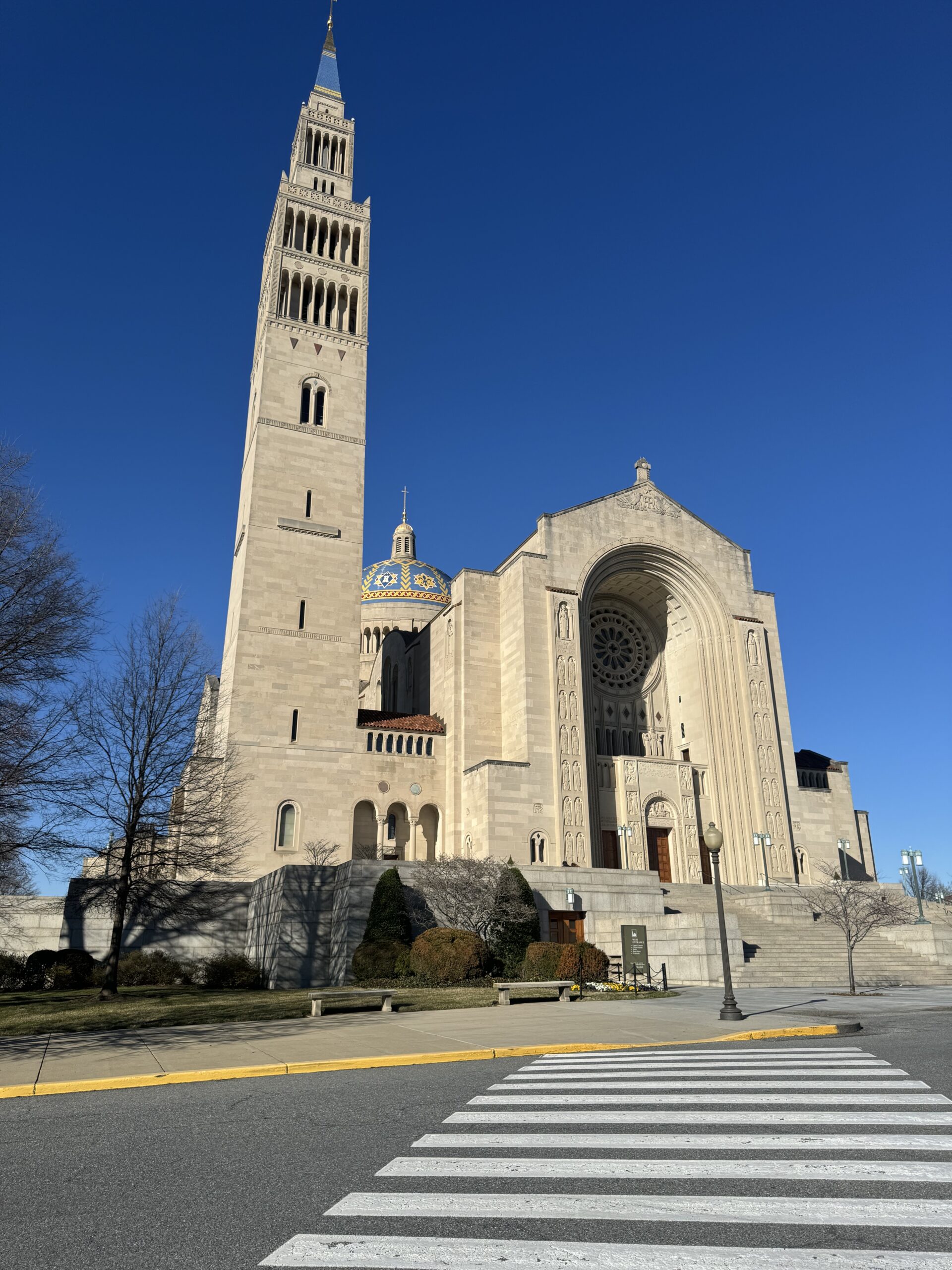
A Foundation of Faith in the Capitol
A major milestone for the Catholic community in America occurred on April 20, 1924, when the first public Mass was held in the unfinished crypt of the Basilica of the National Shrine of the Immaculate Conception. Holding a religious service in an unfinished space was a literal and symbolic “grounding” of the faith in the heart of the U.S. capital. It demonstrated a community’s willingness to celebrate their beliefs amidst the dust of a construction site, proving that the foundation of the church was built on its people long before the grand architecture was complete.
Image by Heartfelt History from 2024
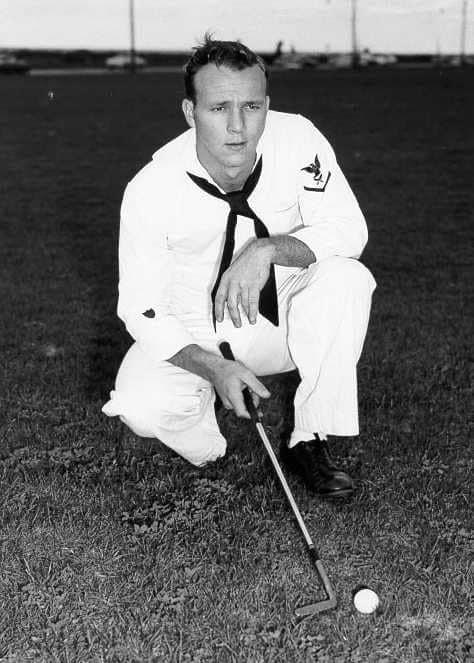
The Coast Guard’s Secret Weapon
On April 20, 1953, twenty-three-year-old Arnold Palmer was photographed playing golf at Pinehurst while on leave from the U.S. Coast Guard. This image captures “The King” in the middle of a significant personal and professional transition. The discipline and focus Palmer developed during his service in the Coast Guard became the very traits he used to dominate the PGA Tour later in his career. It serves as a rare look at a sports legend serving his country with the same dedication he would eventually bring to the game of golf.
Image via Wikimedia Commons, public domain
The Symbolic Fall of the “Citadel”
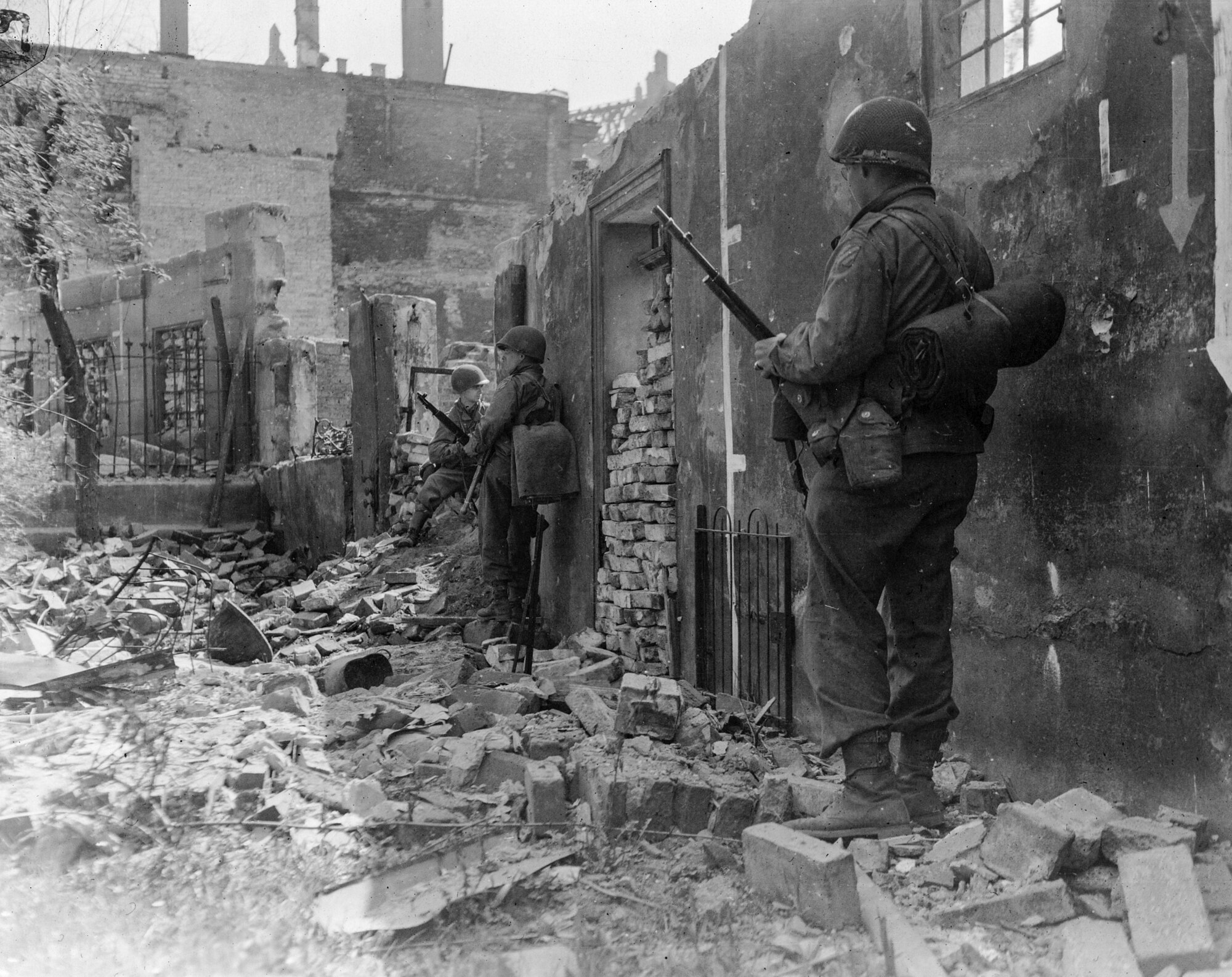
The city of Nuremberg, a central hub for Nazi rallies and ideology, was captured by American forces on April 20, 1945—which also happened to be Adolf Hitler’s 56th birthday. The fall of the city on this specific date was a devastating psychological strike that signaled the total collapse of the Third Reich’s authority. Because Nuremberg was the birthplace of the laws that stripped Jewish citizens of their rights, its capture was deeply symbolic. It paved the way for the city to transform from a monument of hate into a world-renowned symbol of justice during the subsequent war crimes trials.
Image: Infantrymen of “G” Co., 7th Regiment, 3rd Infantry Division, 7th U.S. Army, take cover behind a wall as they move on to the Old City of Nuremberg in Germany.
After fierce fighting beginning April 17, 1945, American forces captured the town of Nuremberg on the 20th of April via Wikimedia Commons, public domain
A Whole New World for Soul
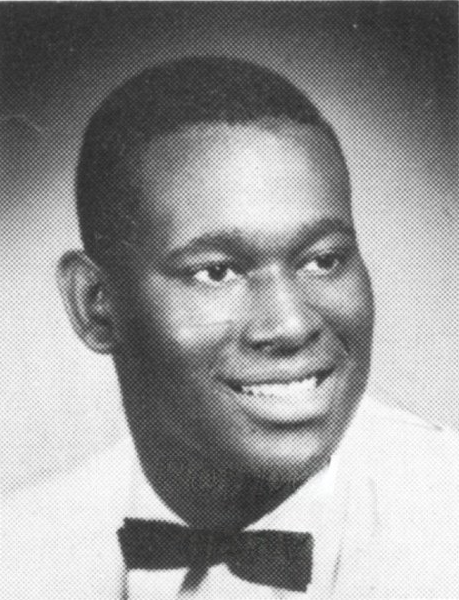
Luther Ronzoni Vandross Jr. was born April 20, 1951, in Manhattan’s Kips Bay neighborhood — a New York City beginning for the voice that would redefine modern R&B. Raised between the pulse of Harlem and the Bronx, he sharpened his craft as a session singer before stepping forward with a sound instantly recognized for its warmth, control, and elegance.
His catalog became a living atlas of devotion and celebration: “Never Too Much,” “Here and Now,” “A House Is Not a Home,” “Dance with My Father,” and the duets that showcased his effortless generosity as a vocalist. Even his interpretation of Disney’s “A Whole New World” revealed how naturally he could reshape a melody into something unmistakably his. Across four decades, Vandross didn’t just sing love songs — he expanded the emotional vocabulary of soul itself.
The Birth of the Cathedral of Baseball in Boston
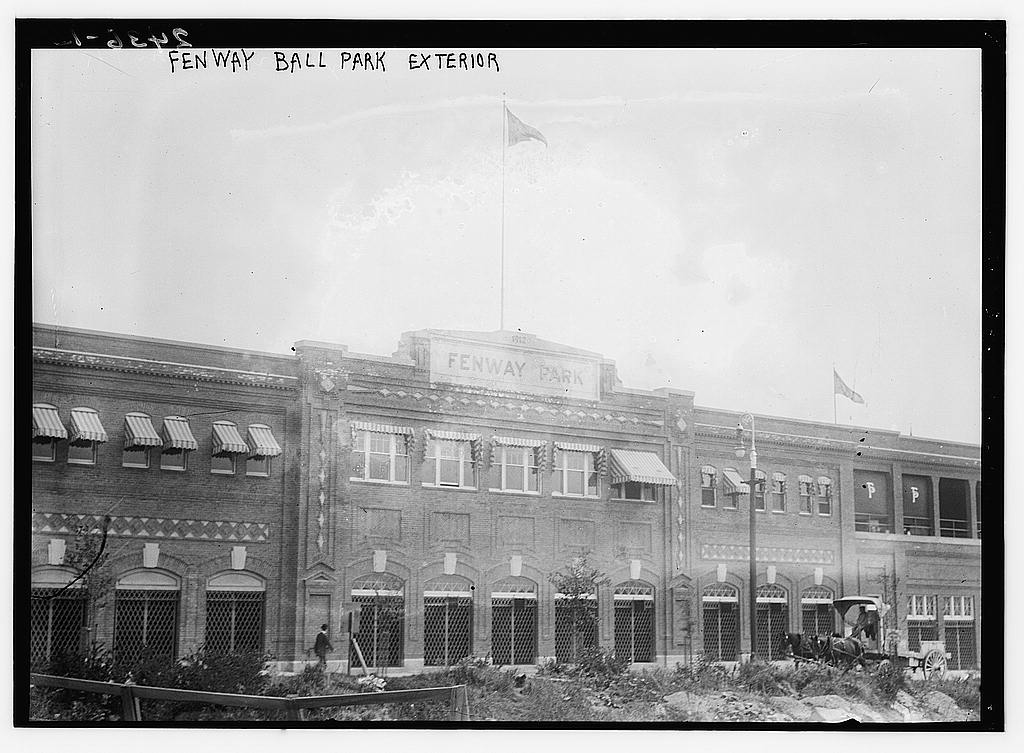
On April 20, 1912, “The Cathedral of Baseball” opened its gates without the fanfare it deserved. With the world still mourning the Titanic tragedy, the debut of Fenway Park was a somber affair, delayed for days by rain. Fans didn’t see the iconic Green Monster we know today; instead, they watched outfielders navigate “Duffy’s Cliff,” a steep dirt mound that made every play a struggle.
The day ended in true Boston fashion: an 11-inning battle that finished with a 7-6 walk-off victory over New York. It was a humble start for a legendary landmark, offering a grieving city a new place to gather, hope, and eventually, witness a century of American history.

Beyond the Glass Ceiling at 200 MPH
On April 20, 2008, Danica Patrick claimed a landmark victory at Twin Ring Motegi, becoming the first woman to win a major U.S.–sanctioned open‑wheel event. She timed her late‑race charge with precision, conserving fuel and advancing through the field to win by nearly six seconds. It was a masterclass in strategy that silenced skeptics and gave weight to her own philosophy: “I was raised to be the fastest driver, not the fastest girl.”
The victory was a moment of pure vindication, ending years of intense scrutiny with an emotional, tearful radio call as she crossed the finish line. In her 50th career start, Patrick didn’t just secure a trophy; she shifted the culture of American motorsport, proving that at the highest level of competition, the only thing that truly matters is the skill behind the wheel.
Image from Manningmbd via Wikimedia Commons, CC BY 3.0