The Birth of a Presidency
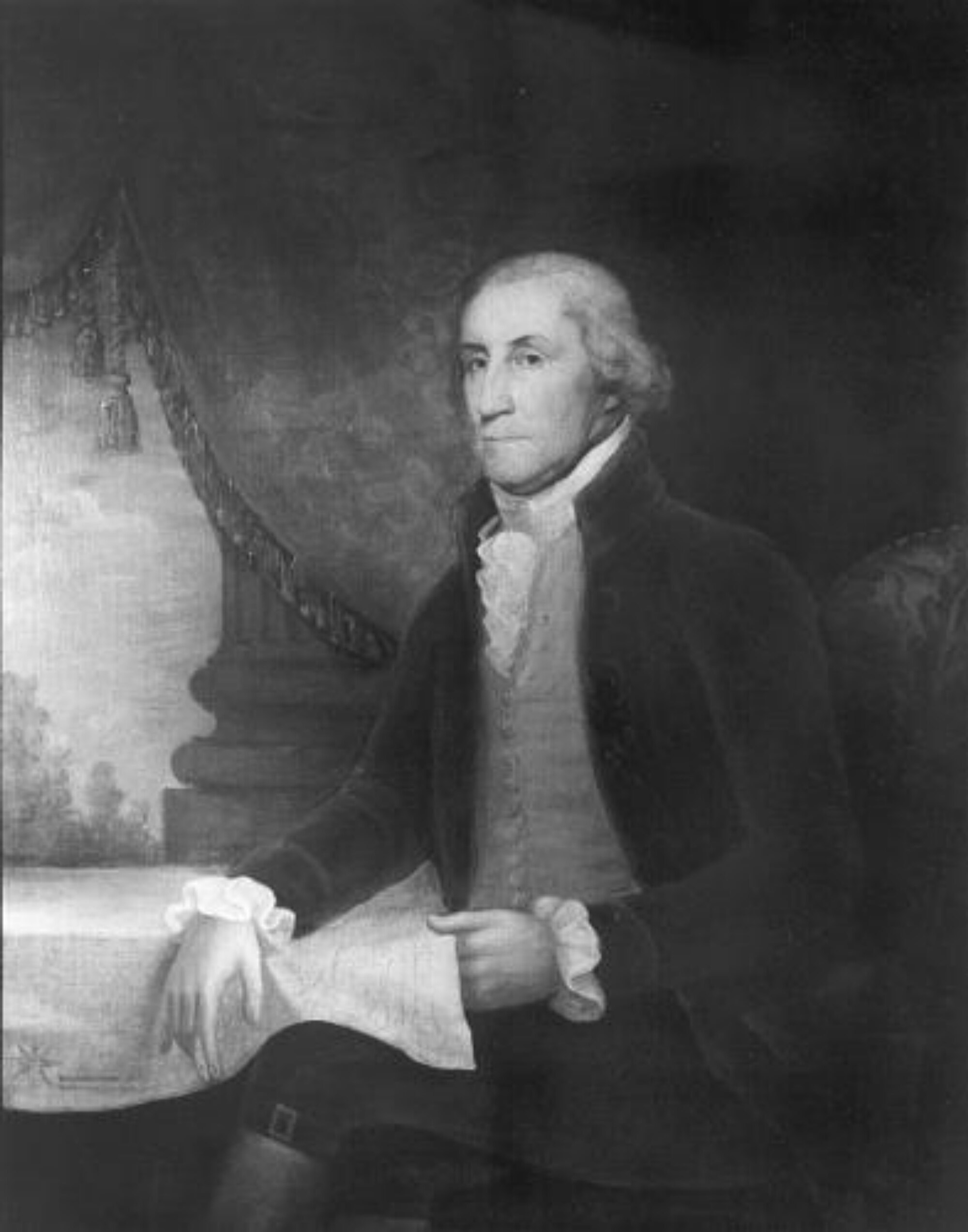
On April 25, 1789, Congress determined that the Inaugural Ceremonies of George Washington becoming President would take place on the next Thursday, April 30th after it was postponed on March 4th of that year. The site of the inauguration is now Federal Hall National Memorial in New York City, where the original Bible used in the ceremony is still preserved. Interestingly, the delay was so significant that Washington had to borrow money from a neighbor just to afford the travel expenses from Mount Vernon to New York for the event.
Image: painting of George Washington via Wikimedia Commons, public domain
The Demand for Surrender
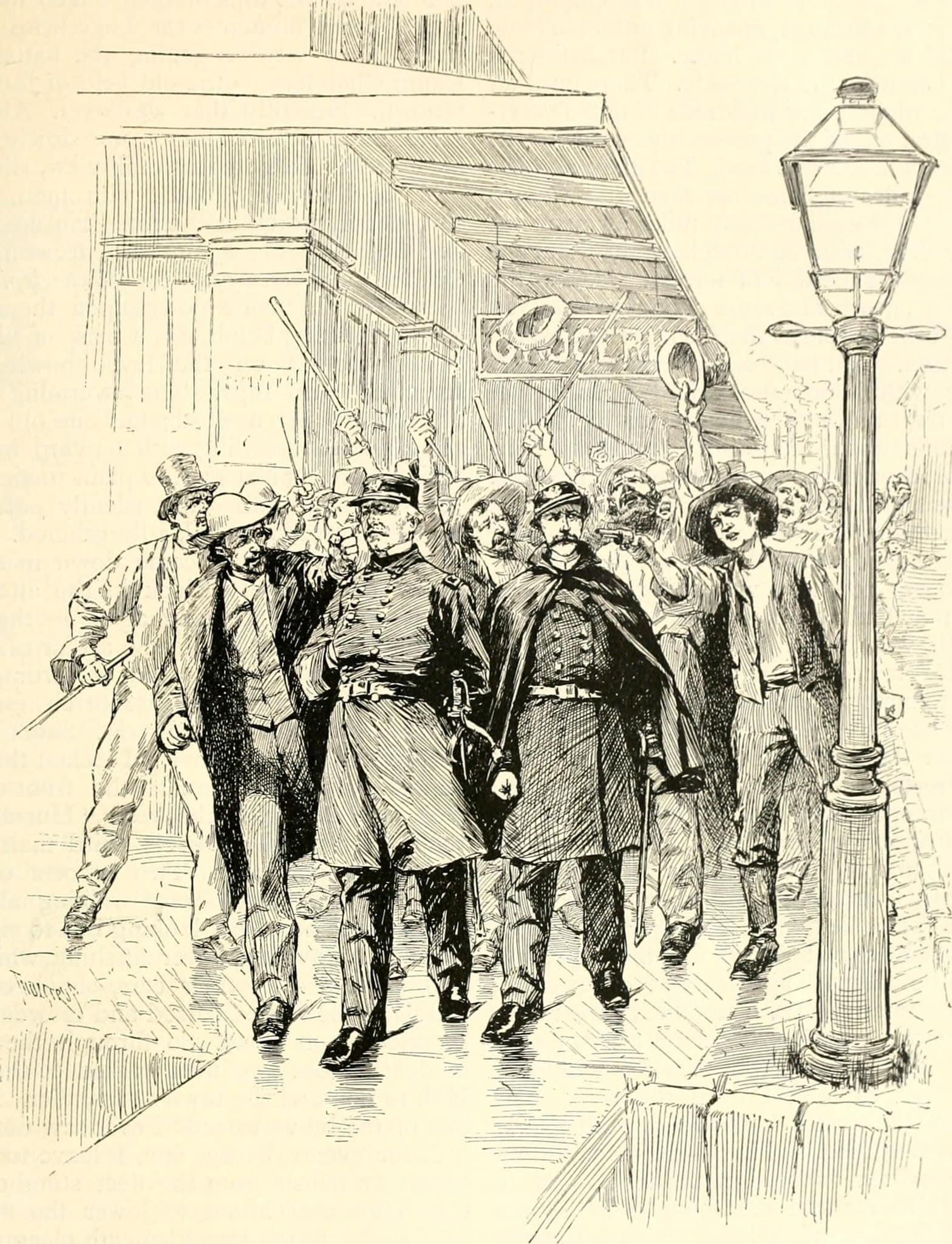
Union Captain Theodorus Bailey with Lieutenant Perkins walked through the streets of New Orleans among angry mobs to demand the city’s surrender on April 25, 1862. Their destination, Gallier Hall, remains a focal point for civic life in the city today. A lesser-known detail of this standoff is that when the mayor refused to lower the state flag, Union sailors eventually had to do it themselves under the threat of a full-scale bombardment from the fleet anchored in the river.
Image via Wikimedia Commons, public domain
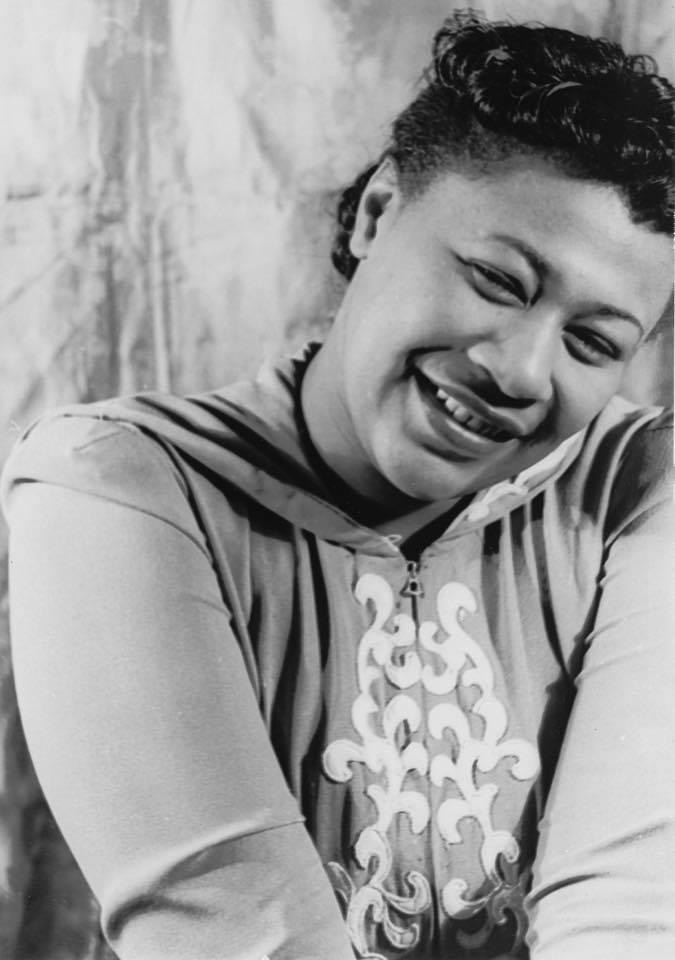
The First Lady of Song
Ella Fitzgerald was born on April 25, 1917, in Newport News, Virginia, and is honored today with a historical marker and an annual music festival. Beyond her vocal mastery, she was a savvy trailblazer in the civil rights movement; she was famously supported by Marilyn Monroe, who lobbied a popular Hollywood club to book Ella by promising to sit front-row every night, effectively breaking a racial barrier for the venue.
Image: Ella Fitzgerald in 1940 by Carl Van Vechten via Wikimedia Commons, public domain
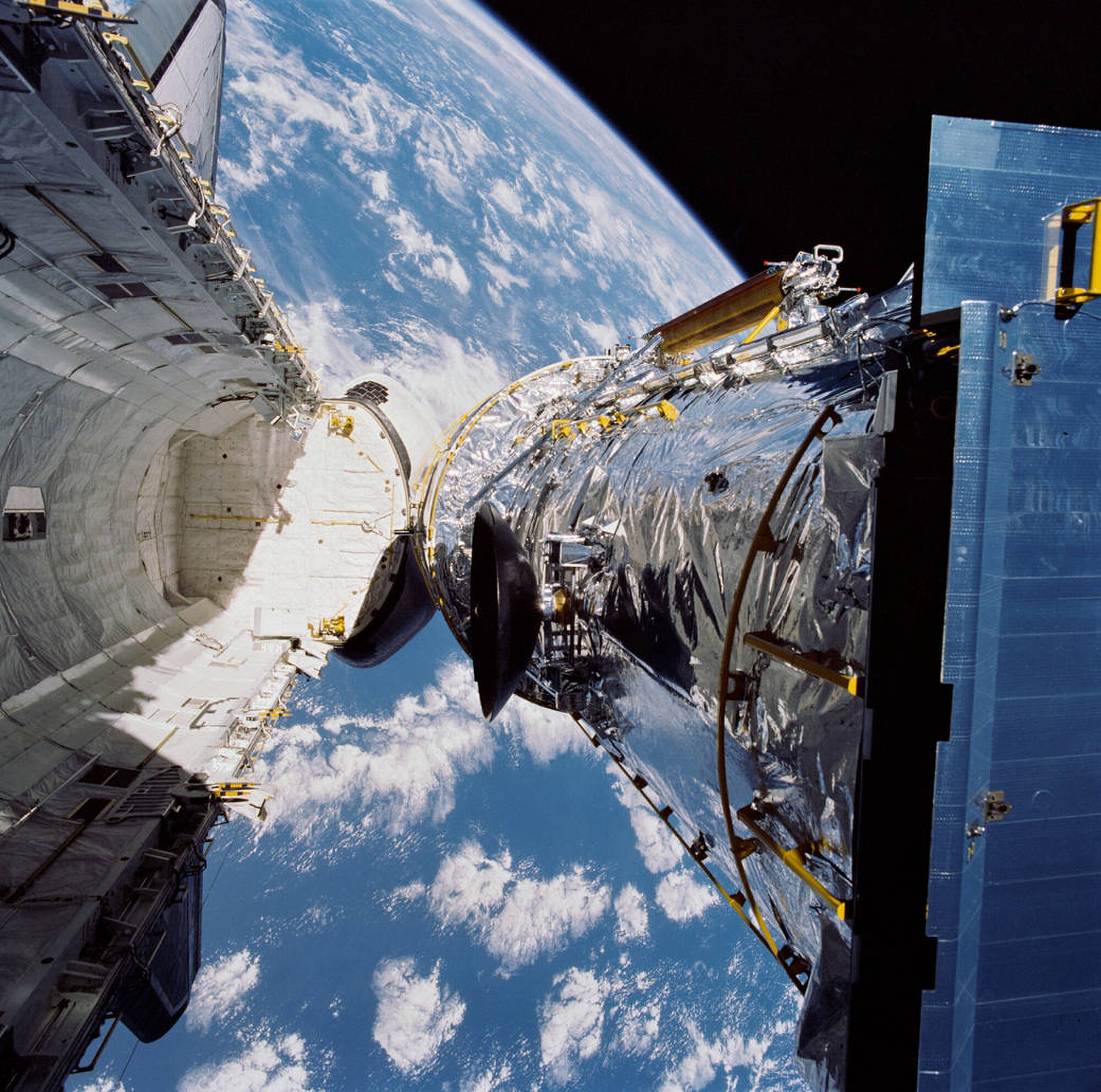
Eye in the Sky
The Hubble Space Telescope was deployed from the Space Shuttle Discovery on April 25, 1990, and continues to work alongside the James Webb Space Telescope today. While it is famous for its stunning visuals, Hubble’s data also helped settle one of the biggest debates in science by accurately determining the age of the universe to be about 13.8 billion years, a massive leap from previous wide-ranging estimates.
Image by NASA via Wikimedia Commons, public domain
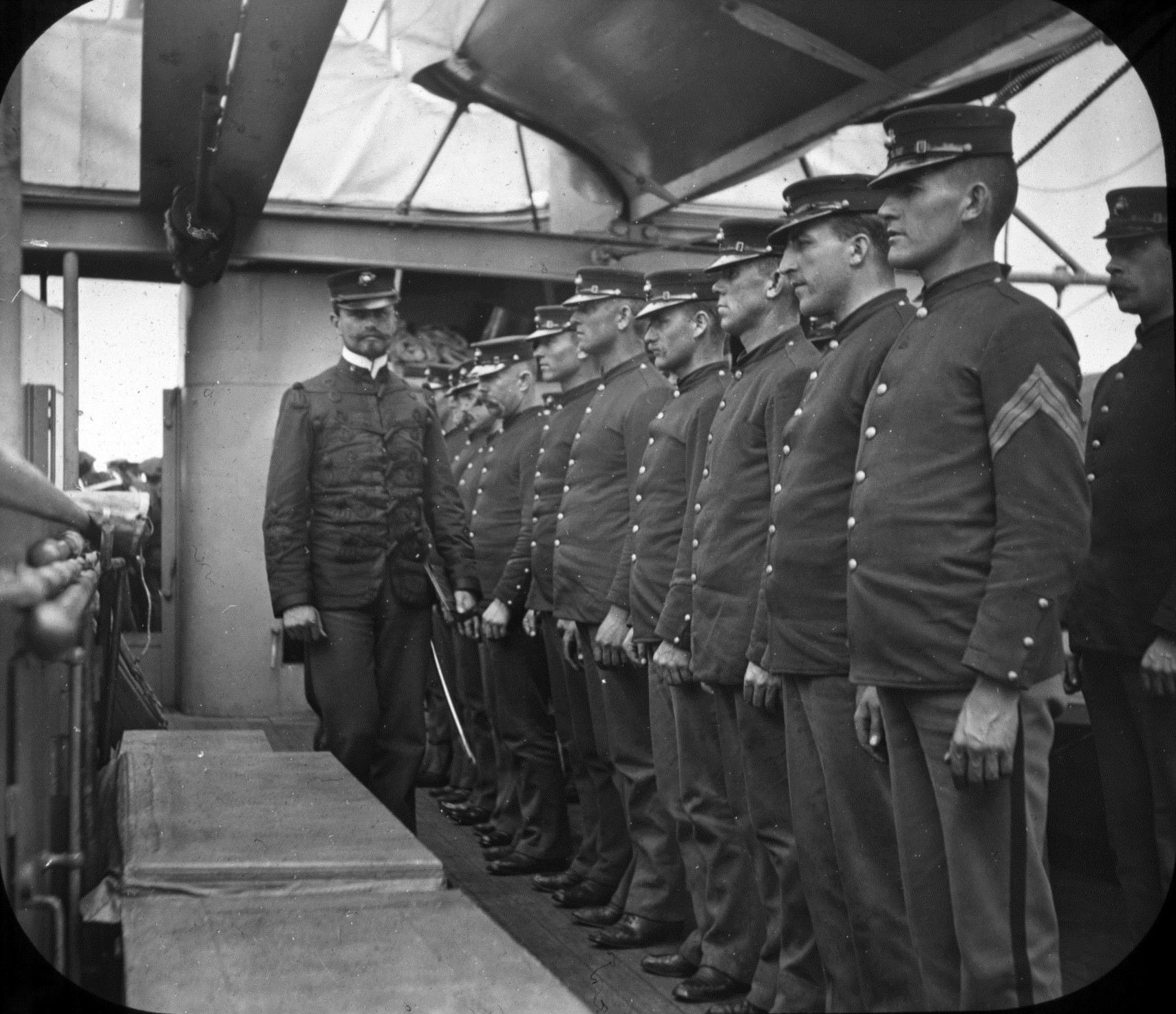
A Declaration of War
On April 25, 1898, the United States declared war on Spain — but in an unusual step, Congress ruled that a state of war had already existed since April 21. It remains the only retroactively dated war declaration in U.S. history, aligning the law with the naval blockade President McKinley had already set in motion after Spain severed diplomatic relations. Images like this one of the Marine Guard aboard USS Charleston — whose bell survives today at the University of Charleston — evoke the opening days of a conflict that moved swiftly from diplomatic rupture to open hostilities.
Image: Naval History & Heritage Command from Washington, DC, USA – CC BY 2.0 via Wikimedia Commons.

The Latest Easter Possible
April 25, 1943, saw flower stands lining Connecticut Avenue in D.C. on Easter Sunday morning. As the latest possible date for the holiday, it is incredibly rare, with the next occurrence set for 2038. This specific date is tied to a complex calculation involving the first full moon after the vernal equinox; if that full moon falls on a Sunday, Easter is pushed to the following week, which is how it occasionally lands on this final April deadline.
Image via Wikimedia Commons, public domain
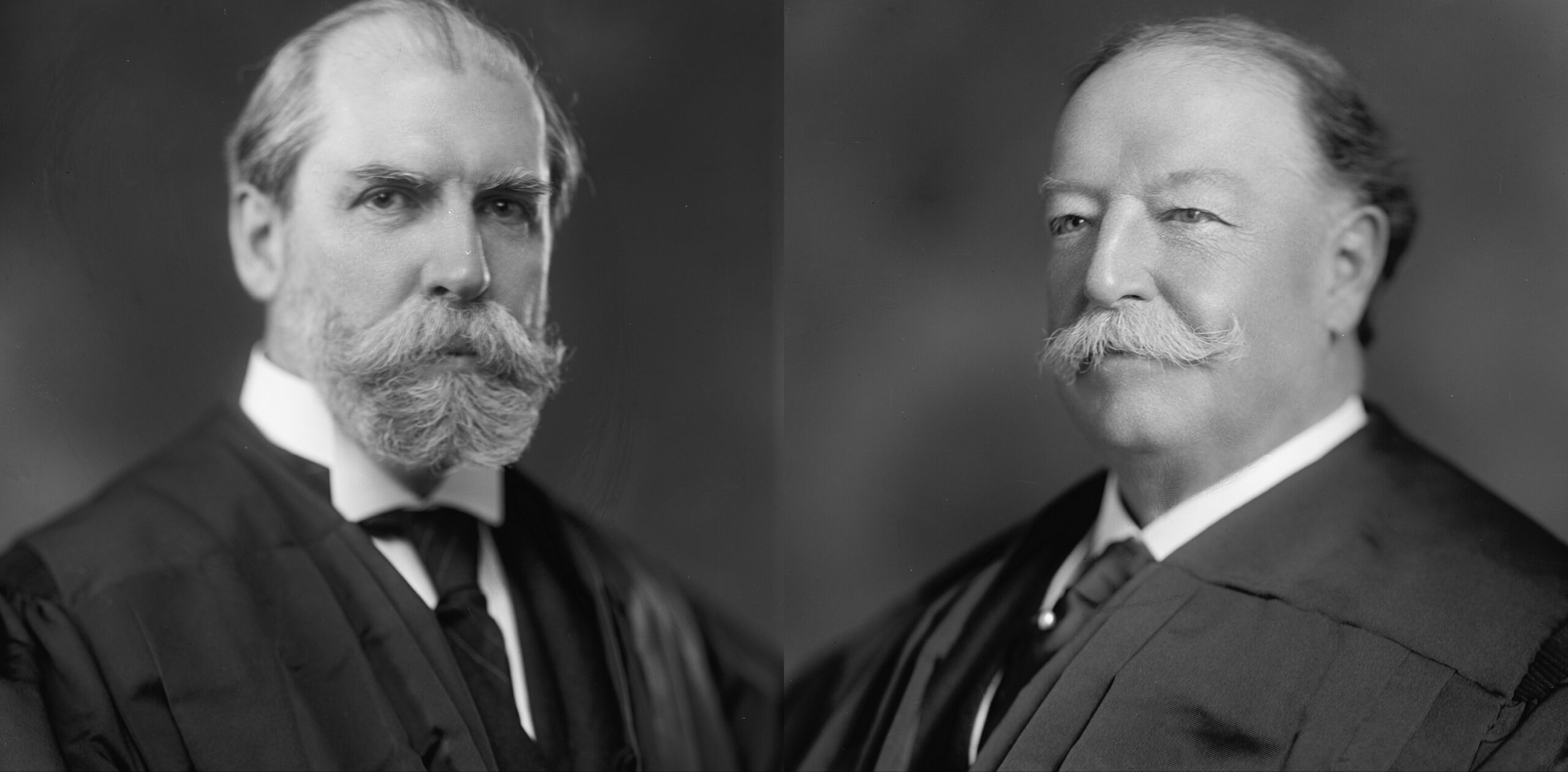
The Chief Justice Connection
President William Howard Taft nominated Governor Charles Evans Hughes to the U.S. Supreme Court on April 25, 1910, and both eventually served as Chief Justice. Hughes holds a unique record in American history as the only person to serve on the Supreme Court, resign to run for President (which he narrowly lost to Woodrow Wilson in 1916), and then be reappointed to the Court years later to lead it.
Images via Wikimedia Commons, public domain
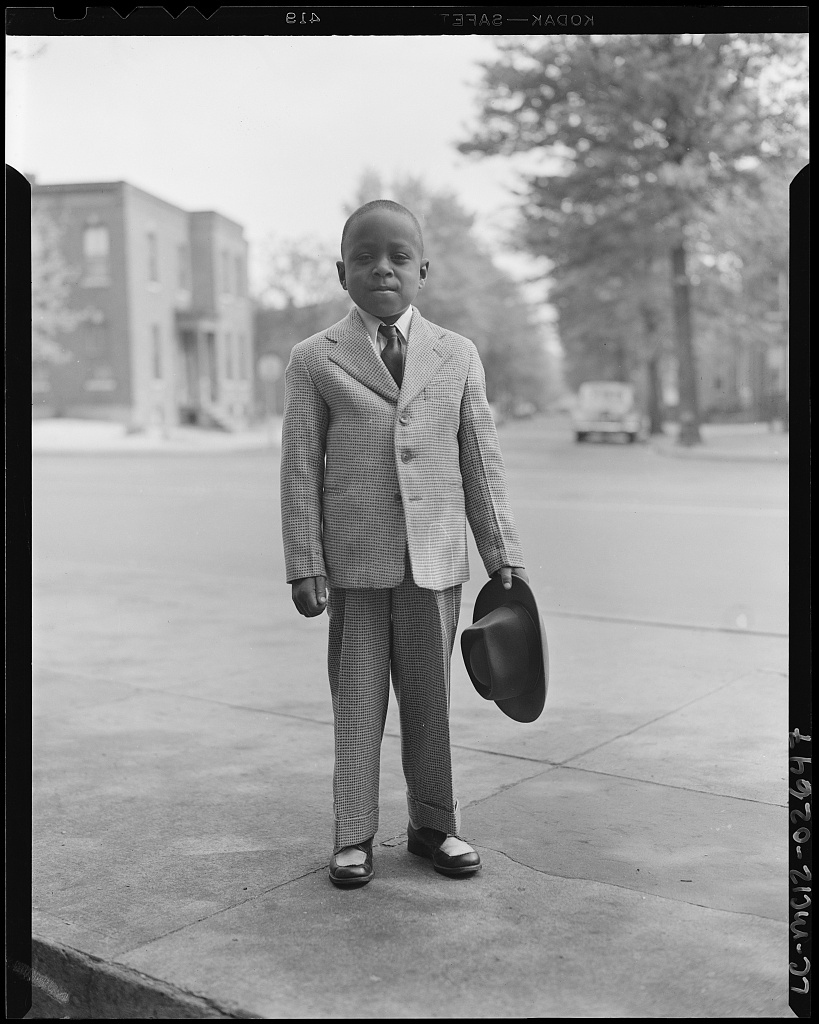
Confidence at 407 Florida Avenue
A 1948 photo captured a young boy in a suit holding a fedora at 407 Florida Avenue N.W. in Washington, D.C., a building that still stands in the Shaw neighborhood. While the area was once nicknamed “Heartbreak Hill” due to its steep incline, it primarily served as the city’s premier cultural and commercial spine for local professionals and business owners. The neighborhood was a vibrant hub for the arts and jazz, and its proximity to Howard University made it a central gathering place for the nation’s leading scholars and community leaders during the mid-20th century.
via LOC, no known restrictions
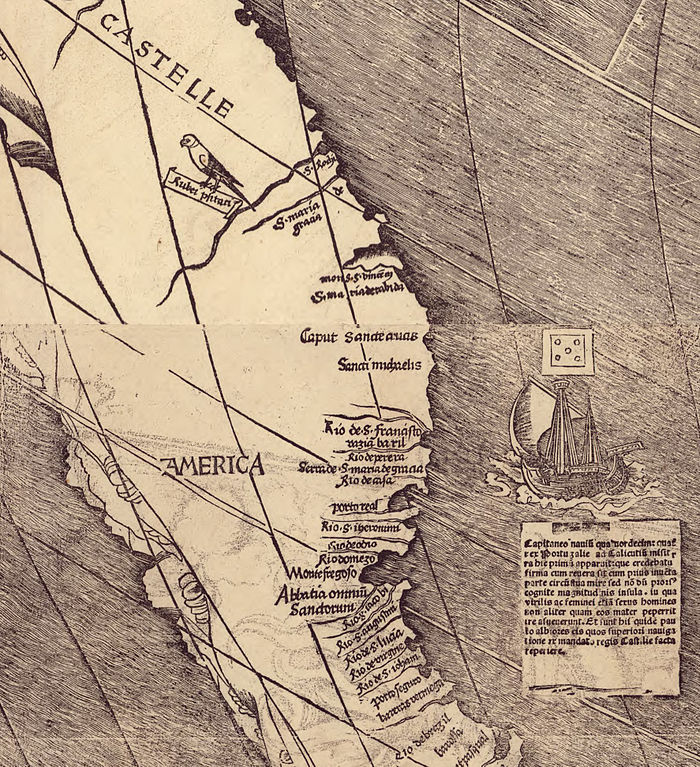
Naming America
The name “America” appeared on a map for the first time 519 years ago today when Martin Waldseemüller published his Universalis Cosmographia on April 25, 1507. The map is often called the “Baptismal Certificate of the New World,” but Waldseemüller actually regretted the name later; in his subsequent maps, he tried to change the name to “Terra Incognita” after realizing Amerigo Vespucci wasn’t the sole discoverer, but the original “America” had already become too popular to change.
Image via Wikimedia Commons, public domain

The Synthetic Thunderstorm
NASA scientist Wernher von Braun announced the first synthetic thunderstorm in space on April 25, 1962, when a Saturn rocket released water into the ionosphere. This experiment wasn’t just for show; it was a “hitchhiker” mission designed to test the massive Saturn I rocket’s second stage, which was intentionally filled with water as a ballast to simulate the weight of a real payload during its first test flights.
Image via Wikimedia Commons, public domain
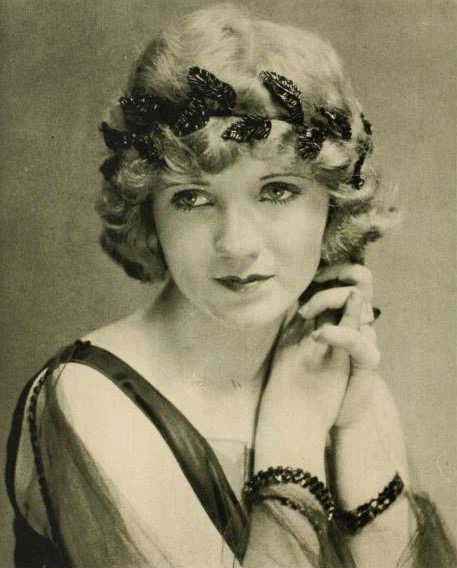
A Star Lost to Scandal
Born April 25, 1902, Mary Miles Minter was a silent film star whose career ended in 1923 following the unsolved murder of director William Desmond Taylor. While her films are largely lost, her personal life remained dramatic until the end; she survived a kidnapping attempt in the 1940s and later became a successful real estate investor, proving to be far more business-savvy than her “ingenue” film persona suggested.
Image via Wikimedia Commons, public domain in the US.
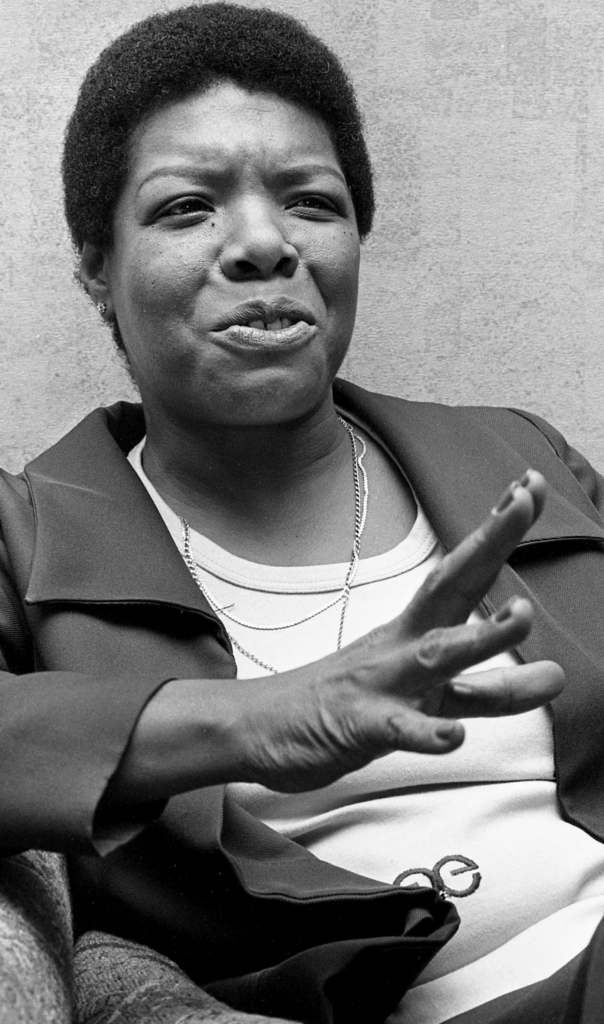
The Poetry of Resilience
A portrait of Maya Angelou was taken on April 25, 1978, shortly before the publication of And Still I Rise. Her legacy continues to expand, and in 2022 she became the first Black woman on a U.S. quarter. Interestingly, before she was a world-renowned poet, Angelou held a very different “first”—she was the first Black female streetcar conductor in San Francisco, a job she fought to get at the age of 16.
Image via Wikimedia Commons, public domain
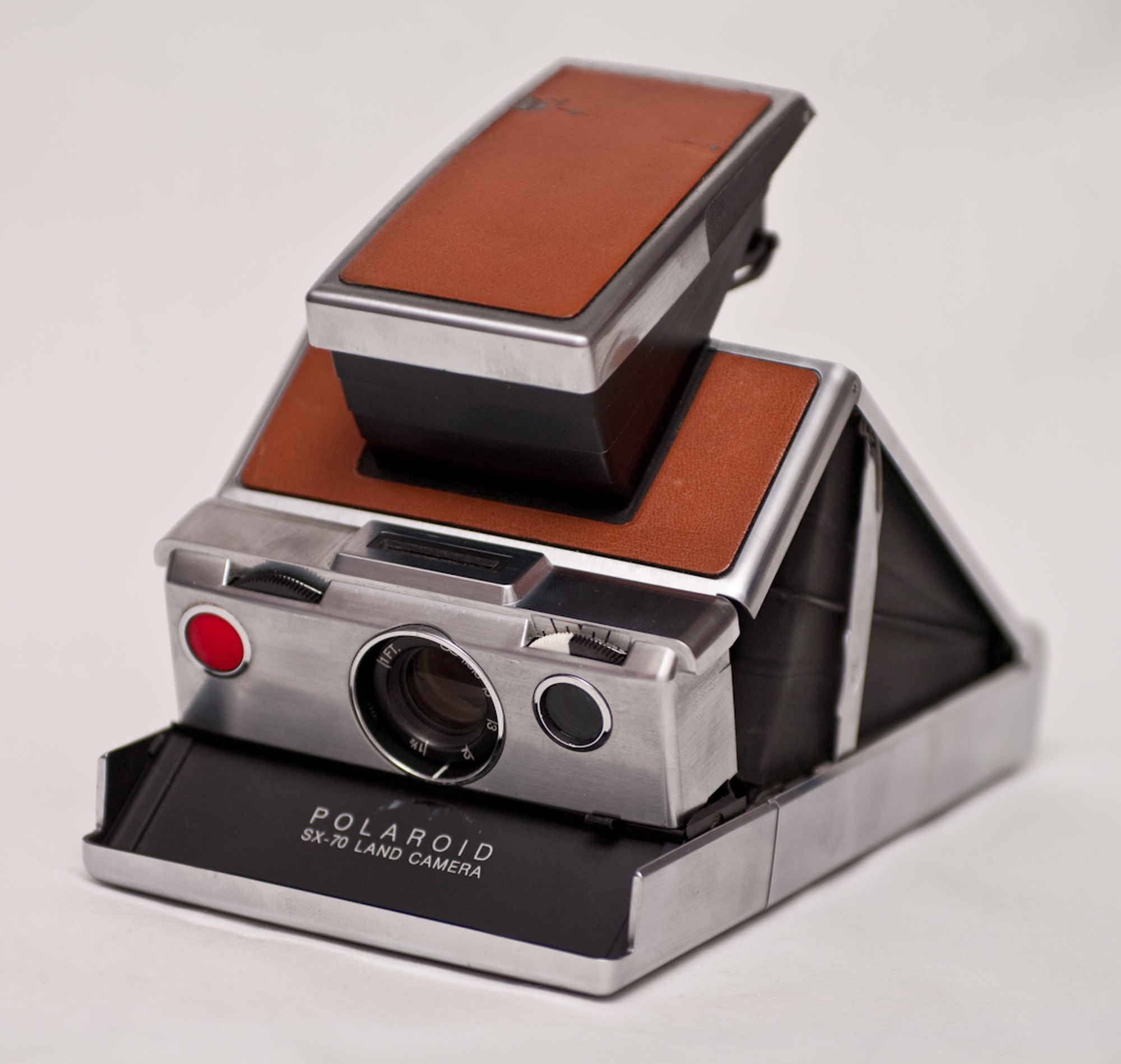
The Magic of Instant Film
Polaroid introduced the SX-70 folding camera on April 25, 1972, the first to produce photos that developed automatically after ejection. The design was so revolutionary that the legendary photographers Ansel Adams and Walker Evans, who usually preferred large, complex cameras, became obsessed with it, using the SX-70 to create high-art collections that proved instant film was a serious medium.
Image via Wikimedia Commons, public domain.
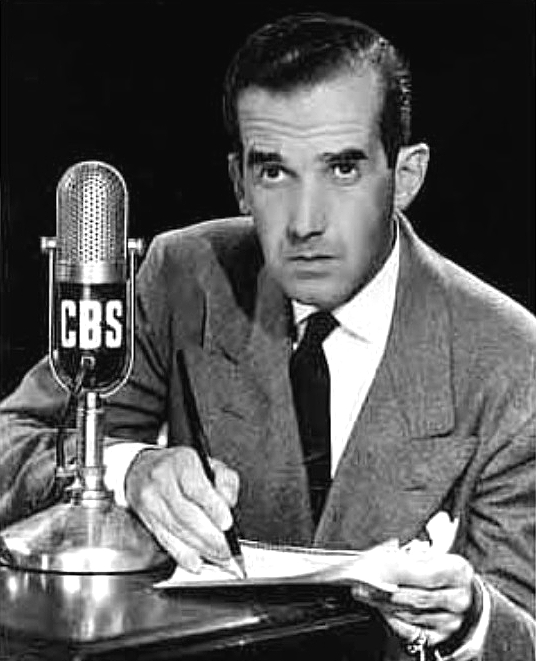
The Voice of the Blitz
Born in Greensboro, North Carolina, on April 25, 1908,
Edward R. Murrow became the architect of American broadcast journalism. During World War II, his “This is London” radio reports brought the reality of the Blitz directly into American living rooms, proving that a calm, steady voice could bridge an ocean and define the moral stakes of a global conflict. He later applied that same courage to the early days of television, famously challenging the tactics of Senator Joseph McCarthy and setting the standard for integrity in news that still guides the profession.
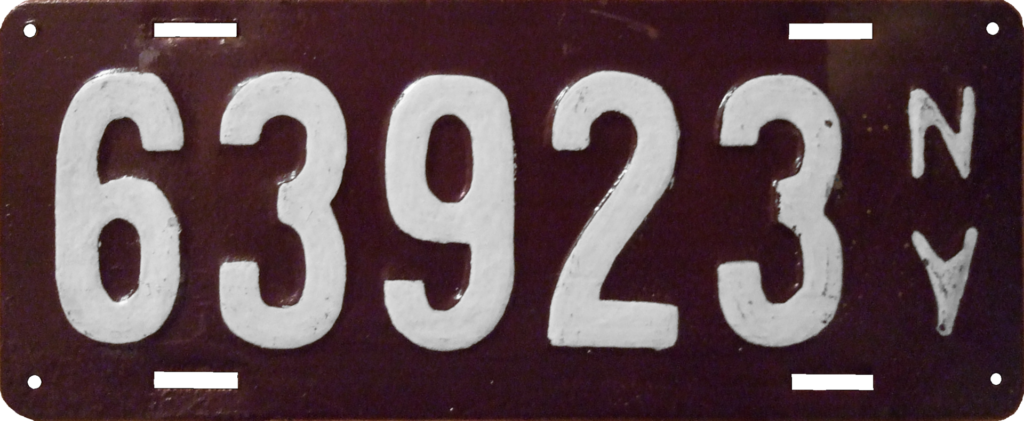
The Evolution of the Empire State’s License Plate
On April 25, 1901, New York became the first state in the nation to require automobile license plates, launching a system that began with pure improvisation. Because the state didn’t yet manufacture plates, motorists supplied their own for a one‑dollar fee—usually their initials—painted or fastened onto wood, leather, tin, or brass. That homemade era lasted until 1910, when New York introduced its first standardized, state‑issued plates and began the long sequence of annual color changes, embossed serials, and eventually the 1956 adoption of the now‑universal 6×12‑inch format.
From the mid‑20th century forward, the plate evolved from a simple identifier into a visual emblem of the state itself. After decades of minimalist number‑on‑color designs, New York debuted its first graphic plate in 1986 featuring the Statue of Liberty, followed by the blue‑and‑white “Empire State” and the gold‑and‑navy “Empire Gold.” Today, the “Excelsior” design, which was selected by a public vote in 2019, represents the latest chapter in this evolution. Across 125 years, the state has moved from hand‑made initials to a modern, landmark‑rich identity that reflects New York’s history and sense of place.
Image: 1911 government-issued New York state license plate from NY DMV via Wikimedia Commons, public domain
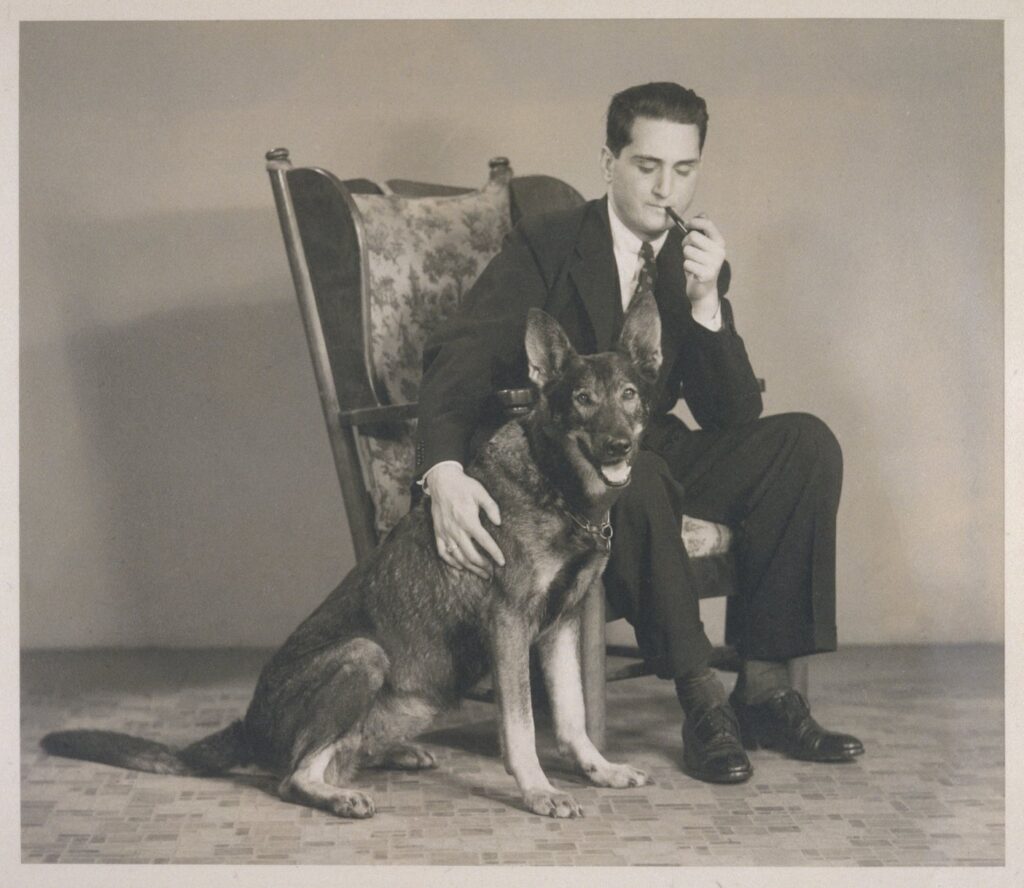
The First Guide Dog for an American
On April 25, 1928, Morris Frank arrived in Vevey, Switzerland, to begin training with Buddy, the German Shepherd who would become the first guide dog partnered with a U.S. citizen. Under the guidance of Dorothy Harrison Eustis and her trainers, Frank spent weeks learning to work with Buddy before returning to New York for a public demonstration that astonished reporters and reshaped public understanding of blindness. Their success led to the founding of The Seeing Eye in 1929, the first guide‑dog school in North America, transforming independence and mobility for visually impaired Americans.
Today, the legacy of that first partnership lives on through modern service‑animal protections like the Americans with Disabilities Act (ADA). A bronze statue of Frank and Buddy stands in Morristown, New Jersey—home of The Seeing Eye—honoring the team whose courage proved that a dog could safely guide a person through the hazards of a modern city. Buddy had originally been named “Kiss” by her breeders, but Frank renamed her before their journey home, and he was so moved by their bond that he named every one of his subsequent guide dogs “Buddy” in her honor.
Image via Alamy
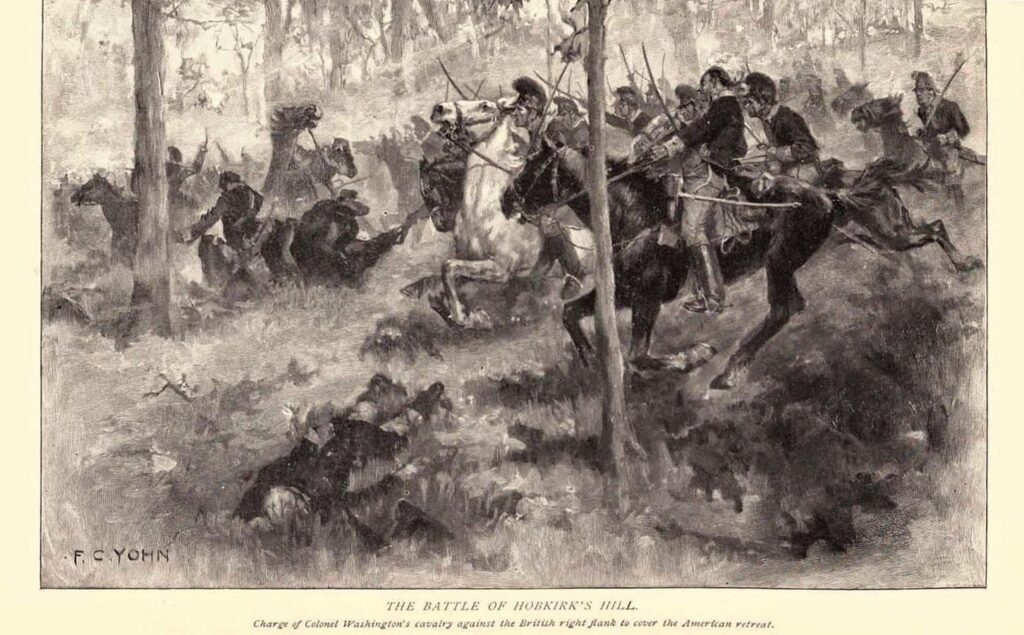
The Battle of Hobkirk’s Hill
In this 19th‑century illustration by F. C. Yohn, we see the moment described in the printed caption below the image: “Charge of Colonel Washington’s cavalry against the British right flank to cover the American retreat.” The scene captures one of the most dramatic actions of the Battle of Hobkirk’s Hill, fought on April 25, 1781, just north of Camden, South Carolina.
Although the British held the field and claimed a tactical victory, their losses were severe enough that Lord Rawdon soon abandoned Camden and began withdrawing toward the coast. Strategically, the battle accelerated the collapse of Britain’s interior posts across the South Carolina backcountry.
The “Colonel Washington” leading the charge in Yohn’s depiction is not George Washington, as many assume, but his second cousin William Washington, commander of the Continental cavalry in Greene’s Southern Army. His aggressive flank attack—shown here in mid‑motion—briefly turned the tide of the fight and helped shield the American withdrawal. After the war, William Washington settled permanently in South Carolina, served in the state legislature, and left a lasting imprint on the region’s Revolutionary memory.
Today, the ground where this charge unfolded lies within the Hobkirk’s Hill Historic District in Camden, where visitors can follow interpretive markers tracing the old American and British lines.