
Mercy on the Move: The Siberian Relief Mission
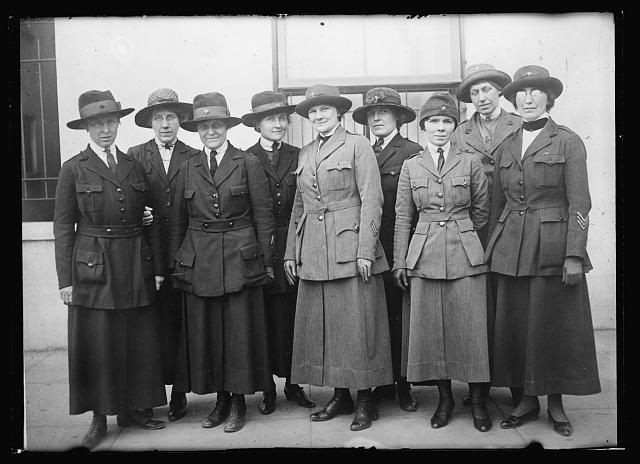
This group of remarkable women served with the American Red Cross Commission to Siberia during a challenging period marked by disease and distress. They returned to the United States aboard the transport ship “Great Northern” on April 28, 1920, after their humanitarian mission. Their work involved providing aid and relief in Siberia, showcasing incredible courage and dedication in the face of harsh conditions. A fascinating detail is that these women weren’t just battling disease; they were operating in the middle of the Russian Civil War. Their ship, the Great Northern, was a record-breaking vessel known for its speed, which was essential for getting these exhausted volunteers home safely across the Pacific.
Image via LOC, no known restrictions
The Last of the Revolutionary Presidents: James Monroe
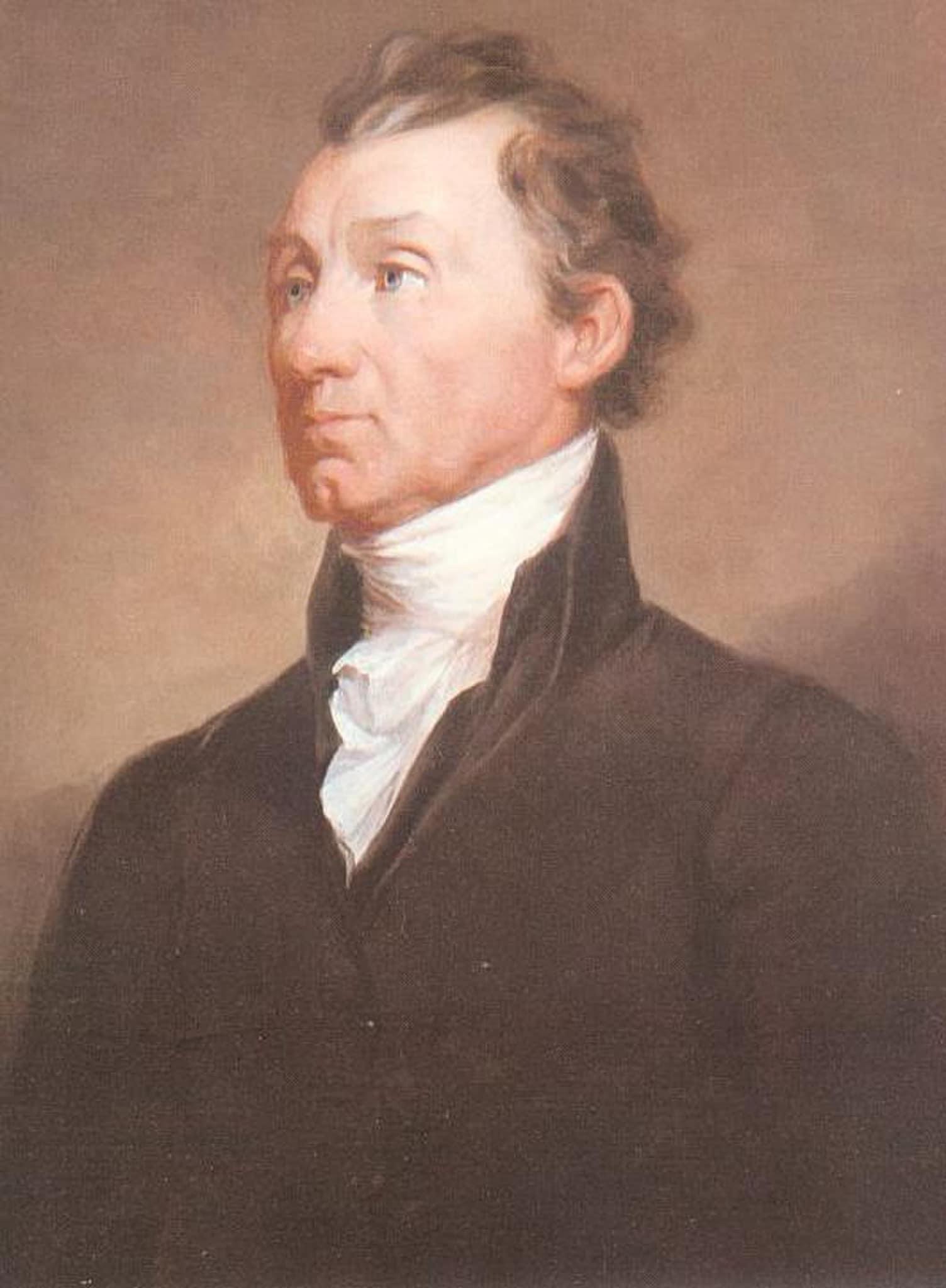
The 5th President of the United States, James Monroe, was born on April 28, 1758, in Westmoreland County, Virginia. During the American Revolution, he was severely wounded at the Battle of Trenton in 1776, and after he recovered, he was encamped at Valley Forge during the winter of 1777-78. Interestingly, Monroe is the only person in U.S. history to have held two cabinet posts simultaneously; during the War of 1812, he served as both Secretary of State and Secretary of War.
Image via Wikimedia Commons, public domain
Seventh Heaven: Maryland Joins the Union
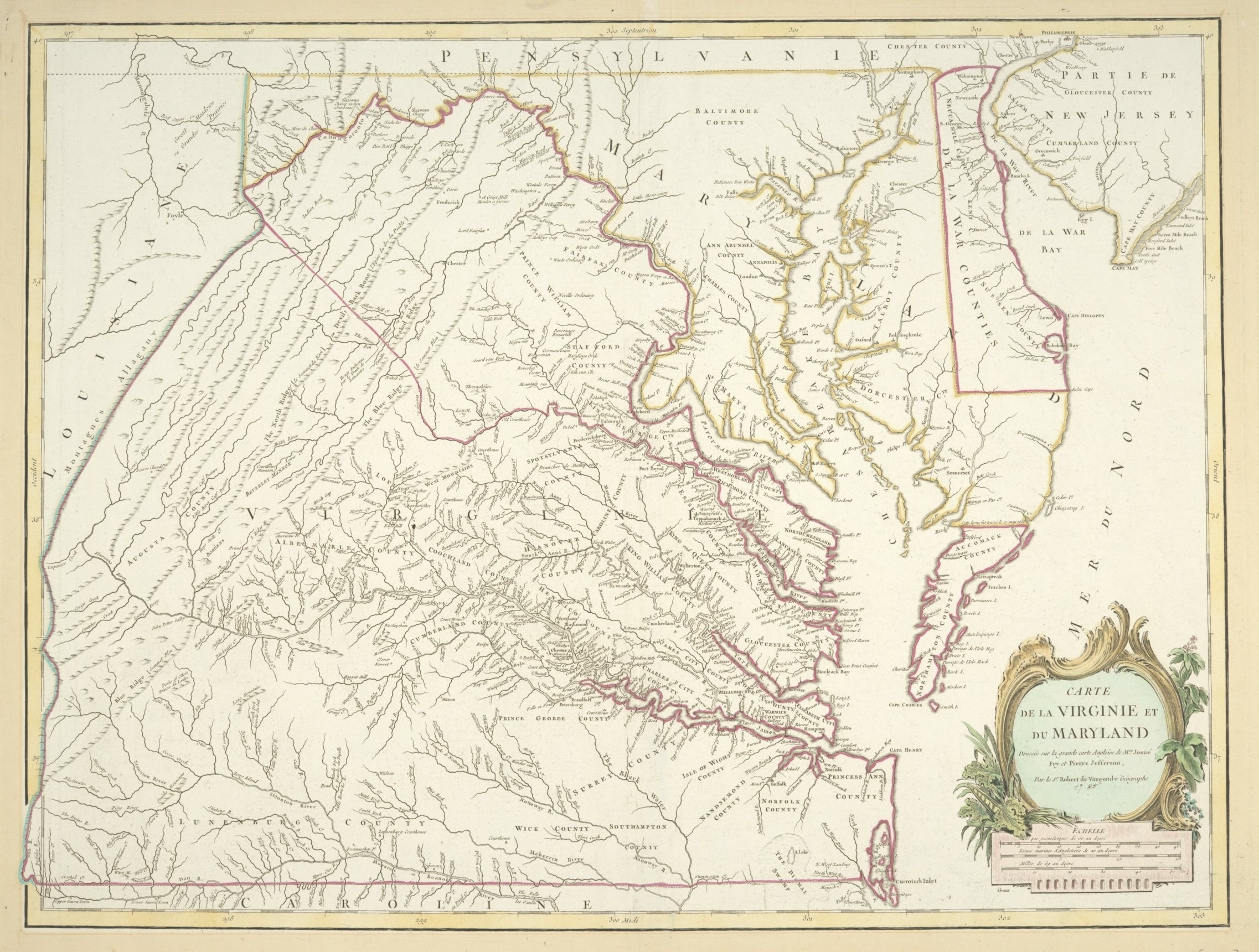
On Monday, April 28, 1788, Maryland became the 7th state to ratify the Constitution. While the vote was a landslide, Maryland’s entry was pivotal because it was one of the first states to formally call for a national “Bill of Rights” to protect individual liberties, a move that heavily influenced the eventual creation of the first ten amendments.
Image: Carte de la Virginie et du Maryland dressée sur la grande carte angloise de Mrs. Josué Fry et Pierre Jefferson (1785) via NYPL, public domain
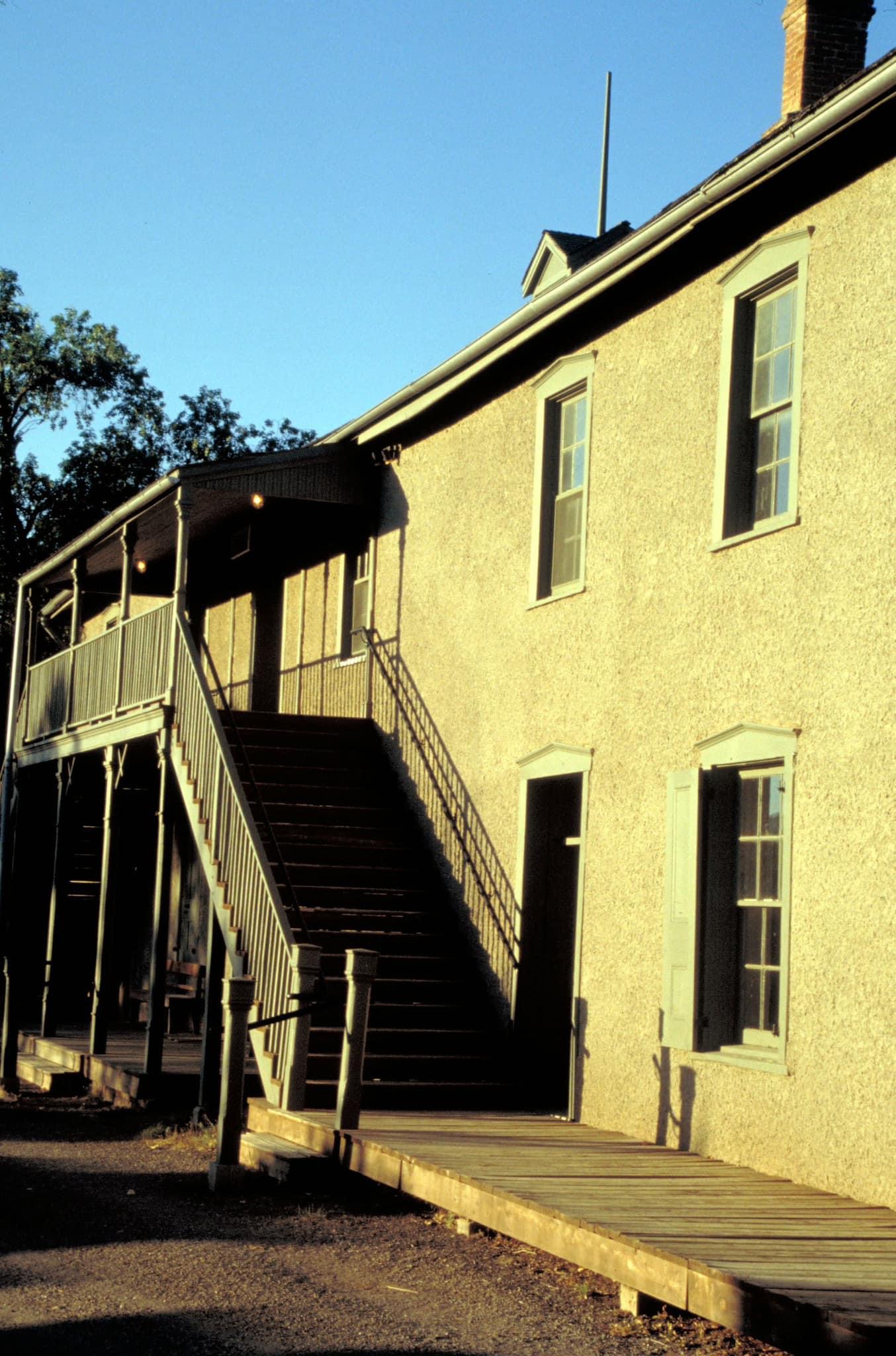
The Great Escape: Billy the Kid’s Final Act
This is a view of the old county courthouse in Lincoln, New Mexico, where on April 28, 1881, Billy the Kid made his famous escape. During this breakout, Billy managed to slip out of his shackles and kill two guards. Legend has it that he actually spent time chatting and joking with his captors just hours before the escape, waiting for the perfect moment when the lead guard left for lunch across the street.
Image via Wikimedia Commons, public domain
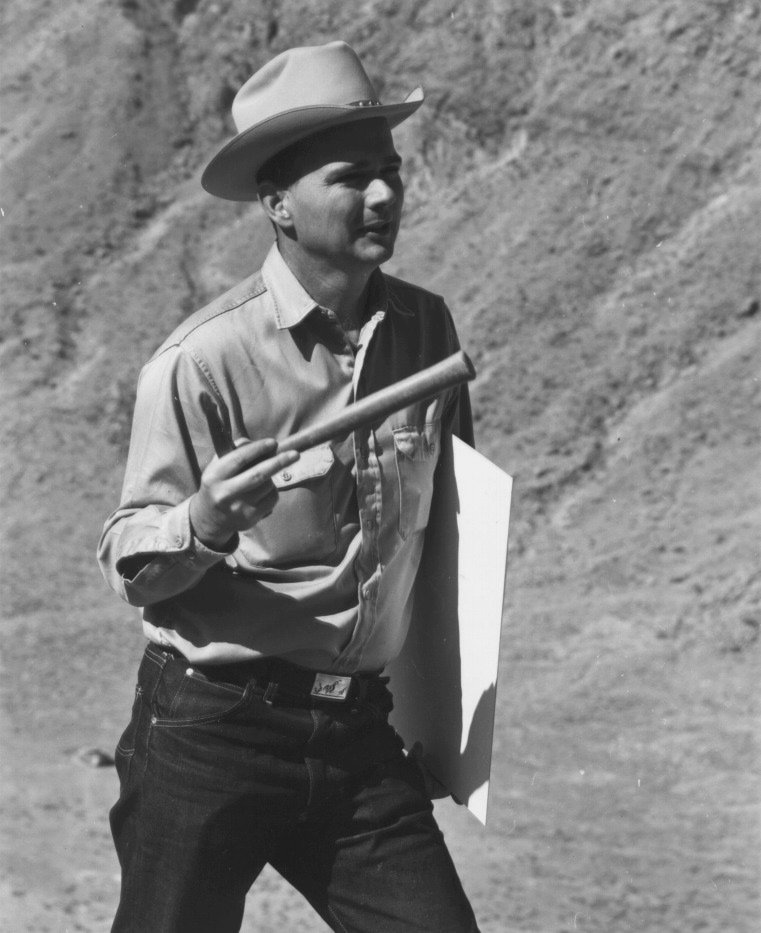
Star Hunter: The Birth of Eugene Shoemaker
Born April 28, 1928, in Los Angeles, California, Eugene Shoemaker was the geologist who transformed our understanding of the solar system. He proved that many of Earth’s craters were formed by asteroid impacts rather than volcanic activity and—together with his wife and scientific partner, Carolyn Shoemaker—co‑discovered Comet Shoemaker–Levy 9, whose 1994 collision with Jupiter became a defining moment in planetary science. Though health issues prevented him from becoming the first geologist to walk on the lunar surface, he used his expertise to train Apollo astronauts in how to identify and collect geological samples.
Shoemaker died in 1997 while conducting field research in Australia, the same work that shaped his life’s mission. In 1998, a portion of his ashes traveled aboard NASA’s Lunar Prospector, making him the only human whose remains rest on the Moon.
Image: Eugene Shoemaker training astronauts at Meteor Crater, Arizona, in 1967 via Wikimedia Commons
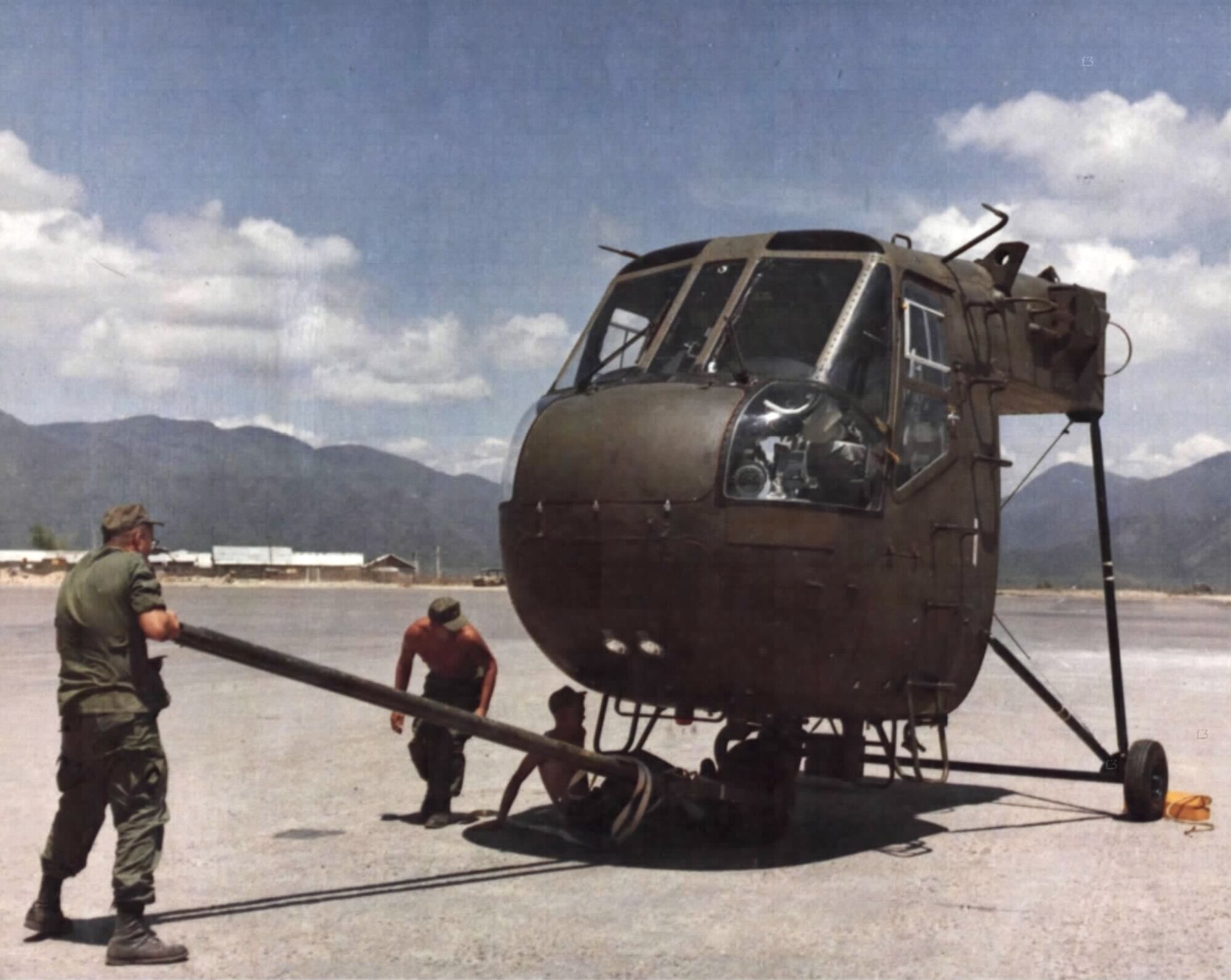
Skycrane Operations: The CH-54A in Vietnam
A maintenance crew attaches a tow bar to the cockpit assembly of the CH-54A helicopter to tow it to an assembly area at Nha Trang Airbase on April 28, 1967. The CH-54A “Skycrane” was so powerful and unique that it didn’t have a traditional fuselage; instead, it was designed as a “skeletal” frame so it could carry specialized pods, including one that functioned as a fully equipped, 24-bed surgical hospital.
Image via Wikimedia Commons, public domain
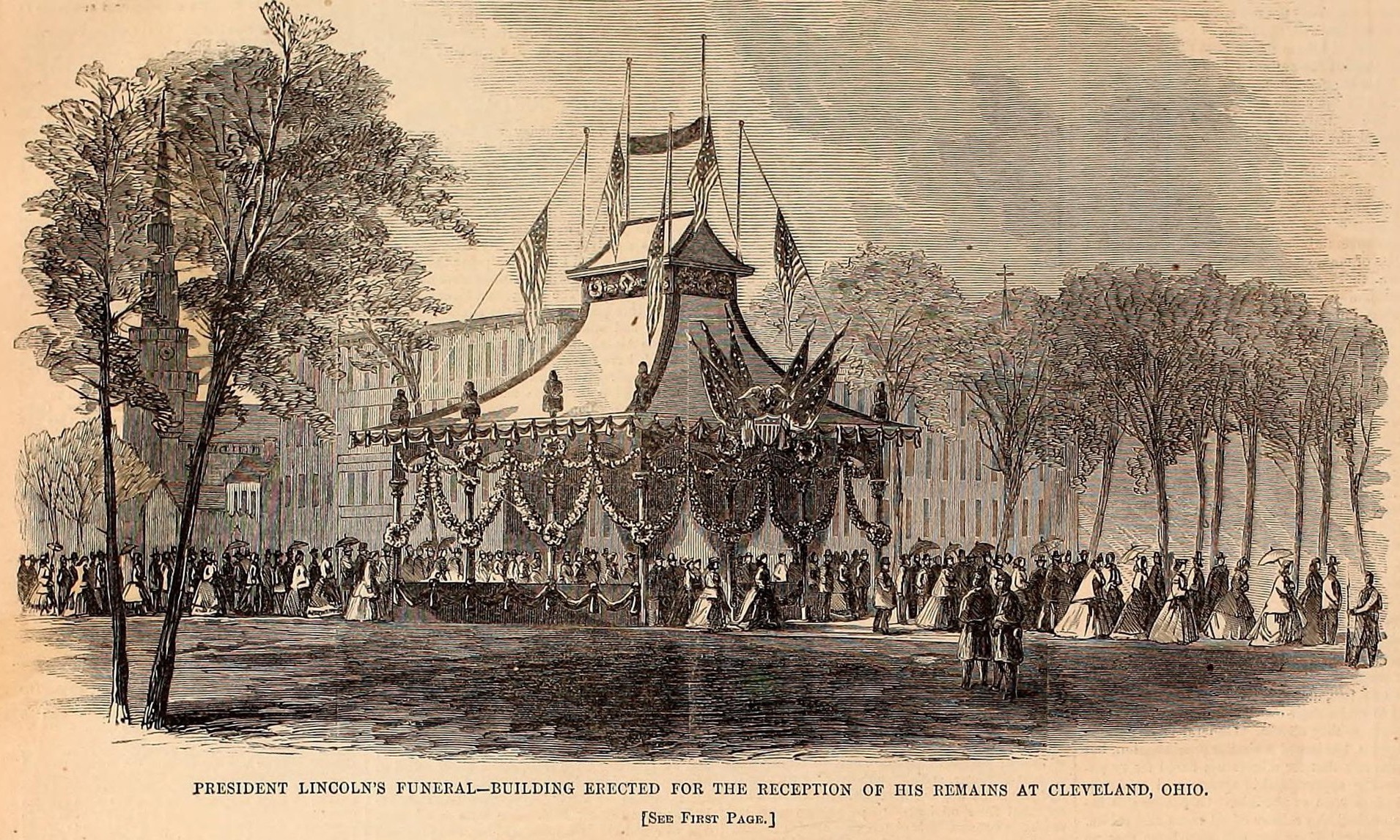
A Nation in Mourning: Lincoln’s Cleveland Procession
On April 28, 1865, Abraham Lincoln’s funeral train arrived in Cleveland, Ohio. A special building was erected where tens of thousands of mourners came to pay their last respects. Because the crowds were so massive, Cleveland officials built an outdoor pavilion in Public Square in a matter of days. It was designed so that the line of mourners could flow continuously through the structure, allowing over 100,000 people to pass by the casket in a single day.
Image from Harper’s Weekly via Wikimedia Commons
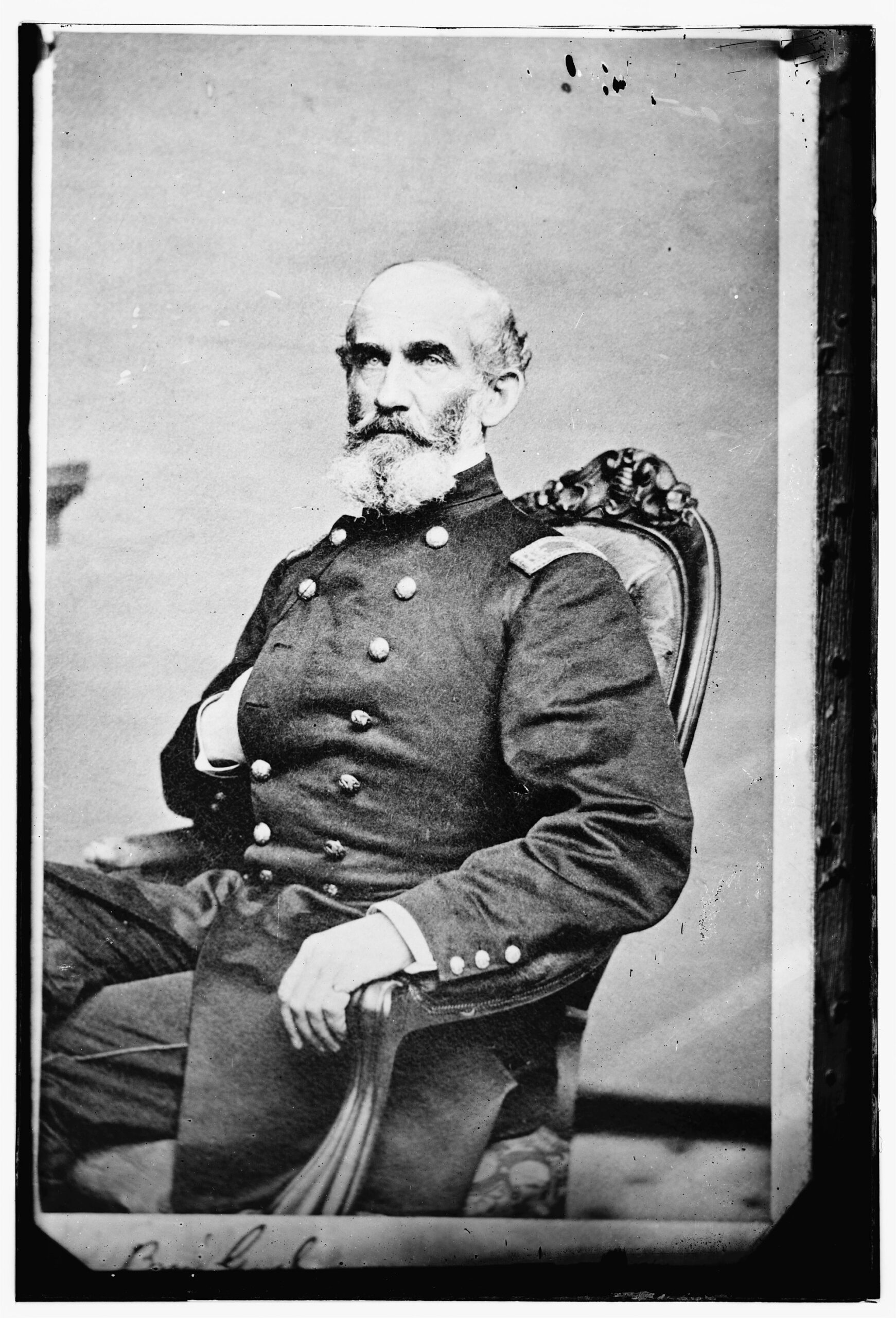
The Old Warhorse: Major General Andrew Jackson Smith
Veteran of the Mexican-American War, Civil War, and Indian Wars, Major General Andrew Jackson Smith was born on April 28, 1815, in Bucks County, Pennsylvania. During the Civil War, he fought at Vicksburg, Red River, Tupelo, and Nashville. A fascinating highlight of his career is that he was the officer who finally defeated the legendary Confederate General Nathan Bedford Forrest at the Battle of Tupelo, a feat few Union commanders could claim.
After serving in the Civil War he commanded the U.S. 7th Cavalry (before Sturgis and Custer) and he later became postmaster of St. Louis, Missouri.
Image via LOC, no known restrictions
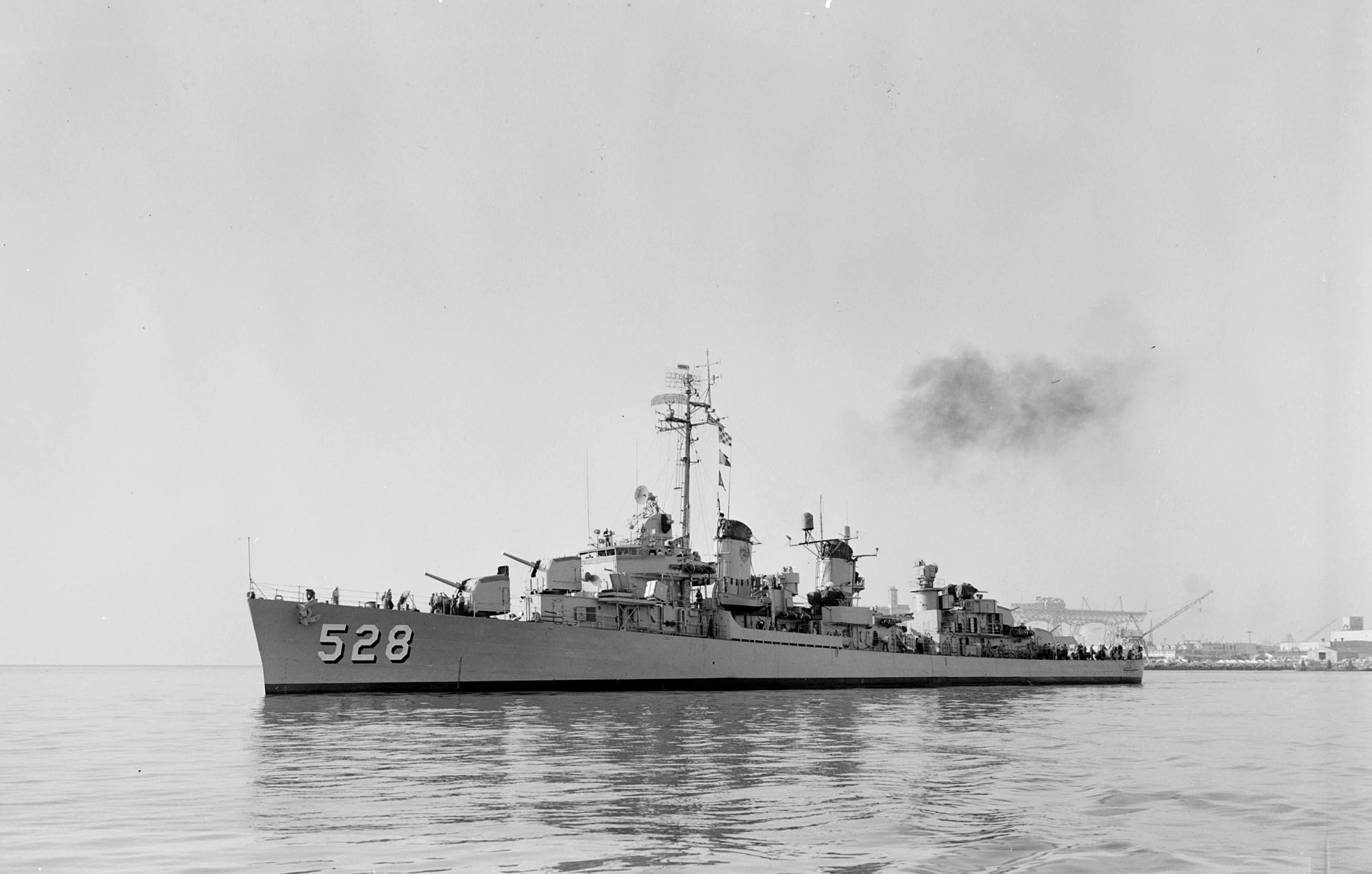
The Ship That Refused to Sink: USS Mullany
The U.S. Navy destroyer USS Mullany is seen underway on April 28, 1959. During World War II, a kamikaze aircraft struck the ship and detonated her own depth charges, tearing open the hull and setting off fires that seemed certain to sink her. Although the order to abandon ship had been given, a small group of sailors stayed aboard to fight the flames. Their resolve kept the destroyer afloat, allowing her to return to service and remain active for decades.
After the war, Mullany continued operating with the U.S. Navy in the Pacific. During the Vietnam War she destroyed or damaged more than fifty enemy watercraft.
Image via Wikimedia Commons, public domain.
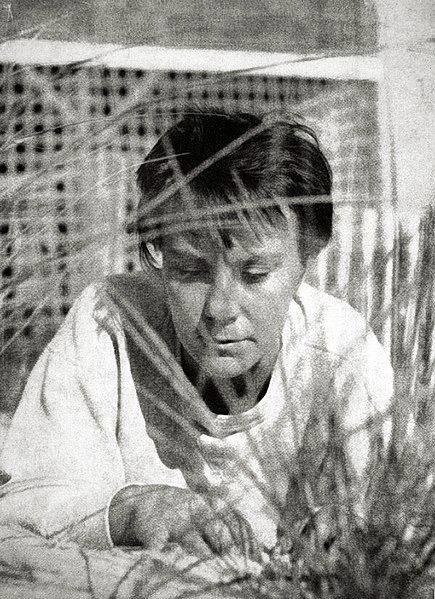
The Quiet Icon: Nelle Harper Lee
Born April 28, 1926, Nelle Harper Lee’s “To Kill a Mockingbird” remains a cornerstone of American literature. Her friend, Truman Capote, took this picture of her in 1960. A fascinating connection between the two is that Lee actually served as Capote’s “researchist” in Kansas, helping him conduct the interviews that would eventually become his true-crime masterpiece, “In Cold Blood.”
Image via Wikimedia Commons, no known copyright, public domain in the US.
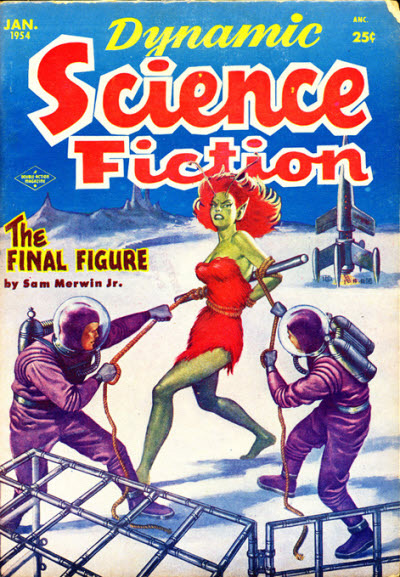
Architect of Alternate Realities: Sam Merwin, Jr.
Sam Merwin, Jr., born April 28, 1910, was a Princeton graduate who wrote mysteries and science fiction. His alternate worlds novels like “The House of Many Worlds” were popular in the 1950s. Merwin was one of the earliest writers to explore the “Multiverse” theory in fiction, imagining a secret organization that traveled between parallel earths to ensure that history stayed on the right track.
Image via Wikimedia Commons, copyright not renewed, public domain in the US
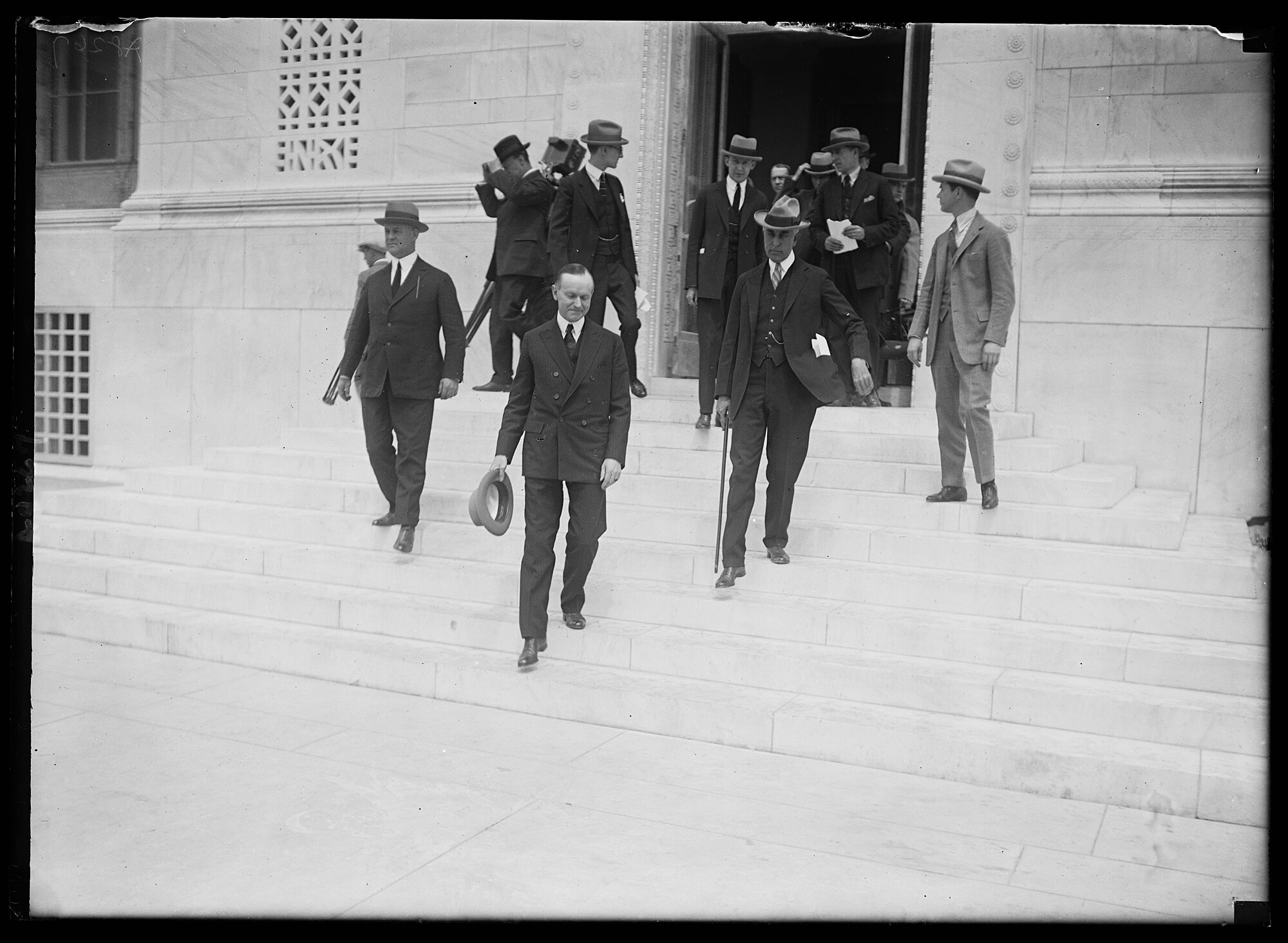
Science and Statecraft: Coolidge’s Dedication
President Coolidge is pictured on the steps of the Fine Arts building on April 28, 1924, for the dedication of the National Academy of Sciences. While Coolidge was famously a man of few words, he used this specific speech to argue that scientific research was the “highest form of service” a citizen could provide to the nation, showing a rare, visionary side of his presidency.
Image via Wikimedia Commons, copyright not renewed, public domain in the US
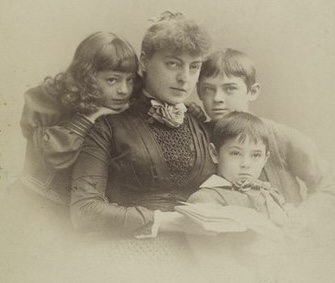
The Potter Legacy: Lionel Barrymore
American actor Lionel Barrymore was born in Philadelphia on April 28, 1878. While many remember him as the villainous Mr. Potter in “It’s A Wonderful Life,” he was also a talented composer and artist. Because of a hip injury and severe arthritis, Barrymore performed many of his most famous roles, including Mr. Potter, from a wheelchair, using his powerful voice and facial expressions to dominate the screen.
Here is young Lionel (on the right of his mother and above his younger brother)
with his mother and actress Georgie Drew Barrymore and her other children, Ethel and John in the 1880s.
Image via Wikimedia Commons, public domain
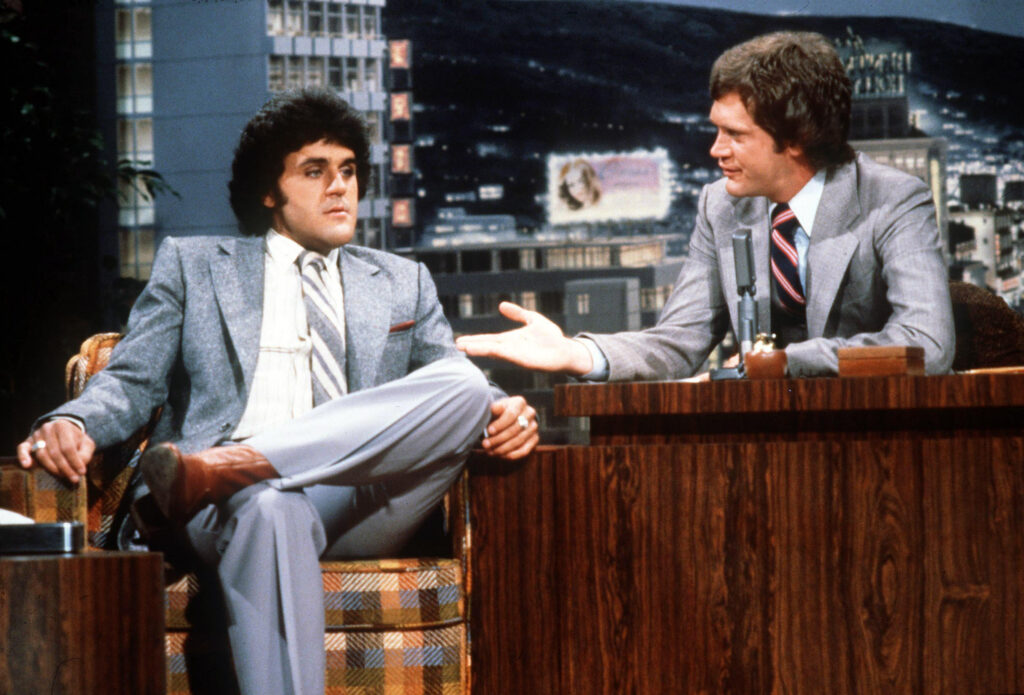
Jay Leno: The Performer, the Protégé, the Collector, the Humanitarian
Jay Leno, born April 28, 1950, in New Rochelle, New York, is pictured here during a July 4, 1979 guest appearance on The Tonight Show Starring Johnny Carson, a night when David Letterman was serving as guest host. Long before their names became synonymous with late‑night rivalry, the 1980s were defined by a genuine friendship and steady collaboration. Leno appeared more than 40 times on Letterman’s Late Night. These guest spots proved pivotal: after being briefly dropped from The Tonight Show in 1978 when early sets failed to impress Carson, it was Leno’s overwhelming popularity with Letterman’s audience that ultimately brought him back — and eventually led to him becoming Carson’s permanent guest host in 1987, and successor in 1992.
Leno’s rise in this period also included a recurring presence on NBC’s Friday Night Videos. Premiering in 1983 as the network’s answer to MTV, the show began featuring guest hosts in 1985; Leno became one of its most frequent celebrity hosts throughout the late 1980s. His monologues, sketches, and pop‑culture riffs helped broaden his reach with younger viewers during a decade when music‑video programming was reshaping late‑night television.
Before late‑night fame fully crystallized, Leno also appeared in several films, including American Hot Wax (1978), where he played Mookie, the mischievous chauffeur for pioneering DJ Alan Freed. That same year, he appeared in Silver Bears as Albert Fiore, a bodyguard and enforcer working for Michael Caine’s character, Doc Fletcher — a role that placed Leno directly alongside Caine in a caper about international banking, bullion schemes, and deception. These early screen roles helped establish the on‑camera ease that would later define his television persona.
Beyond the studio, Leno built one of the world’s most significant private automotive collections inside the Big Dog Garage in Burbank, California. The collection — roughly 181 cars and 160 motorcycles — spans more than a century of engineering, from a 1906 Stanley Steamer to modern icons such as the McLaren F1, which he purchased for $800,000 and is now valued at over $20 million. Unlike many collectors, Leno keeps every vehicle in running condition, supported by a full‑time team of mechanics, and he famously drives a different machine nearly every day.
Equally enduring is his philanthropy, much of it intentionally quiet. Over twelve years, he donated more than $1 million to Bailey’s Café, a Brooklyn nonprofit that was on the brink of closure. He has auctioned personal vehicles to support wounded veterans and the USO, contributed alongside his wife Mavis to the Feminist Majority Foundation’s work in Afghanistan, and opened his garage for tours that have raised hundreds of thousands for organ‑transplant charities. Following the “Carson playbook,” Leno reportedly banked his Tonight Show salary and lived on his stand‑up income, intending to use that stored wealth to support broad social causes through the Jay and Mavis Leno Foundation.
Image via Alamy
