The General and the Inoculation
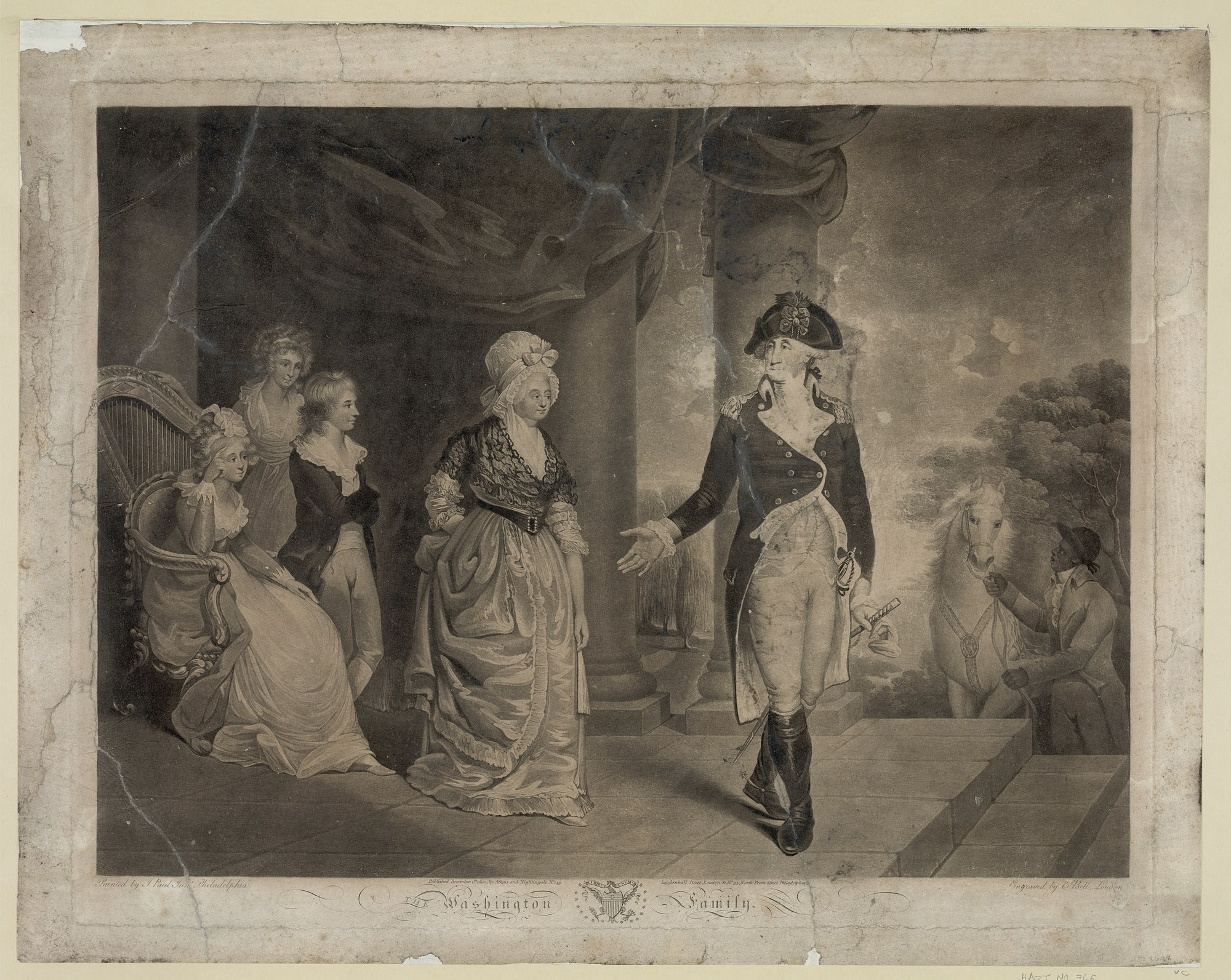
On April 29, 1776, George Washington wrote to his brother, John Augustine Washington, expressing doubt about Martha’s resolution to undergo smallpox inoculation. On that same day, as Commander-in-Chief in New York, he issued orders strictly forbidding any correspondence with British ships of war. These events highlight the dual pressure he faced: securing the city against the King’s fleet and protecting his family and camp from a deadly epidemic.
Washington’s skepticism about Martha’s “resolution” was likely based on the intensity of the process, which involved being “variolated” with live smallpox and enduring weeks of fever and pustules. Despite his doubts, Martha proved him wrong by undergoing the procedure just a month later in Philadelphia; she recovered so well that she was able to join George at the front lines, eventually becoming a fixture in the Continental Army’s winter camps to help boost morale.
Image: The Washington Family via LOC, no known restrictions
The Liberation of Dachau
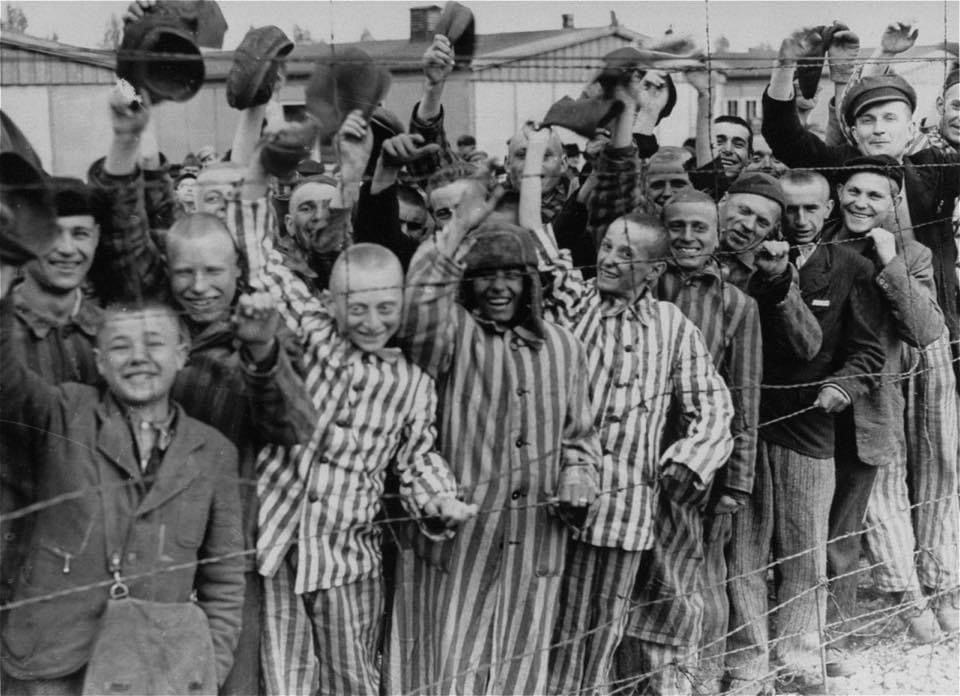
The liberation of the Dachau concentration camp took place on April 29, 1945, when U.S. forces from the 42nd and 45th Divisions entered the site and found more than 30,000 survivors. Among the first scenes they encountered was a line of abandoned railcars from a transport that had left Buchenwald days earlier. Inside were the bodies of prisoners who had died in the cars during the long journey—a stark reminder of the suffering that marked the camp’s final days.
The arrival of American troops happened so quickly that many SS personnel were still on the grounds. In the chaotic hours before the Army could fully secure the site, both survivors and a small number of U.S. soldiers killed identified SS guards on the spot. Order was soon established, and formal investigations and legal processes followed in the months after liberation.
Image via Wikimedia Commons, public domain
The Birthday of the Red-Legged Zouaves
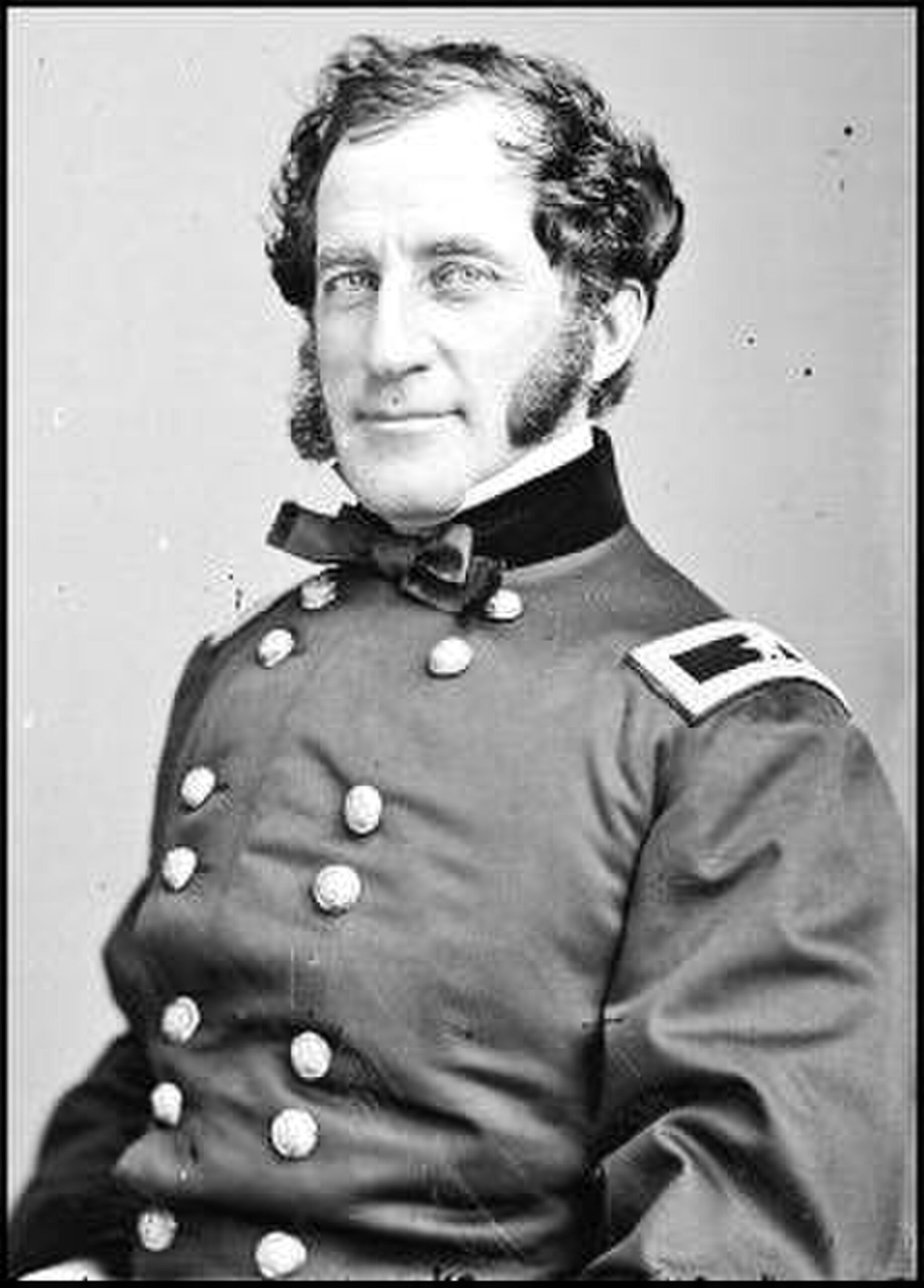
Abram Duryée was born in New York City on April 29, 1815. On his 46th birthday, Monday, April 29, 1861, his 5th N.Y. Infantry regiment withdrew 800 Model 1842 Springfield Muskets from state stocks. He then led his famous Zouave regiment in several battles of the American Civil War and was wounded at Second Bull Run, South Mountain, and Antietam. In 1873, Abram was appointed Police Commissioner of New York City. Duryée was so obsessed with the “Zouave” aesthetic and drill precision that his men were often mistaken for a professional French unit. However, their bright red pants made them easy targets on the battlefield, leading to the regiment suffering a staggering 33% casualty rate in just ten minutes during the Second Battle of Bull Run.
Image via Wikimedia Commons, public domain
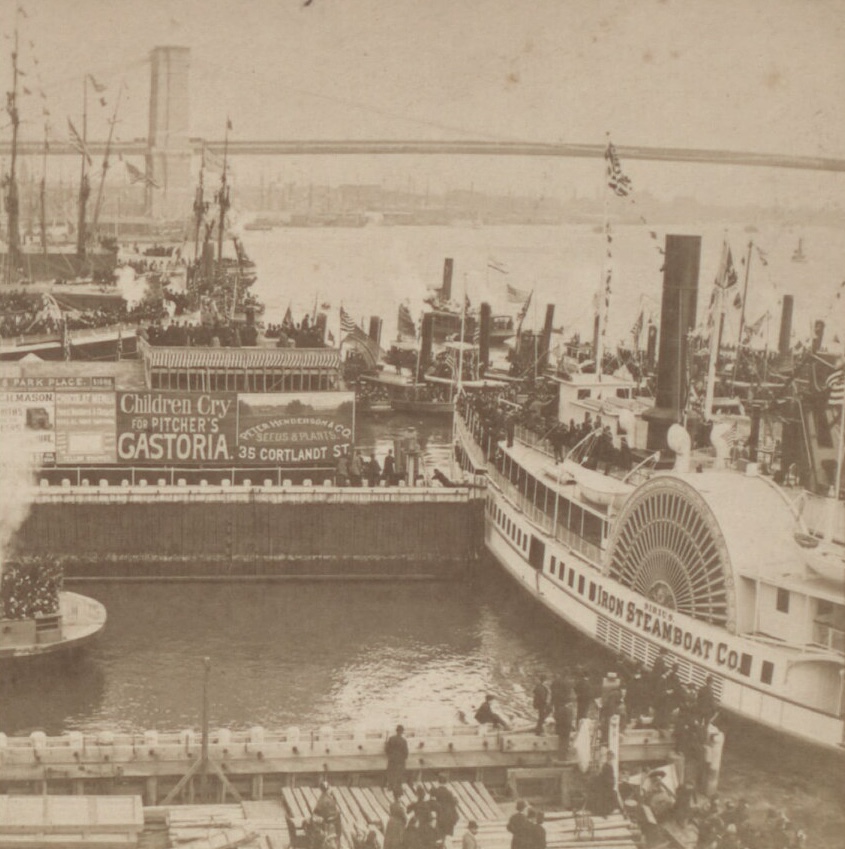
The Centennial Landing at Wall Street
On April 29, 1889, on the eve of the 100th anniversary of George Washington’s inauguration, President Benjamin Harrison landed at the foot of Wall Street to open New York’s Washington Centennial observances. He arrived aboard a specially decorated barge that retraced Washington’s 1789 journey from New Jersey to Manhattan. To heighten the authenticity, the Centennial Committee enlisted thirteen master pilots to row the vessel — a living emblem of the thirteen original states.
The landing electrified lower Manhattan. Crowds packed the waterfront, flags draped the Exchange, and the recreated arrival became the ceremonial overture to the next day’s anniversary events at Federal Hall. In the wake of the celebration, New Yorkers developed an intense appetite for anything tied to the first inauguration. Dealers, antiquarians, and amateur collectors scoured attics and auction rooms for chairs, clothing, and fragments of 18th‑century New York, helping to propel the modern market for American political memorabilia.
Image via Wikimedia Commons, public domain
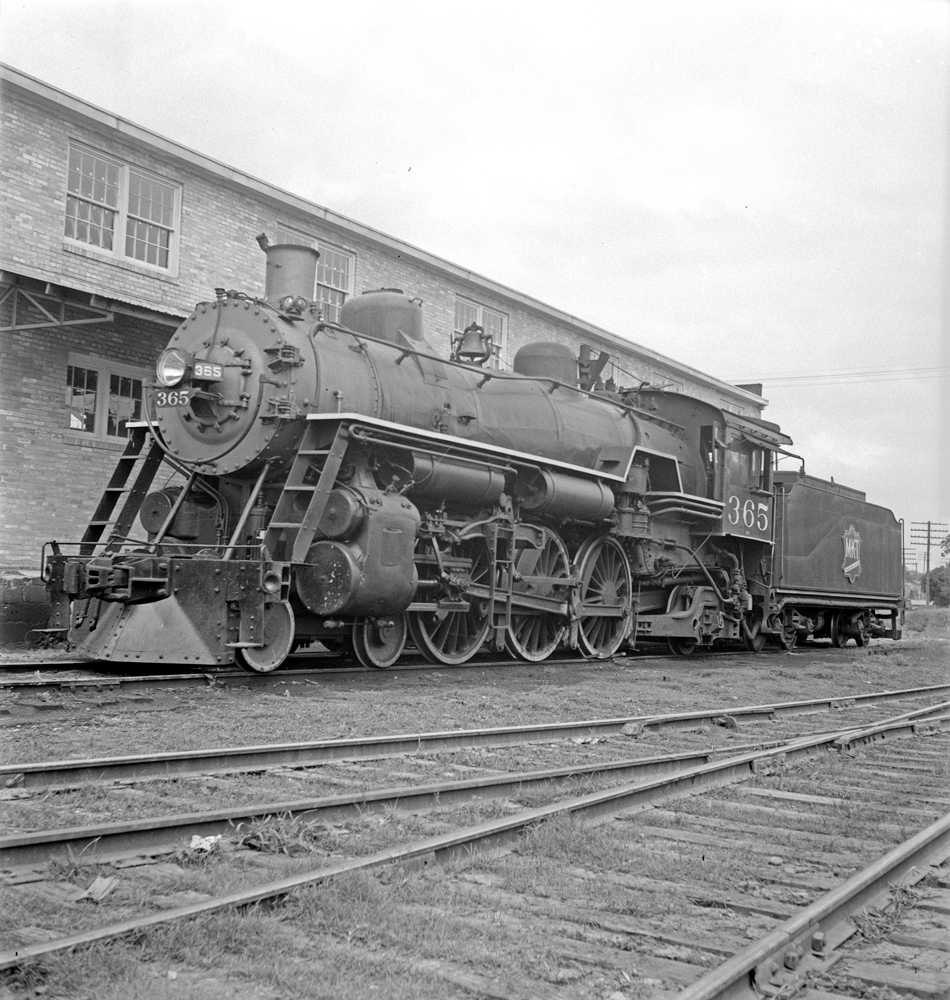
The Superheated Katy No. 365
The photograph of the Missouri-Kansas-Texas (Katy) Locomotive No. 365 and its tender was taken on April 29, 1946. Built in 1910, the engine was notable for its “superheaters,” which allowed it to haul passengers more smoothly and with significantly more power than standard steam engines of the era. The No. 365 was part of the Katy’s “standardization” era, where they sought to make their fleet more efficient. This specific locomotive survived long enough to witness the end of steam; while most engines of its type were scrapped by the 1950s to make way for diesels, the 365 is remembered as a “workhorse” that helped the Katy Railroad maintain its reputation for speed and reliability during the heavy-traffic years of World War II.
Image from DeGolyer Library, Southern Methodist University via Wikimedia Commons, no known restrictions
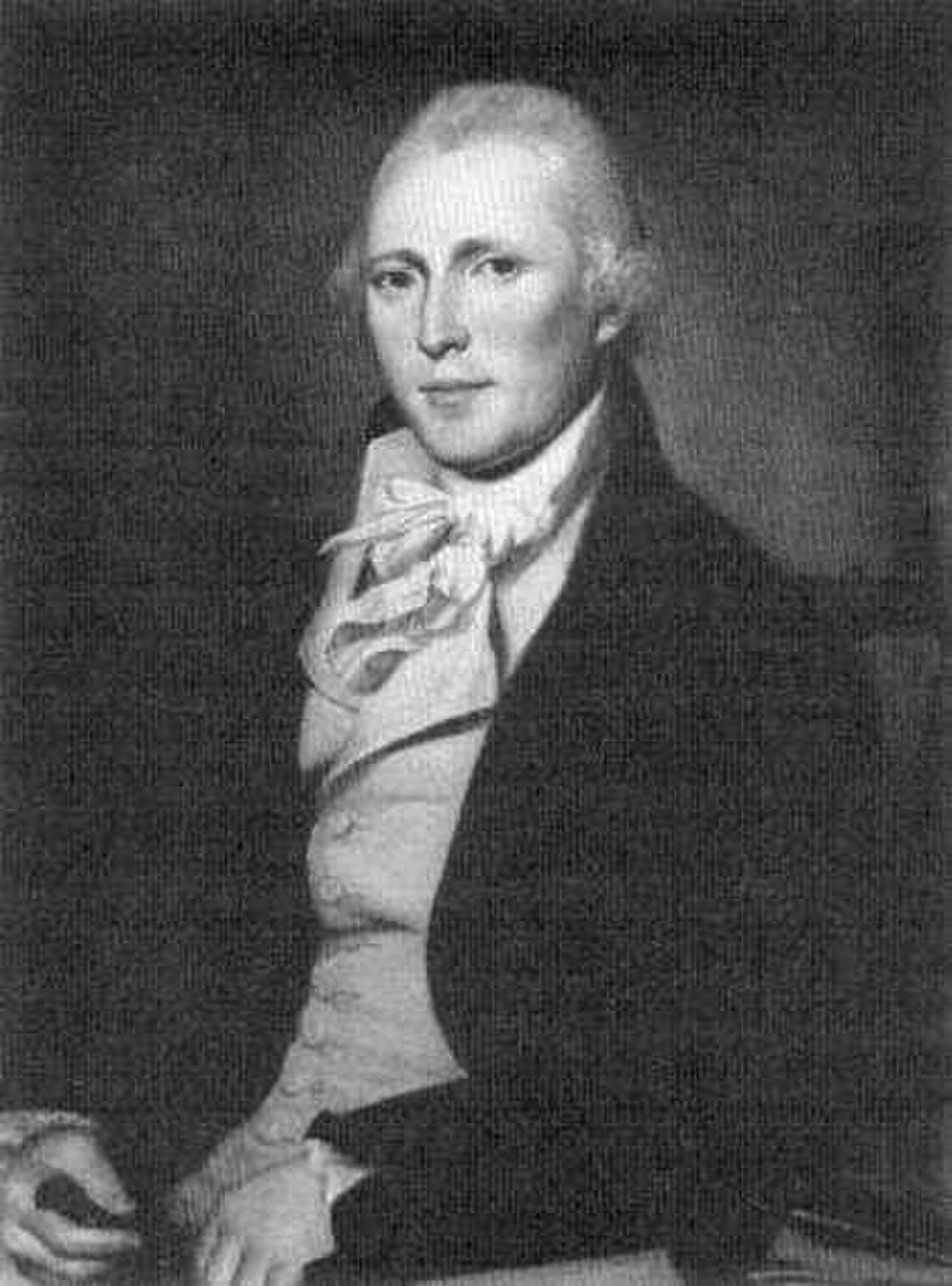
The Father of the Catawba Grape
John Adlum was born on April 29, 1759, in York, Pennsylvania. An American Revolutionary War veteran, he eventually became a pioneer in American agriculture by successfully cultivating the Catawba grape, which was the first native grape used to produce a commercially successful American wine. Adlum famously sent a bottle of his wine to Thomas Jefferson at Monticello. Jefferson, who had spent decades trying and failing to grow European grapes in Virginia soil, was so impressed by the Catawba wine that he declared it held great promise for the future of the American economy.
Image via Wikimedia Commons, public domain
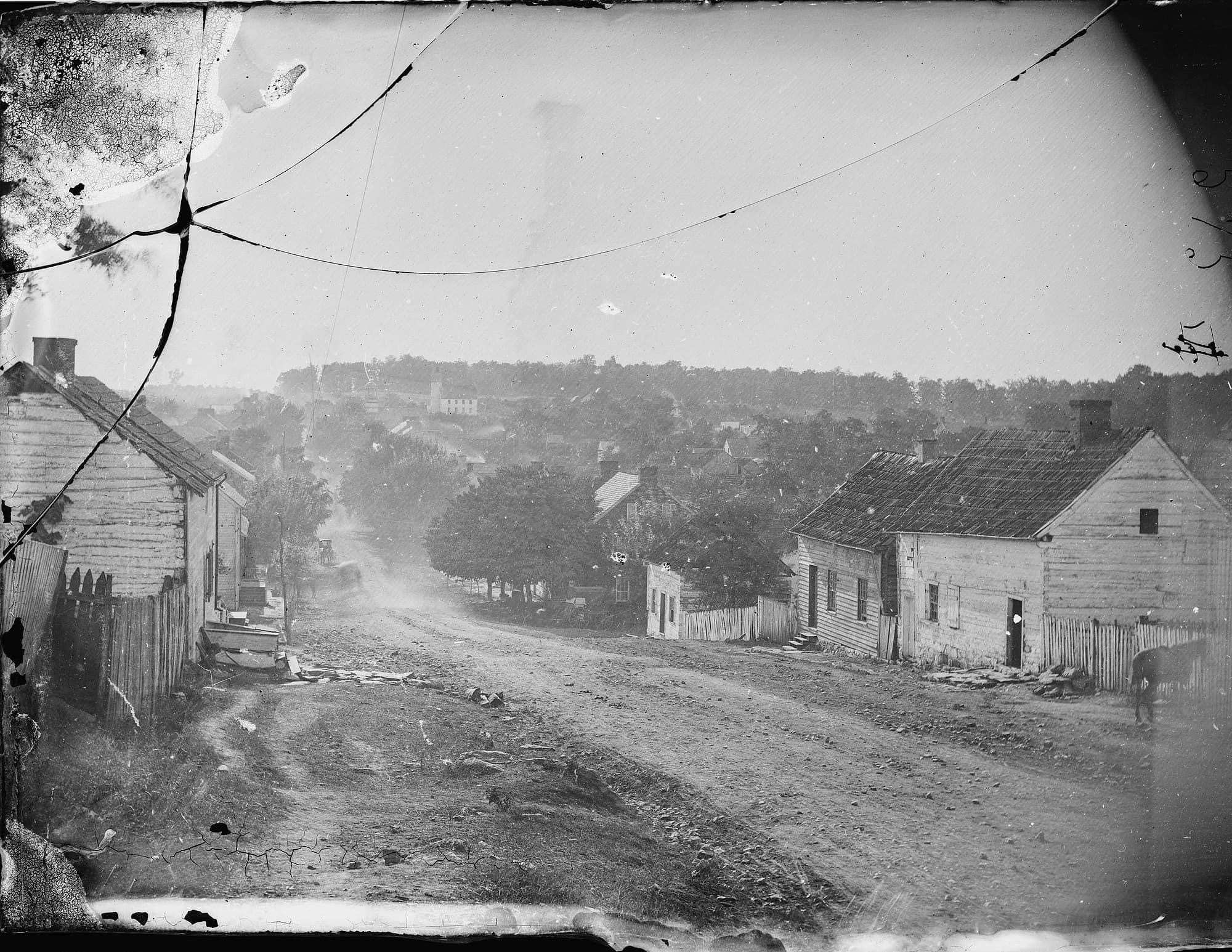
The Maryland Vote for the Union
On April 29, 1861, Maryland legislators met in Frederick and voted overwhelmingly against secession from the Union. This vote was critical for the North, as Maryland’s secession would have physically isolated Washington, D.C., from the loyal states. Because of the pro-Confederate atmosphere in the state capital of Annapolis, the legislature actually met in Frederick because it was considered a Union stronghold. This provided the safety needed for the delegates to resist the pressure of seceding, though the town of Sharpsburg would later become a bloody battlefield just a year later because of this geographic loyalty.
Images of Main Street in Sharpsburg, Maryland in 1862 via Wikimedia Commons, public domain
The Anarchist Bombing of Senator Hardwick
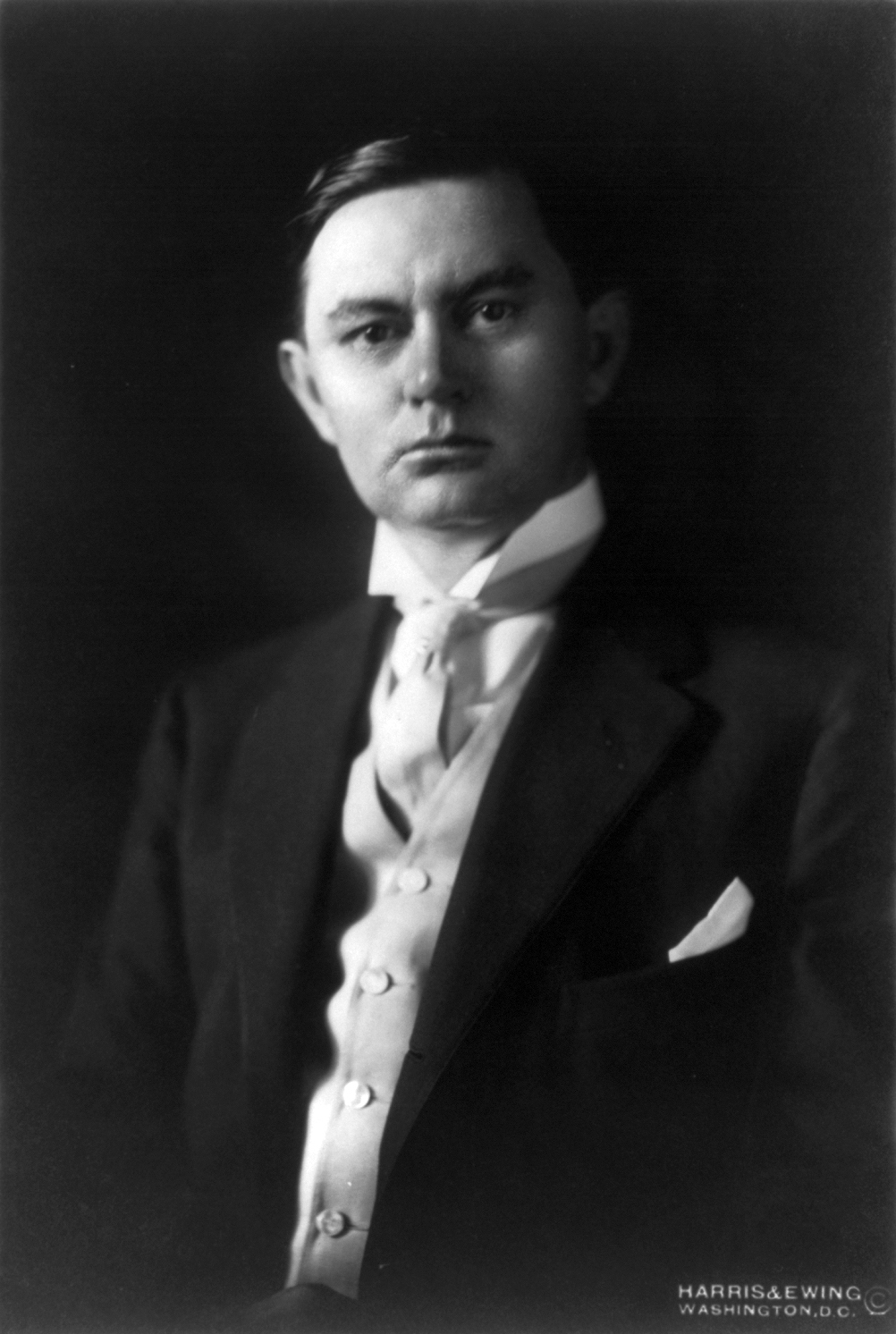
On April 29, 1919, Senator Thomas Hardwick of Georgia was the target of an assassination attempt due to his involvement in sponsoring the Immigration Act. Followers of radical anarchist Luigi Galleani sent a booby-trapped bomb to his home, which detonated when Ethel Williams, a servant, tried to open it. This resulted in the loss of her hands and severe injuries to the Senator’s wife, Maude. This specific attack led directly to the formation of the “Anti-Radical Division” of the Justice Department. A young J. Edgar Hoover was put in charge of the division, beginning his 48-year career as the head of what would eventually become the FBI.
Image via Wikimedia Commons, public domain
The Birth of the Duke
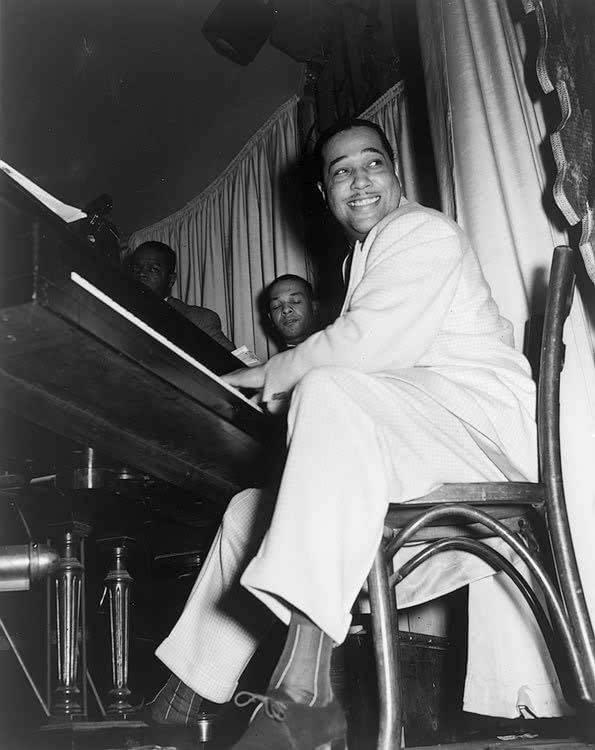
Jazz great Duke Ellington was born on April 29, 1899, in Washington, D.C. Over his 50-year career, he became a central figure in the history of music, leading his orchestra and composing thousands of pieces that elevated jazz to a respected orchestral art form. In 1943, Ellington broke cultural barriers by premiering his symphony Black, Brown and Beige at Carnegie Hall. It was a revolutionary work that depicted the history of African Americans, forcing the high-society classical world to acknowledge jazz as sophisticated, uniquely American music.
Image: Duke Ellington at the Hurricane Club in 1943 via Wikimedia Commons, public domain
The Seven Year Itch of Tom Ewell
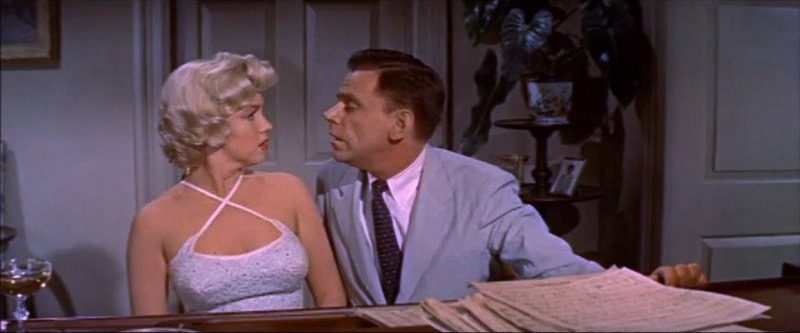
Tom Ewell, born April 29, 1909, had a 46-year career on stage, in films, and on television. One of his most memorable roles was in 1955’s The Seven Year Itch, starring alongside Marilyn Monroe. Ewell had already played the role over 900 times on Broadway before the film was made. Because he was so familiar with the timing and the jokes, he often had to “act” surprised by Marilyn Monroe’s antics on set, as he could practically recite the entire script from memory. His deadpan delivery was the perfect foil to Monroe’s persona.
Image via Wikimedia Commons, copyright not renewed public domain in the US.

The Final Oldsmobile
On April 29, 2004, the last Oldsmobile ever built—an Alero—was produced in Lansing, Michigan. This marked the end of the 107-year-old brand, which was the oldest surviving automotive nameplate in the United States at the time. Contrary to popular belief, Oldsmobile—not Henry Ford—pioneered the assembly line. Ransom E. Olds created the first stationary assembly line in 1901 to mass-produce the Curved Dash Oldsmobile, which allowed him to become the first high-volume car manufacturer in history.
Image of a 2004 Oldsmobile Alero via Wikimedia Commons, public domain
The Launch of the USS Wadsworth
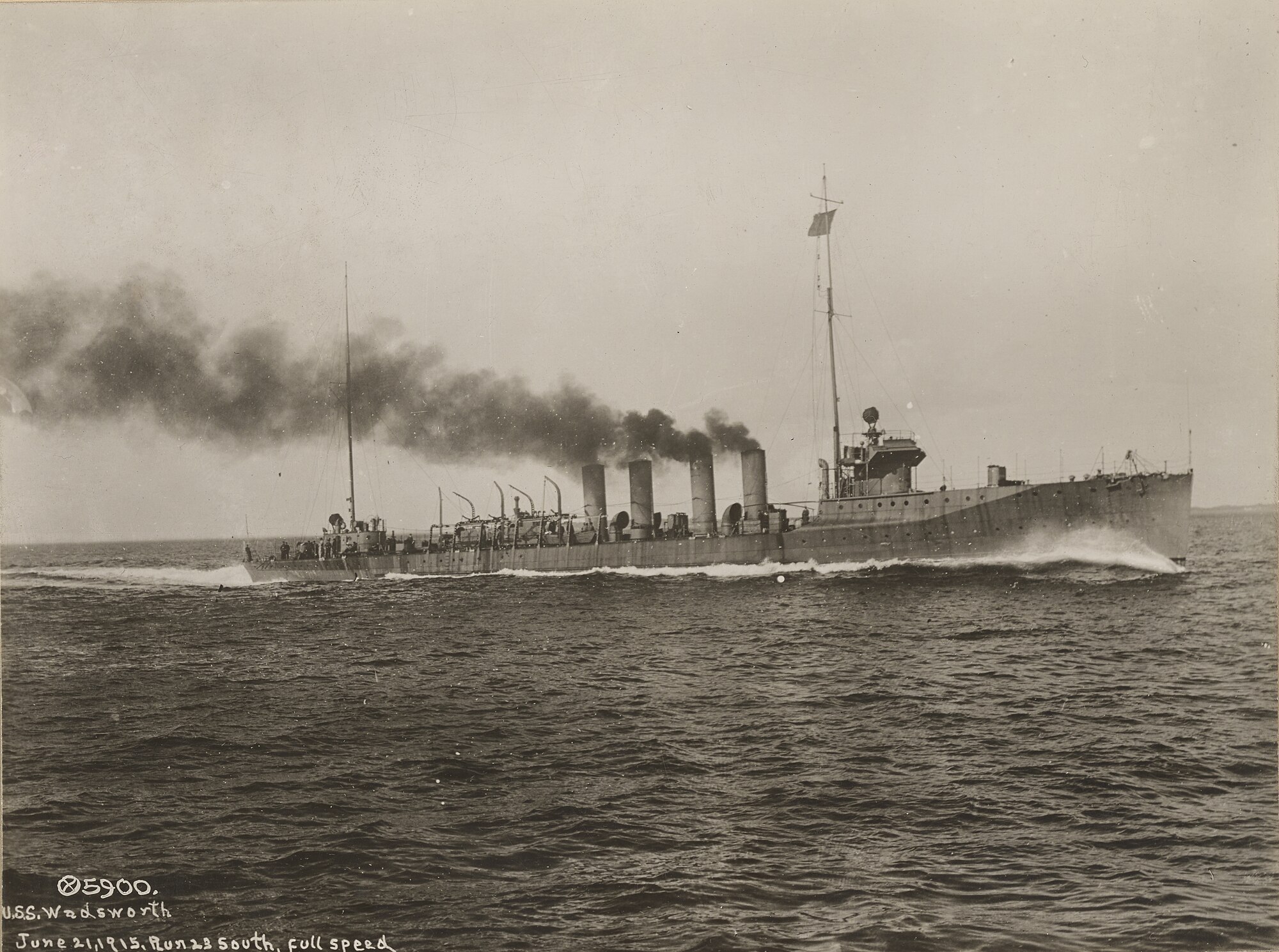
On April 29, 1915, the USS Wadsworth was launched. After the U.S. entered WWI, she was the flagship of the first U.S. destroyer squadron sent to Europe to patrol the waters off Ireland. She was named in honor of Alexander Scammel Wadsworth, whose nephew was the poet Henry Wadsworth Longfellow. During WWI, the Wadsworth was among the first ships to test “Dazzle Camouflage.” These complex geometric patterns were designed to confuse U-boat commanders about the ship’s speed and direction, making it nearly impossible to aim a torpedo accurately.
Image: USS Wadsworth at sea in 1915 via Wikimedia Commons, public domain

The 3D Space Patrol
On April 29, 1953, the first experimental 3D TV broadcast in America occurred when a thirty-minute episode of Space Patrol aired in Los Angeles. Space Patrol was a pioneer in television merchandising long before modern tie-ins. Kids could buy Space Patrol helmets, plastic ray guns, and even a “Mono-Rail” play set. The show’s lead, Ed Kemmer, was a real-life WWII fighter pilot who had survived being shot down, which gave his character an air of authenticity that young viewers adored.
Image via Unsplash
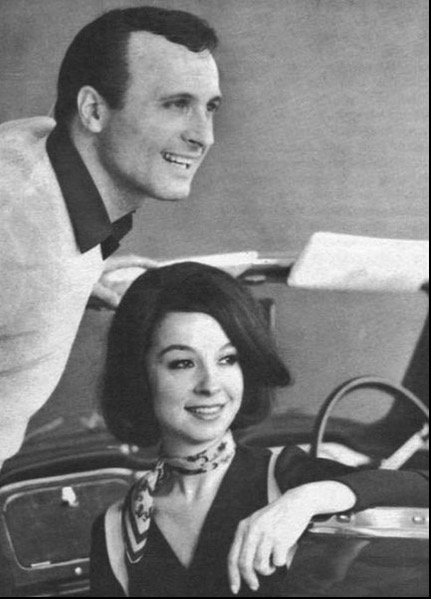
The Suggestive Success of April Stevens
April Stevens was born April 29, 1929, in Niagara Falls, New York. Her hit “Deep Purple,” a duet with her brother Nino Tempo, reached number one in 1963 and won a Grammy Award. However, her 1959 song “Teach Me, Tiger” received little airplay at the time due to suggestive lyrics. The famous “whispering” style on “Deep Purple” wasn’t intentional. During the recording session, April whispered the lyrics to her brother Nino because he had forgotten them. The producer thought the whisper sounded incredibly unique and kept it in the final recording, creating their signature sound.
Image via Wikimedia Commons, no known copyright, public domain in the US.
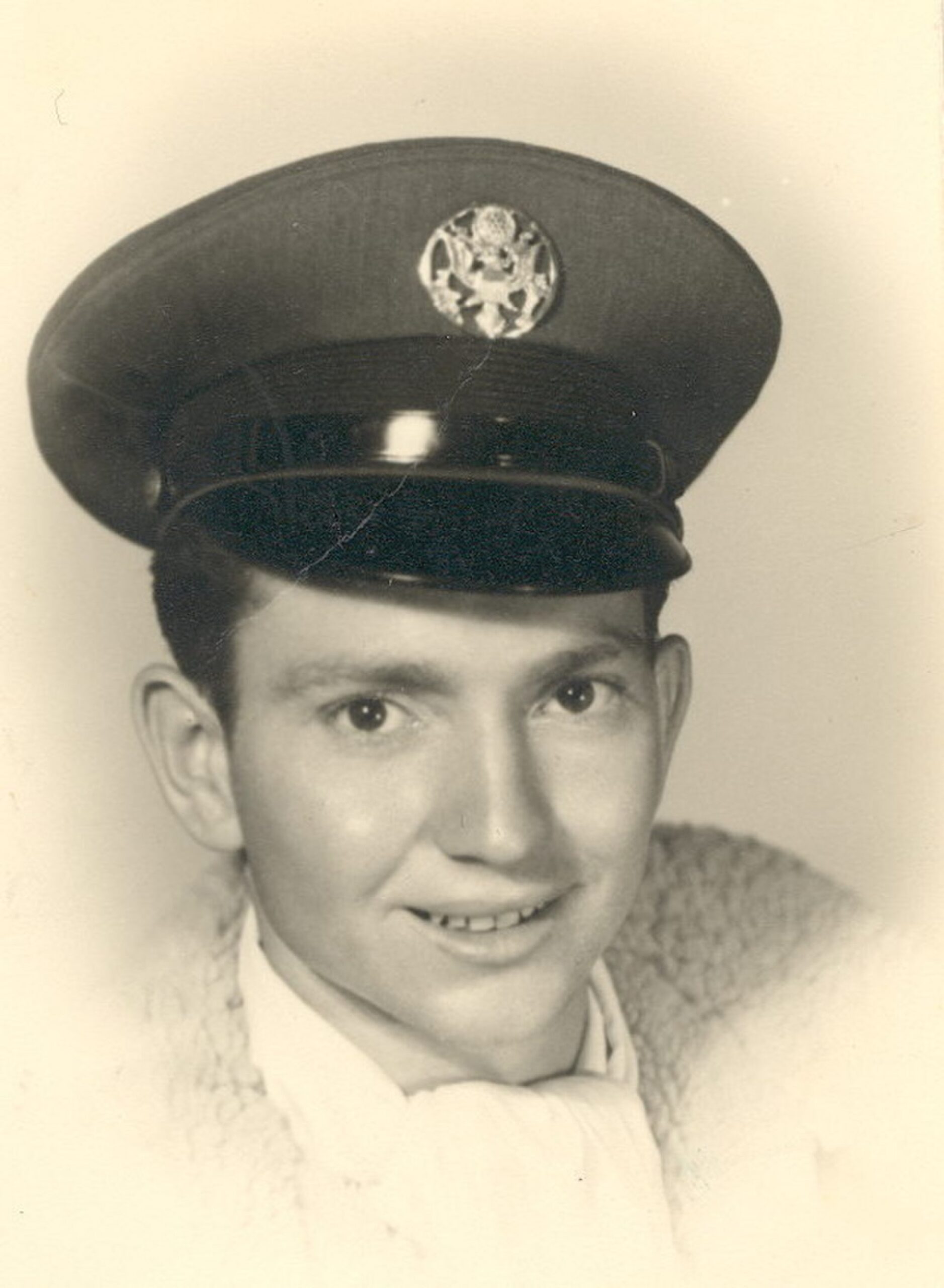
The Airman Willie Nelson
Willie Nelson was born on April 29, 1933, in Abbott, Texas. Before he became the face of “Outlaw Country,” he served in the United States Air Force in the early 1950s but was medically discharged after roughly nine months due to recurring back problems. Before finding fame, Willie worked a string of “normal” jobs, including as a door-to-door encyclopedia salesman. He was reportedly so charismatic that he once sold a set of books to a family that couldn’t read, convincing them that having the books in the house would eventually inspire their children to learn.
Image: Willie Nelson during his service in the United States Air Force c. 1950 via Wikimedia Commons, public domain
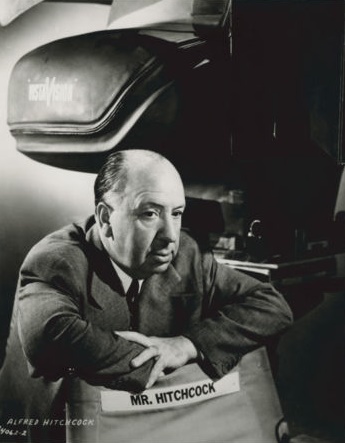
Eighty in 1980
Alfred Hitchcock arrived in the United States on April 4, 1939, stepping off the RMS Queen Mary with Alma and their daughter Patricia to begin a seven‑year contract with producer David O. Selznick. Rebecca would be his first American film — and the beginning of a 41‑year chapter that transformed him into a Hollywood institution.
Over the decades that followed, Hitchcock directed 53 feature films and well over 100 total works. The exact count varies slightly across historical records, but the broader tally includes his early British shorts, his wartime projects, and the 20 episodes of Alfred Hitchcock Presents he directed personally. Together, they form one of the most influential bodies of work in 20th‑century cinema.
He lived in only three primary Los Angeles homes — an apartment on Wilshire Boulevard, a rented Bel Air house on St. Cloud Road, and finally 10957 Bellagio Road, where he lived from 1942 until his death. He also kept a 200‑acre retreat in Scotts Valley, his “Heart o’ the Mountains,” for more than 30 years. Though he became a naturalized U.S. citizen in 1955, he retained the British manners, tailoring, and reserve that shaped his public persona.
On April 29, 1980, at the age of 80, Hitchcock died at his Bel Air home, closing a life that bridged continents and redefined suspense. Just months earlier, Queen Elizabeth II had knighted him as Sir Alfred Hitchcock — a final honor for a filmmaker whose shadows, silences, and perfectly timed shocks continue to shape the way audiences watch the world.

Holm Is Where the Heart Is
Celeste Holm was born on April 29, 1917, in Brooklyn, New York. A versatile star of stage and screen, she became a defining voice of mid‑century American entertainment — winning an Academy Award for Gentleman’s Agreement and earning an iconic nomination for her performance as Karen Richards in the 1950 classic All About Eve. Her career stretched across more than six decades, carrying her from the Golden Age of Hollywood into the early 21st century.
A long‑circulated bit of Holm lore reflects the sharp wit she was known for on and off screen. After winning her Oscar, she reportedly joked that she put the statuette to practical use as a doorstop in her New York apartment — calling it the most “useful” award she ever received. Whether apocryphal or true, the story matches the dry humor that made her such a distinctive presence in American film and theater.
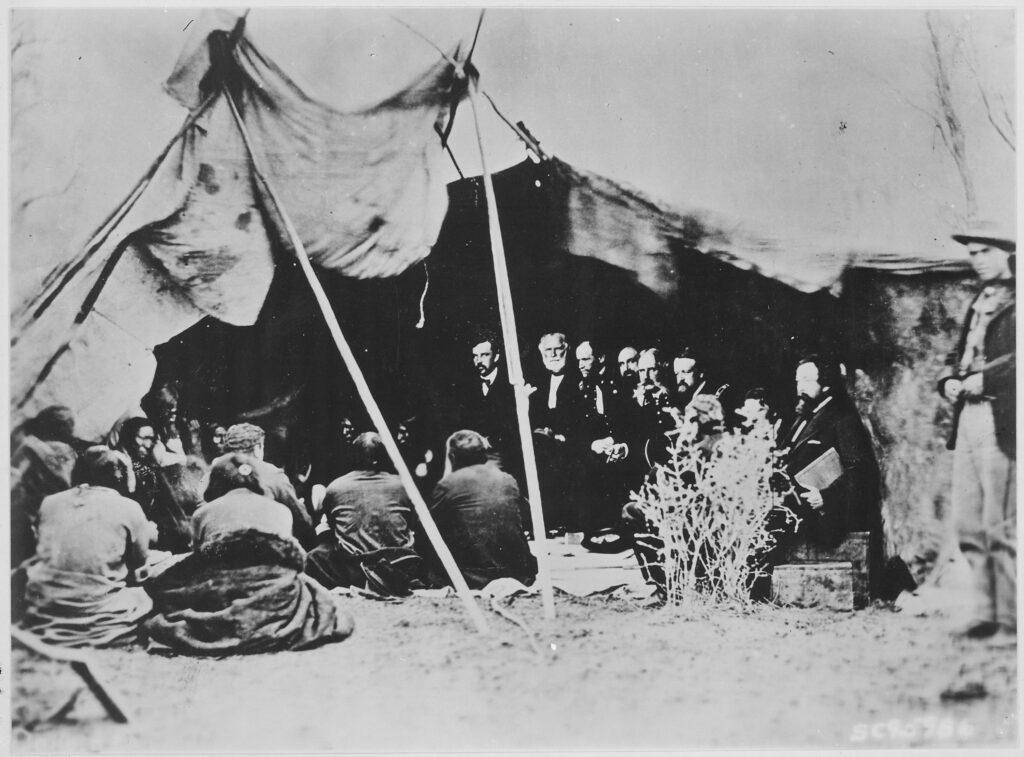
Great Sioux Reservation and the Treaty of Fort Laramie
On April 29, 1868, leaders of the Brulé Lakota signed the Treaty of Fort Laramie, a landmark agreement that established the Great Sioux Reservation and recognized the sacred Black Hills as Lakota and Arapaho homeland. A major triumph of Red Cloud’s War, the treaty forced the U.S. Army to abandon its line of forts along the Bozeman Trail—one of the rare instances in which the United States conceded military defeat to a Native nation.
While the Brulé signed on this date, the treaty remained “open” through November as commissioners traveled up the Missouri River to meet additional Lakota, Yanktonai, and Arapaho bands. Its guarantee that “no unauthorized persons” would enter the land was broken within six years, when the Black Hills gold rush triggered a massive influx of miners—a violation that helped set the stage for the Battle of the Little Bighorn and a legal struggle over the land that continues today.
General William Tecumseh Sherman—shown center‑left in this photograph—served on the Indian Peace Commission that oversaw the treaty process, but he was not present for the April 29 Brulé signing itself. He arrived at Fort Laramie weeks later to continue negotiations with other tribal leaders. For Sherman, the reservation system was a strategic tool: he believed the Transcontinental Railroad would ultimately “pacify” the Plains more effectively than military campaigns, making the treaty part of a broader federal effort to clear the way for industrial expansion.
One final chapter to this story unfolded more than a century later. In 1980, the U.S. Supreme Court ruled that the Black Hills had been taken illegally and awarded the Sioux tribes more than $100 million in compensation. The tribes refused the payment—a stance they have maintained for over forty years—because accepting it would legally extinguish their claim to the Black Hills. The funds remain in a federal trust, now valued at well over $1 billion, as the Sioux continue to assert that the land was never for sale.