
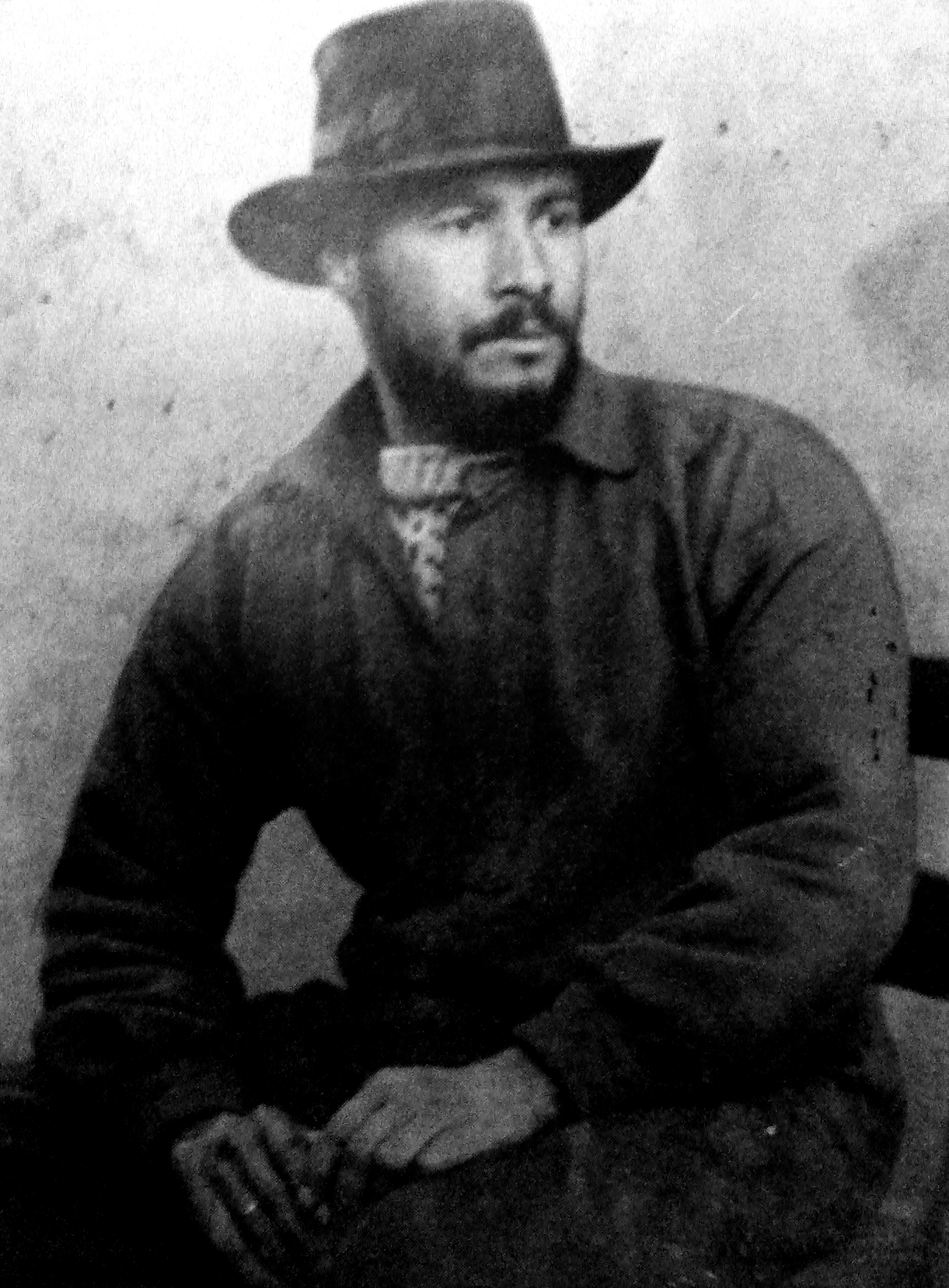
American artist William H. Johnson, born on March 18, 1901, in Florence, South Carolina, had an influential career as a painter. His work evolved through several styles, including realism, expressionism, and a distinctive folk art style for which he is most celebrated.
Image via Wikimedia Commons, public domain
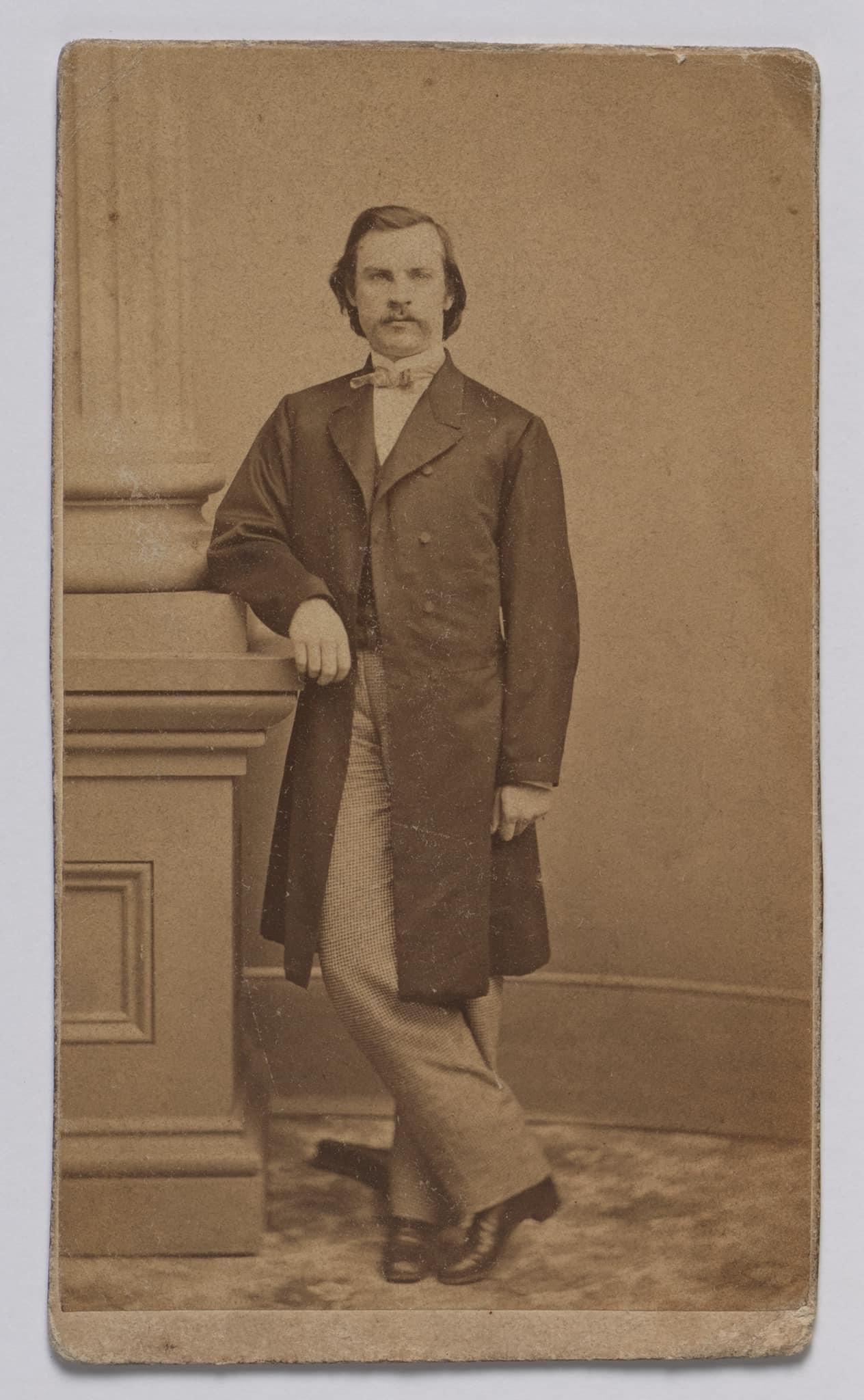
Grover Cleveland about 9 years before he became Sheriff of Erie County in New York State.
On March 18, 1837 Grover Cleveland, the 22nd and 24th President of The United States, was born in Caldwell, New Jersey.
Image via National Portrait Gallery, Smithsonian Institution, no known restrictions
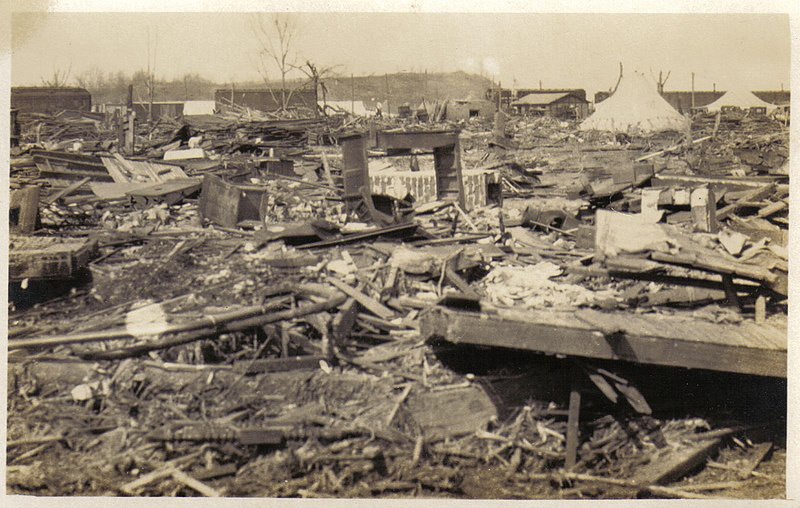
On March 18, 1925, a deadly outbreak of at least 12 tornadoes struck the Midwest and South. While Alabama and Kansas were hit, the
Tri-State tornado was the most devastating. It tore through Missouri, Illinois, and Indiana, killing 695 people and injuring over 2,000. Shown is Griffin, Indiana, where 46 people lost their lives.
Image by Edeans-commonwiki, CCA-SA 3.0 Unported via Wikimedia Commons.
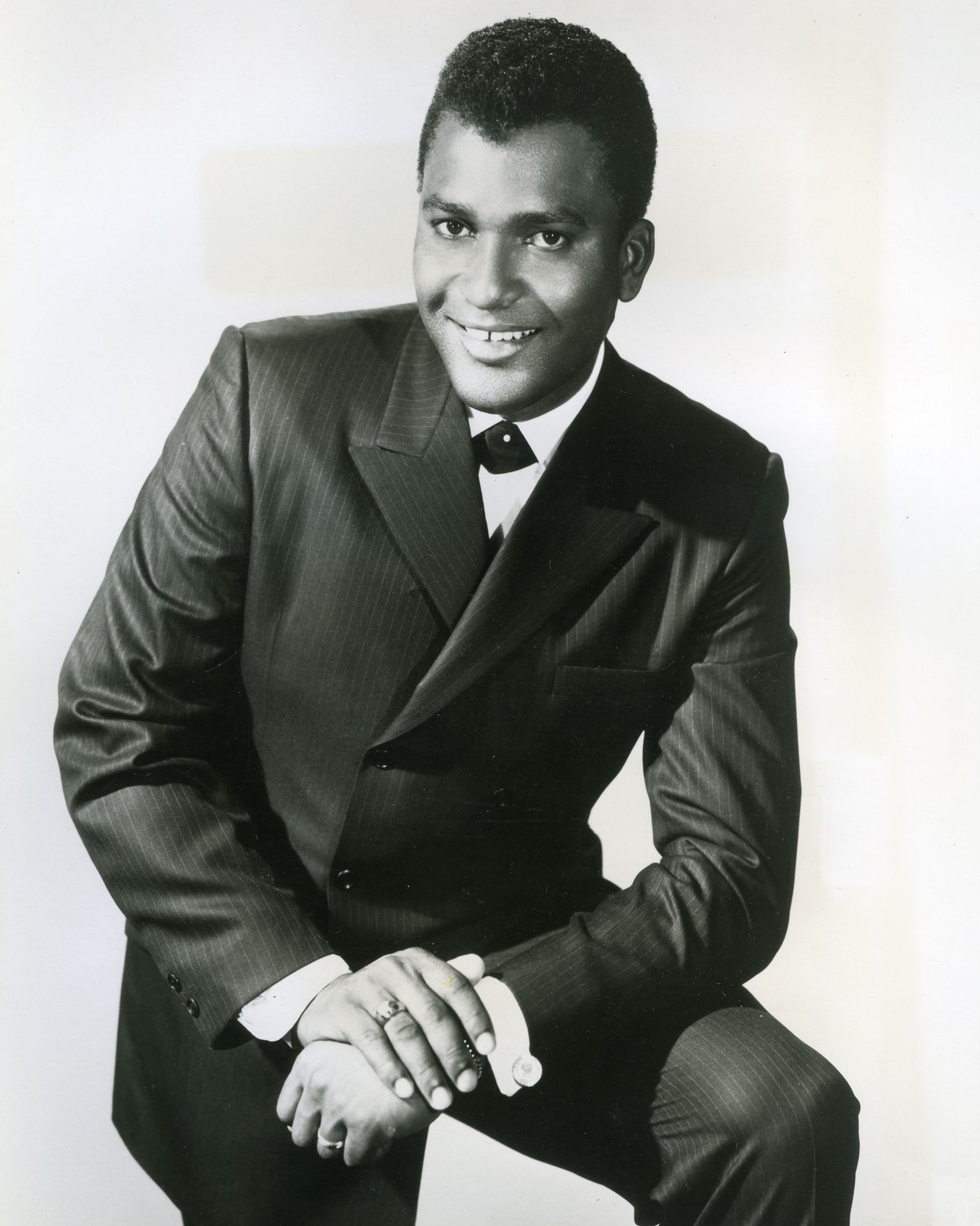
U.S. Army Veteran, baseball player and country music legend Charley Pride was born on March 18, 1934 in Sledge, Mississippi.
Image via Alamy
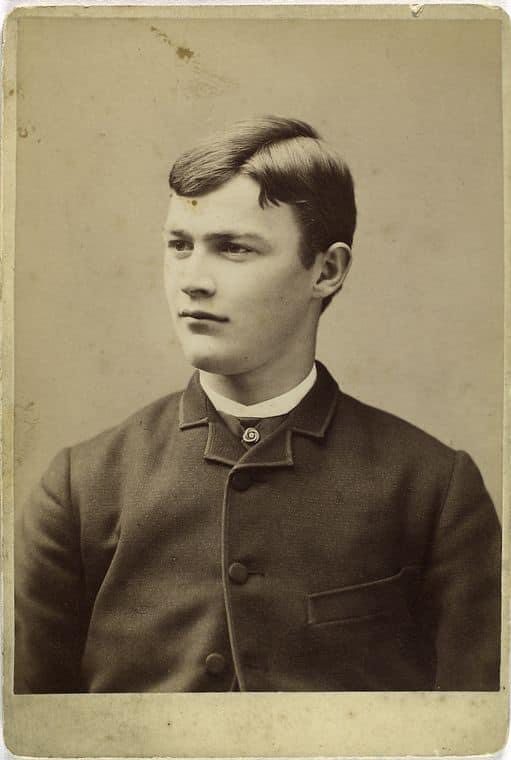
Photo of pro baseball pitcher Bill Vinton, date on back says March 18, 1884, a few months before he played his first game as a Philadelphia Quaker.
Only lived until he was 28
Image via NYPL Digital Collections, no known restrictions
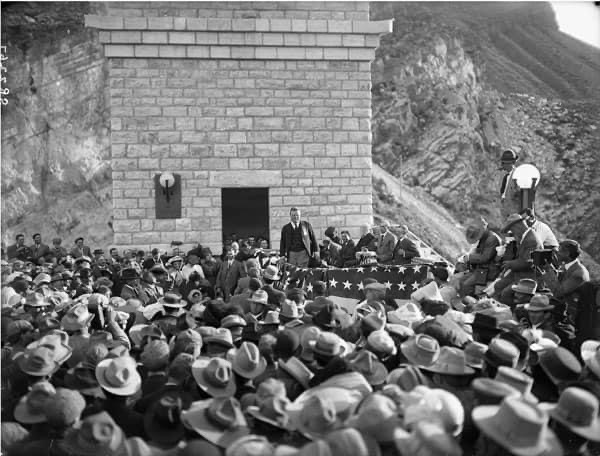
Theodore Roosevelt speaking at the dedication ceremony of Roosevelt Dam on the Salt River in Arizona on March 18, 1911
Image via Wikimedia Commons, public domain
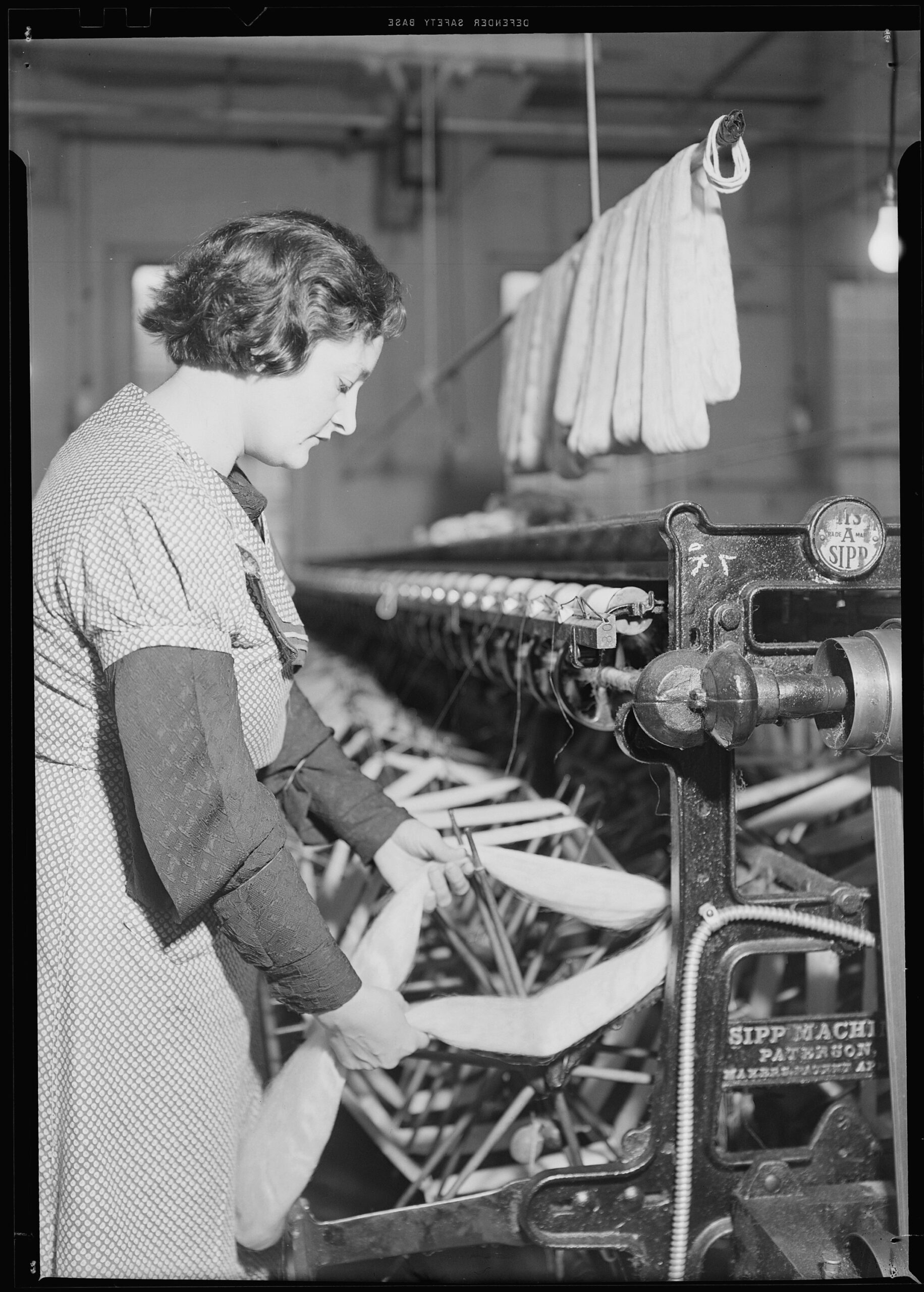
Paterson, New Jersey – Textiles. After drying, the skeins are taken from the rack and each skein is put on a swift of the winding machine. This machine winds the yarn from the skein on to bobbins.
March 18, 1937
Image via Wikimedia Commons, public domain
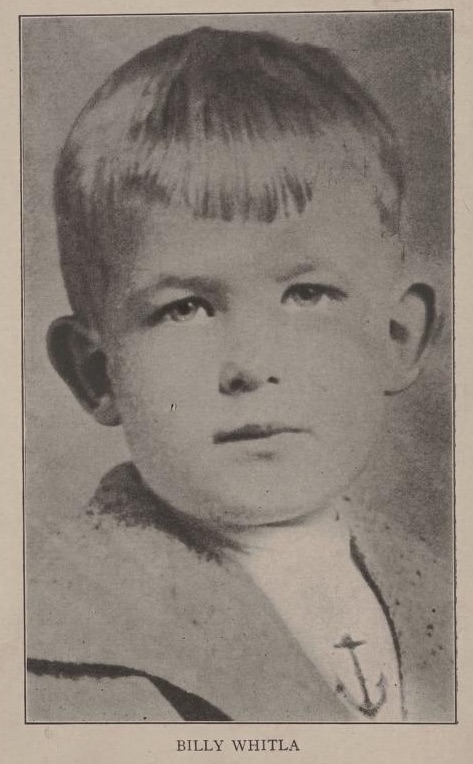
On the morning of March 18, 1909, an eight-year-old named Willie Whitla was kidnapped from his school in Sharon, PA.
A ransom note demanding $10,000 was delivered to the family’s home. As Willie’s mother read the note she had to be carried to a chair by the postman who delivered it.
The perpetrators took the boy to Cleveland, Ohio (more than 75 miles from where he was abducted.)
The parents paid the ransom and Willie was returned to them.
Eventually the perpetrators (husband and wife) were caught and most of the money was recovered. About two months later they were sentenced. The husband received life in jail and died in prison. The wife received a 25-year sentence and later died due to complications of pneumonia.
Source: An absorbing drama of real life: The story of the kidnaping of Billy Whitla by Hamilton Pearce, published in 1909.
https://archive.org/details/absorbingdramaof00pear/page/13/mode/1up?view=theater
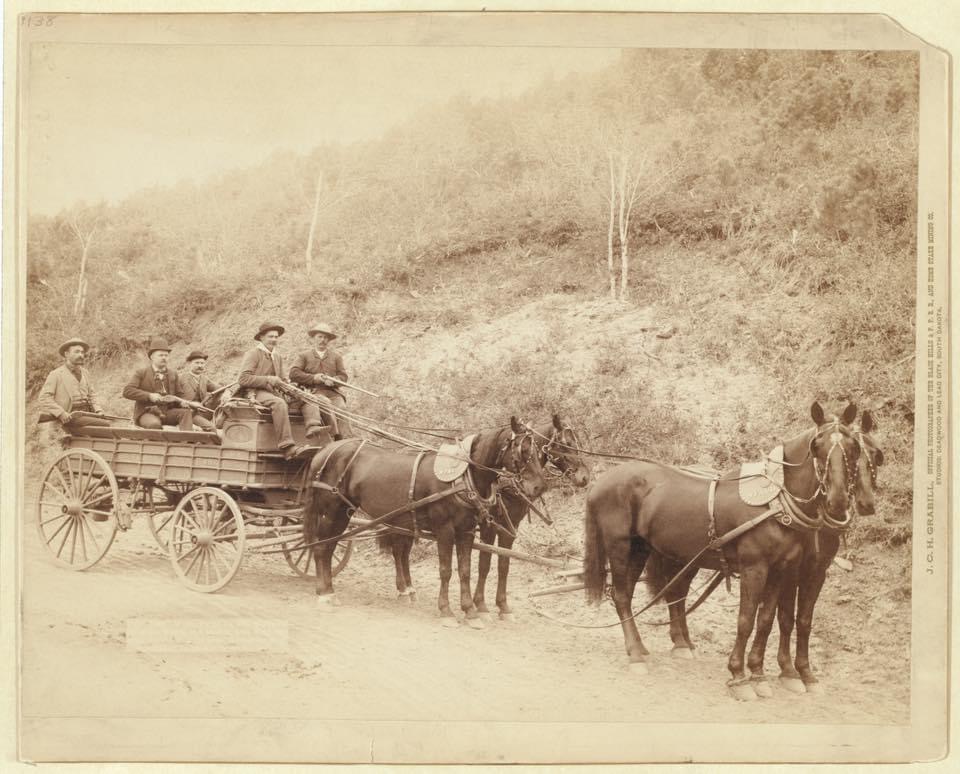
“Wells Fargo Express Co. Deadwood Treasure Wagon and Guards with $250,000 gold bullion from the Great Homestake Mine, Deadwood, S.D.” c. 1890
On March 18, 1852, Henry Wells and William G. Fargo formed Wells, Fargo & Co.
Image via Wikimedia Commons, public domain
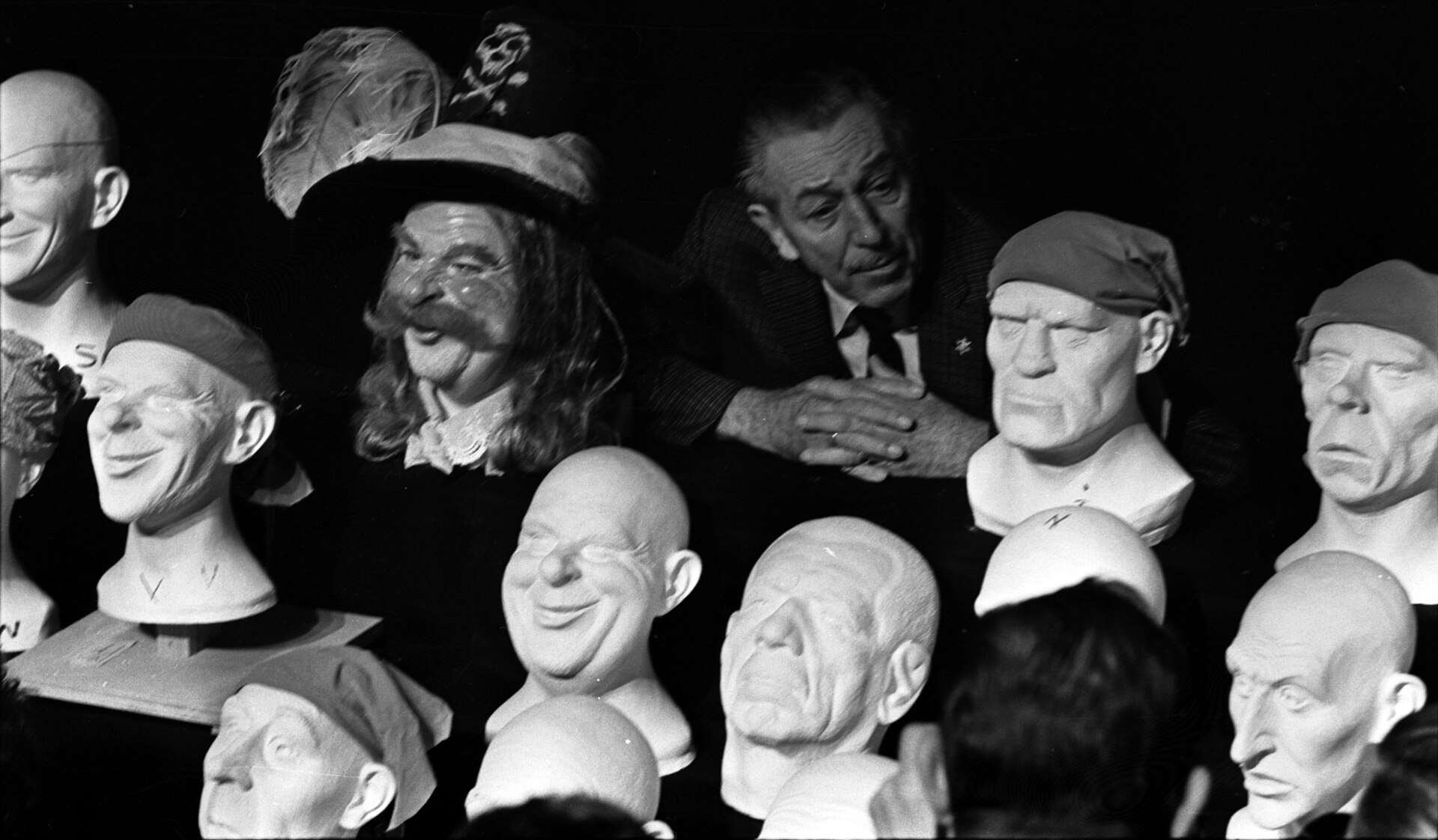
The “Pirates of the Caribbean” theme park ride opened at Disneyland on March 18, 1967.
Image: Photo of Walt Disney inspecting some of the plastic pirate heads that are to be placed at his new attraction c. 1966 from Los Angeles Times via Wikimedia Commons, CC BY 4.0
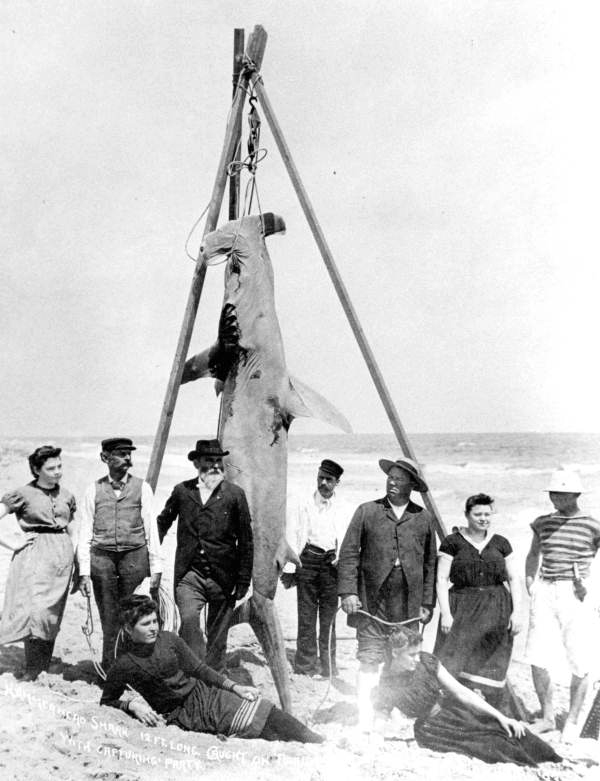
Hammerhead shark caught at Palm Beach, Florida
March 18, 1893
via Wikimedia Commons, public domain
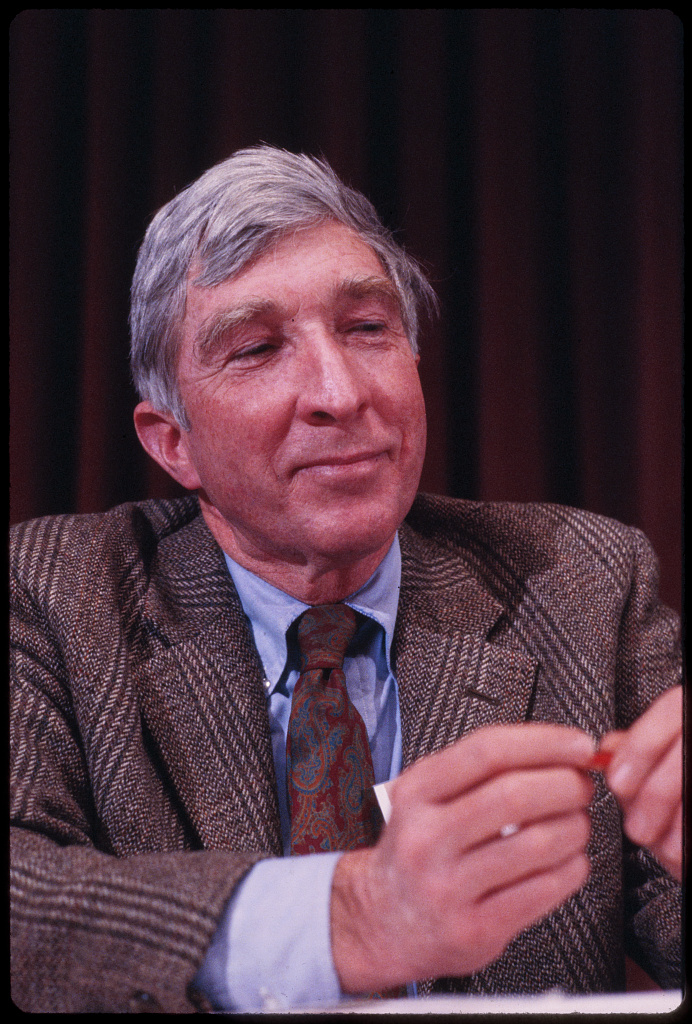
“I would especially like to recourt the Muse of poetry, who ran off with the mailman four years ago, and drops me only a scribbled postcard from time to time.”
A quote from American writer John Updike who was born on March 18, 1932 in Reading, Pennsylvania.
Image via Wikimedia Commons, public domain
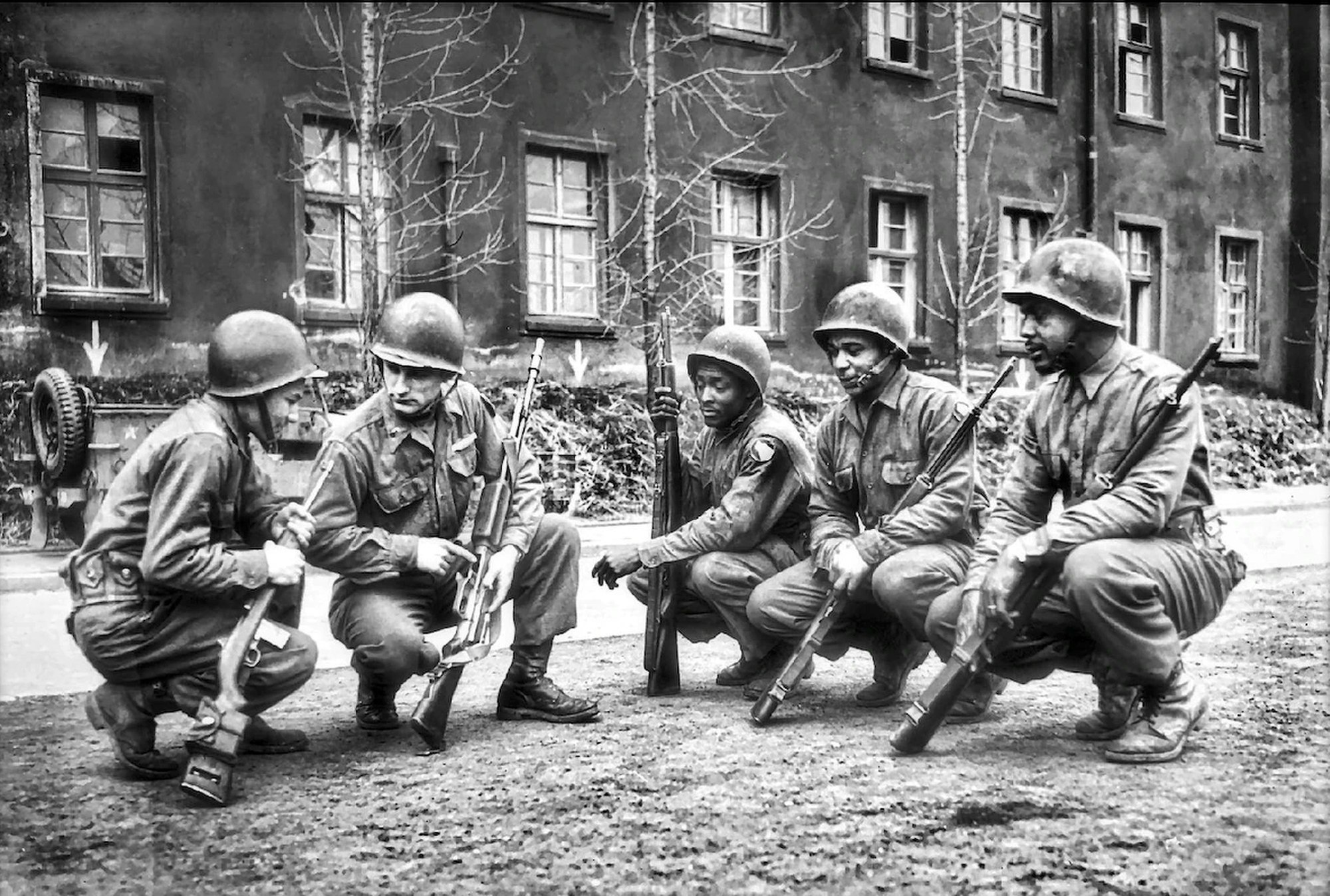
Soldiers of the 97th Infantry Division in Cologne, Germany, March 18, 1945
via Wikimedia Commons, public domain
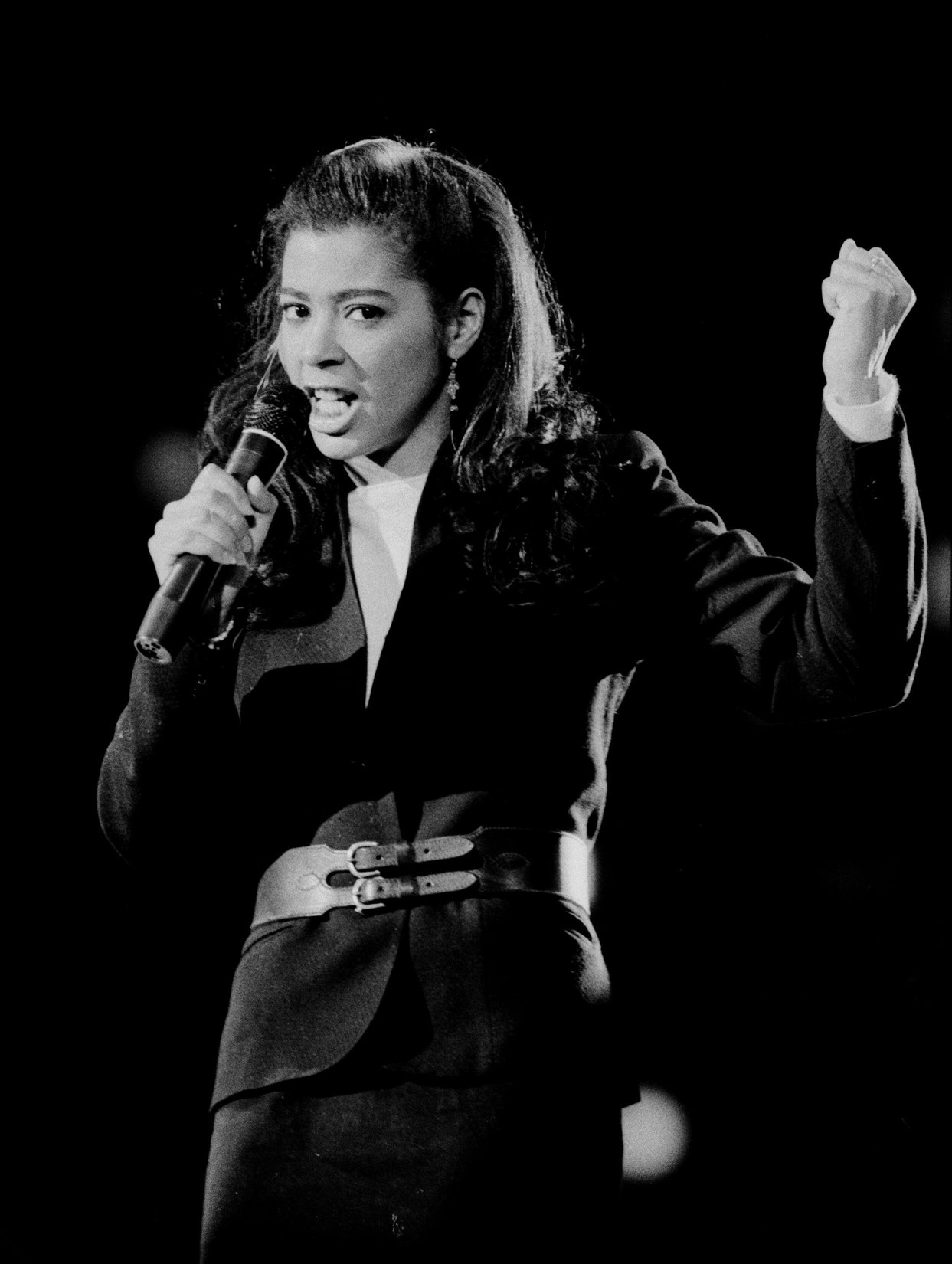
Irene Cara, best known for her hit songs from the movies Fame and Flashdance was born on March 18, 1959 in New York City.
Image via Alamy
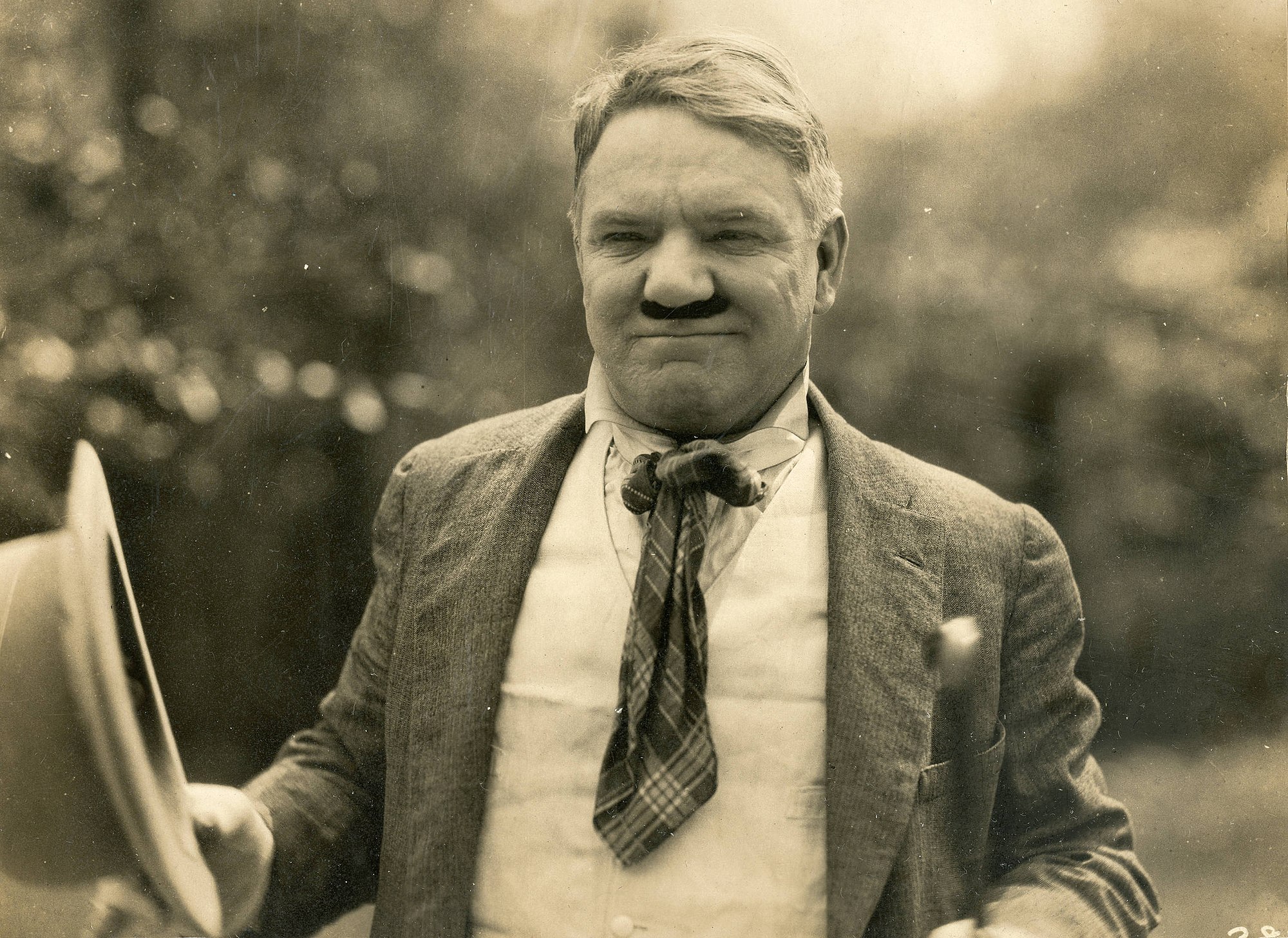
On March 18, 1900, twenty-year-old W.C. Fields opened for the Orpheum vaudeville circuit in San Francisco with his juggling act.
Image of W.C. Fields about 45 years old c. 1925 via Wikimedia Commons, public domain
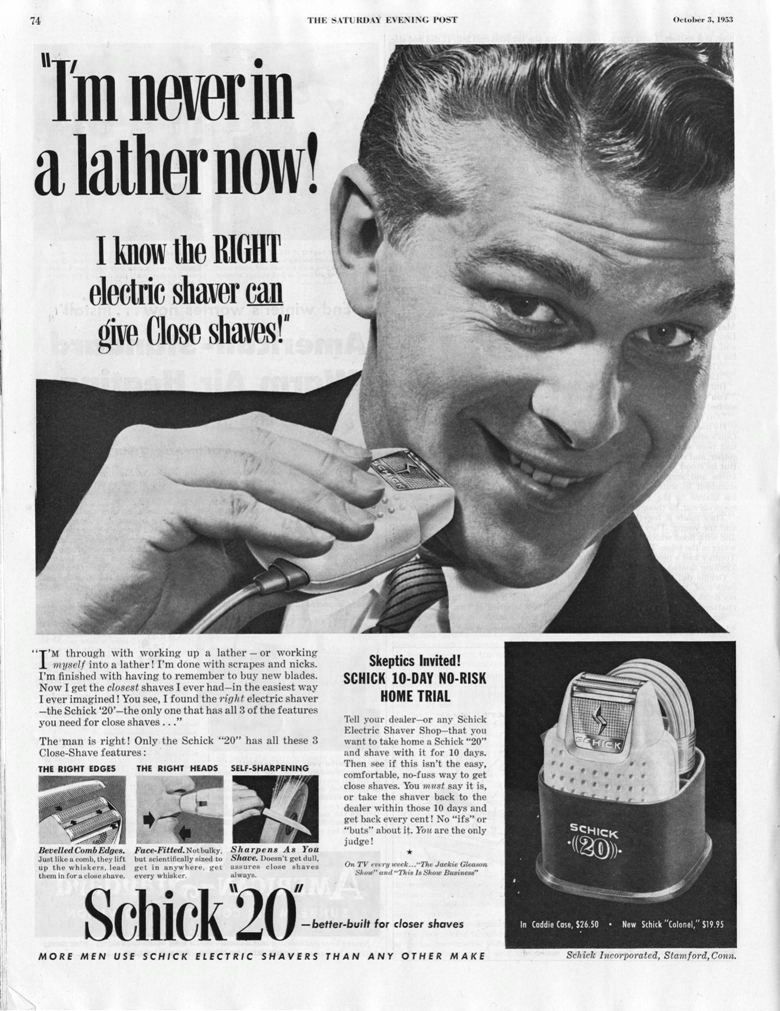
On March 18, 1931, Jacob Schick released and first sold his fully integrated electric dry shaver in New York City—a compact, one‑handed device that finally made electric shaving practical. It arrived in the depths of the Depression but still found an eager audience, offering a fast, water‑free alternative to blades and lather and launching an entirely new American industry.
Across the next two decades, Schick refined that breakthrough through quieter motors, stronger cutters, and more contoured shaving heads, even as wartime production reshaped the market. By the early 1950s, those steady improvements culminated in models like the Schick “20,” the one shown here—sleek, confident, and engineered for comfort with beveled comb edges, face‑fitted heads, and self‑sharpening blades. It represented the full flowering of the idea Schick first put into American hands on March 18, 1931.
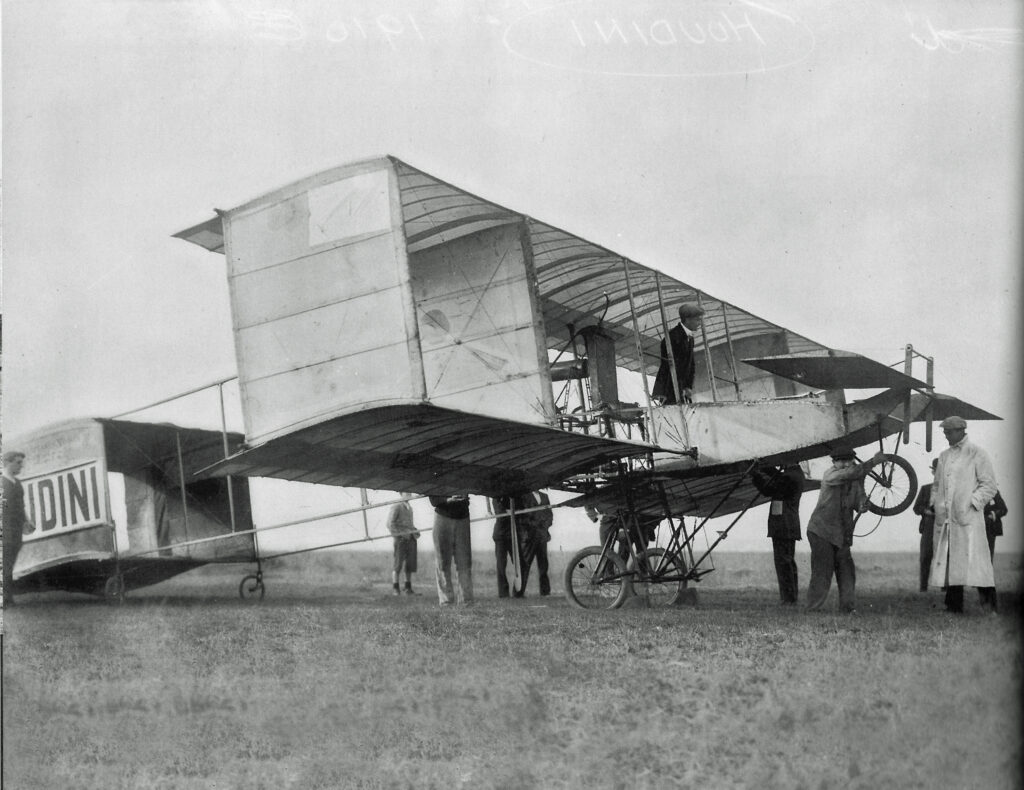
Harry Houdini completed three controlled, powered flights at Diggers Rest, Victoria, on March 18, 1910—the longest lasting about three minutes and thirty seconds. These flights are widely recognized as the first controlled, sustained airplane flights in Australian history, marking the moment when aviation in the country moved from brief hops to true, documented control.
This photograph, taken at Diggers Rest during the same 1910 flying period, includes Houdini and the Voisin biplane he used for the March 18 flights.
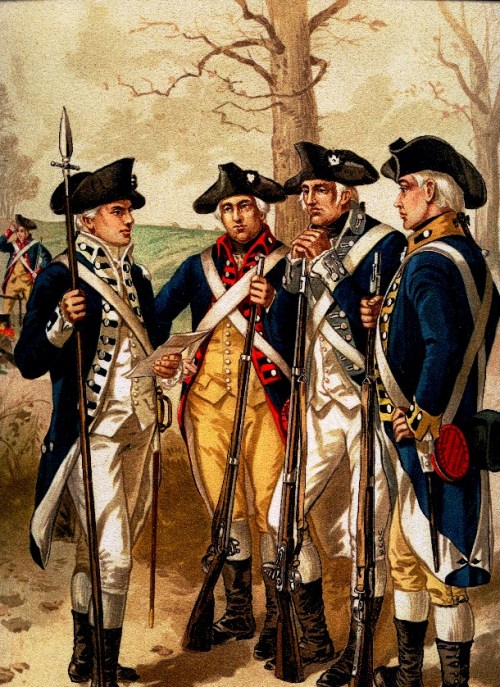
On March 18, 1818, Congress passed the Revolutionary War Pension Act, the first federal law to grant lifetime pensions to Continental Army and Navy veterans based on service rather than disability. It recognized that many surviving soldiers were aging into poverty and marked the nation’s first broad acknowledgment that it owed more than battlefield‑injury payments to the men who secured its independence.
The act opened a new chapter in American veteran policy, establishing financial need as a qualifying condition and setting the precedent for later expansions in 1820, 1828, and 1832. For thousands of Revolutionary War veterans, it was the first tangible sign that the country they helped create had not forgotten them.
