
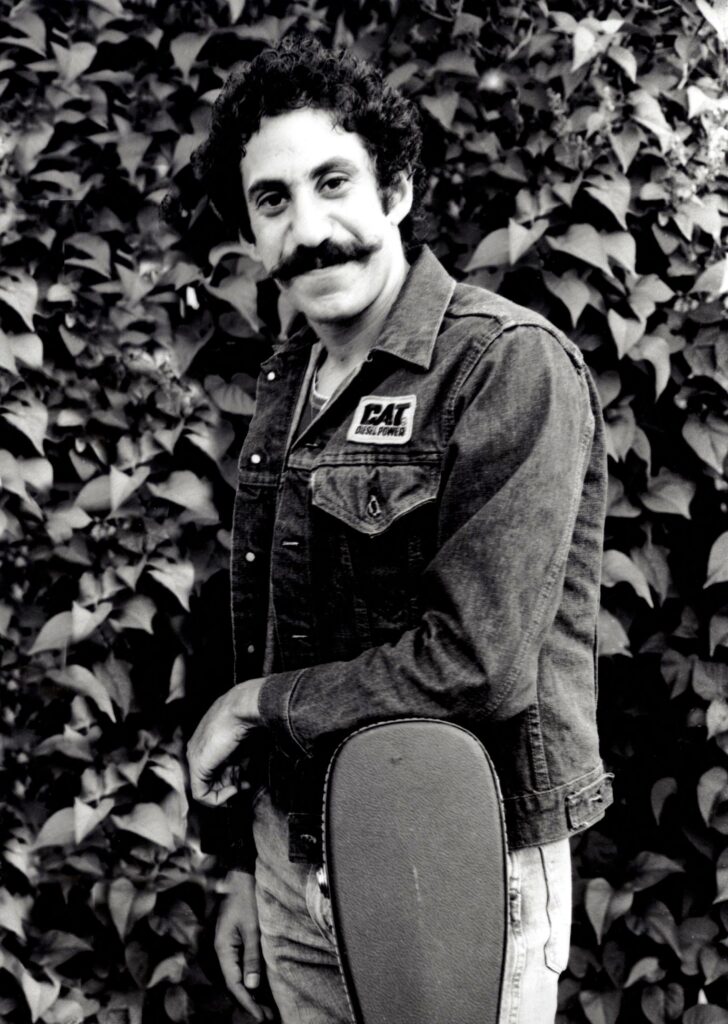
Issued on March 20, 1973, Bad, Bad Leroy Brown was inspired by a brash fellow soldier Croce met while stationed at Fort Dix. Its blend of humor, danger, and sharply drawn character detail made it the only No. 1 hit of his lifetime, yet it was just one piece of his prolific early‑’70s songbook. Following his tragic passing later that year, his narrative precision echoed again when Time in a Bottle—first released on his 1972 album—rose to a posthumous No. 1 in January 1974, underscoring how deeply his storytelling shaped the era.
Image of Jim Croce via Alamy
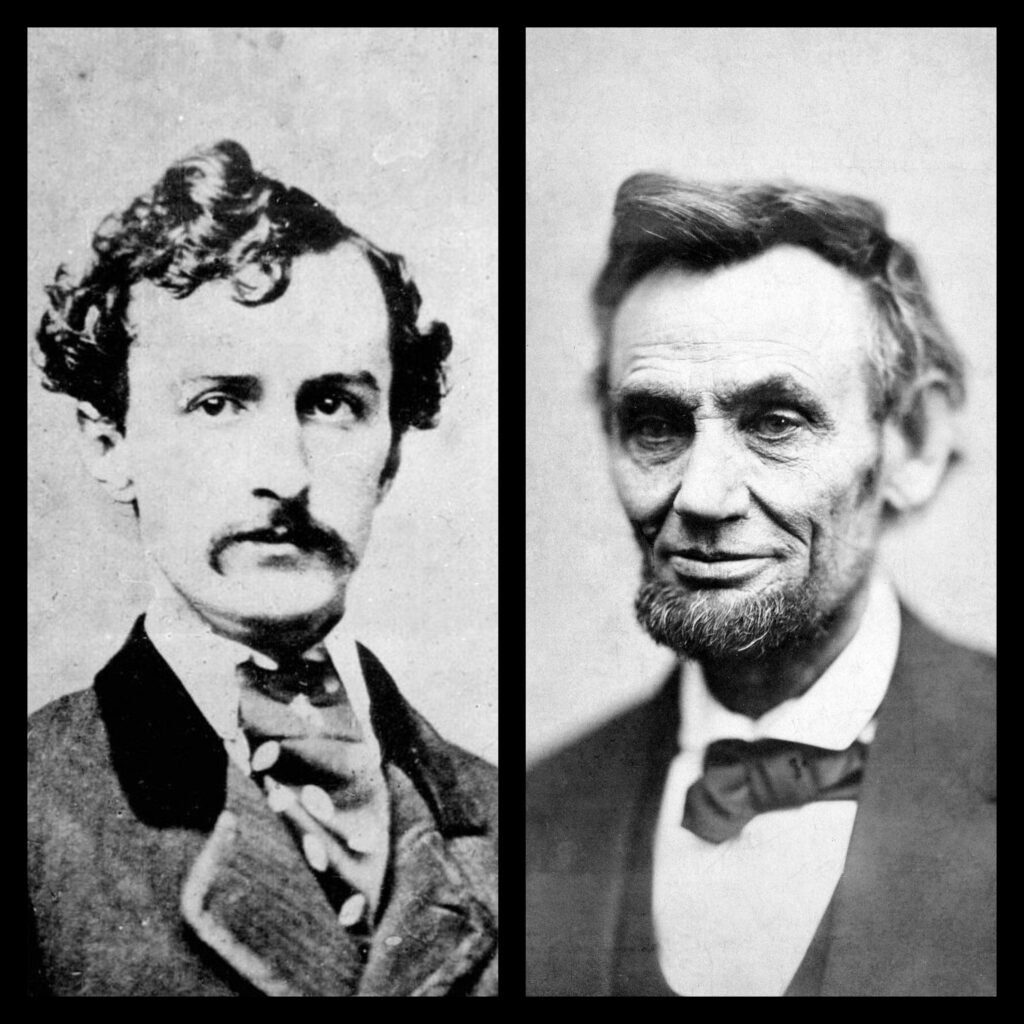
John Wilkes Booth had originally marked March 20, 1865, as the day he intended to kidnap President Abraham Lincoln. In Booth’s planning meetings and notes, the 20th was the chosen moment when he and his conspirators would intercept Lincoln’s carriage on the road to the Soldier’s Home, overpower his driver, and rush the president south toward a waiting boat on the Potomac.
But before March 20 arrived, Booth learned that Lincoln would travel to Campbell Military Hospital on March 17 — a route far more isolated and predictable than anything Booth had anticipated for the 20th. Seeing a better opportunity, Booth moved the plan up. He and six conspirators rode out on the afternoon of March 17, armed and mounted, and waited along the narrow road for Lincoln’s carriage to appear.
Lincoln’s schedule changed at the last moment. He never made the hospital visit, and the ambush dissolved without a signal. The abandoned March 20 date remains the clearest marker of Booth’s original design — the moment his kidnapping conspiracy reached its most organized form before collapsing into the failed roadside attempt and, weeks later, into something far more violent.
Images via Wikimedia Commons, public domain
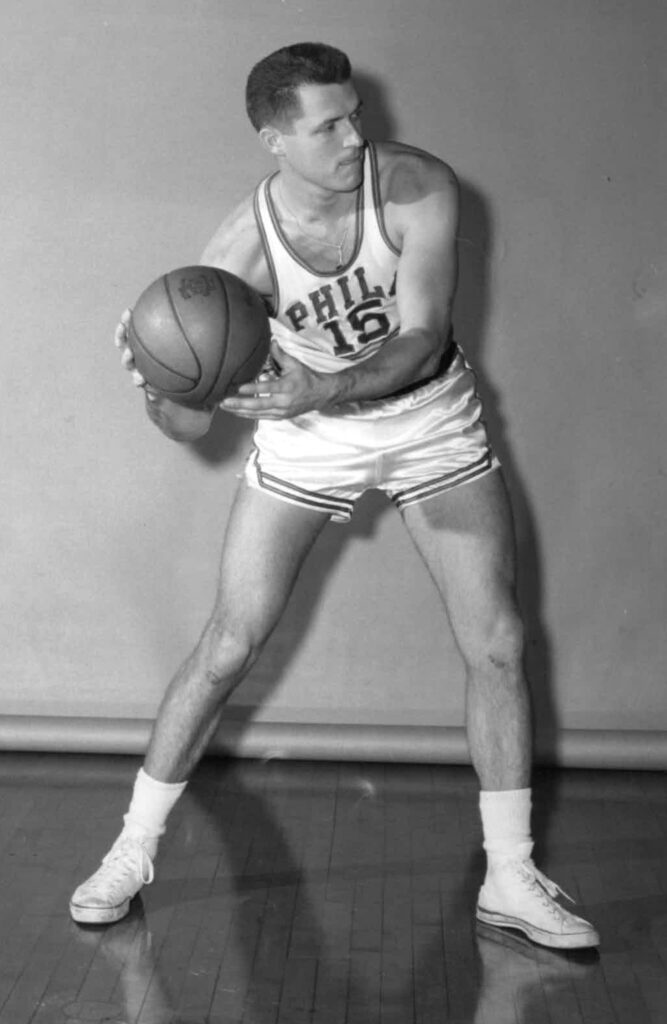
On March 20, 1954, at Municipal Auditorium in Kansas City, La Salle defeated Bradley 92–76 in a title game that broke new ground on and off the court. Led by tournament MVP Tom Gola—who would go on to win an NBA title as a Philadelphia Warrior (shown) —La Salle’s 92 points set a new championship scoring record. The matchup also became the first NCAA final TV broadcast nationwide, with the NCAA selling the rights for just $7,500. Even so, some major markets—including Philadelphia—aired the game only as a late-night delayed broadcast, not live in prime time.
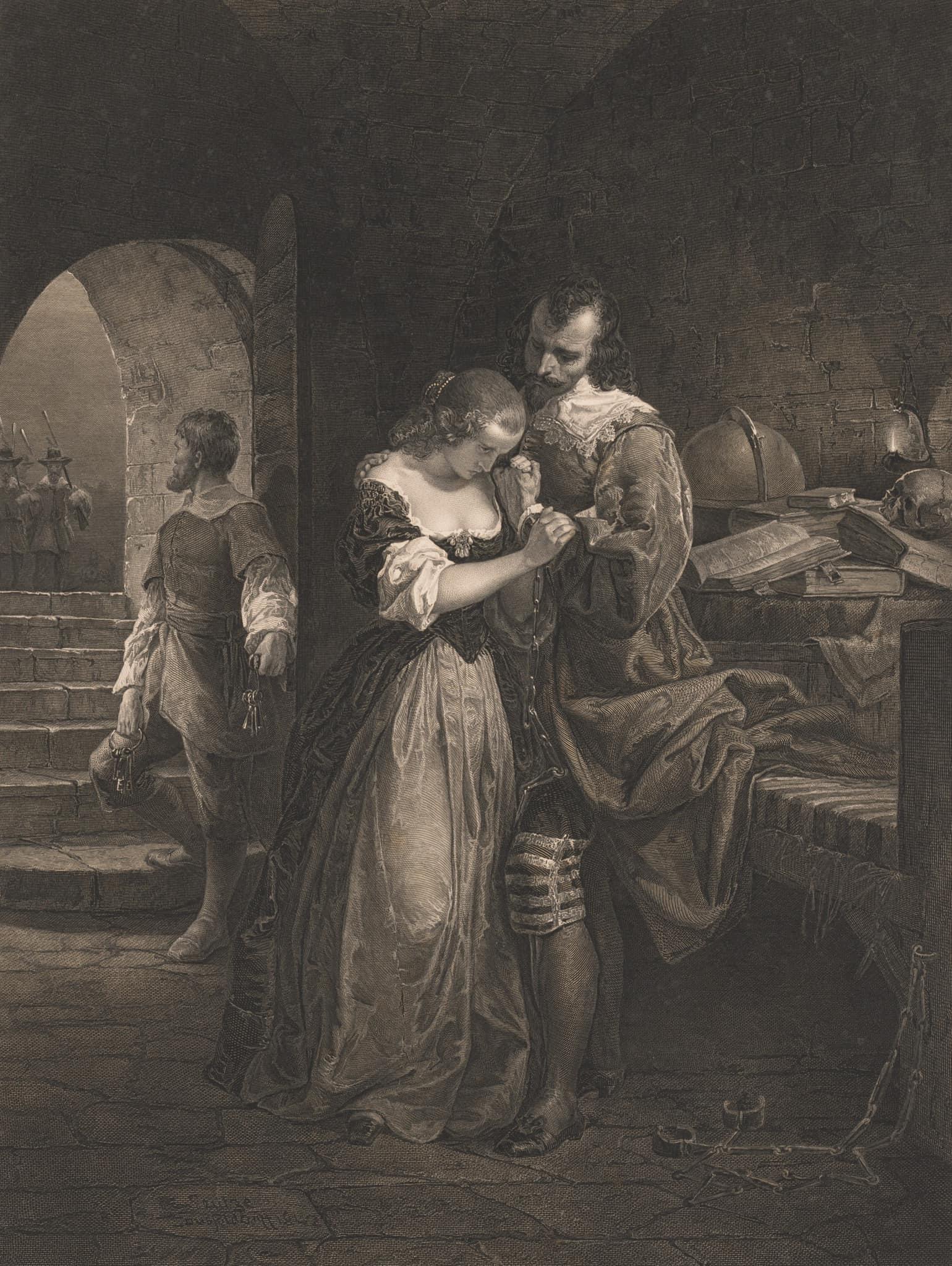
An engraving of Sir Walter Raleigh parting with his wife Elizabeth Throckmorton who was a Gentlewoman of the Privy Chamber of Queen Elizabeth I
Raleigh and Throckmorton were secretly married and afterwards they spent a brief time together in The Tower of London after falling out of favor with Queen Elizabeth. (The couple didn’t ask permission from the Queen before they were wed.)
Years later Raleigh was sent to the Tower again after being accused of plotting against the crown.
On March 20, 1616 Sir Walter Raleigh was released from the Tower of London after being imprisoned there for about thirteen years. He lived another 2 years after his release until he was beheaded.
In American history Sir Walter Raleigh is known as the figure who funded and authorized the expedition and settlement of “The Lost Colony of Roanoke Island.”
Image via Wikimedia Commons, public domain
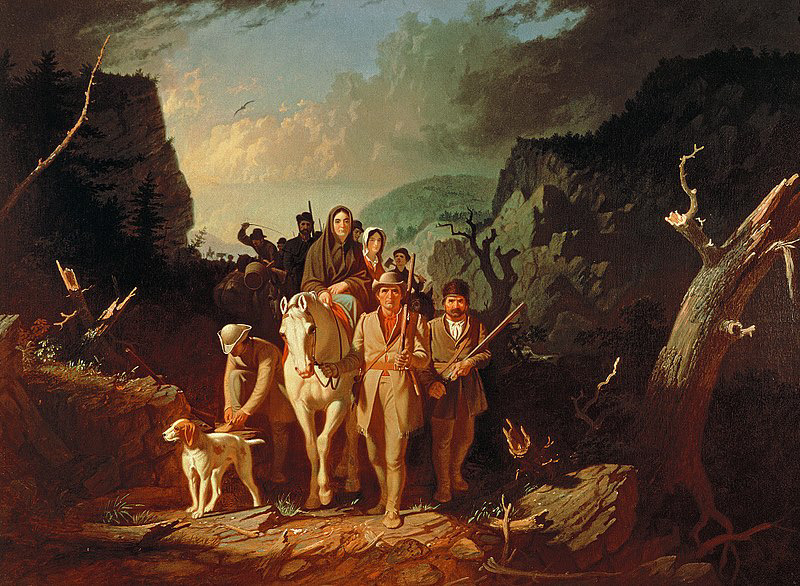
Born March 20, 1811 in Augusta County, Virginia, George Caleb Bingham spent much of his life along the Missouri River. He was elected or appointed to several political offices but is best remembered for his realistic paintings of early America. Here he depicted Daniel Boone leading settlers through the Cumberland Gap.
Image via Bridgeman Art Library via Wikimedia Commons, public domain in the US.
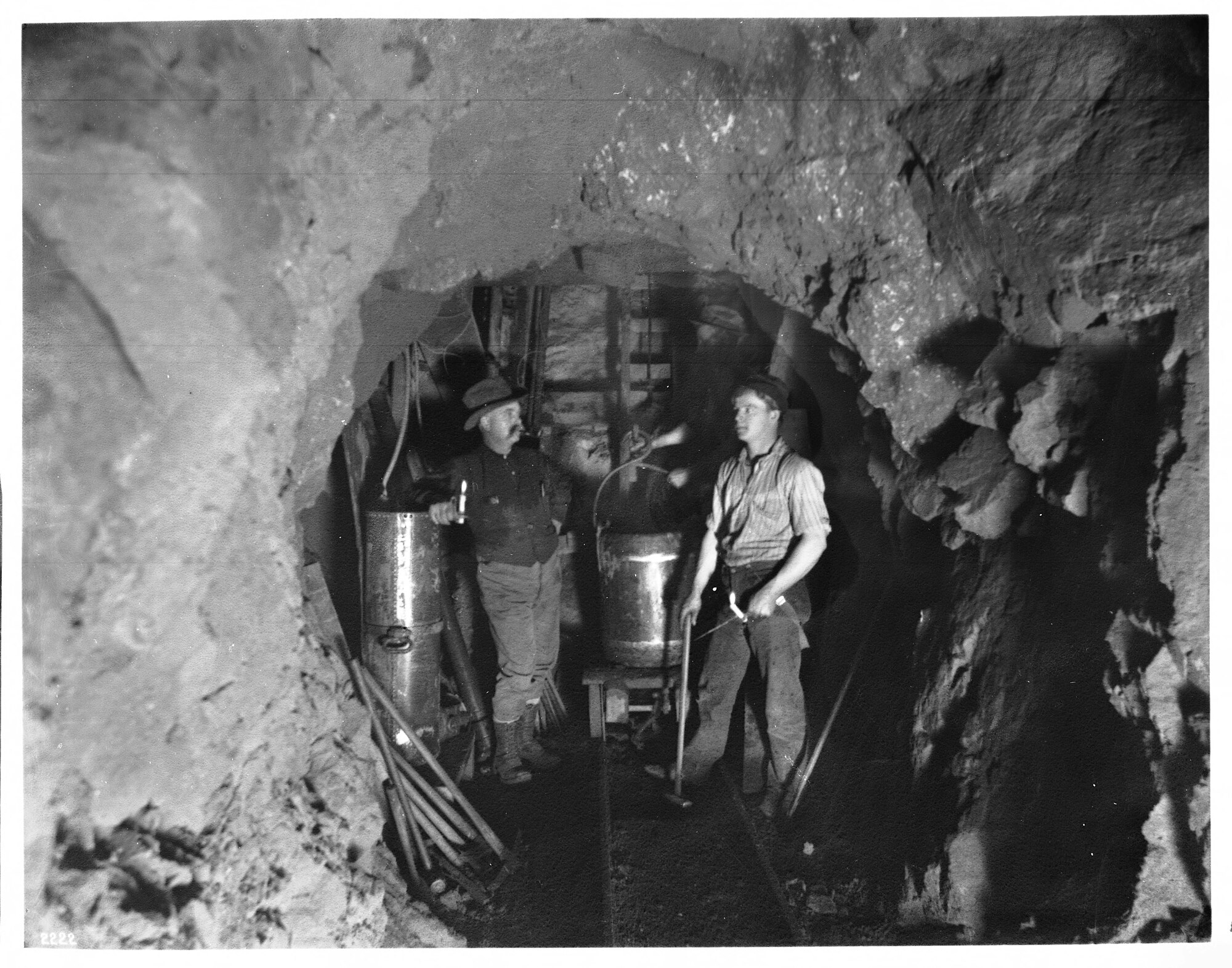
Interior view of the Santa Ana Tin Mine, Orange County,
March 20, 1903
from California Historical Society via Wikimedia Commons, public domain
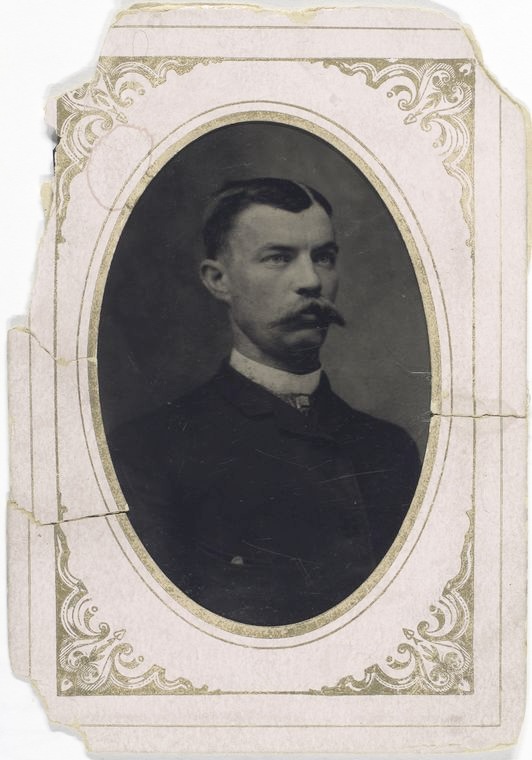
Pro baseball hall of fame outfielder, George Wood, had some of his best seasons in the 1880s.
In 1882, as a Detroit Wolverine, he led the National League in home runs and had eight double plays (from the outfield) that same season.
Image of George Wood that was taken in Charleston, S.C. on March 20, 1886, the same year he became a Philadelphia Quaker.
Image via NYPL Digital Collections, no known restrictions
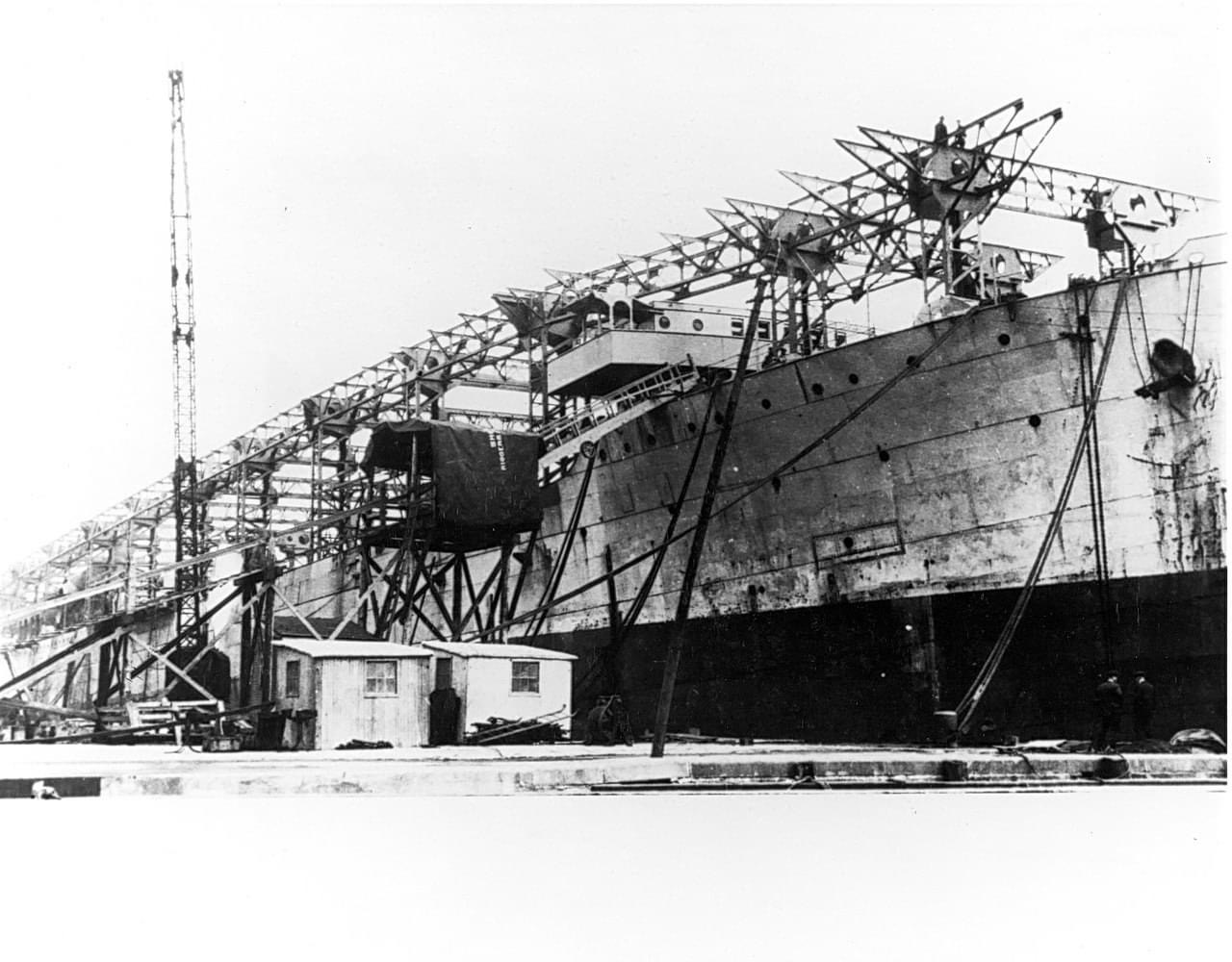
On March 20, 1922, the U.S. Navy’s first aircraft carrier, the USS Langley was commissioned.
Before the USS Langley became an aircraft carrier she was the USS Jupiter and was used during WWI.
Image: USS Langley during her conversion into an aircraft carrier in 1921.
Image via Wikimedia Commons, public domain
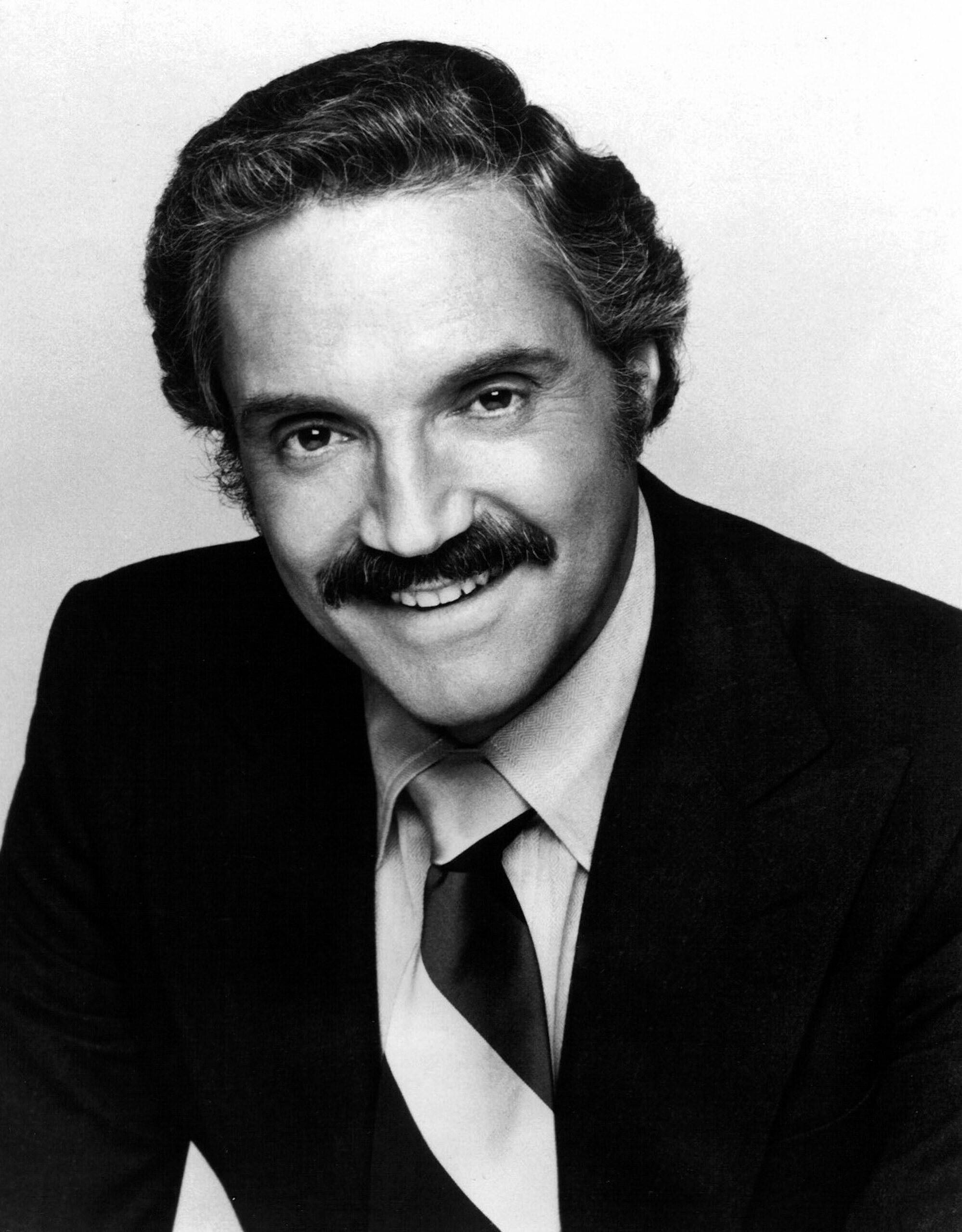
Hal Linden, best known for playing the title role of Barney Miller in the TV Series that aired from 1975-1982, was born on March 20, 1931 in the Bronx, New York.
His real name is Harold Lipshitz, but he changed his name during a bus trip between Philadelphia and New York after seeing “Linden” inscribed on a water tower in Linden, New Jersey.
Image via Wikimedia Commons, public domain
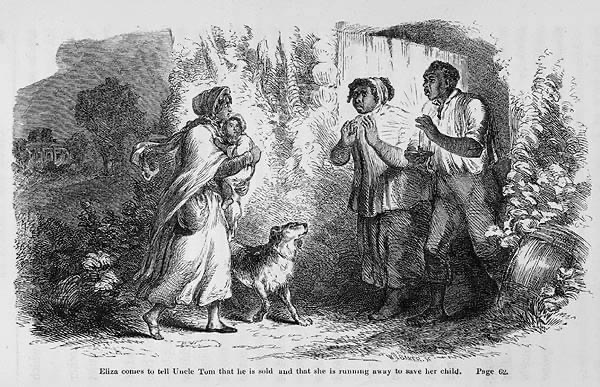
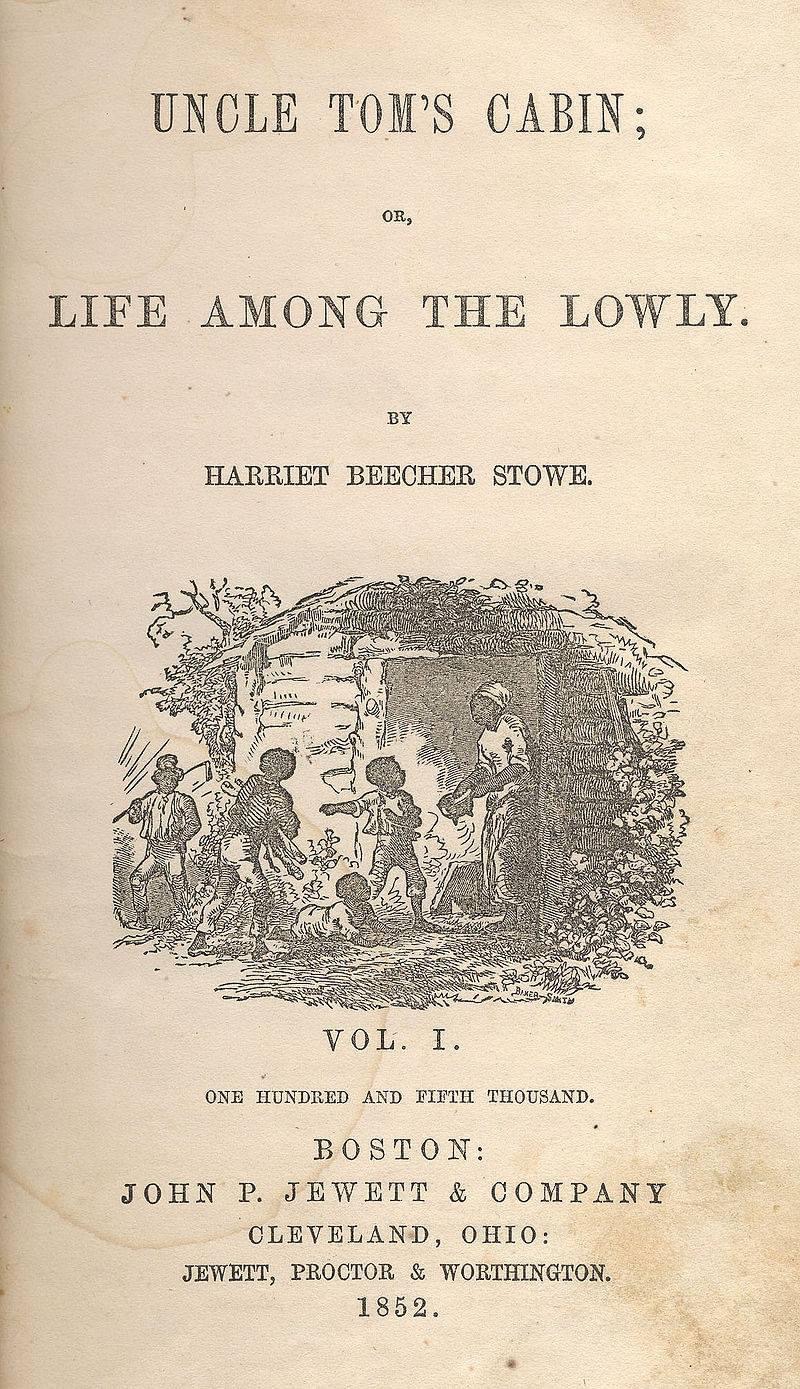
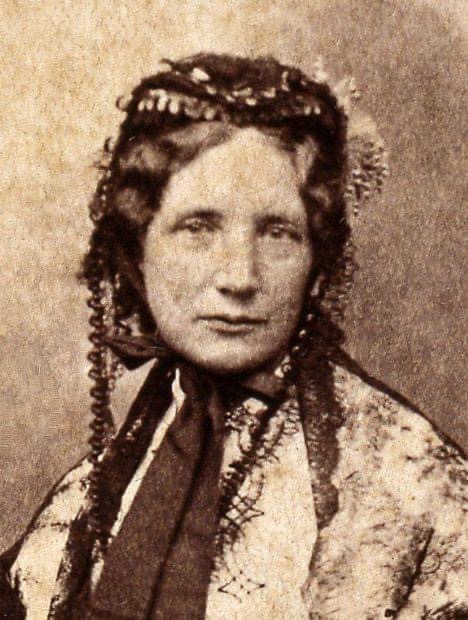
On today’s date March 20, 1852: Harriet Beecher Stowe’s “Uncle Tom’s Cabin” or “Life Among The Lowly” was first published.
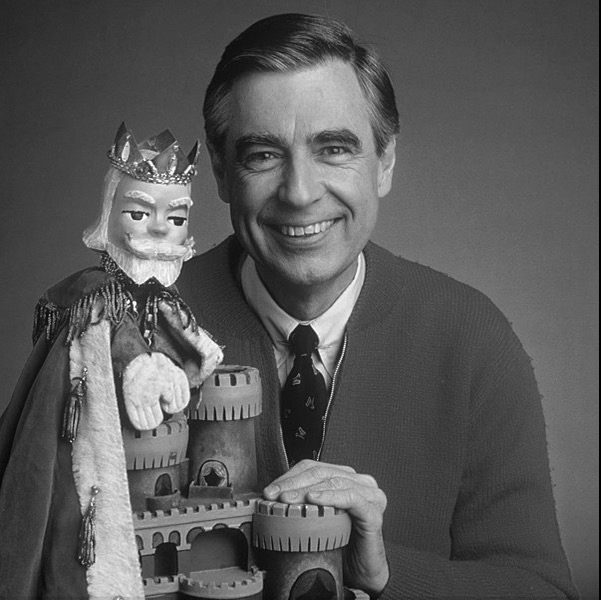
Fred McFeely Rogers, born March 20, 1928 in Latrobe, Pennsylvania, will always be known as Mister Rogers. An ordained minister, his television show ran for 33 years and his quiet demeanor reassured young viewers by addressing tough topics like loss of a pet, starting a new school, divorce, and sibling rivalry.
Inage via Wikimedia Commons, public domain in the US.
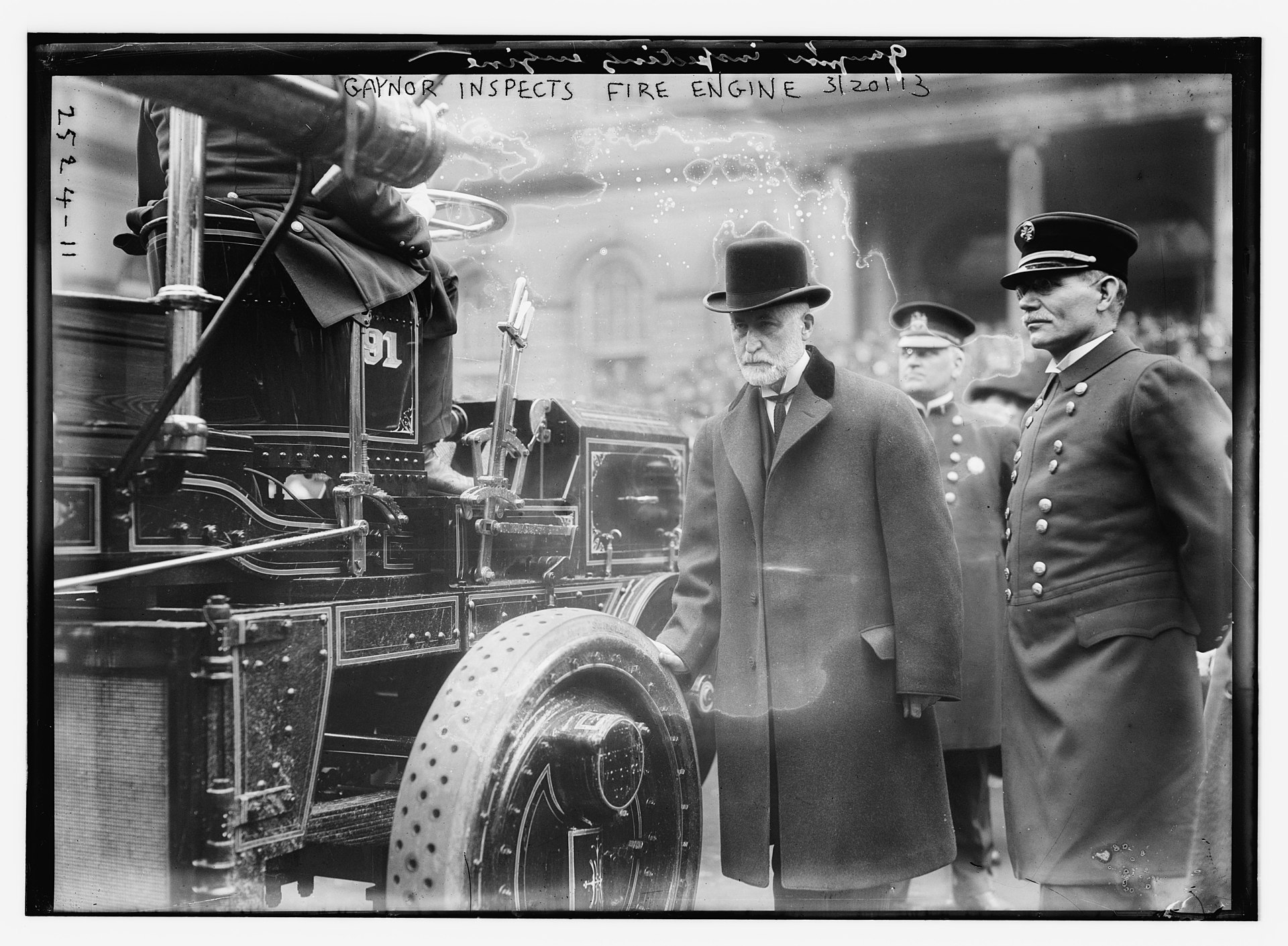
A photograph of the 94th Mayor of New York City, William Jay Gaynor, inspecting a fire engine on March 20, 1913.
Three years earlier, William Jay Gaynor was struck by a bullet in an assassination attempt. The bullet remained lodged in his throat for the rest of his life. He passed away later in 1913, about six months after this photo was taken, from a heart attack aboard a ship crossing the Atlantic.
Image via Wikimedia Commons, public domain in the US.
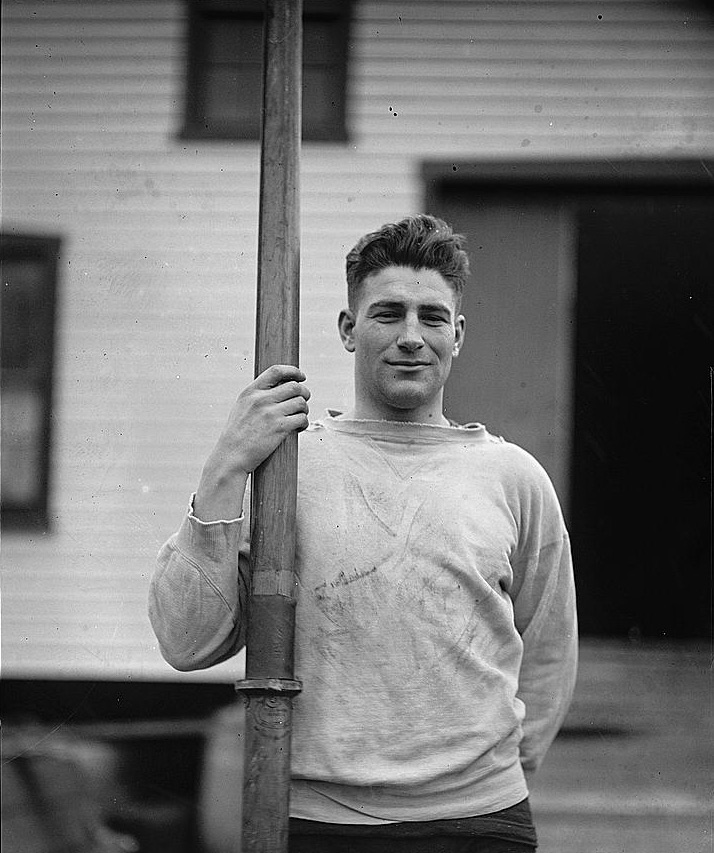
A photo of Harry A. Bolles, Captain of the rowing team in Annapolis, Maryland that was taken on March 20, 1923.
A veteran of WWI, Harry continued his service in the Navy and entered the U.S. Naval Academy in Annapolis after the war. Later he was a Commander during WWII. Tragically he and others were killed in a plane crash during a mission in Alaska in 1943.
Image via Library of Congress, no known restrictions
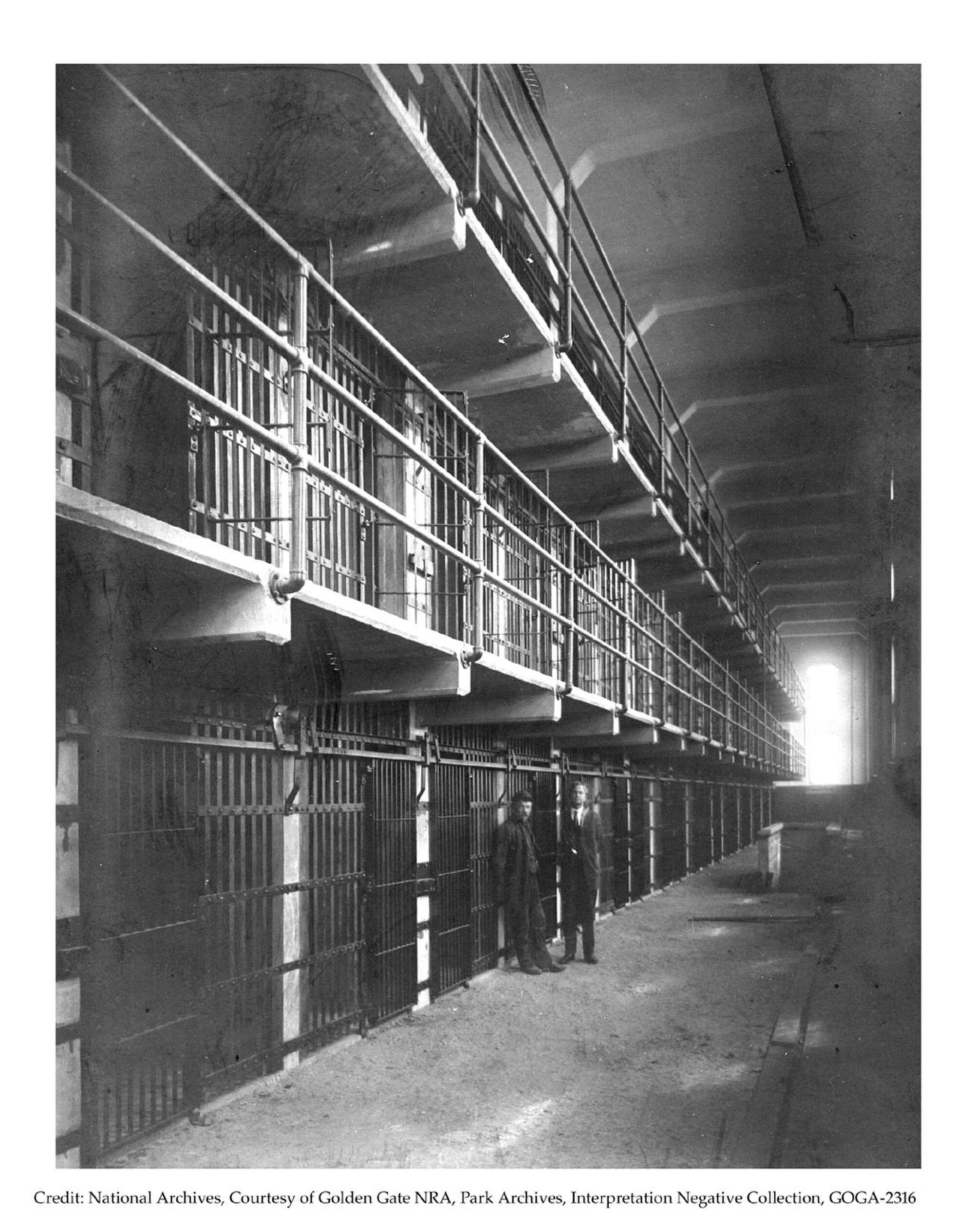
Two men standing in the newly completed Alcatraz cell block D, March 20, 1911.
via Wikimedia Commons, public domain
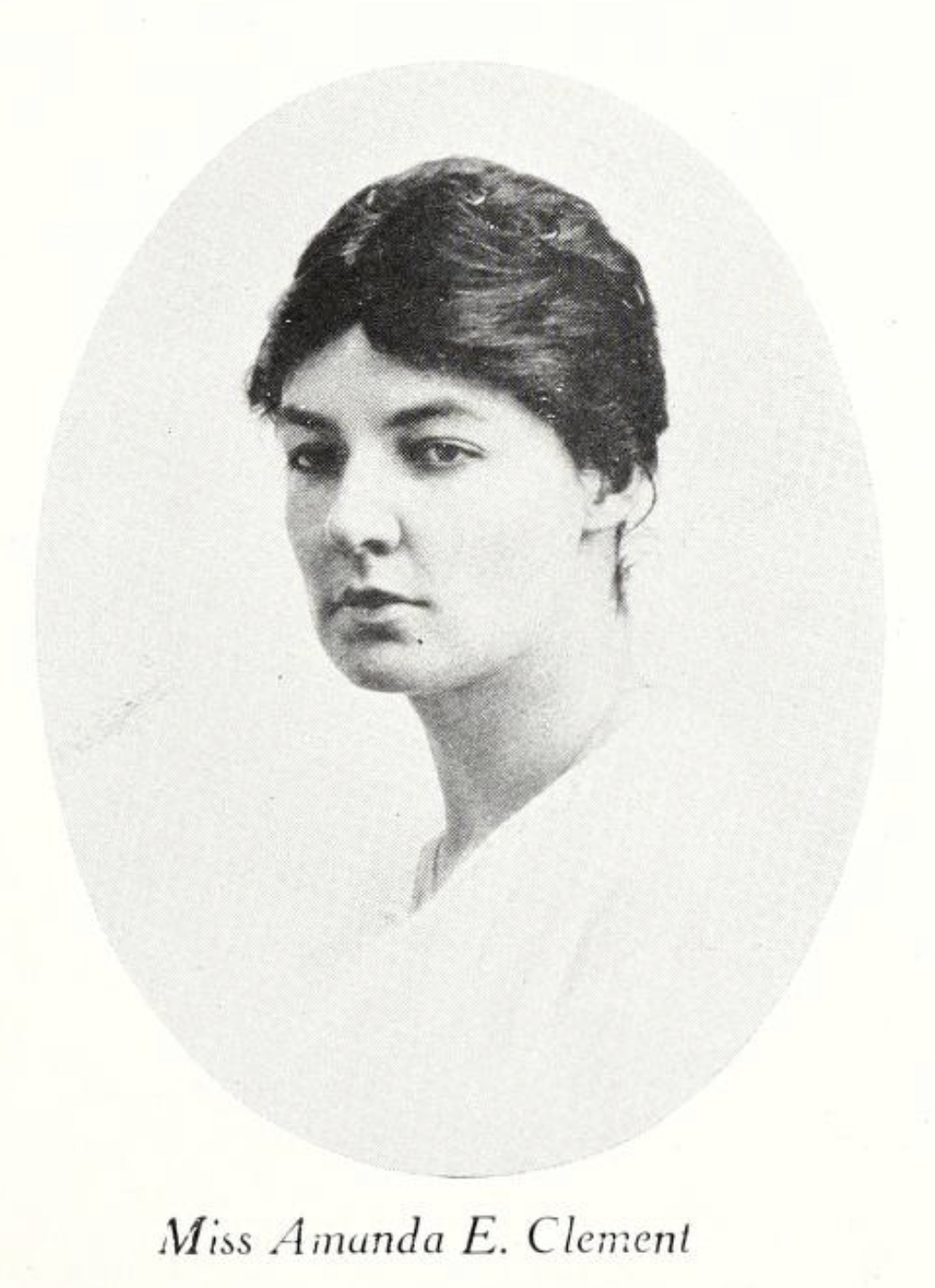
Born March 20, 1888 Amanda E. Clement of South Dakota was the first woman paid to umpire a semi-professional baseball game in the US. She officiated for six years in the early 1900s, earning $15 – $20 per game to help pay for college. She was also an avid athlete, competing in basketball, tennis, and track.
Image of Amanda when she was the Instructor in Physical Training for Women at the University of Wyoming c. 1918
https://archive.org/details/wyo10juni/page/n143/mode/1up?q=Amanda+Clement&view=theater
Source says not in copyright
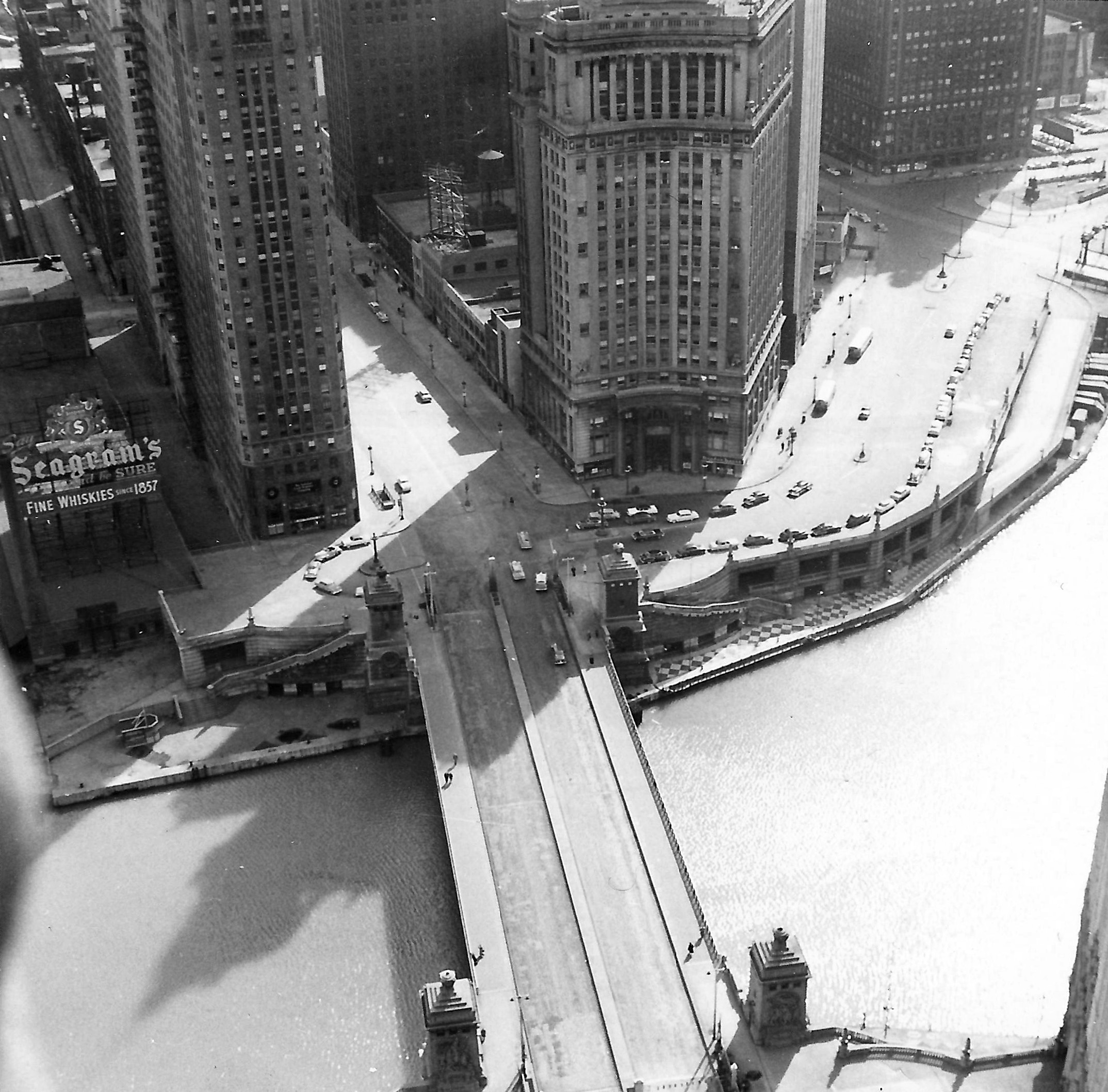
View of the Chicago River. Looking down from the Tribune building. Photo taken by Chuck Battles on March 20, 1953.
Image from Homini:) CC BY 2.0 via Wikimedia Commons
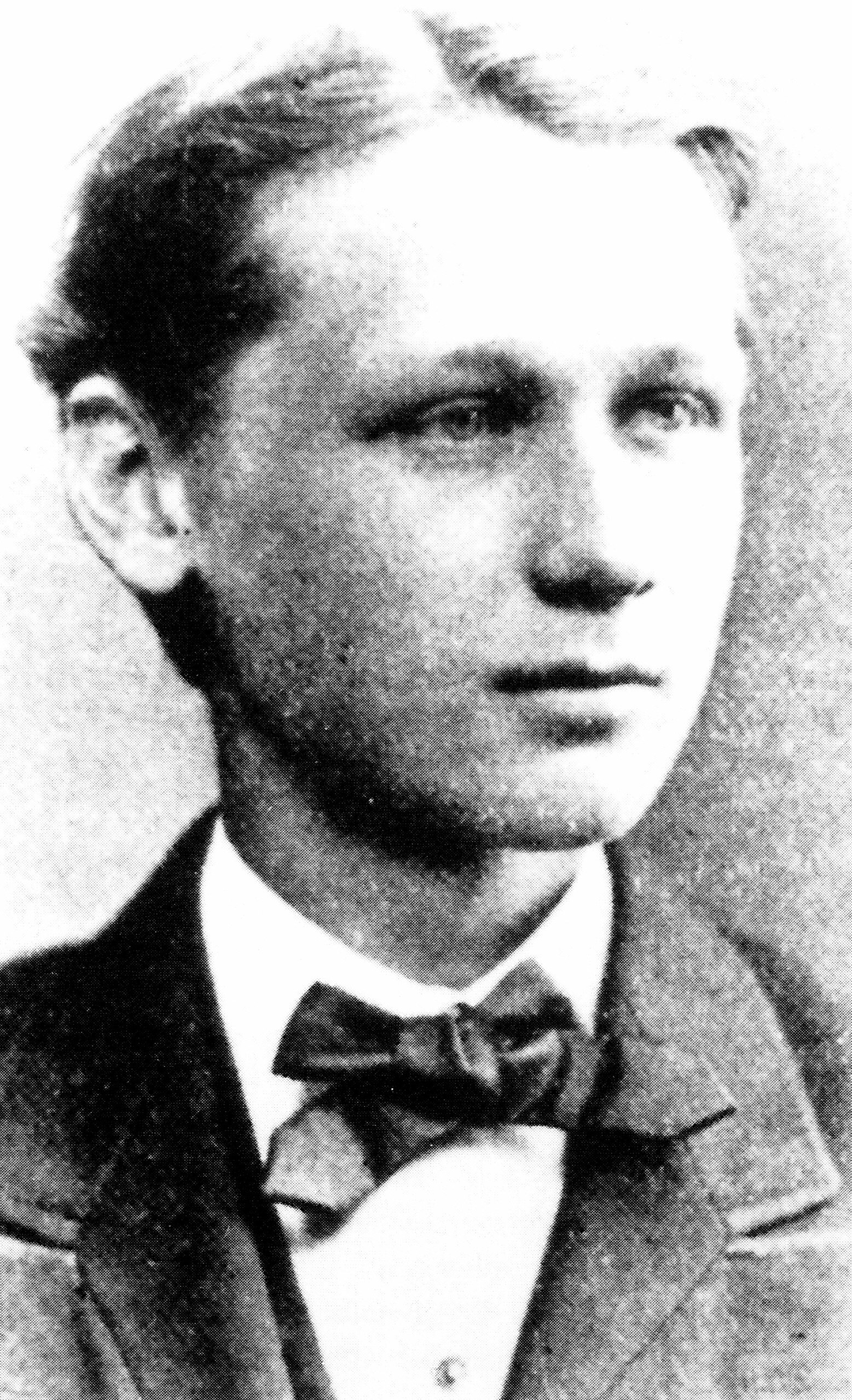
“The principal object of management should be to secure the maximum prosperity for the employer coupled with the maximum prosperity for each employee.”
– Frederick Winslow Taylor who was born on March 20, 1856 in Philadelphia, PA.
Taylor advanced industry and manufacturing in America through his innovative management and engineering practices.
Image: Frederick Taylor in 1873 via Wikimedia Commons, public domain
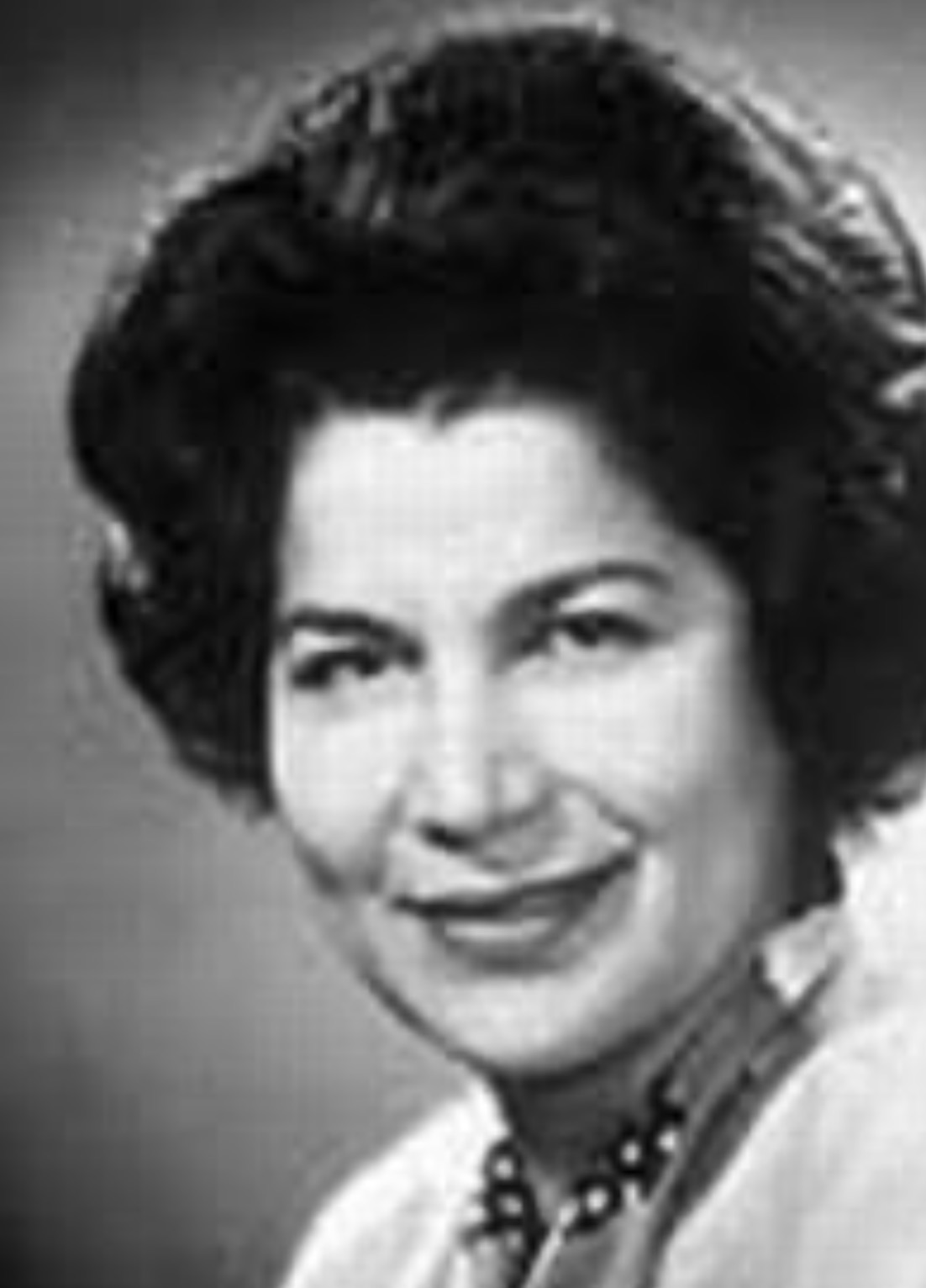
Born on March 20, 1925, in the mining town of Miami, Arizona, Romana Acosta Bañuelos grew up in the shadow of the mass deportations of the 1930s, when her family—American‑born children included—was forced across the border into Mexico. Returning to the United States as a teenager, she rebuilt her life from nothing, working long hours in Los Angeles kitchens and saving every possible dollar until she could launch a small tortilla business that grew into a thriving enterprise. Seeing how often Mexican‑American families were denied access to credit, she co‑founded the Pan‑American National Bank, one of the first Latino‑owned banks in the country and a vital financial anchor for East Los Angeles. Her record of discipline and community leadership eventually drew national attention. When the Nixon administration first called to ask if she would serve as the nation’s 34th Treasurer, she reportedly assumed it was a prank and hung up. In 1971, she accepted the appointment, becoming the first Latina to hold the office, her signature soon appearing on the nation’s currency. Her life remains a testament to resilience, enterprise, and the resolute power of opening doors for others.
