
A Blueprint for the Ages
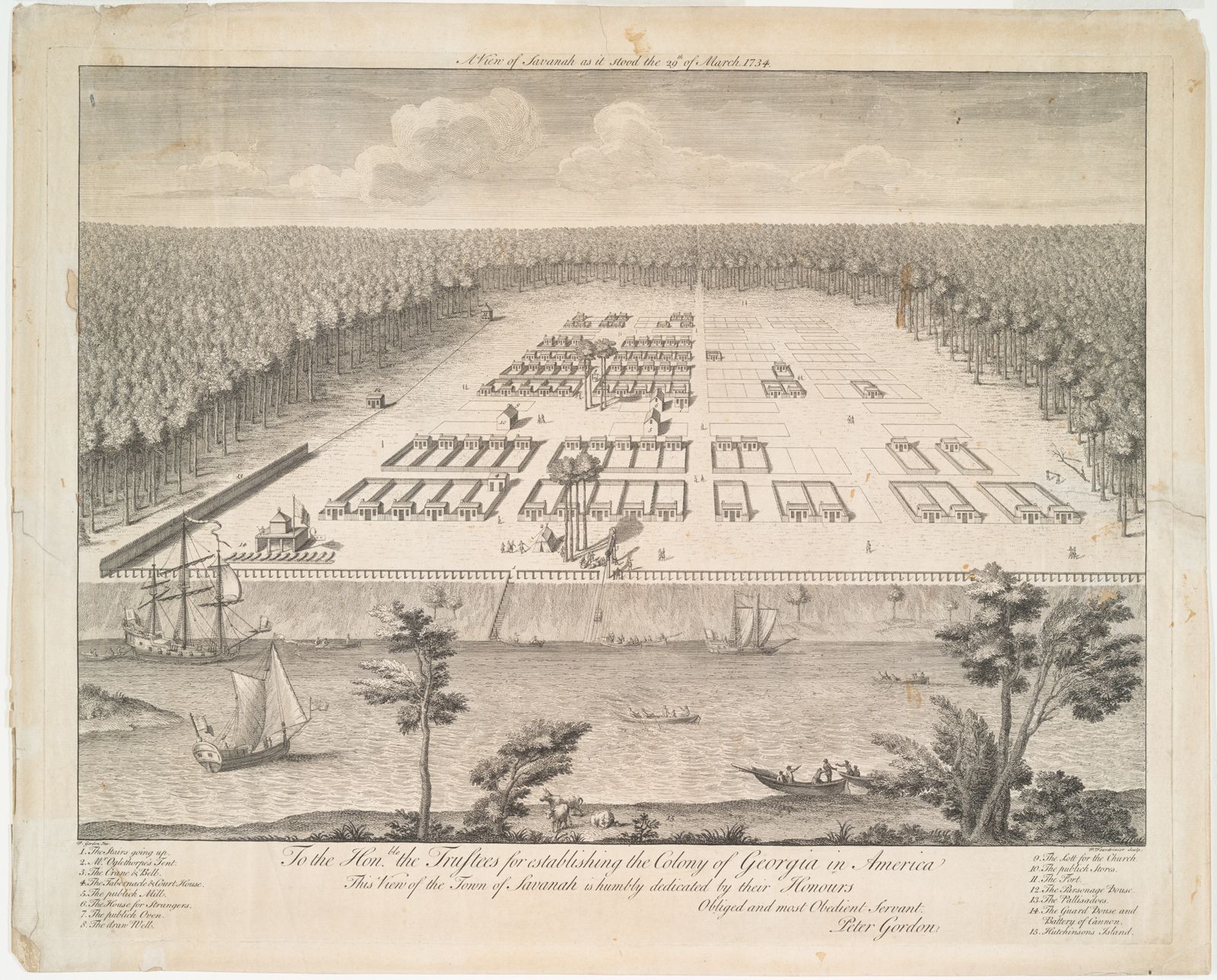
March 29, 1734: A bird’s-eye view of Savannah, Georgia, as it appeared just one year after its founding. This famous “Oglethorpe Plan” featured a unique grid of interconnected squares that acted as both military wards and community hubs. Remarkably, this 290-year-old layout remains almost perfectly intact today, making Savannah one of the best-preserved colonial cities in America.
Image via NYPL Digital Collections
The Geologist First Lady
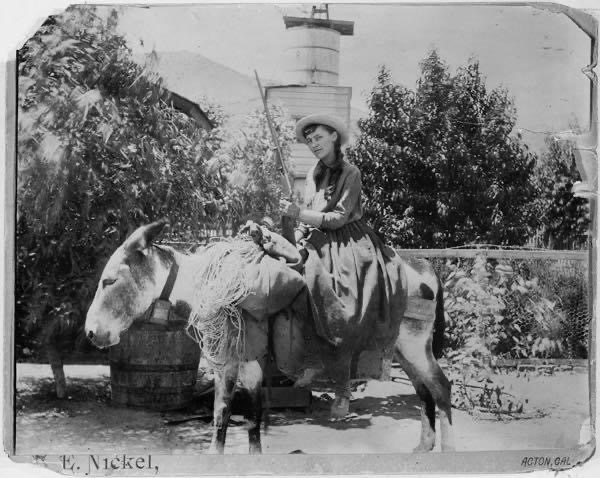
March 29, 1874: Future First Lady Lou Henry Hoover was born in Waterloo, Iowa. While often seen in photos as a rugged “tomboy”—like this 1891 shot of her riding a burro with a rifle—she was a trailblazer, becoming the first woman in America to earn a degree in geology (from Stanford). She even used those skills to help build defensive barricades while trapped in China during the Boxer Rebellion.
Image via Wikimedia Commons, public domain
A Vote for the Capital
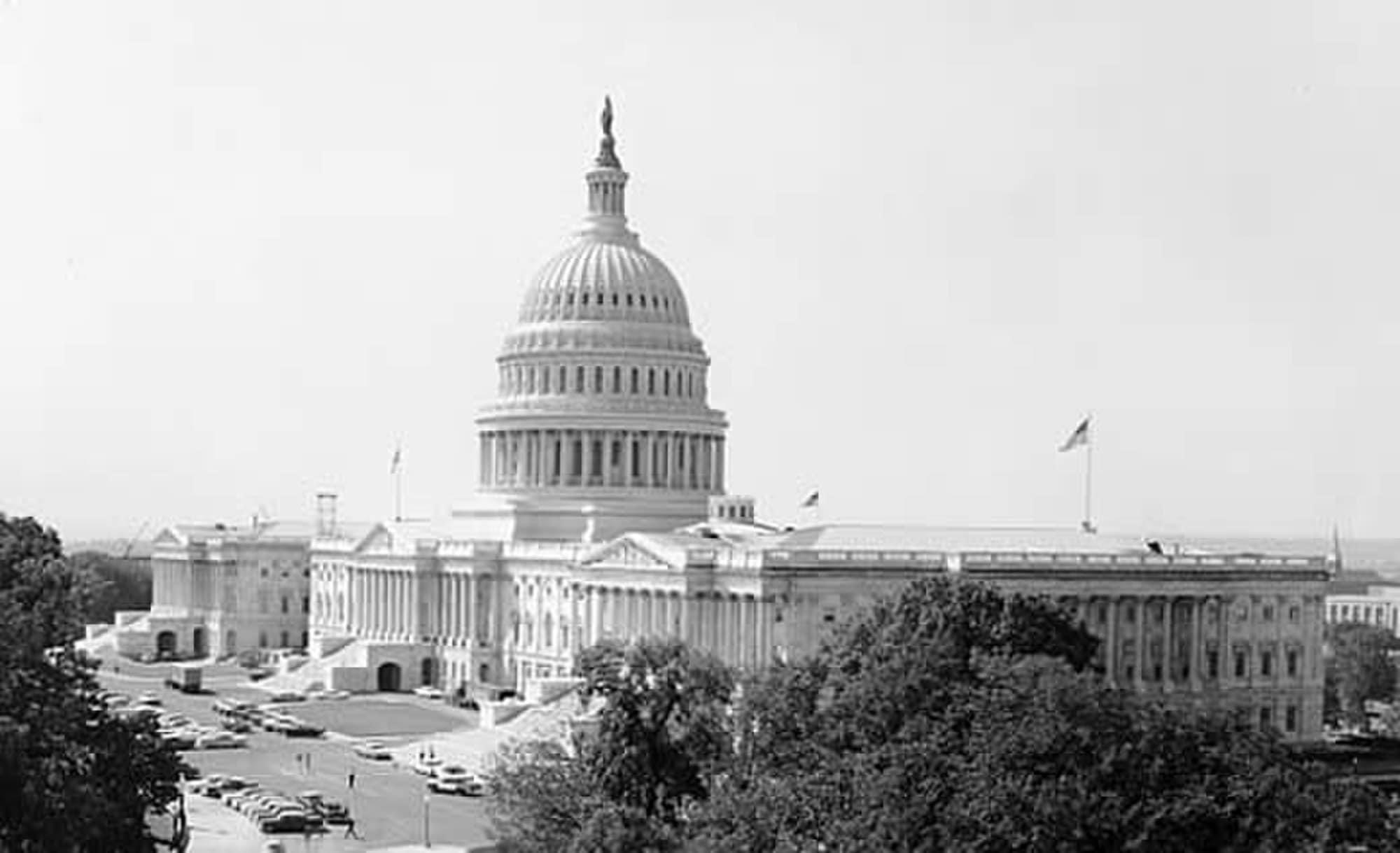
March 29, 1961: The 23rd Amendment was ratified, finally giving residents of Washington, D.C., the right to vote in presidential elections. While they cast their first ballots in 1964, the fight for “Home Rule” continues; to this day, D.C. residents still lack a voting representative in Congress, which is why their license plates famously protest “Taxation Without Representation.”
Image of the U.S. Capitol, early 1960s, via Wikimedia Commons
“His Accidency” Speaks
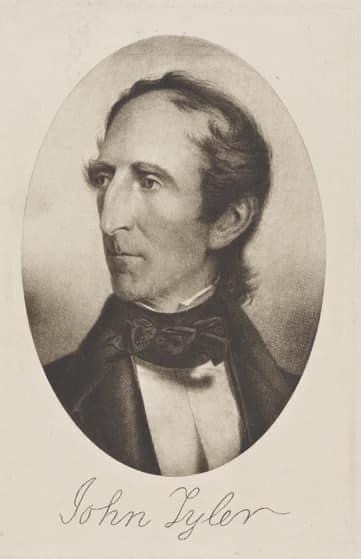
March 29, 1790: The 10th President, John Tyler, was born in Virginia. After the sudden death of William Henry Harrison, Tyler became the first Vice President to ascend to the office—a move so controversial his critics dubbed him “His Accidency.” Despite the pushback, he used his 1843 State of the Union to advocate for national unity through “mutual concessions” and compromise.
Image via NYPL Digital Collections
“Everyone Welcome, Everything Free”
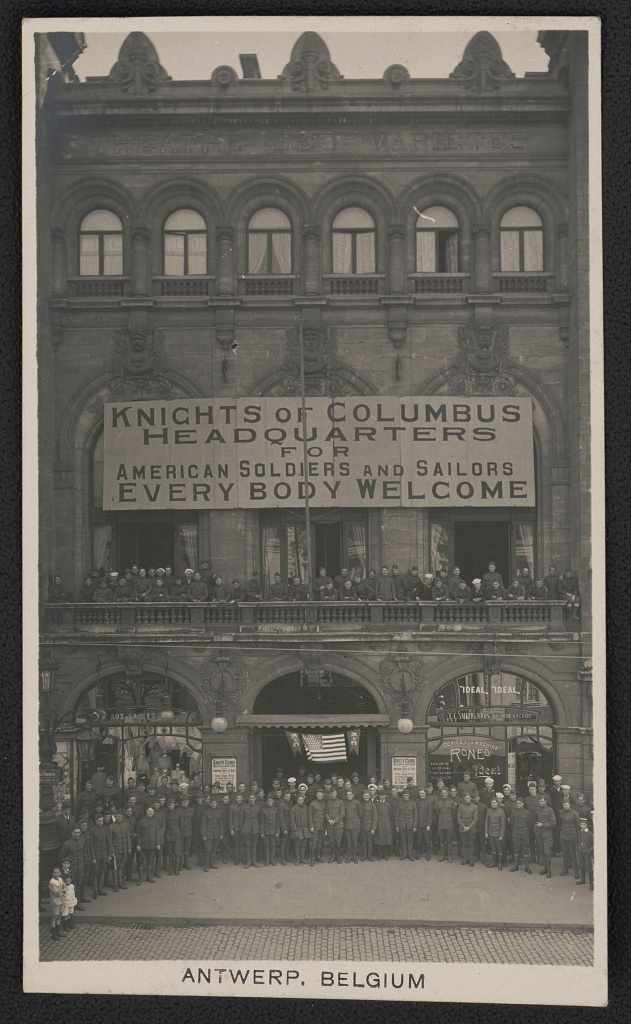
March 29, 1882: The Knights of Columbus were officially chartered in New Haven, Connecticut. Beyond their fraternal roots, they became legendary during WWI for their “service huts” in Europe. Unlike other organizations of the era, the Knights operated under the motto “Everyone Welcome, Everything Free,” providing comfort and supplies to soldiers of all faiths and races.
Image: K of C Headquarters in Antwerp, Belgium
The “Hello, Dolly!” Legend
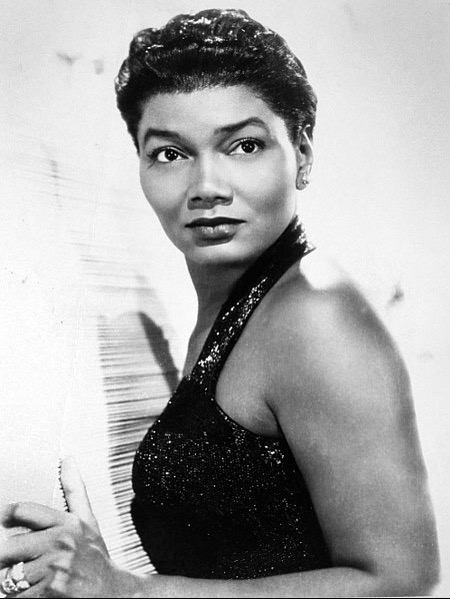
March 29, 1918: Multi-talented entertainer Pearl Bailey was born in Newport News, Virginia. Her 50-year career spanned the Apollo Theater, Broadway, and the White House, but her proudest “performance” came late in life. At age 67, she walked across the stage at Georgetown University to receive a degree in theology, graduating in the same class as NBA star Patrick Ewing.
Image via Wikimedia Commons
The Birth of the Log Cabin in America
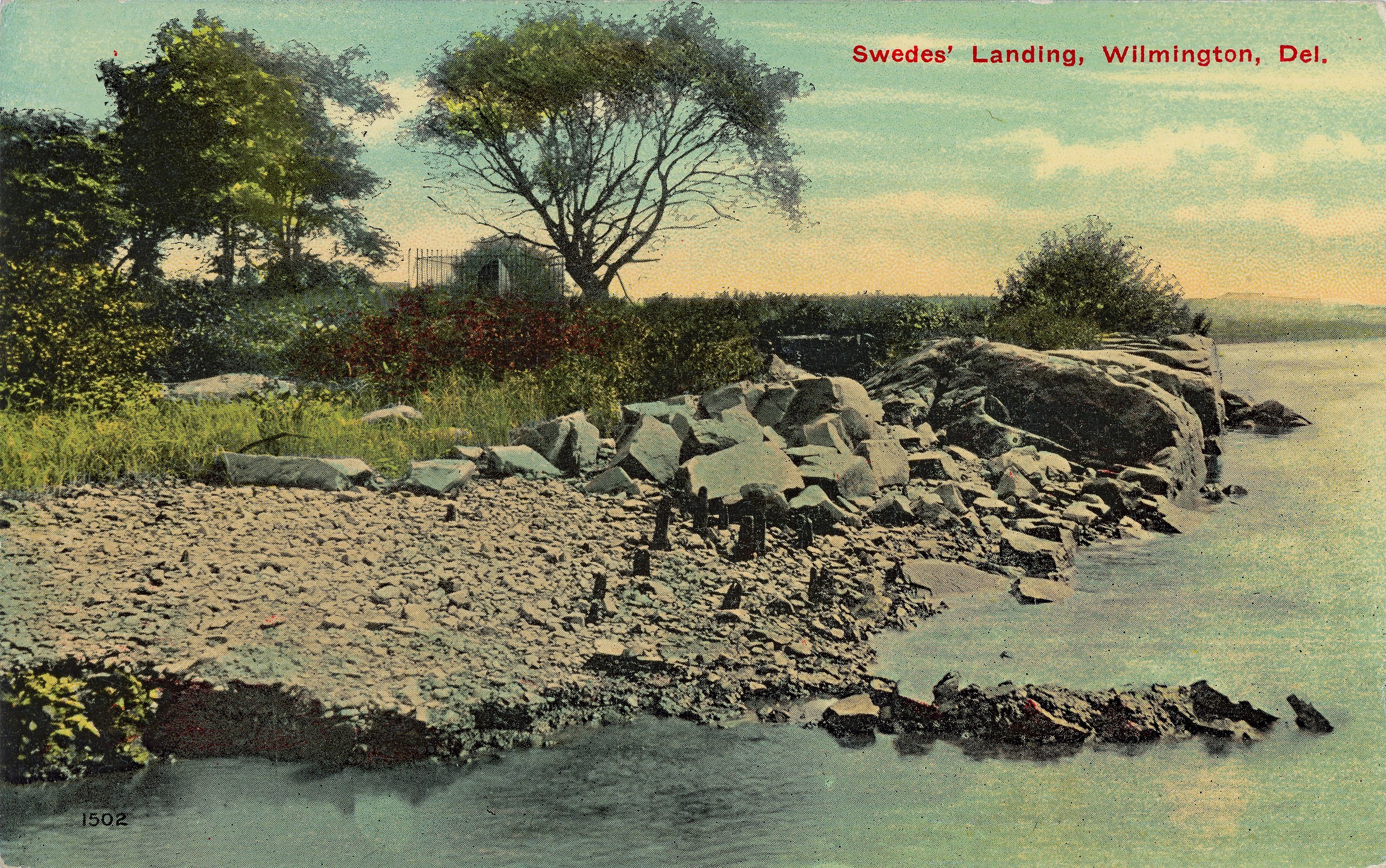
On March 29, 1638, explorer Peter Minuit and the first Swedish expedition anchored their ships, the Kalmar Nyckel and Fogel Grip, at Swedes’ Landing in modern-day Wilmington, Delaware. While the colony of “New Sweden” was relatively short-lived, these Swedish and Finnish settlers introduced an enduring architectural icon to the American frontier: the horizontal interlocking log cabin. While Native Americans had long mastered sophisticated timber structures like longhouses and wigwams, the Nordic pioneers brought a specific “survival tech” from the forests of Northern Europe—stacking logs horizontally with notched corners. This method required no expensive nails and allowed pioneers to build sturdy, rot-resistant homes directly from the dense virgin forests, forever changing the face of the American landscape.
Image via Wikimedia Commons

A Gravity-Defying First
March 29, 1974: NASA’s Mariner 10 performed the first-ever flyby of Mercury. This mission was a scientific “triple threat”: it was the first to visit two planets (Venus and Mercury), the first to use a planet’s gravity to “slingshot” to its next destination, and the first to use solar wind as a way to steer.
Image: Mercury via NASA/Wikimedia Commons
The Human Cyclone
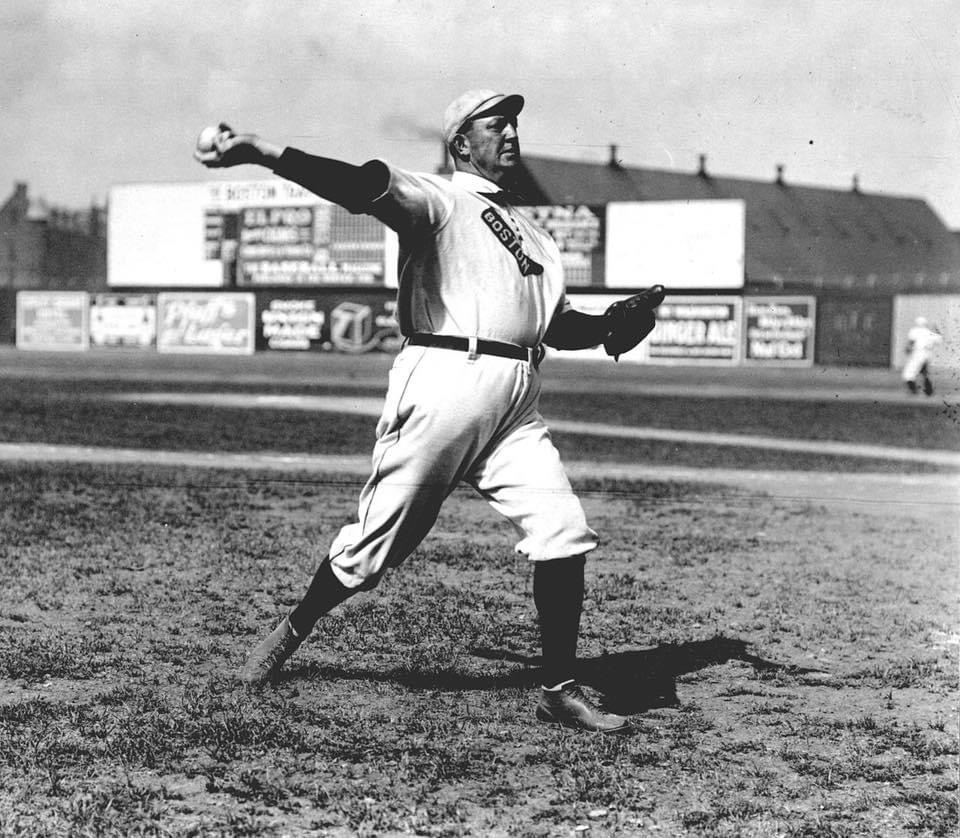
March 29, 1867: Baseball legend Cy Young was born in Gilmore, Ohio. He earned his famous nickname—short for “Cyclone”—as a young pitcher after a scout saw how his blistering fastballs had absolutely shredded a wooden fence during a tryout. He went on to record 511 wins, a record that remains unbroken to this day.
Image: Cy Young in 1908 via Wikimedia Commons
A Legacy in Ink and Iron
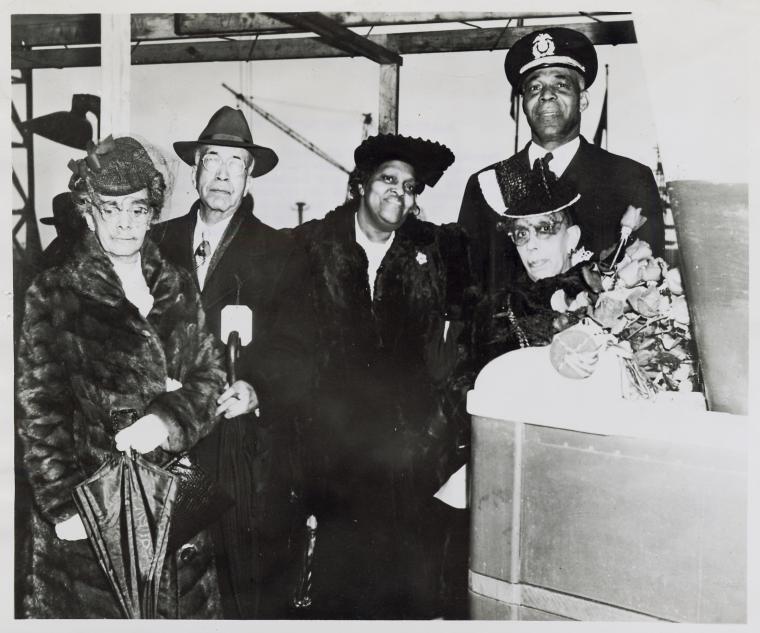
March 29, 1944: The Liberty ship SS John H. Murphy, Sr. was launched in Baltimore. It was named for a Civil War veteran who founded the Baltimore Afro-American newspaper. During WWII, the paper was a powerhouse of the Civil Rights movement, sending its own correspondents overseas to ensure the bravery of Black soldiers like those pictured at this launch was never forgotten.
Image via NYPL Digital Collections
A Historic Landing at Veracruz
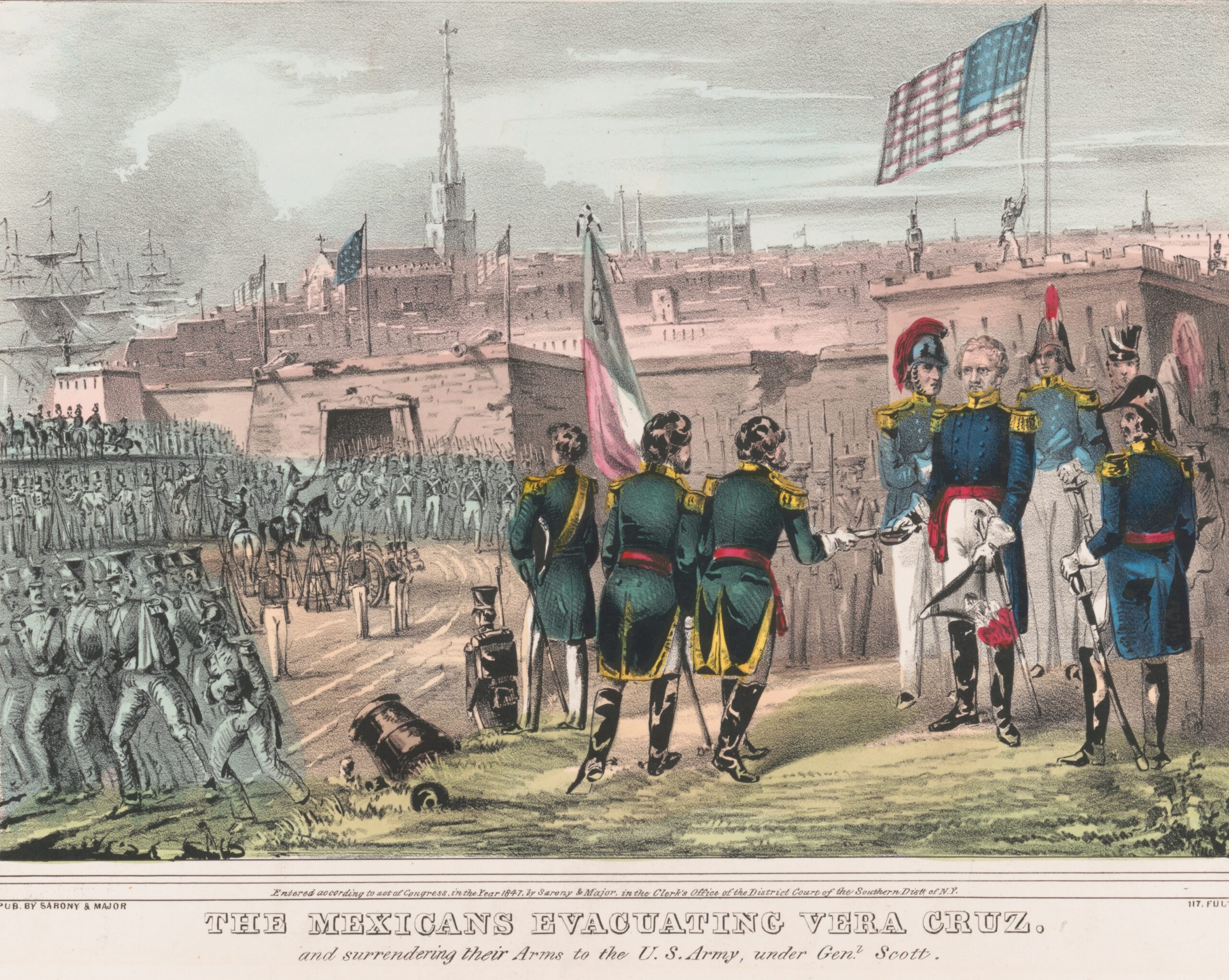
March 29, 1847: During the Mexican-American War, U.S. forces under General Winfield Scott successfully completed the Siege of Veracruz. This marked the first major amphibious landing in U.S. military history—a massive operation that saw 12,000 men hit the beach in just five hours without a single life lost.
Image via Wikimedia Commons
The First White House Wedding
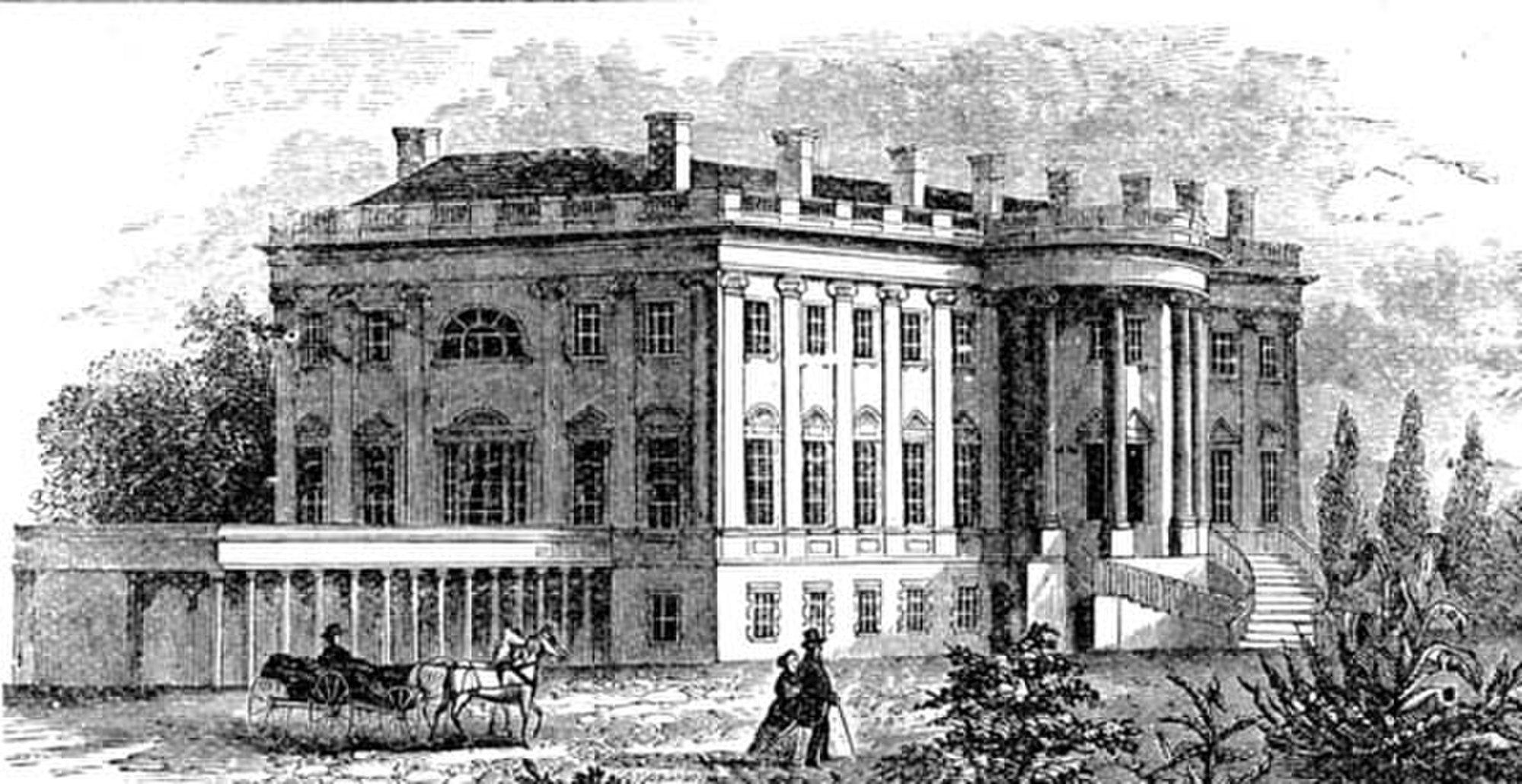
March 29, 1812: The White House hosted its very first wedding when Supreme Court Justice Thomas Toddmarried Lucy Payne Washington. The bride was the sister of First Lady Dolley Madison, and the high-profile ceremony helped establish the “President’s House” as the glittering social center of the young nation.
Image: 19th-century White House via Wikimedia Commons
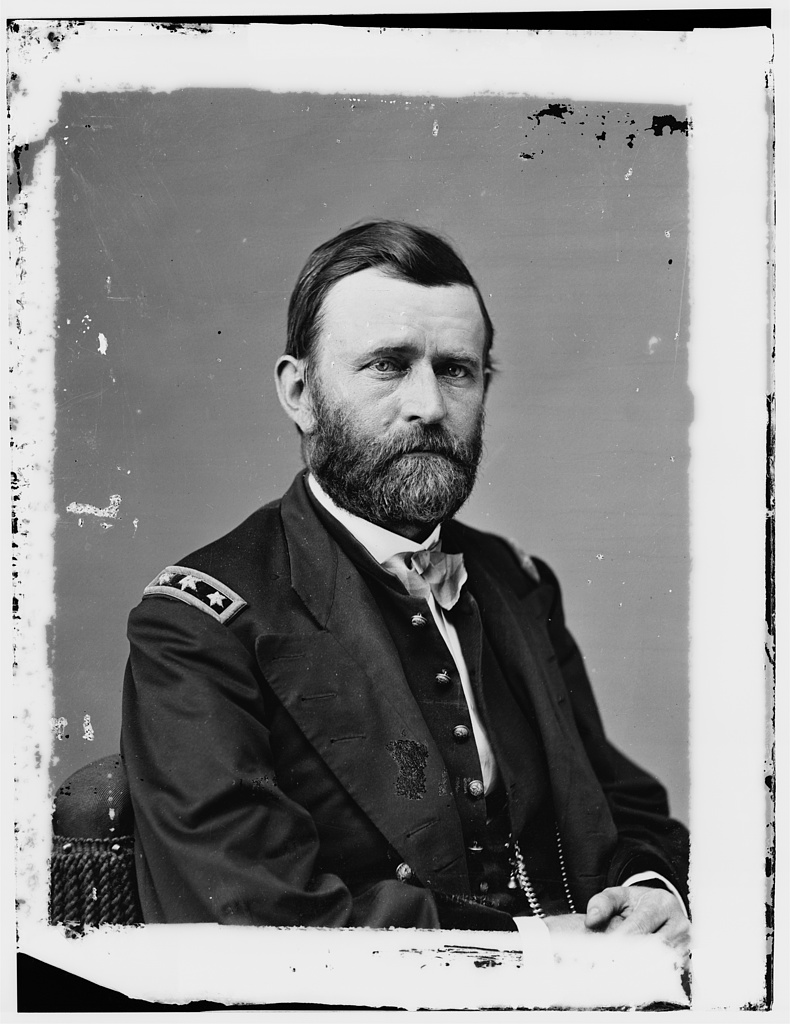
The Start of the Appomattox Campaign (1865)
Grant finally moves. What begins as a push along muddy farm roads southwest of Petersburg becomes the last, relentless campaign of the war—a ten-day drive that will carry both armies toward Appomattox. After months of grueling stalemate, the Union army finally “unlocked” from the trenches, cutting Robert E. Lee’s last supply lines and setting a direct course for the surrender that would finally silence the guns of the Civil War.
The Day Niagara Falls Went Silent (1848)
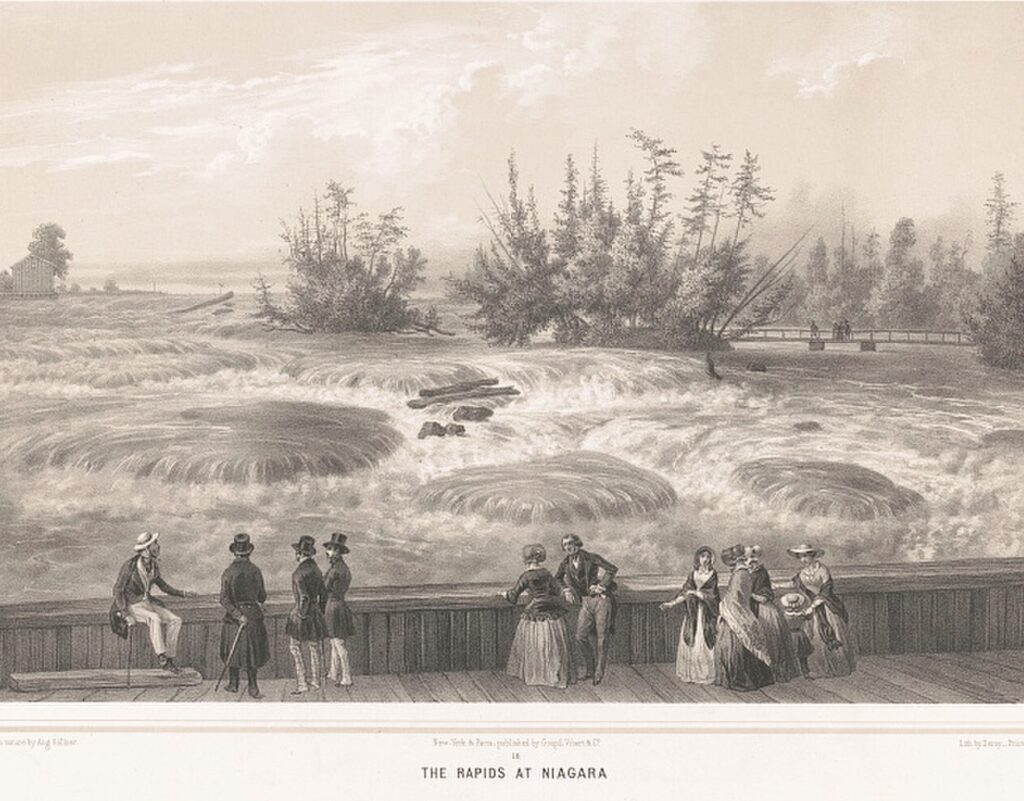
In a surreal twist of nature, the thunderous roar of the falls vanished for nearly 30 hours. A massive ice jam at the mouth of the Niagara River near Lake Erie choked off the water flow, leaving the riverbed dry and allowing stunned locals to walk out onto the exposed rocks to collect bayonets and artifacts from the War of 1812.
This 1849 engraving, The Rapids at Niagara, captures the scene just one year later, showing the torrent returned to its full, churning glory as well-dressed spectators once again marvel at the power of the water that had so briefly and eerily disappeared on March 29th.
The Last Boots on the Ground (1973)
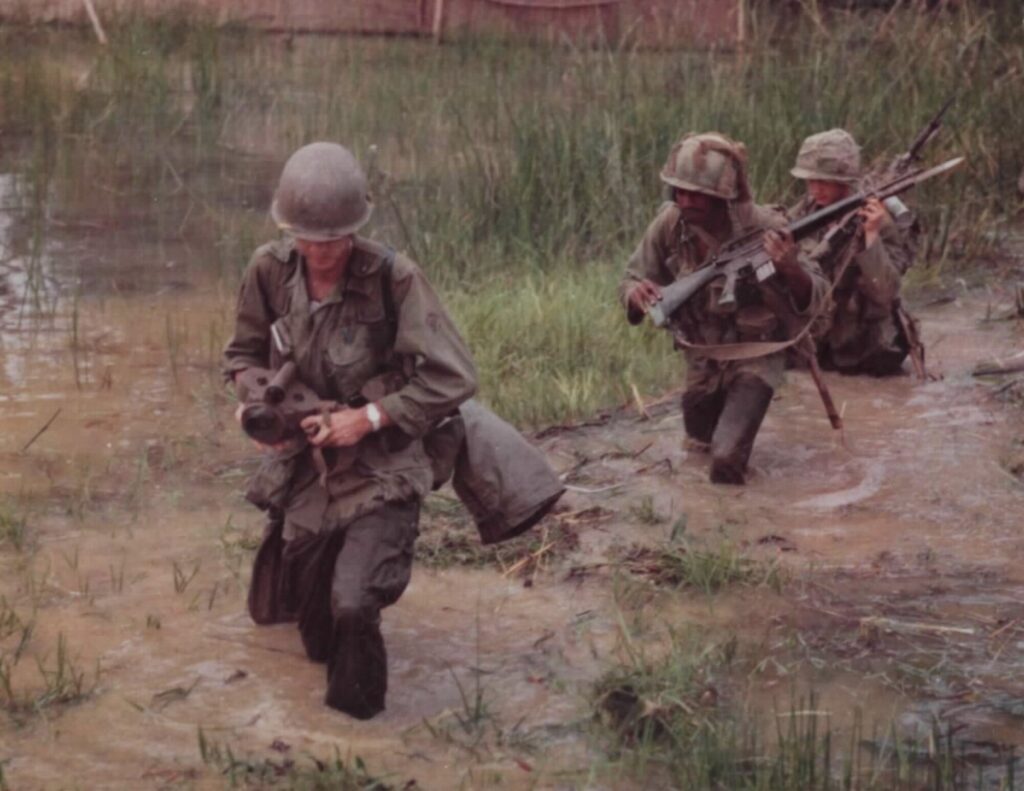
Two months after the Paris Peace Accords, the last U.S. combat troops departed South Vietnam, ending America’s direct military role after more than a decade of involvement. Their withdrawal marked a turning point in a conflict that had defined a generation — a moment now observed annually as National Vietnam War Veterans Day, honoring all who served.
Image: Personnel of Company C, 2nd Battalion, 7th Cavalry Regiment, 1st Cav Div (Airmobile) cross a stream years earlier in 1966
