
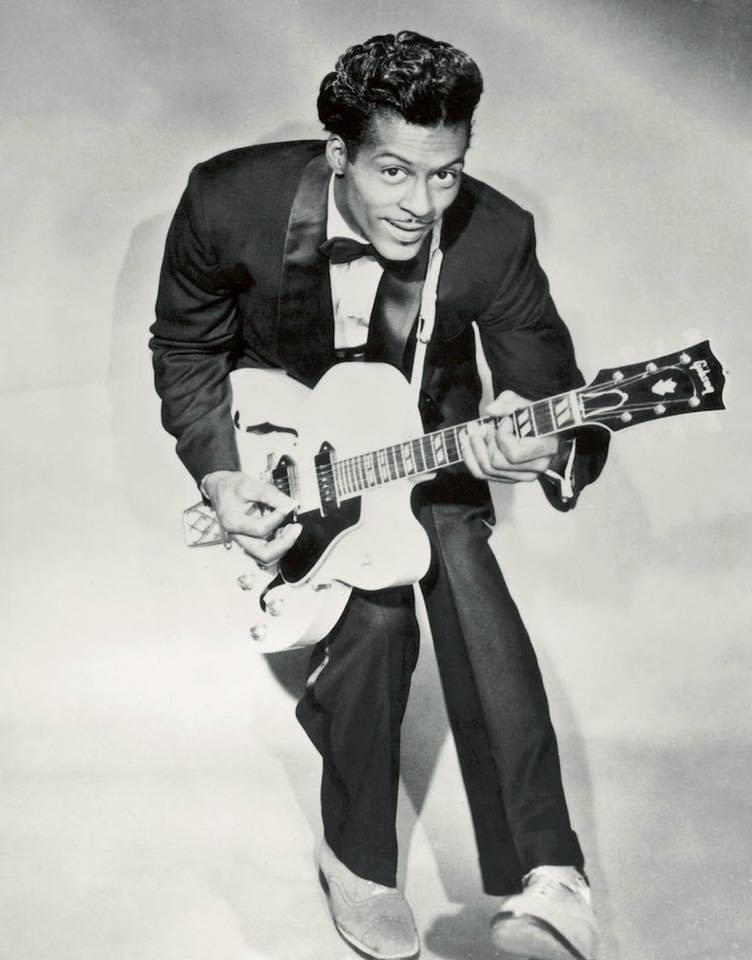
Chuck Berry’s “Johnny B. Goode” (1958)
Released as a single on this day, it is famously the only rock-and-roll song included on the Voyager Golden Record, currently traveling through interstellar space as a representative of human culture. It peaked at #8 on the Billboard Hot 100 and redefined the role of the electric guitar in popular music.
Image: Berry in 1958 publicity photo by
Pickwick Records, public domain via Wikimedia Commons
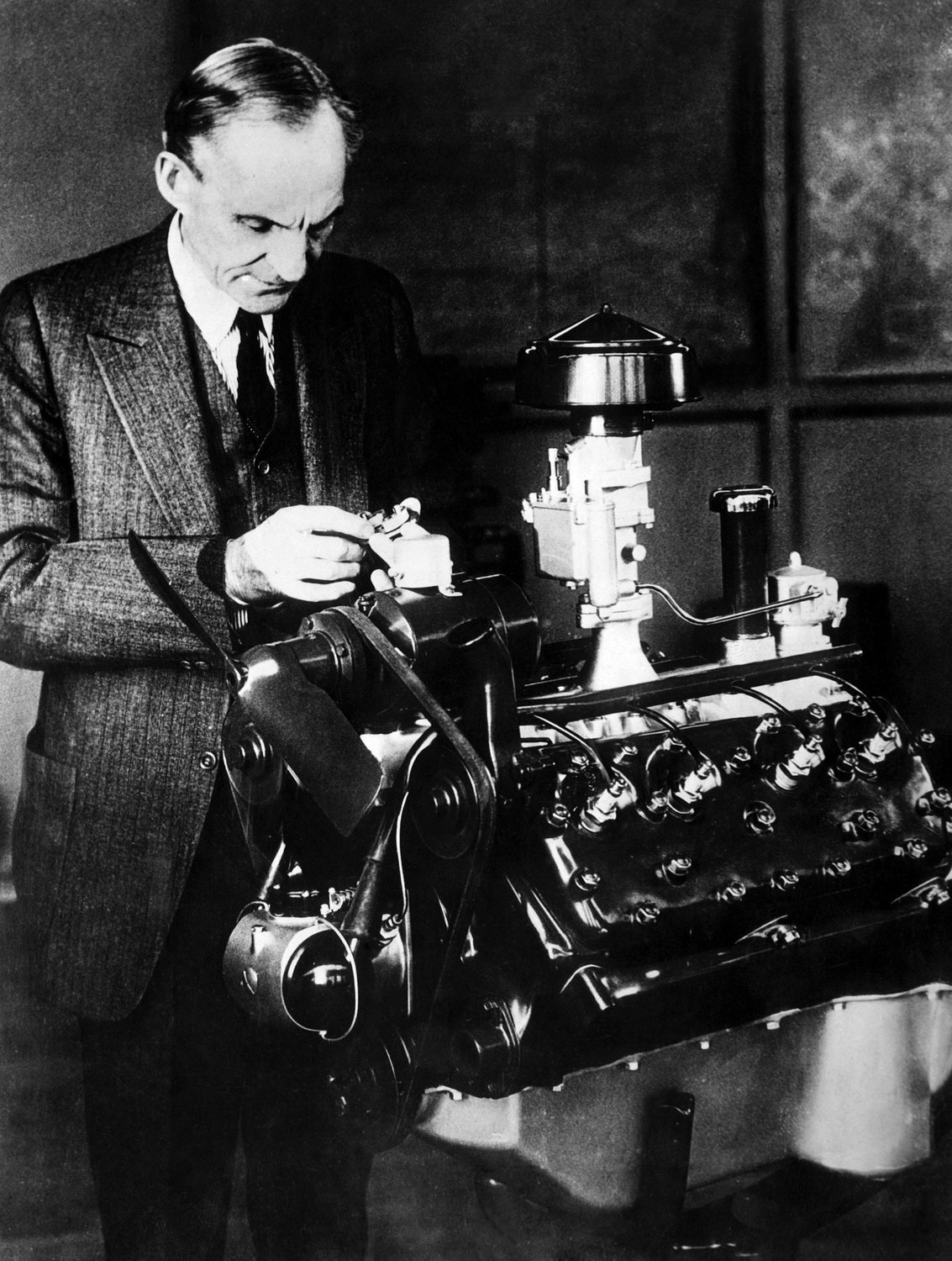
Ford’s V-8 Flathead Engine (1932)
Henry Ford officially unveiled the “Model 18” featuring the revolutionary Flathead V-8. It was the first low-priced car to offer an 8-cylinder engine, bringing high-performance power to the general public and launching the American “hot rod” era.
Image of Henry Ford inspecting his new ‘V-8’ motor. c. 1932 via Alamy
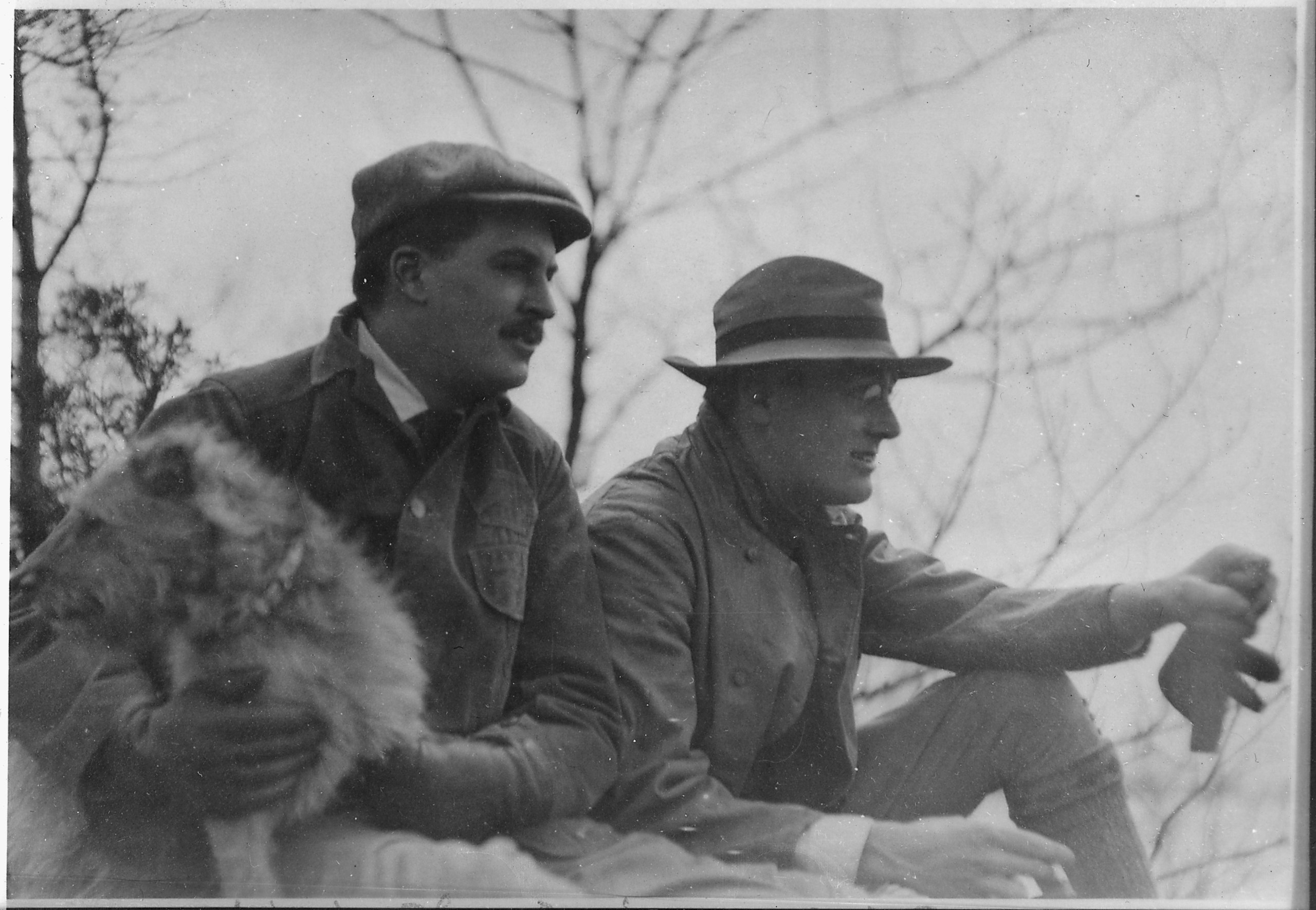
FDR and Livingston Davis at Hyde Park (1913)
This photo captures the future president and his close friend assessing damage from the Great Flood of 1913, one of the worst natural disasters in U.S. history. Davis was a lifelong confidant of FDR, serving as his Assistant Secretary of the Navy during WWI.
Image via Wikimedia Commons, public domain
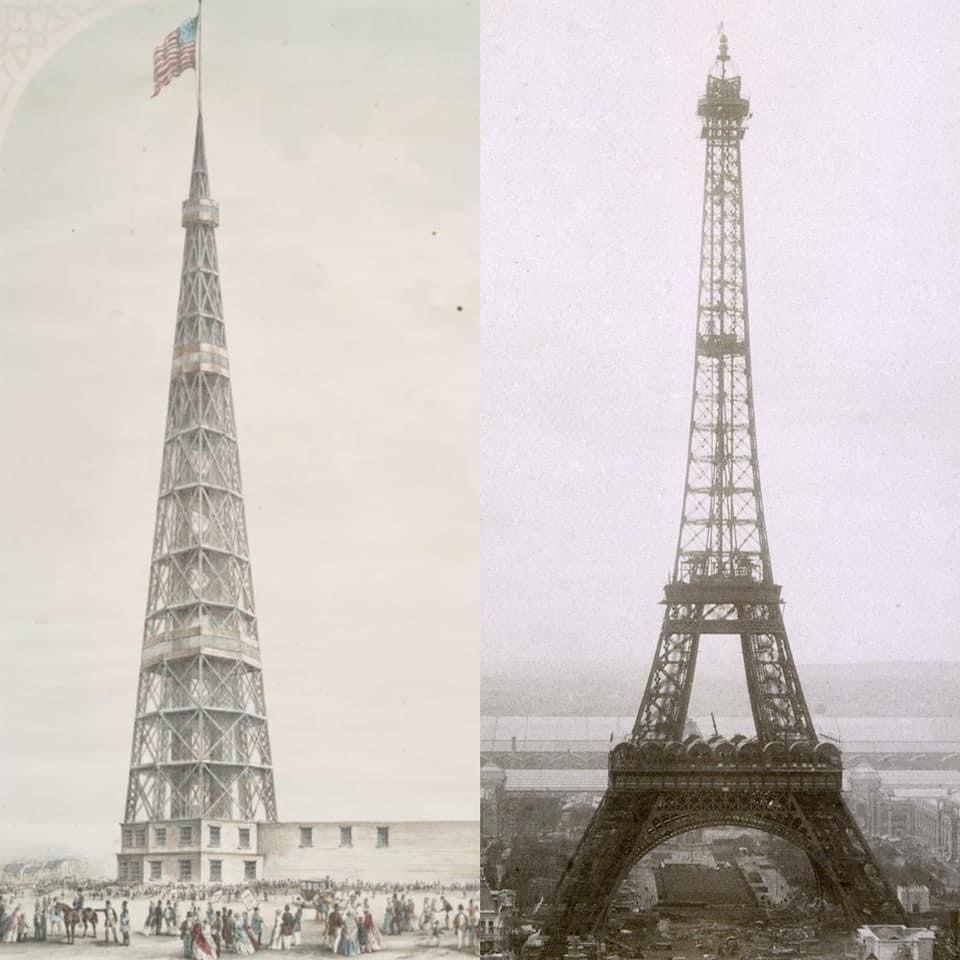
The Eiffel Tower’s Inauguration (1889)
Gustave Eiffel celebrated the completion by leading officials up the 1,710 steps to fly the French flag from the top. The design was inspired by New York’s Latting Observatory, an iron-and-wood tower built for the 1853 World’s Fair that pioneered the lattice-work style.
Images via Wikimedia Commons, public domain
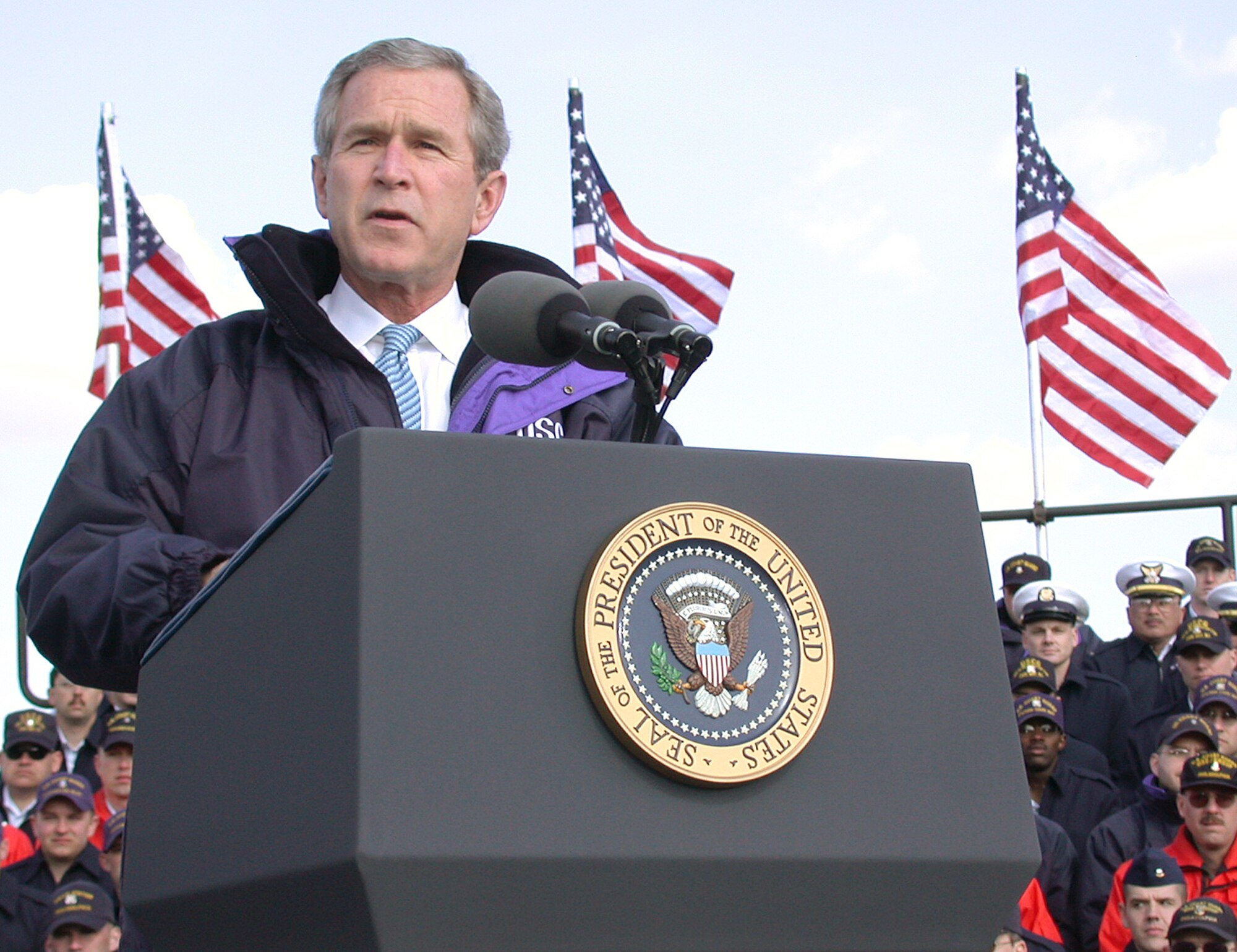
President George W. Bush in Philadelphia (2003)
Speaking at the Port of Philadelphia, Bush addressed the U.S. Coast Guard to emphasize their critical role in maritime security following the formation of the Department of Homeland Security.
Image via Wikimedia Commons, public domain
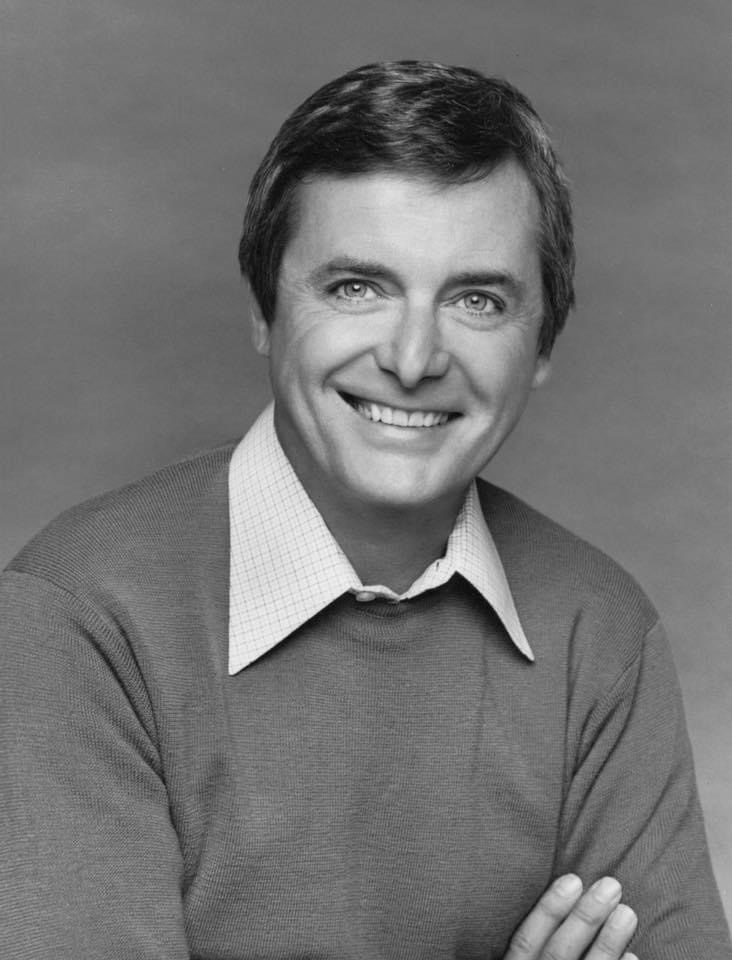
William Daniels’ Birthday (1927)
Beyond playing Dr. Mark Craig on St. Elsewhere, Daniels is the iconic voice of K.I.T.T. in Knight Rider and portrayed John Adams in the film 1776. He served as the president of the Screen Actors Guild from 1999 to 2001.
Image: William Daniels in 1976 by ABC Television, public domain via Wikimedia Commons.
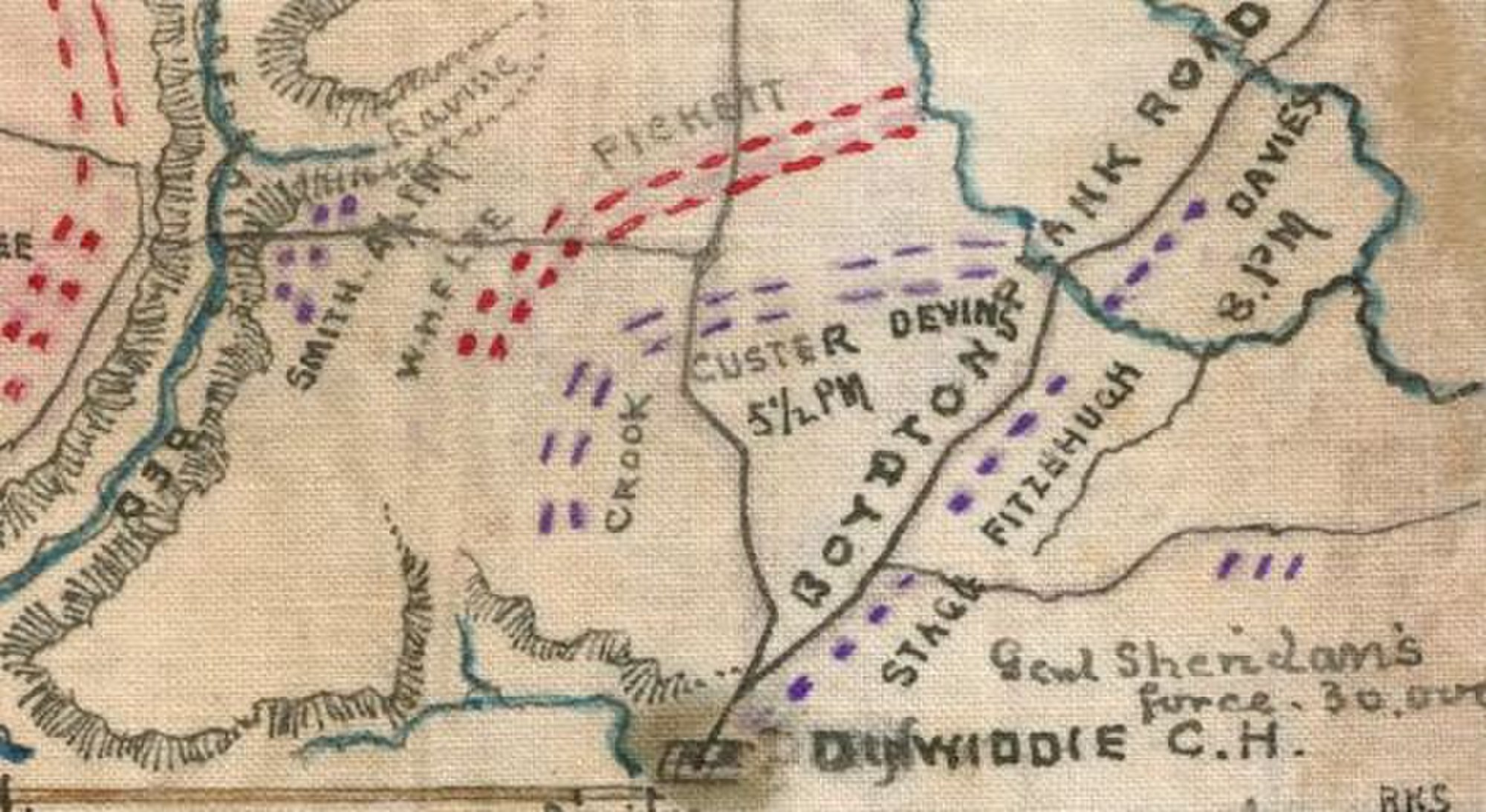
Civil War: Battles of Dinwiddie Court House & White Oak Road (1865)
There were two Civil War battles that were fought on the same day (March 31, 1865), in the same county, (Dinwiddie County, Virginia.)
These twin battles in Virginia were the final hurdles before the decisive Union victory at Five Forks. The heavy fighting on this day forced General Robert E. Lee to begin the final retreat that led to the surrender at Appomattox just nine days later.
Here’s a closeup of a map showing George Armstrong Custer’s line holding position against Confederate attacks at the Battle of Dinwiddie Court House. Image via Wikimedia Commons, public domain

UNIVAC I Acceptance (1951)
The UNIVAC I was the first commercial computer produced in the U.S. and was delivered to the Census Bureau on this day. It later gained fame for accurately predicting the 1952 presidential election results on live television.
Image from US Census Bureau via Wikimedia Commons, public domain in the US.
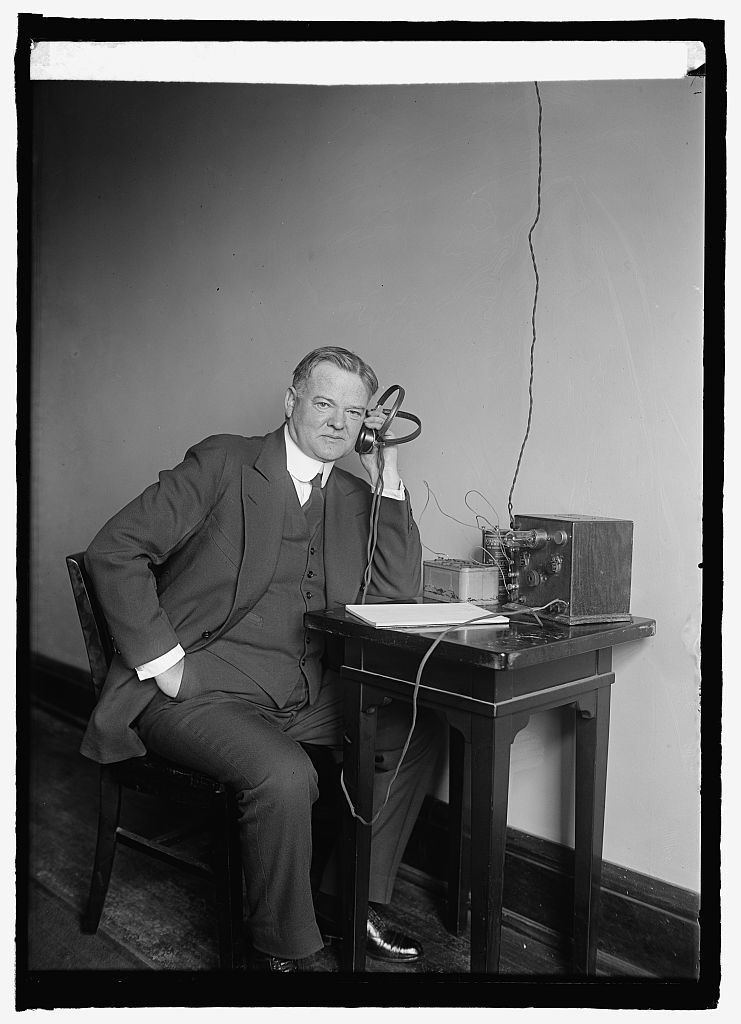
Sec. Hoover with radio, 3/31/1925
As Secretary of Commerce, Hoover was a pioneer in organizing the early days of broadcasting. His work on this date led to the Radio Act of 1927, which established that the airwaves belong to the public and must serve the public interest.
Image via LOC, no known restrictions
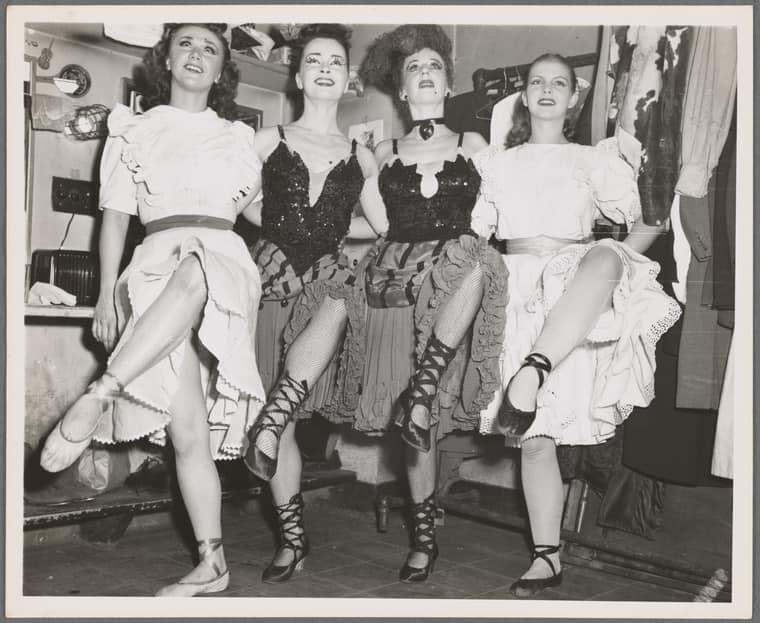
Oklahoma! Broadway Opening (1943)
Opening at the St. James Theatre, this show fundamentally changed musical theater by fully integrating songs and dance into the plot. It was the first legendary collaboration between Rodgers and Hammerstein.
Cast members backstage during the original Broadway production of Oklahoma!
Image via NYPL Digital Collections, no known restrictions
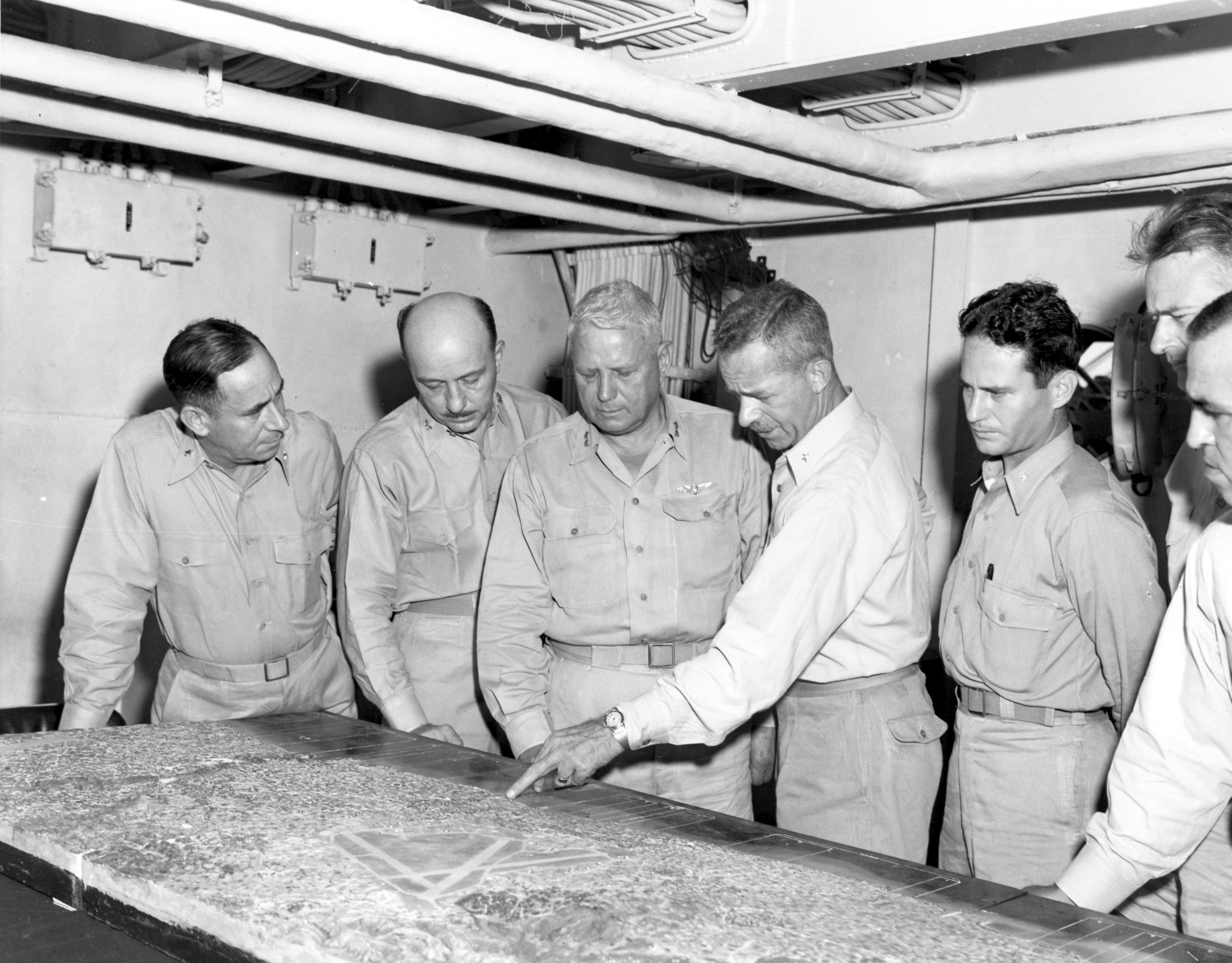
General Roy S. Geiger and Okinawa (1945)
This was the final day of planning for the Invasion of Okinawa, which began the following morning. Geiger was a pioneer of Marine Corps aviation and eventually became the only Marine to command a field army.
U.S. Marine Corps General Roy S. Geiger (third from left) and staff during the planning of Okinawa Campaign, March 31, 1945
Image via Wikimedia Commons, public domain
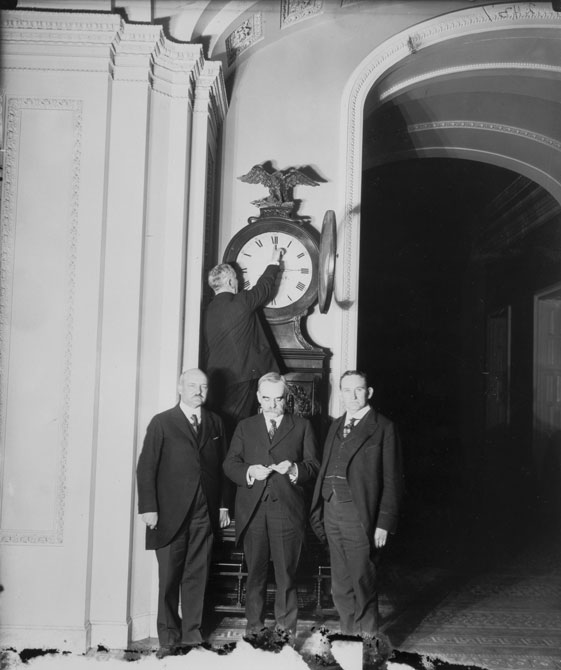
The First U.S. Daylight Saving Time (1918)
Known as “War Time,” it was introduced during WWI to save fuel. The first “spring forward”occurred at 2:00 a.m. on March 31, 1918.
Image: Senate Sergeant at Arms Charles P. Higgins turns forward the Ohio Clock for the first Daylight Saving Time while other senators look on, 1918 via Wikimedia Commons, public domain
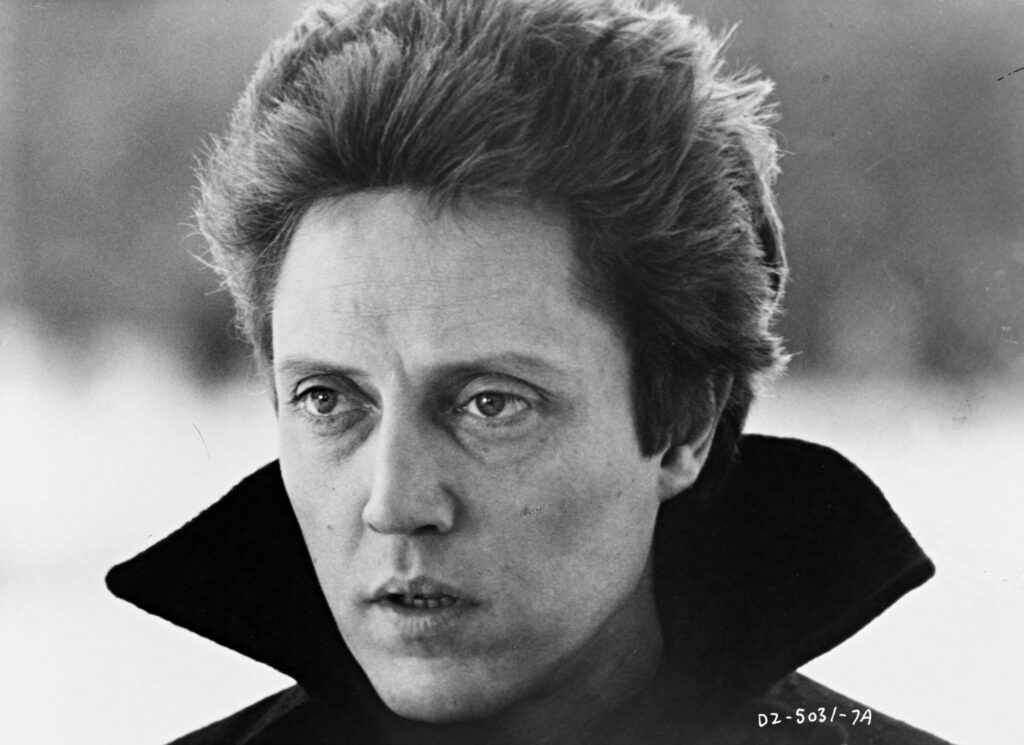
Christopher Walken’s Birthday (1943)
Born in Astoria, Queens, Walken began his career as a professional dancer in musical theater before becoming an Academy Award-winning actor. A child performer who once described himself as “furniture” on 1950s variety shows, he also spent a teenage summer as a lion tamer apprentice. At the suggestion of friend Monique van Vooren, he traded his birth name, Ronald, for “Christopher” in 1964. Known for his distinct voice and intense presence, his breakout role in Woody Allen’s Annie Hall (1977) paved the way for his Oscar-winning performance in The Deer Hunter.
Image of Christopher Walken in the 1983 film “The Dead Zone” via Alamy
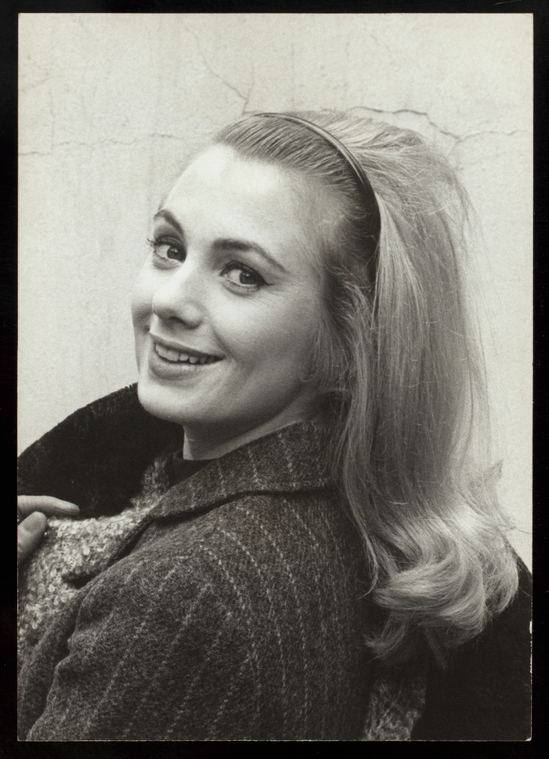
Shirley Jones’ Birthday (1934)
Before The Partridge Family, Jones was a Broadway sensation. Fittingly, she made her film debut in the movie version of Oklahoma! in 1955—connecting her career directly to the Broadway anniversary on her birthday.
Shirley Jones, born on March 31, 1934, in Charleroi, Pennsylvania, rose to fame as a star of stage, screen, and television.
Image via NYPL Digital Collections, no known restrictions
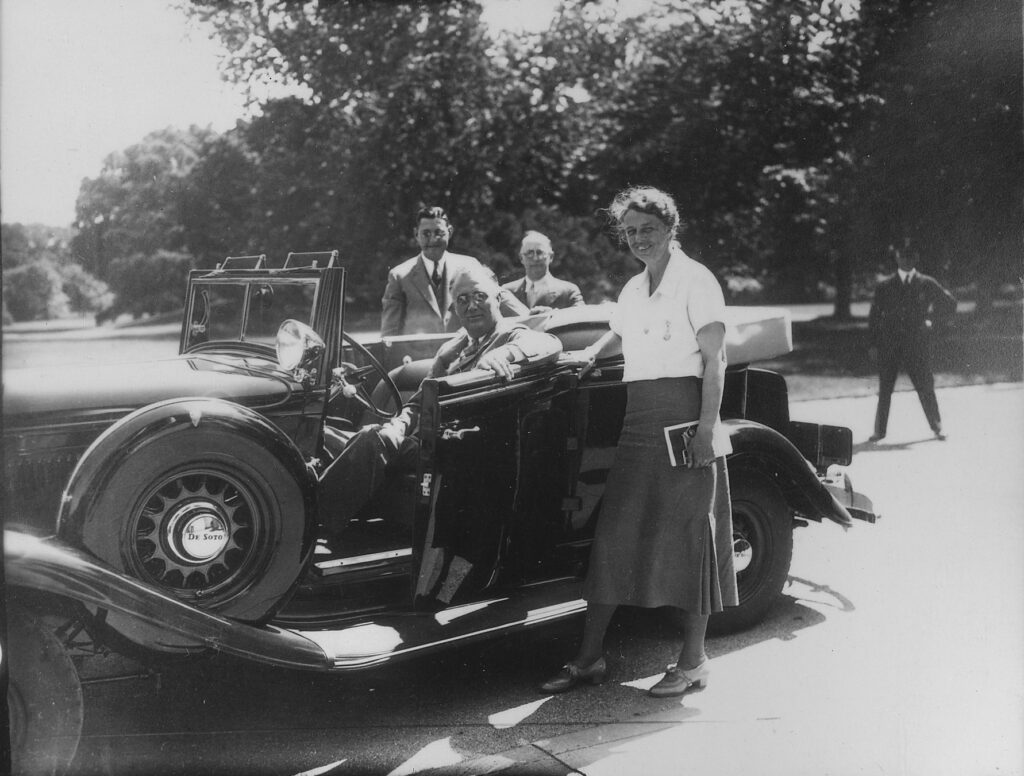
The Lightning-Fast Creation of the CCC (March 31, 1933)
Enacted just 27 days after Franklin D. Roosevelt took office, the Emergency Conservation Work (ECW) Act was a cornerstone of his famous “First 100 Days.” Signed into law on March 31, 1933, the act authorized the creation of the Civilian Conservation Corps (CCC). The turnaround was breathtaking by modern standards: FDR proposed the idea to Congress on March 21, it was passed and signed 10 days later, and the first enrollee was signed up by April 7. This rapid mobilization put 250,000 young men to work in forest and park conservation within just three months of the President’s inauguration.
Image: President Franklin D. Roosevelt seated in a car in surrounded by Eleanor and others in 1933 via Wikimedia Commons
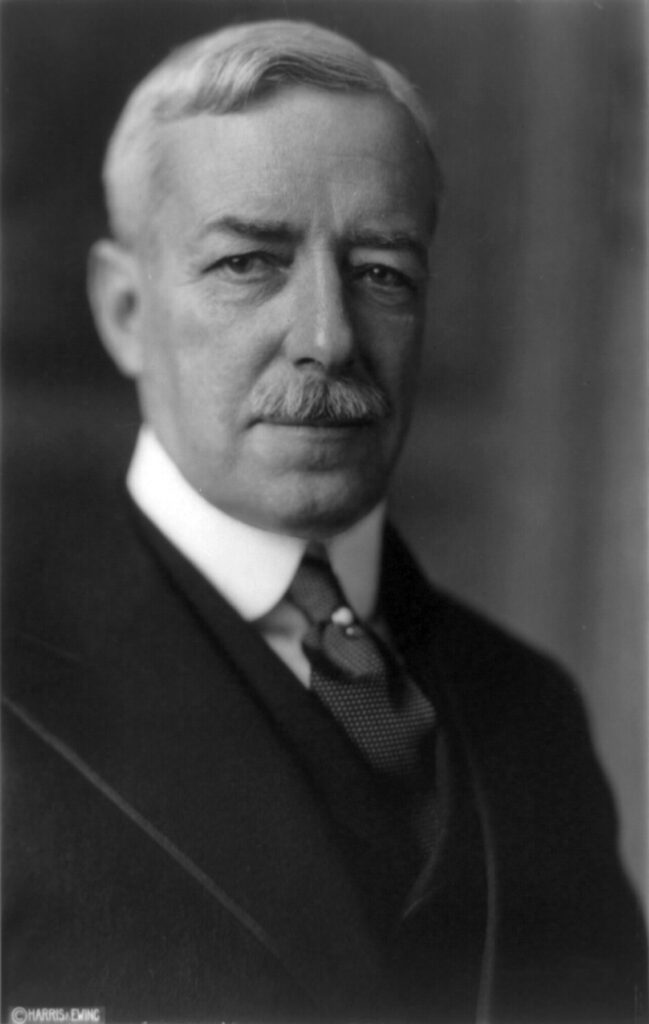
Transfer Day: The U.S. Acquires the Danish West Indies
For more than fifty years, the United States had pursued the Danish West Indies—first as a Civil War–era coaling station, then through failed treaties in the 1870s and 1890s—before World War I finally pushed the long‑running effort to completion. On August 4, 1916, Secretary of State Robert Lansing (shown), serving as the lead U.S. negotiator, concluded the cession treaty with Danish Minister Constantin Brun. The agreement granted Denmark formal U.S. recognition of its sovereignty over Greenland and secured the islands for $25 million, paid by Treasury warrant. The United States formally took possession on March 31, 1917, renaming them the Virgin Islands of the United States—a strategic move shaped by wartime fears that Germany might seize the islands and threaten Caribbean shipping and the Panama Canal.
