A Toast to the French Alliance
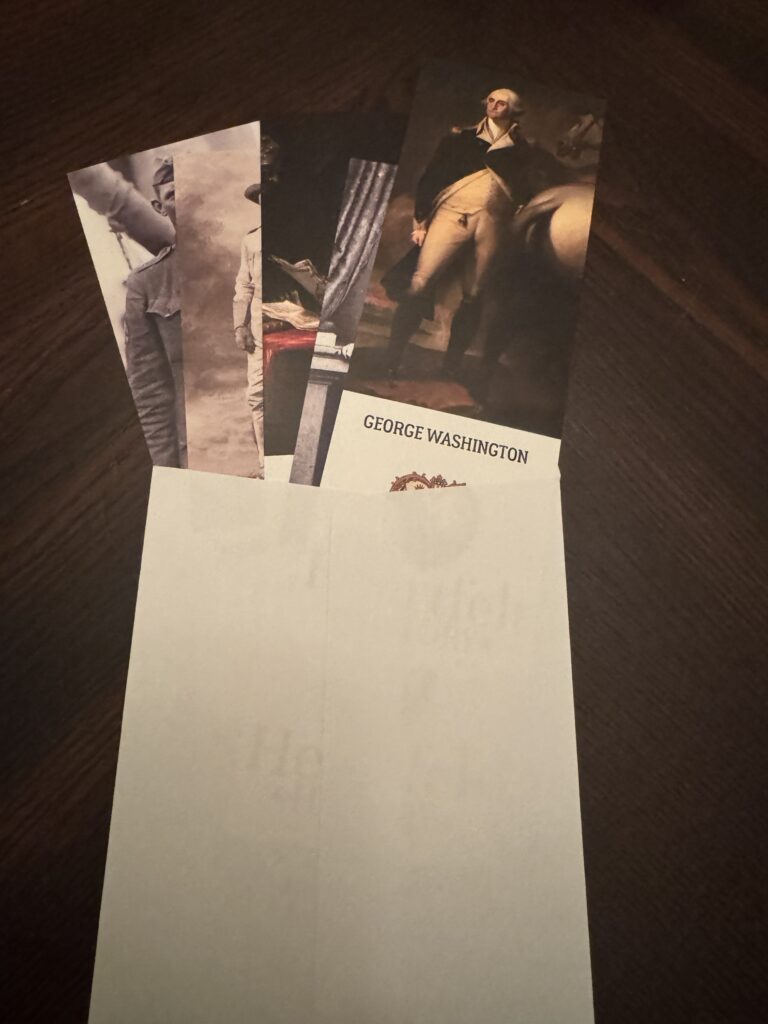
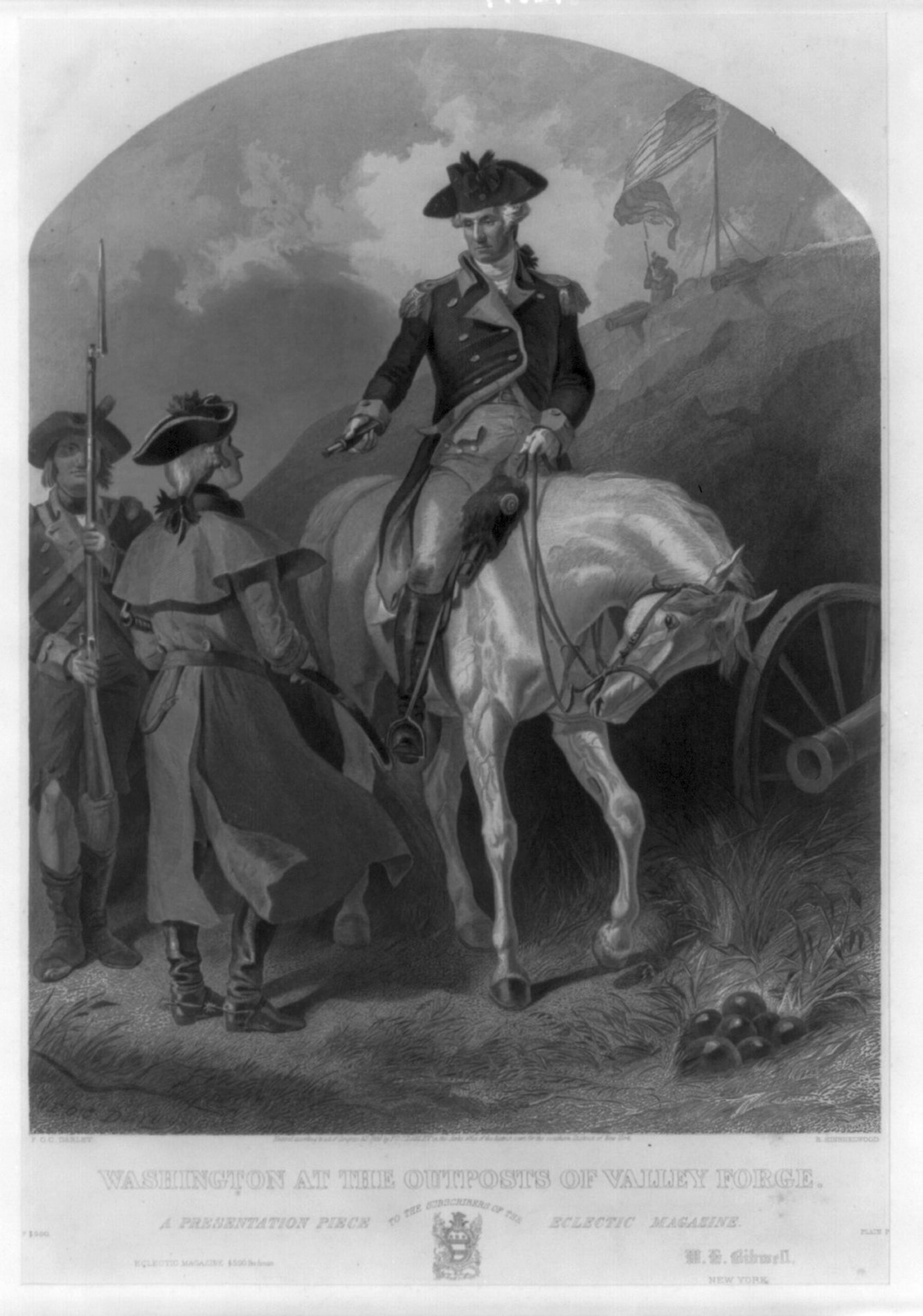
On May 5, 1778, a special messenger from Congress arrived at Valley Forge at midnight to officially announce to the Commander-in-chief the ratification of the French alliance. In reply, Washington wrote to Congress urging the importance of action as the English intended to vigorously prosecute the war. Upon announcing the event to the army the next morning, Washington ordered a grand fete and jubilee, including a gill of rum for every soldier to celebrate the turning point. The celebration featured a drill display where the weary troops successfully executed complex maneuvers they had spent the winter learning under Baron von Steuben, proving they had become a professional fighting force.
The Midnight Hymn of the Republic
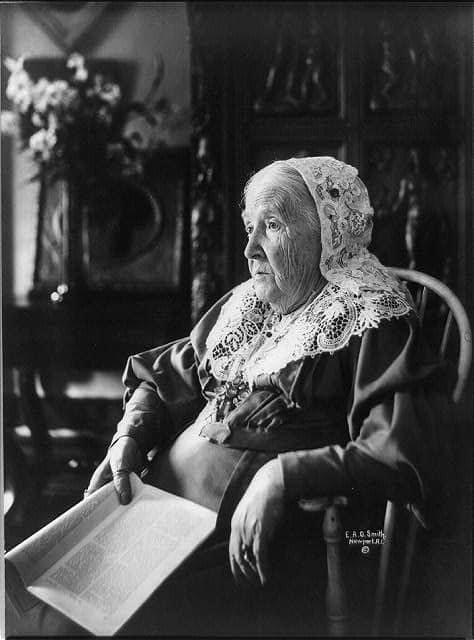
A photograph of Julia Ward Howe created or published on May 5, 1909.
Julia Ward Howe wrote the lyrics to The Battle Hymn of the Republic. She became such a monumental figure that she was the first woman elected to the American Academy of Arts and Letters, and her famous verses were written in the dark of early morning at the Willard Hotel in Washington, D.C., after she had visited a nearby Union camp and heard soldiers singing the tune of “John Brown’s Body.”
Her mother, Julia Rush Cutler Ward, was also a poet. She died in 1824 when Howe was only five years old, about a week after giving birth to Julia’s baby sister Anne.
Image via Library of Congress, no known restrictions
The Singing Beautician of Mississippi
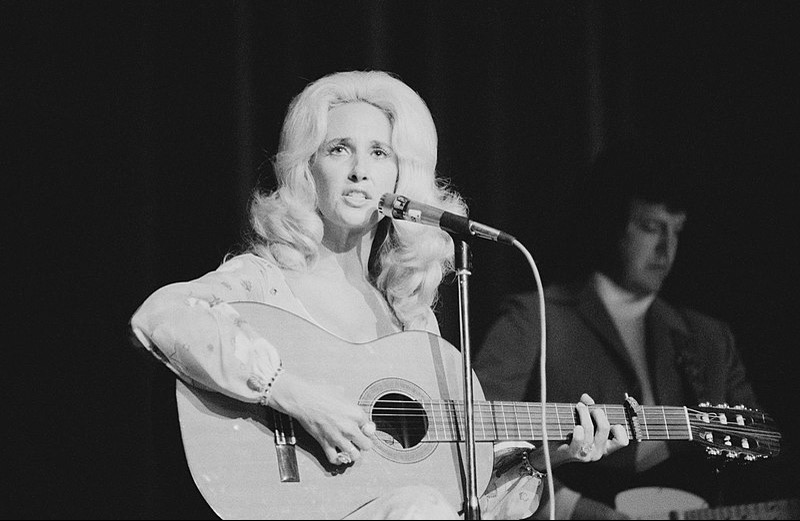
Tammy Wynette was so devoted to the authenticity of her Mississippi roots that she kept her beautician’s license active throughout her entire singing career just in case her fame ever faded, even as she was recording the 1968 classic Stand by Your Man which she famously wrote in just fifteen minutes.
Born May 5, 1942 in Tremont, Mississippi Tammy Wynette brought a woman’s perspective to country music. She released 32 solo albums, nine more with husband George Jones, and the landmark “Honky Tonk Angels” album with Dolly Parton and Loretta Lynn.
Image via Wikimedia Commons, no known copyright, public domain in the US
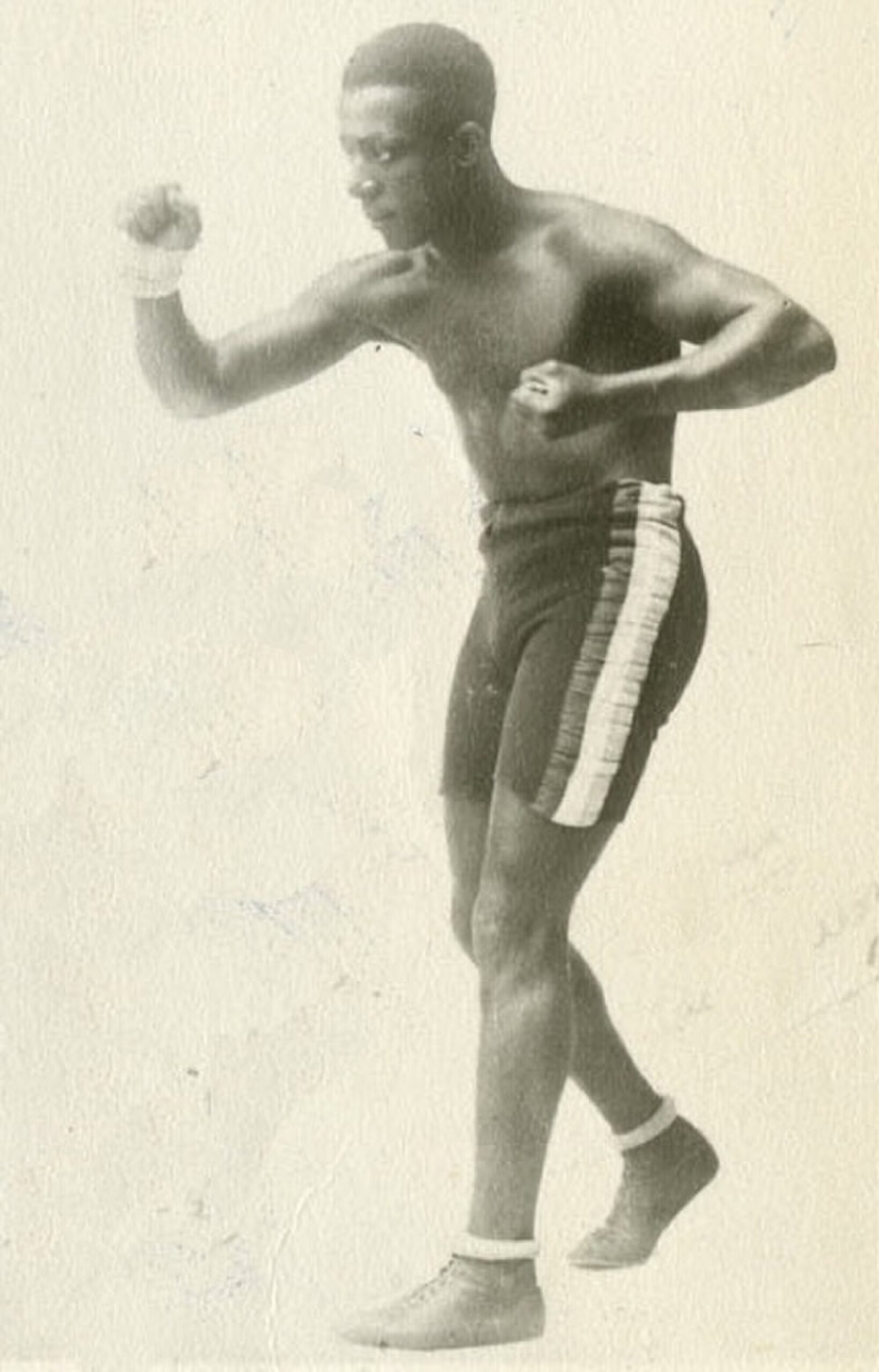
Eugene Bullard—boxer, musician, and one of the world’s first African American military pilots—earned his license from the Aéro‑Club de France in 1917 before joining the French Air Service in World War I.
Nicknamed the “Black Swallow of Death,” Bullard flew combat missions over the Western Front, often with his pet rhesus monkey Jimmy perched beside him in the cockpit.
Here’s a photo of Eugene during his boxing years via Wikimedia Commons, public domain
Twenty-Four Hitless Innings
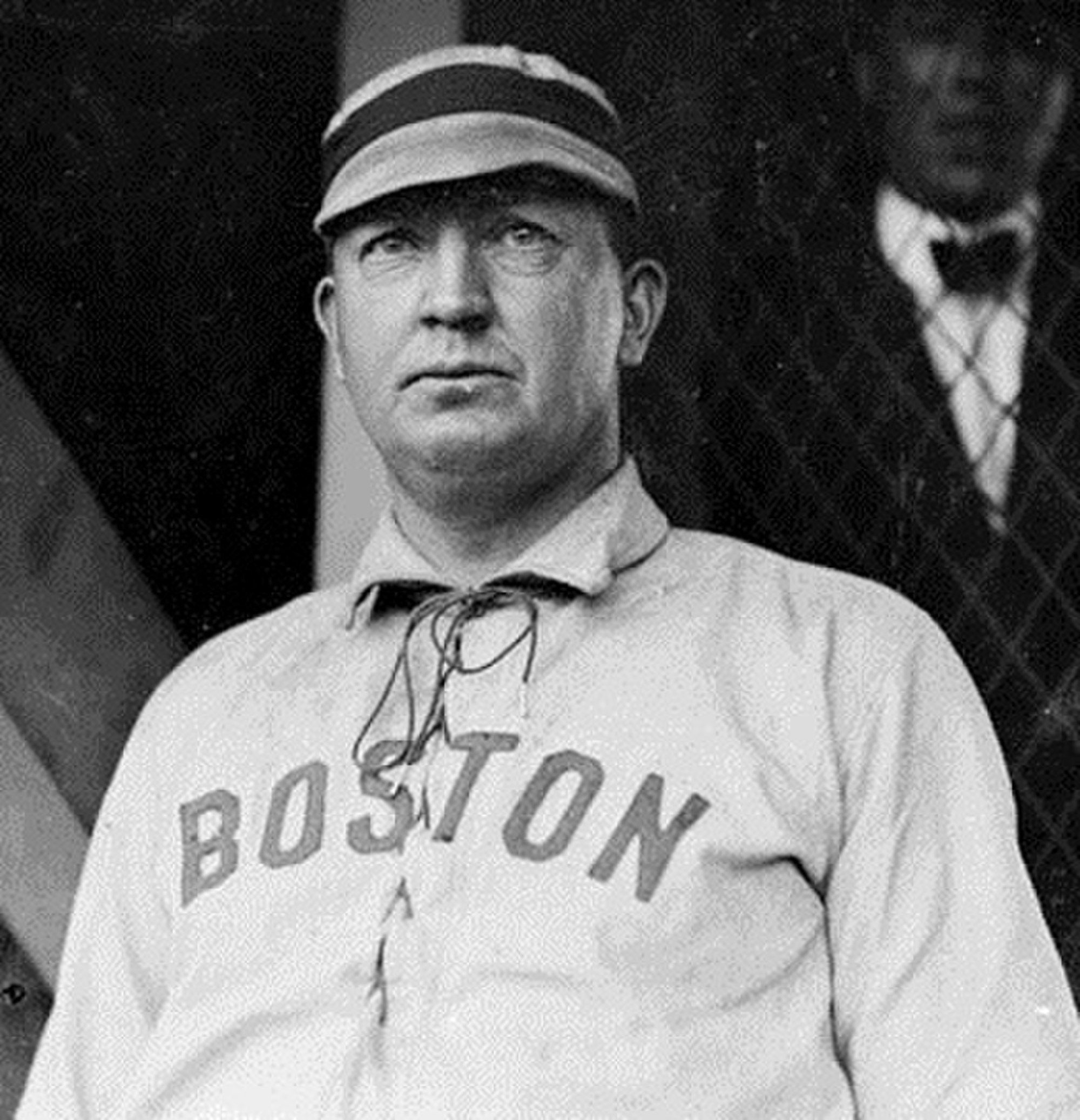
Cy Young’s perfect game on May 5, 1904, was part of an incredible streak of twenty-four consecutive hitless innings, a record that still stands today as a testament to his dominance during the era of the dead-ball game.
Image of Cy Young from early 1900s via Wikimedia Commons, public domain
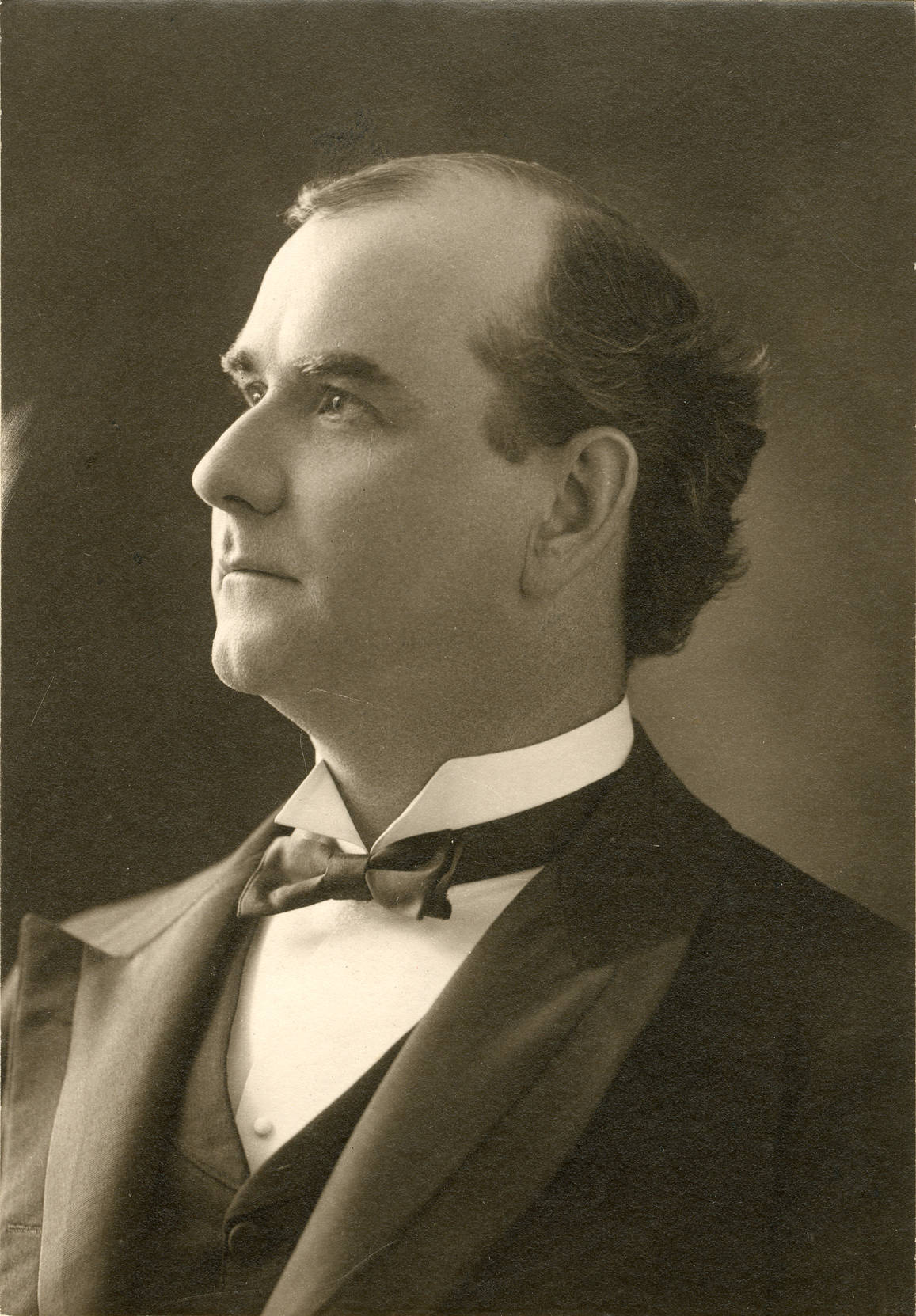
American Shakespearean actor Charles B. Hanford was born on May 5, 1859, in Sutter Creek, a historic mining town just 15 miles from Sutter’s Mill where the Gold Rush began. He became a successful stage actor whose wife was so committed to their theatrical partnership that she chose the stage name “Drofnah”—a clever reversal of his last name—and the couple toured the country in a custom-fitted private rail car. This allowed them to bring lavish Shakespearean costumes and sets to small mining towns that had never seen professional theatre before.
Hanford bore a striking resemblance to the famed political figure William Jennings Bryan, a connection that led to an infamous moment at a Gridiron Club dinner where he impersonated Bryan for two hours, successfully fooling attendees until the real Bryan arrived. Beyond the stage, he contributed to the American war effort during World War I by helping develop camouflage techniques for troops, demonstrating a versatility that extended far beyond the theatre.
The Philanthropy of the Plains
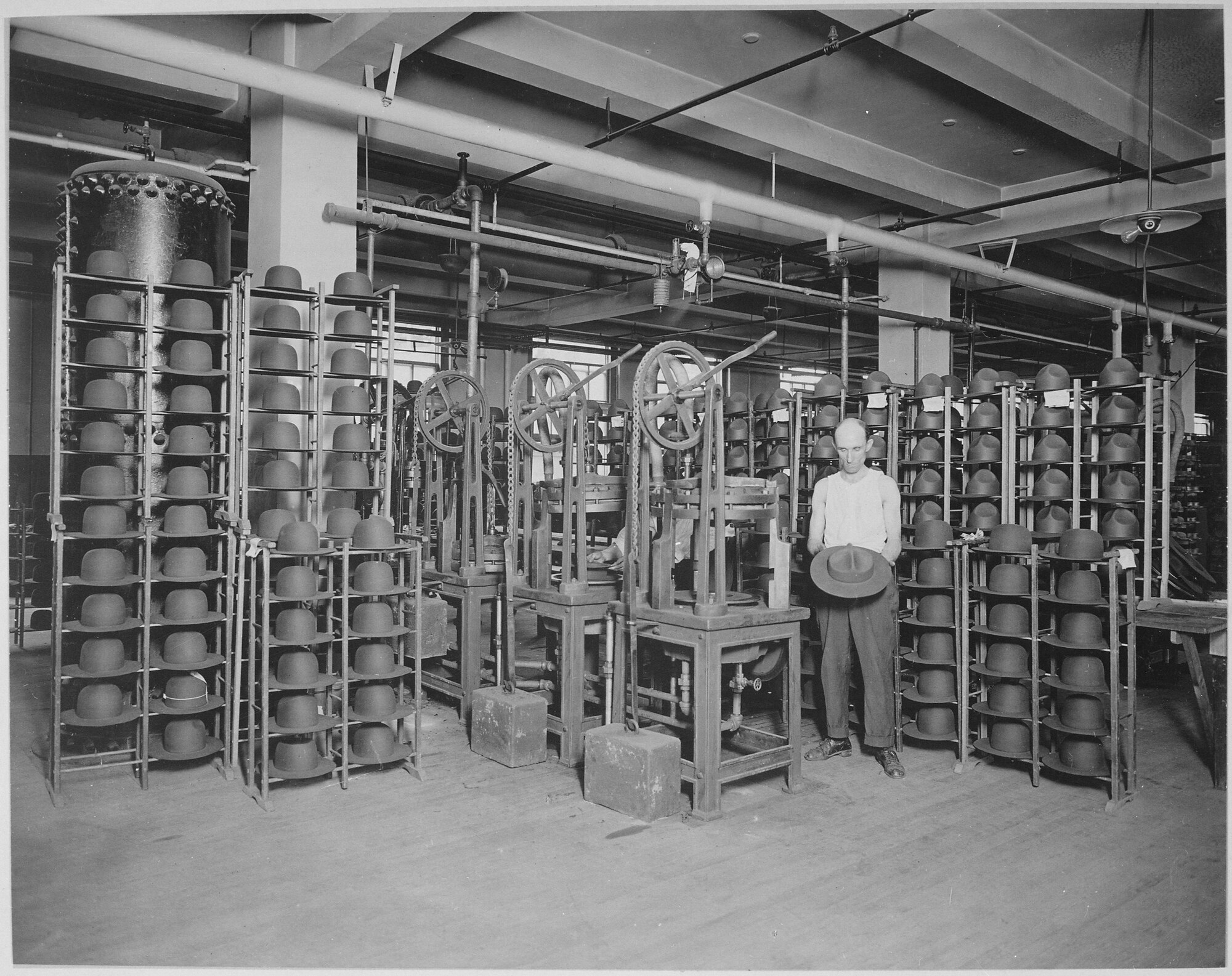
Born May 5, 1830, in Orange, New Jersey, John B. Stetson built his famous hat factory in Philadelphia, where he became known not only for the Boss of the Plains hat but also for his unusually progressive treatment of workers.
Stetson established the Stetson Hospital, providing subsidized and charitable medical care to employees and their families—an extraordinary benefit in the 19th century. His philanthropy extended to schools, colleges, and civic institutions, helping cement the Stetson name as a symbol of American craftsmanship and integrity.
Image via Wikimedia Commons, public domain
Tchaikovsky’s New York Nerves
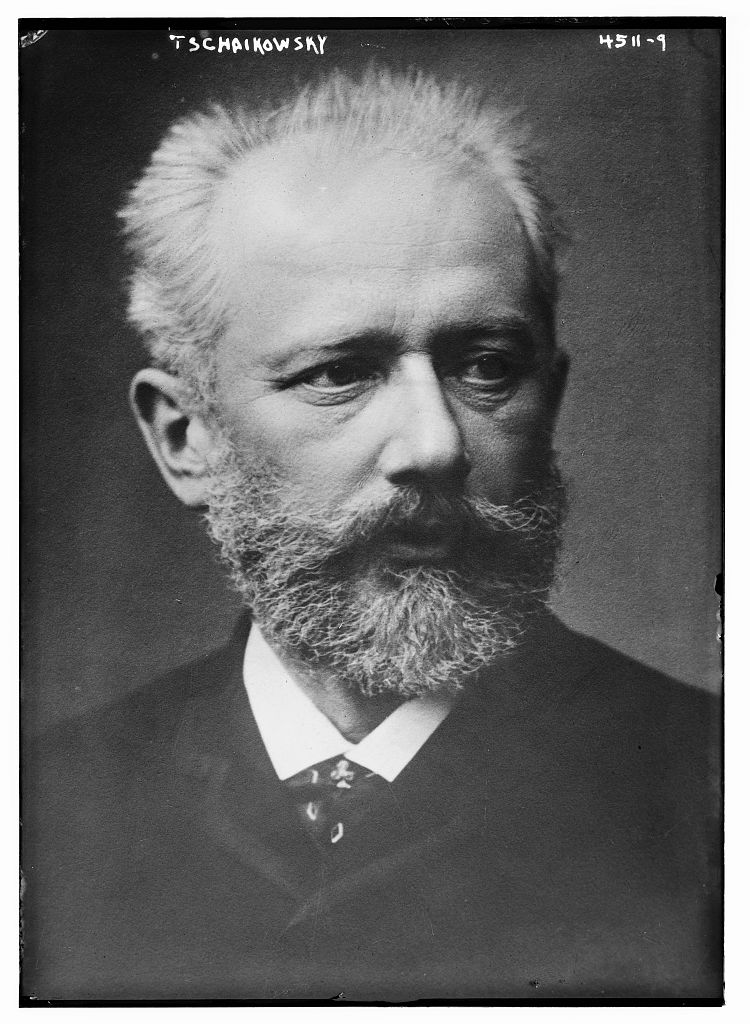
On May 5, 1891, New York’s new Music Hall—soon renamed Carnegie Hall—opened with Pyotr Ilyich Tchaikovsky as its guest conductor. Making his first trip to America, Tchaikovsky was deeply anxious about the occasion, spending his early days in New York in a state of nervous anticipation before stepping onto the podium.
His performance earned a standing ovation and inaugurated a stage that would later host icons from Billie Holiday to Duke Ellington.
Image via Wikimedia Commons, public domain
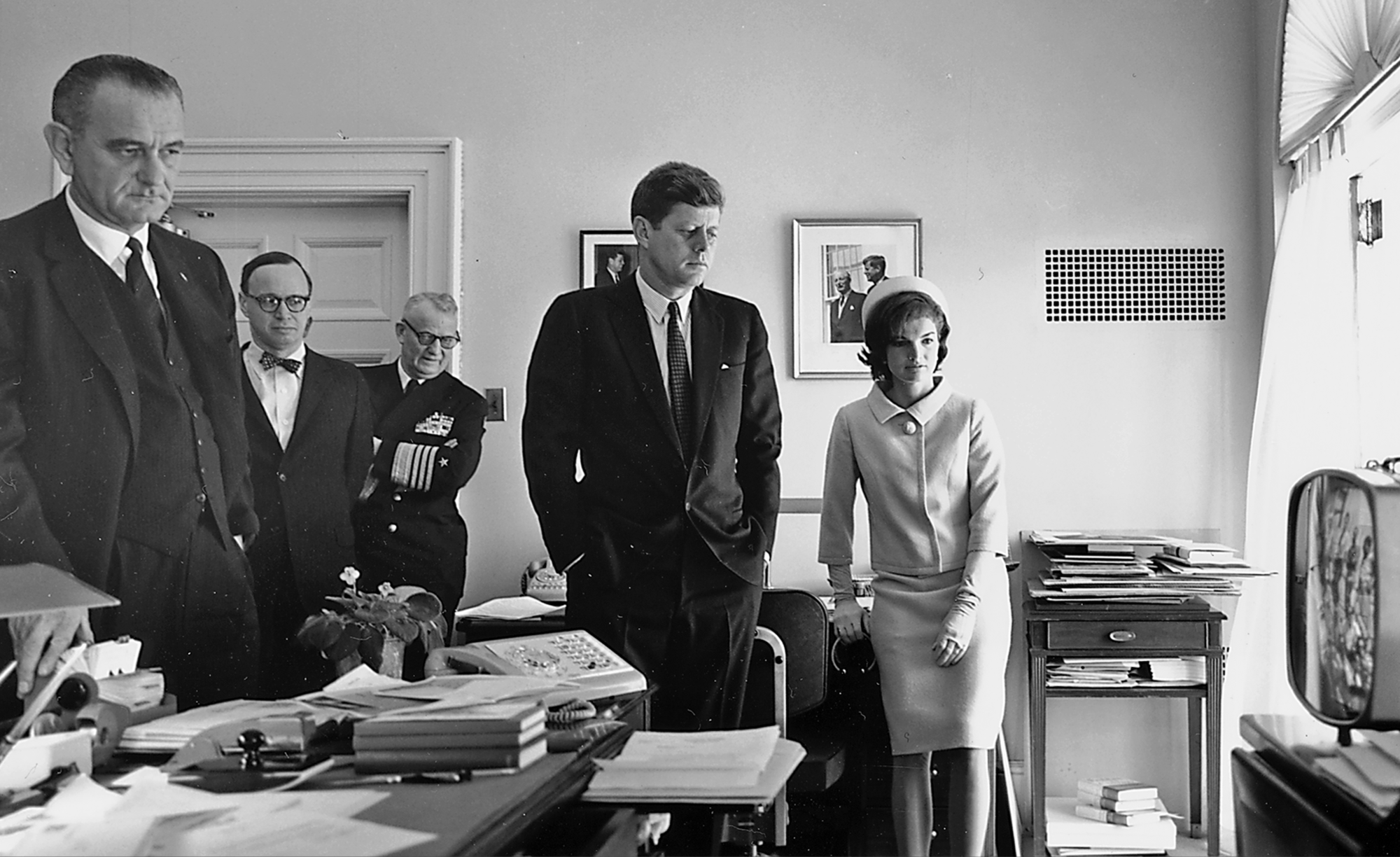
A photograph taken on May 5, 1961, in the Office of the President’s Secretary at the White House shows President John F. Kennedy, First Lady Jacqueline Kennedy, Vice President Lyndon B. Johnson, Attorney General Robert F. Kennedy, National Security Adviser McGeorge Bundy, Special Assistant Arthur Schlesinger Jr., and Admiral Arleigh Burke gathered around a small television to witness the launch of Freedom 7. The candid image, captured by White House photographer Cecil Stoughton, reflects the tension of the moment as the administration watched the first American attempt to reach space.
Alan Shepard’s Mercury-Redstone 3 mission finally made him the first American in space—but only after he spent more than four hours strapped into the capsule during a series of technical and weather delays. Growing increasingly impatient as controllers debated further checks, Shepard famously barked over the radio loop, “Why don’t you fix your little problem and light this candle?”. At 9:34 a.m., the Redstone rocket finally lifted off from Cape Canaveral, carrying Shepard on a 15-minute suborbital flight that changed the course of the Space Race.
Image of via Wikimedia Commons, public domain
The Fires of the Wilderness
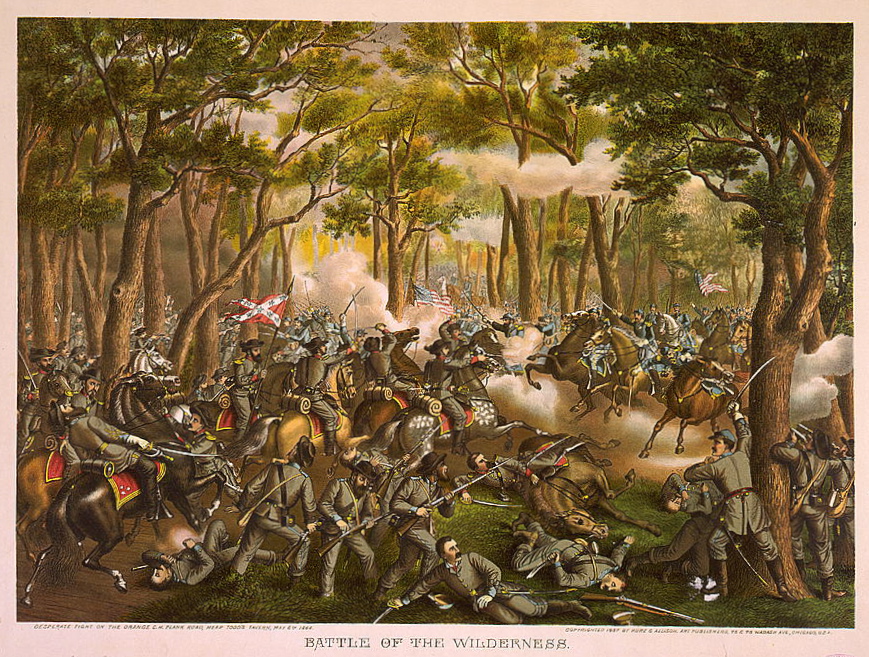
On May 5, 1864, The Battle of The Wilderness began in Virginia.
The Battle of the Wilderness began with such intense and chaotic fighting in the dense thickets of Virginia that the woods caught fire from the musketry, creating a terrifying landscape where soldiers from both sides had to briefly stop shooting to help rescue their wounded comrades from the flames.
Image via Wikimedia Commons, public domain
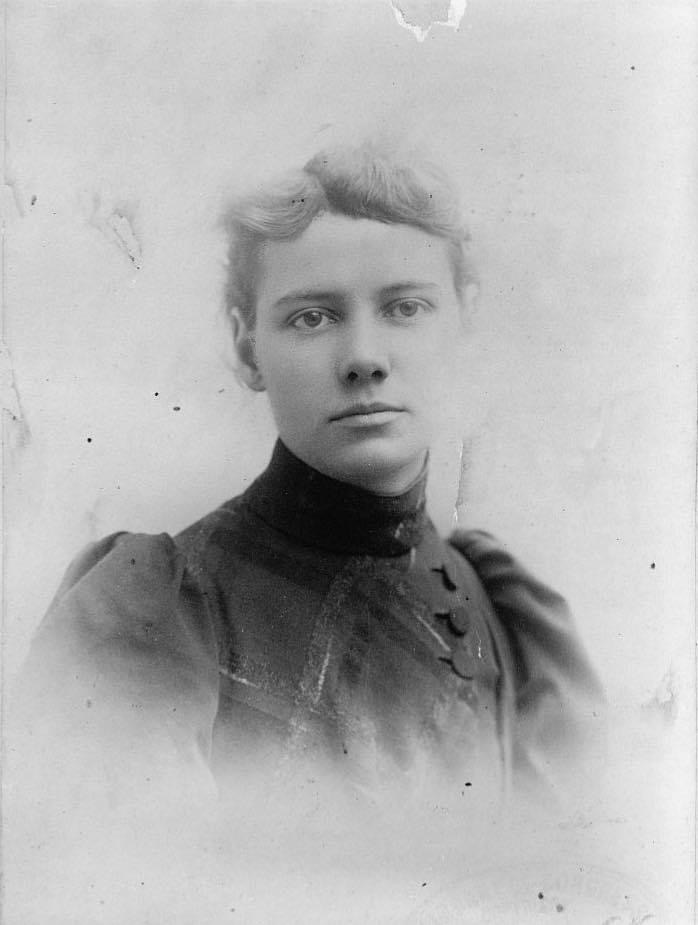
Born May 5, 1864, in Cochran’s Mills, Pennsylvania, Elizabeth Jane Cochran—known to the world as Nellie Bly—became America’s most famous reporter after challenging the fictional record of Phileas Fogg. When editors doubted a woman could make such a journey alone, she later wrote that she told them she would leave the same day for another paper and beat any man they chose to send.
Bly completed her trip in 72 days, returning to Jersey City to cheering crowds and cannon salutes, having outpaced Jules Verne’s hero by more than a week.
Image: Elizabeth Cochran “Nellie Bly”, head-and-shoulders portrait via Library of Congress, no known restrictions c. 1890
The Oscar of the Food World
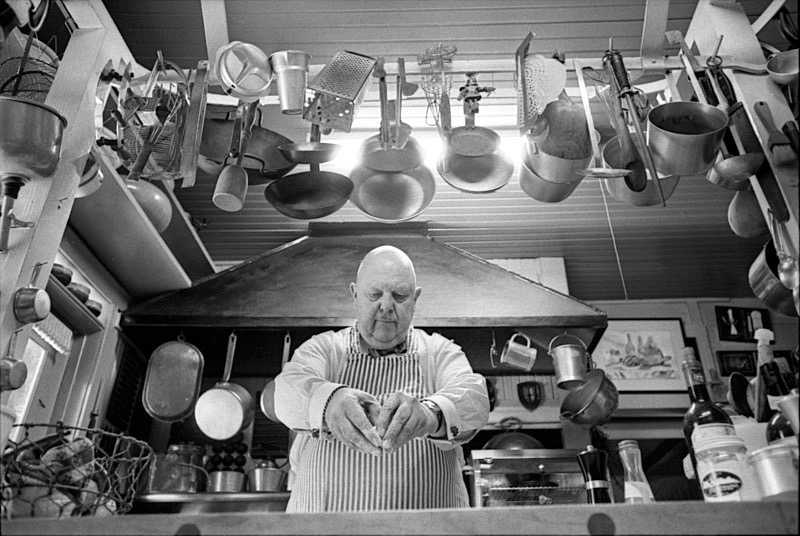
Born May 5, 1903, in Portland, Oregon, James Beard became one of the great champions of American cooking, introducing home cooks and professional chefs alike to the idea that food should be seasonal, local, and rooted in place long before “farm‑to‑table” had a name.
After his death, his spacious Greenwich Village townhouse became the home of the James Beard Foundation, whose annual awards are now considered the Oscars of the food world.
Image from LA Times- UCLA Library via Wikimedia CCA 4.0 International.
The Many Faces of Peaches
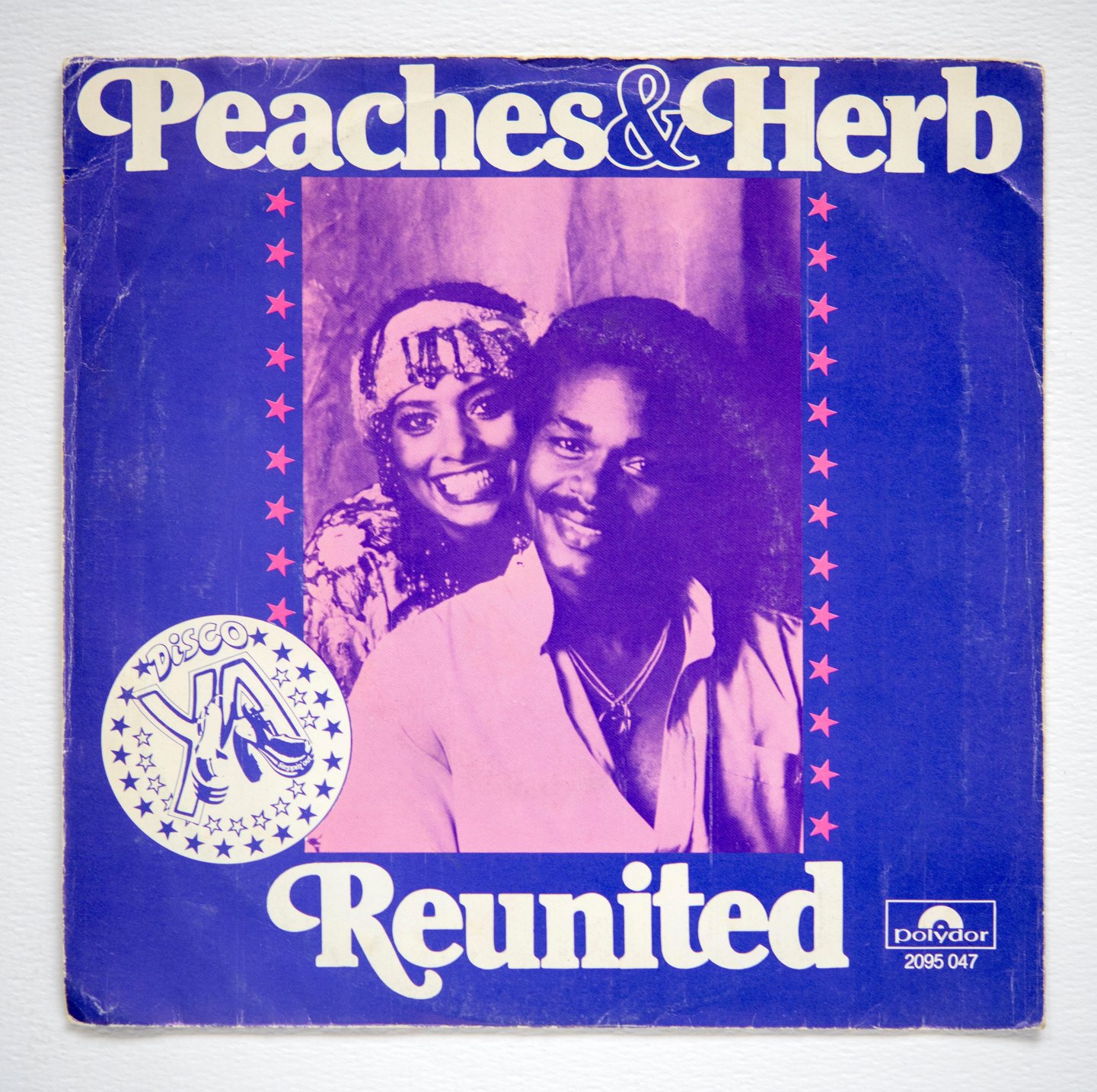
On May 5, 1979, “Reunited” by Peaches & Herb reached number one on the U.S. charts, where it remained for four weeks before Donna Summer’s “Hot Stuff” took the top spot in early June.
Though known as the “Sweethearts of Soul,” the duo featured seven different women in the role of Peaches over the years. The Peaches on the 1979 hit was Linda Greene, whose partnership with Herb Fame produced the group’s biggest crossover success.
Image via Alamy
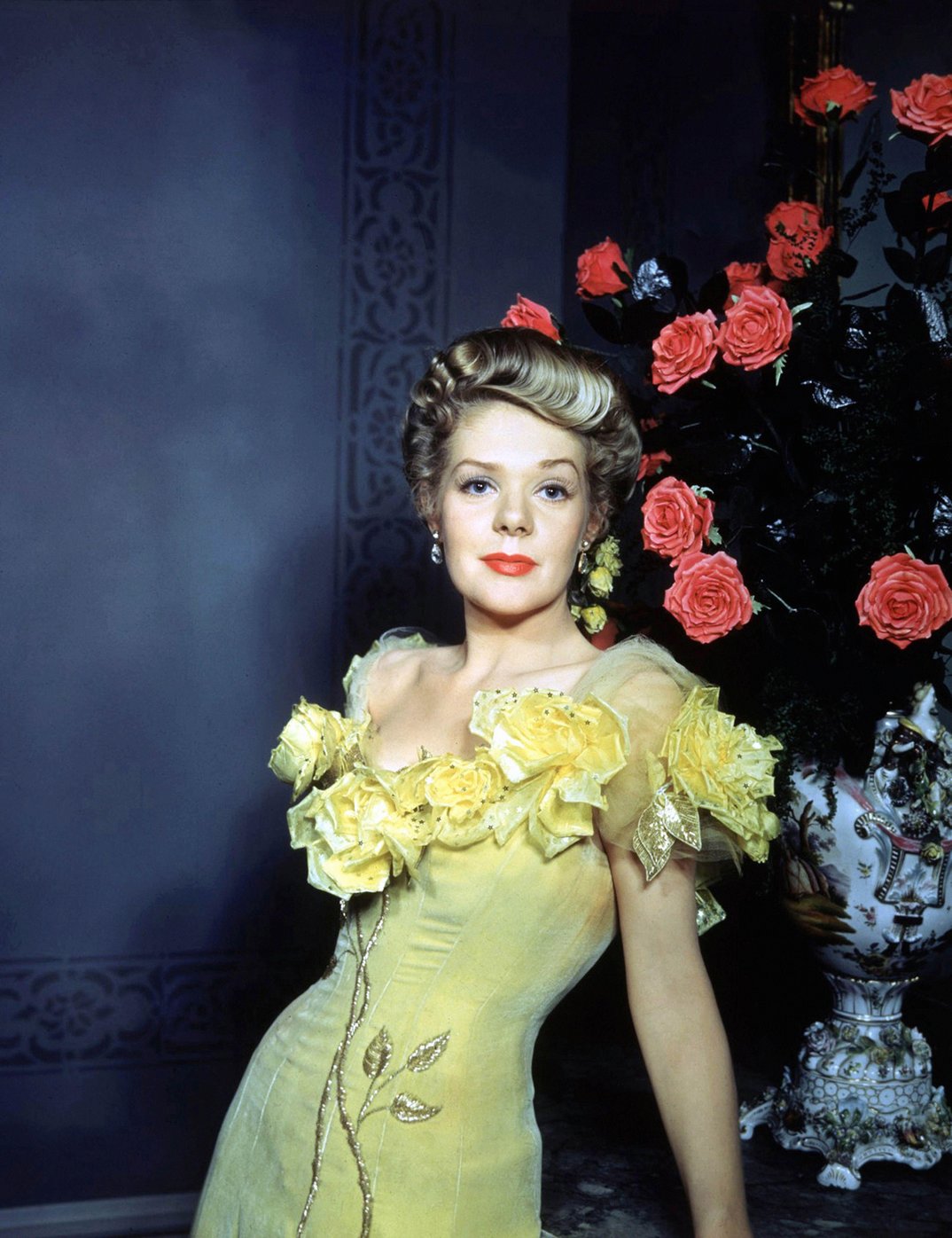
Walking Out on Hollywood
Born May 5, 1915, in Hell’s Kitchen, Alice Faye became 20th Century Fox’s top box‑office star before walking out on her contract after the studio repeatedly cut her dramatic scenes. She drove off the lot after Fallen Angel (1945) and did not return to film for seventeen years, a dramatic exit that became part of Hollywood legend.
Image via Alamy