
The Foundations of Nashville
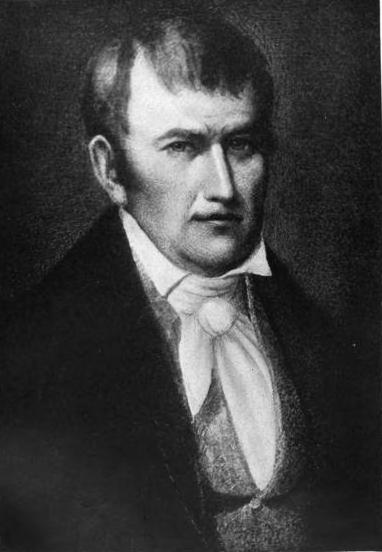
The Cumberland Compact, signed by 256 settlers on May 13, 1780, established a legal framework for self-governance in the early settlement of Nashville, Tennessee. Spearheaded by James Robertson (shown) and John Donelson, it provided laws, regulations, and military defense to help settlers survive and organize in the frontier. Robertson led an overland expedition, while Donelson guided settlers by river, both playing crucial roles in Nashville’s founding. Their precise coordination meant the two groups arrived within months of each other despite traveling completely different, treacherous routes.
Image via Wikimedia Commons, public domain
The Birth of Jamestown
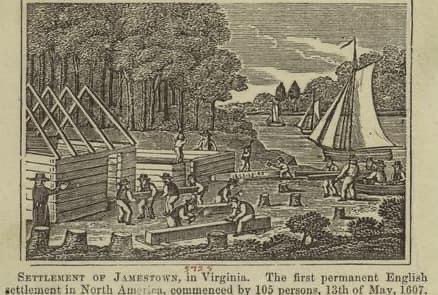
“The first permanent English settlement in North America, commenced by 105 persons, 13th of May, 1607”
The settlers chose an inland peninsula for defense against Spanish ships, unaware the swampy site lacked fresh water and swarmed with malaria-carrying mosquitoes.
Image via NYPL Digital Collections, no known restrictions
The Fury of Kīlauea
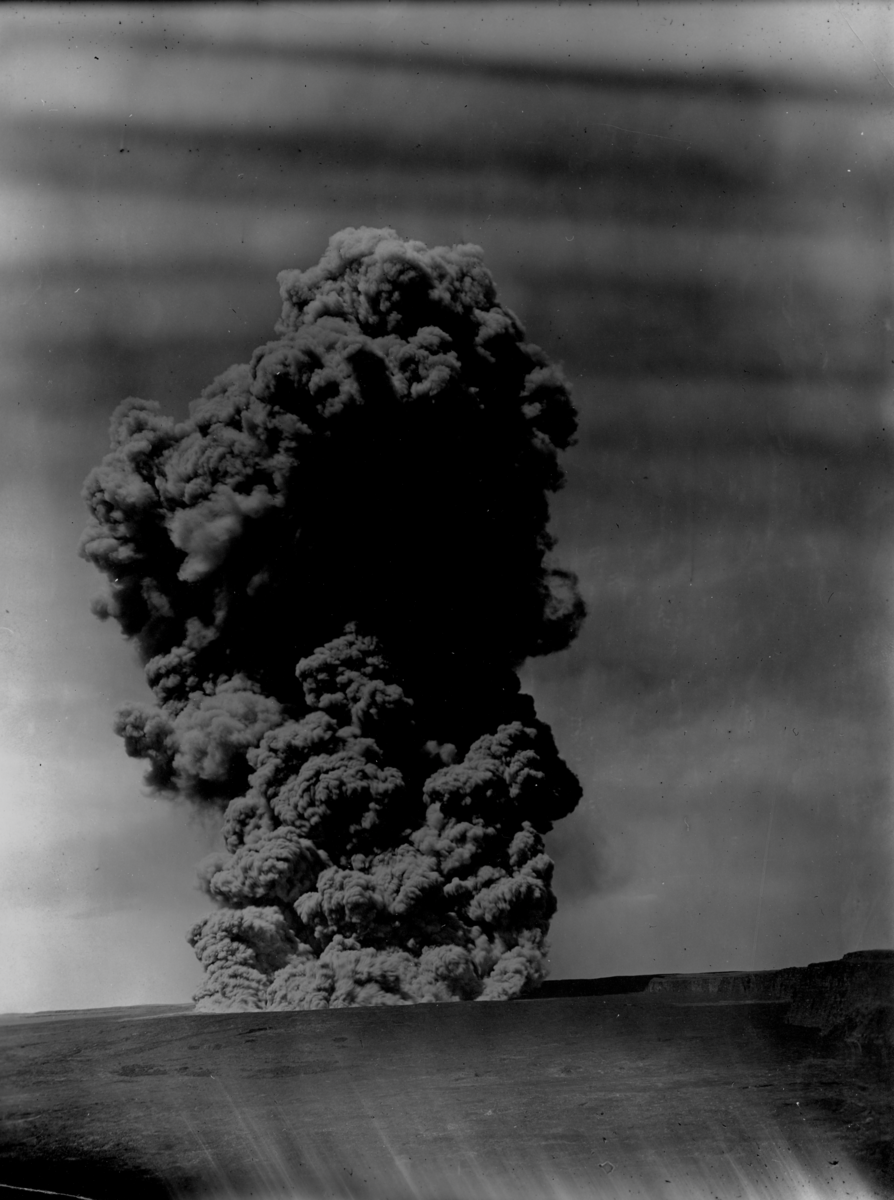
Massive smoke cloud from an eruption at Kīlauea, captured May 13, 1924.
This specific event launched a 10-ton boulder hundreds of feet from the crater, kicking off a violent explosive phase that completely altered early twentieth-century volcanology.
via Wikimedia Commons, no known restrictions
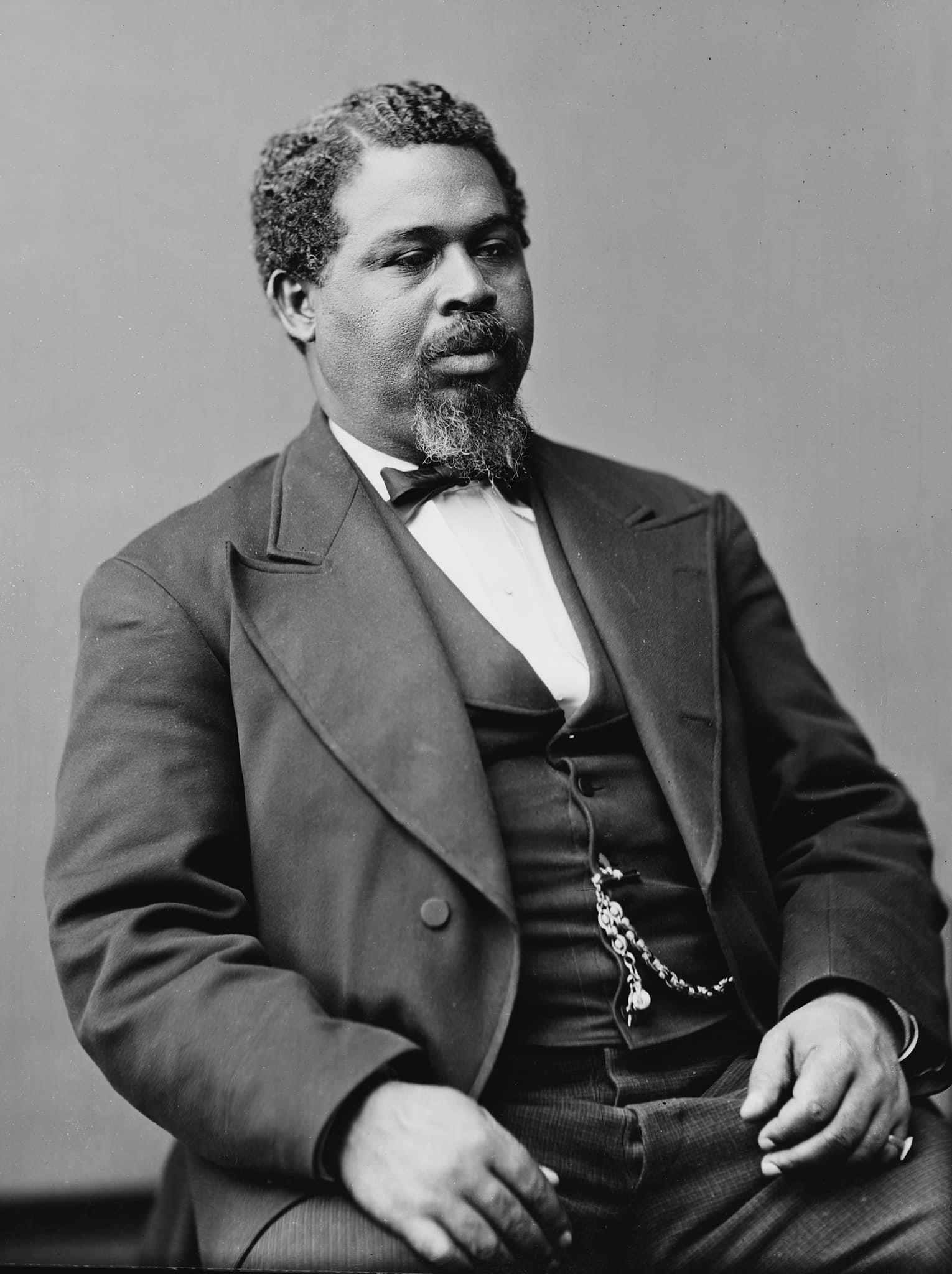
The Bold Escape of the CSS Planter
On May 13, 1862, Robert Smalls and other enslaved crewmen of the Confederate gunboat CSS Planter carried out a plan (with their families) to escape to freedom by navigating the gunboat to a Union blockade. Smalls later fought with the Union and became a U.S. Congressman. To pass the heavily armed Confederate forts unnoticed, Smalls donned the captain’s uniform and straw hat, perfectly mimicking the captain’s hand signals in the dark.
Image via Wikimedia Commons, public domain
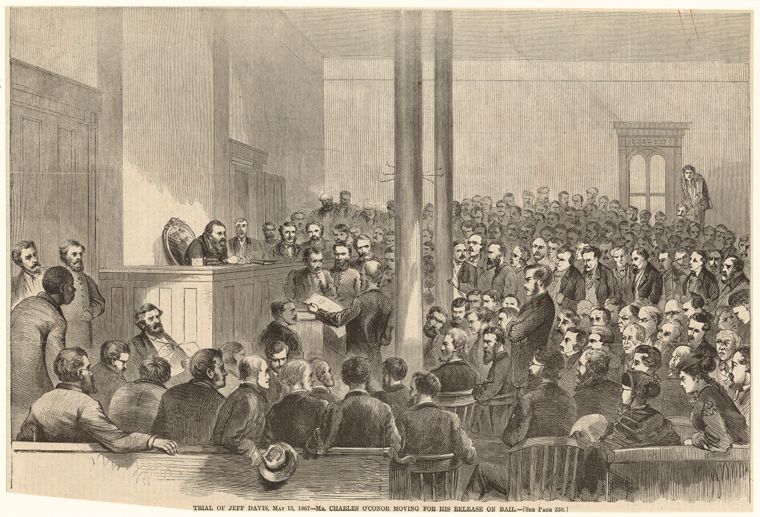
The Freedom of Jefferson Davis
Jefferson Davis released on bail – May 13, 1867. After two years of imprisonment at Fort Monroe, the former Confederate president was transferred to civilian custody and granted bail during legal proceedings in Richmond, Virginia. His trial for treason never occurred, and the charges were dropped in 1869. Surprisingly, his massive one hundred thousand dollar bail was partially paid by his former northern enemies, including prominent abolitionist Horace Greeley.
Image via NYPL Digital Collections, no known restrictions
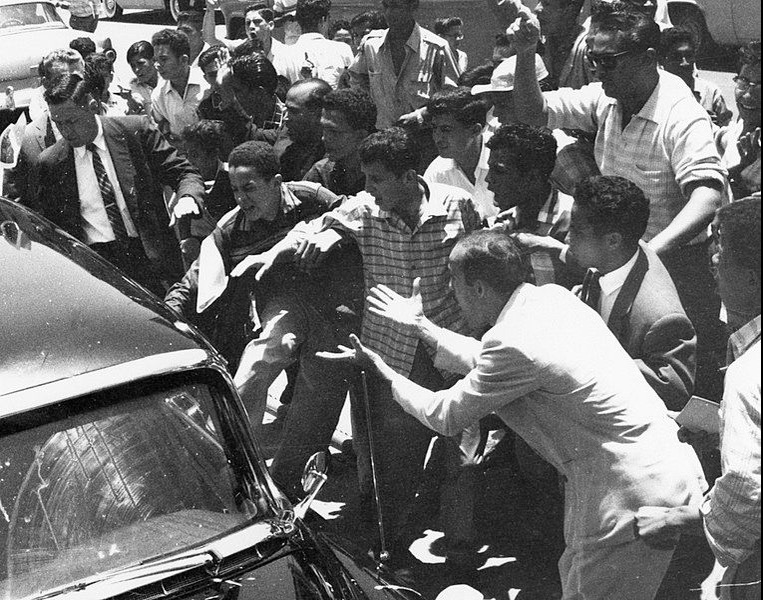
Ambush in Caracas
Vice President Richard Nixon’s motorcade was attacked on May 13, 1958 by protestors in Caracas Venezuela, damaging vehicles and injuring several of Nixon’s staff. Venezuelan authorities failed to protect the motorcade but the actions of the dozen Secret Service agents allowed Nixon to reach the US embassy shaken but unharmed. The extreme violence of the mob forced the Pentagon to quietly deploy warships and troops to the Caribbean just in case an emergency rescue operation became necessary.
US government image via Wikimedia Commons, public domain in the US.
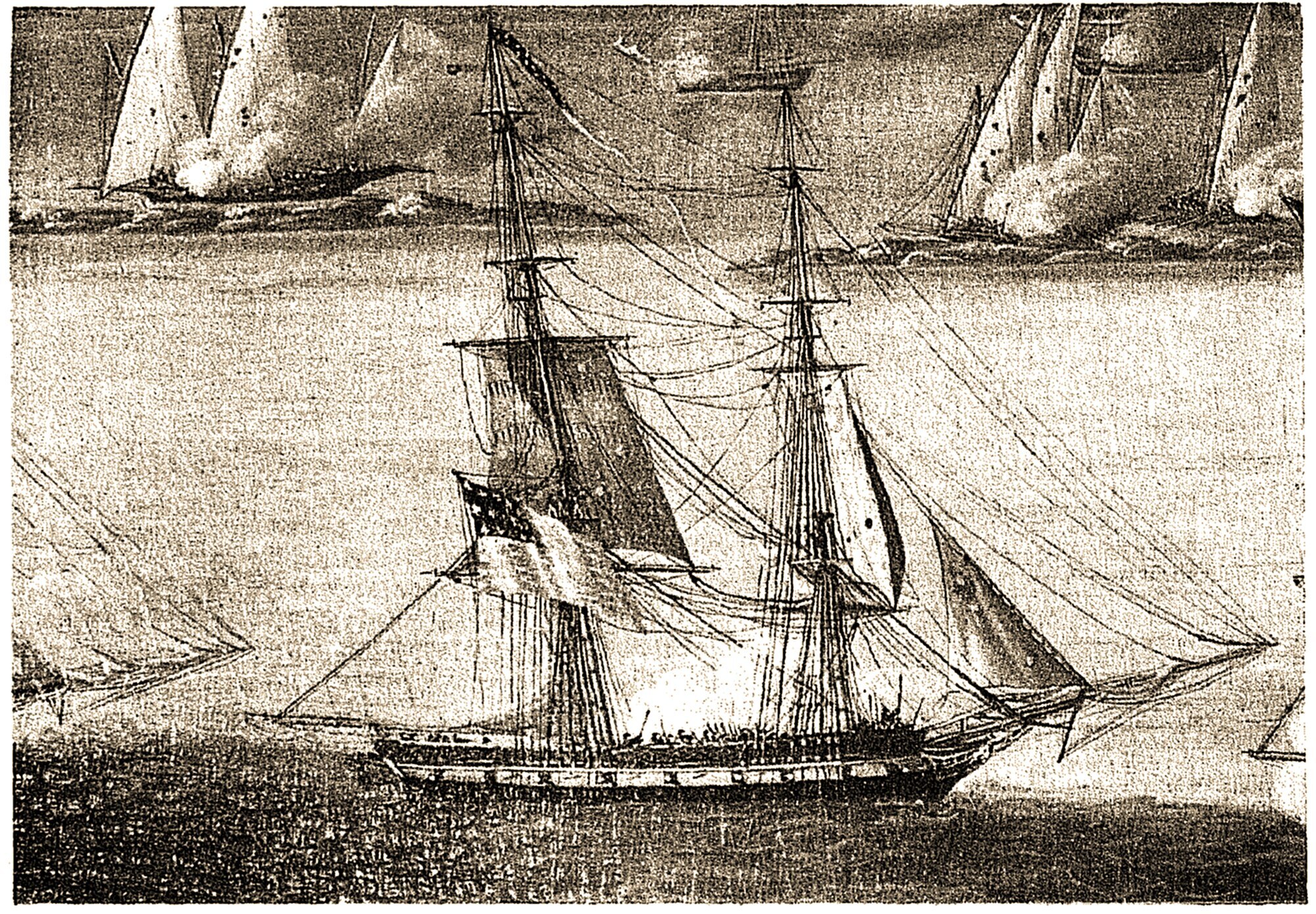
Victory At Derna
The Battle of Derna, the first U.S. victory on foreign soil, concluded on May 13, 1805. More than 2 weeks after U.S. Marines took the city of Derna, a counter attack by the enemy was repulsed on May 13th as the USS Argus bombarded the attackers forcing them to retreat. This dramatic conflict on the shores of Tripoli inspired the famous Marines’ Hymn phrase, to the shores of Tripoli.
Image: USS Argus in 1803 via Wikimedia Commons, public domain
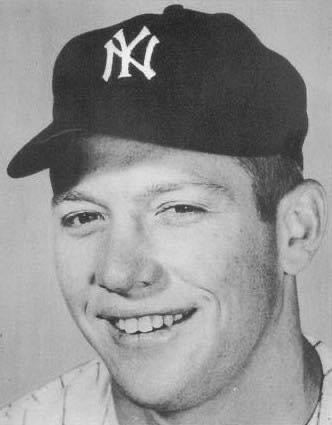
The Power of Mickey Mantle
On today’s date May 13, 1955, Mickey Mantle hit three home runs in the same game. Two were hit batting left handed and one was hit batting right handed. This incredible performance marked the very first time in major league history that a player hit home runs from both sides of the plate in a single game.
Image: Mickey Mantle in the 1950s via Wikimedia Commons, public domain
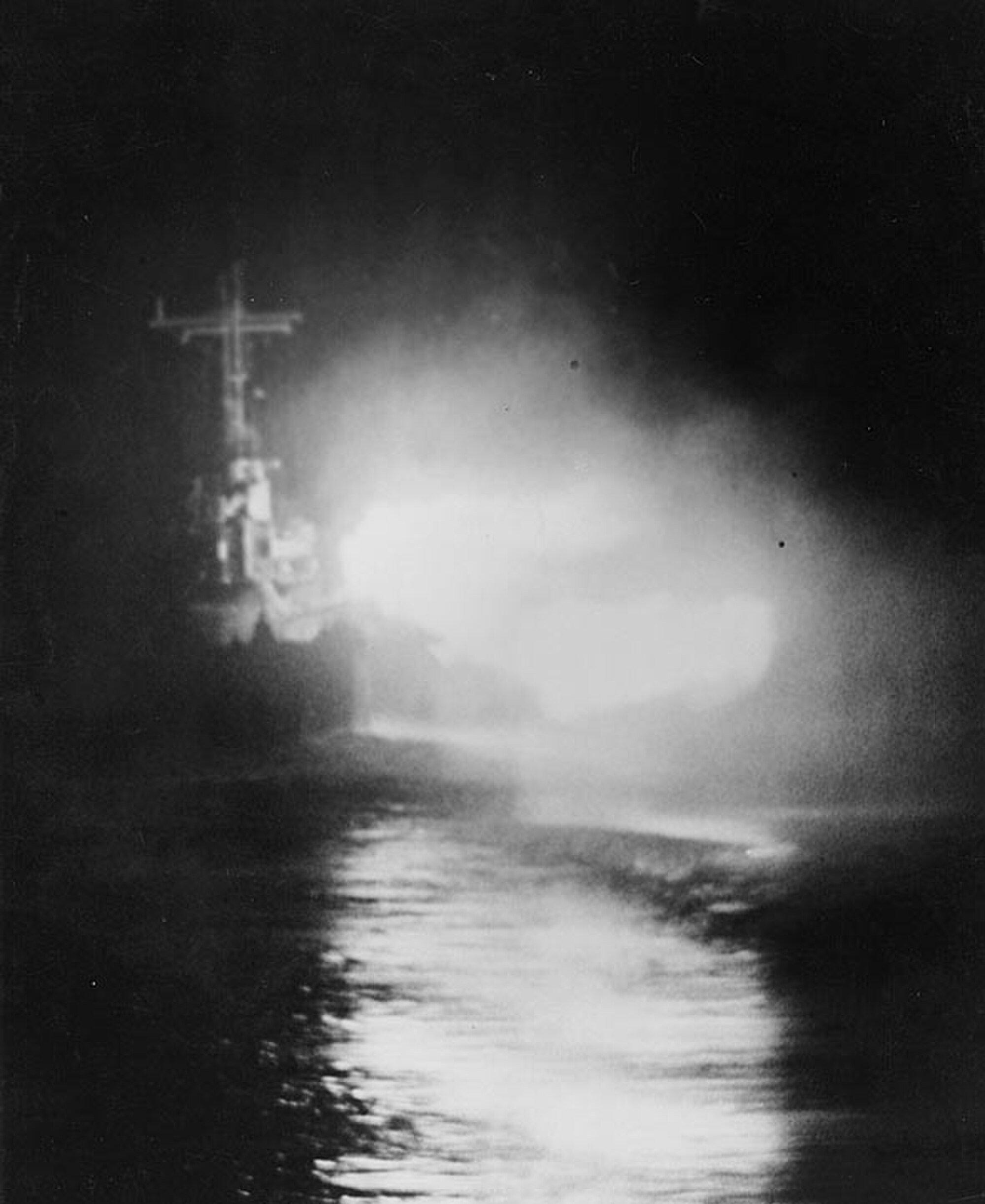
The Midnight Fury of USS Honolulu
USS Honolulu firing during the night bombardment of Japanese positions on May 13, 1943.
The ship utilized advanced, hidden radar technology to pinpoint enemy targets through the pitch-black darkness, changing the landscape of nighttime naval warfare.
Image via Wikimedia Commons, public domain
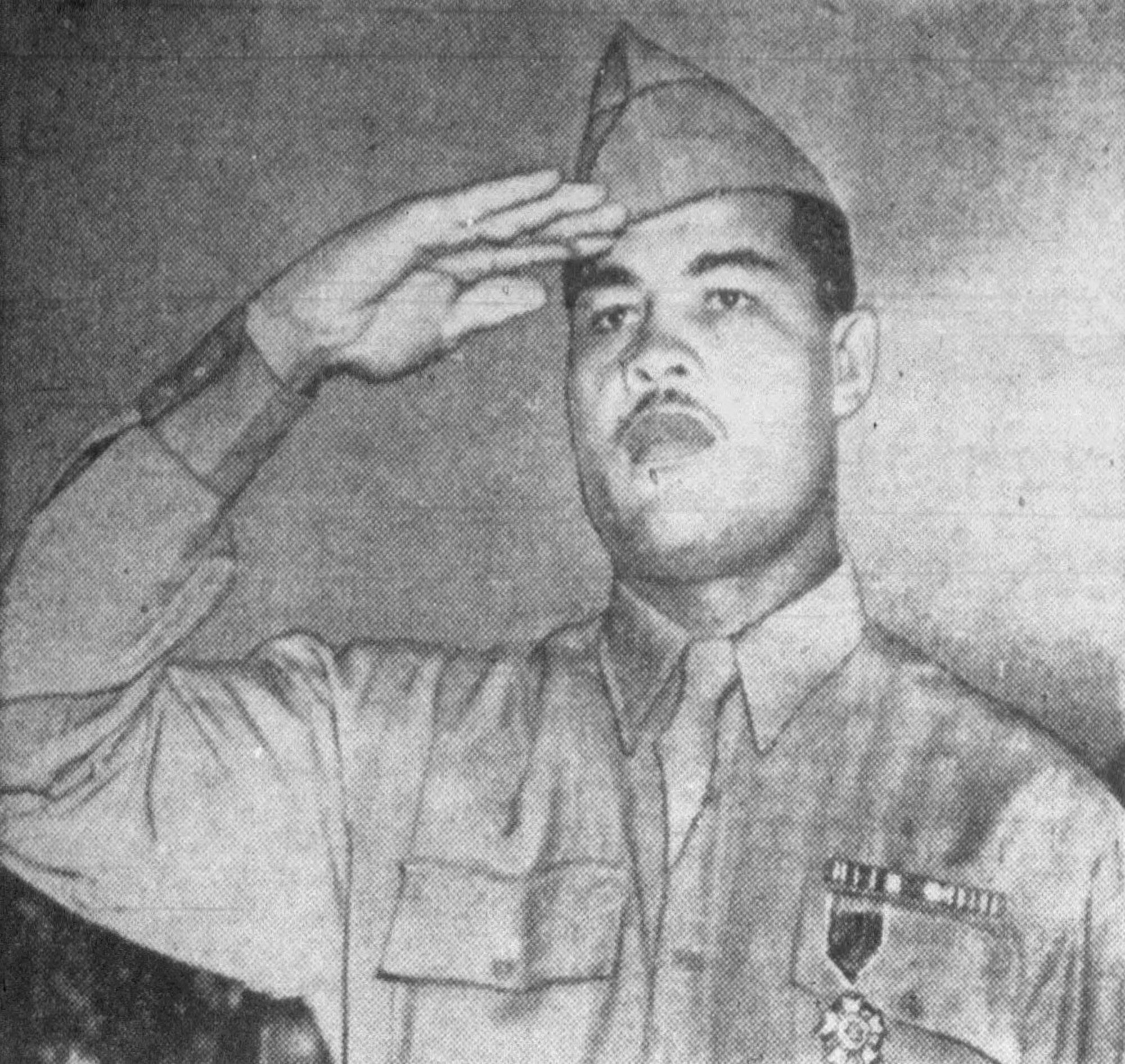
The Birth of a Champion
WWII Veteran and boxing champion, Joe Louis, was born on May 13, 1914 in LaFayette, Alabama. Before finding his legendary power in the ring, he took violin lessons as a child, but secretly used his music lesson money to pay for a locker at a local boxing gym.
Image: Joe Louis during his service in the United States Army during World War II via Wikimedia Commons, public domain
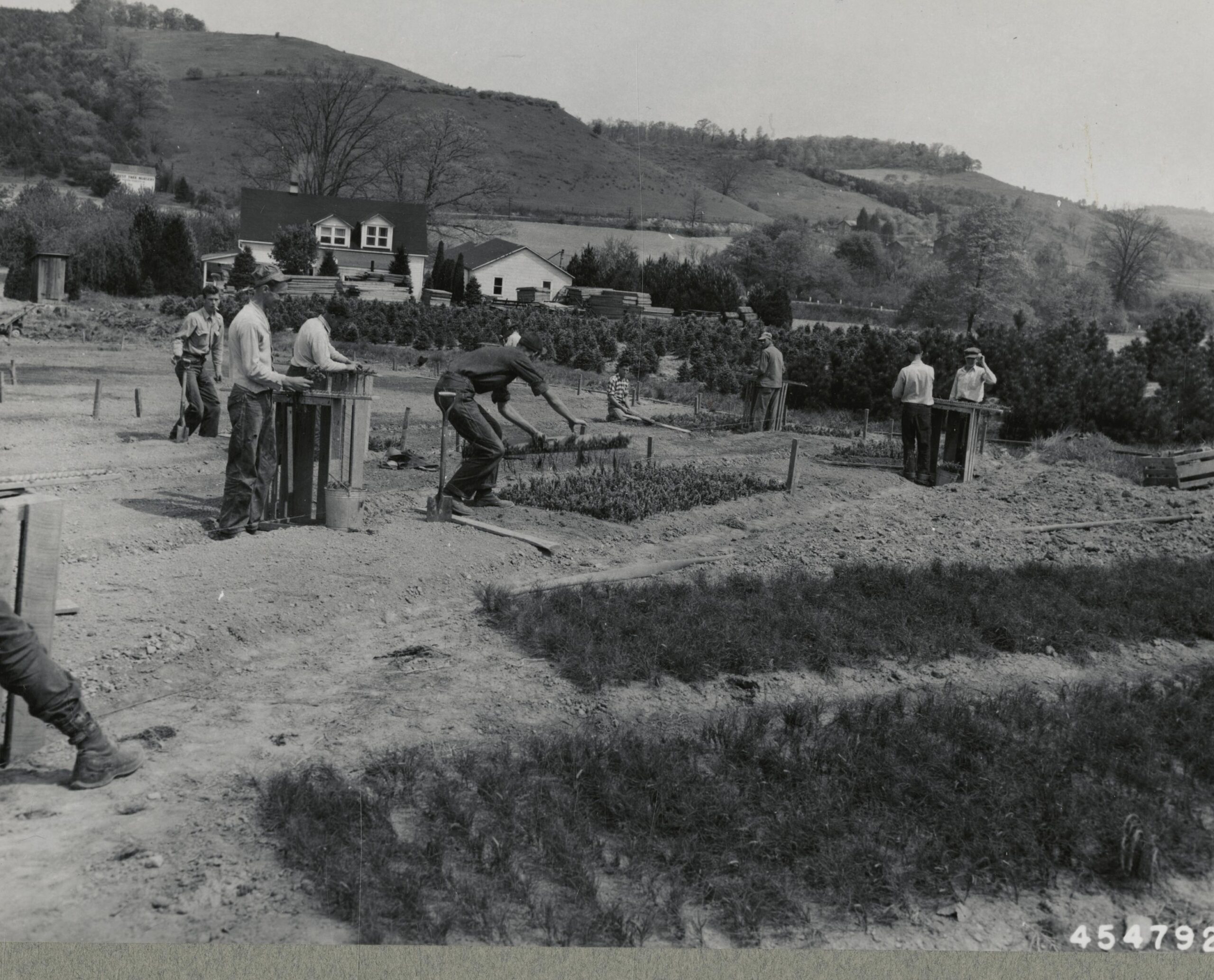
Greening the Highway
Transplant crews at work at the Musser Forests, Inc. Nursery on Highway 80 east of Indiana, Pa. 5/13/1949
This specific location eventually grew to become one of the largest production nurseries in the world, shipping millions of trees globally to fuel mid-century reforestation efforts.
Image via Wikimedia Commons, public domain
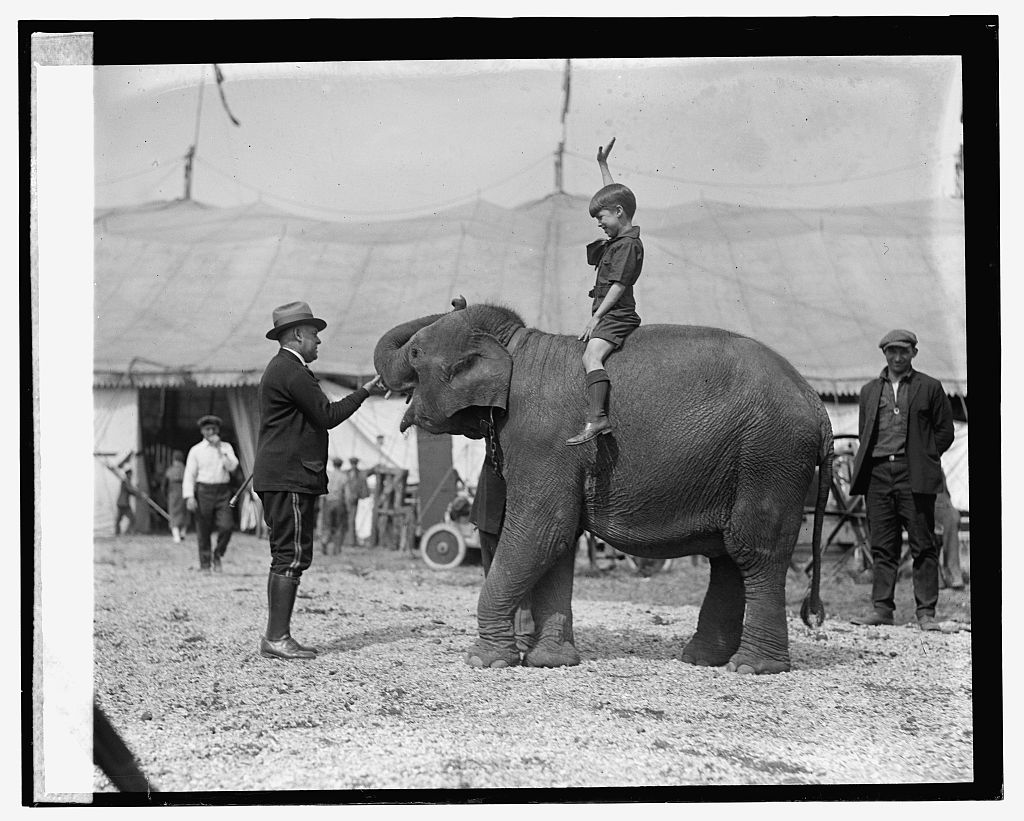
A Grandson at the Circus
Teddy Roosevelt (Theodore Roosevelt III) at circus, 5/13/1924
As the grandson of the former president, he attended this event while his own father, Theodore Roosevelt Jr., was serving as Assistant Secretary of the Navy. This playful moment shows the young boy riding a baby elephant, a lighthearted and very public nod to his famous family’s lifelong ties to the Republican Party’s official mascot.
via LOC, no known restrictions
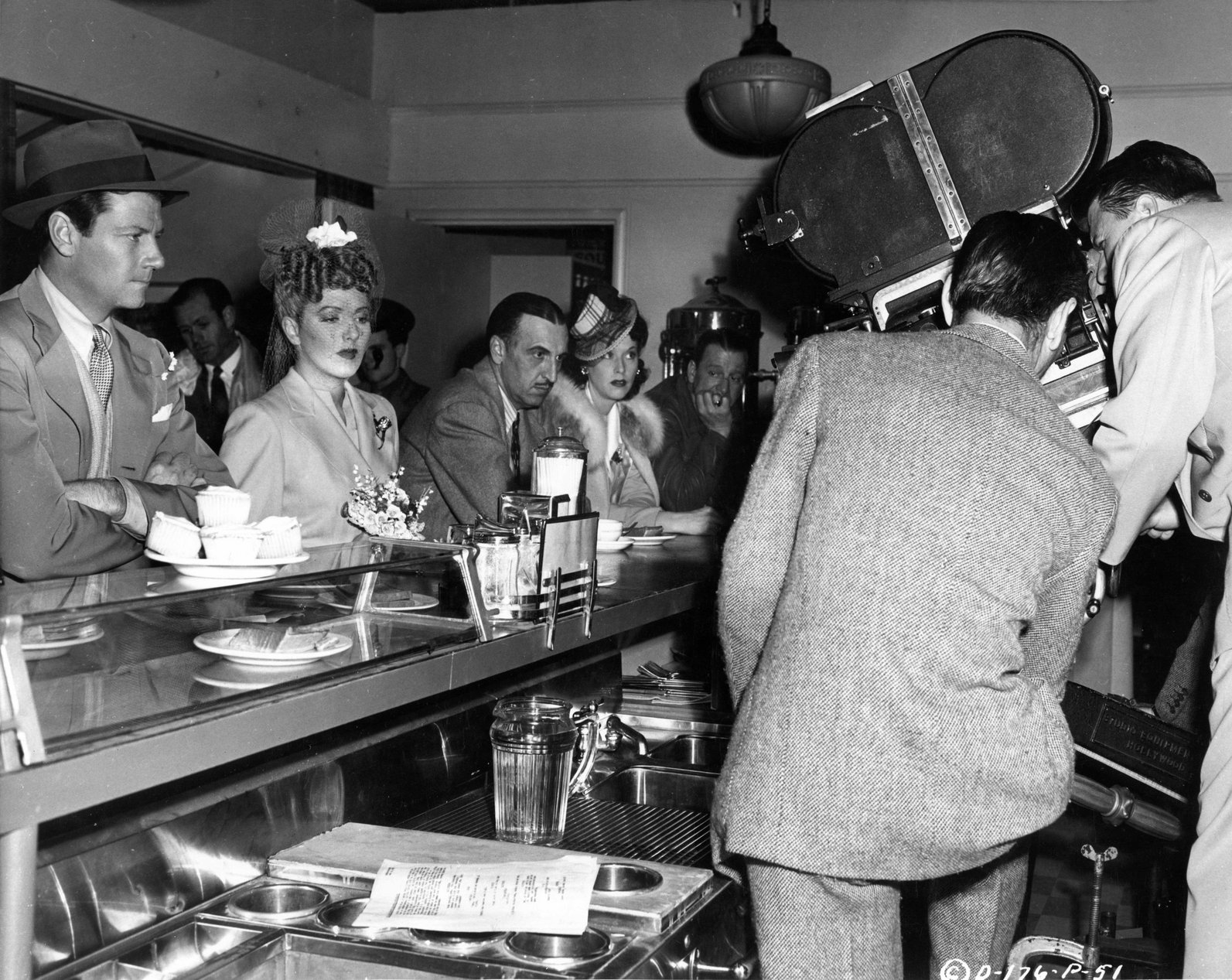
Behind the Scenes of Comedy
Joel McCrea and Jean Arthur on set with Director George Stevens (looking through camera viewfinder) during filming of “The More The Merrier” which was released on May 13, 1943.
The film went on to receive six Academy Award nominations, providing a much-needed comedic relief to audiences enduring the height of global wartime rationing.
Image via Alamy
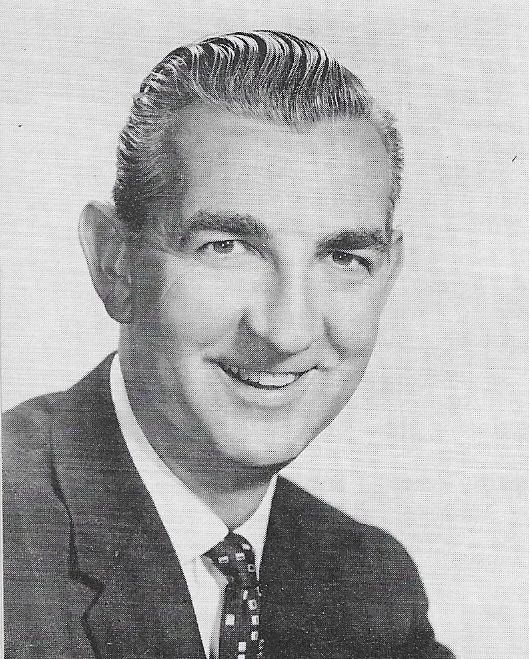
The Voice of Munchkinland
Ken Darby, who provided vocals for the Munchkinland mayor in The Wizard of Oz, was born on May 13, 1909 in Hebron, Nebraska. He was also a composer who won three Academy Awards. To create the unique, high-pitched vocal style of the Munchkins, Darby had to record the singers at a slow speed and then play the audio back at a much faster rate.
Image via Wikimedia Commons, public domain
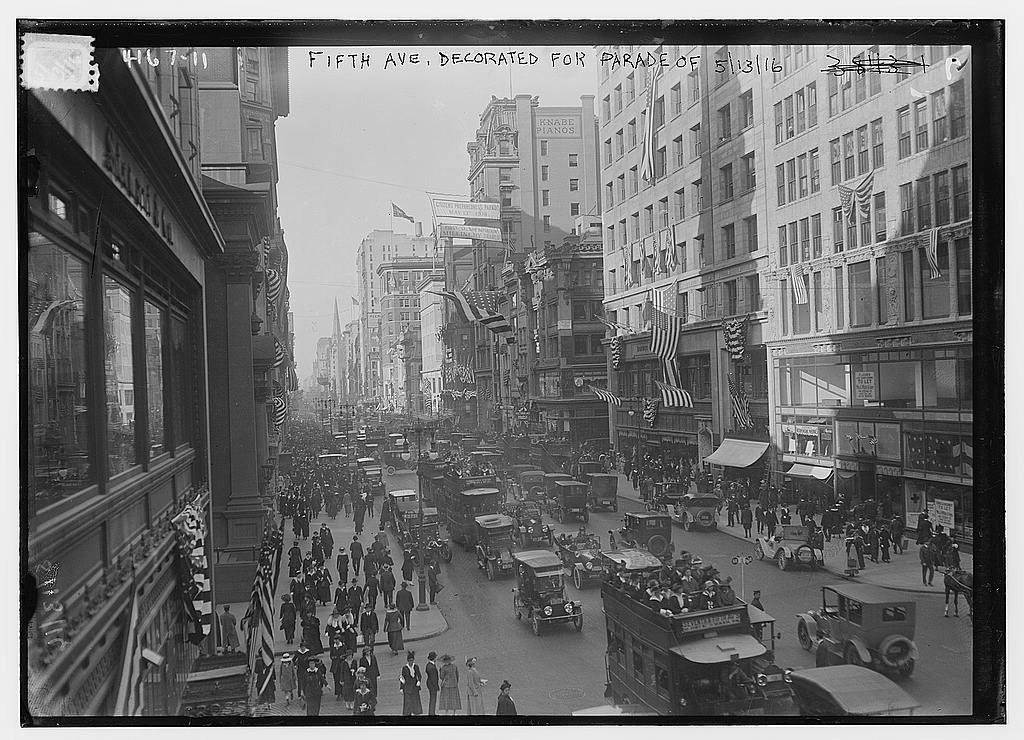
The March for Preparedness
5th avenue, between 39th and 40th streets, New York City, during the Citizens’ Preparedness parade which was held on May 13, 1916.
This massive event lasted for over eleven hours and featured over one hundred thousand marchers, signaling a massive shift in public opinion toward entering World War I.
Image via LOC, no known restrictions
The Wonder of Detroit
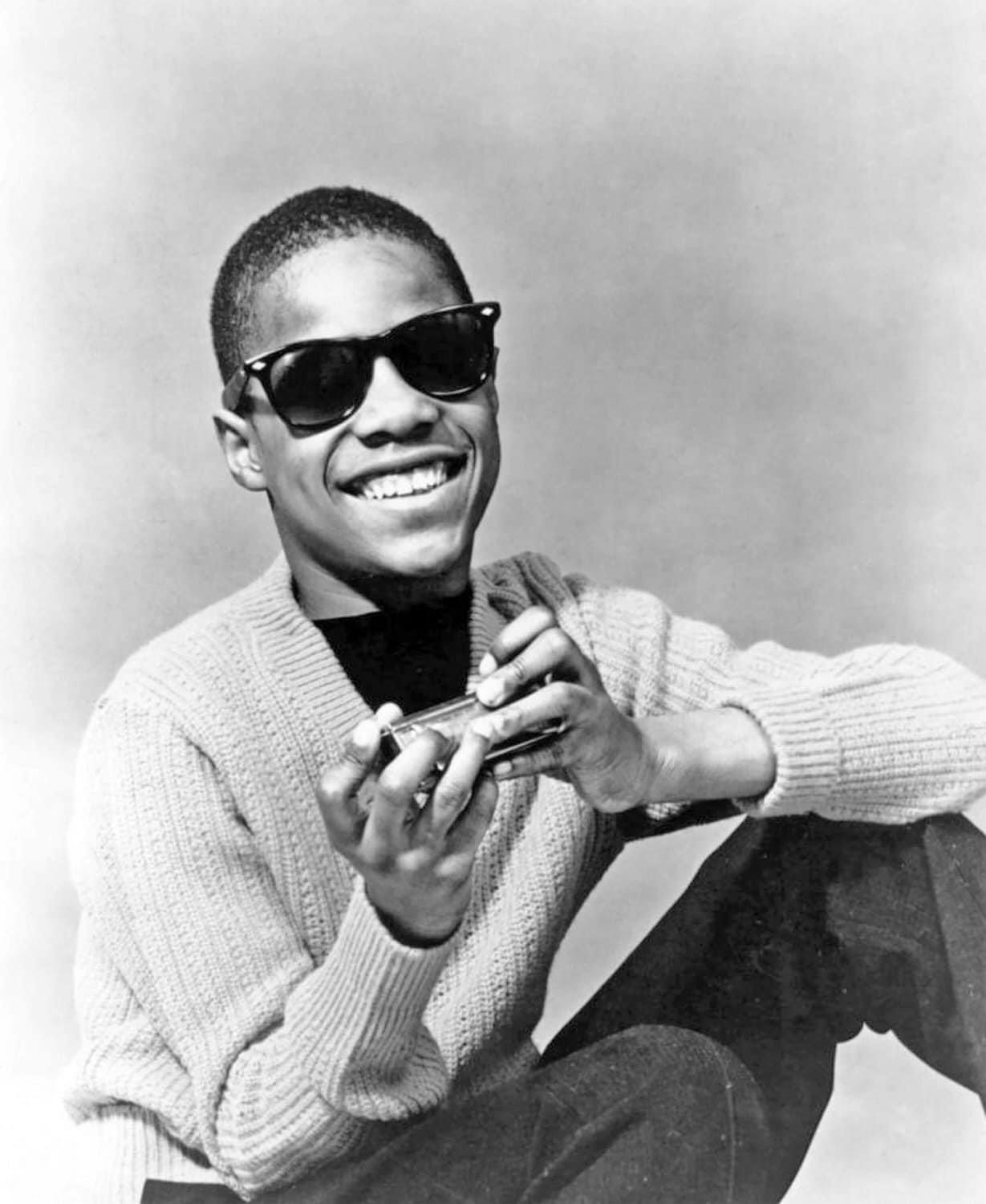
On May 13, 1950 Stevie Wonder was born in Saginaw, Michigan. Stevie Wonder in 1965. The same year he released the hit song “Uptight” (Everything’s Alright). Signed to Motown at just eleven years old, he was legally a minor, so the record label placed all his earnings into a trust fund until he turned twenty-one.
Image via Alamy
An Alliance of Exile and Independence
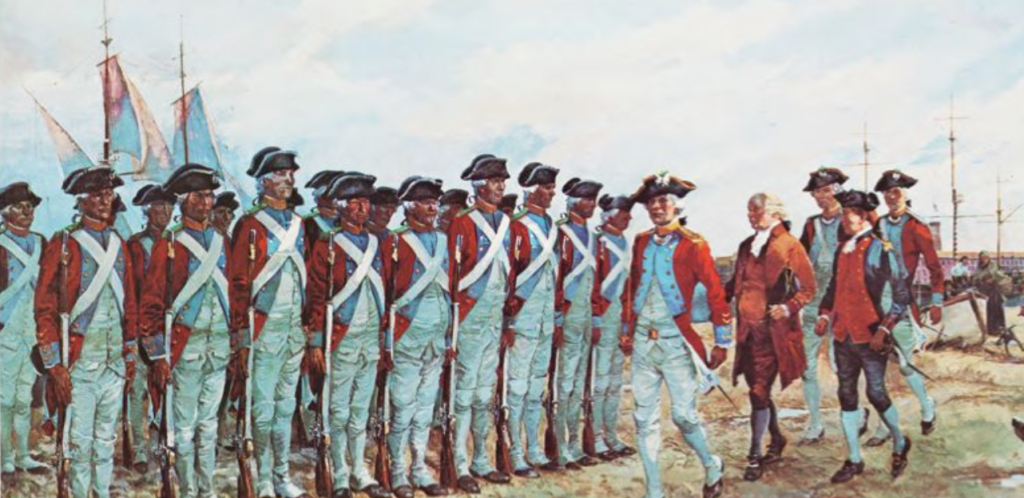
May 13, 1779 — L’Orient, France
On a cool May evening in the French port of L’Orient, John Adams stepped ashore from the frigate Alliance and found an unexpected sight waiting for him. John Paul Jones—already a rising legend in the American cause—had assembled a full line of Marines for inspection. But these were not American-born recruits. They were Irish soldiers of the Régiment de Walsh‑Serrant, veterans of the famed Irish Brigade of France, men whose families had been exiled generations earlier yet still carried their own fierce tradition of service.
Dressed in striking red coats—a deliberate reminder of the uniform they believed rightfully theirs—they stood at attention as Adams and Jones walked the line. Adams later wrote that the review was “splendid,” the men disciplined, proud, and eager for the fight ahead. Within weeks, they would join Jones aboard the Bonhomme Richard, forming the Marine detachment that would endure smoke, fire, and splintered timbers at Flamborough Head, where Jones delivered his immortal defiance: I have not yet begun to fight. This specific inspection marked the critical moment French-backed foreign legionnaires officially integrated into Continental Navy operations, effectively bridging European military exile with the birth of American naval warfare.
For one evening in L’Orient, the future of the American Navy, the hopes of an exiled Irish regiment, and the steady gaze of a founding father all converged—an alliance of necessity, courage, and shared belief in a cause larger than any single flag.
