
The Battle That Broke the Confederate West
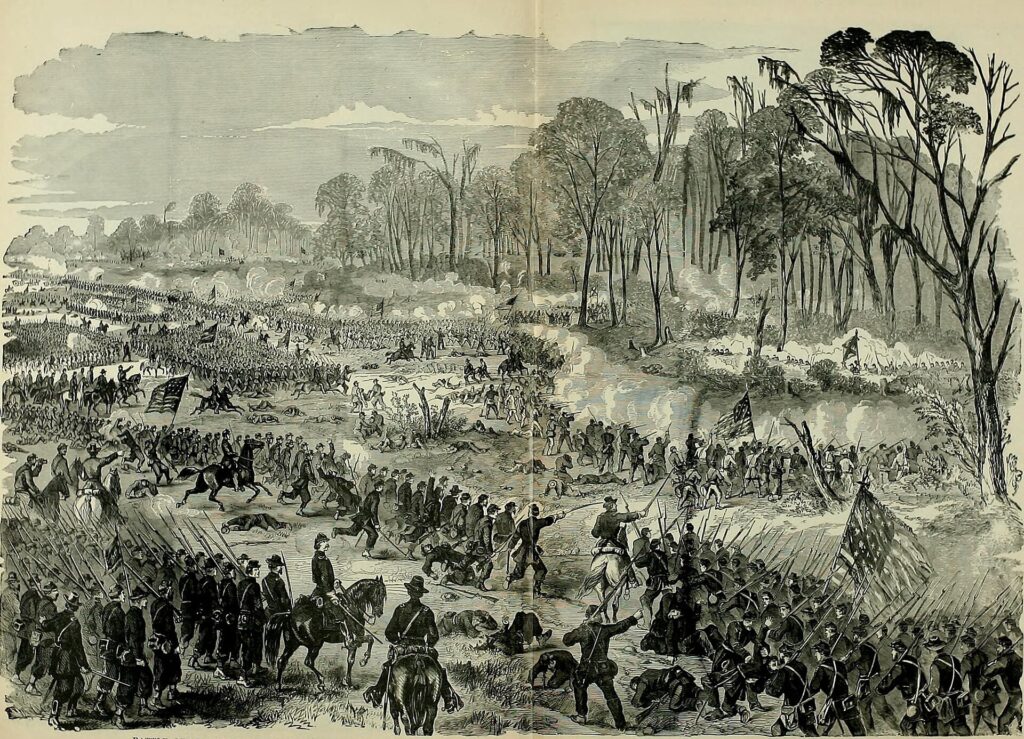
On May 16, 1863, the Battle of Champion Hill became the bloodiest and most decisive engagement of the Vicksburg Campaign. Paralyzed by conflicting orders from Jefferson Davis and Joseph E. Johnston, John C. Pemberton’s army was caught reversing its entire column on narrow roads. Ulysses S. Grant exploited this fatal bottleneck with crushing effect, launching a timely flank attack that shattered the Confederate line, sealed the fate of Vicksburg, and split the Confederacy in two.
The Illumination of Luna Park
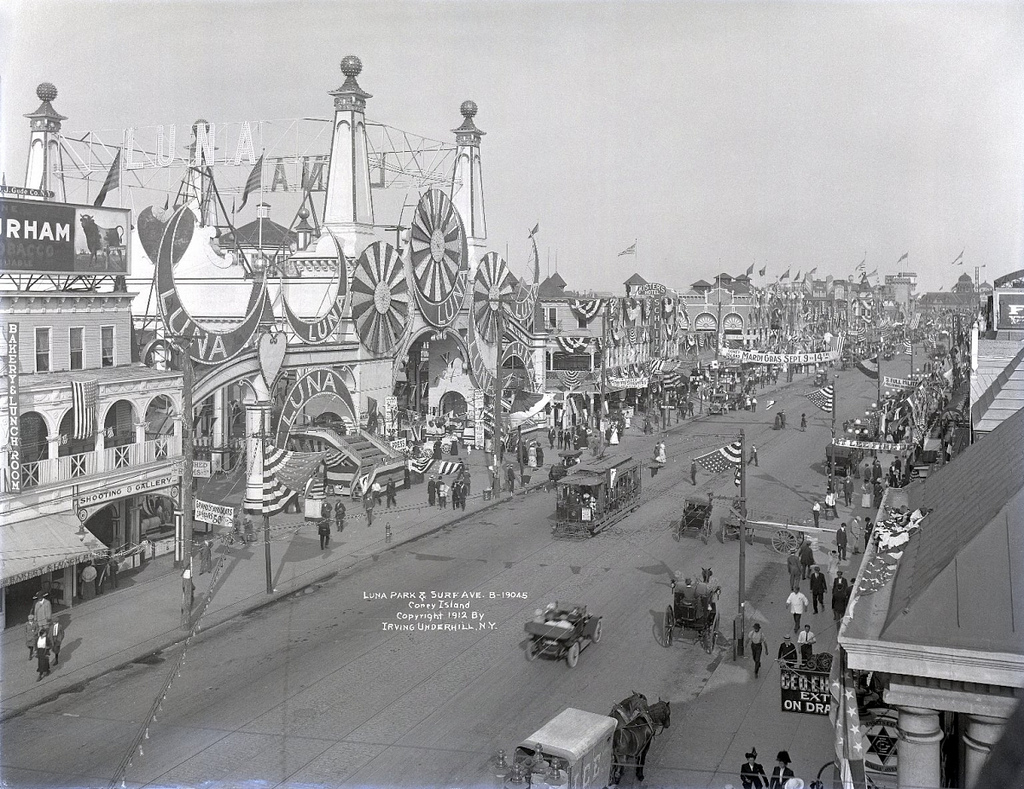
Luna Park, one of Coney Island’s earliest amusement parks, opened on May 16, 1903, partially built over the former Sea Lion Park, which had opened in 1895. On its opening night, the park unveiled a breathtaking spectacle of over two hundred and fifty thousand electric lightbulbs that completely illuminated the night sky, a true marvel at a time when most American homes still relied on gas lamps.
Here’s a photo taken of Surf Avenue and Luna Park a few years later in 1912.
Image via Wikimedia Commons, public domain
The Secret Rarity of the 1866 Nickel
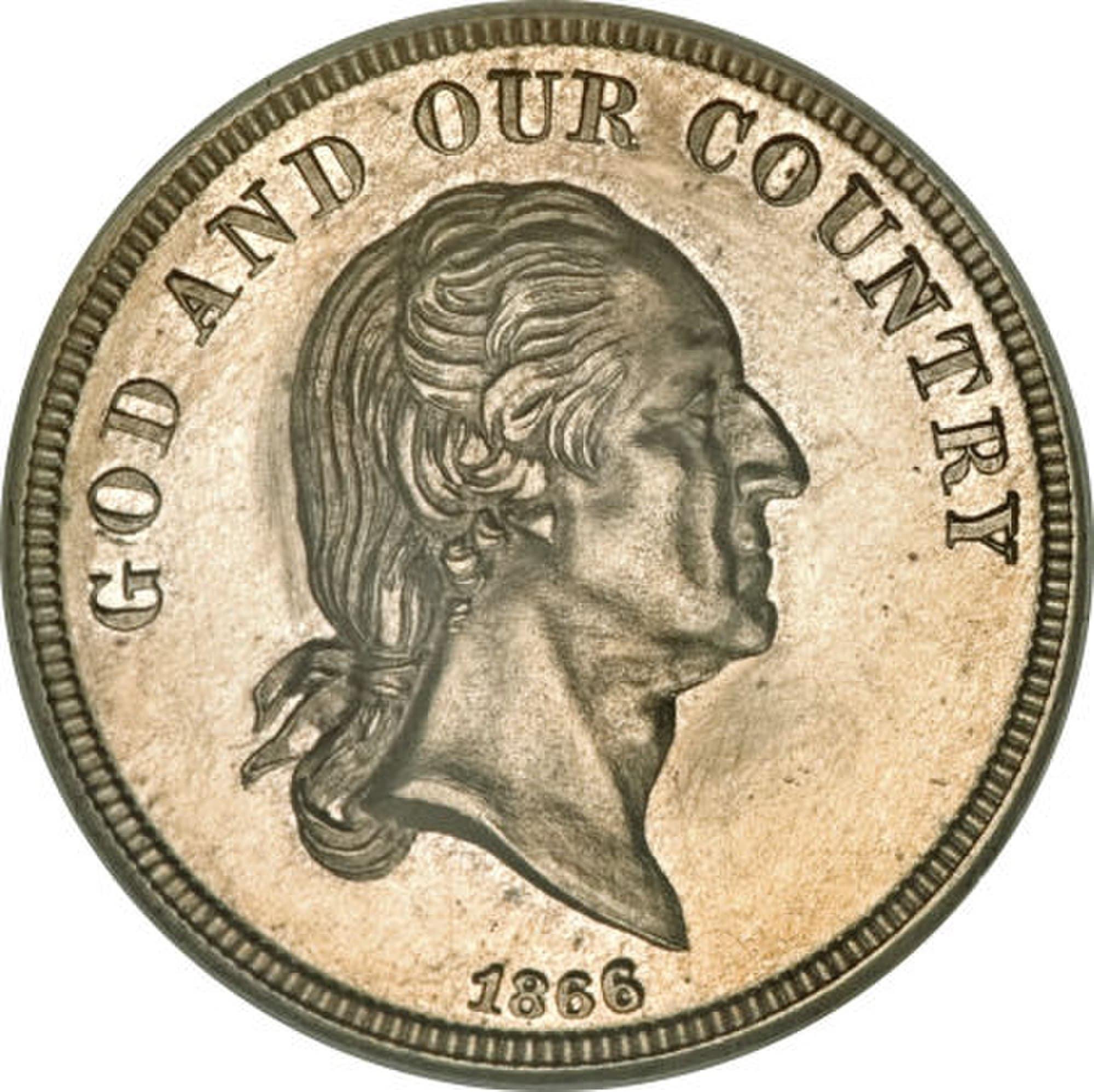
On May 16, 1866, the U.S. Congress established the nickel. Among the experimental patterns minted during this initial phase was a rare Washington nickel featuring the phrase “God And Our Country,” an incredibly scarce design today that is highly prized by numismatists, who know of only about five genuine specimens in existence.
A rare Washington nickel with the phrase “God And Our Country” from 1866
Image via Wikimedia Commons, public domain
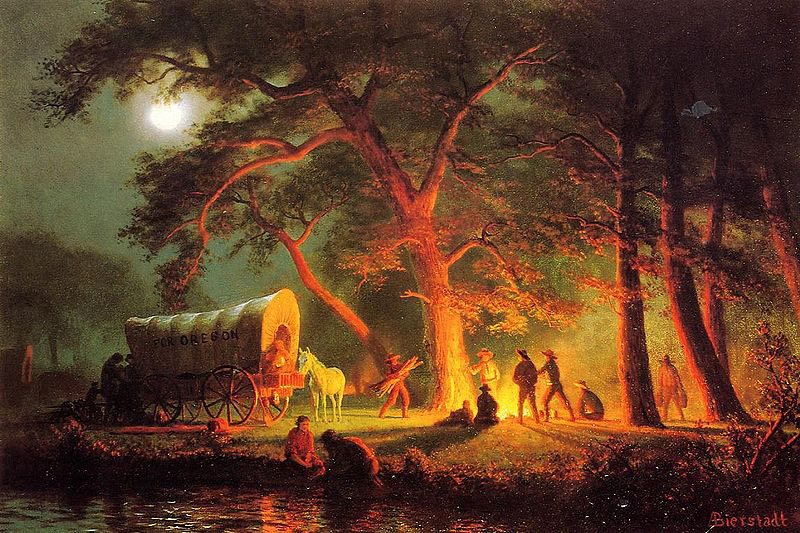
The Government Agent of the Oregon Trail
On May 16, 1842, the first of many large wagon trains left Elm Grove, Missouri to travel the Oregon Trail. This historic departure of pioneers was led by Elijah White, a Presbyterian physician traveling under a special appointment as the first United States government sub-agent for the Oregon Territory. From the 1840s to the 1860s it is estimated that about 400,000 people made the lengthy trek and the National Park Service maintains a number of sites where wagon ruts are still visible.
“Oregon Trail (Campfire)”
by Albert Bierstadt, Wikimedia Commons, public domain in the US {US-PD}.
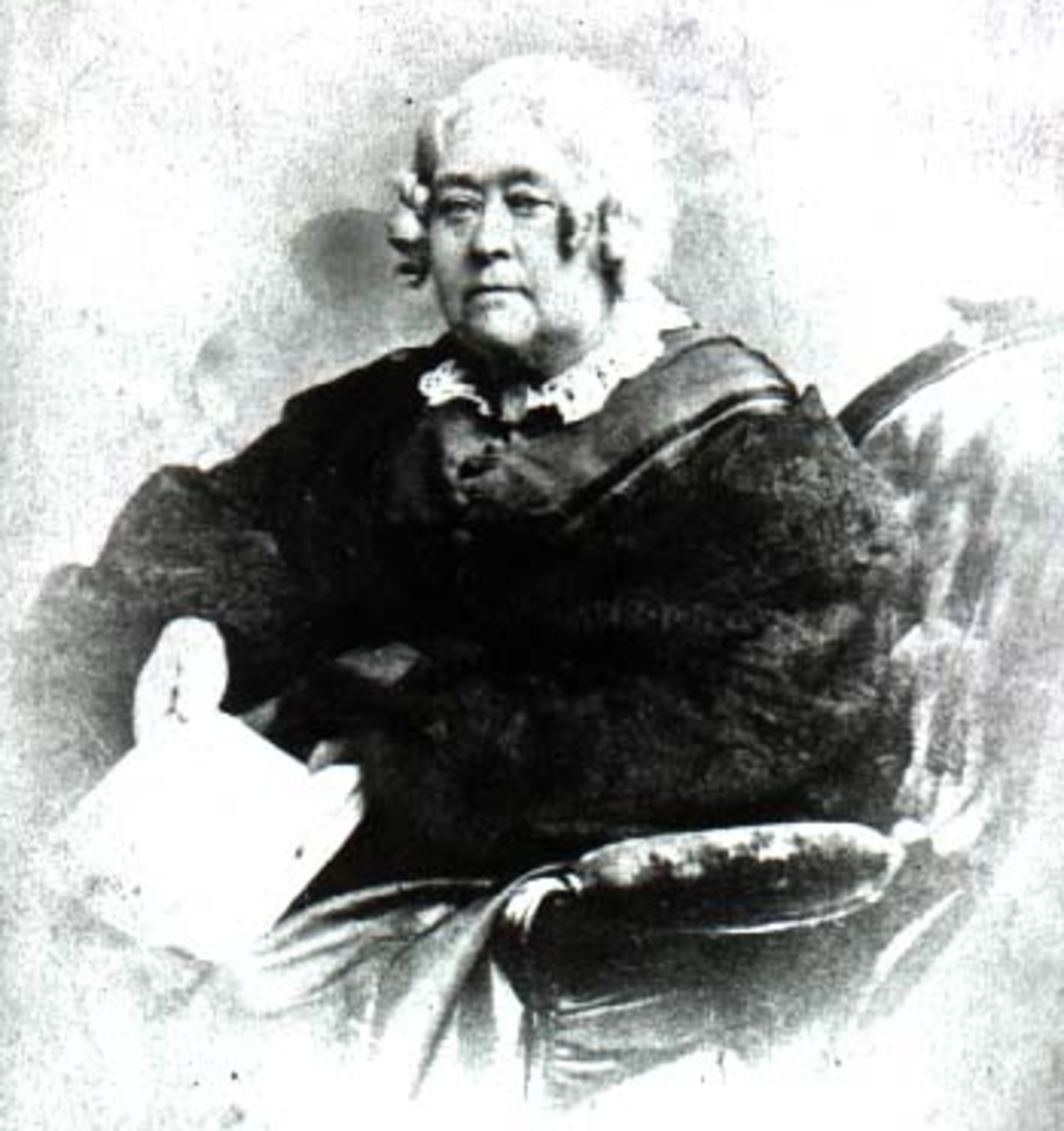
The Teaching Gifts of Elizabeth Palmer Peabody
On May 16, 1804, Elizabeth Palmer Peabody was born in Billerica, Massachusetts. In addition to opening the first English language kindergarten in America at her home on Pinckney Street in Boston, she also opened her own bookstore and was the first known person to translate the Lotus Sutra (the most venerated Buddhist sutra) from French into English.
Image via Wikimedia Commons, public domain
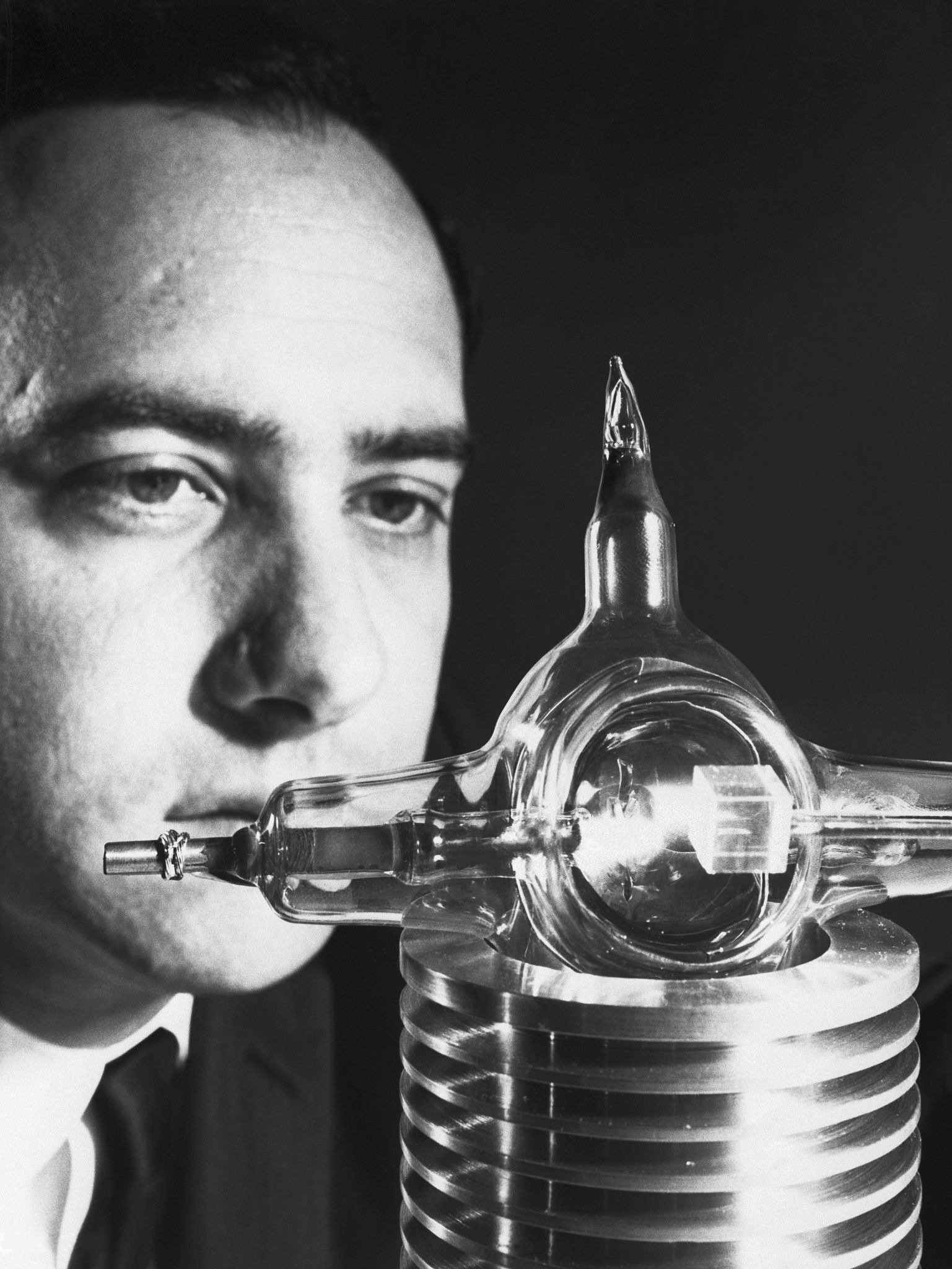
The Pink Ruby That Fired the First Laser
The world’s first laser was fired at Hughes’ laboratories in Malibu, California on May 16, 1960. It was invented by an American named Theodore Maiman, who successfully generated the historic beam using a synthetic pink ruby crystal less than two inches long wrapped inside a high-intensity spiral flash lamp.
Image via Wikimedia Commons, public domain
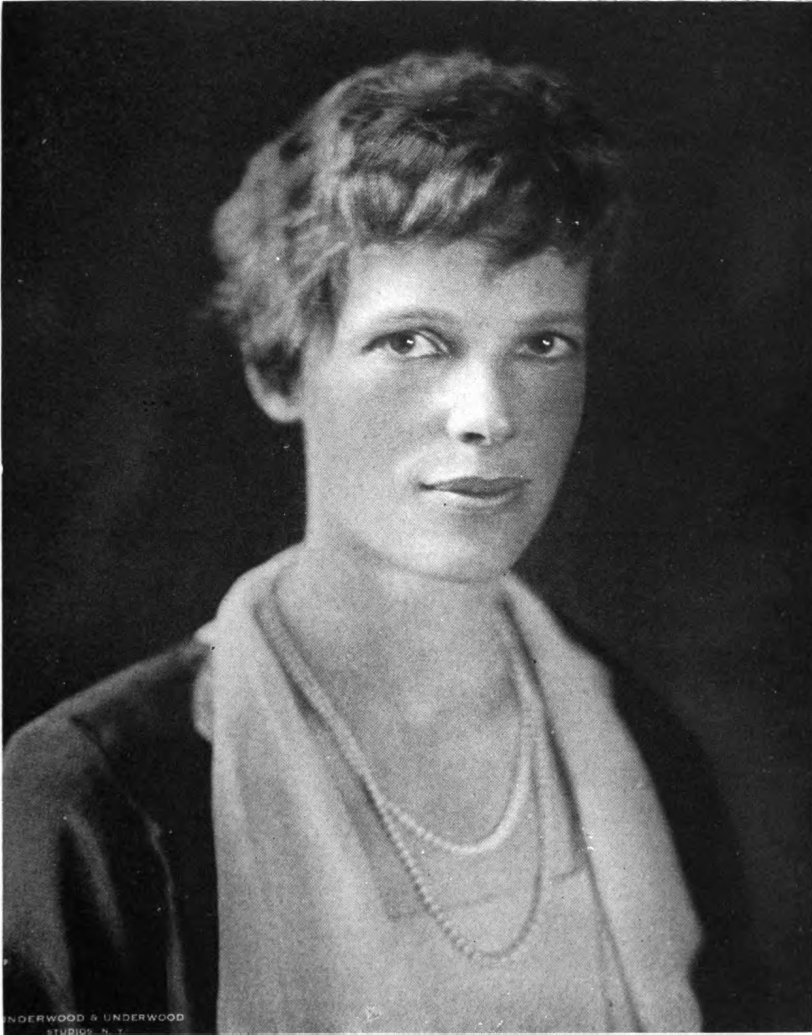
License Number 5717
Amelia Earhart became the 16th woman in the United States to be issued a pilot’s license on May 16, 1923. Her license was issued by the Federation Aeronautique Internationale, and she proudly carried the wallet-sized card, marked as license number 5717, with her for years as proof of her hard-won achievement.
Image via Wikimedia Commons, public domain
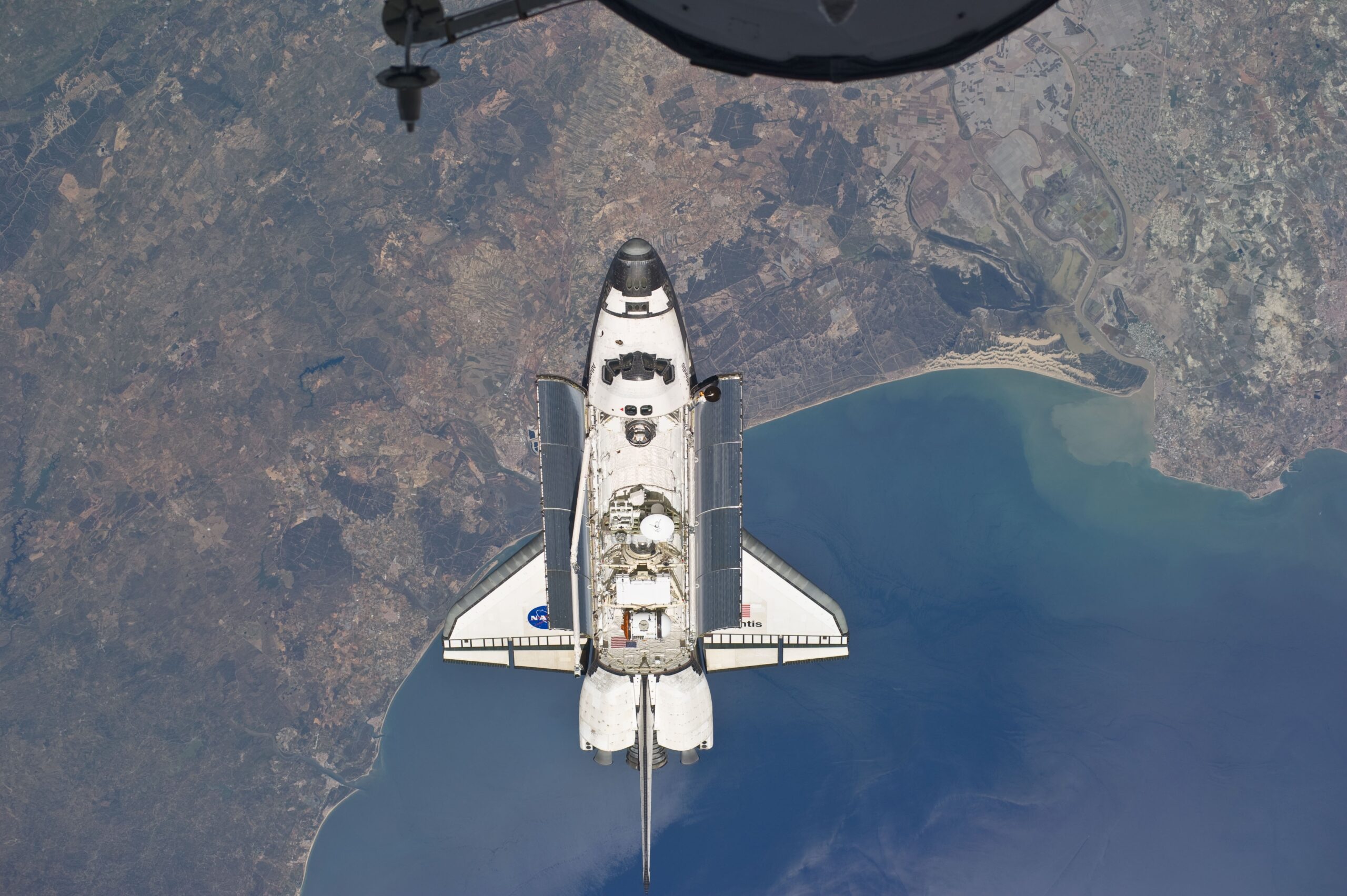
A New Dawn for the Space Shuttle Atlantis
Space Shuttle Atlantis approaching the International Space Station high above the Atlantic coast of Spain on May 16, 2010. During this specific mission, the crew delivered a critical Russian-built research module named Rassvet, which translates directly to Dawn, to the expanding orbital outpost.
Image via Wikimedia Commons, public domain
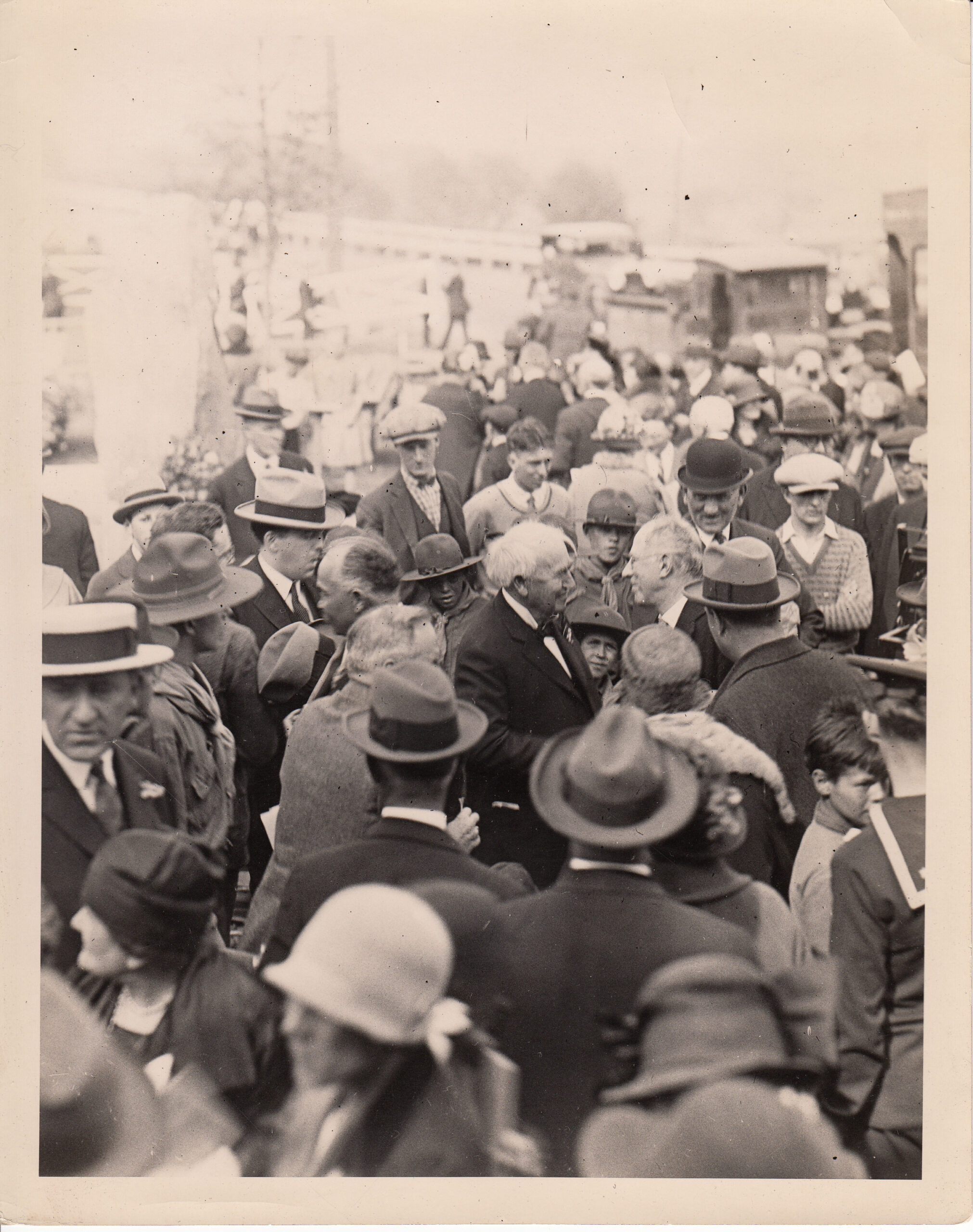
The Fifty-Ton Boulder of Menlo Park
Thomas Edison in crowd at dedication of plaque commemorating his achievements at Menlo Park, New Jersey on May 16, 1925. The commemorative bronze plaque dedicated that day was actually affixed to a massive fifty-ton boulder that had been shipped directly from Edison’s birthplace in Ohio to permanently mark the laboratory site.
Image via Wikimedia Commons, public domain
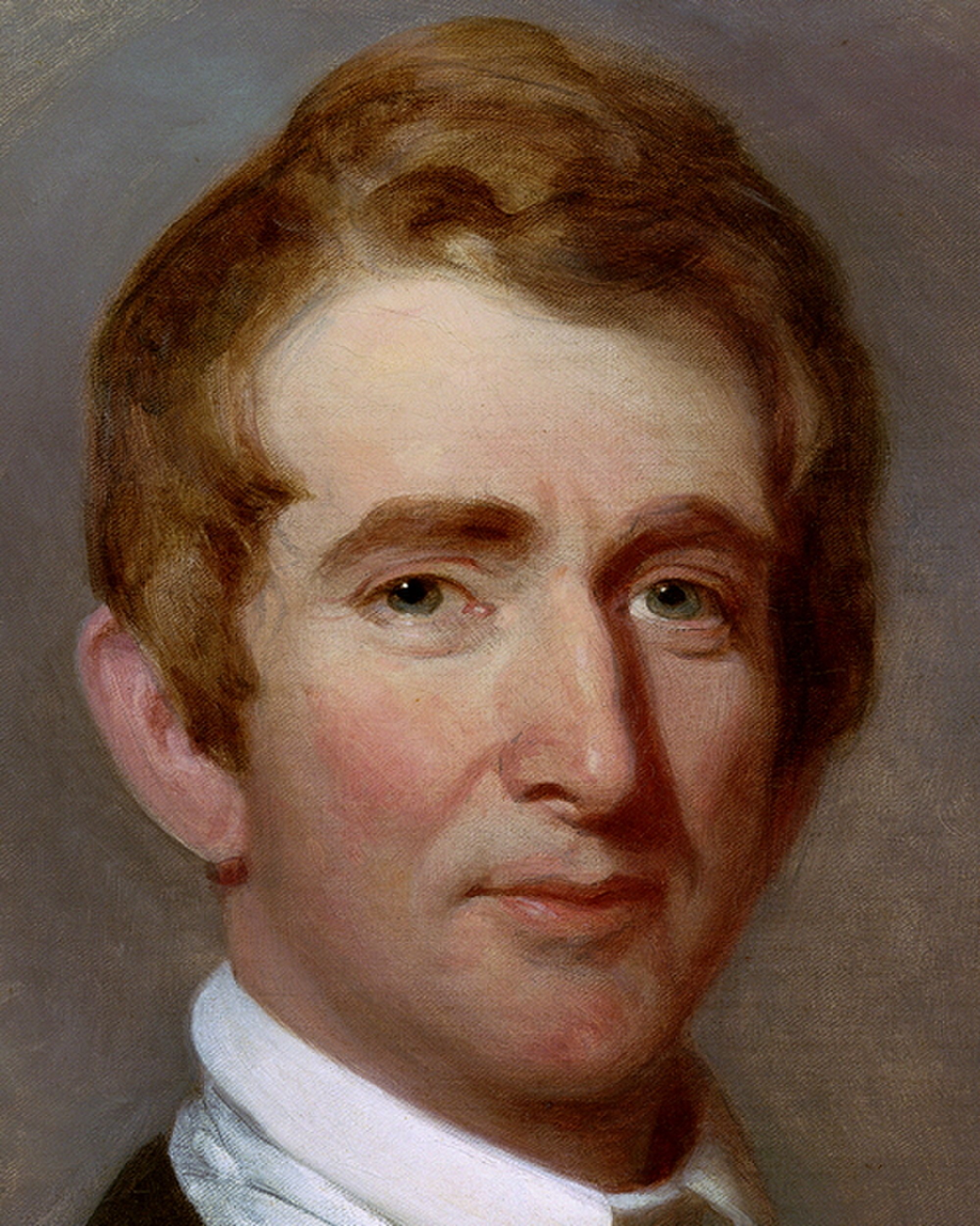
The Survival of William Henry Seward
William Henry Seward was born on May 16, 1801, in Florida, New York. In 1858, while he was a U.S. Senator from New York, after he was Governor of New York and before he became U.S. Secretary of State, he noted: “As a general truth, communities prosper and flourish, or droop and decline, in just the degree that they practise or neglect to practise the primary duties of justice and humanity.” Decades later, Seward would survive a brutal assassination attempt on the exact same night Abraham Lincoln was shot, recovering from severe knife wounds to later negotiate the purchase of Alaska.
Image: Painting of William Henry Seward c. 1844 via Wikimedia Commons, public domain
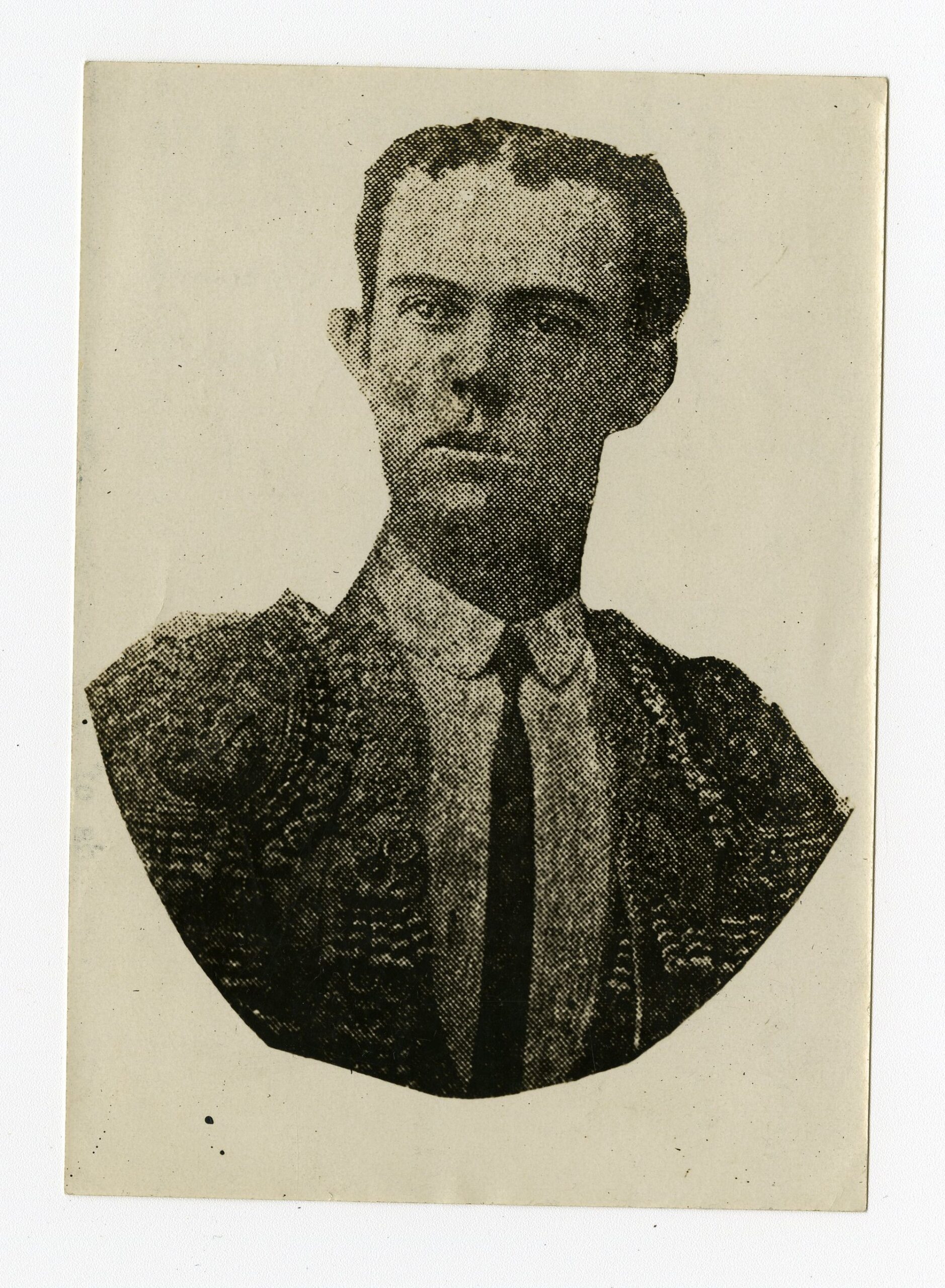
From Texas Railroads to Mexican Bullrings
Harper B. Lee, an American who suddenly sprang into notoriety as a bullfighter in Mexico after making his first appearance on May 16, 1909, at the Plaza de Toros in Mexico City. Lee was actually a former railroad engineer from Texas who fell in love with the sport while working in Mexico, eventually making history as the first American to achieve the rank of full matador.
Image via Wikimedia Commons, no known restrictions
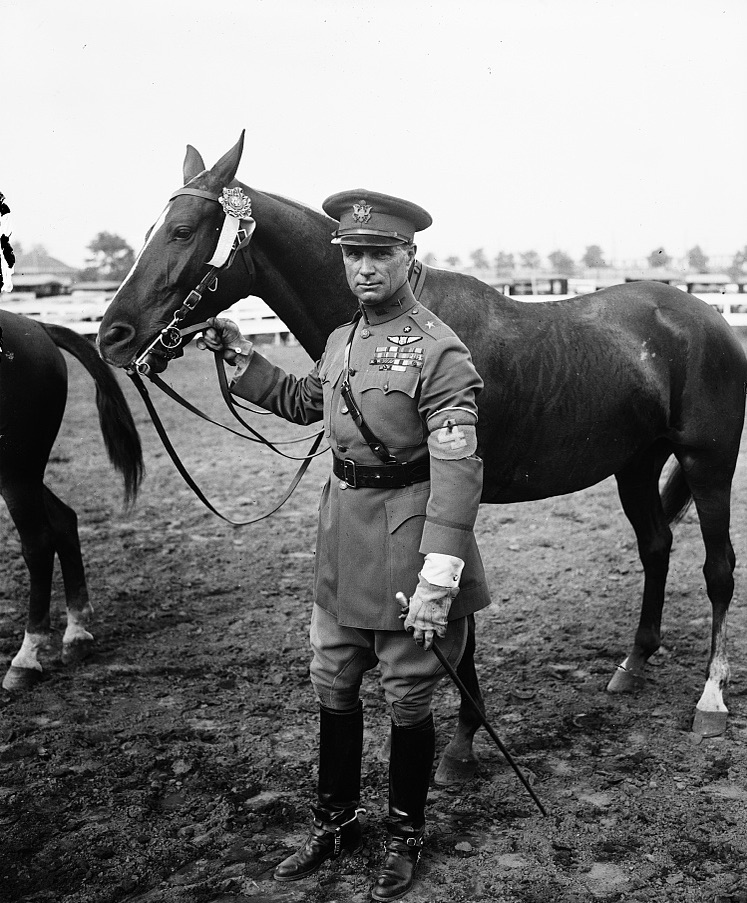
Gen. William Mitchell, Asst. Chief of the Army Air Service, with horse at Nat’l Capitol horse show on 5/16/1923. Long before his sensational 1925 court-martial for insubordination, the controversial military general was known as an avid, prize-winning equestrian who regularly competed in Washington’s major horse shows with his favorite mounts.
via Library of Congress, no known restrictions
A Banned Oscar Achievement for Janet Gaynor
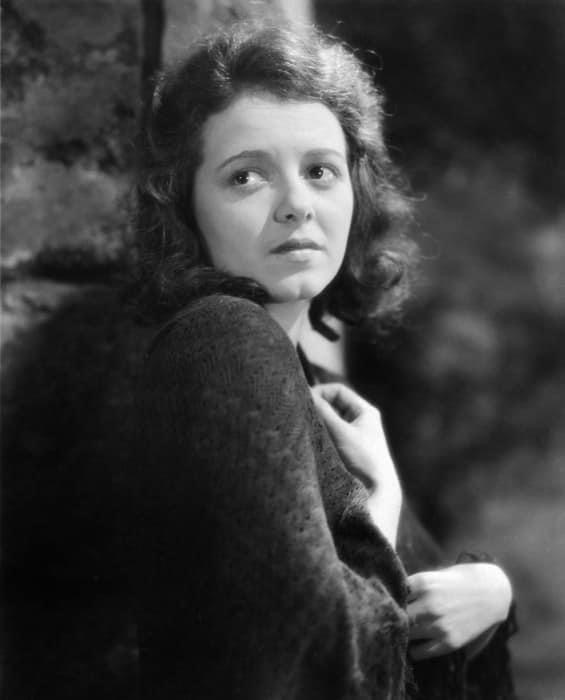
Photo of Philadelphia‑born actress Janet Gaynor in 1927. On May 16, 1929, she became the first woman to win the Academy Award for Best Actress — and the only performer ever recognized with a single acting Oscar for work in three different films. The Academy revised its rules the following year to require one nomination per role, ending the brief experiment that made Gaynor’s multi‑film award possible.
Image of Janet Gaynor in the movie 7th Heaven in 1927 via Wikimedia Commons, public domain
The Hidden Producers Behind Annie Get Your Gun
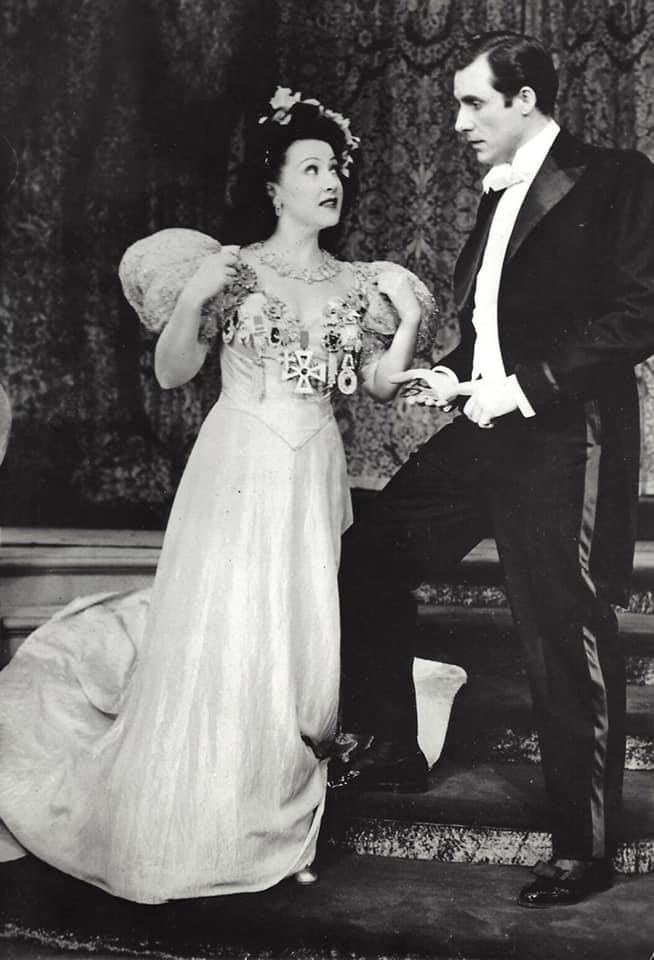
On May 16, 1946, the Broadway musical Annie Get Your Gun opened in New York City. The smash hit was originally conceived by the famous songwriting team of Rodgers and Hammerstein, who ultimately chose to act as producers instead and hired Irving Berlin to write the iconic score.
Image: Ethel Merman as Annie & Ray Middleton as Frank in Annie Get Your Gun in 1946 via Wikimedia Commons, public domain
From the Ballet Russe to Batgirl
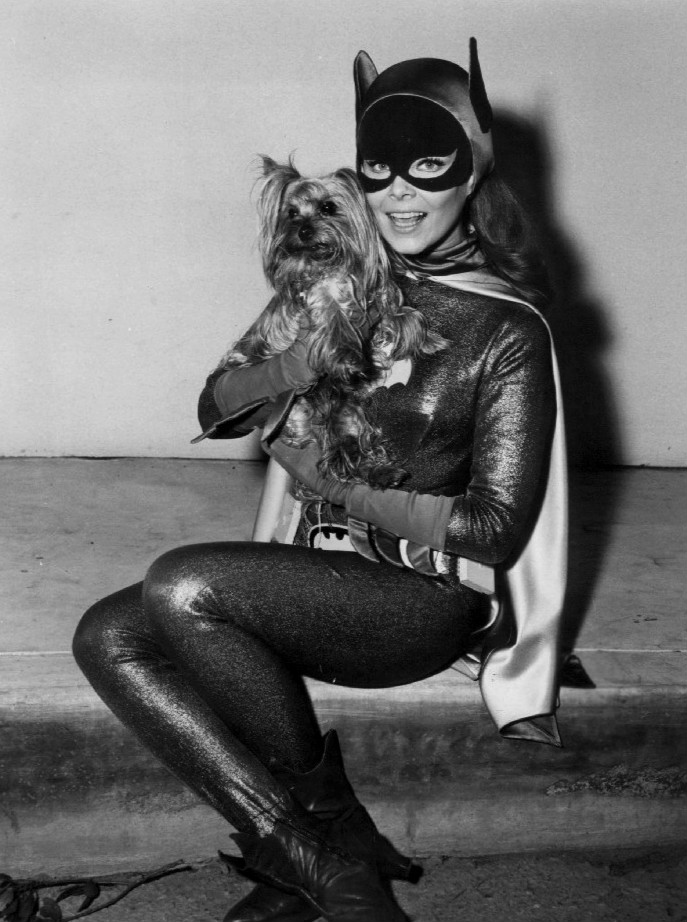
Yvonne Craig, best known for her role as Batgirl in the 1960s TV series Batman, was born on May 16, 1937, in Taylorville, Illinois. Before transitioning into acting, Craig was a highly accomplished professional ballerina with the Ballet Russe de Monte Carlo, a rigorous dance training that allowed her to perform all of her own high-kicking stunts as Batgirl. She also shared the big screen with Elvis Presley in It Happened at the World’s Fair (1963) and Kissin’ Cousins (1964).
Image via Wikimedia Commons, public domain
The Birth of Charles Brannock
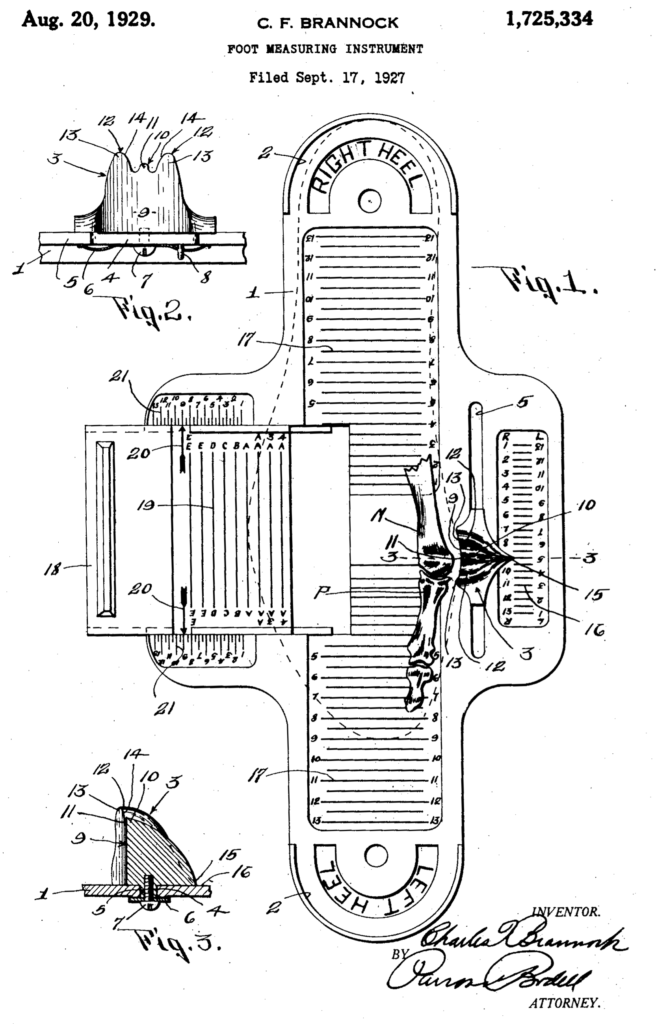
Charles F. Brannock, the inventor who revolutionized how millions of Americans buy shoes, was born on May 16, 1903. Frustrated by the primitive wooden measuring sticks of the era, the Syracuse University student built a prototype using an erector set, creating the precise metal device that measures foot length, width, and arch length simultaneously — a tool still used in shoe stores around the world today.
The Architectural Legacy of I. M. Pei
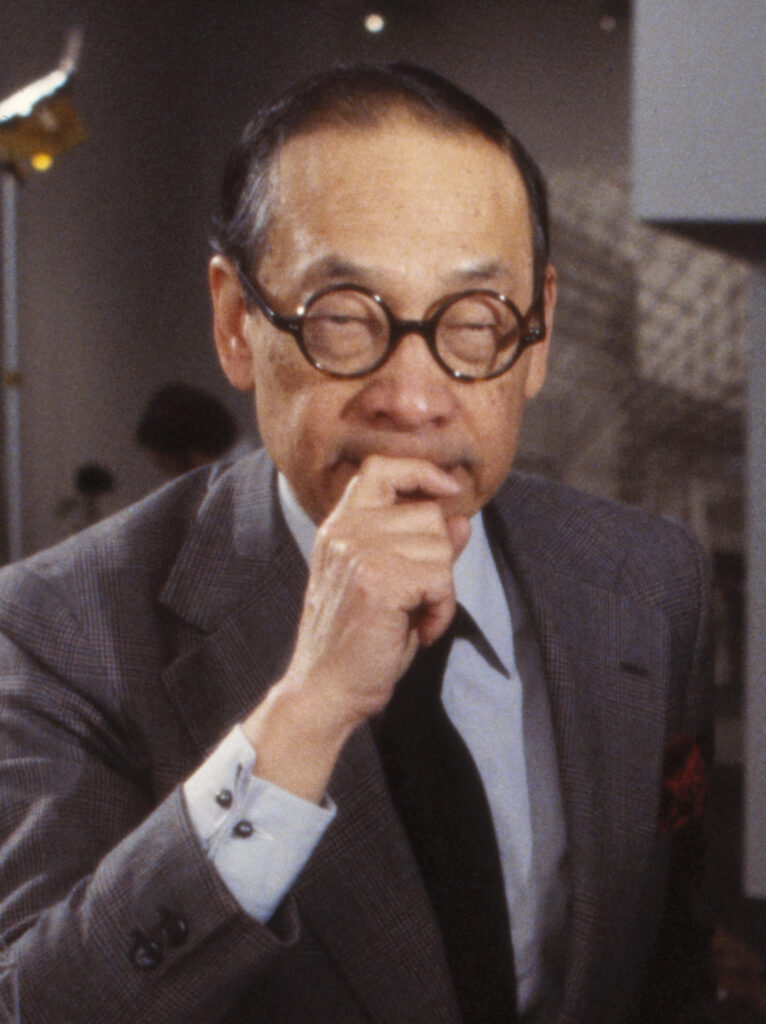
World‑renowned Chinese‑American architect I. M. Pei passed away on May 16, 2019, at the age of one hundred and two. Celebrated for his bold geometric designs, Pei immigrated to the United States in 1935 to study architecture and became a naturalized American citizen in 1954 during a massive ceremony at the Polo Grounds in New York City. He went on to shape the American landscape with landmark works such as the East Building of the National Gallery of Art in Washington, D.C., and the Rock and Roll Hall of Fame in Cleveland, Ohio.
Recommended products
-

Colonial pewter plated 5″ tankard
$34.75 -
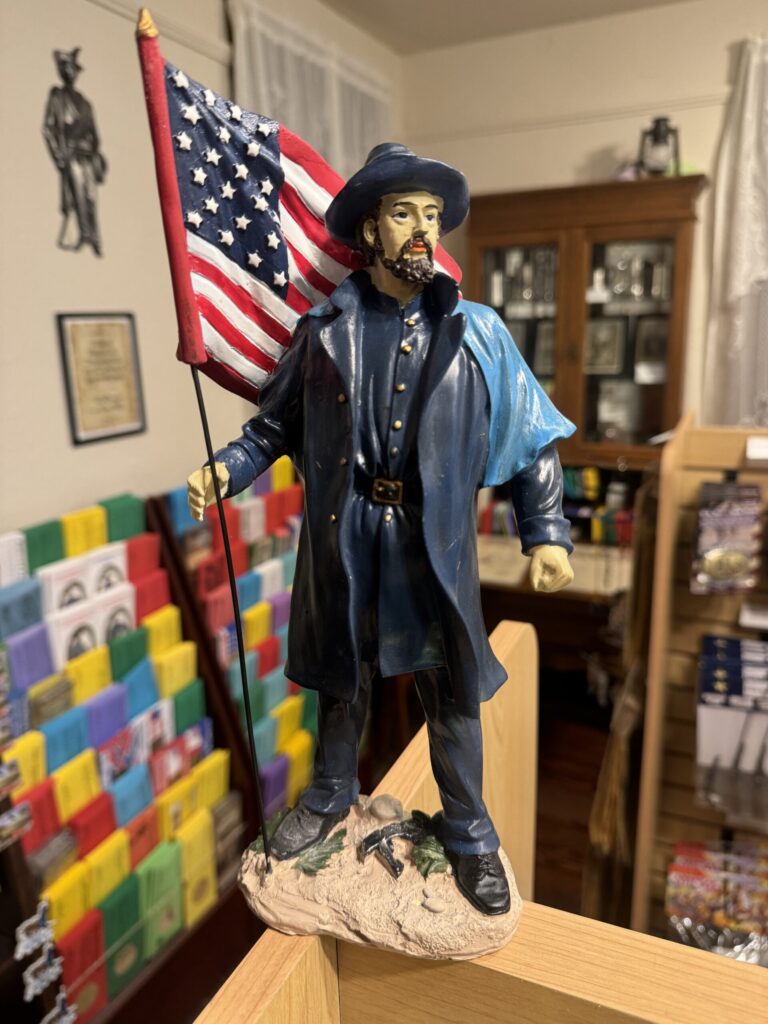
Union Soldier Statuette
$21.99 -
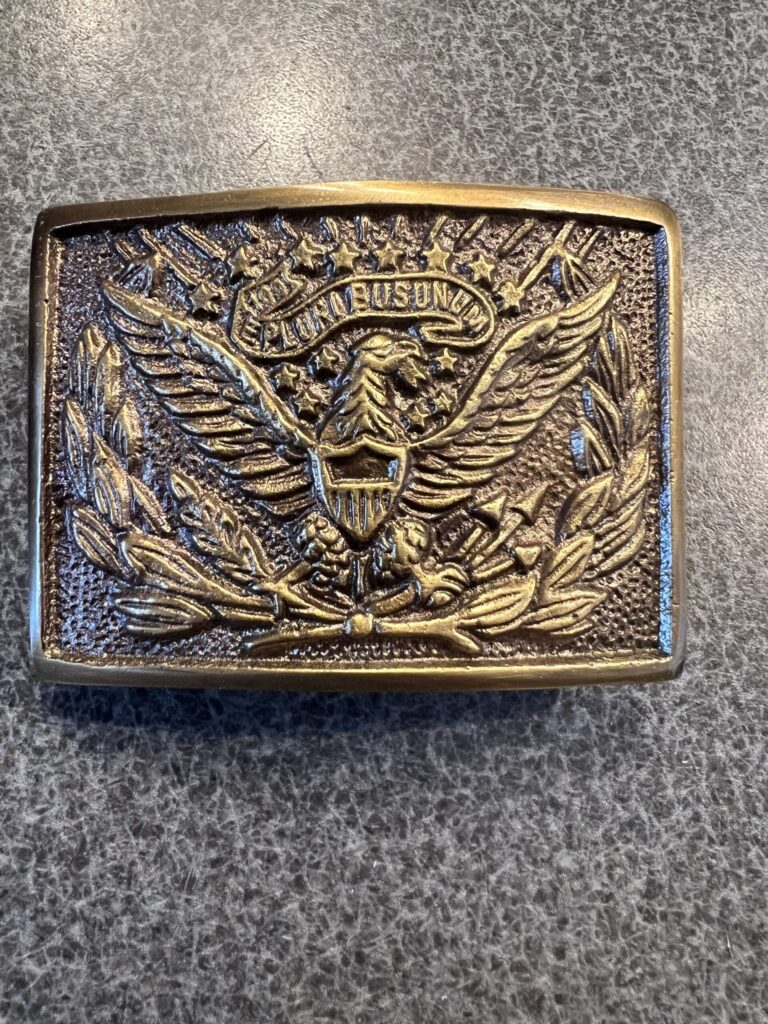
2-3/4″ U.S. Eagle Officers Belt Buckle (replica)
$16.75 -
101 Things You Didn’t Know About The Civil War
$14.99 -
101 Things You Didn’t Know About Lincoln
$9.95 -
2-1/4″ Sheriff Star Badge- Antique Vintage Style
$18.99 -
State Coin replicas 1776-1787
$11.95 -
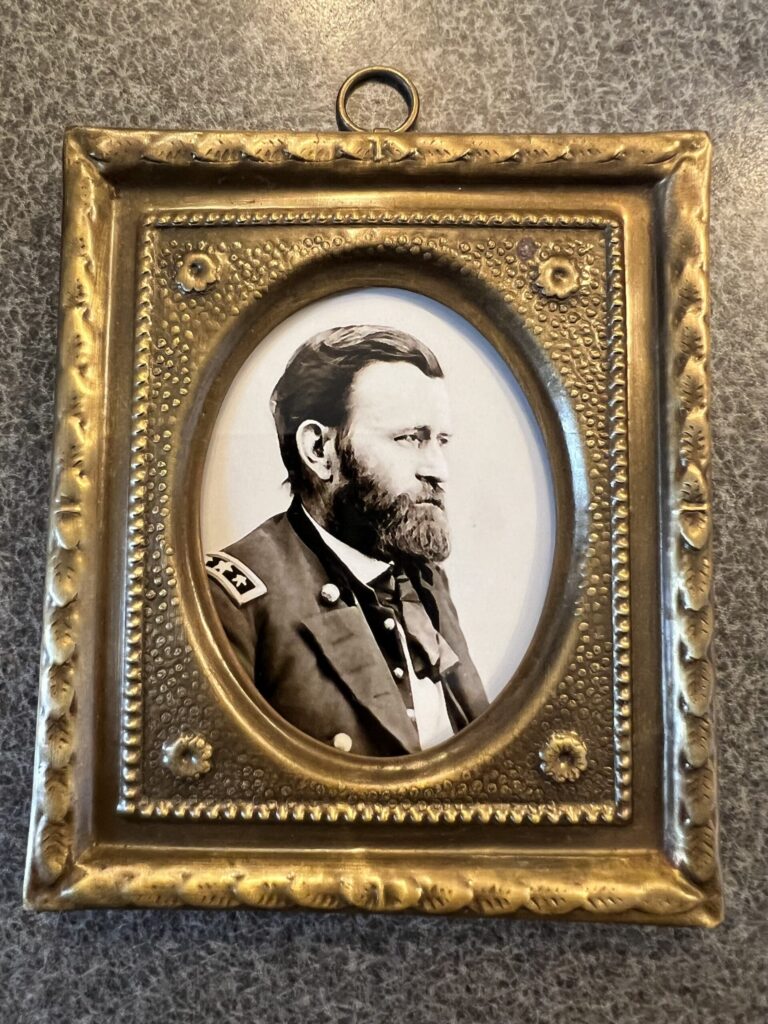
An embossed brass 3-3/4 x 4-1/2″ frame of Ulysses S. Grant
$25.00
