
The Shadowy Dawn of American Naval Power
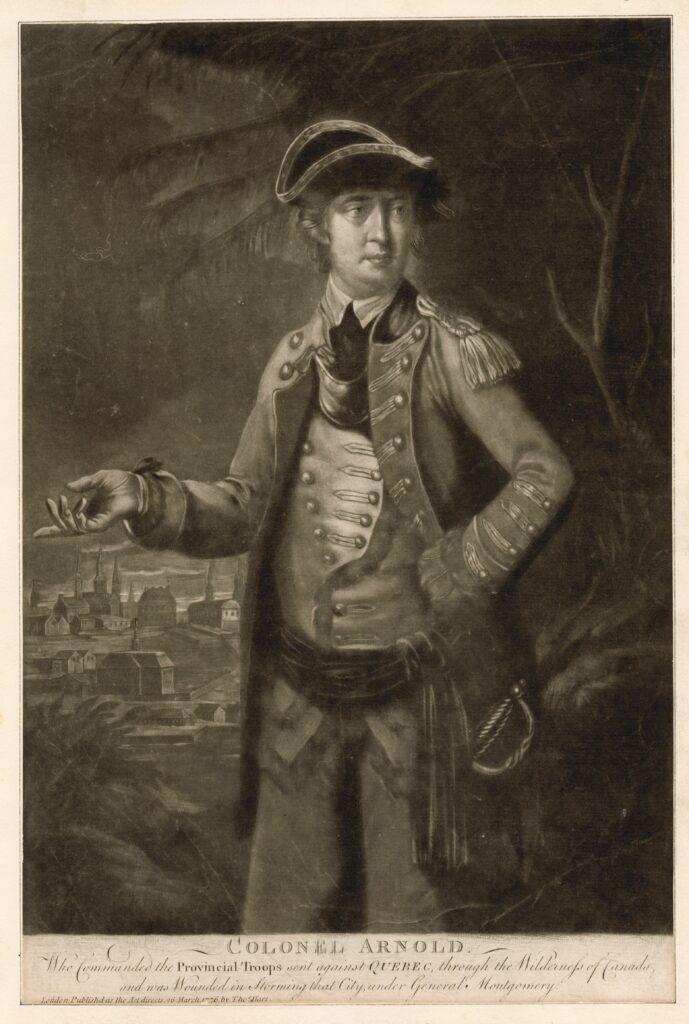
Benedict Arnold Captures the Sloop George – May 18, 1775
Months before the Continental Congress created an official navy, Colonel Benedict Arnold led a daring raid on the British post at Saint‑Jean on the Richelieu River in Quebec. There, Arnold and a small band of volunteers seized the seventy‑ton British supply sloop George, armed her with captured cannon, and rechristened the vessel the Enterprise. Though improvised and unauthorized, this bold strike produced the very first American ship to bear the name Enterprise — the beginning of a storied lineage that would one day include famed World War II carriers and modern nuclear‑powered warships.
Image via Wikimedia Commons, public domain
The Photographic Wagon and the Narrow Escape
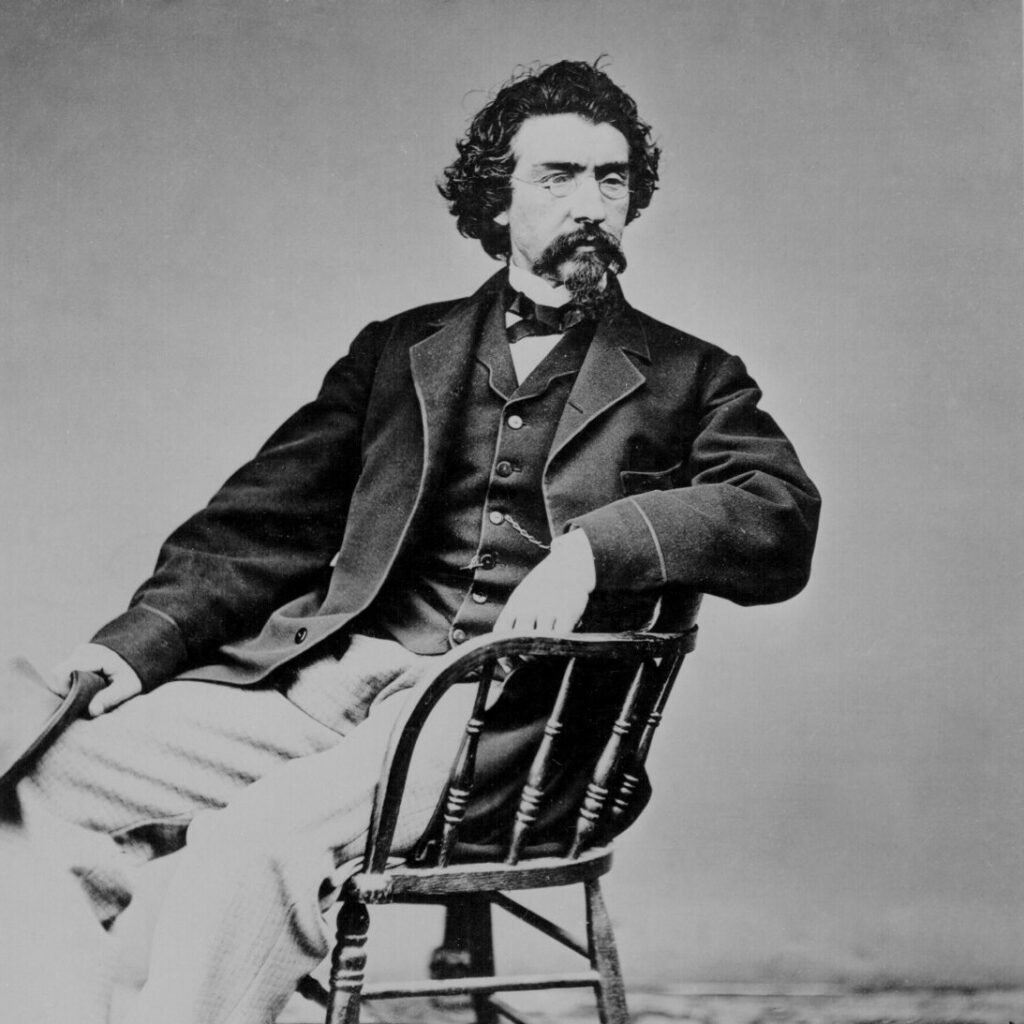
Mathew B. Brady: The Civil War Lens
Mathew B. Brady may have been born on May 18, 1822, though official records remain unclear. What remains perfectly clear is Brady’s striking portfolio of 19th-century American studio portraits. Alongside his assistants, Brady documented the harsh realities of the Civil War in the field.
During the chaotic retreat at the First Battle of Manassas, Brady became lost in the woods for three days and was nearly captured by Confederate forces, only avoiding prison because he was rescued by a group of New York Zouave soldiers.
Image via Wikimedia Commons, public domain
The Revolutionary Rebel Behind the Ship
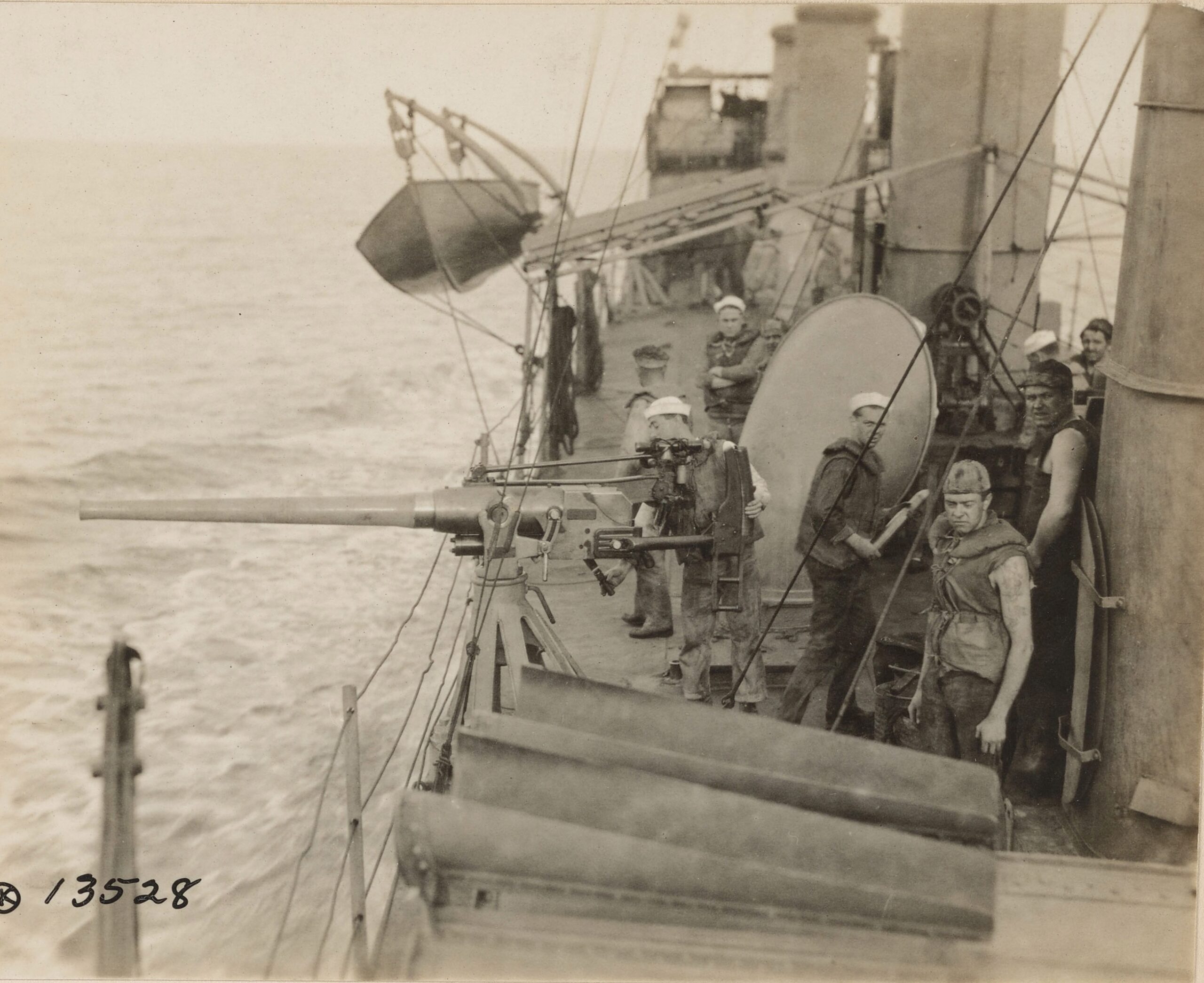
6 Pound Gun & Crew aboard the USS Whipple at Sea – May 18, 1918
The USS Whipple was a destroyer named in honor of Abraham Whipple, a key figure in both American naval history and early frontier settlement. As one of the founders of Marietta, Ohio—the first permanent American settlement in the Northwest Territory—Whipple built a massive maritime legacy. He was the first to unfurl the Star-Spangled Banner in London and later led the first ocean-going voyage from Ohio down the Mississippi River to the Caribbean, establishing vital trade routes for the growing nation. Long before his London voyage, Whipple masterminded the burning of the British revenue cutter HMS Gaspee in 1772, an act of open defiance that predated the Boston Tea Party and resulted in the very first blood shed of the American Revolution.
Image via Wikimedia Commons, public domain in the US
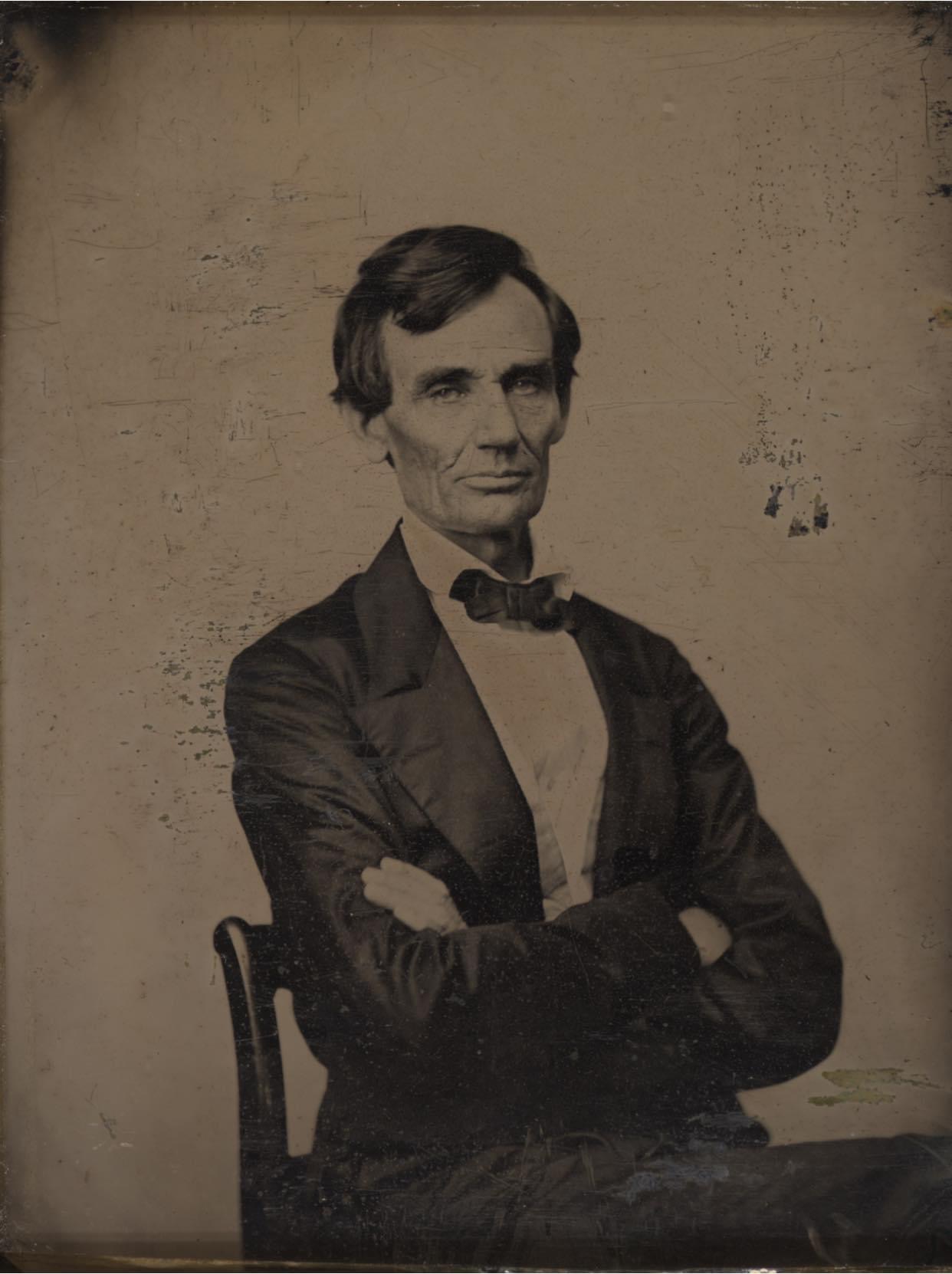
The Three-Vote Miracle in Chicago
Lincoln Secures the Nomination – May 18, 1860
On this day in 1860, Abraham Lincoln won the nomination for President of the United States at the Republican National Convention in Chicago, Illinois. Lincoln was considered a complete dark horse entering the convention; his campaign managers secured his victory by printing counterfeit guest passes to pack the convention hall with raucous Lincoln supporters, completely drowning out the momentum of the frontrunner, William H. Seward.
Image: Lincoln in 1860 via Wikimedia Commons, public domain
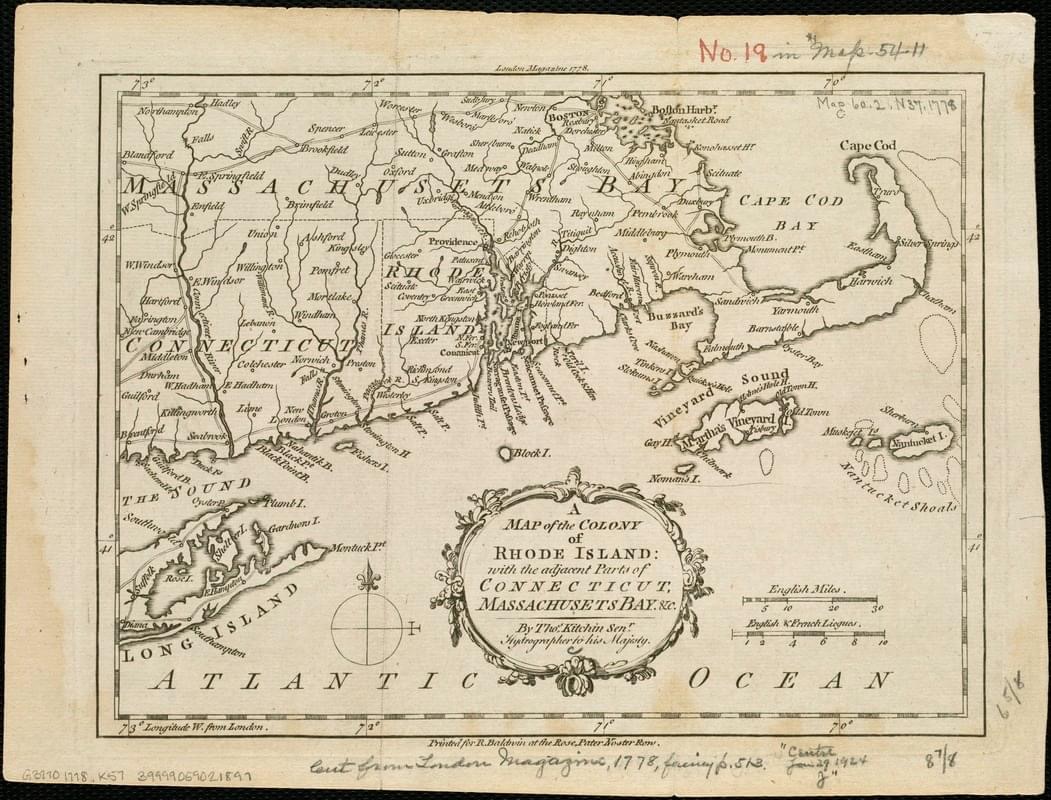
The Law That History Forgot
Rhode Island Abolishes Slavery – May 18, 1652
Over 210 years before Abraham Lincoln issued the Emancipation Proclamation, the Colony of Rhode Island took a historic stand by abolishing slavery on May 18, 1652. Despite being a monumental legal milestone, the statute was never actually enforced; because the law carried no legal penalties or enforcement mechanisms, Rhode Island merchants ignored it and eventually grew the colony into the premier slave-trading hub of New England.
Image of an early map of The Colony of Rhode Island via Digital Commonwealth Massachusetts, no known restrictions
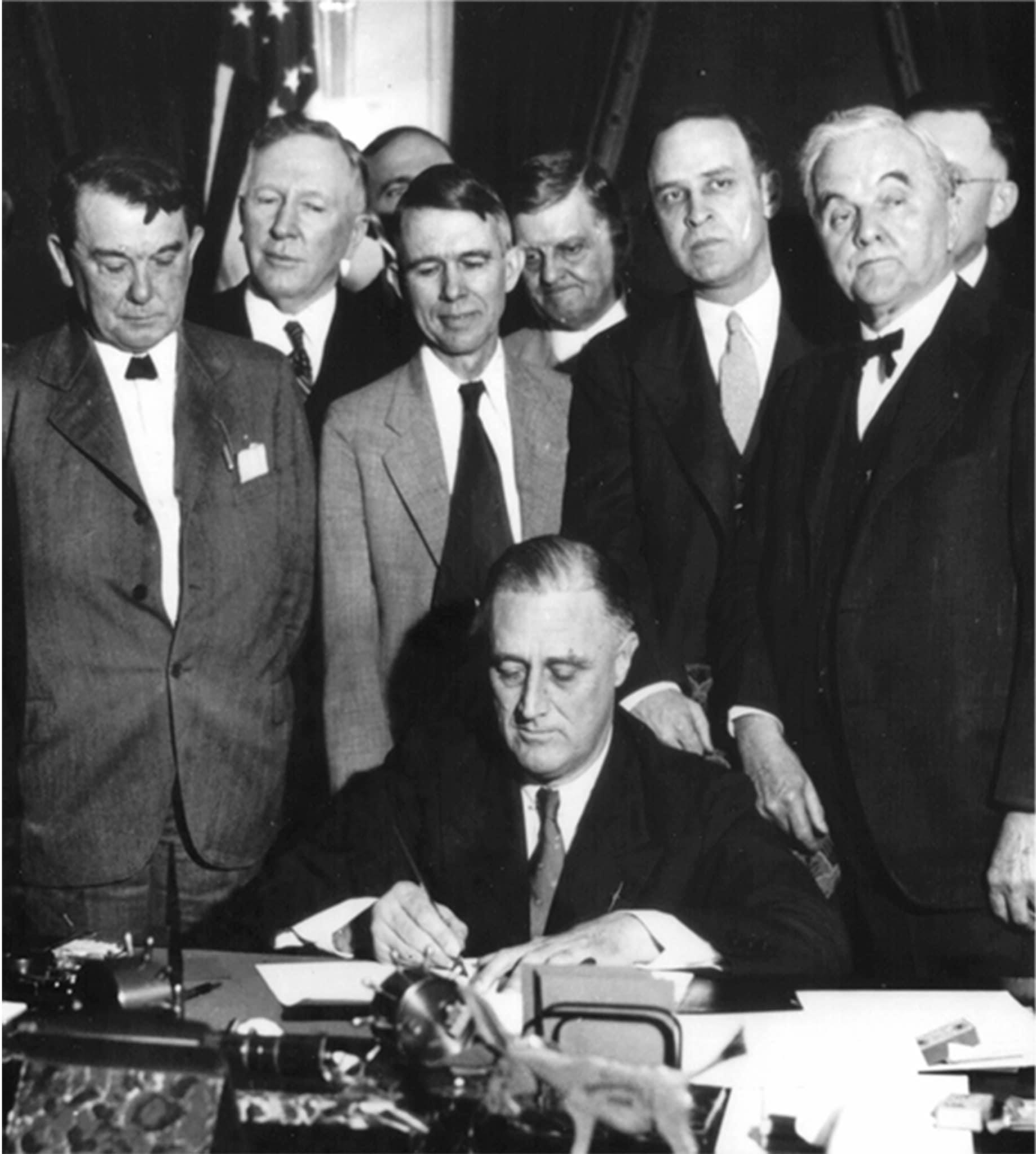
The Corporation That Redrew the South
The Birth of the TVA – May 18, 1933
President Franklin D. Roosevelt signed the Tennessee Valley Authority (TVA) Act on this day in 1933. The act created a massive public electric utility company to serve the state of Tennessee and modernized portions of the surrounding American South. Beyond electricity and flood control, the TVA became the secret backbone of WWII technology; the massive electrical grid it created provided the immense power required by the Manhattan Project’s uranium enrichment facilities at nearby Oak Ridge.
Image via Wikimedia Commons, public domain
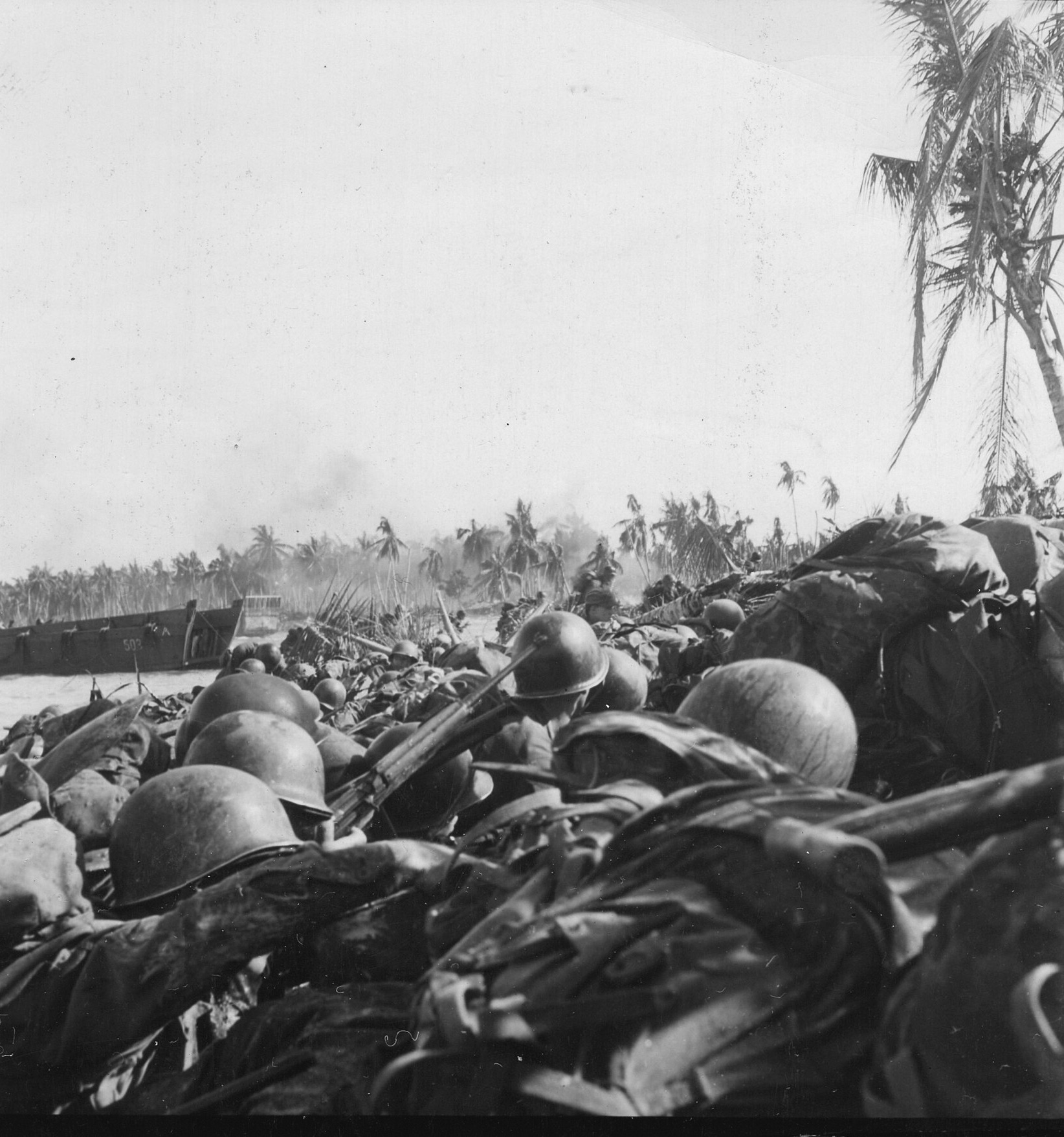
The Deadly Hunt for Spider Holes
The Landing at Wakde – May 18, 1944
Infantrymen of the 163rd Regiment, 41st Division, are seen pinned down on the beach at Wakde. The first American troops landed just after 9:00 AM that morning and immediately came under heavy enemy fire. The tiny, coral-fringed island was so heavily fortified that the battle turned into a brutal yard-by-yard siege against nearly 800 Japanese defenders hidden in coconut-log bunkers and elaborate spider holes, leaving only four Japanese soldiers alive by the end of the conflict.
Image via Wikimedia Commons, public domain
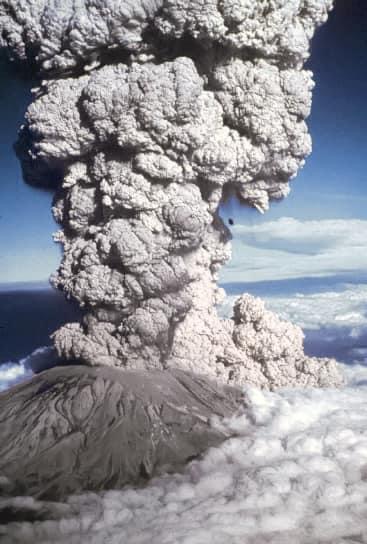
The Day the Sky Turned Into Midnight
The Eruption of Mount St. Helens – May 18, 1980
Mount St. Helens violently erupted following a series of intense earthquakes. Before the blast, it was ranked the 5th highest peak in Washington State. After losing more than 1,300 feet of height in the explosion, it dropped to the 52nd tallest peak. The lateral blast was so powerful that the ash plume reached an altitude of 80,000 feet in less than 15 minutes, completely blotting out the sun and triggering automatic streetlights at midday in towns hundreds of miles downwind.
Image via Wikimedia Commons, public domain
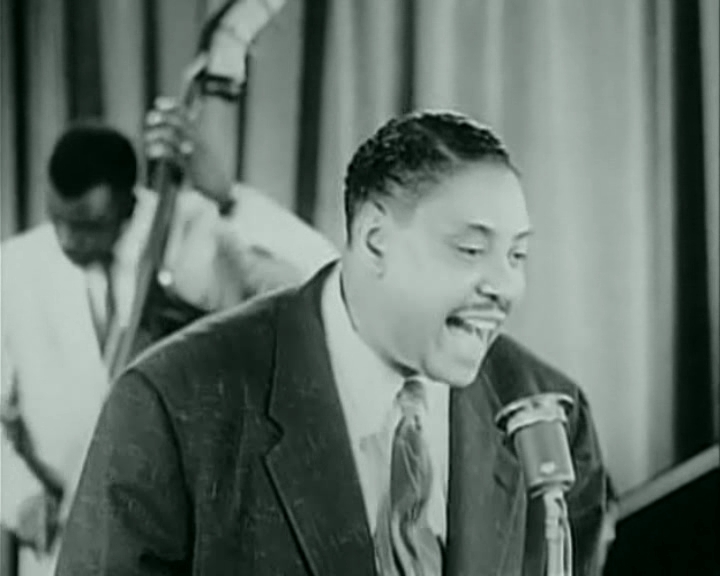
The Uncredited Blueprint for Rock and Roll
Birth of a Rock and Roll Pioneer – May 18, 1911
Blues shout singer Big Joe Turner was born on this day in Kansas City, Missouri. Turner famously recorded the original version of “Shake, Rattle and Roll” four months before Bill Haley and His Comets covered it to massive commercial success in 1954. Bill Haley’s mainstream cover highly sanitized the song’s lyrics, stripping out Big Joe’s original, highly suggestive double entendres to make it palatable for conservative 1950s radio stations.
Image of Big Joe Turner in 1955 via Wikimedia Commons, public domain
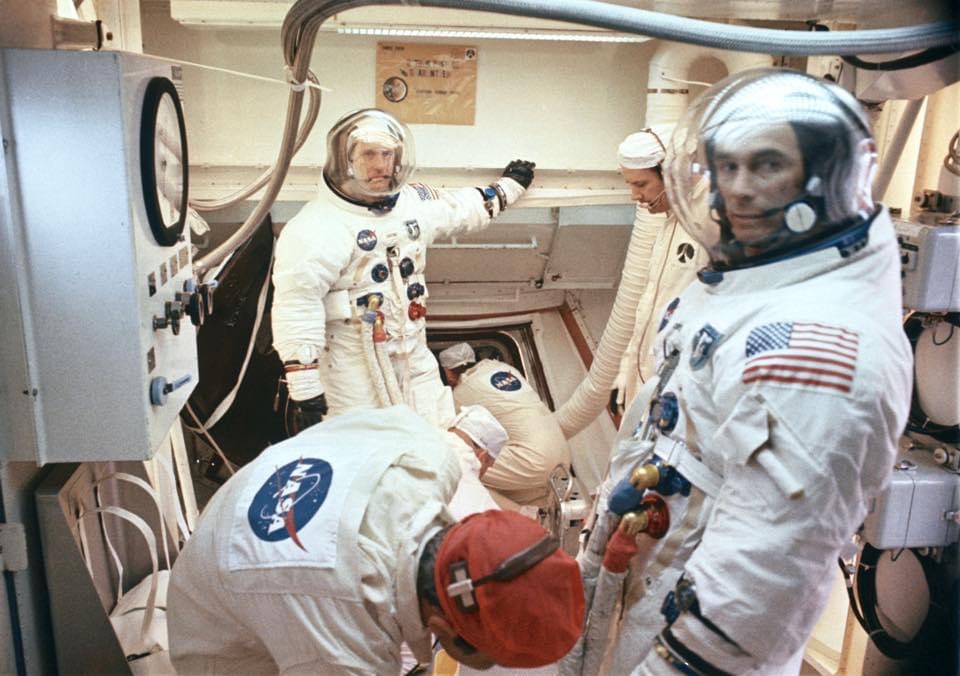
The Dress Rehearsal for the Moon
Apollo 10 Prepares for Launch – May 18, 1969
Astronauts Thomas P. Stafford and Eugene A. Cernan get ready to board Apollo 10 just prior to its historic launch. As the ultimate dress rehearsal for the moon landing, the lunar module flew down to within just 47,000 feet of the lunar surface—deliberately short of fuel so the astronauts wouldn’t be tempted to try an unauthorized landing themselves.
Image: NASA via Wikimedia Commons, public domain
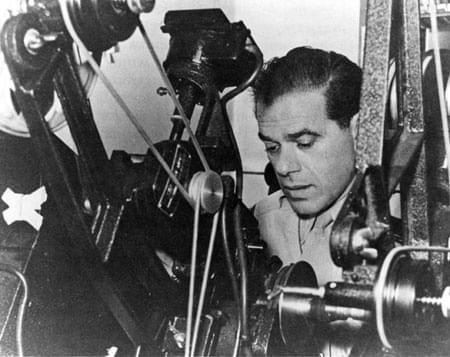
The Hollywood Giant Who Fooled Mussolini
Director Frank Capra Born – May 18, 1897
Frank Capra was born on this day in the Sicilian hill town of Bisacquino before immigrating to the United States as a child. After rising to dominate 1930s Hollywood and winning three Academy Awards for Best Director, Capra served in the U.S. Army during both World Wars. His WWII documentary series Why We Fight became so effective at shaping morale that Allied intelligence used the films to confuse and demoralize Axis troops. The propaganda was so potent that Benito Mussolini banned the films outright in Italy and threatened severe punishment for anyone caught circulating them.
Image of Capra cutting an Army film in the 1940s via Wikimedia Commons, public domain
The Cannonball That Skipped Like a Stone
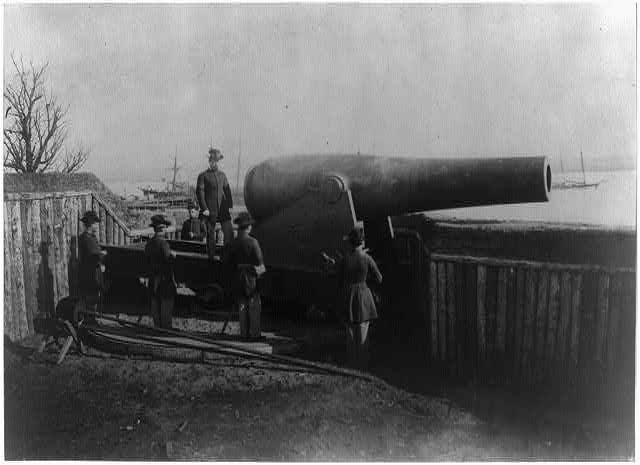
The Fifteen-Inch Rodman Gun – May 18, 1864
A massive fifteen-inch Rodman gun sits at Battery Rodgers in Alexandria, Virginia. Weighing roughly 50,000 pounds, this weapon required 12 men to load and fire, and could hurl a 400-pound shot nearly three miles. Several Rodman guns were later deployed along the Atlantic coast in 1898 during the Spanish-American War to guard against potential naval attacks. The gun relied on a revolutionary hollow-casting method that cooled the barrel from the inside out using running water, preventing the internal fractures that caused other giant Civil War artillery pieces to explode on their own crews.
Image via LOC, no known restrictions
The Sweet Taste of Confidence
Birth of a Baseball Legend – May 18, 1946
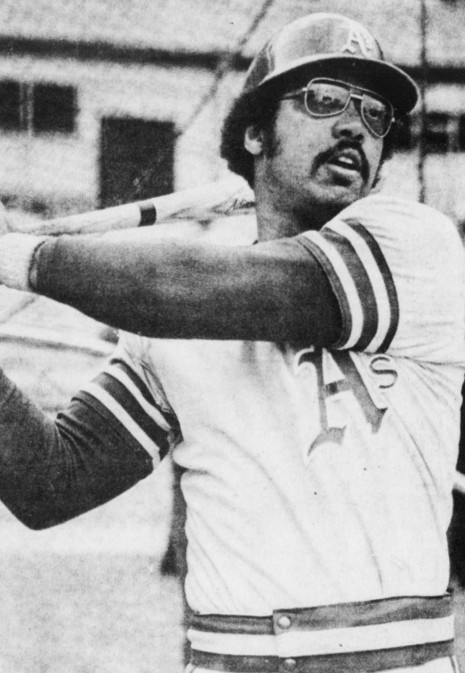
Reginald Martinez Jackson was born on this day in Abington, Pennsylvania, and raised in the neighboring hometown of Wyncote. Known globally as Mr. October for his legendary postseason heroics, Jackson slugged 563 career home runs, won five World Series championships, and earned a first-ballot induction into the National Baseball Hall of Fame in 1993. His unmatched media savvy and swagger once prompted him to brag to reporters while still playing in Oakland that if he played in New York, they would name a candy bar after him. After signing with the Yankees, the Curtiss Candy Company did exactly that, releasing the chocolate, peanut, and caramel Reggie Bar in 1978. On opening day that year, fans celebrated his first-at-bat home run by raining thousands of the candy bars down onto the field, prompting his teammate Catfish Hunter to famously joke that when you unwrap a Reggie Bar, it tells you how good it is.
Image of Reggie Jackson with the Oakland A’s in 1973
The Barber Who Became a Billion-Record Star
Crooner Perry Como Born – May 18, 1912
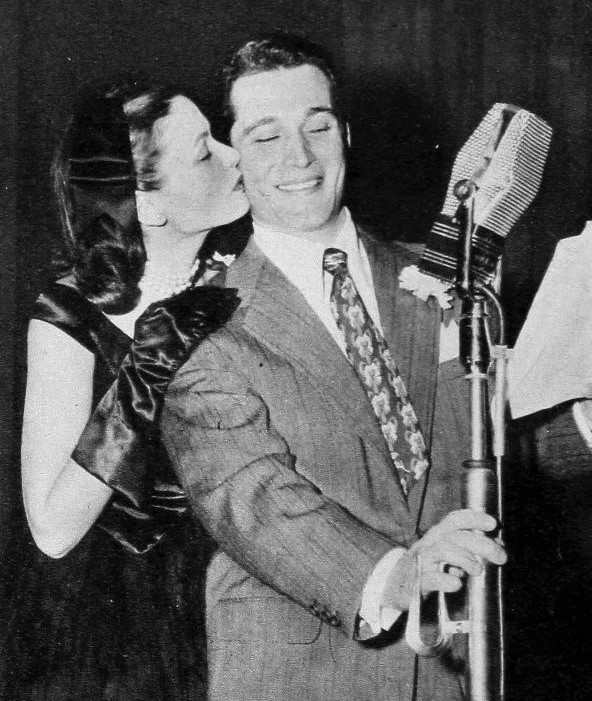
Beloved American entertainer and television personality Perry Como was born on this day in Canonsburg, Pennsylvania. Before finding international fame as a crooner, Como was a licensed professional barber who ran his own shop at just 14 years old; even at the height of his multi-platinum musical career, he would famously cut the hair of his musicians and crew members backstage for luck.
Image: Gene Tierney kissing Perry Como in 1946 via Wikimedia Commons, public domain
The Drafting of the Doughboys
Woodrow Wilson Signs the Selective Service Act – May 18, 1917
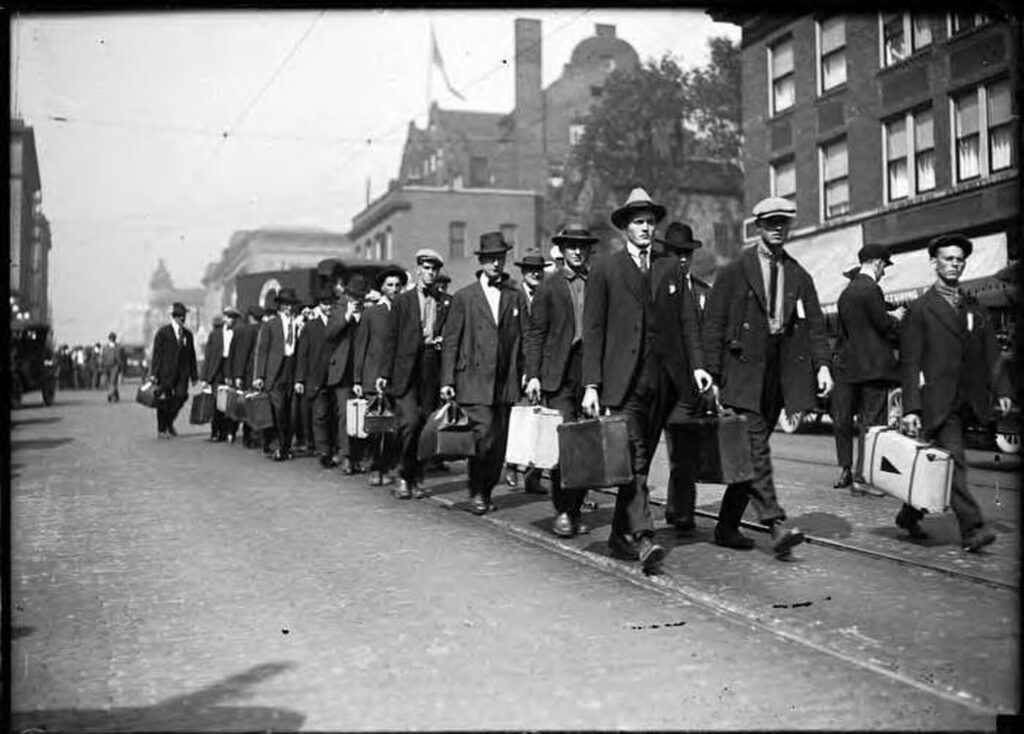
President Woodrow Wilson signed the Selective Service Act, creating the first modern American draft. All men ages twenty‑one to thirty were required to register, ending the Civil War practice of paid substitutes and exemptions for the wealthy. To demonstrate fairness, the government assigned each registrant a serial number, sealed the numbers inside gelatin capsules, and poured them into a large glass bowl in the Senate Office Building. On July 20, 1917, Secretary of War Newton D. Baker — blindfolded for impartiality — reached into the bowl and drew the first number, 258, beginning the national lottery that determined the order in which millions of American men would be called to serve.
Image of draftees from Seattle and King County marching down Fourth Avenue to King Street Station with suitcases in hand in 1917 via Wikimedia Commons, public domain
