A rooftop flag meant to taunt Lincoln. A young Union officer climbing the stairs to remove it — and paying with his life. But May 24th doesn’t stop there. It also gave us the first formal message sent over a federally funded public telegraph line, the birth of the pioneer of pediatric cardiology, the opening of the Brooklyn Bridge, and the voice of Bob Dylan. History doesn’t just repeat itself — it harmonizes.
- The Price of Panic and the Oversized Pen
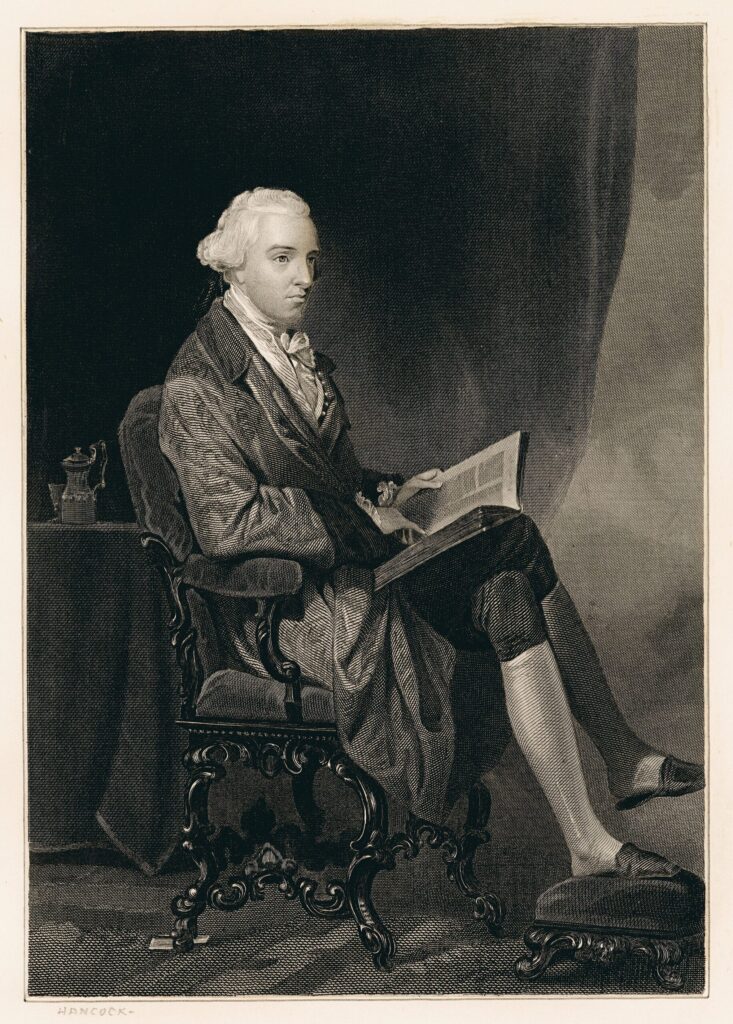
On May 24, 1775, John Hancock became President of the Continental Congress. During his first term, which lasted over two and a half years, Hancock oversaw the adoption of the Declaration of Independence, famously becoming the first delegate to sign the engrossed parchment on August 2, 1776. He also led the escape of Congress to Baltimore in late 1776, avoiding British capture as the war intensified. Additionally, he supported the development of the Articles of Confederation and helped manage Revolutionary War efforts, ensuring supplies and strategy for the Continental Army. Over ten years later, in 1785, Hancock became the President of the Confederation Congress, marking his second Congressional leadership term. He also named his only son, John George Washington Hancock, who was born in 1778 and lived only until the age of 9, in honor of George Washington.
A fascinating layer to this timeline is that Hancock’s legendary large signature was not an act of theatrical defiance toward the King, nor was it required to “validate” the Declaration on July 4 — because no one signed the document that day. As the document notes, “he was the only person to sign the document on July 4th,” but in reality, the July 4 version was the printed Dunlap Broadside, which bore no handwritten signatures at all. Hancock’s bold autograph appeared weeks later on the formal engrossed copy, where its size reflected his flamboyant handwriting style rather than a practical necessity.
Furthermore, the stressful congressional escape to Baltimore that he ordered was so rushed and chaotic that the delegates found the new temporary capital utterly miserable, complaining that the muddy streets and expensive lodgings made it feel more like a punishment than a sanctuary.
- The Deaf Pioneer of the Mended Heart
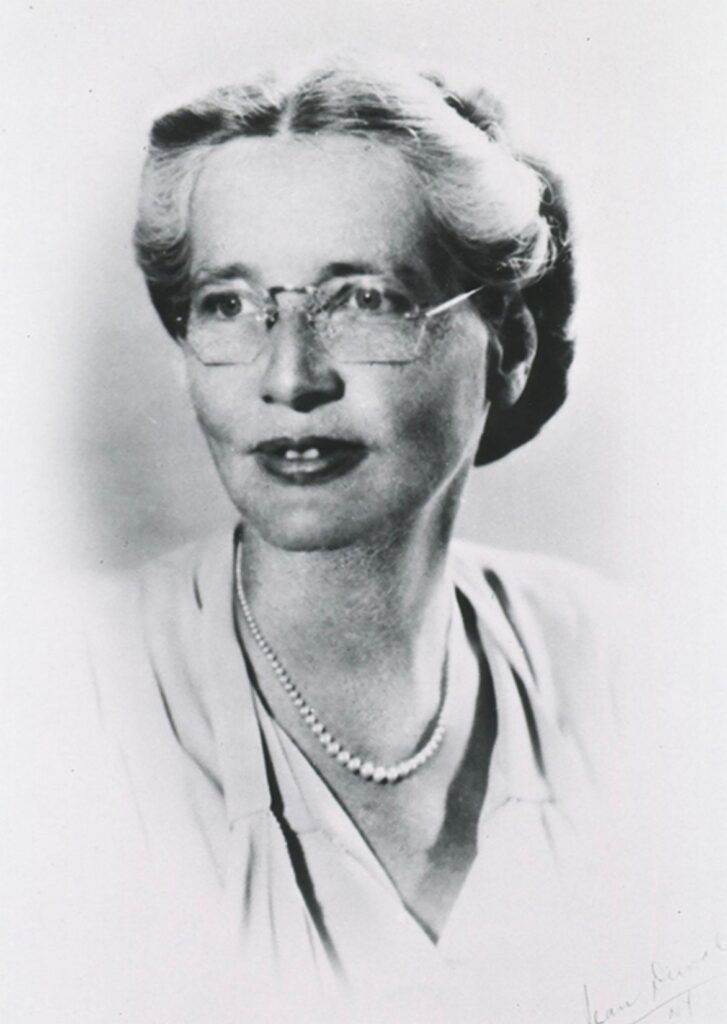
Helen Brooke Taussig, who founded the field of pediatric cardiology, which is the diagnosis and treatment of heart conditions in children, was born on May 24, 1898, in Cambridge, Massachusetts. She was appointed chief of the pediatric unit at Johns Hopkins in 1930 and worked there until 1963. Helen was the first female president of the American Heart Association. In the 1960s, Helen started a campaign and testified before Congress to ban the use of thalidomide. A profound and inspiring layer to her medical genius is that Taussig accomplished much of her groundbreaking work while being profoundly deaf. Dyslexic as a child and losing her hearing in her late 30s, she innovated a technique of using her fingertips to feel the rhythmic vibrations and subtle murmurs of her young patients’ hearts. This extraordinary sense of touch allowed her to diagnose congenital defects that other doctors missed with stethoscopes, ultimately leading to her co-development of the Blalock-Taussig-Thomas shunt, which saved the lives of countless blue babies.
- The Daughter of the Telegraph
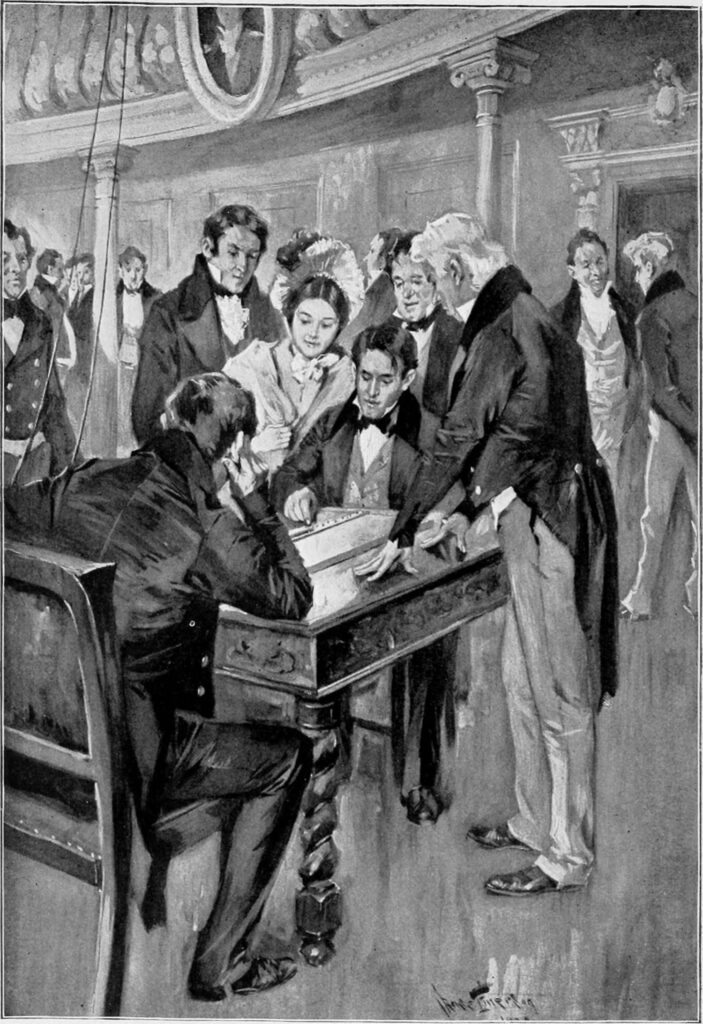
Professor Samuel Morse sent the first official long-distance telegram from the Chamber of the Supreme Court in Washington on May 24, 1844. He transmitted the dispatch as dictated by Miss Annie Ellsworth, which read, What hath God wrought. The hidden layer to this historic transmission lies in the identity of Annie Ellsworth, who was the young daughter of the U.S. Patent Commissioner. Morse granted her the honor of choosing the first message because she had been the one to rush to his side a year earlier to deliver the life-changing news that Congress had finally approved thirty thousand dollars to fund his experimental line. Her chosen phrase, pulled directly from the Bible, inadvertently set a permanent precedent for early telecommunications by framing technological leaps through a lens of divine wonder rather than human arrogance.
- The King and the Bankrupt Outpost
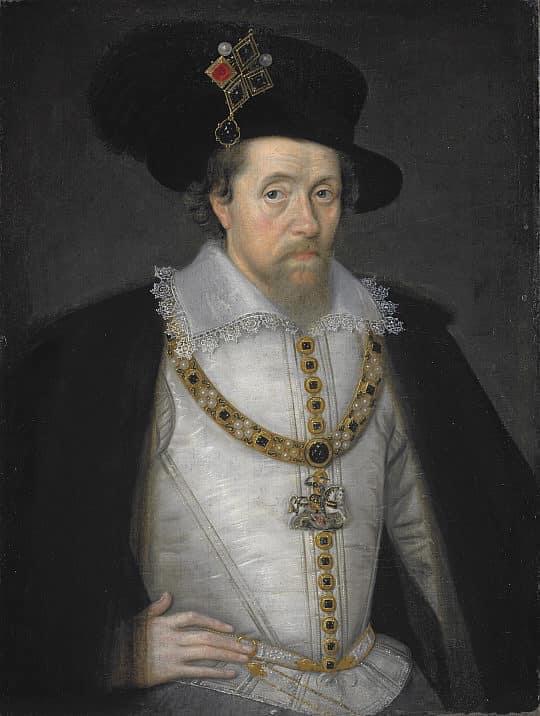
On May 24, 1624, King James I of England revoked a charter that he had granted to the Virginia Company 18 years prior, and Virginia officially became a royal colony. The deeper layer behind this royal takeover is that it was essentially a state-enforced foreclosure on a bankrupt corporate enterprise. The Virginia Company of London had completely failed to find gold or a passage to the South Sea, and the colony was hemorrhaging both money and human lives due to disease, starvation, and conflict. By revoking the private charter and seizing control, King James converted a failing, mismanaged commercial venture into a direct asset of the crown, anchoring the British Empire permanently in the soil of the New World through tobacco taxation.
- The Misunderstood Treaty of Manhattan
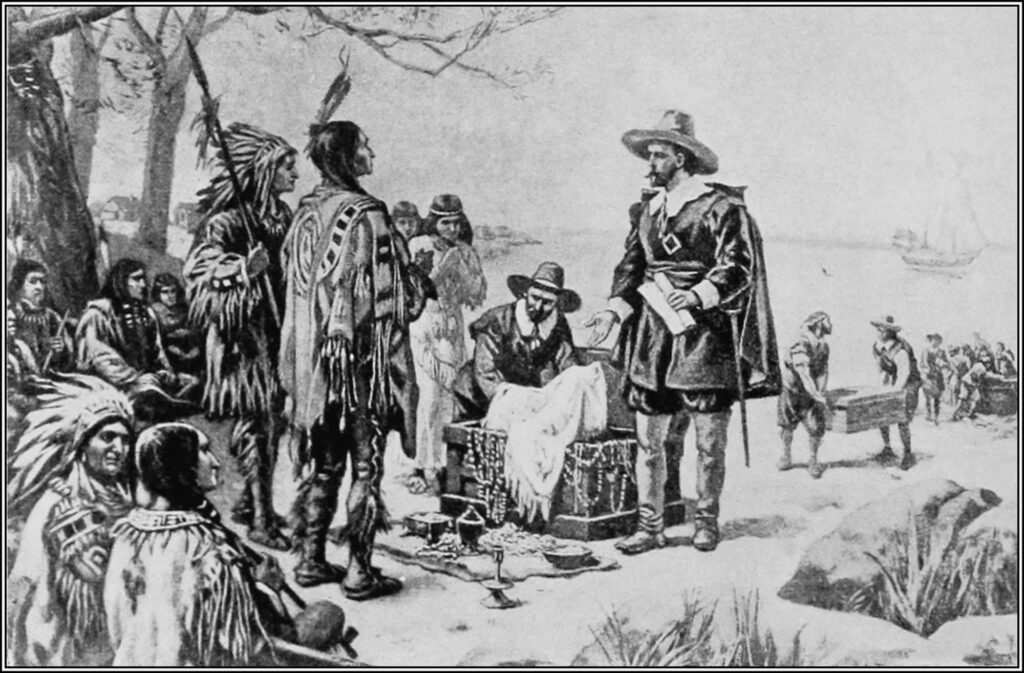
On May 24, 1626, Peter Minuit purchased Manhattan Island for trade goods valued at 60 Dutch guilders, a sum famously but inaccurately estimated as roughly 24 dollars by later historians. The true layer of this transaction reveals a massive cultural and legal disconnect rather than a cheap trick. The local indigenous people did not possess a concept of permanent land ownership or title deeds; instead, they interpreted the exchange of cloth, kettles, and iron axes as a diplomatic alliance and a treaty granting shared hunting and settlement rights. To add to the complexity, some historians argue that the Dutch may actually have negotiated with the Canarsee people, based largely in what is now Brooklyn, who likely did not hold primary territorial claims to Manhattan—meaning the Dutch may have paid a group whose authority over the island was, at best, indirect.
- The Martyr of the Marshall House
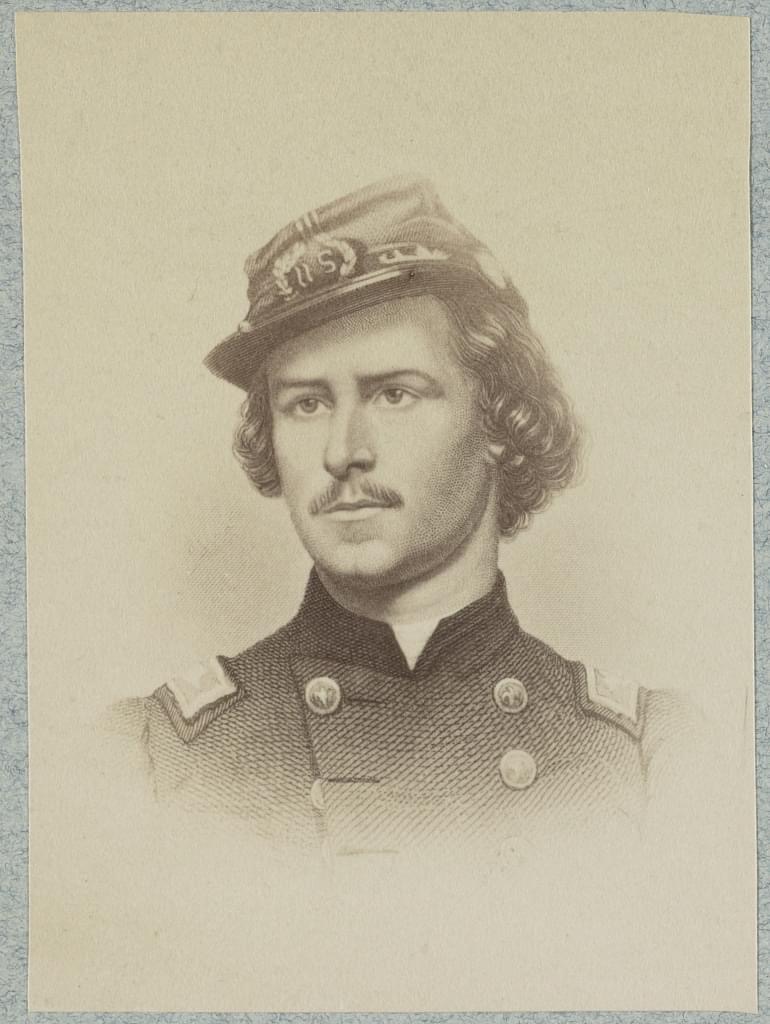
Union Colonel Elmer E. Ellsworth was killed in Alexandria, Virginia, on May 24, 1861, for removing the Confederate flag from the roof of The Marshall House Inn. The tragic new layer to this event is that Ellsworth was a deeply personal friend and former law clerk of Abraham Lincoln, making his death the very first high-profile casualty of the American Civil War. The massive Confederate banner had been intentionally flown so high that Lincoln could see it from the windows of the White House using a spyglass. When Ellsworth was shot dead by the innkeeper while carrying the flag down the stairs, a devastated Lincoln wept openly, ordered an honor guard for his young friend, and had Ellsworth’s body lie in state in the East Room of the White House.
- A Walk of Faith and Physics
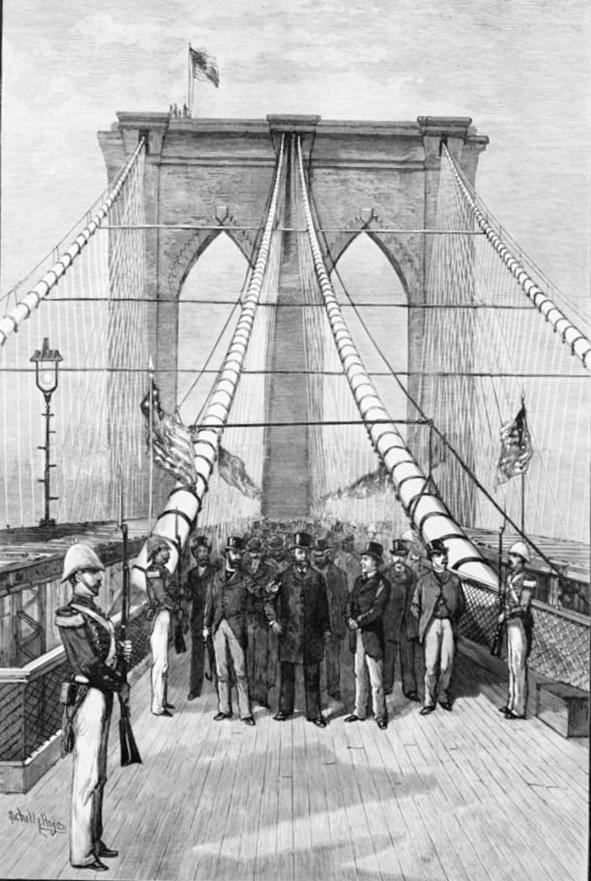
On May 24, 1883, the Brooklyn Bridge was opened to the public, celebrated by a grand procession that included President Chester A. Arthur crossing the newly completed structure. An incredible layer to this engineering triumph is that the bridge was ultimately completed through the tireless work of a woman largely hidden from the public eye. When the chief engineer, Washington Roebling, became permanently bedridden with decompression sickness from working in the underwater caissons, his wife, Emily Warren Roebling, took charge of day-to-day oversight. For more than a decade, she studied higher mathematics, inspected materials, carried messages to construction bosses, and effectively performed many of the functions of chief engineer, even though she never held the formal title. She became the first person to cross the completed bridge on opening day while carrying a rooster as a symbol of victory.
- The Quiet Icon of Murderers Row
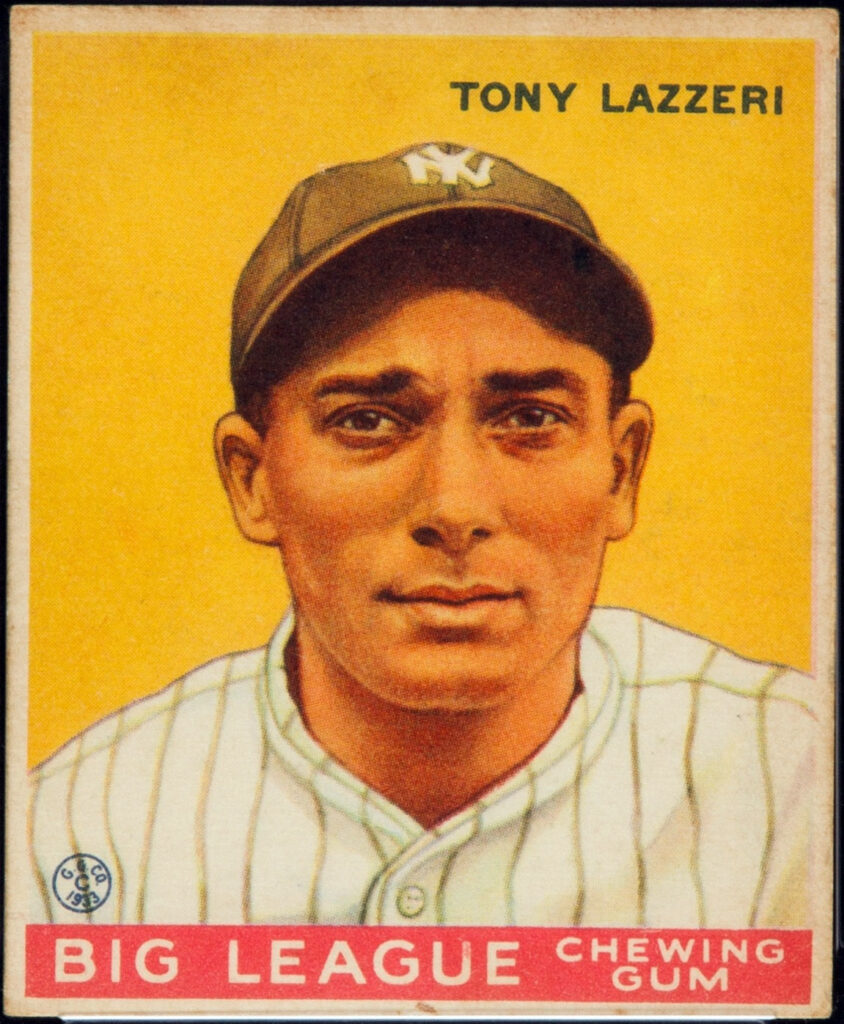
On May 24, 1936, Tony Lazzeri of the New York Yankees became the first major league player to hit two grand slams in one single game, and his eleven RBIs that day remain an American League record. The extraordinary layer to Lazzeri’s historic performance is that he achieved his legendary career while managing epilepsy in an era when the condition was heavily stigmatized. Team officials and some teammates were aware of his condition, but it was kept from the public, and Lazzeri quietly endured the risks, relying on those around him to look out for him while becoming a backbone of the famous Murderers Row lineup. On the day of his record-setting game, he actually batted eighth in the lineup, making his explosive eleven-RBI outburst from the bottom of the order an even more astonishing and unmatched feat in baseball history.
- The Sculptor Born in the Shadow of War
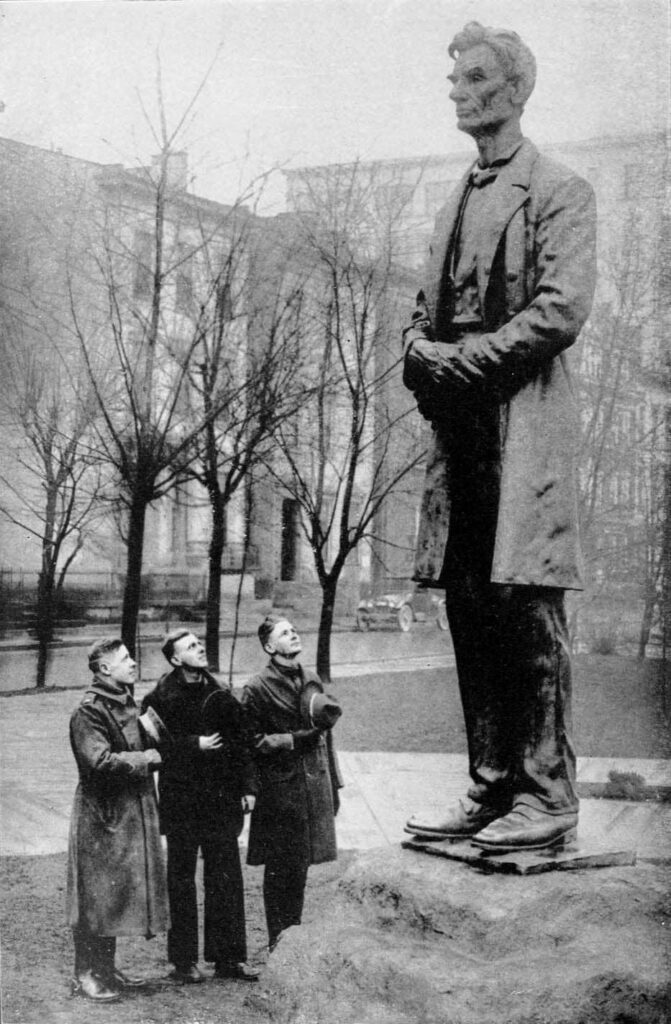
George Gray Barnard was born on May 24, 1863, in Bellefonte, Pennsylvania, a little more than a month before the nearby Battle of Gettysburg altered American history. The fascinating layer connecting his birth to his life’s work is that Barnard grew up to become a sculptor obsessed with the heavy toll of human struggle and the legacy of the Civil War. When he was later commissioned to create a bronze statue of Abraham Lincoln, he chose to reject the traditional, idealized image of a pristine statesman. Instead, he sculpted a raw, weary, and rugged Lincoln with worn shoes and a slumped posture, sparking a massive international art controversy because critics felt his realistic depiction of the President was far too coarse for public viewing.
- The Dairy Farm Invention
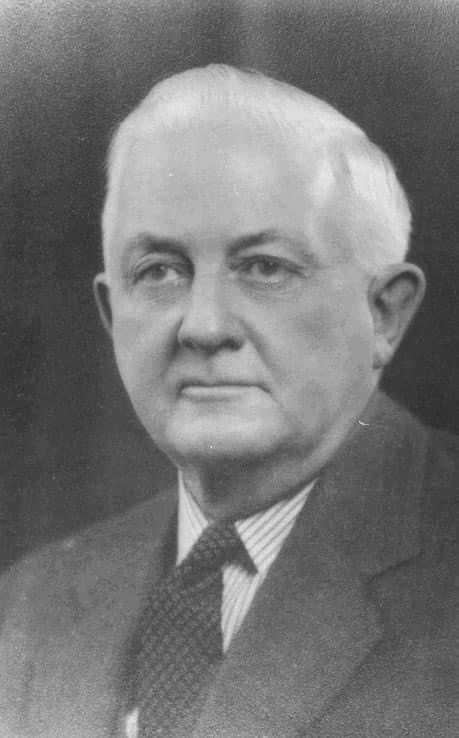
H.B. Reese, who developed the famous Reese’s Peanut Butter Cup, was born on May 24, 1879, in York County, Pennsylvania. The surprising layer to his confectionery success is that the peanut butter cup was born out of sheer financial desperation and a lack of job security. Before he became a candy pioneer, Reese worked as a humble dairy farmer for Milton Hershey’s company management team. Inspired by the massive success of the Hershey chocolate empire, Reese began experimenting with candy recipes in his own basement using a makeshift table to feed his sixteen children. His breakthrough came when he realized that roasting peanuts to a precise degree created a distinct paste that blended perfectly with Hershey’s chocolate coating, starting a competing empire using his former employer’s bulk ingredients.
- The Munitions of Democracy
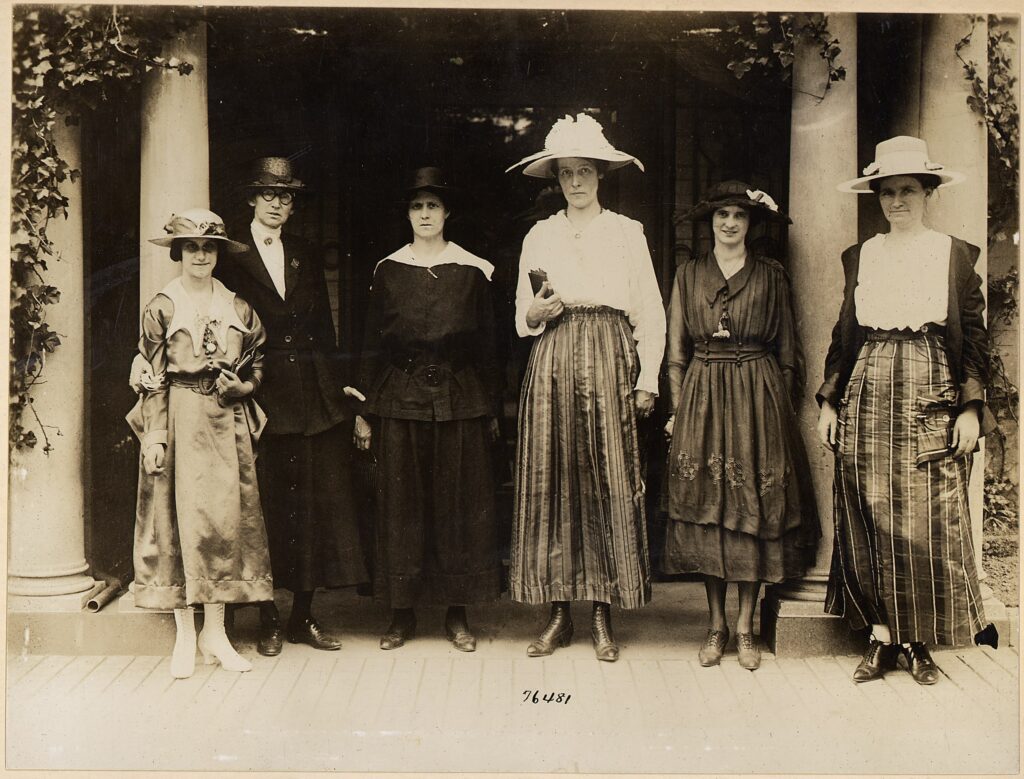
Six women war workers employed at the Bethlehem Steel Company’s plant in New Castle, Pennsylvania, were delegated to see President Woodrow Wilson on May 24, 1918. They urged him to support the motion for the immediate passage of the federal suffrage amendment, arguing that women serving in vital war industries desperately needed federal enfranchisement. The compelling layer to this meeting is the strategic timing and leverage these women utilized. By dressing in their industrial factory uniforms instead of traditional dresses, they visually confronted the President with the reality that the American war machine would completely collapse without female labor, effectively turning their essential wartime production roles into an unassailable political argument that forced the Wilson administration to view suffrage as a matter of national security.
- The Birth of a Voice in the North Woods

The legendary singer-songwriter Bob Dylan was born on May 24, 1941, in Duluth, Minnesota. The captivating layer to his origin story is how deeply his early childhood environment shaped his cryptic musical identity. Born as Robert Zimmerman, he spent his formative years in the remote, iron-mining town of Hibbing, Minnesota, surrounded by desolate landscapes and fading immigrant communities. This extreme geographic isolation forced him to rely heavily on late-night, clear-channel AM radio stations broadcasting distant blues and country music from a thousand miles away in the American South, a sonic lifeline that inspired him to completely reinvent himself as a wandering folk troubadour.
- A Leak of Liquid and Logic in Orbit
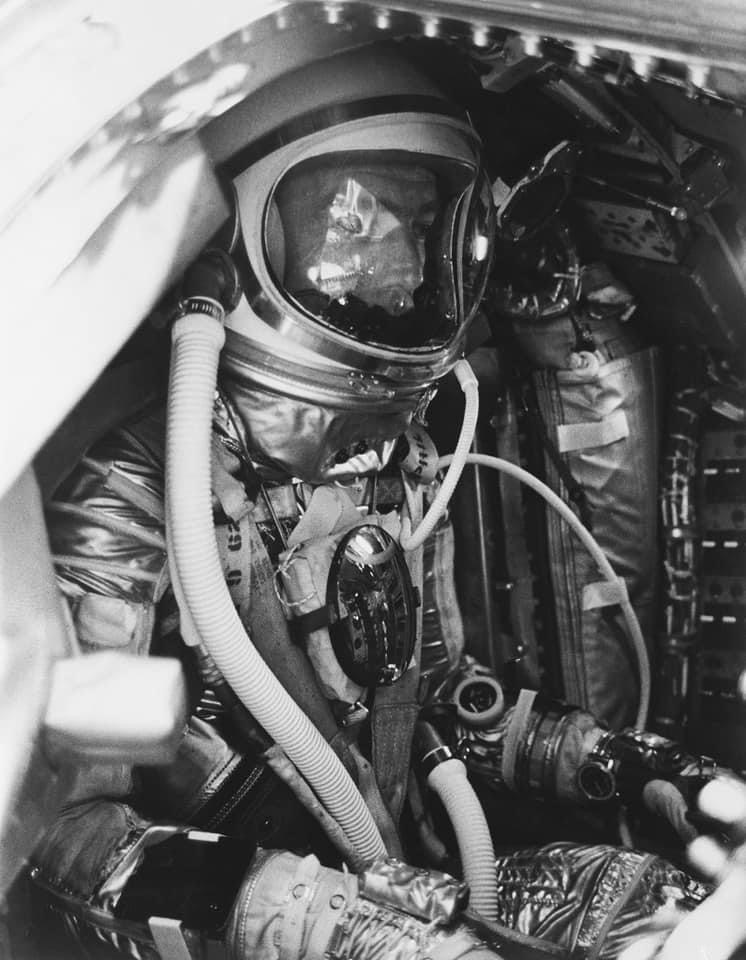
Astronaut Scott Carpenter sat in his Aurora 7 spacecraft on May 24, 1962, just before he became the second American to orbit the Earth. The nail-biting layer to his historic flight is that it nearly ended in a fatal tragedy due to a mix of human error and mechanical glitches. During the mission, Carpenter became fascinated by a phenomenon he called fireflies, which were actually floating ice particles outside his window, and he accidentally consumed precious fuel while maneuvering the capsule to look at them. A malfunctioning pitch horizon scanner contributed to guidance problems during re-entry, and combined with his earlier fuel use, caused his retrorockets to fire in a way that left him overshooting his splashdown target by about two hundred and fifty miles and floating alone in the Atlantic Ocean for hours while the world feared he had not survived the heat of re-entry.
- The Veteran of the Stage and the Screen
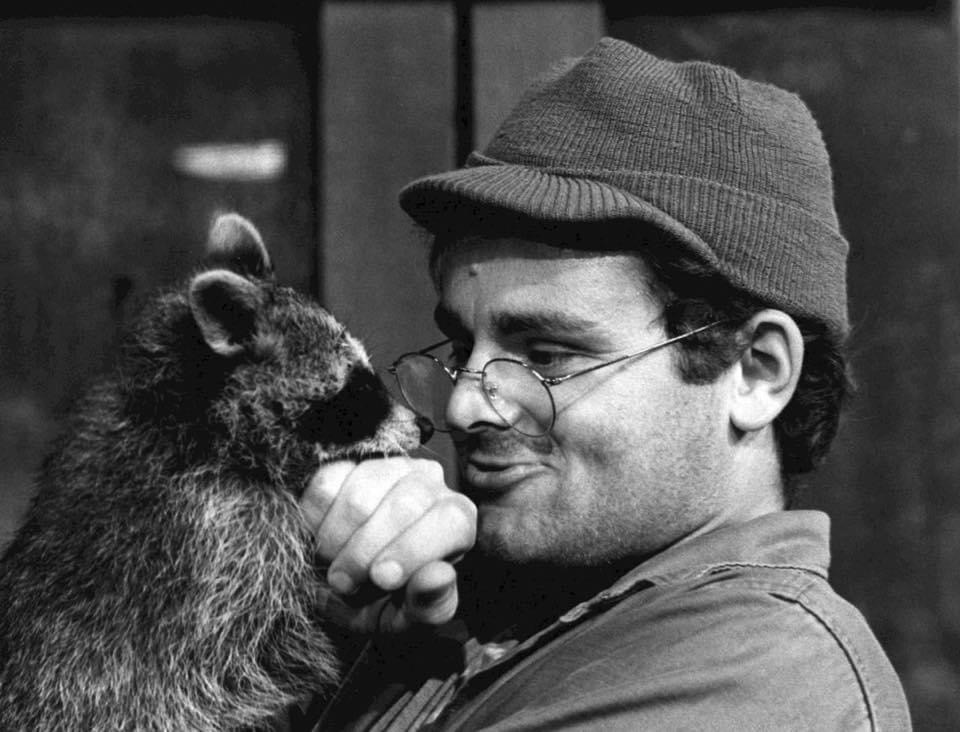
Gary Burghoff, widely recognized for playing the iconic role of Radar O’Reilly on MAS*H, was born on May 24, 1943, in Bristol, Connecticut. The fascinating layer to his performance is that Burghoff was the only actor from the original, cynical 1970 feature film who was hired to reprise his exact character for the long-running television series. Even more remarkable is that Burghoff played the character of a nimble, drum-playing clerk while living with a congenital deformity called brachydactyly, which left three fingers on his left hand significantly shorter than the others. Throughout the entire run of the show, he carefully used his clipboard, hats, and clever camera angles to hide his hand from the audience, ensuring that viewers focused entirely on Radar’s eerie ability to anticipate incoming helicopters.
- The Stolen Medals and the Stamp of Honor
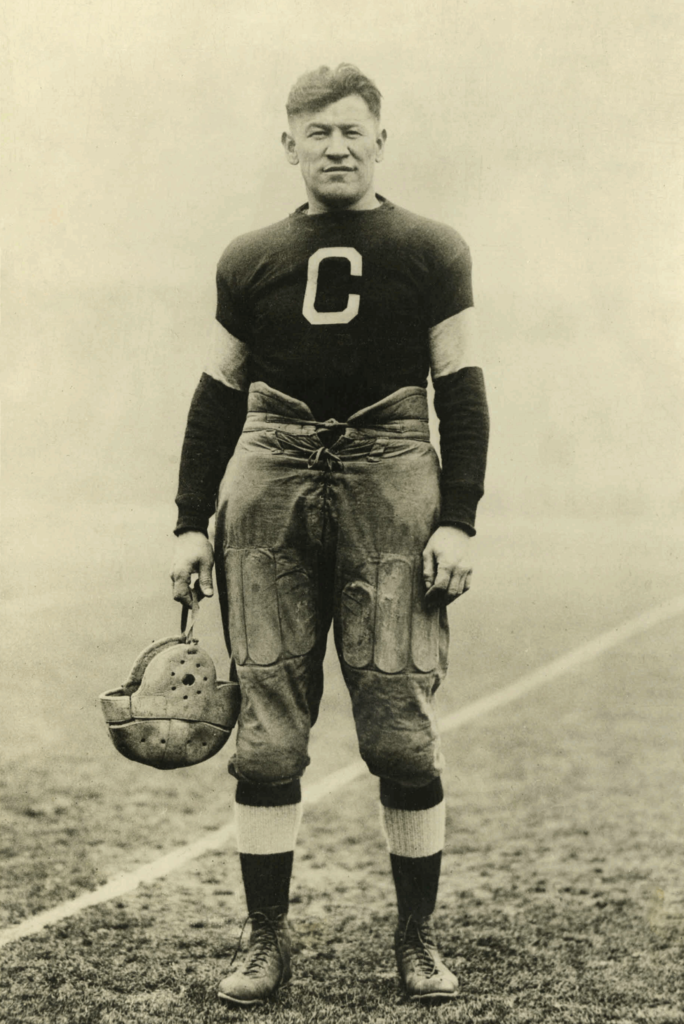
On May 24, 1984, the United States Post Office issued a 20-cent stamp featuring the image of the legendary Native American athlete Jim Thorpe. The bittersweet layer to this commemorative stamp is that it arrived as part of a long, posthumous battle to restore Thorpe’s tarnished athletic legacy. After dominating the 1912 Olympics, Thorpe was stripped of his gold medals when it was discovered he had played two seasons of minor league baseball for minimal expense money, violating strict amateurism rules of the era. The release of the stamp followed a massive, decades-long campaign by his family and supporters, culminating in 1983 when the International Olympic Committee restored his official records and delivered replica medals to his children. In a final, long-overdue correction nearly four decades later, the IOC went even further in 2022, recognizing Thorpe once again as the sole gold medalist in his 1912 events, fully reclaiming the honor that had been taken from him.
- The Tornado that Rewrote the Radar

On May 24, 1973, meteorologists, researchers, and storm chasers captured the entire life cycle of a violent F4 tornado when it touched down near Union City, Oklahoma. The revolutionary layer to this storm is that it marks the official birth of modern tornado forecasting and tracking. For the first time in history, scientists from the National Severe Storms Laboratory managed to place mobile cameras right in front of a developing vortex while simultaneously scanning it with an experimental Doppler radar station just miles away. By comparing the visual film with the radar data, scientists discovered the Tornadic Vortex Signature, a distinct rotatory pattern that allowed weather agencies to predict tornadoes long before they hit the ground, vastly improving warning times worldwide.
- The Floating Road to the North Anna
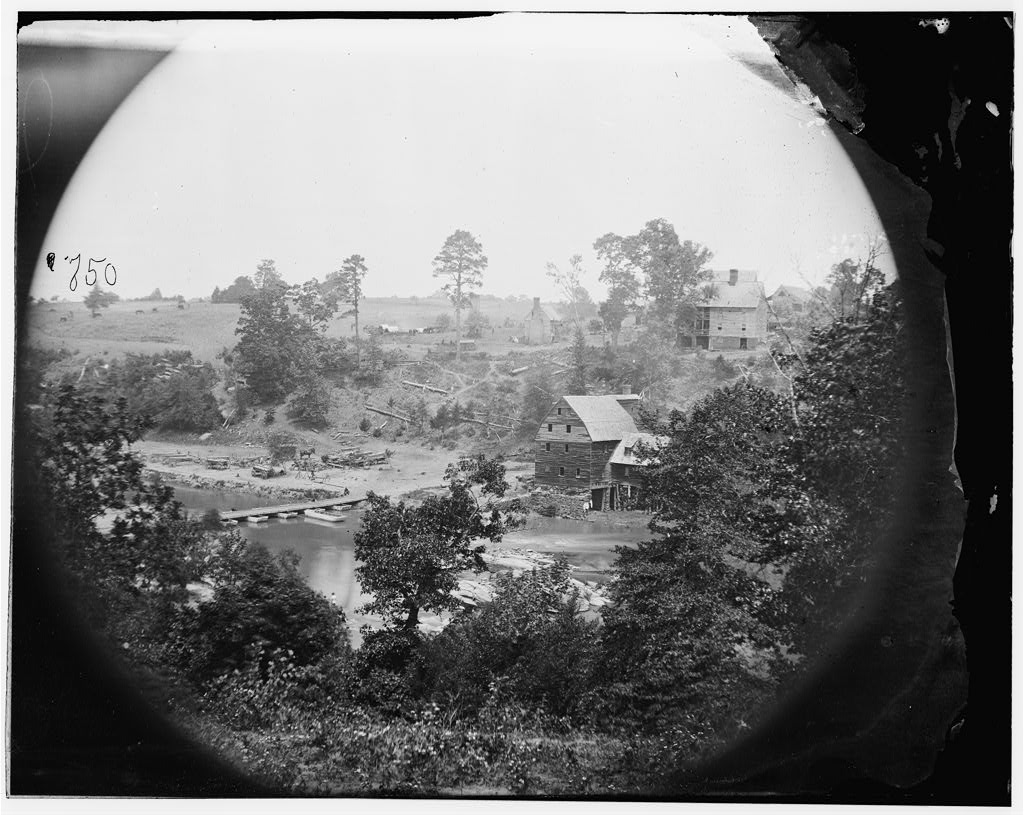
Union forces looked up the North Anna River from the south bank at Jericho Mills, Virginia, on May 24, 1864, observing a canvas pontoon bridge and a pontoon train waiting on the opposite bank. The fascinating engineering layer to this Civil War photograph is the hidden ingenuity of the canvas boats visible in the water. Unlike traditional, heavy wooden pontoon boats that required massive teams of horses to transport, these innovative canvas models consisted of lightweight wooden frames wrapped in heavy, waterproofed canvas sheets. This allowed the Union army to pack an entire bridge onto a few light wagons, rapidly assemble the structures at the riverbank, and cross treacherous waters like the North Anna River before the Confederate forces could organize a defense.
- The Date That Almost Disappeared
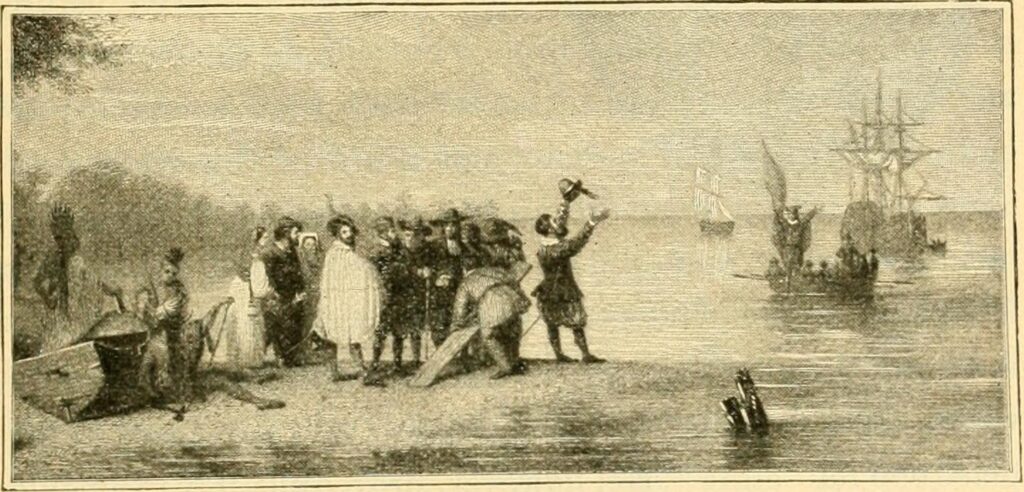
A romanticized 19th-century engraving by John Gadsby Chapman depicting the 1607 landing at Jamestown. While widely reprinted in later publications like the New York Mirror, the image is historically inaccurate, notably depicting women who did not arrive until 1608. 1607 (Colonial America): On what we now call May 24, English colonists established Jamestown—the first permanent English settlement in North America. At the time, their logs read May 14. England still used the Julian calendar, lagging ten days behind continental Europe. Converted to modern time, their landing falls on May 24, a fitting twist for a place whose history nearly vanished.
Jamestown’s story is full of uncanny layers. For centuries, historians believed the original 1607 fort had been swallowed by the James River. Maps contradicted each other, shorelines shifted, and generations of scholars declared the site lost.
Then, in the 1990s, archaeologists uncovered faint postholes—tiny soil shadows—matching the exact footprint of the triangular fort described in 17th‑century journals. The fort had survived erosion by mere yards. Beneath the foundations of a later brick church, they found the footprint of the 1617 wooden church, the very building where America’s first representative assembly met in 1619.
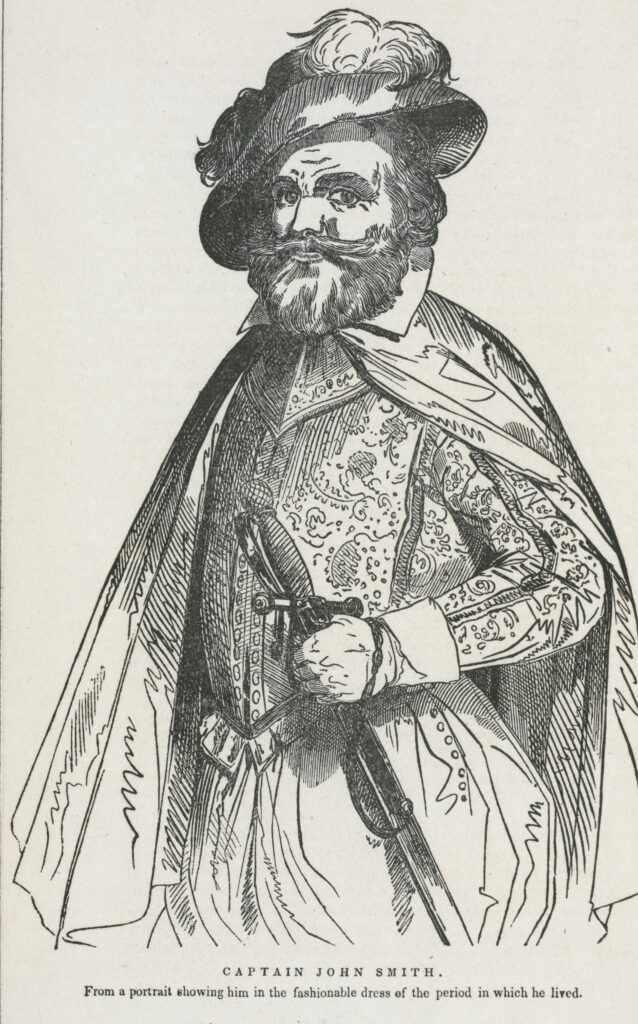
At the center of the colony’s initial survival was Captain John Smith. He didn’t arrive as a hero; he stepped onto Virginia soil in chains, accused of mutiny. Yet within months, he became Jamestown’s most capable leader, mapping the Chesapeake and keeping the settlement alive.
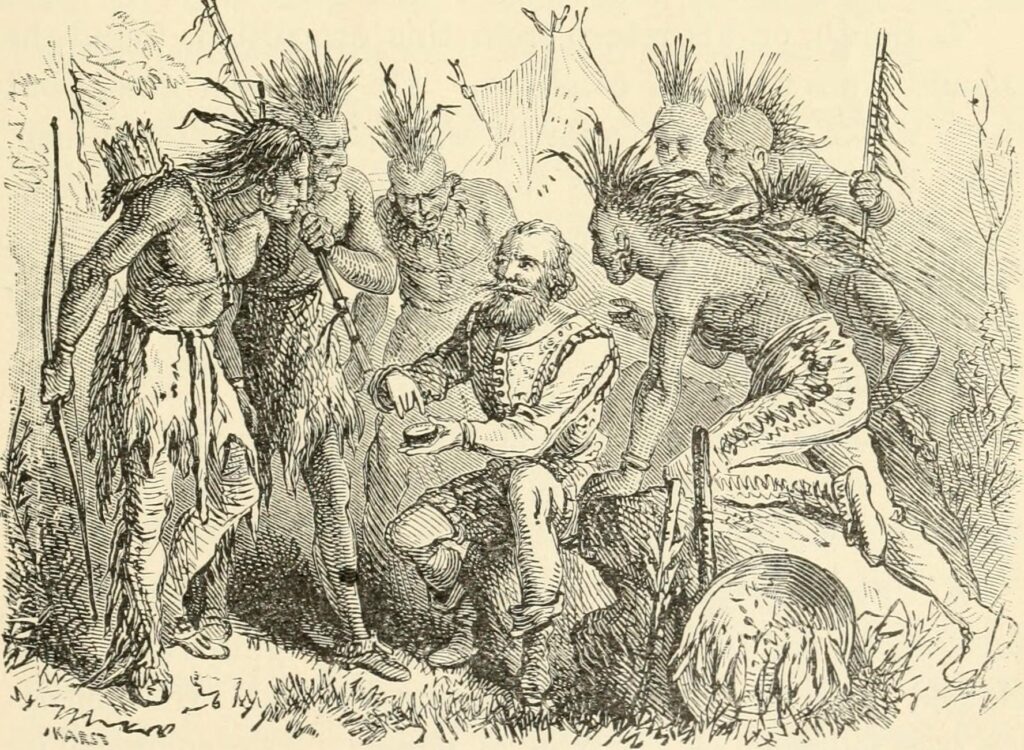
A lesson in survival: Captain John Smith demonstrates an ivory pocket compass to his Powhatan captors in 1607—a dramatic encounter famously recorded in his own 1624 memoirs. But survival hung by a thread. After Smith was injured and returned to England in 1609, the colony collapsed into the “Starving Time” winter. In 2013, archaeologists uncovered the remains of a 14-year-old girl—dubbed “Jane”—bearing the unmistakable marks of survival cannibalism. It was the first physical proof of Jamestown’s darkest whispered truth.
Jamestown didn’t hide itself on purpose. It simply slipped through the cracks of time, from a date that shifted by ten days to a fort that nearly washed away. May 24 is the modern date that brings the story back into alignment, honoring a settlement that survived by the thinnest margins and refused to disappear.