
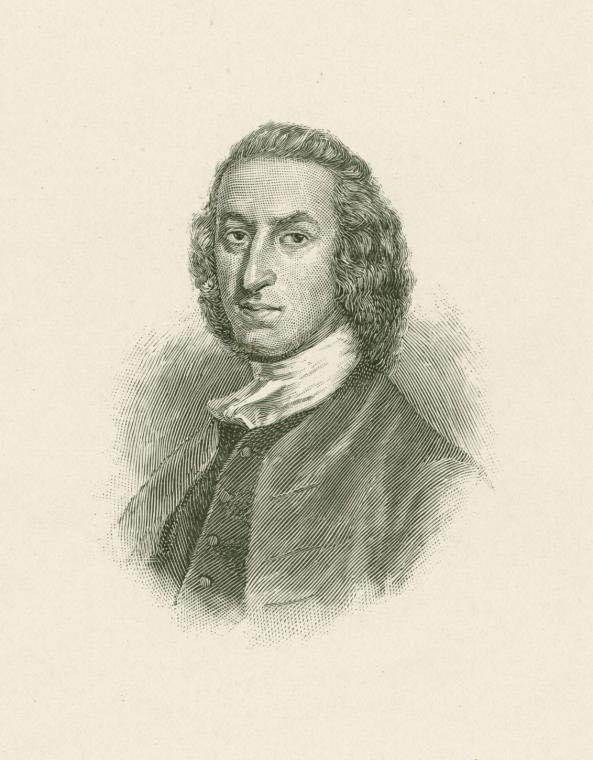
On August 31, 1776, William Livingston became the first governor of the newly independent State of New Jersey. Chosen by the state legislature under New Jersey’s new 1776 constitution, Livingston assumed office at a perilous moment: British forces were gathering in and around New York Harbor, and New Jersey stood exposed between British-held New York and Patriot-controlled Philadelphia.
Livingston brought both political experience and military urgency to the post. Earlier that summer he had served as a brigadier general in the New Jersey militia; as governor, he worked with the legislature, county officials, militia officers, and local committees to organize resistance, secure supplies, and sustain civil government. These tasks became especially difficult after the British and Hessian campaigns of late 1776 carried the war across much of the state.
His administration endured not because New Jersey avoided invasion—it did not—but because its republican institutions continued to function amid invasion, raids, divided loyalties, and economic disruption. Livingston was reelected annually and remained governor until his death in 1790, providing an unusual degree of executive continuity during the Revolution and the Confederation period. August 31 marks the beginning of the long tenure of New Jersey’s first state governor.
