
 Mystery March Is Here!

Benjamin Franklin didn’t just endure winter — he studied it. Across his essays, letters, and scientific experiments, he left a trail of observations about heat, air, clothing, and health. When you gather them together, a surprisingly modern philosophy of winter comfort emerges. And unlike most “founder wisdom,” Franklin actually wrote about this topic directly.
Below are Franklin’s winter principles, each backed by his own words.
- Fresh Air Keeps You Healthier and Warmer
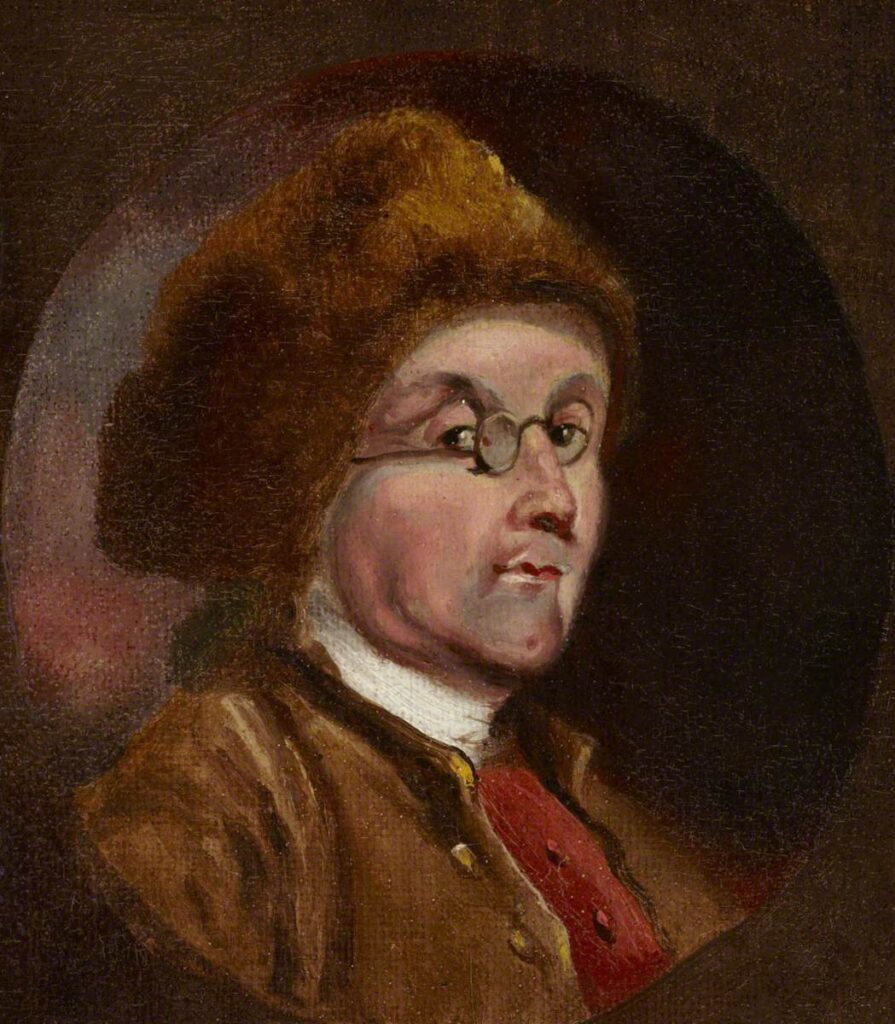
Franklin’s most important winter belief was that stagnant indoor air — not cold air — made people sick. In Hints Concerning What Is Called Catching a Cold (1768), he wrote:
“People often catch cold from one another when shut up together in small close rooms, coaches, or beds, breathing over and over the same air.”
And then the line that defines his whole philosophy:
“I have long been satisfied, from observation, that people do not catch cold from cold air.”
This is why he insisted on ventilation even in winter. He believed moving, dry air kept the body warmer than stale, overheated rooms.
- Moderation in Food and Drink Helps the Body Regulate Heat
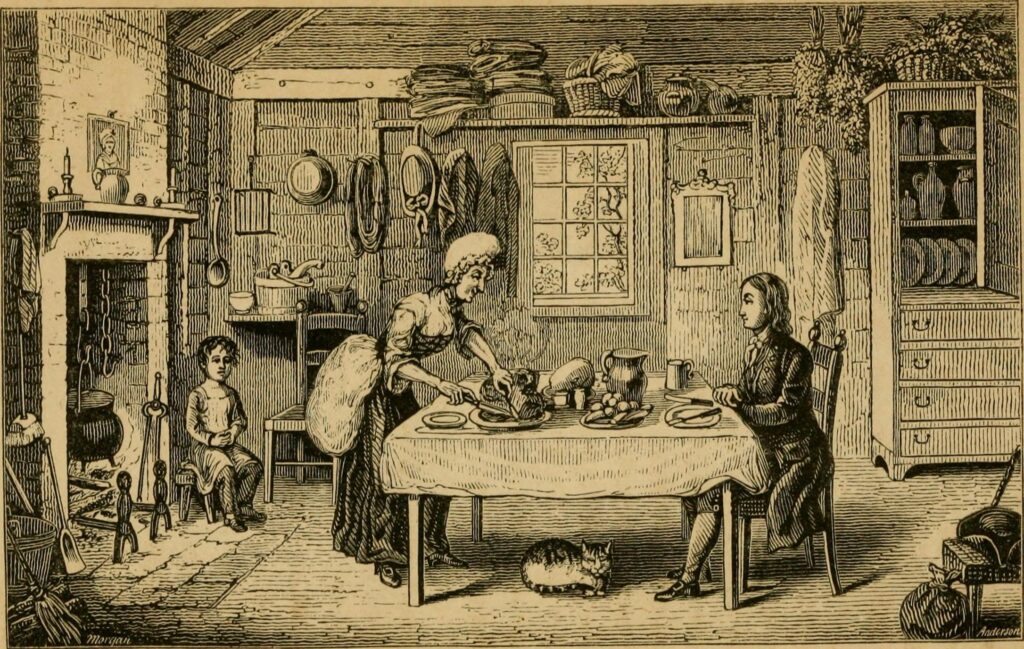
Franklin repeatedly warned that overeating and heavy drinking made the body sluggish — especially in winter. In Poor Richard’s Almanack he wrote:
“Eat to live, and not live to eat.”
And in his essay on temperance:
“Excess in any thing becomes a fault.”
He believed that a body weighed down by excess food or alcohol was less able to maintain steady warmth, a view consistent with his lifelong advocacy of moderation.
- Clean Skin and Light Exercise Promote Warmth
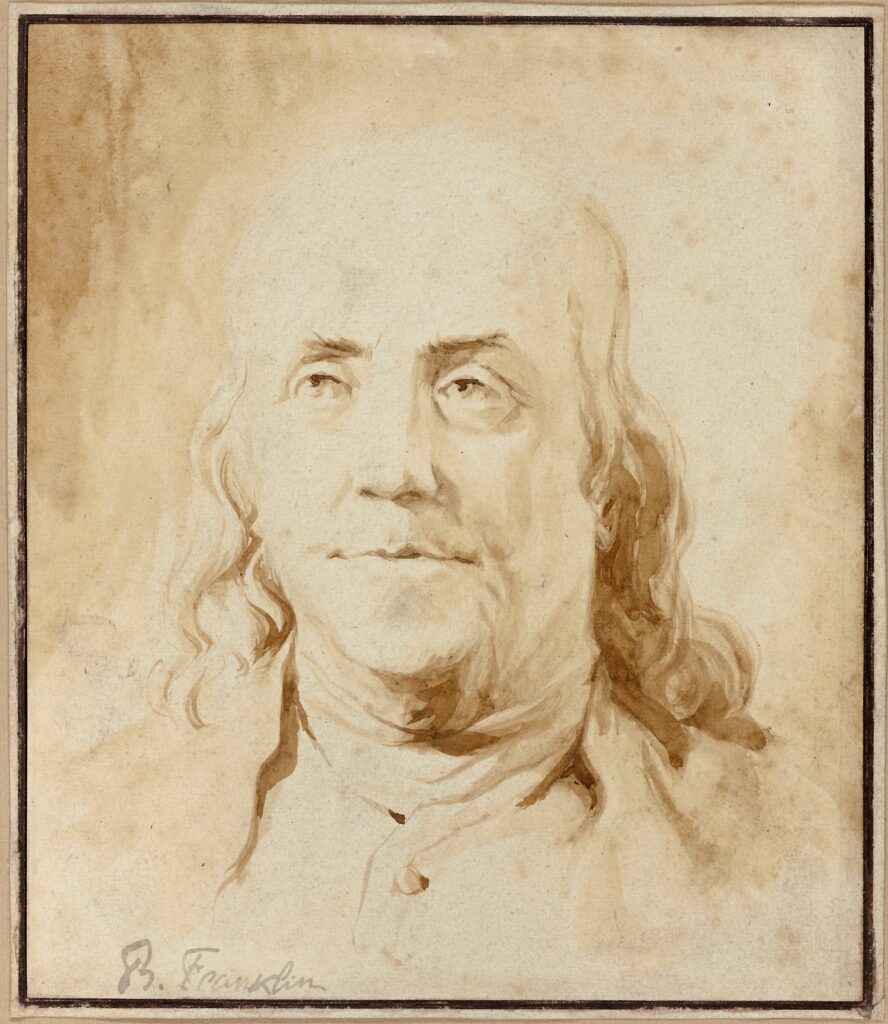
Franklin was a champion of bathing — even in cold weather — because he believed it improved circulation and resilience. In a 1768 letter to Dr. William Heberden, he described his daily practice:
“I rise early almost every morning, and sit in my chamber without any clothes whatever, half an hour or an hour, according to the season, either reading or writing.”
This was his famous “air bath,” which he believed strengthened the body.
He also wrote:
“Exercise invigorates the body and helps preserve the faculties.”
For Franklin, warmth was not just temperature — it was circulation, cleanliness, and movement.
- Dress for Dryness and Practical Warmth
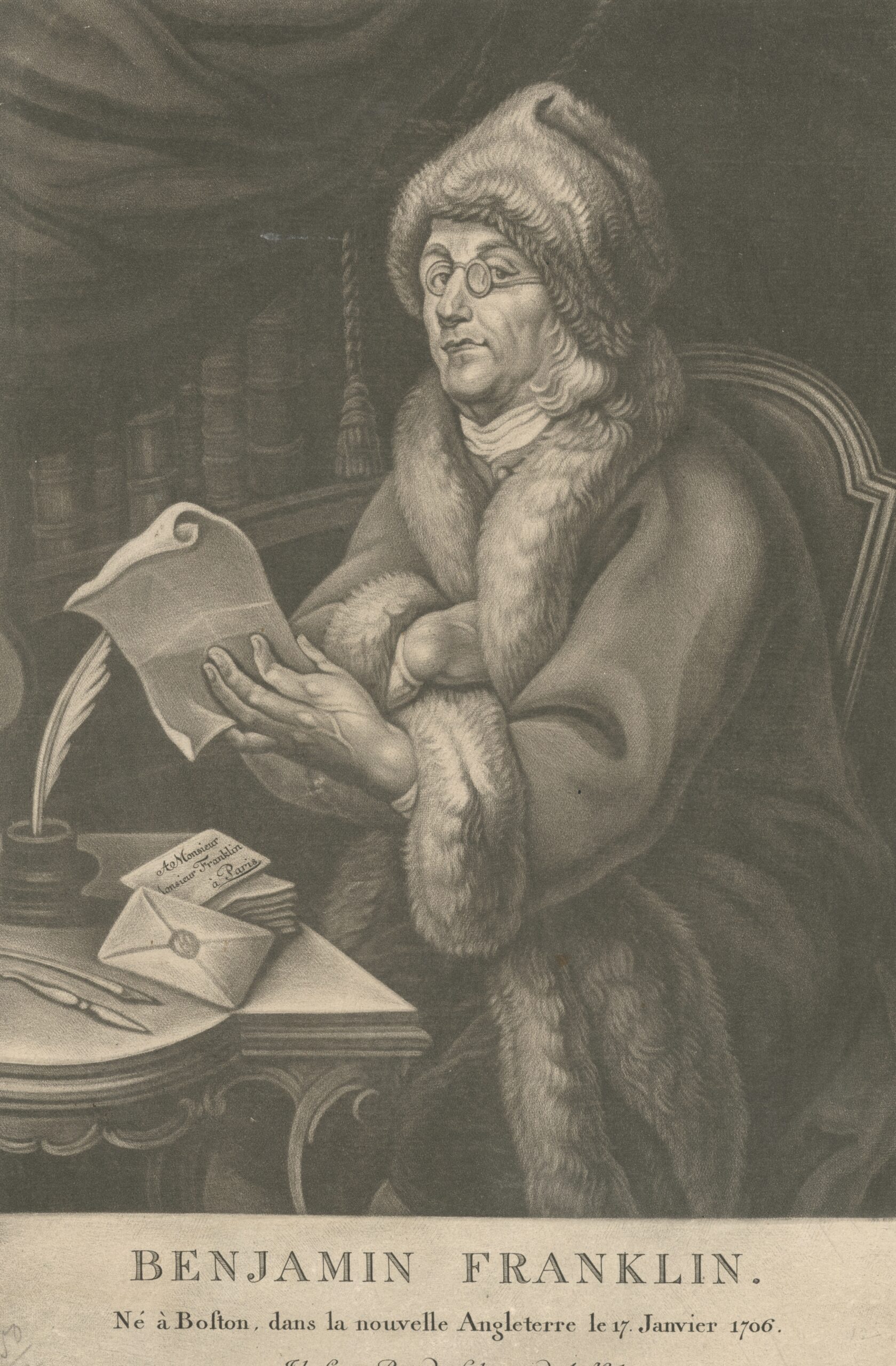
Franklin believed dampness, not cold, was the real enemy. In Hints Concerning What Is Called Catching a Cold, he wrote:
“Wet clothes chill the body by evaporating and carrying off the heat.”
He also emphasized layering and dryness over fashion. In a letter to his friend George Whatley, he noted:
“A good warm coat is a great comfort in winter.”
Simple, practical, and rooted in experience.
- Sleep in Cool Air With Warm Bedding
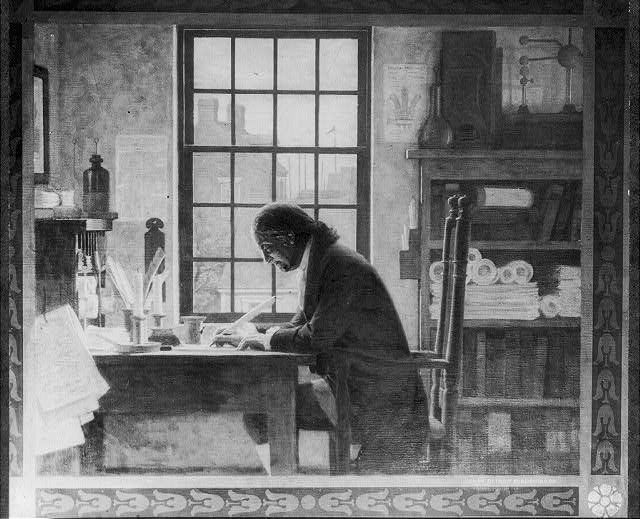
Franklin believed bedrooms should be cool and well-ventilated, even in winter. In Hints, he wrote:
“Sleeping in rooms not too warm, with free air, is wholesome.”
And he warned against overheated chambers:
“The air in close rooms, heated by a stove or fire, is apt to be too warm, too moist, and too foul.”
His solution was warm bedding, not warm air — a principle modern sleep science now echoes.
- Efficient, Clean Heat: The Franklin Stove
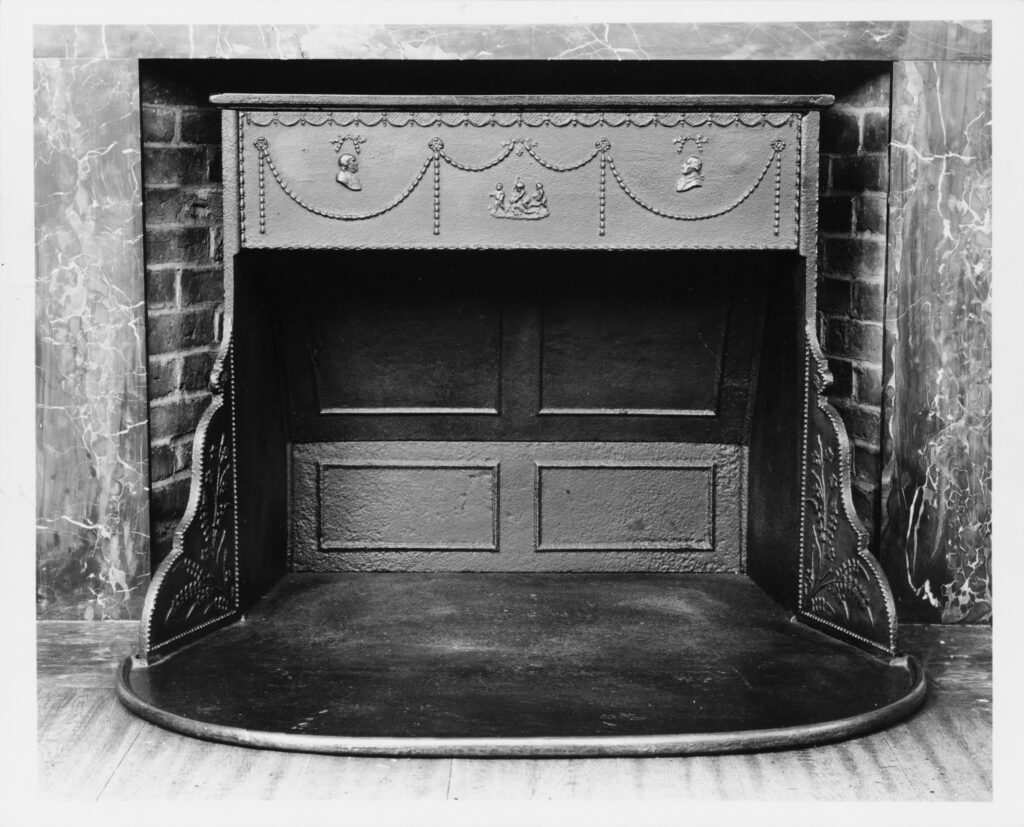
Franklin’s most famous winter contribution was his 1744 invention of the Pennsylvania fireplace, later called the Franklin stove. In his pamphlet An Account of the New Invented Pennsylvania Fire-Places, he explained its purpose:
“A fire-place that would warm a room with a much less quantity of wood, and warm it more equally.”
And:
“By the help of this invention, the room is warmed more speedily, and the air kept more pure.”
Efficiency, even heat, and clean air — the same principles he preached in his essays.
- Moderation Above All
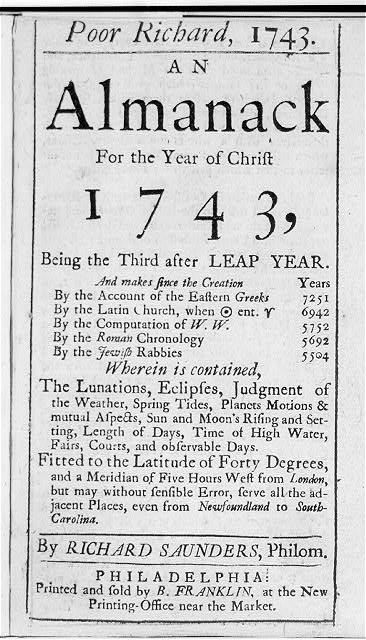
Franklin’s winter philosophy always returned to balance. In Poor Richard’s Almanack, he wrote:
“Avoid extremes.”
And in his Autobiography:
“Temperance: Eat not to dullness; drink not to elevation.”
For Franklin, winter comfort was a matter of steady habits, not extremes of heat, food, or clothing.
Franklin’s own essays reveal a man who understood winter comfort as a matter of observation and habit rather than folklore. He trusted fresh, moving air over the stale heat of sealed rooms, valued dryness and circulation, urged moderation at the table, and believed that cleanliness and regular movement kept the body resilient. He favored practical layers over fashion and championed efficient heating long before it was common practice. In all of this, he treated winter the way he treated electricity or fire: by watching closely, testing assumptions, and refining what worked. The result was a philosophy of cold-weather living that feels contemporary not because he guessed correctly, but because he grounded every insight in lived experience and careful experiment.

Leave a Reply