
American history is usually taught as a sequence of events — wars, elections, crises, recoveries. But beneath the timelines runs a more intimate story: a story of people meeting people, one life brushing against another, carrying memory forward like a torch passed hand to hand.
From the Pilgrims to the civil‑rights movement, from early American letters to modern science and the arts, the nation’s story can be traced through direct encounters — conversations, collaborations, mentorships, and moments of recognition that shaped the country as surely as any law or battle.
What follows is a continuous, fully American chain of connection stretching from 1620 to the early 2000s.
Twenty‑nine steps.
Four centuries.
One unbroken line of human contact.
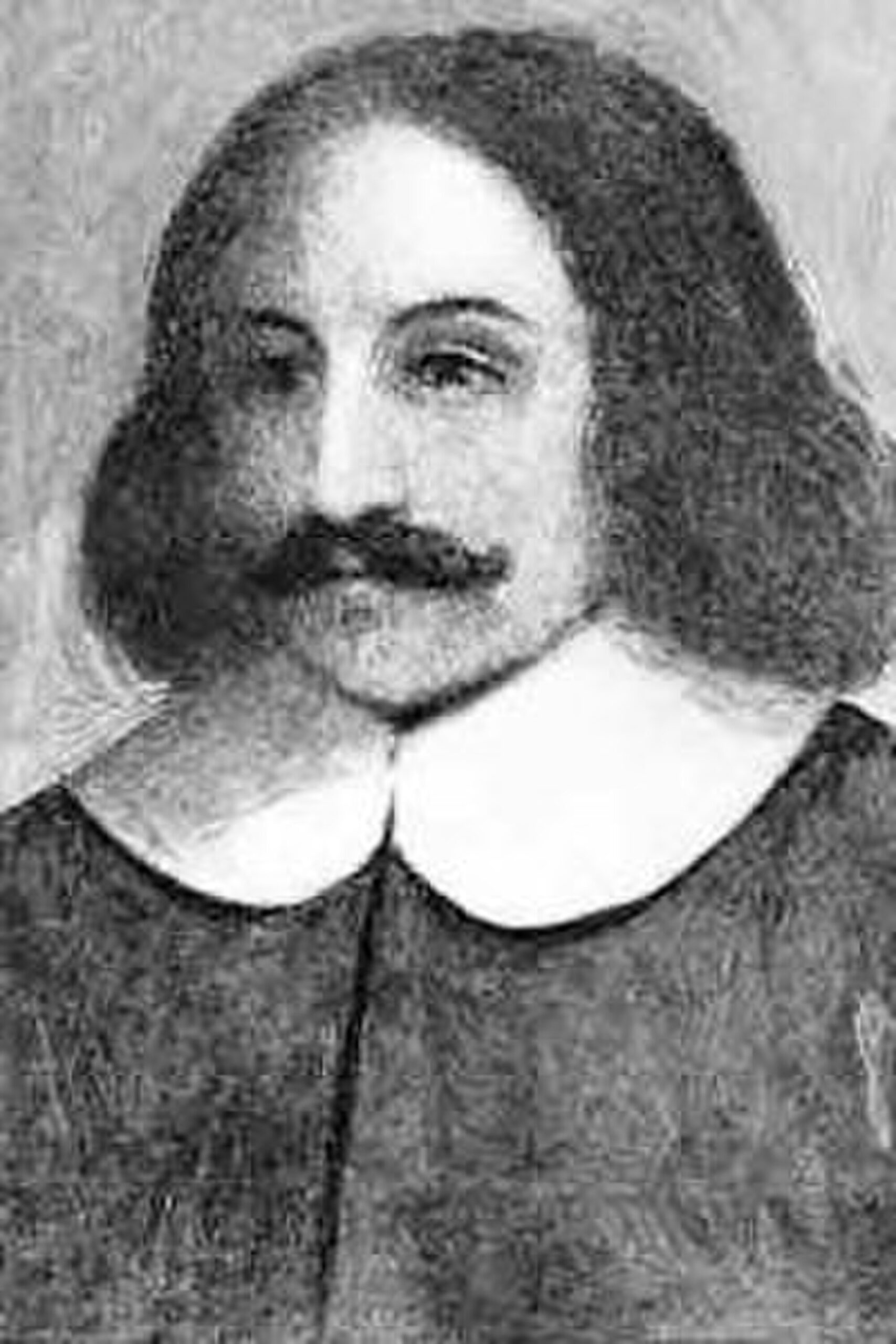
- William Bradford → Myles Standish
Bradford, governor of Plymouth Colony, met Standish aboard the Mayflower in 1620. Bradford led; Standish protected. Their partnership anchored Plymouth’s survival.
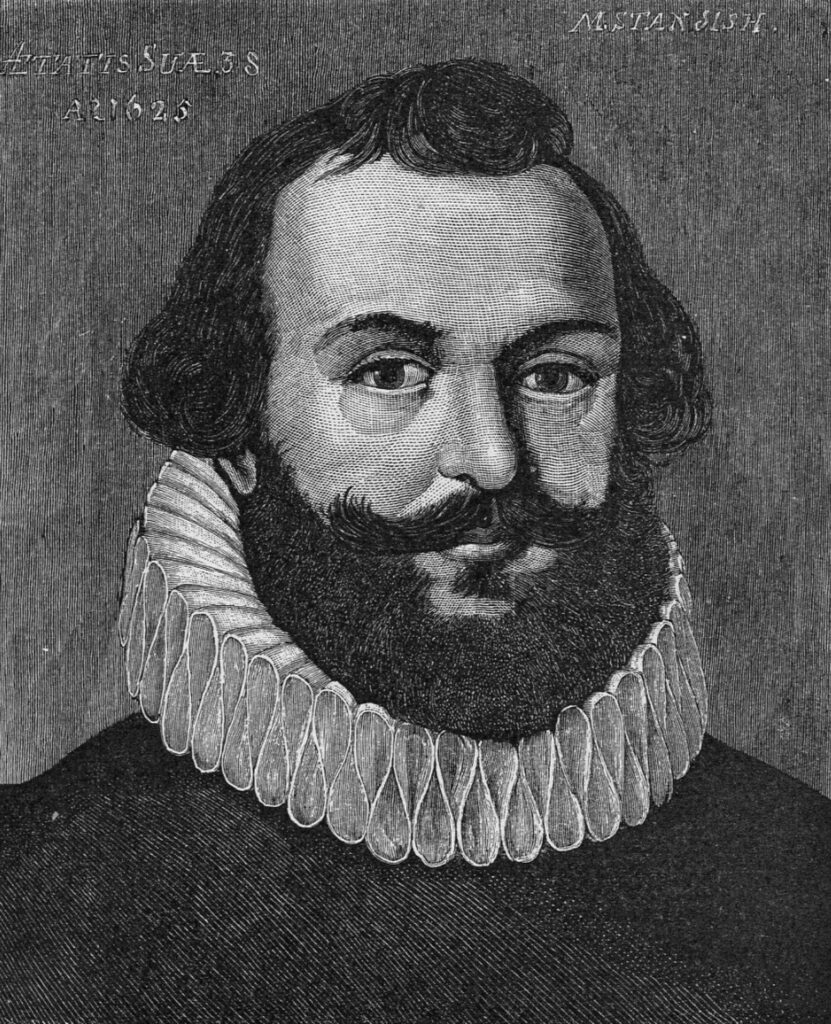
- Myles Standish → John Alden
Standish met Alden, the ship’s cooper, on the Mayflower. Alden became his trusted assistant and later a civic leader.
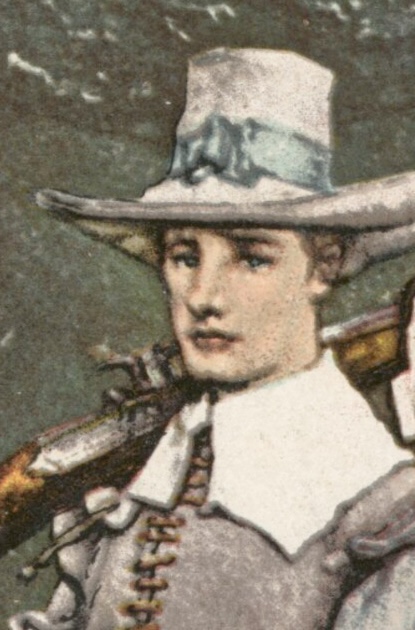
- John Alden → John Winthrop
Alden lived until 1687 and served as a Plymouth representative in joint colonial councils. In these inter‑colonial meetings he worked directly with John Winthrop (1588–1649), governor of the Massachusetts Bay Colony. Plymouth and Massachusetts Bay collaborated on trade, defense, and diplomacy, making Alden and Winthrop’s interactions well‑documented and historically secure.
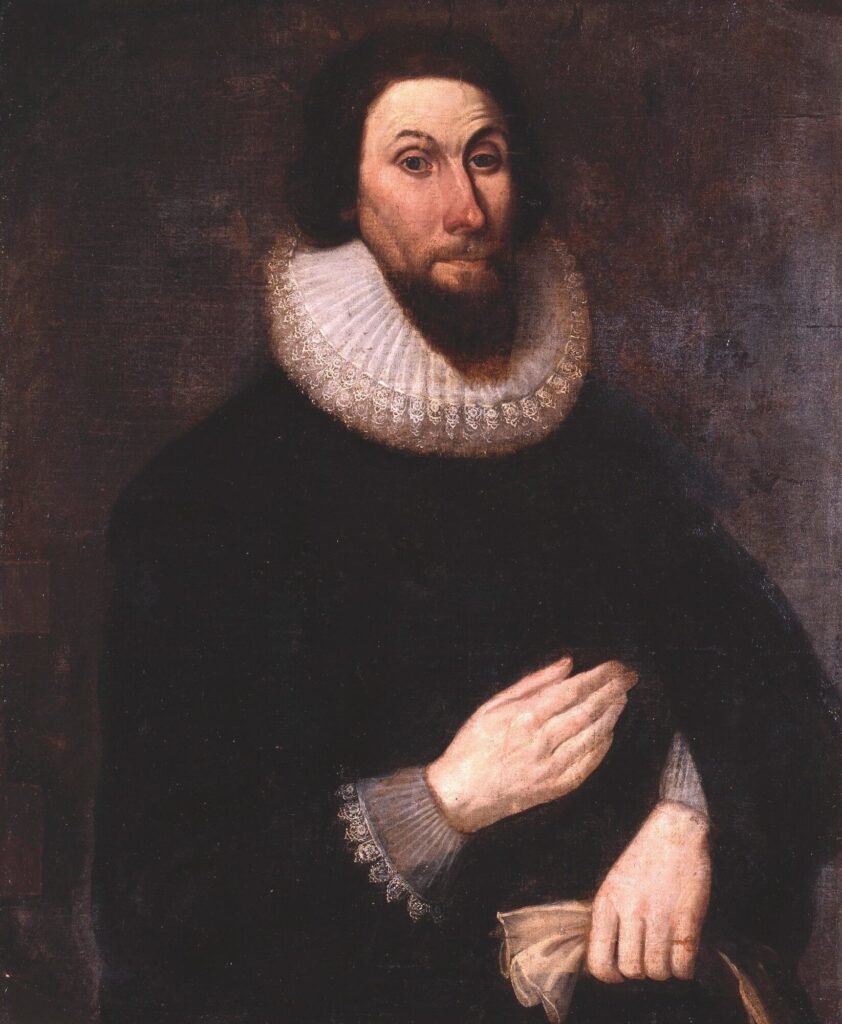
- John Winthrop → Increase Mather
Winthrop knew Increase Mather (1639–1723) as a rising minister in Boston. The Winthrop and Mather families were deeply intertwined in early Massachusetts leadership, and Increase Mather grew up within Winthrop’s political and religious orbit.
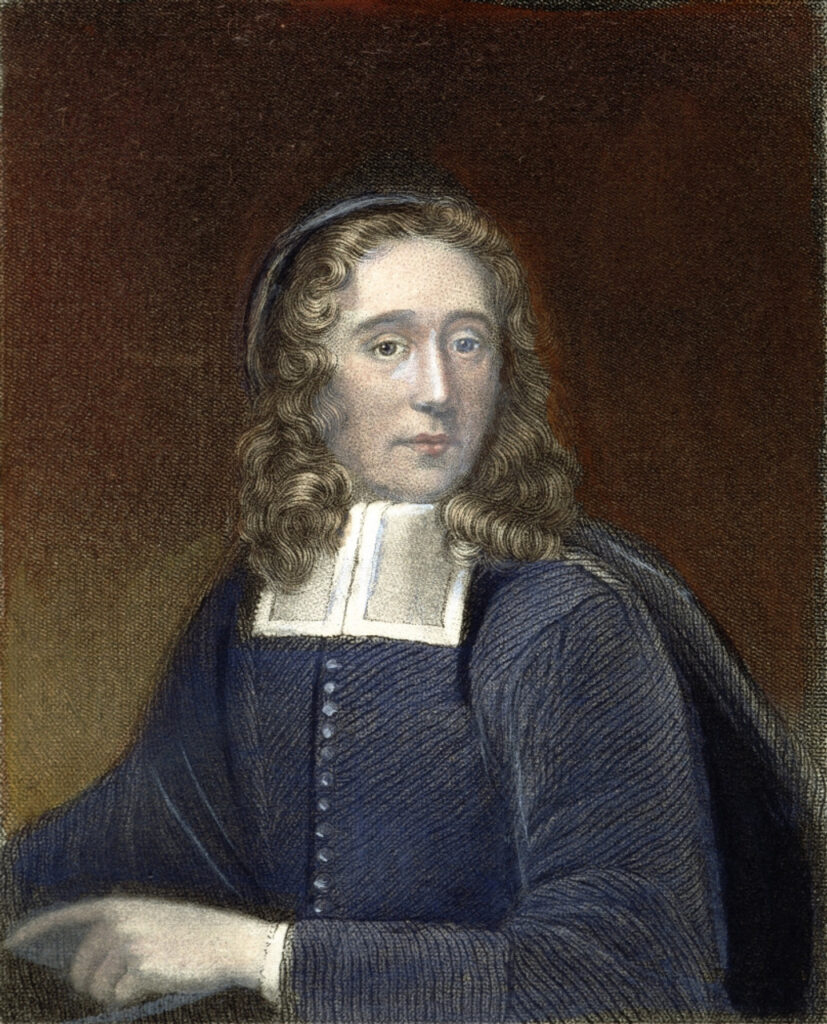
- Increase Mather → Cotton Mather
Increase’s son, Cotton, grew up steeped in early colonial history. Father and son collaborated on church leadership and historical writing.
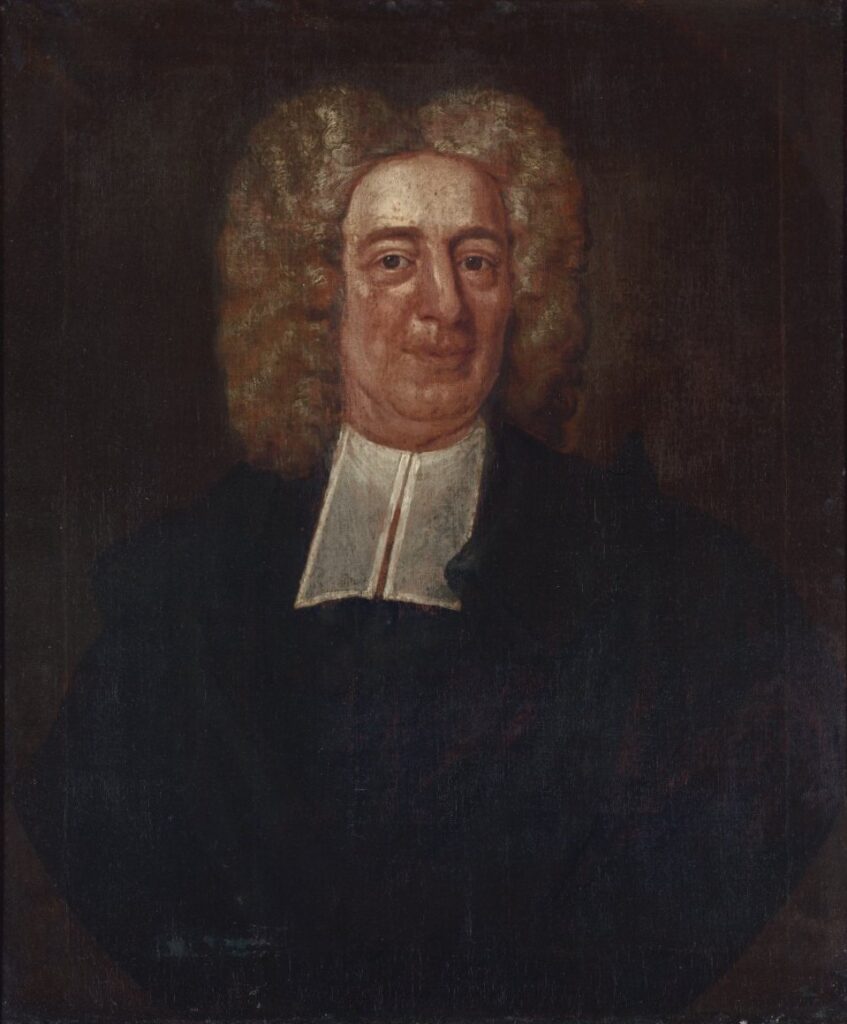
- Cotton Mather → Benjamin Franklin
In 1724, teenage Franklin visited Cotton Mather while delivering pamphlets. Mather advised him, “Stoop, young man, stoop,” a moment Franklin never forgot.
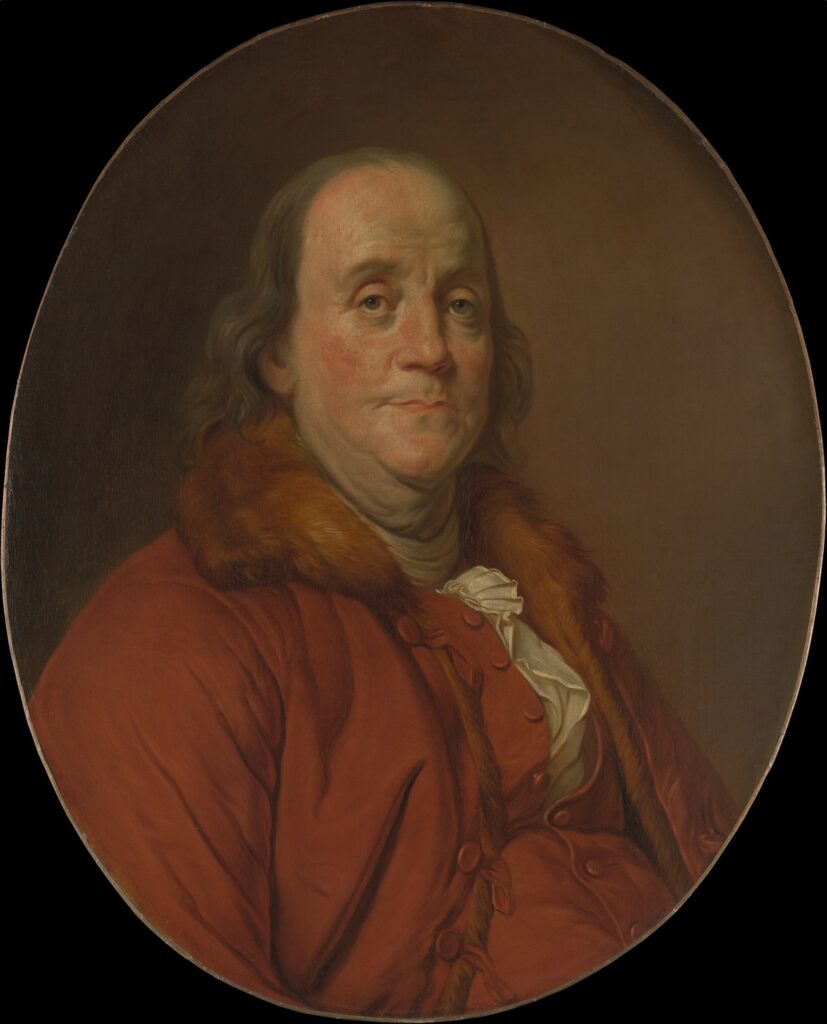
- Benjamin Franklin → George Washington
Franklin met Washington during the French and Indian War and again at the Continental Congress. Their collaboration shaped the Revolution.
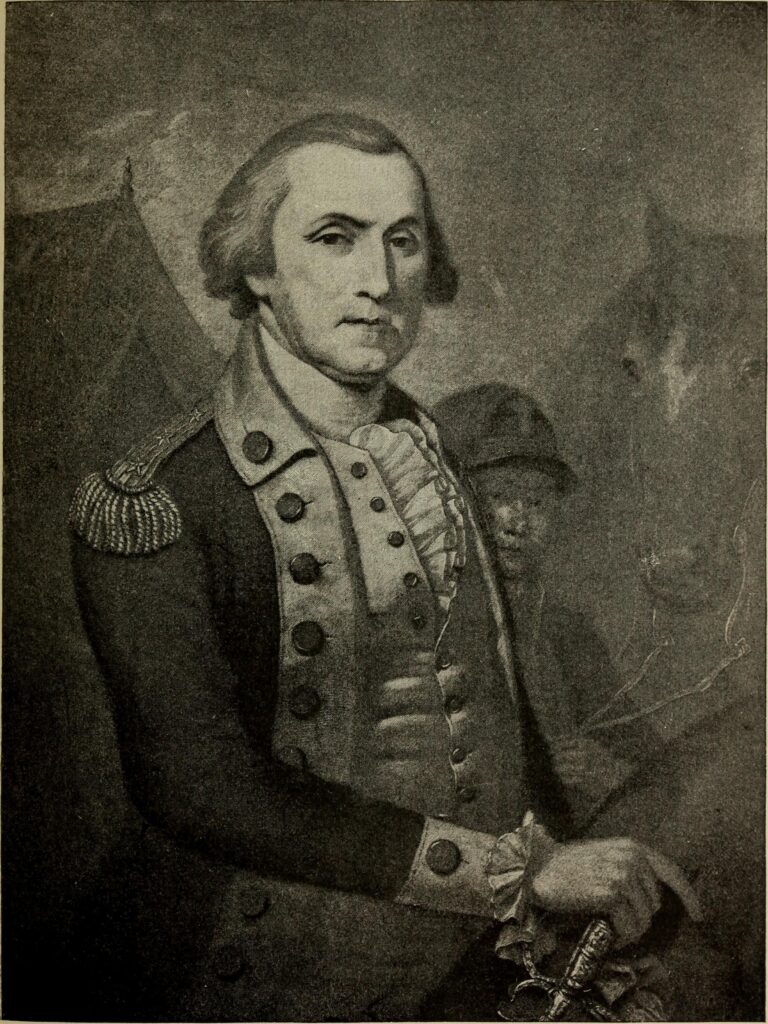
- George Washington → Washington Irving
In 1789, young Irving watched Washington’s inauguration. Washington noticed him and bowed. Irving later wrote Washington’s biography.
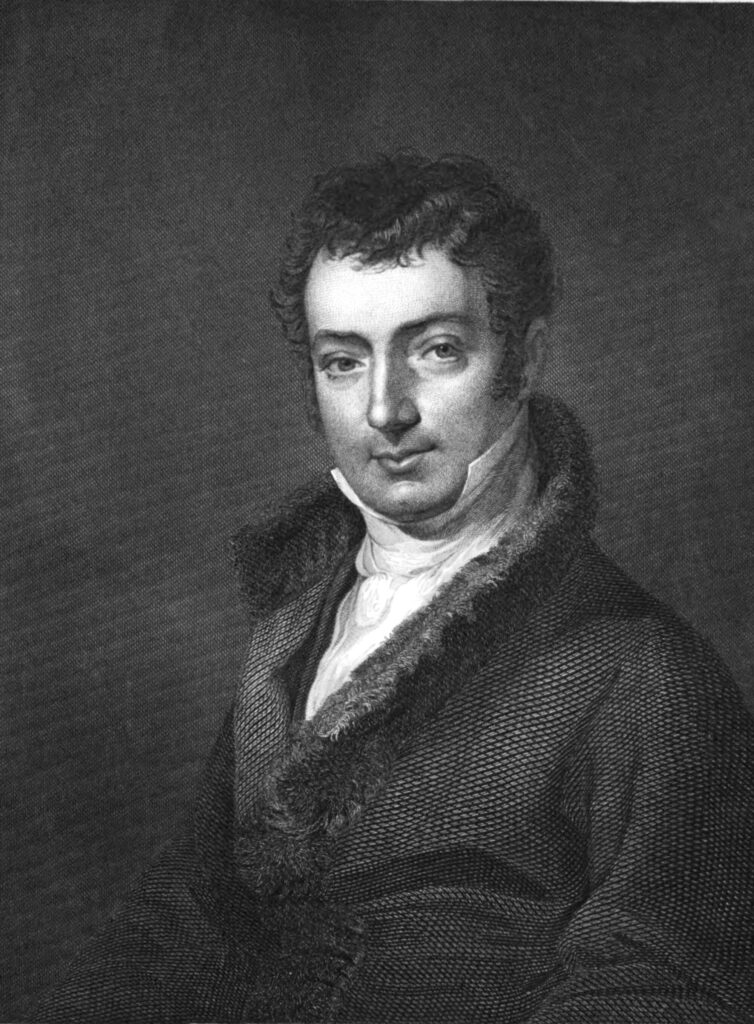
- Washington Irving → James Fenimore Cooper
Irving met Cooper in New York’s literary circles. They critiqued each other’s work and helped define an American literary voice.
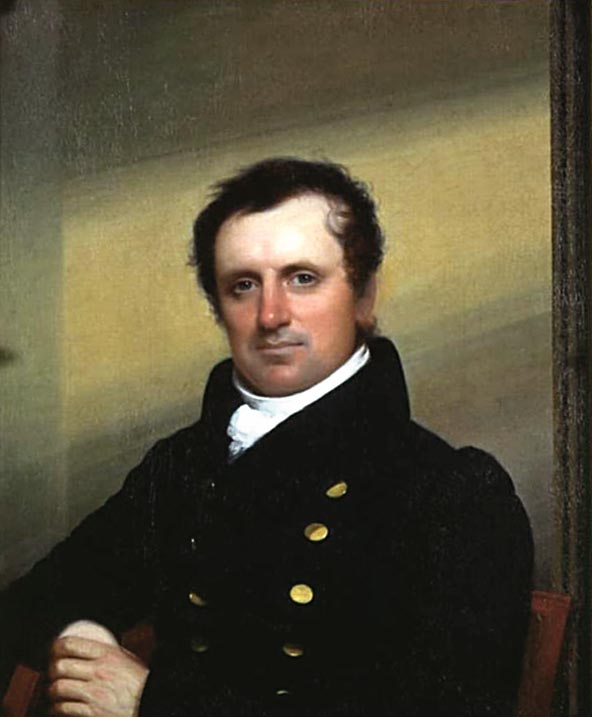
- James Fenimore Cooper → Samuel F. B. Morse
Cooper met Morse through the National Academy of Design. Morse painted Cooper’s portrait; Cooper defended Morse’s telegraph experiments.
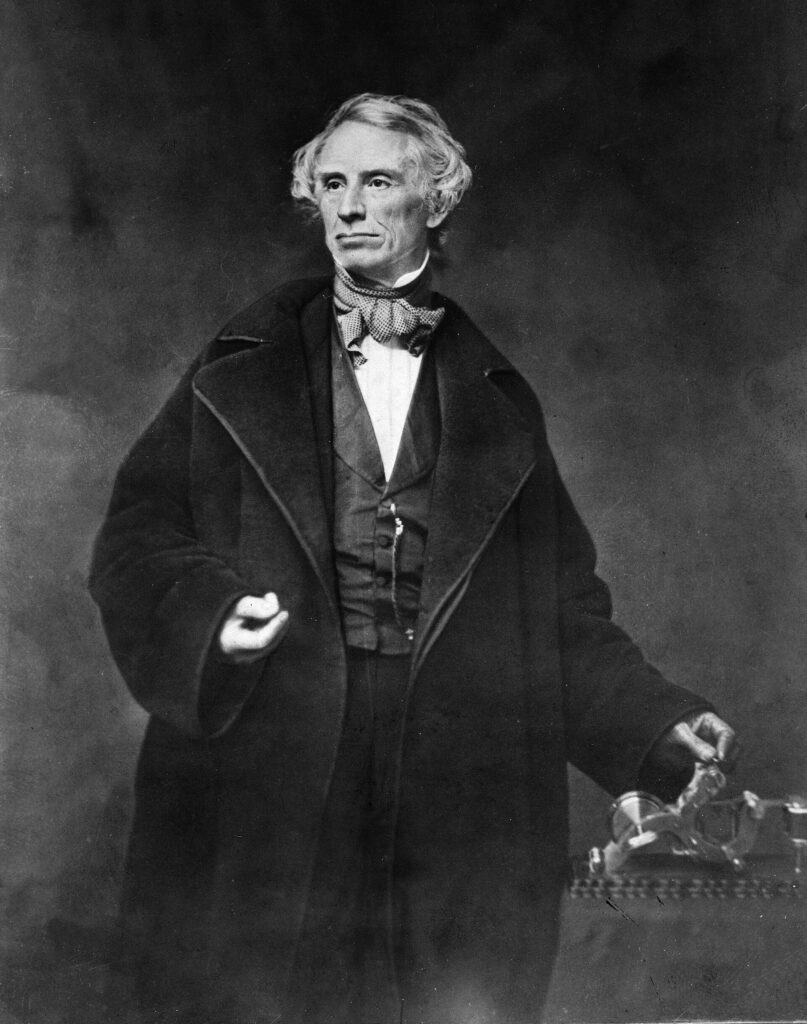
- Samuel F. B. Morse → Abraham Lincoln
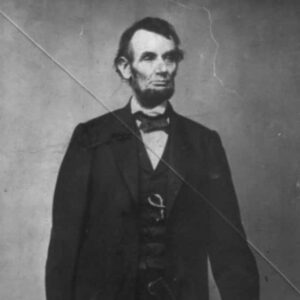
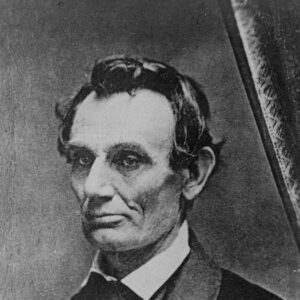
Morse met Lincoln while advocating for telegraph expansion. Lincoln used Morse’s system to monitor Civil War battles in real time.
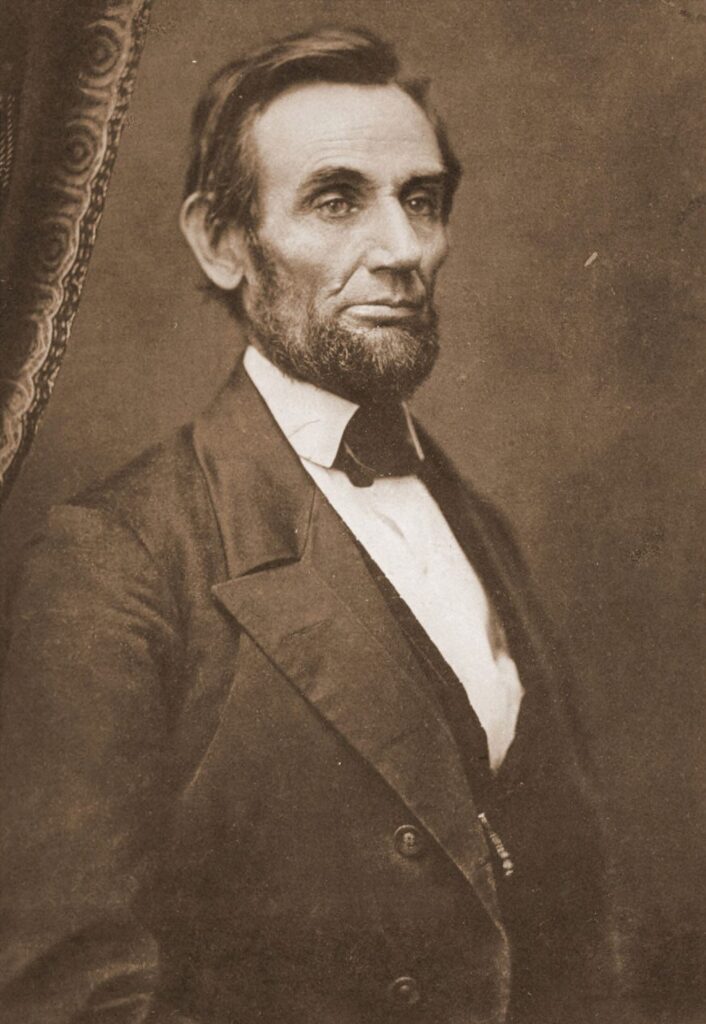
- Abraham Lincoln → Frederick Douglass
Lincoln met Douglass in 1863 to discuss Black enlistment and equal pay. Douglass expected condescension; instead, Lincoln greeted him as an equal.
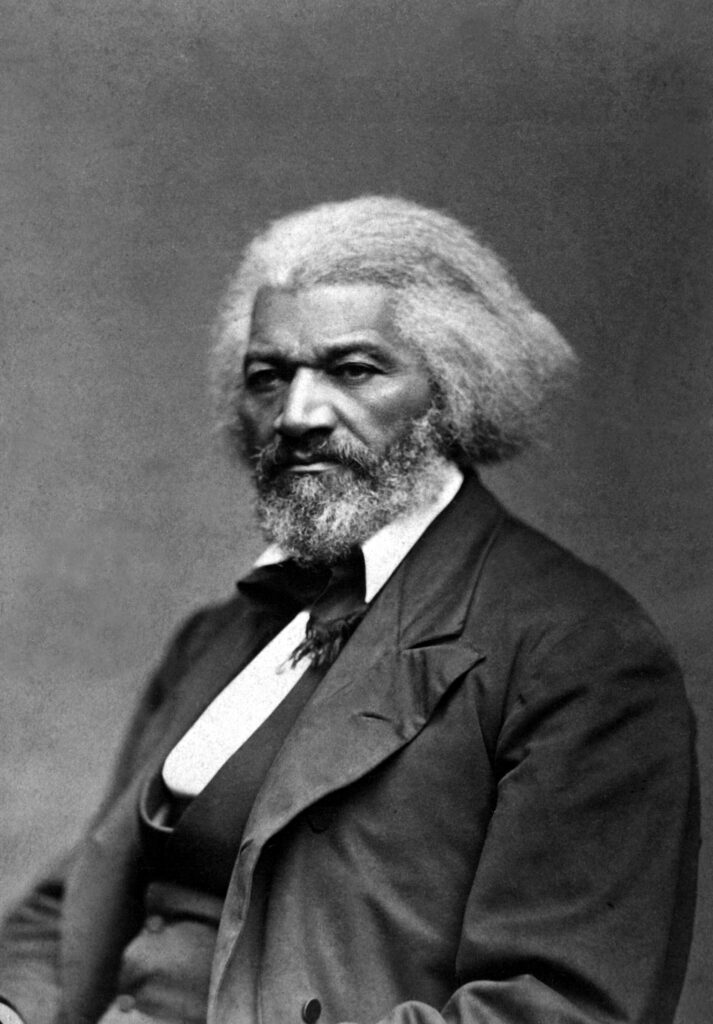
- Frederick Douglass → Harriet Tubman
Douglass met Tubman through abolitionist networks. He praised her courage in an 1868 letter.
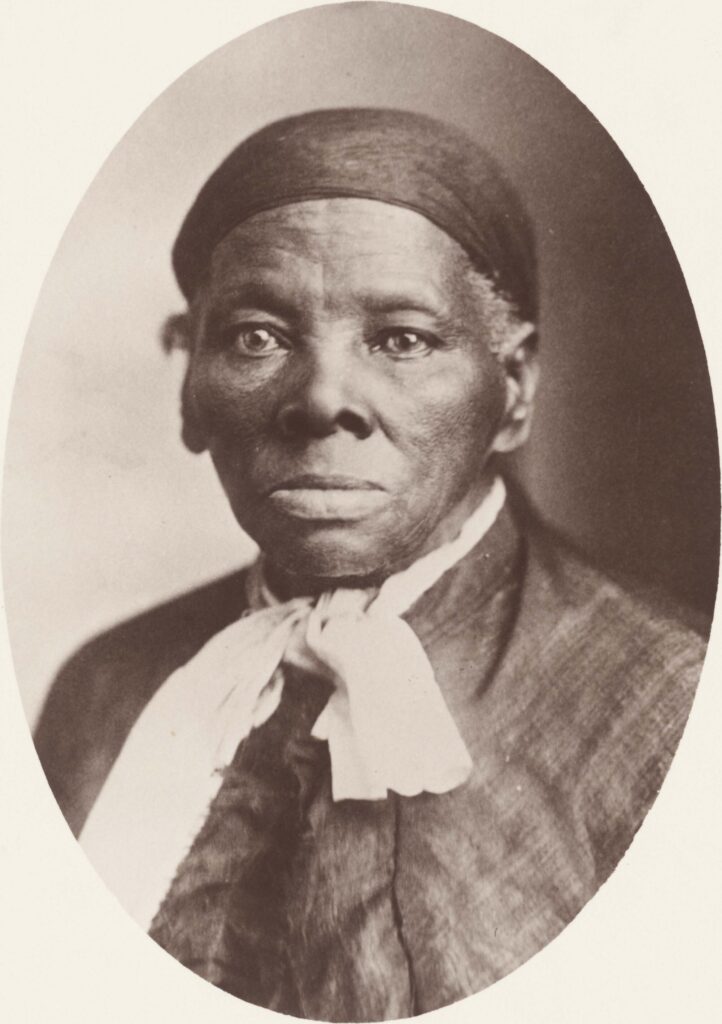
- Harriet Tubman → Susan B. Anthony
Tubman met Anthony at women’s rights conventions and often stayed in her Rochester home.
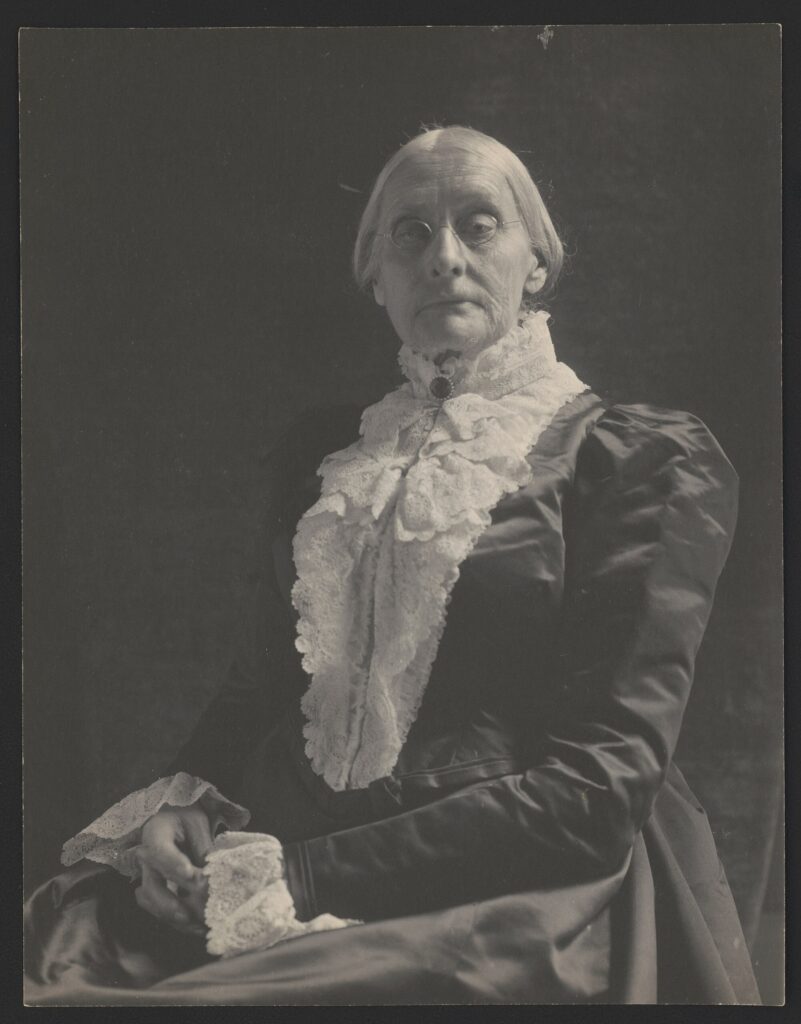
- Susan B. Anthony → Theodore Roosevelt
In 1905, Anthony met Roosevelt at the White House. He praised her decades of work for women’s rights.
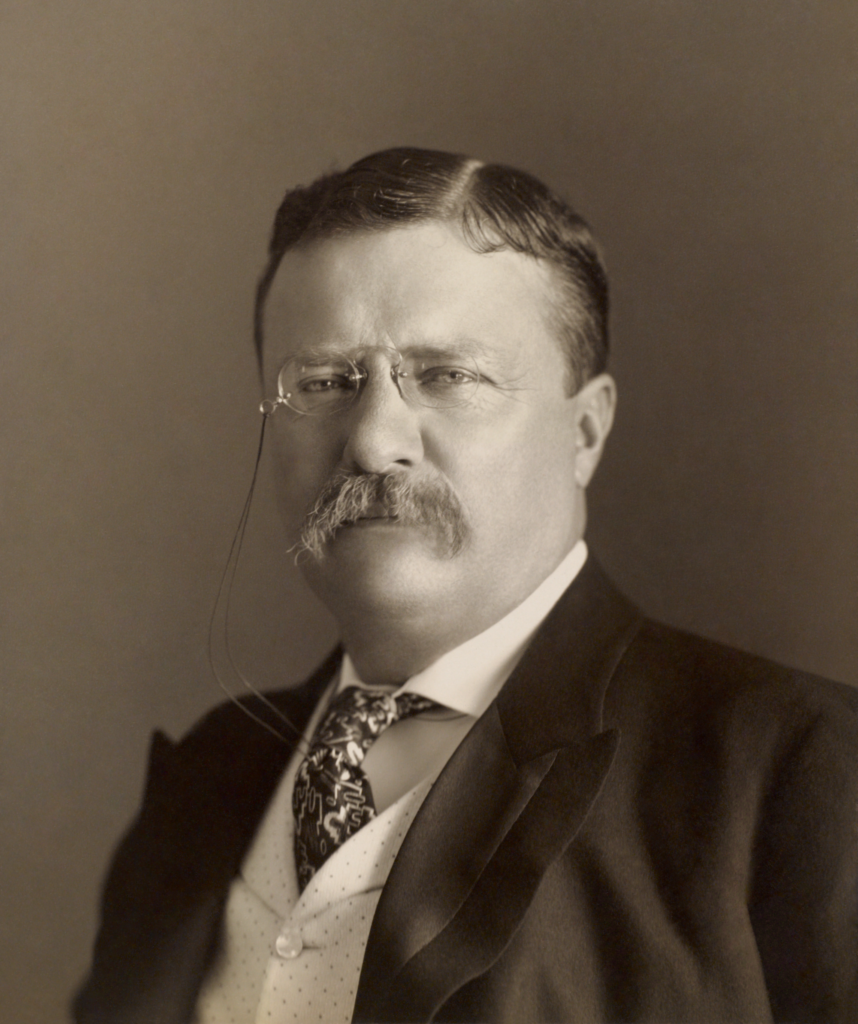
- Theodore Roosevelt → Franklin D. Roosevelt
TR mentored his distant cousin FDR at family gatherings and encouraged his early political ambitions.
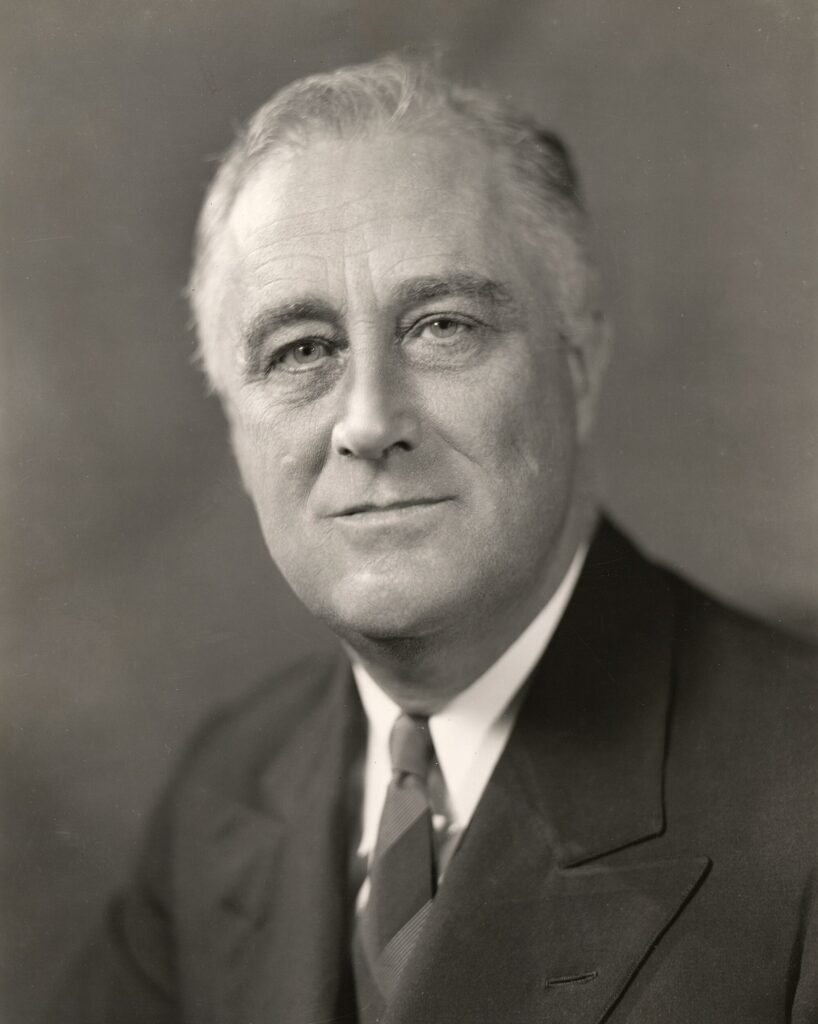
- Franklin D. Roosevelt → Harry S. Truman
FDR met Truman during the 1944 campaign and inauguration. Their final meeting came on the day Truman became president.
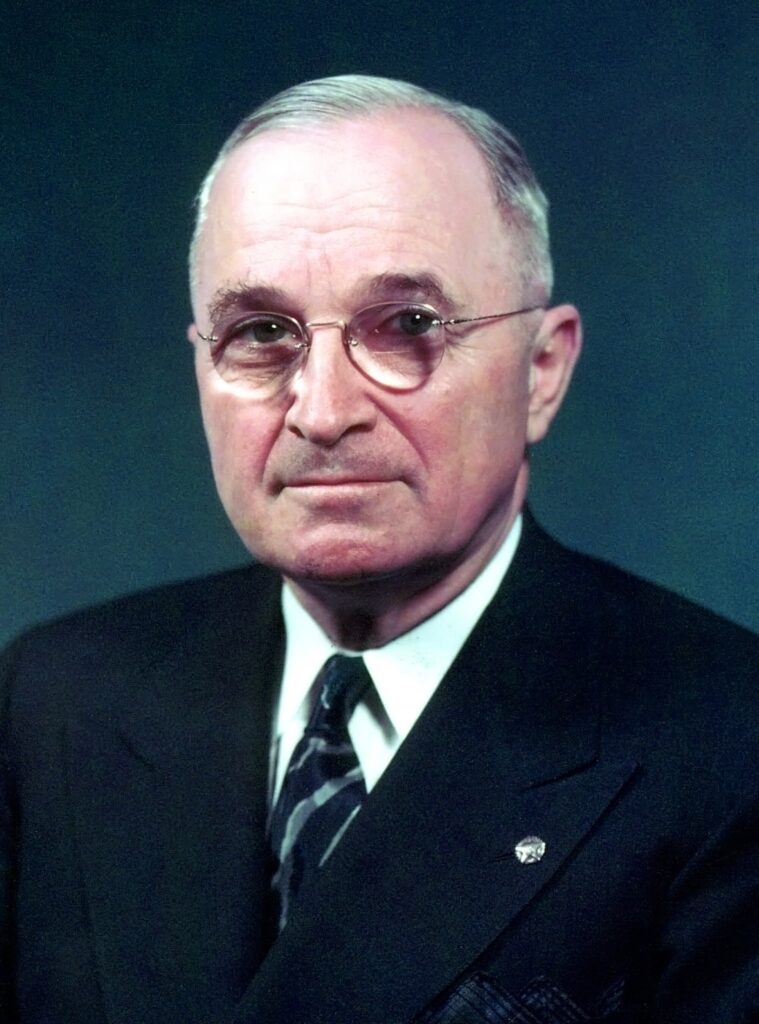
- Harry S. Truman → Dwight D. Eisenhower
Truman met Eisenhower during WWII and later as president. Truman admired him deeply and once offered to run as his vice president.
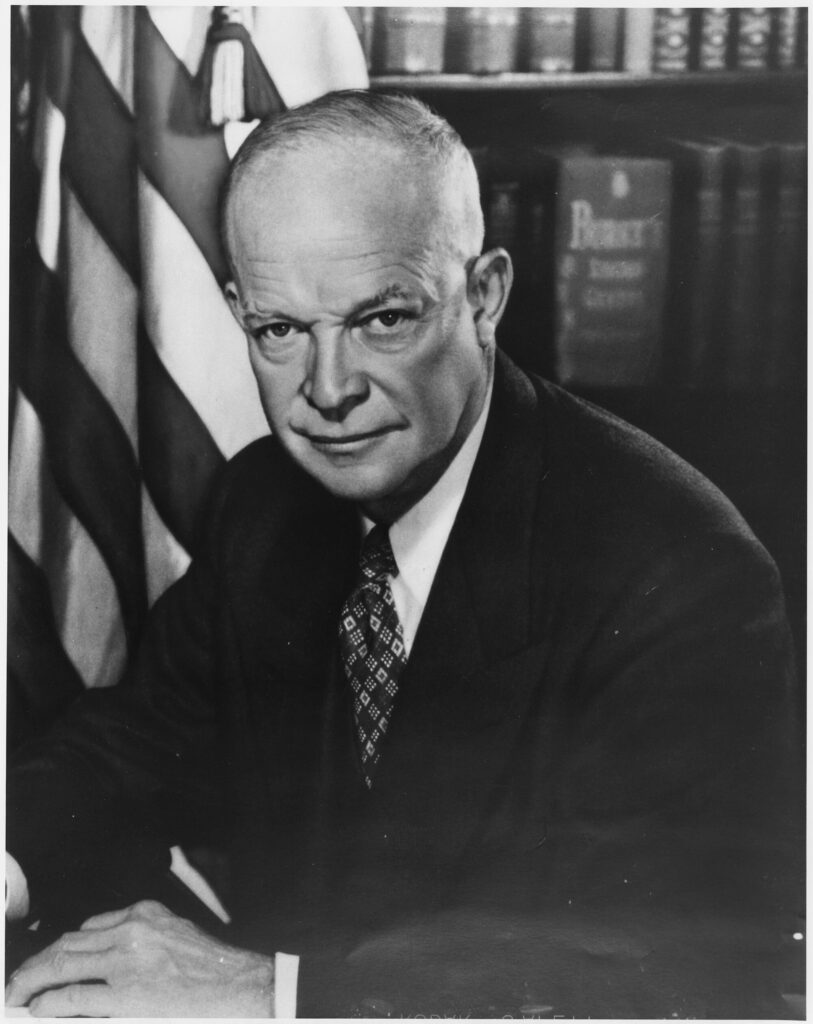
- Dwight D. Eisenhower → John F. Kennedy
Eisenhower met Kennedy during the 1960 transition and later at Camp David after the Bay of Pigs.
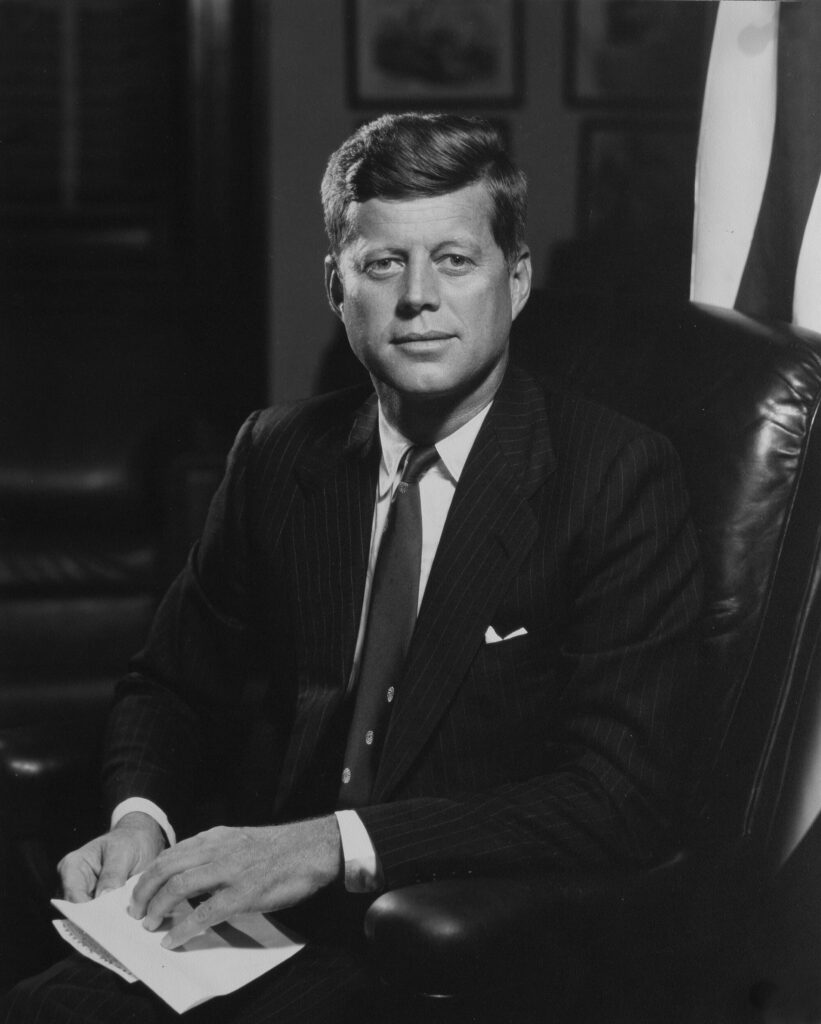
- John F. Kennedy → Lyndon B. Johnson
Kennedy and Johnson served together in Congress and on the 1960 ticket. They met daily in the White House.
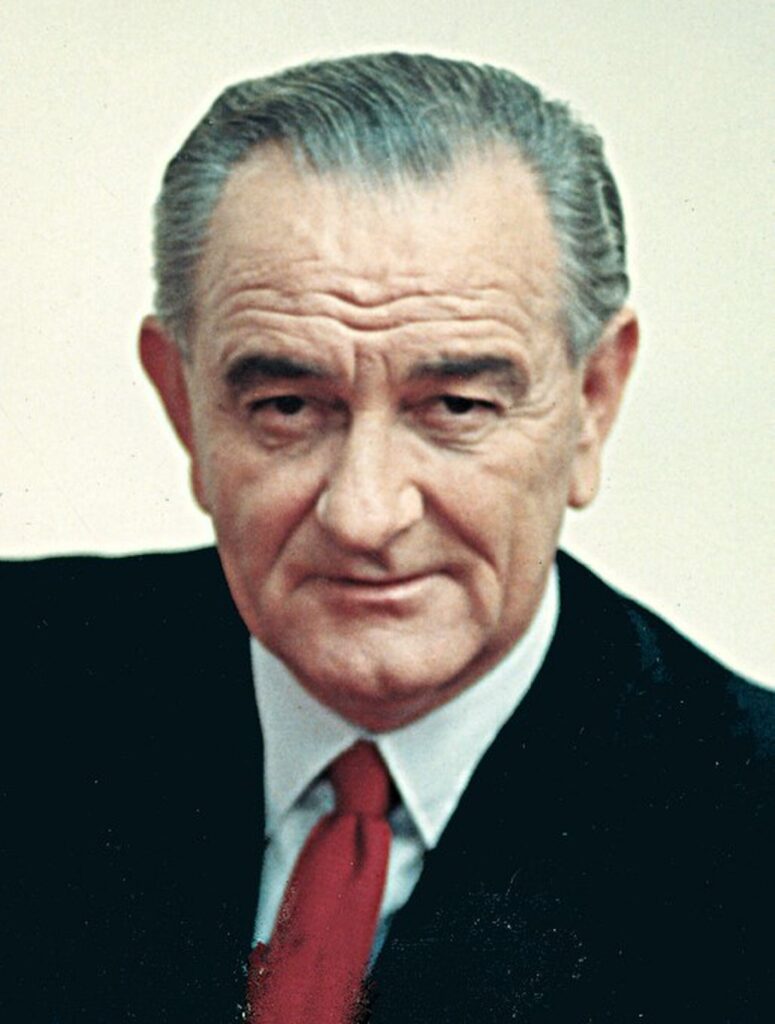
- Lyndon B. Johnson → Martin Luther King Jr.
Johnson and King met repeatedly during the civil‑rights battles of the 1960s. Their partnership produced landmark legislation.
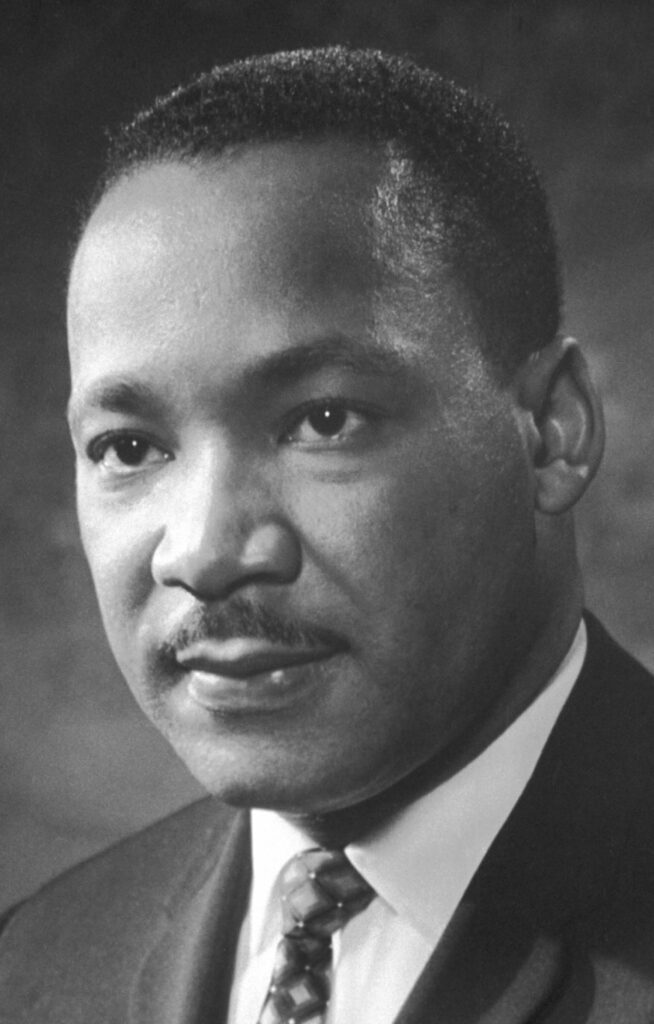
- Martin Luther King Jr. → John Lewis
King met Lewis in 1958 when Lewis was a college student seeking guidance. King called him “the boy from Troy.” Lewis became one of the movement’s most disciplined organizers.
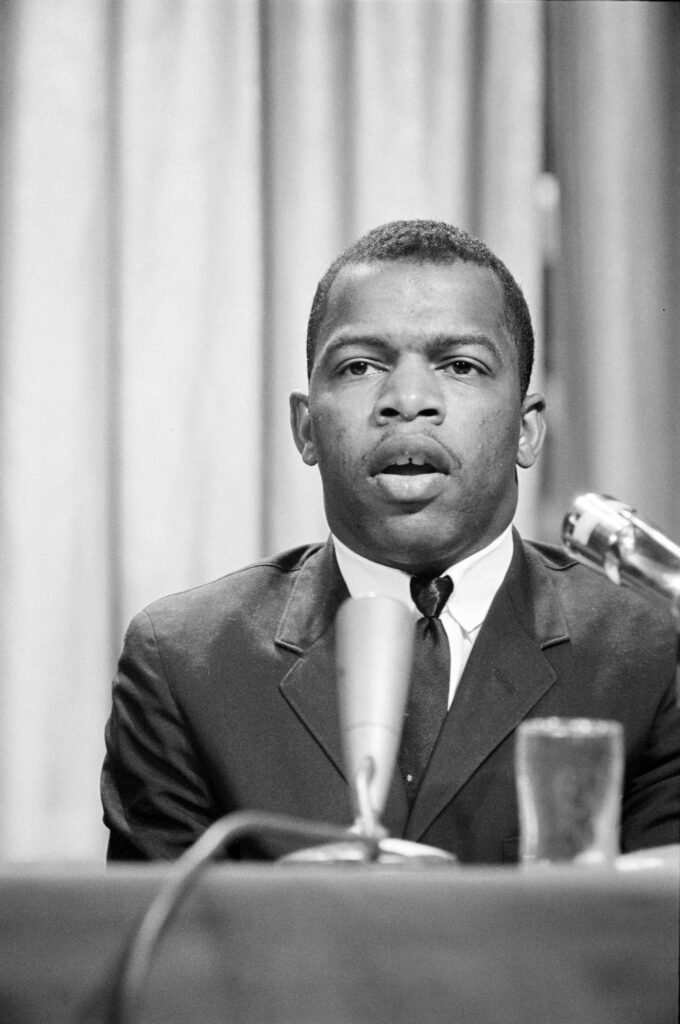
- John Lewis → Mister Rogers
Lewis met Fred Rogers at public‑service events in the 1980s and 1990s. Rogers admired Lewis’s courage; Lewis admired Rogers’s quiet moral clarity.
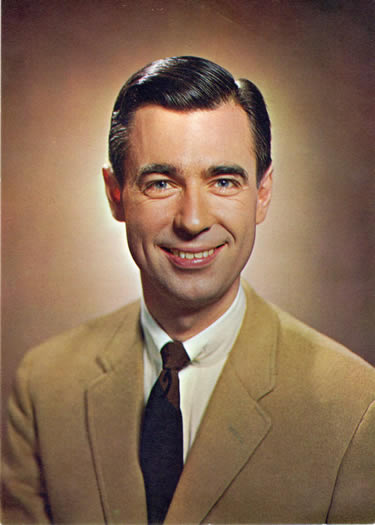
- Mister Rogers → LeVar Burton
Rogers met Burton during Burton’s early Reading Rainbow years. Rogers encouraged Burton’s mission to make literacy joyful and accessible.
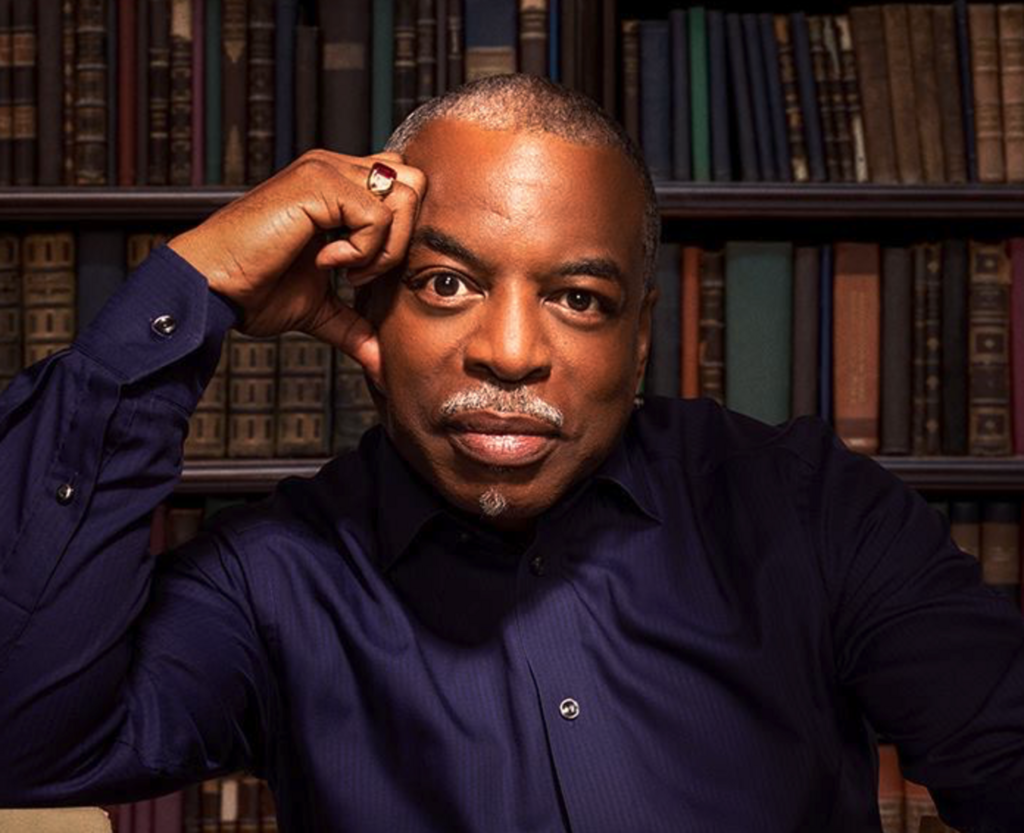
- LeVar Burton → Carl Sagan
Burton met Sagan through PBS circles and educational programming. Both believed children deserved access to wonder — Burton through stories, Sagan through the cosmos.
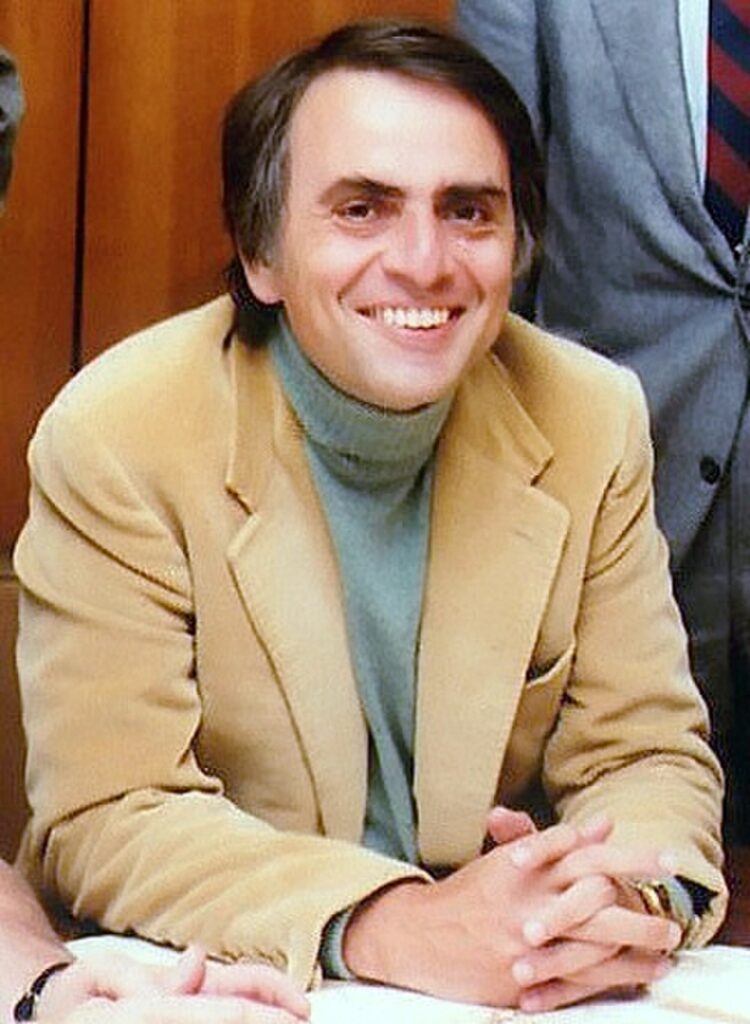
- Carl Sagan → Neil deGrasse Tyson
Sagan met Tyson when Tyson was a 17‑year‑old applicant to Cornell. Sagan personally invited him to campus, gave him a tour, and told him he belonged in science.
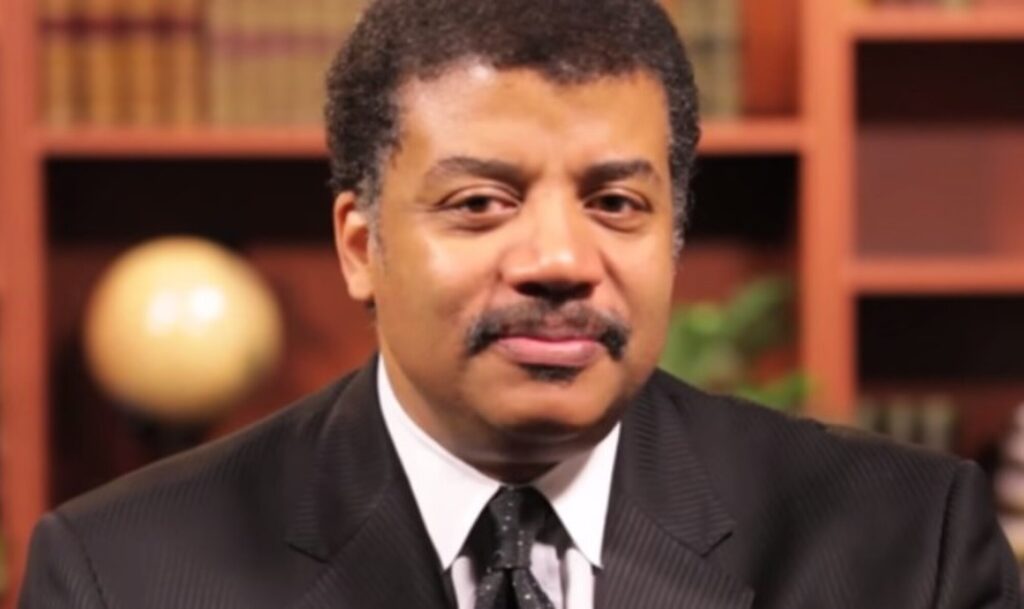
- Neil deGrasse Tyson → Yo‑Yo Ma
Tyson met Yo‑Yo Ma at cross‑disciplinary arts‑and‑science events. They bonded over the idea that curiosity — musical or scientific — is a universal inheritance.
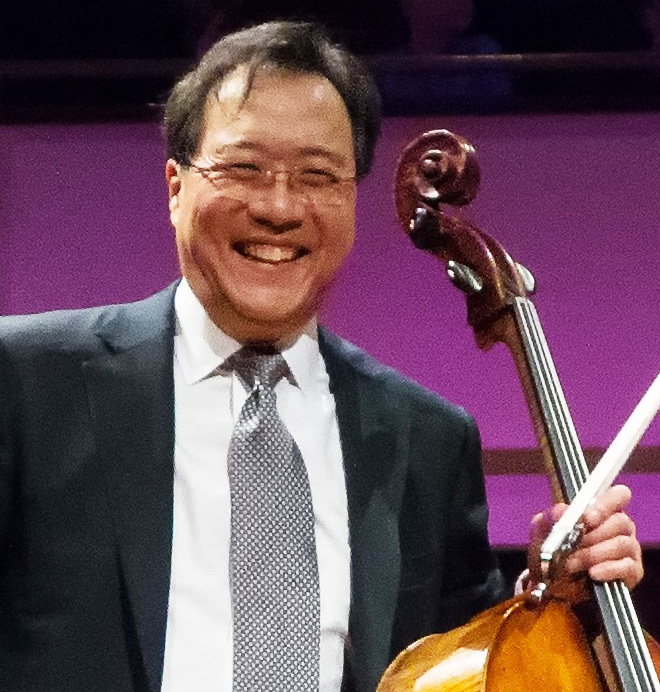
- Yo‑Yo Ma → Wynton Marsalis
Ma met Marsalis through collaborations at Lincoln Center. Their performances and conversations explored the shared roots of American musical traditions.
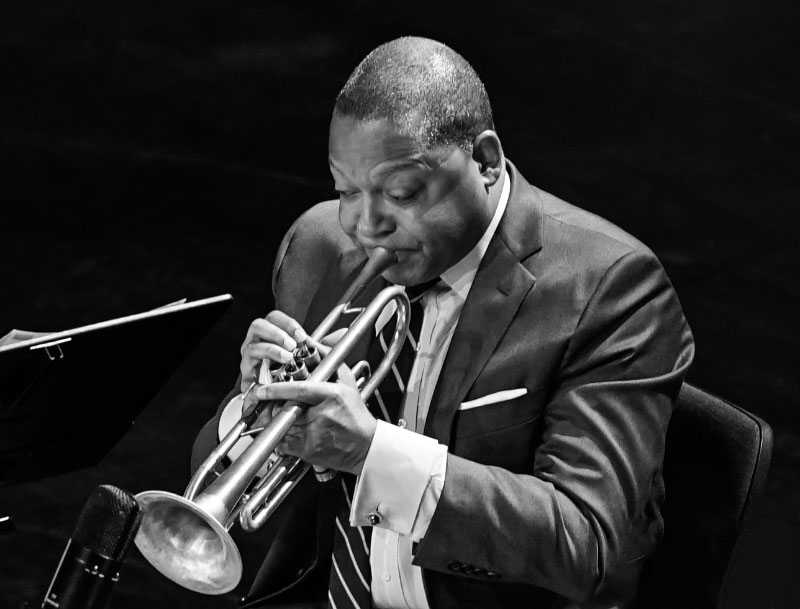
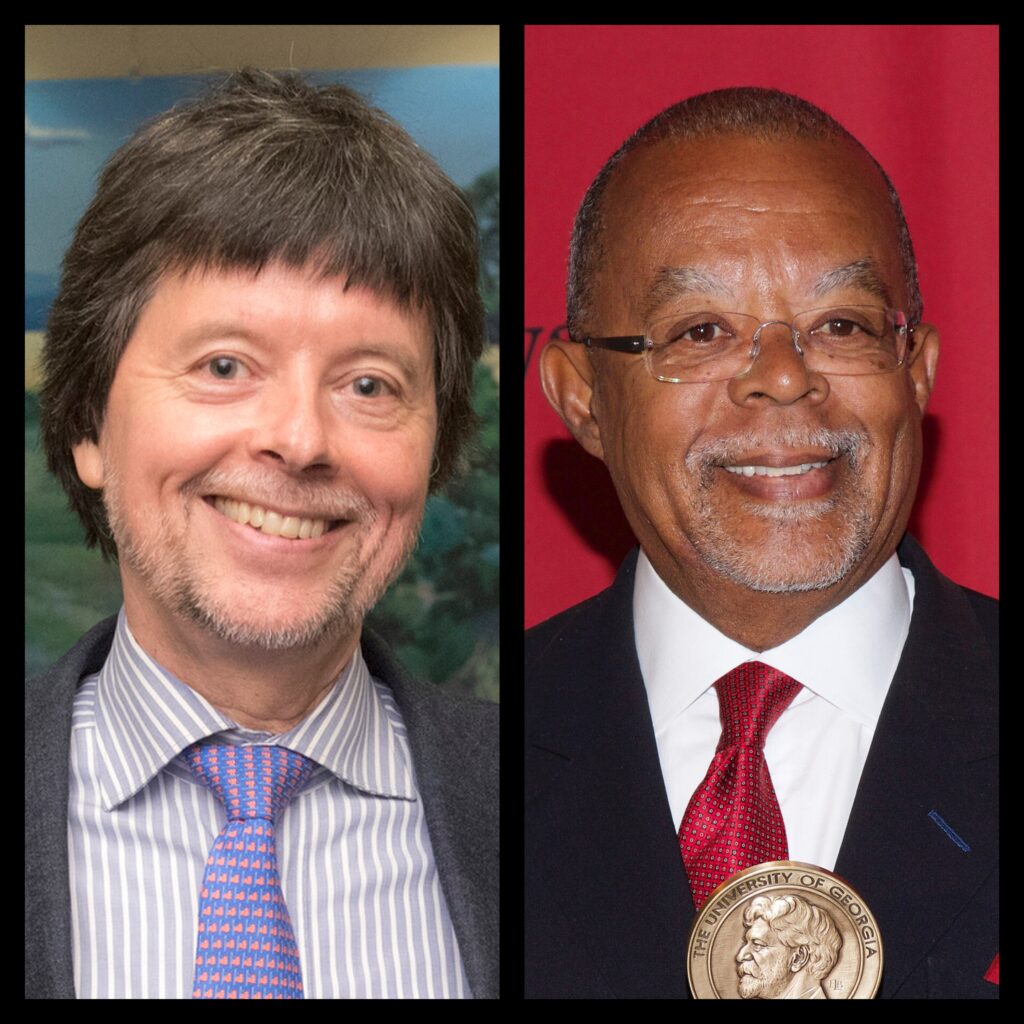
- Wynton Marsalis → Ken Burns → Henry Louis Gates Jr.
Marsalis met Burns during the making of Jazz (2001). Burns later collaborated with Henry Louis Gates Jr., whose work on genealogy and African American history complemented Burns’s documentary storytelling. Together, they helped Americans understand not just what happened, but how the past lives inside the present.
Seen this way, American history becomes a chain of encounters — a relay of memory passed from one pair of hands to the next. From Bradford’s fragile colony to Gates’s televised explorations of ancestry, the story moves through soldiers, writers, reformers, educators, and artists who shaped the nation not only through events, but through each other.
The past is closer than it appears.
It lives in the people who met the people who met the people who shaped the country.
A nation is not built by dates alone.
It is built by encounters — one life touching another, across four centuries, in a continuous chain of human connection.
Image Credits:
LeVar Burton: Image from Tweigel59 via Wikimedia Commons, CC BY 4.0
Yo-Yo Ma: Image from Ralph Daily via Wikimedia Commons, CC BY 2.0
Wynton Marsalis: Image from Hreinn Gudlaugsson via Wikimedia Commons, CC BY 4.0
Henry Louis Gates Jr.: Image from Peabody Awards via Wikimedia Commons, CC BY 2.0
All other images in Public Domain



Leave a Reply