
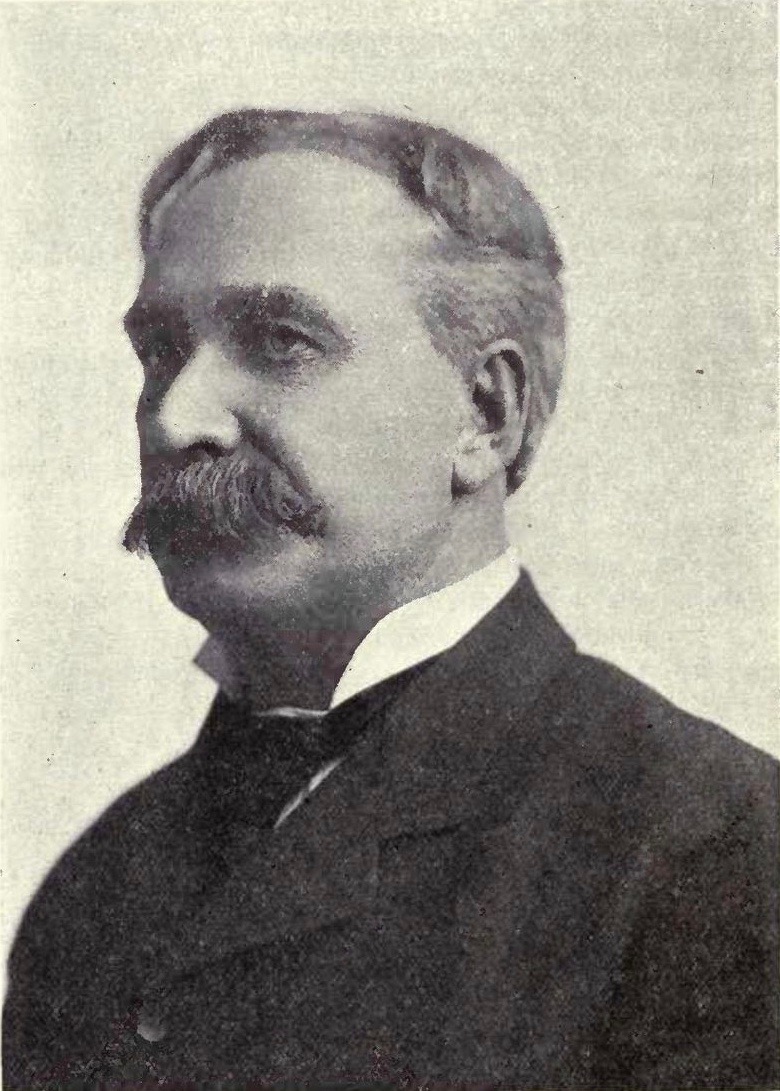
On November 8, 1889, President Benjamin Harrison signed the proclamation admitting Montana to the Union as the forty-first state. That same day, Joseph Kemp Toole began serving as Montana’s first state governor. A lawyer and former territorial delegate to Congress, Toole had spent years advocating for the transition from territorial government to statehood. His election placed him at the head of the new government he had helped bring into being.
Statehood followed years of unsuccessful efforts and national partisan disagreement. Toole participated in Montana’s constitutional conventions of 1884 and 1889 and represented the territory in Congress from 1885 to 1889. On February 22, 1889, President Grover Cleveland signed the Enabling Act, opening the way for Montana and three other prospective states to enter the Union. Montana’s final constitutional convention met in Helena from July 4 to August 17 under the presidency of mining magnate William A. Clark. Voters approved the constitution on October 1, clearing the way for Harrison’s November proclamation.
For Montana, statehood meant greater control over public finances, elected state leadership, and voting representation in Congress. It did not end the struggle over who would exercise that power. Mining wealth, partisan conflict, and the rivalry between Clark and Marcus Daly shaped the new state’s politics. Toole served through early 1893, then returned as governor in 1901. His career connected Montana’s campaign for statehood with its continuing struggle to balance public authority and corporate influence—a reminder that creating a state government was only the beginning of deciding whose interests it would serve.
