
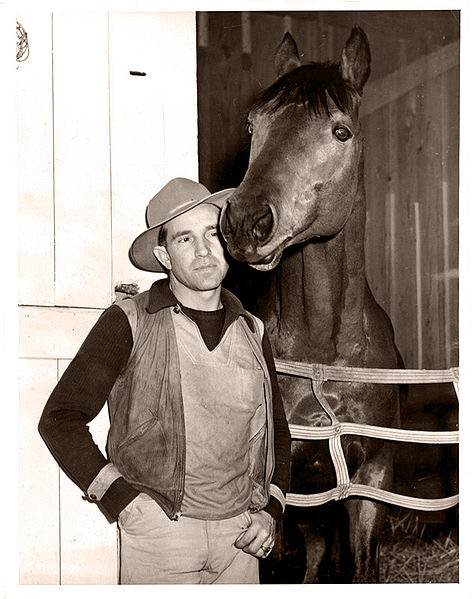
On November 1, 1938, an estimated 40,000 spectators packed Pimlico Race Course in Baltimore, Maryland, while more than 40 million listeners followed by radio. The highly anticipated match race pitted War Admiral, the 1937 Triple Crown winner and overwhelming favorite, against Seabiscuit, the unlikely champion whose popularity had spread across the country. It was a showdown between two celebrated horses, with sharply contrasting reputations—and expectations.
To counter War Admiral’s early speed, trainer Tom Smith had prepared Seabiscuit to break quickly at the sound of a starting bell, departing from the horse’s usual stalking style. The strategy worked: Seabiscuit seized the lead. War Admiral fought back, drawing level and briefly edging ahead, but jockey George Woolf still had more to ask of his mount. In the final stretch, Seabiscuit surged clear, winning by four lengths in a track-record time of 1 minute, 56⅗ seconds.
The victory gave Seabiscuit’s underdog story its defining moment. For an audience living through the Great Depression, the unlikely champion offered a compelling image of perseverance rewarded. His triumph did not erase the hardships beyond the racetrack, but it gave millions a shared moment of exhilaration—and a sporting upset that would endure in American memory.
