
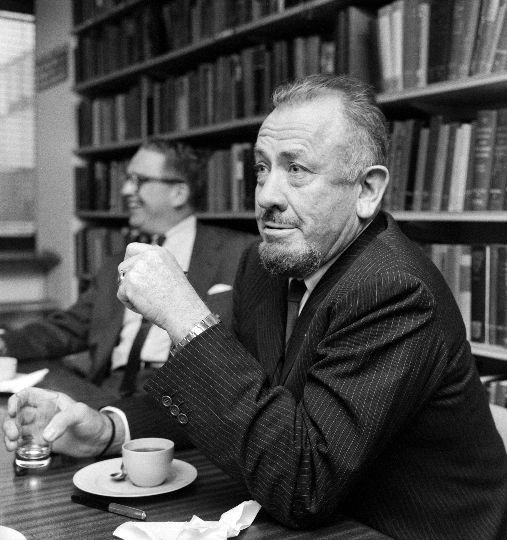
On October 25, 1962, the Swedish Academy announced that John Steinbeck would receive the Nobel Prize in Literature. Selected from sixty-six nominated writers, he was honored “for his realistic and imaginative writings, combining as they do sympathetic humour and keen social perception.” The award followed years of consideration: Steinbeck had first been nominated in 1943.
The announcement prompted debate over his literary standing. Critics questioned whether his strongest work lay behind him, and the Academy’s deliberations, released decades later, revealed its own reservations about the candidates. The prize therefore represented international recognition without settling the question of Steinbeck’s place among his contemporaries.
At the Nobel banquet in Stockholm on December 10, Steinbeck acknowledged doubts about deserving the honor over writers he admired, while expressing pleasure and pride in receiving it. He used the occasion to defend literature’s moral purpose: writers should expose human faults and failures, but also celebrate courage, compassion, and love. His speech joined an unsparing view of human weakness to a belief in humanity’s capacity for improvement.
The award’s significance lay in that tension between criticism and affirmation. In presenting Steinbeck, the Academy praised his sympathy for the oppressed and distressed, placing his attention to vulnerable lives at the center of its assessment. The Nobel recognized that achievement even as debate over his literary stature continued.
