
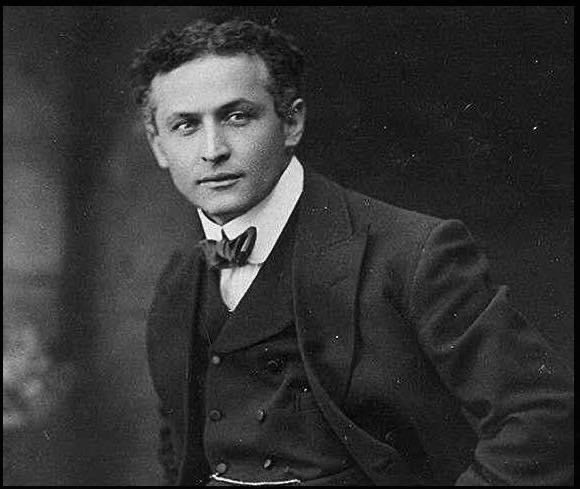
On the evening of October 24, 1926, Harry Houdini took the stage at Detroit’s Garrick Theatre for what would become the final performance of his career. Suffering from severe abdominal pain and a reported fever of 104 degrees, the illusionist and escape artist proceeded despite a physician’s advice to seek hospital treatment. The appearance was intended to open a two-week engagement; instead, it became his farewell to the stage.
Houdini struggled through the demanding, full-length production. Accounts describe him collapsing between acts, yet returning to continue the performance. Michiganology’s account records that he collapsed after the first act, completed the two-and-a-half-hour show, and collapsed again afterward. Rather than an effortless display of his celebrated abilities, the evening became a painful struggle to finish.
Houdini was subsequently admitted to Detroit’s Grace Hospital. During surgery on October 25, doctors discovered that his appendix had ruptured and infection had spread through his abdomen, causing peritonitis. He died on October 31, 1926, one week after his final performance. The Garrick appearance remains a poignant closing chapter in his career: a celebrated escape artist continuing before an audience while gravely ill, unaware that he would never perform again.
