
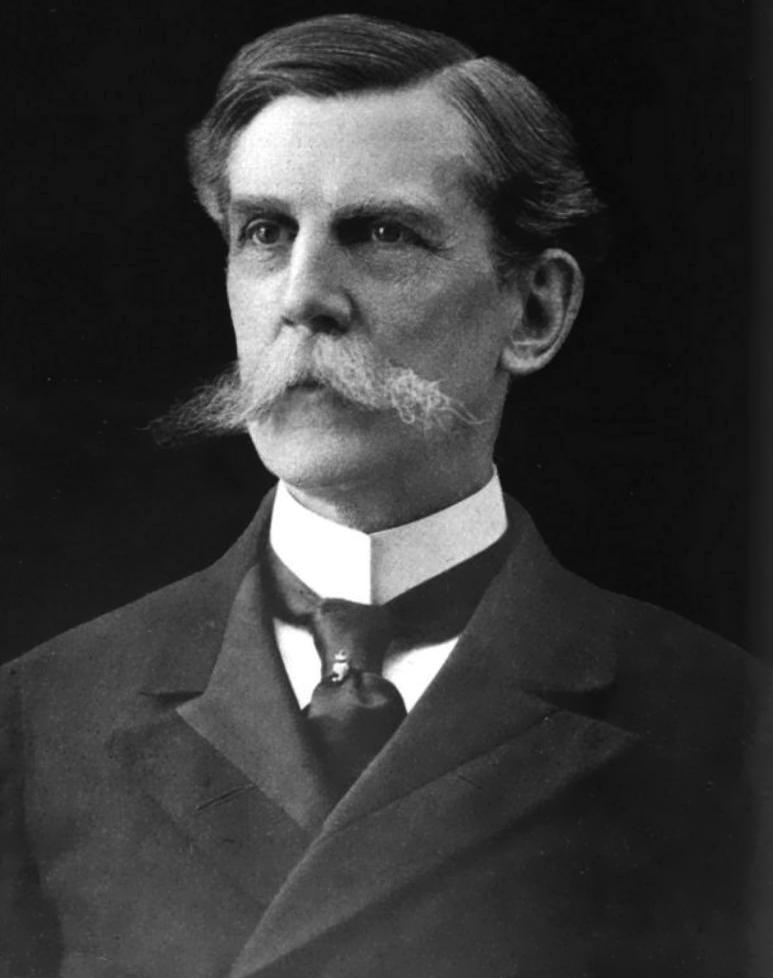
On October 21, 1861, Oliver Wendell Holmes Jr., a young lieutenant in the 20th Massachusetts Volunteer Infantry, suffered a serious chest wound during the Union defeat at Ball’s Bluff. He survived and returned to military service, sustaining further wounds before his enlistment ended in 1864. Decades before he joined the United States Supreme Court, the future justice had experienced the violence of a divided nation firsthand.
That wartime experience provides a compelling backdrop to Holmes’s later career, though it should not be treated as the sole explanation for his ideas. In The Common Law, he famously wrote that “the life of the law has not been logic: it has been experience.” His jurisprudence emphasized the development of law through history and practical circumstances, and he generally favored allowing elected legislatures considerable room to govern.
Appointed to the Supreme Court by President Theodore Roosevelt in 1902, Holmes served until 1932 and became one of the most influential jurists in American history. His reputation as “the Great Dissenter” rests partly on opinions that helped shape later understandings of free expression. Yet that reputation reflects an evolution: in 1919, he upheld convictions in Schenck v. United States before offering a powerful defense of dissent in Abrams v. United States later that year.
His legacy also includes grave failures. In Buck v. Bell (1927), Holmes wrote the Court’s opinion upholding compulsory sterilization—a stark reminder that judicial influence and eloquence do not guarantee justice. Remembering his survival at Ball’s Bluff offers an opportunity to consider both the extraordinary reach of his career and the contradictions of his legacy.
Photo Caption:
Oliver Wendell Holmes Jr. — From Battlefield to Supreme Court
Oliver Wendell Holmes Jr., who served on the United States Supreme Court from 1902 to 1932. As a young lieutenant in the 20th Massachusetts Volunteer Infantry, he survived a serious chest wound at the Battle of Ball’s Bluff on October 21, 1861.
