
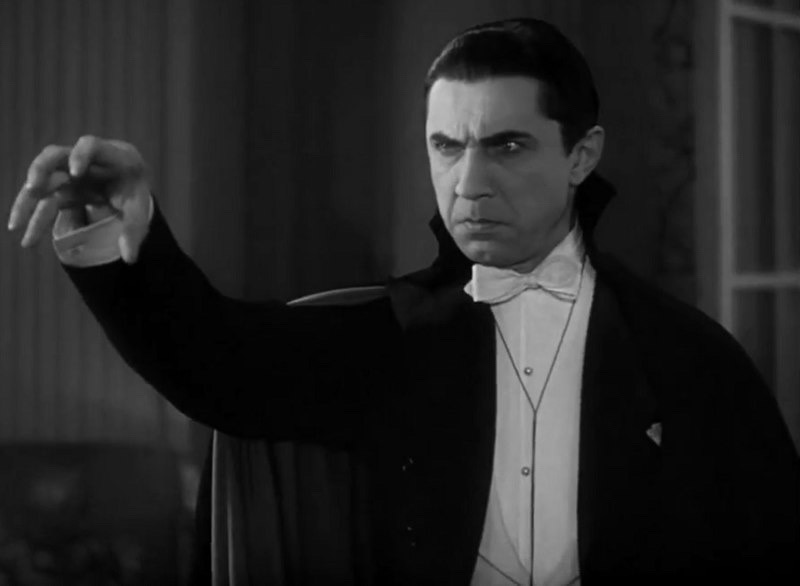
Born Béla Blaskó on October 20, 1882, in Lugos, Hungary—now Lugoj, Romania—Bela Lugosi began his career on the European stage. He performed with the National Theatre in Budapest, appearing in Shakespearean productions before his left-wing political activity led him to flee Hungary in 1919. After working in Germany, he made his way to the United States in the early 1920s and began rebuilding his career in a new language.
His defining opportunity arrived in 1927, when he took the title role in the Broadway production of Dracula. His aristocratic bearing, deliberate delivery, and Hungarian accent gave the vampire an unforgettable combination of elegance and menace. In 1931, he brought that performance to Universal Pictures’ landmark film adaptation, establishing the role that would define his public image. That same year, the Hungarian-born actor became a naturalized American citizen.
Yet the performance that made him famous also narrowed the opportunities available to him. Increasingly identified with horror, Lugosi struggled with typecasting, financial hardship, and dependence on prescribed narcotics. He died in 1956 and was buried wearing a Dracula cape—a final association with the character he could never fully escape. On the anniversary of his birth, his legacy endures in the commanding presence, measured voice, and hypnotic stare that helped define the cinematic vampire.
