

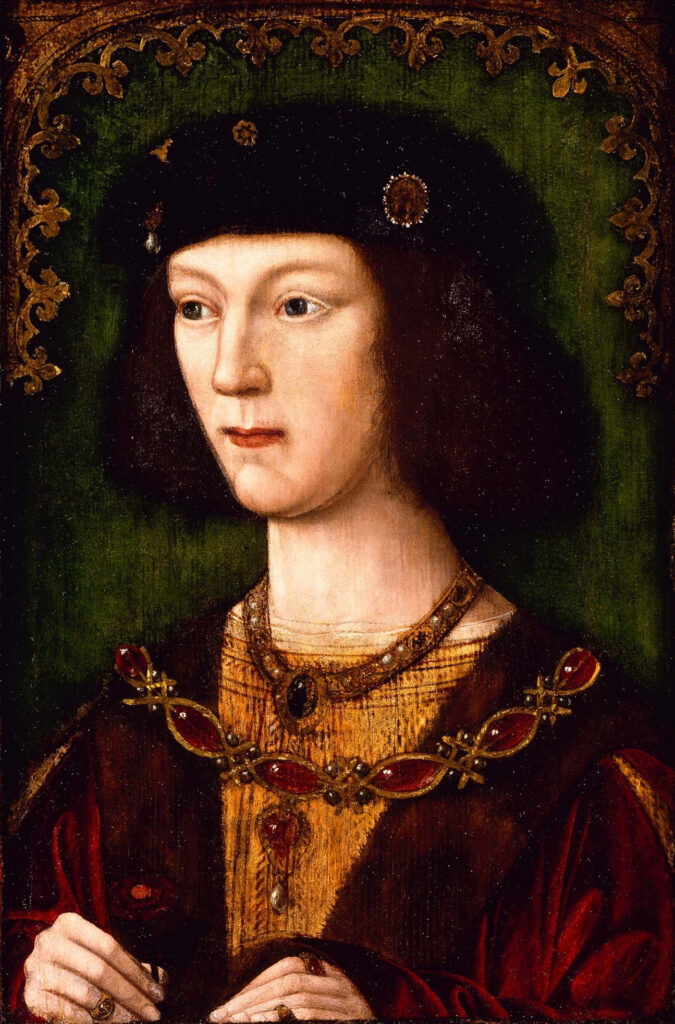
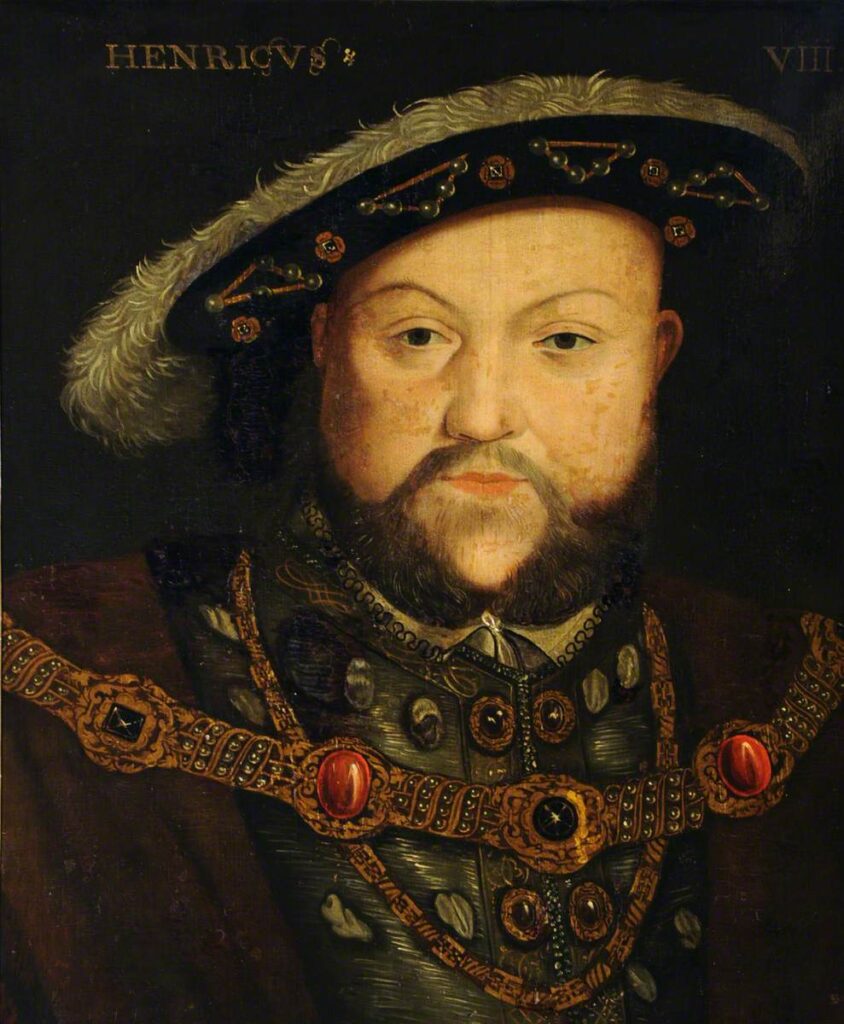
Henry VIII died in 1547, sixty years before the founding of Jamestown and seventy-three years before the Mayflower reached Cape Cod. In popular culture, Henry is routinely caricatured as a monarch defined entirely by self-excess, gluttony, and a notorious aversion to marital fidelity. While these personal excesses dominate modern public view, focusing solely on the king’s tumultuous private life obscures his profound impact on the state he governed. Henry did not establish a permanent English settlement in North America, and the first successful English colonies emerged only under later monarchs. Nevertheless, his radical restructuring of the English state created the political institutions, social transformations, and imperial precedents that later made English overseas expansion more conceivable and more practicable.
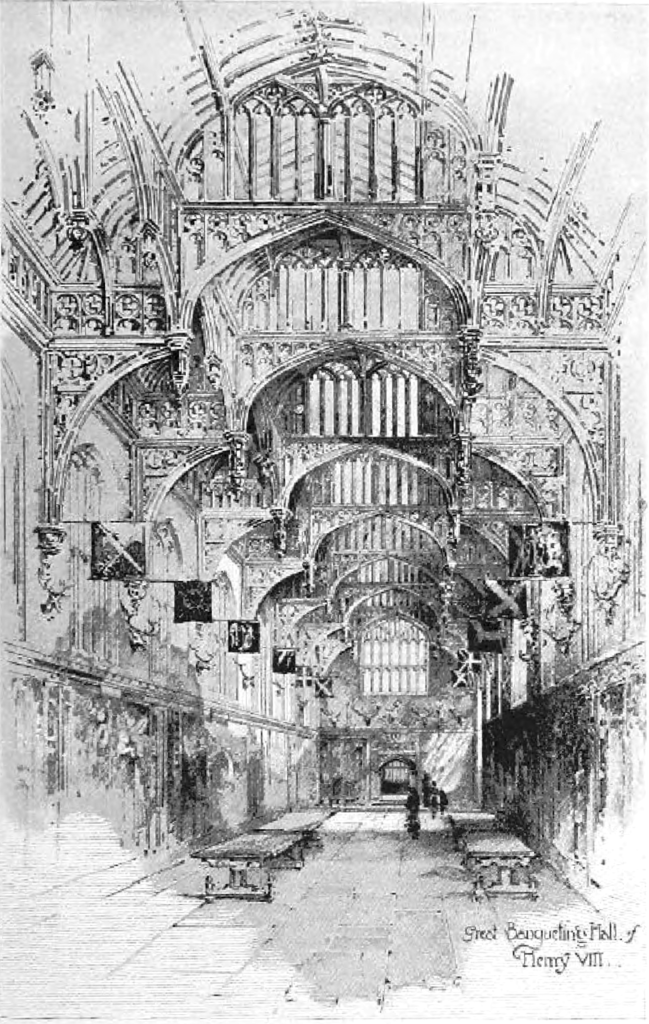
Henry’s break with Rome and the Dissolution of the Monasteries transformed the relationship between the English Crown, property, and the Church. After the Act of Supremacy made Henry head of the English Church, the Crown acquired authority to dissolve religious houses and appropriate their income and assets. Much former monastic land later passed into private hands, changing patterns of landholding and strengthening sections of the gentry and political elite. This redistribution did not directly finance the Virginia Company or mechanically create English colonization, but it contributed to the broader social and economic world from which later investors, officeholders, and colonial promoters emerged.
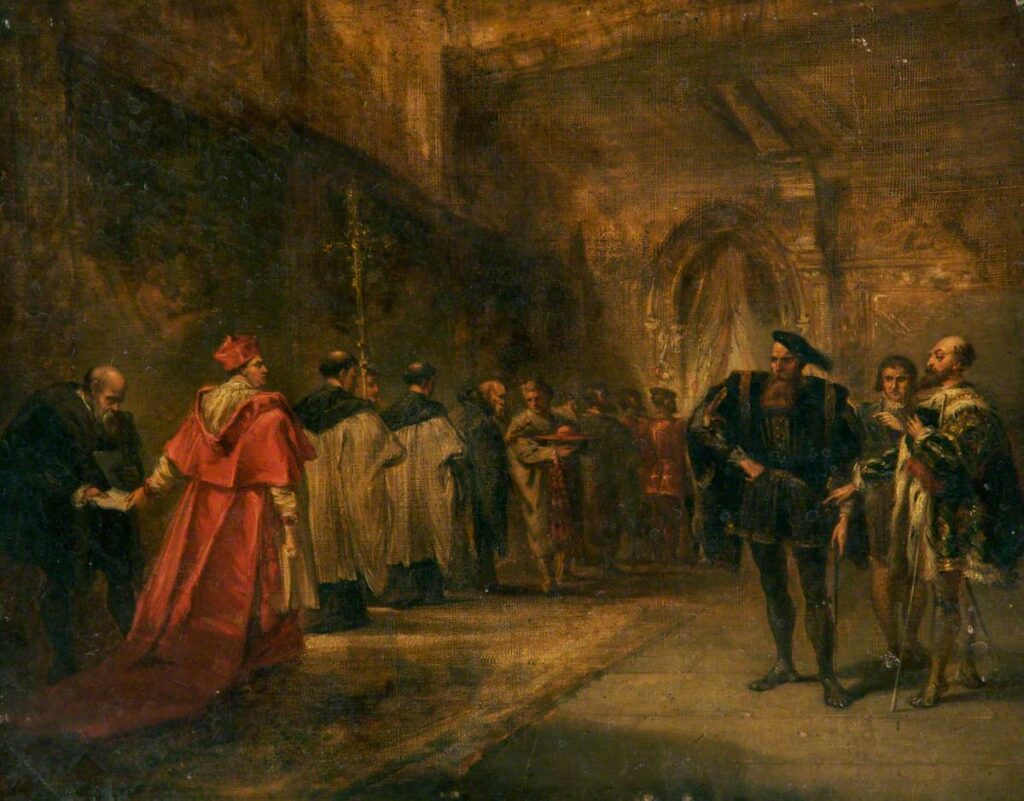
Henry’s policies in Ireland provided an even clearer precedent for later English imperial practice. Through the Crown of Ireland Act of 1541–42, he assumed the title King of Ireland and sought to extend royal authority through English law, administrative centralization, and negotiated submission by Irish lords. This approach, later associated with “surrender and regrant,” aimed to draw local elites into the English political order. Under Elizabeth I and James I, these efforts increasingly developed into military conquest, confiscation, and plantation—the settlement of British Protestants on Irish land. Those later Irish plantations became an important model for English colonial thinkers, even though North American conditions and Indigenous societies differed fundamentally from those in Ireland.
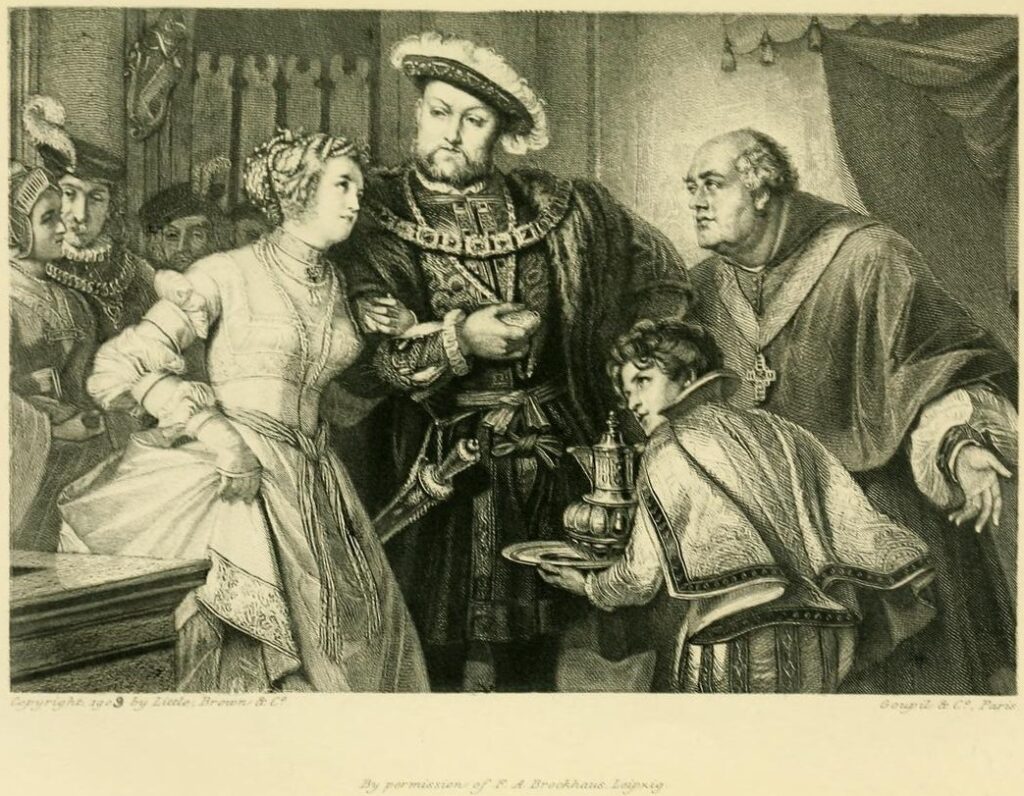
The careers of Sir Humphrey Gilbert and Sir Walter Raleigh illustrate this connection. Gilbert served in Ireland during Elizabeth’s reign, participated in the suppression of rebellion, and considered Protestant colonization in Munster before applying related ideas to North America. Raleigh, too, acquired Irish land after the Munster confiscations and later sponsored the Roanoke ventures. Ireland was therefore not simply a background episode: it was an important site where English officials, soldiers, and entrepreneurs developed methods of conquest, settlement, land distribution, and cultural domination later adapted—often violently—to Atlantic contexts.
Henry also strengthened England’s naval and maritime infrastructure. He built dockyards at Woolwich and Deptford, developed Portsmouth as a naval base, commissioned major warships, and established the Navy Board to oversee administration and supply. By his death, England possessed a navy of more than forty ships and a more durable system for managing them. These reforms were primarily intended for European war and coastal defense, not transatlantic settlement. Still, they gave later English governments a stronger maritime foundation from which exploration, privateering, and overseas ventures could develop.
By the early seventeenth century, English colonization depended on developments Henry could not have anticipated: rivalry with Spain, expanding merchant networks, Protestant conflict, joint-stock finance, and royal charters. James I’s 1606 charter of the Virginia Company led to the settlement at Jamestown in 1607, while the Mayflower’s 1620 voyage reflected a separate religious and commercial project. Henry VIII should therefore be understood not as the founder of English America, but as a ruler whose religious revolution, Irish policies, and naval reforms helped establish some of the conditions and precedents later colonizers used.






Leave a Reply