
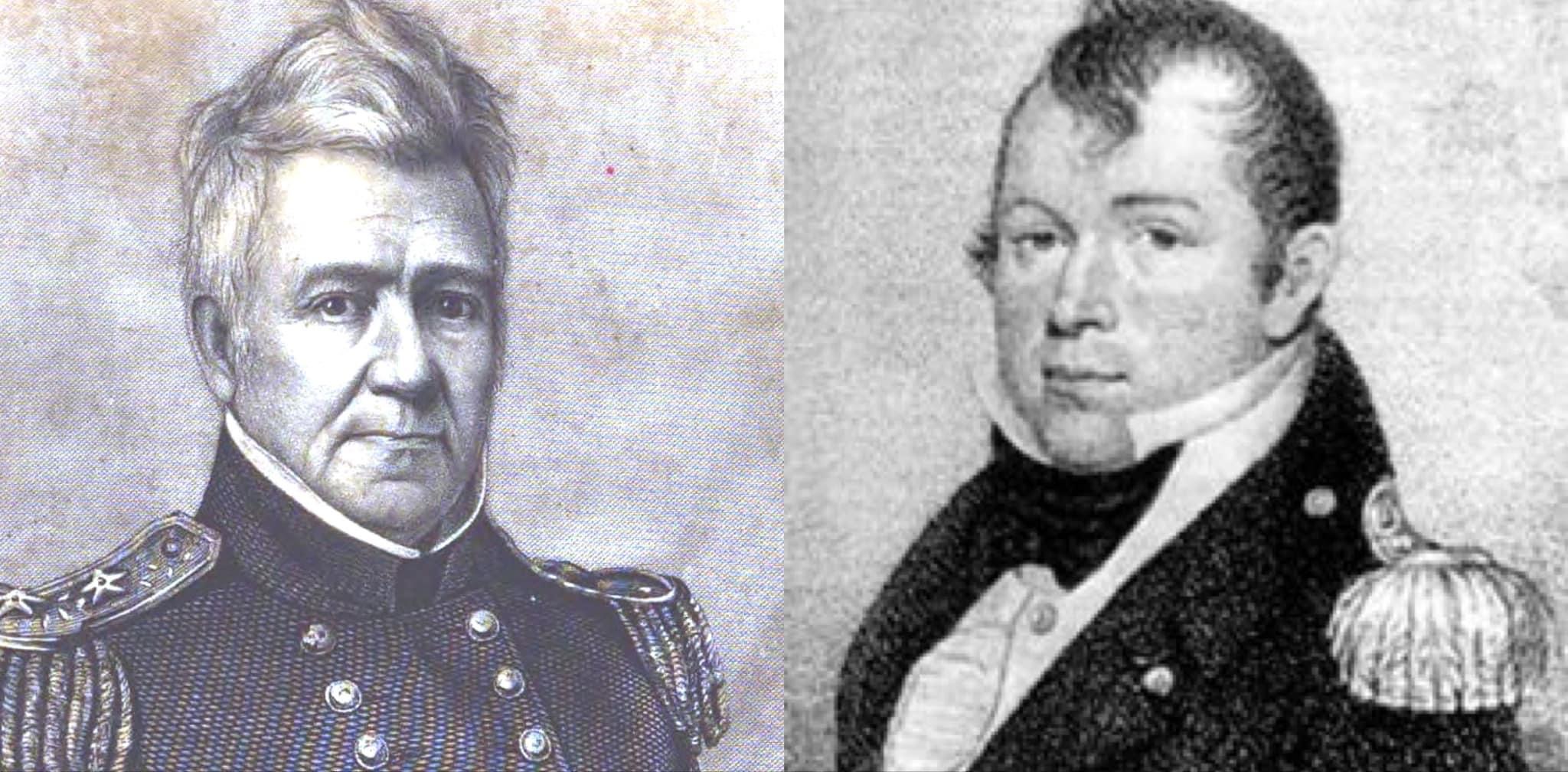
During the night of October 8–9, 1812, U.S. Navy Lieutenant Jesse D. Elliott and U.S. Army Captain Nathan Towson led roughly 100 American sailors and soldiers from Black Rock, near Buffalo, across the Niagara River toward two British vessels anchored off Fort Erie. The targets were the armed brig HMS Detroit—formerly the U.S. Army brig Adams, captured by Britain after the fall of Detroit—and the armed merchant vessel HMS Caledonia. The Americans boarded both ships in a rapid nighttime raid. Although the approach to Caledonia was detected and met with gunfire, Towson’s men quickly overcame her crew; Elliott’s party then captured Detroit. The Americans freed prisoners and seized valuable British cargo, including furs and military supplies.
The success was only partly retained. Caledonia reached the American side and entered U.S. service, later contributing to the American Lake Erie flotilla. Detroit could not be safely brought away: after becoming stranded within reach of British guns, it was burned to prevent its recovery by the enemy.
The raid gave the United States a much-needed boost in morale following early setbacks in the War of 1812 and showed that a combined Army–Navy force could strike effectively along the Niagara frontier. It did not itself establish American naval dominance on Lake Erie, but it was an early step in the naval buildup that culminated in the American victory at the Battle of Lake Erie in 1813.
