
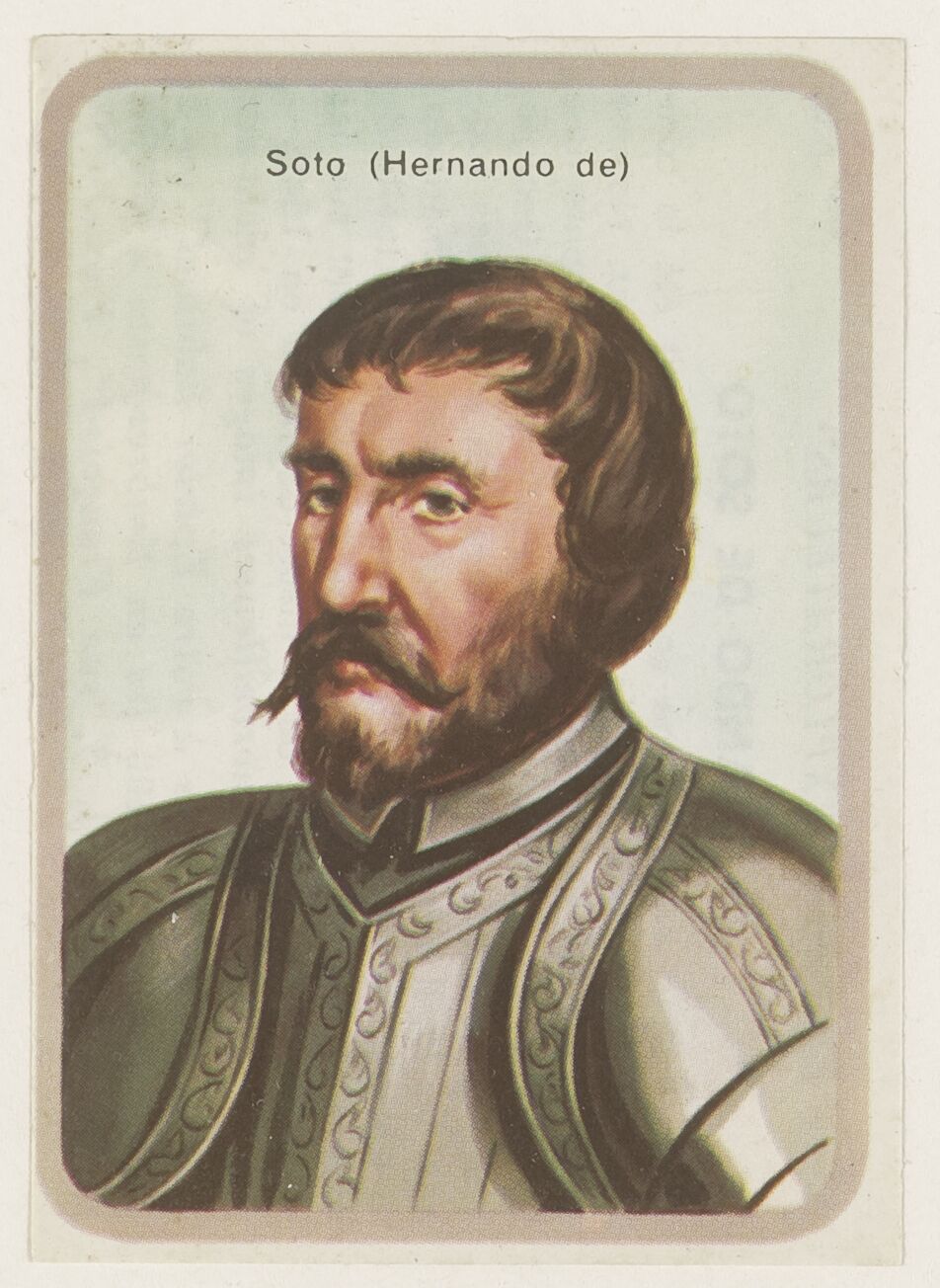
On October 6, 1539, Hernando de Soto’s Spanish expedition reached Anhaica, the principal town of the Apalachee people, in what is now Tallahassee, Florida. Earlier that year, de Soto had landed near Tampa Bay with an expedition of more than 600 soldiers, enslaved people, craftspeople, and other followers, as well as hundreds of horses. Seeking food, wealth, and political control in the territory the Spanish called La Florida, the expedition moved north into Apalachee country, home to a Muskogean-language-speaking people with a well-established agricultural and political center.
Anhaica was a large Apalachee capital whose approximately 250 structures and substantial stores of corn made it an attractive winter base for the Spanish. As de Soto approached, the town’s inhabitants fled rather than remain under occupation. The Spanish took over the settlement, its buildings, and its food supplies, using Anhaica as their winter encampment from October 1539 through March 1540.
Occupation did not mean submission. Throughout the winter, Apalachee people repeatedly harassed the expedition, especially through ambushes of smaller Spanish parties moving beyond the occupied town. These attacks exposed the limits of Spanish military power: although the expedition held Anhaica itself, it could not move safely or freely through the surrounding Apalachee landscape. In March 1540, de Soto’s force left the area and continued its march northward.
For centuries, the precise location of Anhaica remained uncertain. In 1987, Florida state archaeologist B. Calvin Jones investigated a construction site on Lafayette Street in Tallahassee and found early-sixteenth-century Spanish material, beginning with a fragment of Spanish olive jar. Subsequent excavation recovered artifacts including chain mail, crossbow bolts, beads, pottery, and other materials associated with both the Apalachee settlement and de Soto’s occupation. The discovery provided the first definitive archaeological confirmation of a site used by the de Soto expedition and remains the only confirmed expedition site.
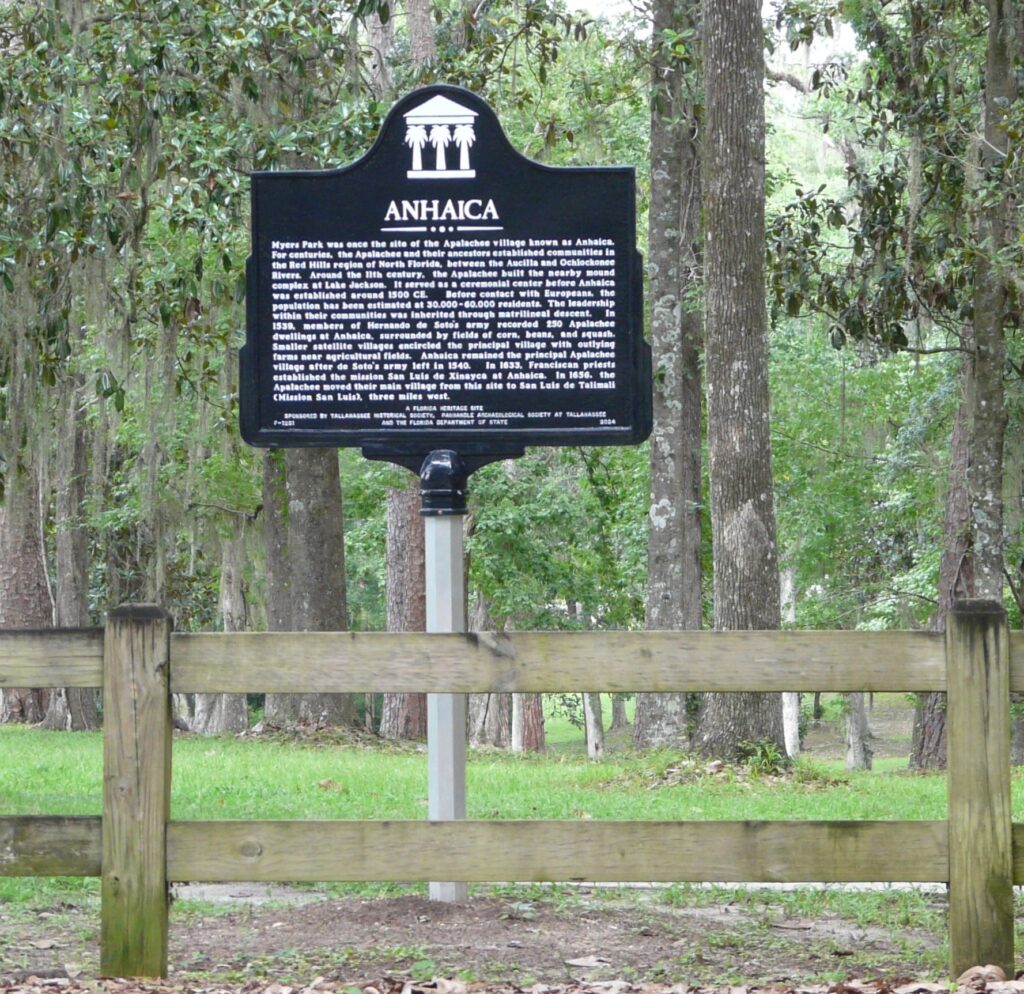
The winter at Anhaica is therefore not only a story of Spanish occupation. It is also evidence of persistent Apalachee resistance—resistance that challenged the invaders’ access to food, movement, and security even while they occupied the Apalachee capital.