
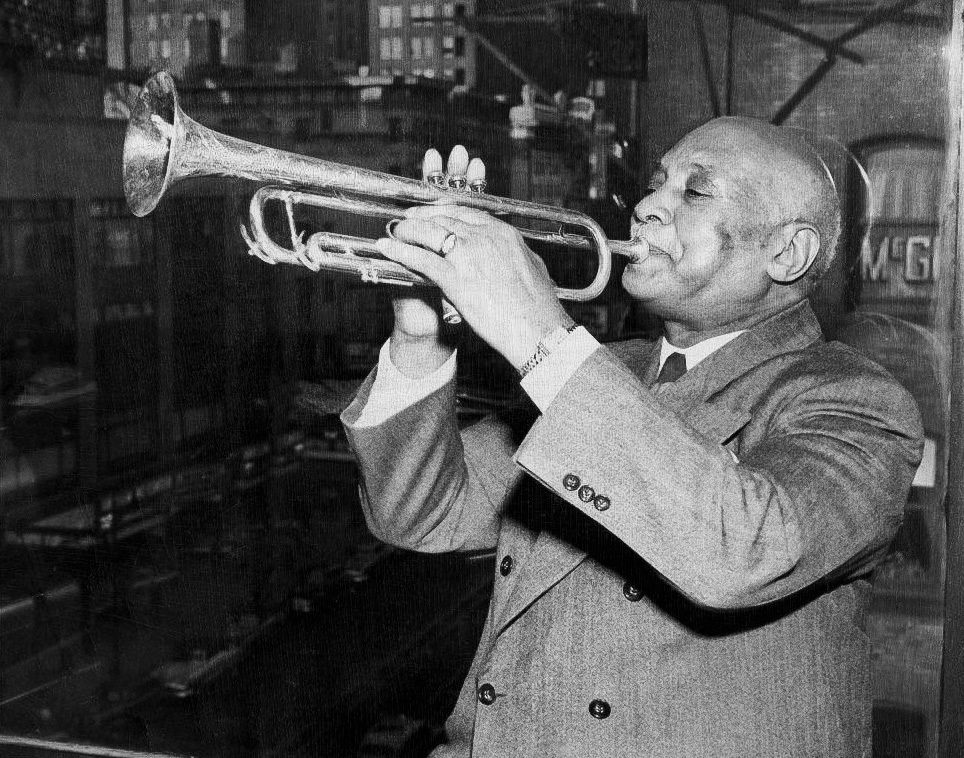
When W.C. Handy self-published “The Memphis Blues” in Memphis in 1912, he helped move blues-inflected Black Southern music from an oral and local performance culture into the commercial sheet-music market. The work grew out of “Mr. Crump,” a piece associated with Edward H. Crump’s successful 1909 Memphis mayoral campaign.
After publishers rejected the piece, Handy financed its publication himself. He reshaped the earlier material into a piano instrumental that blended blues-derived melodic ideas with ragtime syncopation and popular-song structure. “The Memphis Blues” was not the first blues-related music to appear in print, nor did Handy invent the blues or its twelve-bar form. But it became an influential early commercial blues publication and helped introduce a wider public to musical practices rooted in African American Southern traditions.
Its impact grew after Handy sold the rights to publisher Theron Bennett; Bennett’s later edition helped the song reach a much larger audience. In that sense, Handy’s achievement was not simply composing a hit. He was an arranger, publisher, and cultural bridge-builder who helped establish the blues as a recognized force in American popular music.
Image: W.C. Handy playing trumpet in his Times Square music-publishing office, November 1949. Public domain.
