
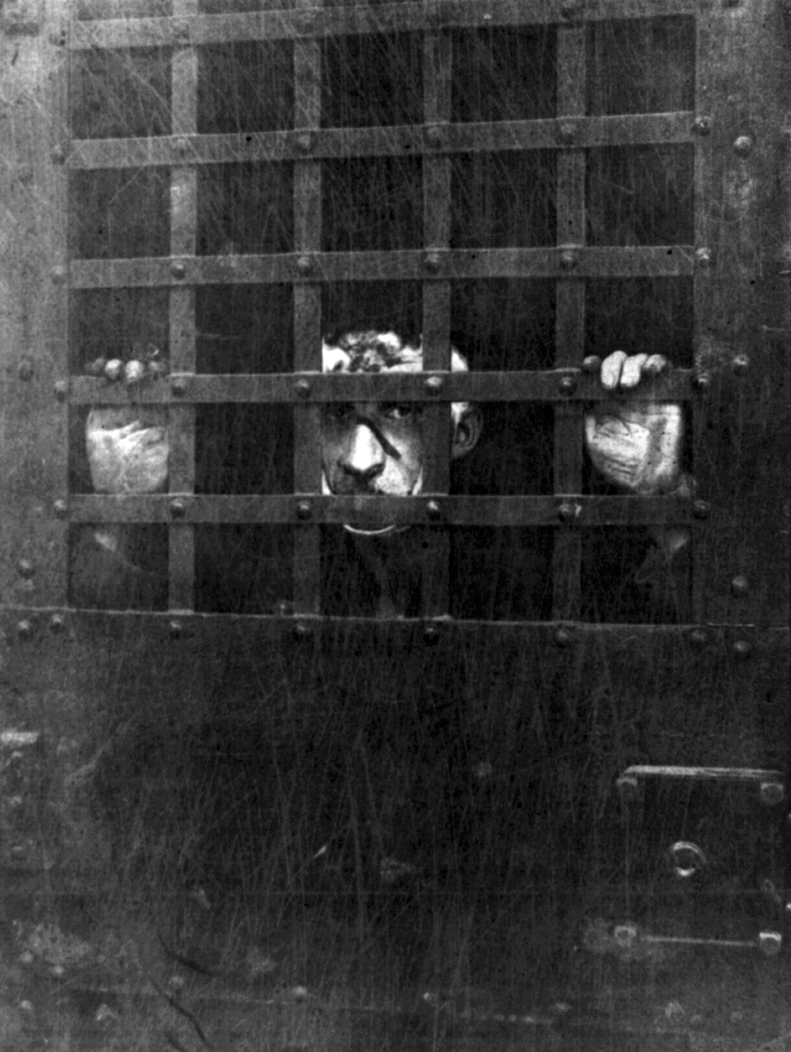
On September 24, 1901, Leon Czolgosz—the anarchist who had fatally shot President William McKinley at the Pan-American Exposition—was convicted of first-degree murder in Buffalo, New York. His trial had begun the previous day, only nine days after McKinley’s death, and it unfolded amid national grief, public outrage, and intense pressure for a rapid legal resolution.
The proceedings were remarkably brief. Across two days, the court spent about eight and a half hours on the case. Czolgosz’s court-appointed attorneys, former judges Loran L. Lewis and Robert C. Titus, faced an exceptionally difficult task: their client refused to cooperate with them. The defense called no witnesses, though Lewis delivered a closing argument and attempted to address the question of Czolgosz’s mental state. After deliberating for less than half an hour, the jury returned a guilty verdict.
Czolgosz was formally sentenced to death on September 26. In statements following his conviction, he said that he had killed McKinley because he regarded the president as an enemy of working people. He was executed by electric chair at Auburn Prison on October 29, 1901—just 45 days after McKinley’s death.
The assassination was an act of political violence that horrified much of the country, and the evidence of Czolgosz’s guilt was overwhelming. Even so, the speed of the prosecution remains a significant feature of the case. It illustrates a lasting tension in American justice: how to preserve a defendant’s right to meaningful counsel and deliberate legal process when a crime produces overwhelming public anger and demands for swift punishment.
Image: Leon F. Czolgosz, the assassin of President William McKinley, in jail.
