
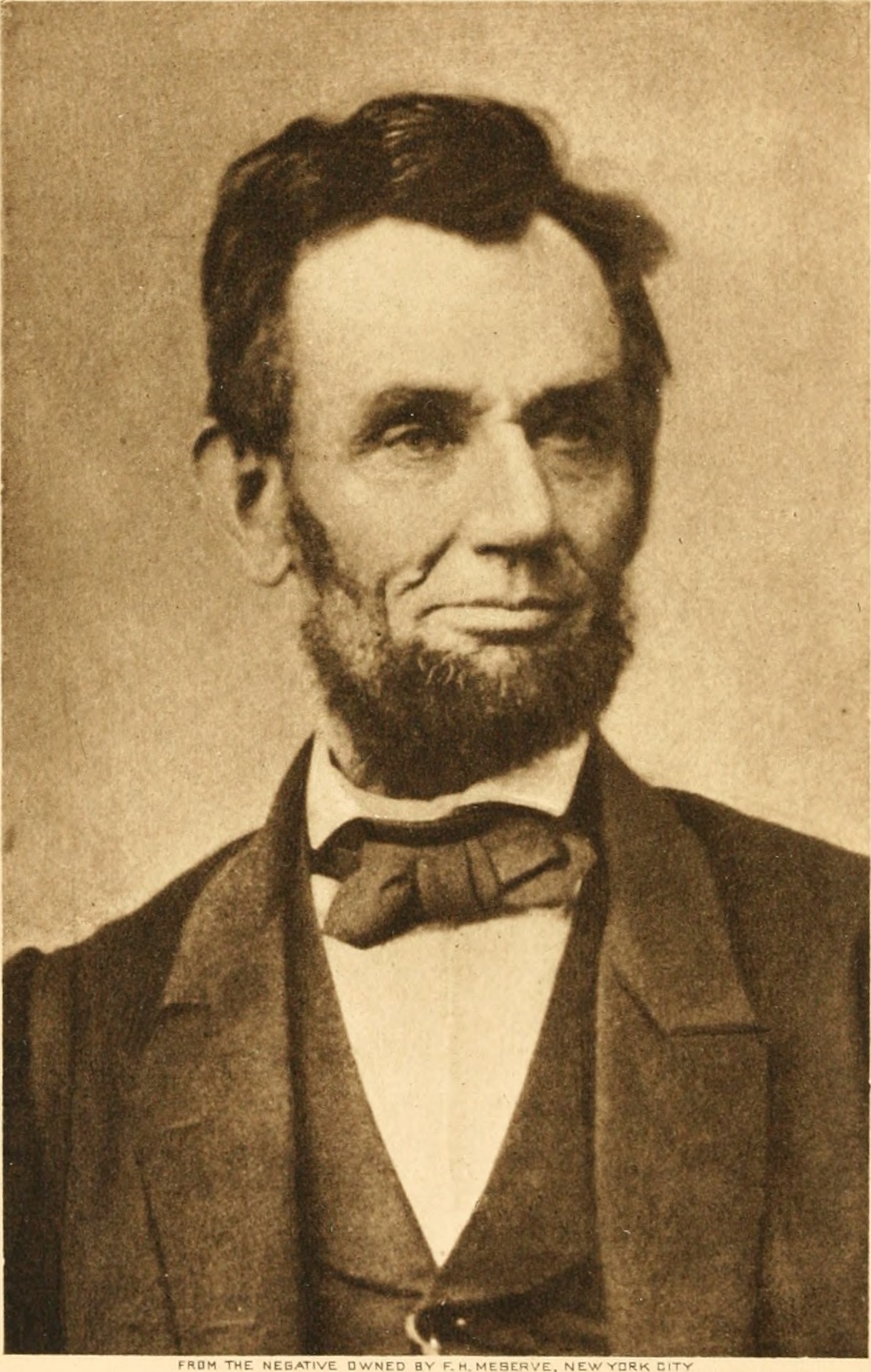
On September 22, 1862, President Abraham Lincoln altered the course of American history and the character of the Civil War by issuing the Preliminary Emancipation Proclamation. Announced five days after the Battle of Antietam, the proclamation warned that, on January 1, 1863, all people held in slavery in states or parts of states still in rebellion against the United States would be declared “thenceforward, and forever free.”
The timing was calculated political and military strategy. Lincoln had discussed a preliminary emancipation measure with his Cabinet in July, but Secretary of State William H. Seward urged him to wait for a Union military success. Issuing such a far-reaching policy during a period of Union setbacks, Seward feared, could make it appear to be an act of desperation rather than a position of strength. Antietam, which halted Confederate general Robert E. Lee’s Maryland campaign, gave Lincoln the opportunity to act.
By linking emancipation to Union war policy, Lincoln transformed the conflict from a war fought solely to preserve the Union into one also aimed at destroying slavery. The proclamation did not immediately free all enslaved people: it applied only to areas in rebellion and excluded the loyal border states as well as certain Confederate areas already under Union control. Still, it made emancipation a central Union objective and authorized the federal government to recognize and protect the freedom of those covered by the order.
The proclamation also had major international consequences. By associating the Union cause explicitly with emancipation, it made British or French recognition of—and intervention on behalf of—the Confederacy substantially more difficult politically, given strong antislavery sentiment in Europe. The preliminary proclamation led to the final Emancipation Proclamation on January 1, 1863, and helped establish the political and moral foundation for the Thirteenth Amendment, which abolished slavery throughout the United States in 1865.
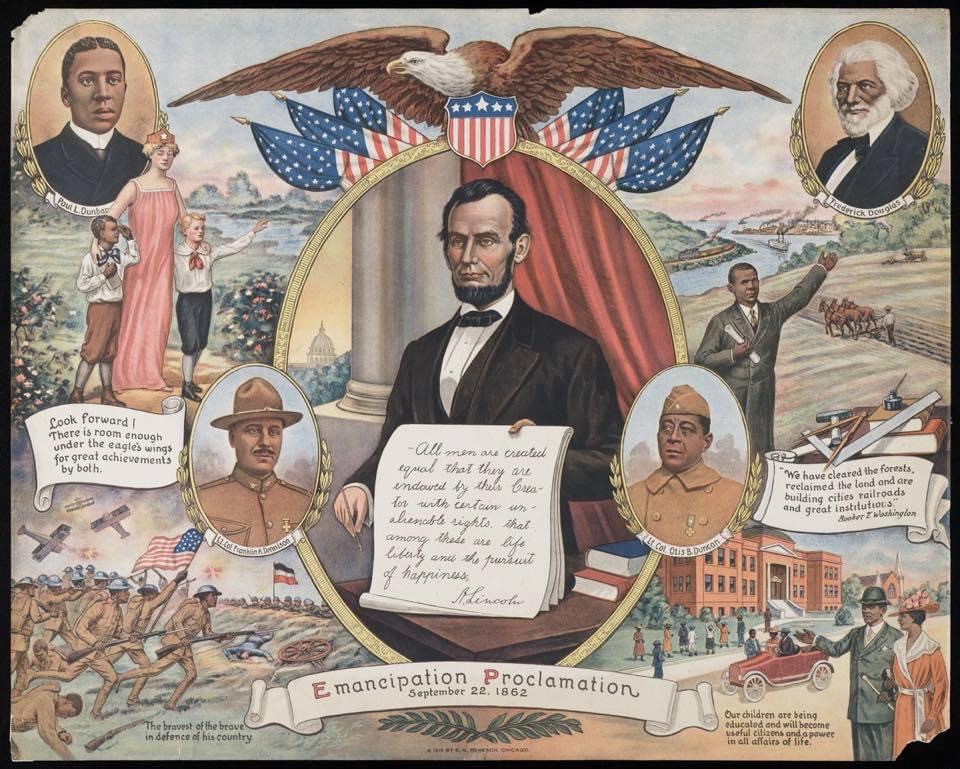
Image: “Emancipation Proclamation, September 22, 1862,” by E. G. Renesch, 1919, via Wikimedia Commons, public domain.

This was taken to the War Governors Conference at the Logan House in Altoona PA on Sep.23&24. Approved and sent to Congress.