
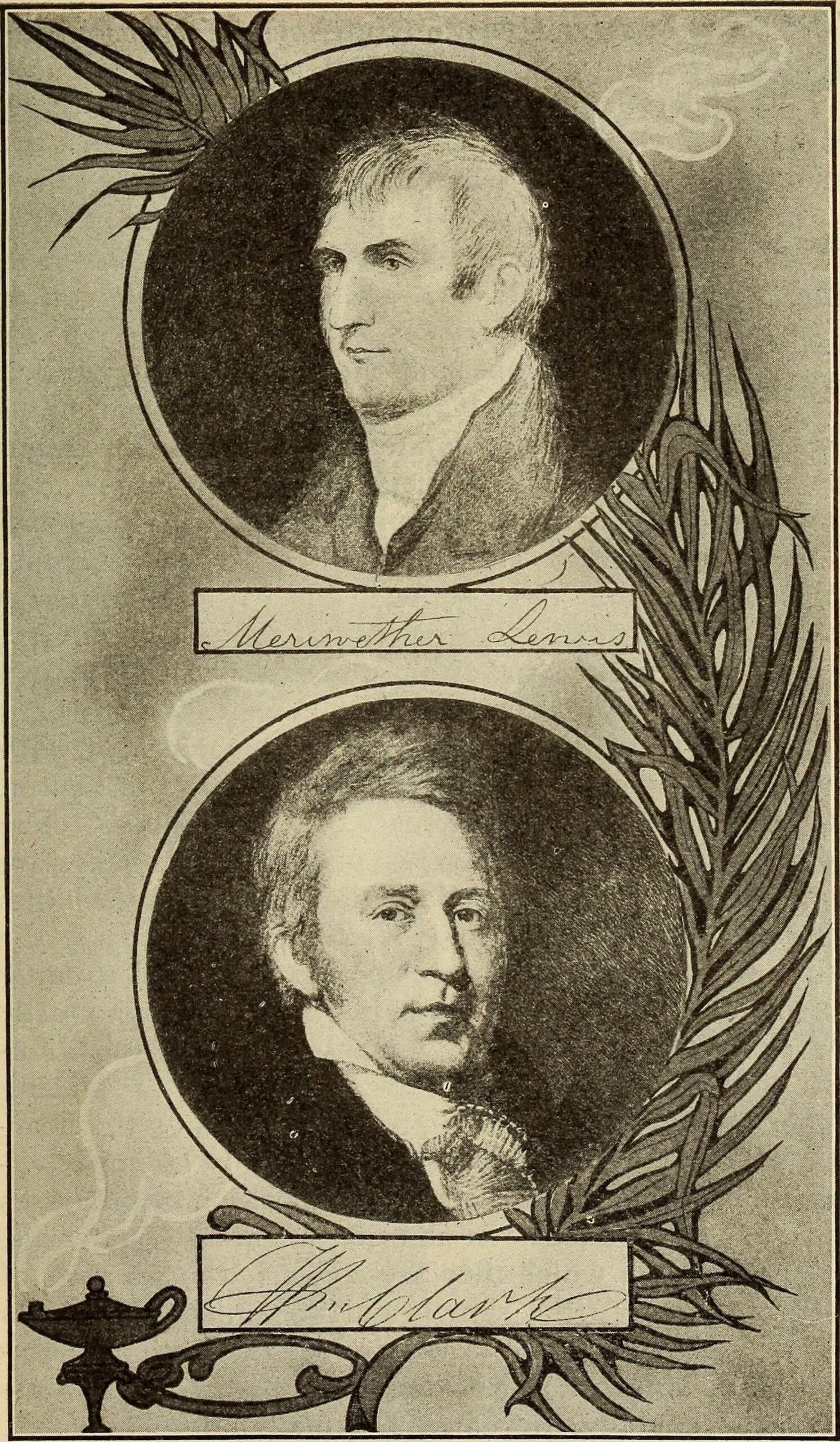
September 20, 1806, marked an emotional turning point in the return of the Corps of Discovery. After more than two years away from the Missouri frontier, Captains Meriwether Lewis and William Clark’s expedition reached La Charrette, a small French settlement on the Missouri River in present-day Missouri. It was the first non-Indigenous settlement the party had encountered since beginning its westward journey in 1804.
The exhausted travelers had spent months descending the Missouri after their journey to the Pacific and back. When La Charrette came into view, Clark recorded that the men “raised a Shout and Sprung upon their ores.” The party fired three celebratory rounds, answered by salutes from five trading boats near the village.
The residents’ response underscored just how uncertain the expedition’s fate had seemed back east. Clark wrote that “every person, both French and americans Seem to express great pleasure at our return,” adding that the villagers had believed the party “lost long Since.” Two Scottish traders supplied the men with beef, pork, and flour, and welcomed the captains to supper—a striking return to familiar food and hospitality after years in the West.
La Charrette was only a brief stop, but it signaled that the expedition had reentered the settled Missouri Valley. The following day, the Corps reached St. Charles, and soon afterward it completed its return to St. Louis. The expedition brought back extensive journals, maps, plant and animal observations, and information about the many Indigenous nations and landscapes encountered along the route. Its records expanded U.S. knowledge of the trans-Mississippi West and later informed American commercial, diplomatic, scientific, and expansionist ambitions.
Image via Wikimedia Commons, public domain.
