
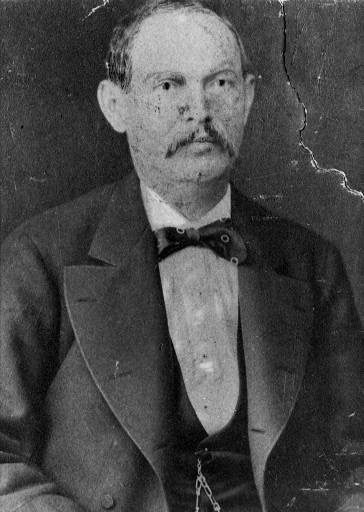
On the evening of September 13, 1899, a quiet New York City intersection became the site of a tragic milestone in transportation history. Henry H. Bliss, a Manhattan real-estate dealer, had stepped from a southbound streetcar at Central Park West and West 74th Street and turned to assist a fellow passenger when an electric-powered taxicab struck him. He was thrown to the pavement and suffered catastrophic injuries to his head and chest.
Bliss died the following morning, September 14. His death is recognized as the first recorded fatality caused by a motor vehicle in the United States—and is also commemorated as the first recorded motor-vehicle death in the Western Hemisphere. The driver, Arthur Smith, was arrested and charged with manslaughter, but was later acquitted after the court found that he had acted without malice and had not been negligent.
The collision drew attention to the hazards created as automobiles entered streets still shared by pedestrians, streetcars, wagons, and horse-drawn vehicles. It did not by itself create modern traffic law or street-safety design, but it became an enduring symbol of the safety, legal, and urban-planning questions that would define the automotive age: how fast vehicles should travel, how streets should be organized, and how pedestrians could be protected in increasingly mechanized cities.
Image via Wikimedia Commons; public domain in the United States.
