
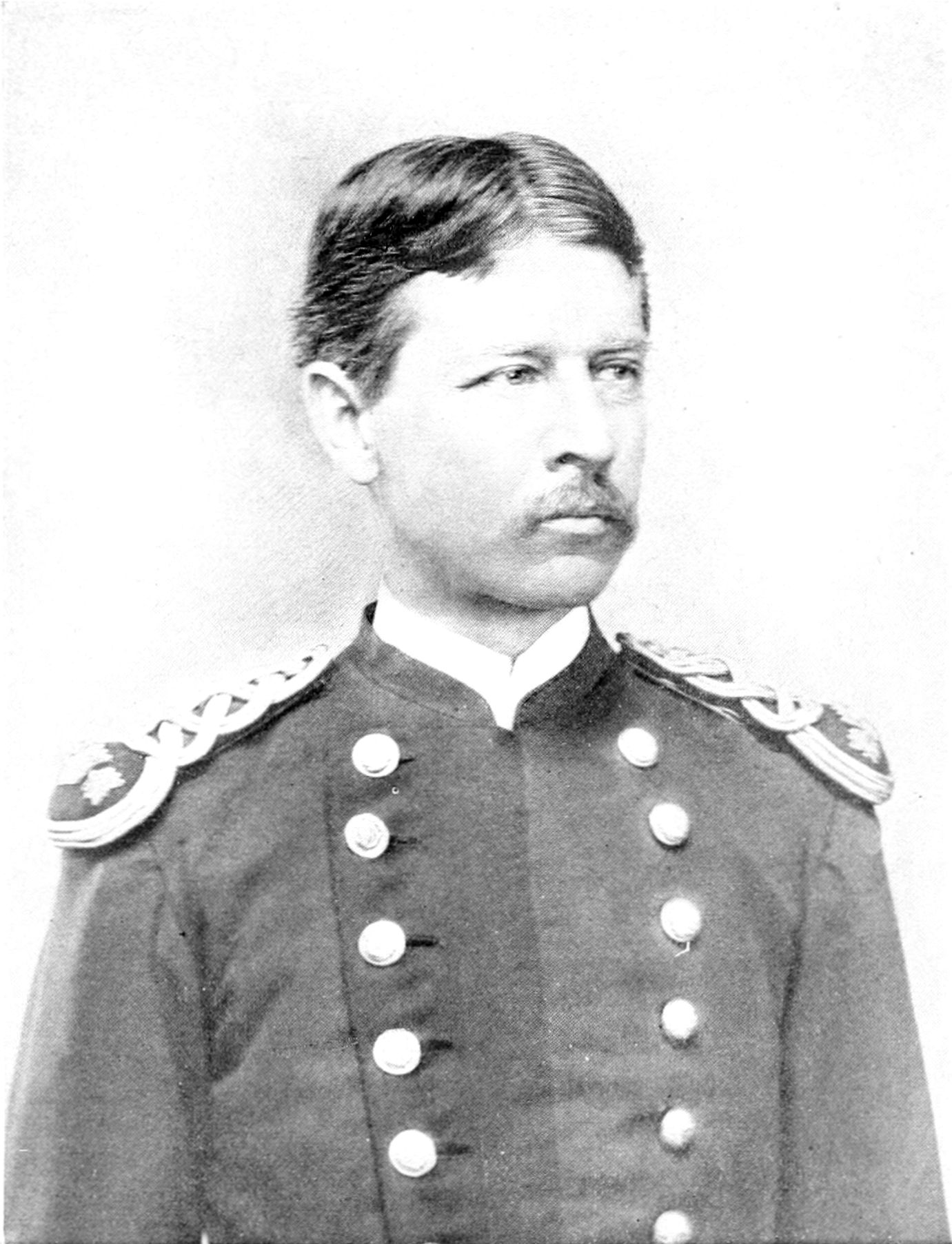
On September 13, 1851, Walter Reed—one of America’s most consequential military physicians—was born in Belroi, Gloucester County, Virginia. A remarkable student, he earned his medical degree from the University of Virginia in 1869 at age 17, becoming its youngest medical-school graduate to that point.
Reed began his career as an Army surgeon on the western frontier, treating soldiers, their families, and Native American communities. During this period, his patients included the captured Apache leader Geronimo.
Reed secured his place in medical history after the Spanish-American War, when he led the U.S. Army Yellow Fever Commission in Cuba. Working with James Carroll, Jesse Lazear, and Aristides Agramonte, the commission investigated one of the era’s most feared diseases. Its careful and dangerous experiments confirmed that yellow fever was transmitted by Aedes aegypti mosquitoes—not through contaminated clothing, bedding, or ordinary contact with patients. The findings built on the earlier mosquito theory proposed by Cuban physician Carlos Finlay.
That discovery transformed public-health practice. It showed that yellow fever could be controlled by preventing mosquito bites, eliminating breeding sites, and protecting infected patients from mosquitoes. These methods sharply reduced yellow-fever transmission in Cuba and later helped make the construction of the Panama Canal feasible, after disease had contributed to the failure of the earlier French effort.
Reed died in 1902, only a year after his commission’s findings became widely known. Yet his work helped establish modern tropical medicine and strengthened the evidence-based approach to infectious-disease control. His legacy endures in the Walter Reed National Military Medical Center and in the countless lives protected by mosquito-control and public-health measures around the world.
Image via Wikimedia Commons, public domain.
