
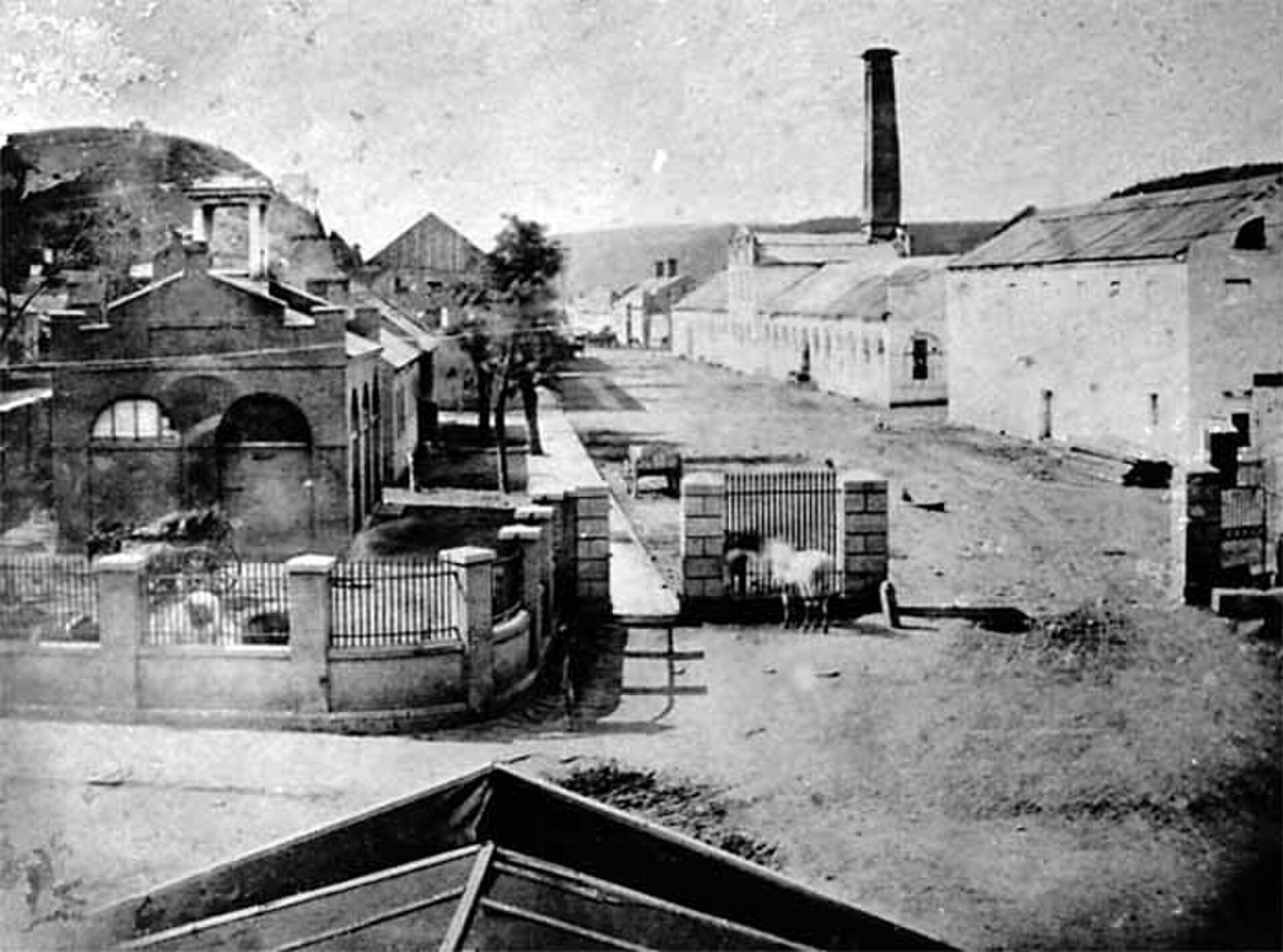
On September 12, 1862, during the pivotal Maryland Campaign of the American Civil War, Confederate Major General Thomas J. “Stonewall” Jackson began the operation to surround and capture the strategic Union garrison at Harpers Ferry, Virginia—now West Virginia. Acting under General Robert E. Lee’s bold, multi-pronged plan, Jackson directed separate Confederate columns toward the dominant heights surrounding the isolated town.
Harpers Ferry held major strategic value: it protected the junction of the Potomac and Shenandoah Rivers, the Baltimore and Ohio Railroad, and important Federal supply installations. Its capture would also remove a Union force threatening the rear and communications of Lee’s army as it moved into Maryland. Confederate forces secured Maryland Heights, Loudoun Heights, and School House Ridge, placing the Federal garrison under Colonel Dixon S. Miles in an increasingly untenable position within the narrow river valley.
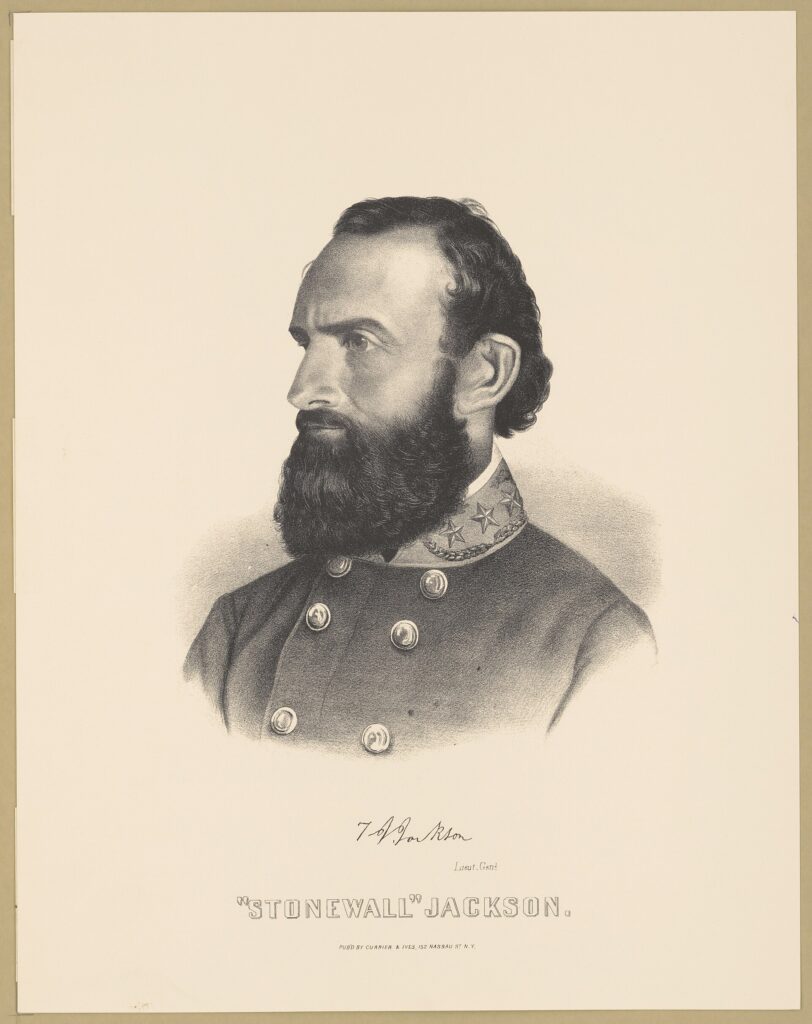
The fighting that began on September 12 centered on the Confederate advance and the struggle for the surrounding high ground. By September 14 and the morning of September 15, Jackson had brought artillery into position on Maryland and Loudoun Heights, allowing Confederate guns to bombard the Federal defenses on Bolivar Heights and threaten the town below. Surrounded and outmatched, Miles’s command surrendered on September 15. Roughly 12,000 to 13,000 Union soldiers became prisoners—the largest surrender of U.S. forces during the Civil War and the largest such surrender until World War II.
Image: View of the federal arsenal and heights at Harpers Ferry, via the Library of Congress; public domain.
